Skip to Content Facebook Feature Image

Senators diverge sharply on damage done by Iran strikes after classified briefing

News

Senators diverge sharply on damage done by Iran strikes after classified briefing
News

News

Senators diverge sharply on damage done by Iran strikes after classified briefing

2025-06-27 04:40 Last Updated At:04:52

WASHINGTON (AP) — Senators emerged from a classified briefing Thursday with sharply diverging assessments of President Donald Trump’s bombing of three Iranian nuclear sites, with Republicans calling the mission a clear success and Democrats expressing deep skepticism.

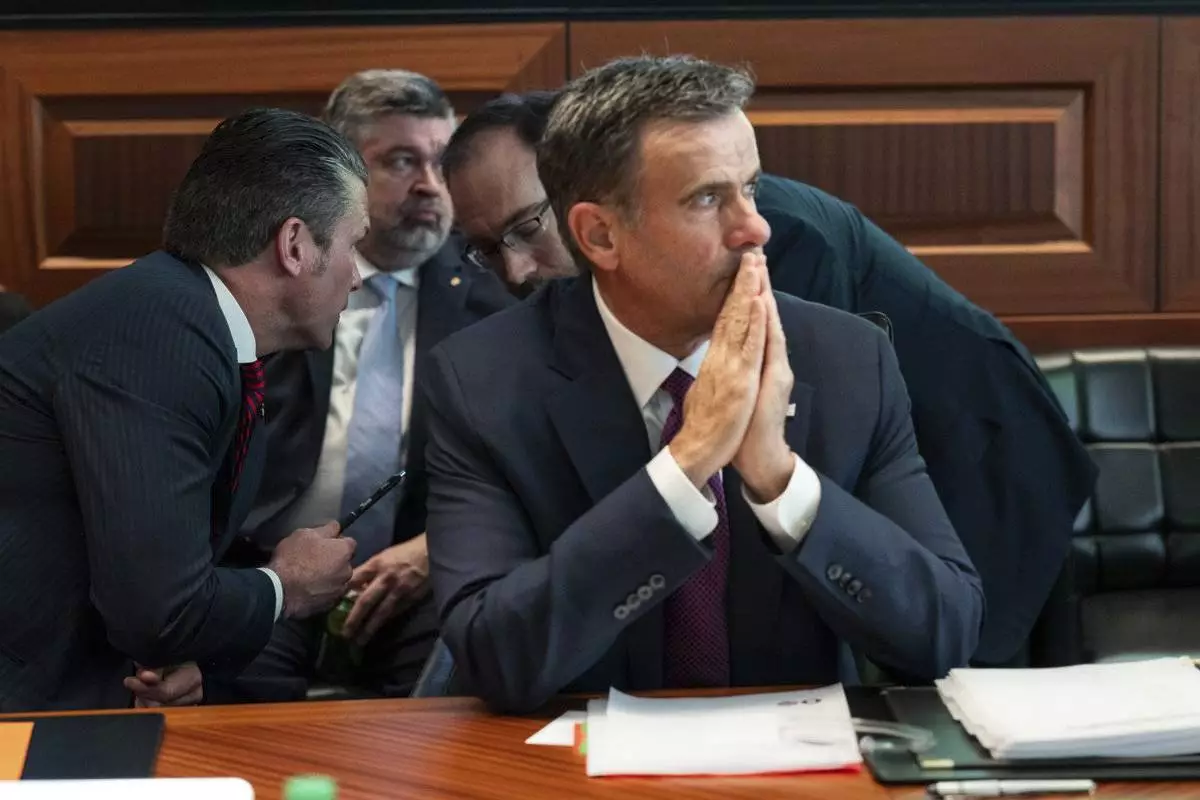
CIA Director John Ratcliffe, Secretary of State Marco Rubio, Defense Secretary Pete Hegseth and Gen. Dan Caine, chairman of the Joint Chiefs of Staff, came to Capitol Hill to give the classified briefings, originally scheduled for Tuesday.

More Images
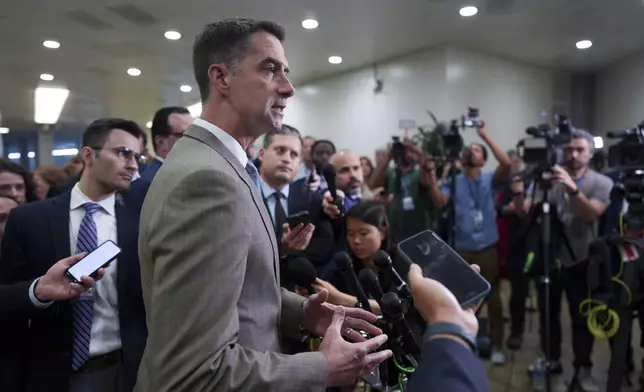
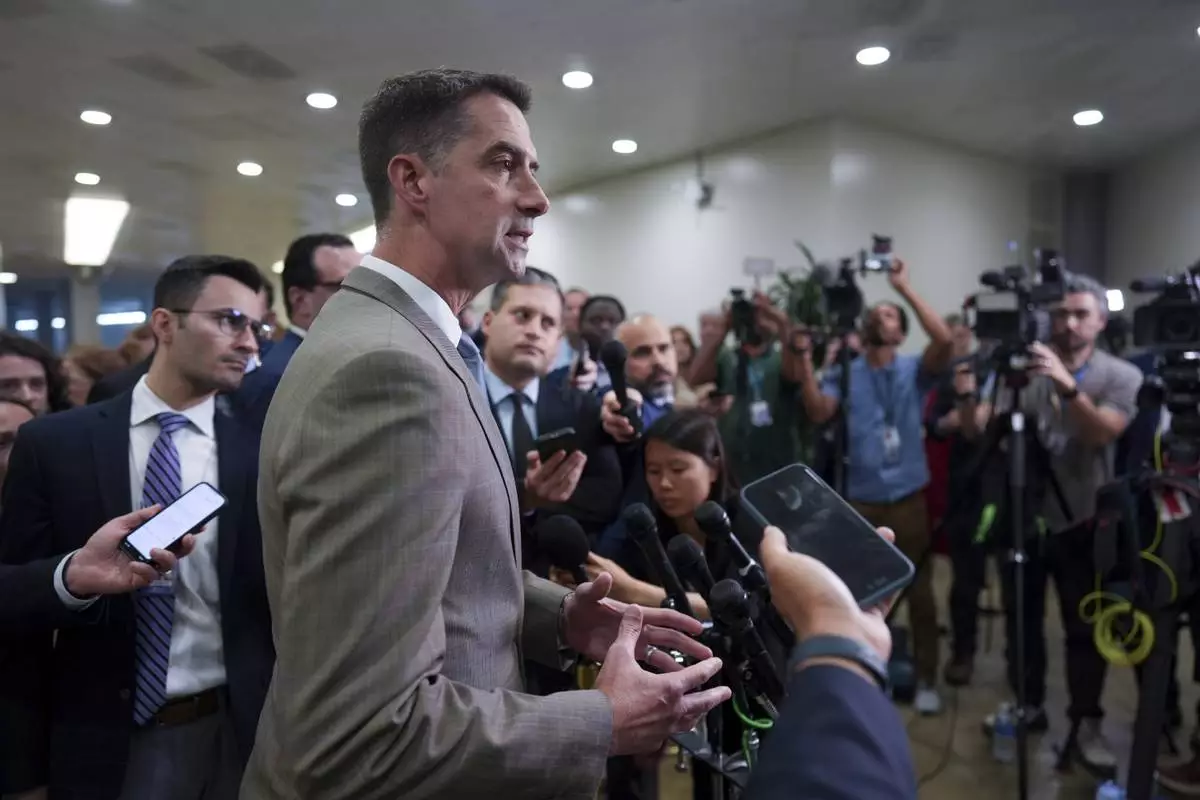
Sen. Tom Cotton, R-Ark., takes questions from reporters as senators depart a classified briefing on President Donald Trump's directed strikes on Iranian nuclear facilities last weekend, at the Capitol in Washington, Thursday, June 26, 2025. (AP Photo/J. Scott Applewhite)
Sen. Tom Cotton, R-Ark., takes questions from reporters as senators depart a classified briefing on President Donald Trump's directed strikes on Iranian nuclear facilities last weekend, at the Capitol in Washington, Thursday, June 26, 2025. (AP Photo/J. Scott Applewhite)

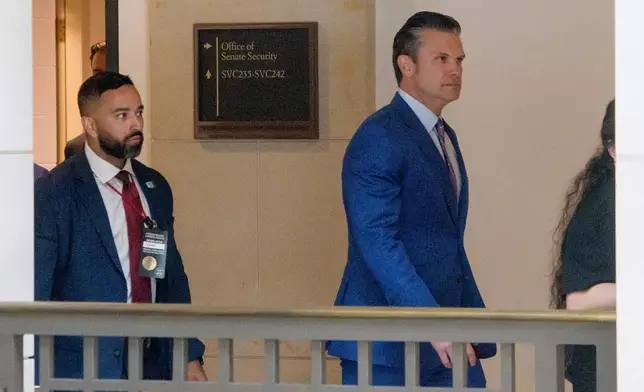
Defense Secretary Pete Hegseth arrives for a classified briefing for senators at the Capitol on Capitol Hill, Thursday, June 26, 2025, in Washington. (AP Photo/Rod Lamkey, Jr.)
Defense Secretary Pete Hegseth arrives for a classified briefing for senators at the Capitol on Capitol Hill, Thursday, June 26, 2025, in Washington. (AP Photo/Rod Lamkey, Jr.)
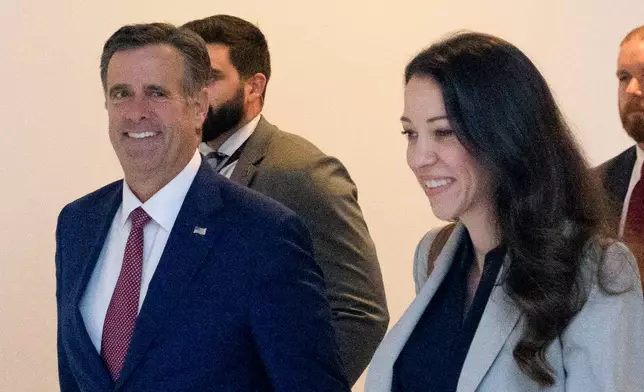
CIA Director John Ratcliffe departs a classified briefing for senators at the Capitol on Capitol Hill, Thursday, June 26, 2025, in Washington. (AP Photo/Rod Lamkey, Jr.)

CIA Director John Ratcliffe departs a classified briefing for senators at the Capitol on Capitol Hill, Thursday, June 26, 2025, in Washington. (AP Photo/Rod Lamkey, Jr.)

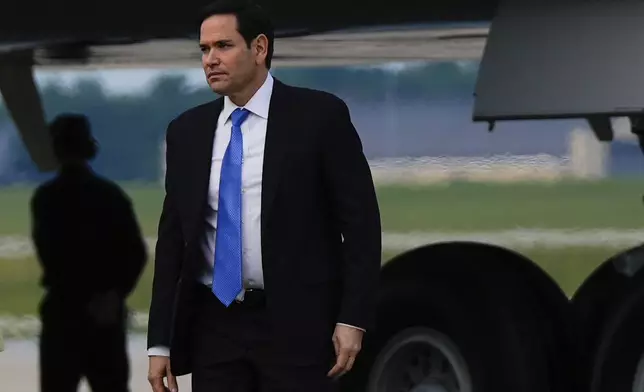
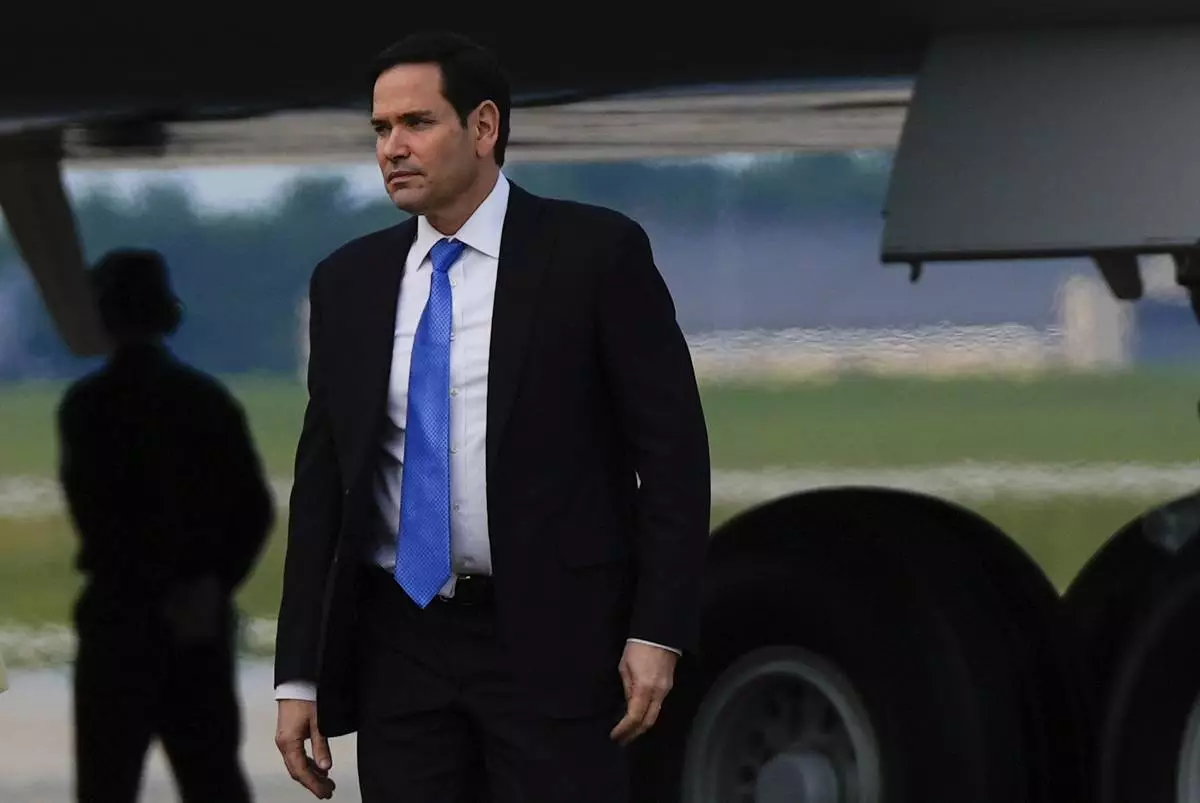
Secretary of State Marco Rubio arrives with President Donald Trump on Air Force One, Wednesday, June 25, 2025, at Joint Base Andrews, Md. (AP Photo/Julia Demaree Nikhinson)

Secretary of State Marco Rubio arrives with President Donald Trump on Air Force One, Wednesday, June 25, 2025, at Joint Base Andrews, Md. (AP Photo/Julia Demaree Nikhinson)

Defense Secretary Pete Hegseth speaks during a news conference at the Pentagon, Thursday, June 26, 2025 in Washington. (AP Photo/Kevin Wolf)
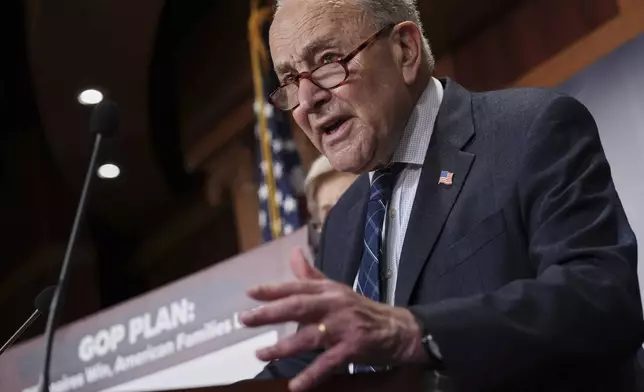
Defense Secretary Pete Hegseth speaks during a news conference at the Pentagon, Thursday, June 26, 2025 in Washington. (AP Photo/Kevin Wolf)

Senate Minority Leader Chuck Schumer, D-N.Y., talks to reporters about Senate Republicans' efforts to pass President Donald Trump's tax cut and spending agenda with deeper Medicaid cuts, at the Capitol in Washington, Wednesday, June 18, 2025. (AP Photo/J. Scott Applewhite)
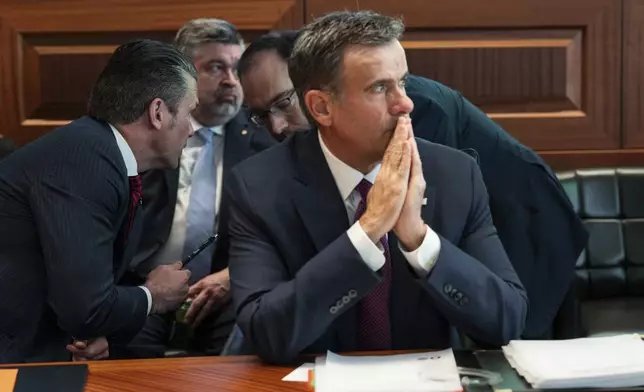
Senate Minority Leader Chuck Schumer, D-N.Y., talks to reporters about Senate Republicans' efforts to pass President Donald Trump's tax cut and spending agenda with deeper Medicaid cuts, at the Capitol in Washington, Wednesday, June 18, 2025. (AP Photo/J. Scott Applewhite)

This image released by the White House and digitally altered to diffuse papers by the source for national security reasons, shows CIA Director John Ratcliffe, in foreground seated, as Defense Secretary Pete Hegseth, left, speaks with national security adviser Andy Baker with White House counsel David Warrington seated in background in the Situation Room, Saturday, June 21, 2025, at the White House in Washington. (The White House via AP)

This image released by the White House and digitally altered to diffuse papers by the source for national security reasons, shows CIA Director John Ratcliffe, in foreground seated, as Defense Secretary Pete Hegseth, left, speaks with national security adviser Andy Baker with White House counsel David Warrington seated in background in the Situation Room, Saturday, June 21, 2025, at the White House in Washington. (The White House via AP)

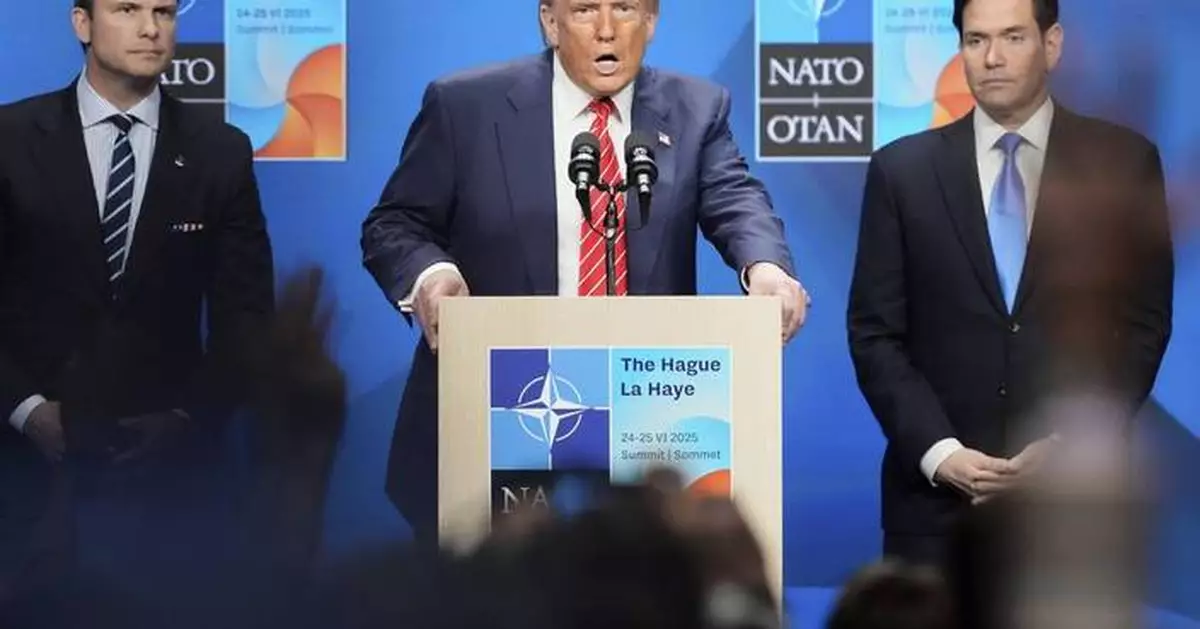
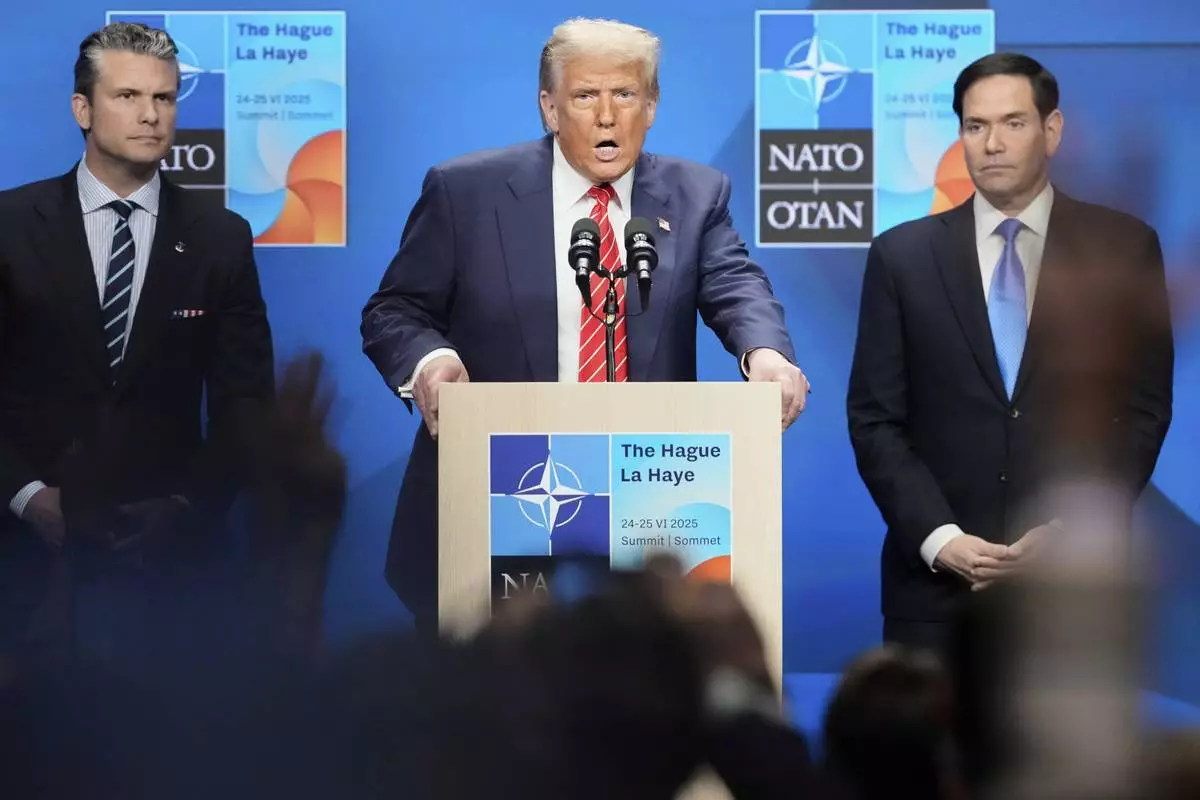
President Donald Trump speaks standing between Secretary of State Marco Rubio, right, and Defense Secretary Pete Hegseth during a press conference after the plenary session at the NATO summit in The Hague, Netherlands, Wednesday, June 25, 2025. (AP Photo/Markus Schreiber)

President Donald Trump speaks standing between Secretary of State Marco Rubio, right, and Defense Secretary Pete Hegseth during a press conference after the plenary session at the NATO summit in The Hague, Netherlands, Wednesday, June 25, 2025. (AP Photo/Markus Schreiber)

Many Republicans left satisfied, though their assessments of how much Iran’s nuclear program was set back by the bombing varied. Sen. Tom Cotton said a “major blow” and “catastrophic damage” had been dealt to Iran's facilities.

“Their operational capability was obliterated. There is nobody working there tonight. It was highly effective. There’s no reason to hit those sites anytime soon,” said Sen. Lindsey Graham, R-S.C.

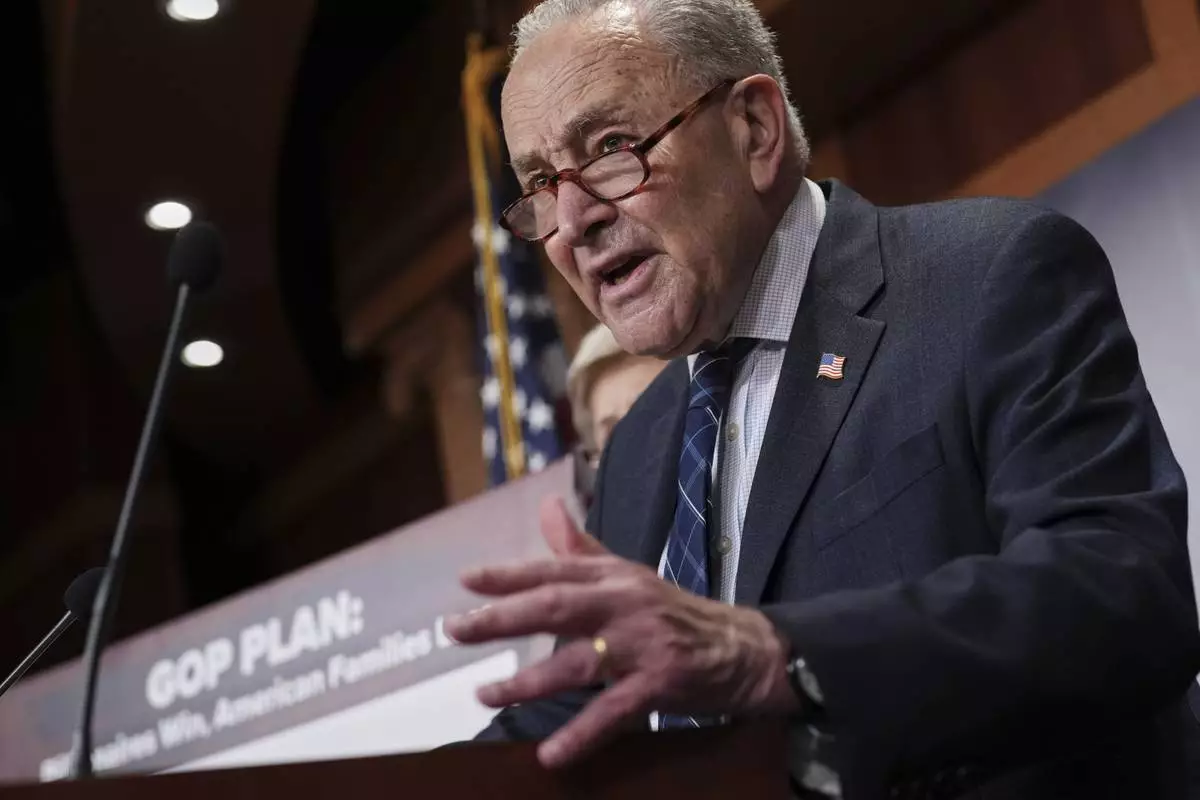
Democrats remained doubtful and criticized Trump for not giving Congress more information. Senate Democratic leader Chuck Schumer of New York said the briefing “raised more questions than it answered.”

Sen. Chris Murphy, D-Conn., said the strike appears to "have only set back the Iranian nuclear program by a handful of months."

“There's no doubt there was damage done to the program,” said Murphy, but “allegations that we have obliterated their program just don't seem to stand up to reason.”

“I just do not think the president was telling the truth when he said this program was obliterated,” he added.

The session came as senators weighed their support for a resolution affirming that Trump should seek authorization from Congress before launching more military action against Iran. A vote on that resolution could come as soon as Thursday.

Democrats, and some Republicans, have said the White House overstepped its authority when it failed to seek the advice of Congress. They also want to know more about the intelligence that Trump relied on when he authorized the attacks.

A similar briefing for House members will be held Friday.

A preliminary U.S. intelligence report found that Iran’s nuclear program had been set back only a few months, contradicting statements from Trump and Israeli Prime Minister Benjamin Netanyahu about the status of Iran’s nuclear facilities, according to two people familiar with the report. They were not authorized to discuss the matter publicly and spoke on condition of anonymity.

“You want to call it destroyed, you want to call it defeated, you want to call it obliterated — choose your word. This was an historically successful attack,” Hegseth said at a Pentagon briefing Thursday.

On Wednesday, Director of National Intelligence Tulsi Gabbard and Ratcliffe sent out statements backing Trump’s claims that the facilities were “completely and fully obliterated.”

Gabbard posted on social media that “new intelligence confirms what @POTUS has stated numerous times: Iran’s nuclear facilities have been destroyed.” She said that if the Iranians choose to rebuild the three facilities, it would “likely take years to do.”

Ratcliffe said in a statement from the CIA that Iran's nuclear program has been “severely damaged.” He cited new intelligence “from a historically reliable and accurate source/method that several key Iranian nuclear facilities were destroyed and would have to be rebuilt over the course of years.”

Most Republicans have defended Trump and hailed the tentative ceasefire he brokered in the Israel-Iran war. House Speaker Mike Johnson, R-La., went as far as to question the constitutionality of the War Powers Act, which is intended to give Congress a say in military action.

“The bottom line is the commander in chief is the president, the military reports to the president, and the person empowered to act on the nation’s behalf is the president,” Johnson told reporters.

But some Republicans, including some of Trump’s staunchest supporters, are uncomfortable with the strikes and the potential for U.S. involvement in an extended Middle East conflict.

“I think the speaker needs to review the Constitution,” said Sen. Rand Paul, R-Ky. “And I think there’s a lot of evidence that our Founding Fathers did not want presidents to unilaterally go to war.”

Paul would not say whether he would vote for the resolution by Sen. Tim Kaine, D-Va., that would require congressional approval for specific military action in Iran. A simple majority in the Senate is needed to pass the resolution and Republicans hold a 53-47 advantage.

“I will have Republican votes, plural,” Kaine said. “But whether it’s two or 10, I don’t know.”

Kaine authored a similar resolution in 2020 aimed at limiting Trump’s authority to launch military operations against Iran. At the time, eight Republicans joined Democrats in approving the resolution.

“I think I have a chance to get some votes from people who are glad that President Trump did this over the weekend, but they’re saying, ‘Ok, but now if we’re really going to go to war, it should only have to go through the Congress,’” Kaine told The Associated Press before the briefing.

While Trump did not seek approval, he sent congressional leaders a short letter Monday serving as his official notice of the strikes, which occurred Saturday between 6:40 p.m. and 7:05 p.m. EDT, or roughly 2:10 a.m. on Sunday in Iran.

The letter said the strike was taken “to advance vital United States national interests, and in collective self-defense of our ally, Israel, by eliminating Iran’s nuclear program.”

Associated Press writers Leah Askarinam, Matt Brown and Lisa Mascaro contributed to this report.

This story has been corrected to reflect that the military action resolution sponsored by Sen. Tim Kaine, D-Va., requires a simple majority of the Senate, not 60 votes.
Sen. Tom Cotton, R-Ark., takes questions from reporters as senators depart a classified briefing on President Donald Trump's directed strikes on Iranian nuclear facilities last weekend, at the Capitol in Washington, Thursday, June 26, 2025. (AP Photo/J. Scott Applewhite)

Sen. Tom Cotton, R-Ark., takes questions from reporters as senators depart a classified briefing on President Donald Trump's directed strikes on Iranian nuclear facilities last weekend, at the Capitol in Washington, Thursday, June 26, 2025. (AP Photo/J. Scott Applewhite)

Defense Secretary Pete Hegseth arrives for a classified briefing for senators at the Capitol on Capitol Hill, Thursday, June 26, 2025, in Washington. (AP Photo/Rod Lamkey, Jr.)

Defense Secretary Pete Hegseth arrives for a classified briefing for senators at the Capitol on Capitol Hill, Thursday, June 26, 2025, in Washington. (AP Photo/Rod Lamkey, Jr.)
CIA Director John Ratcliffe departs a classified briefing for senators at the Capitol on Capitol Hill, Thursday, June 26, 2025, in Washington. (AP Photo/Rod Lamkey, Jr.)

CIA Director John Ratcliffe departs a classified briefing for senators at the Capitol on Capitol Hill, Thursday, June 26, 2025, in Washington. (AP Photo/Rod Lamkey, Jr.)

Secretary of State Marco Rubio arrives with President Donald Trump on Air Force One, Wednesday, June 25, 2025, at Joint Base Andrews, Md. (AP Photo/Julia Demaree Nikhinson)

Secretary of State Marco Rubio arrives with President Donald Trump on Air Force One, Wednesday, June 25, 2025, at Joint Base Andrews, Md. (AP Photo/Julia Demaree Nikhinson)

Defense Secretary Pete Hegseth speaks during a news conference at the Pentagon, Thursday, June 26, 2025 in Washington. (AP Photo/Kevin Wolf)
Defense Secretary Pete Hegseth speaks during a news conference at the Pentagon, Thursday, June 26, 2025 in Washington. (AP Photo/Kevin Wolf)

Senate Minority Leader Chuck Schumer, D-N.Y., talks to reporters about Senate Republicans' efforts to pass President Donald Trump's tax cut and spending agenda with deeper Medicaid cuts, at the Capitol in Washington, Wednesday, June 18, 2025. (AP Photo/J. Scott Applewhite)
Senate Minority Leader Chuck Schumer, D-N.Y., talks to reporters about Senate Republicans' efforts to pass President Donald Trump's tax cut and spending agenda with deeper Medicaid cuts, at the Capitol in Washington, Wednesday, June 18, 2025. (AP Photo/J. Scott Applewhite)

This image released by the White House and digitally altered to diffuse papers by the source for national security reasons, shows CIA Director John Ratcliffe, in foreground seated, as Defense Secretary Pete Hegseth, left, speaks with national security adviser Andy Baker with White House counsel David Warrington seated in background in the Situation Room, Saturday, June 21, 2025, at the White House in Washington. (The White House via AP)
This image released by the White House and digitally altered to diffuse papers by the source for national security reasons, shows CIA Director John Ratcliffe, in foreground seated, as Defense Secretary Pete Hegseth, left, speaks with national security adviser Andy Baker with White House counsel David Warrington seated in background in the Situation Room, Saturday, June 21, 2025, at the White House in Washington. (The White House via AP)

President Donald Trump speaks standing between Secretary of State Marco Rubio, right, and Defense Secretary Pete Hegseth during a press conference after the plenary session at the NATO summit in The Hague, Netherlands, Wednesday, June 25, 2025. (AP Photo/Markus Schreiber)
President Donald Trump speaks standing between Secretary of State Marco Rubio, right, and Defense Secretary Pete Hegseth during a press conference after the plenary session at the NATO summit in The Hague, Netherlands, Wednesday, June 25, 2025. (AP Photo/Markus Schreiber)

DUBAI, United Arab Emirates (AP) — U.S. President Donald Trump said Iran wants to negotiate with Washington after his threat to strike the Islamic Republic over its bloody crackdown on protesters, a move coming as activists said Monday the death toll in the nationwide demonstrations rose to at least 544.

Iran had no immediate reaction to the news, which came after the foreign minister of Oman — long an interlocutor between Washington and Tehran — traveled to Iran this weekend. It also remains unclear just what Iran could promise, particularly as Trump has set strict demands over its nuclear program and its ballistic missile arsenal, which Tehran insists is crucial for its national defense.

Meanwhile Monday, Iran called for pro-government demonstrators to head to the streets in support of the theocracy, a show of force after days of protests directly challenging the rule of 86-year-old Supreme Leader Ayatollah Ali Khamenei. Iranian state television aired chants from the crowd, who shouted “Death to America!” and “Death to Israel!”

Trump and his national security team have been weighing a range of potential responses against Iran including cyberattacks and direct strikes by the U.S. or Israel, according to two people familiar with internal White House discussions who were not authorized to comment publicly and spoke on condition of anonymity.

“The military is looking at it, and we’re looking at some very strong options,” Trump told reporters on Air Force One on Sunday night. Asked about Iran’s threats of retaliation, he said: “If they do that, we will hit them at levels that they’ve never been hit before.”

Trump said that his administration was in talks to set up a meeting with Tehran, but cautioned that he may have to act first as reports of the death toll in Iran mount and the government continues to arrest protesters.

“I think they’re tired of being beat up by the United States,” Trump said. “Iran wants to negotiate.”

He added: “The meeting is being set up, but we may have to act because of what’s happening before the meeting. But a meeting is being set up. Iran called, they want to negotiate.”

Iran through country's parliamentary speaker warned Sunday that the U.S. military and Israel would be “legitimate targets” if America uses force to protect demonstrators.

More than 10,600 people also have been detained over the two weeks of protests, said the U.S.-based Human Rights Activists News Agency, which has been accurate in previous unrest in recent years and gave the death toll. It relies on supporters in Iran crosschecking information. It said 496 of the dead were protesters and 48 were with security forces.

With the internet down in Iran and phone lines cut off, gauging the demonstrations from abroad has grown more difficult. The Associated Press has been unable to independently assess the toll. Iran’s government has not offered overall casualty figures.

Those abroad fear the information blackout is emboldening hard-liners within Iran’s security services to launch a bloody crackdown. Protesters flooded the streets in the country’s capital and its second-largest city on Saturday night into Sunday morning. Online videos purported to show more demonstrations Sunday night into Monday, with a Tehran official acknowledging them in state media.

In Tehran, a witness told the AP that the streets of the capital empty at the sunset call to prayers each night. By the Isha, or nighttime prayer, the streets are deserted.

Part of that stems from the fear of getting caught in the crackdown. Police sent the public a text message that warned: “Given the presence of terrorist groups and armed individuals in some gatherings last night and their plans to cause death, and the firm decision to not tolerate any appeasement and to deal decisively with the rioters, families are strongly advised to take care of their youth and teenagers.”

Another text, which claimed to come from the intelligence arm of the paramilitary Revolutionary Guard, also directly warned people not to take part in demonstrations.

“Dear parents, in view of the enemy’s plan to increase the level of naked violence and the decision to kill people, ... refrain from being on the streets and gathering in places involved in violence, and inform your children about the consequences of cooperating with terrorist mercenaries, which is an example of treason against the country,” the text warned.

The witness spoke to the AP on condition of anonymity due to the ongoing crackdown.

The demonstrations began Dec. 28 over the collapse of the Iranian rial currency, which trades at over 1.4 million to $1, as the country’s economy is squeezed by international sanctions in part levied over its nuclear program. The protests intensified and grew into calls directly challenging Iran’s theocracy.

Nikhinson reported from aboard Air Force One.

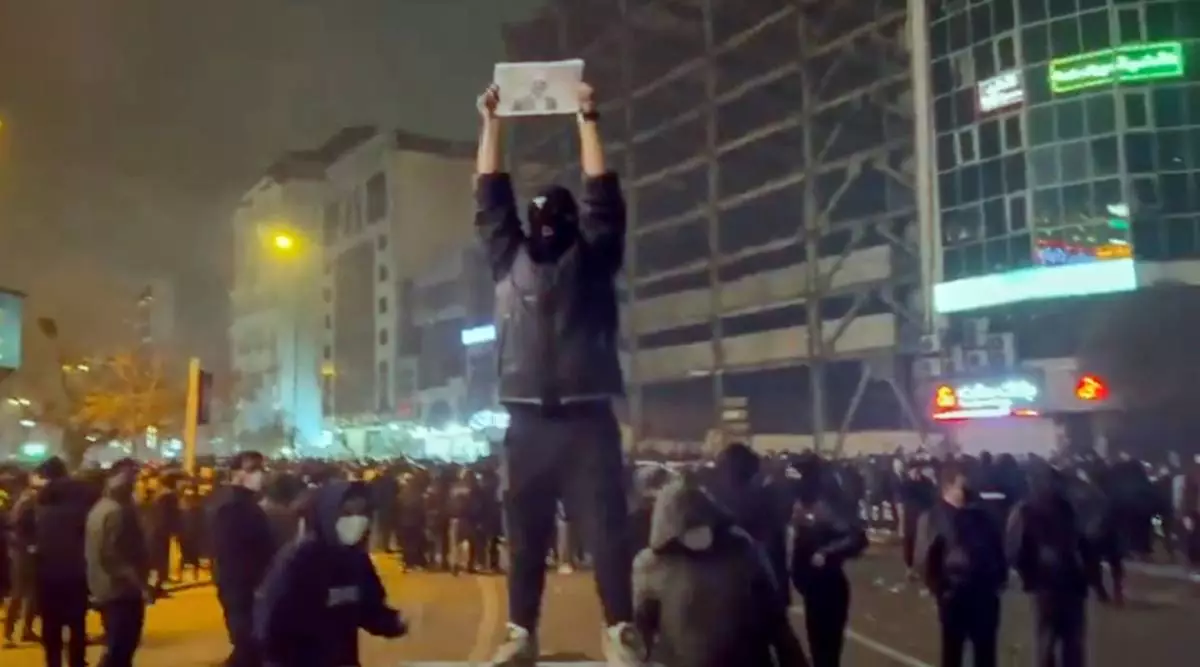
In this frame grab from video obtained by the AP outside Iran, a masked demonstrator holds a picture of Iran's Crown Prince Reza Pahlavi during a protest in Tehran, Iran, Friday, January. 9, 2026. (UGC via AP)

In this frame grab from video obtained by the AP outside Iran, a masked demonstrator holds a picture of Iran's Crown Prince Reza Pahlavi during a protest in Tehran, Iran, Friday, January. 9, 2026. (UGC via AP)

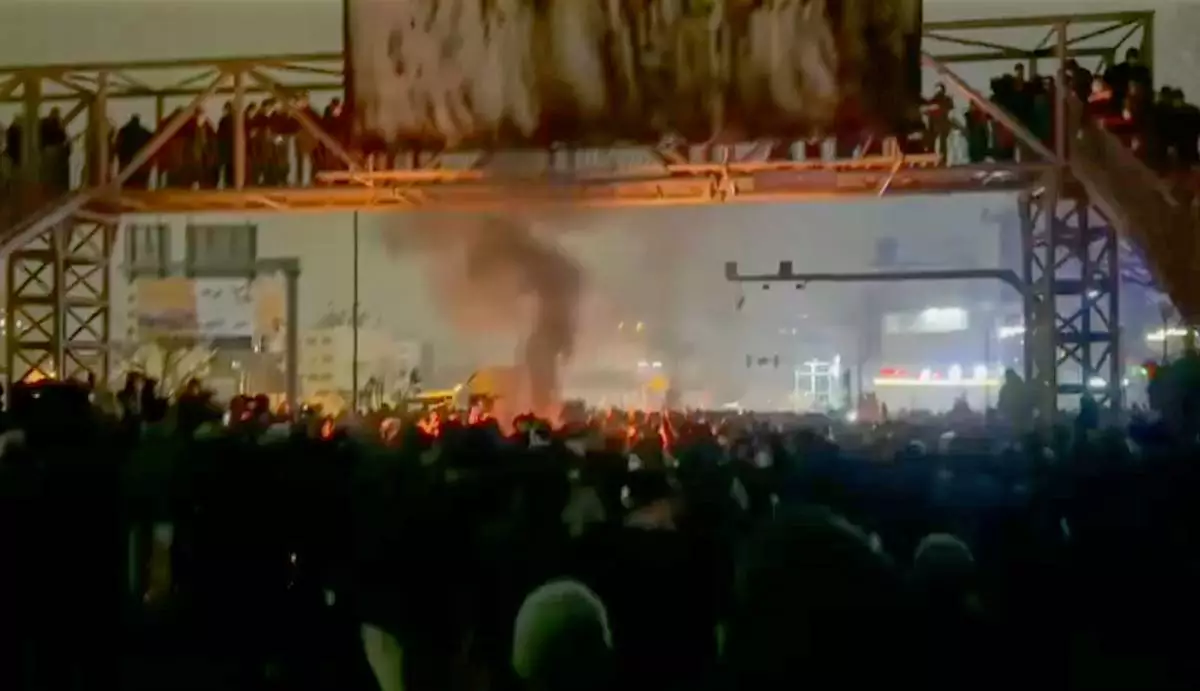
In this frame grab from footage circulating on social media from Iran shows protesters taking to the streets despite an intensifying crackdown as the Islamic Republic remains cut off from the rest of the world in Tehran, Iran, Friday, Jan. 9, 2026.(UGC via AP)

In this frame grab from footage circulating on social media from Iran shows protesters taking to the streets despite an intensifying crackdown as the Islamic Republic remains cut off from the rest of the world in Tehran, Iran, Friday, Jan. 9, 2026.(UGC via AP)

In this frame grab from footage circulating on social media from Iran showed protesters once again taking to the streets of Tehran despite an intensifying crackdown as the Islamic Republic remains cut off from the rest of the world in Tehran, Iran, Saturday Jan. 10, 2026. (UGC via AP)

In this frame grab from footage circulating on social media from Iran showed protesters once again taking to the streets of Tehran despite an intensifying crackdown as the Islamic Republic remains cut off from the rest of the world in Tehran, Iran, Saturday Jan. 10, 2026. (UGC via AP)

Recommended Articles