The Trump administration's unilateral tariff policies is the equivalent to the United States "putting a blockage on itself", according to an American professor, who warned the move ultimately risks harming the U.S. in the long run.
U.S. President Donald Trump has implemented sweeping tariffs on a wide range of countries and sectors since returning to office earlier this year, with the moves creating considerable uncertainty on global markets, causing disruption on global supply chains, and sparking fears of an all-out trade war.
Back in April, 25 leading international economists, including two Nobel Prize winners in economics, jointly published an "anti-tariff declaration," criticizing the unilateral tariff policies of the Trump administration as being "misguided."
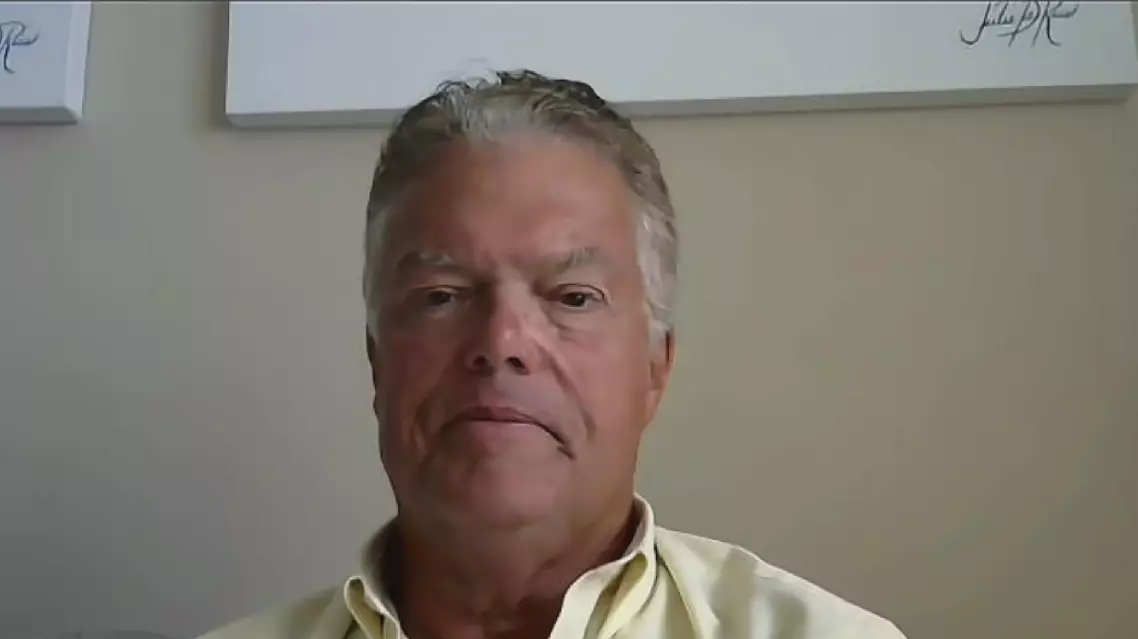
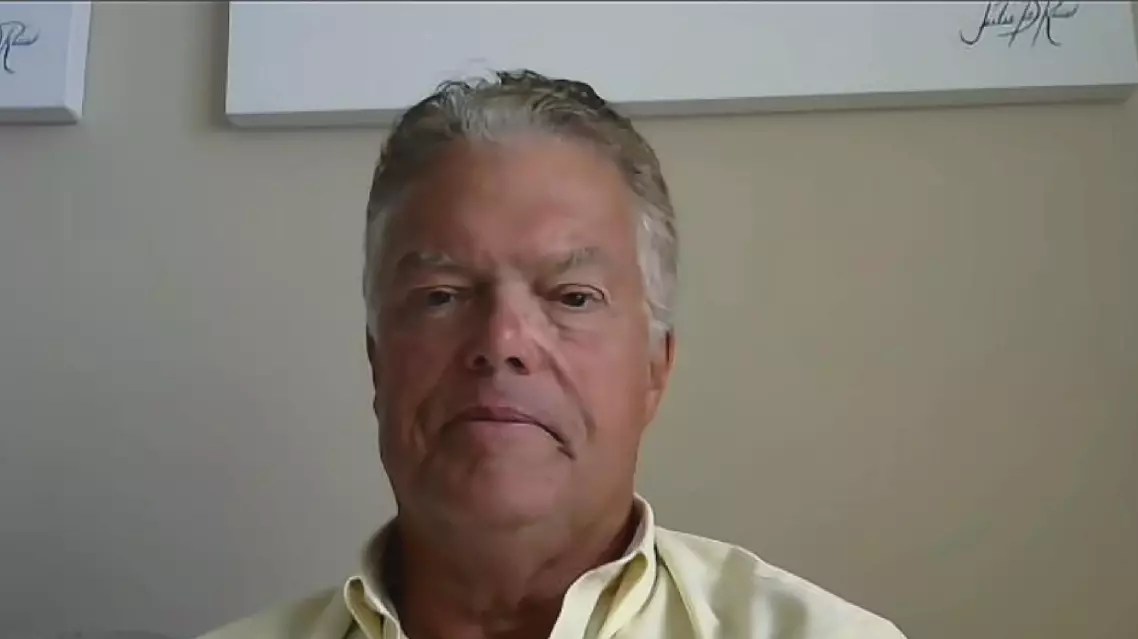
Michael C. Munger, a professor of political science, public policy, and economics at Duke University, was one of the 25 initiators of the declaration and remains deeply concerned by Trump's approach.
In an interview with China Radio International (CRI) on Tuesday, Munger said the Trump administration's belief that it can generate revenue from tariffs is mistaken, noting that the policy only serves to raise costs for essential imports.
"Sometimes the Trump administration has mentioned this too: 'we'll get a lot of revenue from tariffs'. Well, that's actually not true; you won't get much revenue if you don't get much imports. So if you want revenue, you have to have low tariffs across the board. That's not what they're doing. What tariffs do is make it more expensive to obtain a few of the things that we need to make almost all of the products that we enjoy and depend on. There's nothing that's made in the United States in the sense of from start to finish it's made. What happens is we may assemble some things, but the parts come from all over the world," he said.
"If I can buy something more cheaply than I can make it for a nation, I should buy that thing and save the money, and use it for something else. So that's the argument against tariffs: it's the make-or-buy decision. The claim that we should use it for revenue I actually agree with, but in that case, you want a value-added tax. Either way, tariffs are not the answer," he said.
Munger also warned that tariffs will prove especially harmful in forcing U.S. firms and consumers to accept lesser quality products by limiting access to cheaper, better options available on the global markets. He described this self-imposed restriction as being like the U.S. putting a blockade on itself.
"The other problem is that we'll be adopting inferior technology. This stuff will be available cheaper on world markets than it is in the United States, but we will tell our consumers, 'No, you can't buy it.' Think of it this way: a blockade is an act of war. Suppose French warships were to blockade U.S. ports and say that we could not import things from Europe. That would be an act of war. The U.S. is doing it to itself, having people with guns at the port saying, 'You cannot import things from Europe.' So the U.S. is imposing a blockade on itself," he said.
Trump tariff policies akin to US "imposing blockade on itself": US professor
Trump tariff policies akin to US "imposing blockade on itself": US professor