ATLANTA (AP) — The Trump administration’s new vaccine advisers on Thursday endorsed this fall’s flu vaccinations for just about every American — but only if they use certain shots free of an ingredient antivaccine groups have falsely tied to autism.
What is normally a routine step in preparing for the upcoming flu season drew intense scrutiny after U.S. Health Secretary Robert F. Kennedy Jr. abruptly fired the influential 17-member Advisory Committee on Immunization Practices and handpicked replacements that include several vaccine skeptics.
Click to Gallery
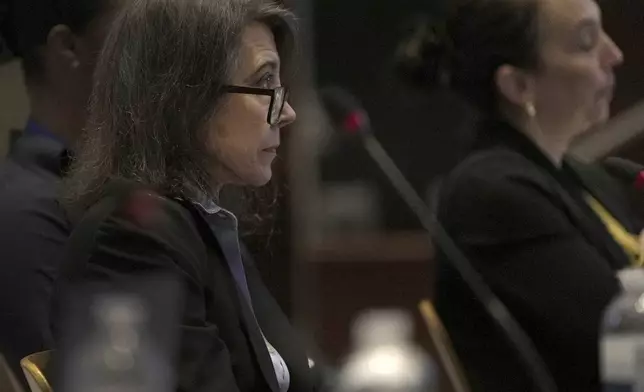
Lyn Redwood, a nurse practitioner who once ran the anti-vaccine group that Robert F. Kennedy Jr. founded, attends a meeting of the Advisory Committee on Immunization Practices at the Centers for Disease Control and Prevention in Atlanta on Thursday, June 26, 2025. (AP Photo/Shelby Lum)
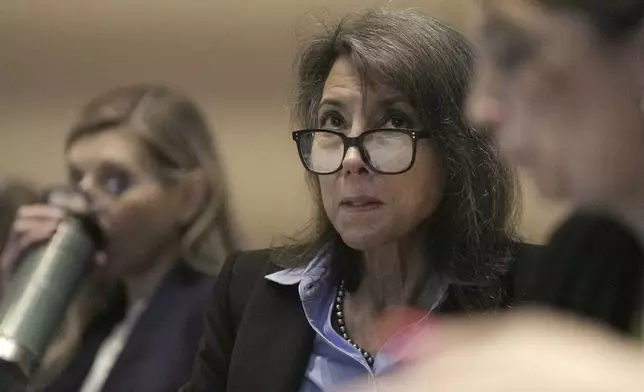
Lyn Redwood, a nurse practitioner who once ran the anti-vaccine group that Robert F. Kennedy Jr. founded, attends a meeting of the Advisory Committee on Immunization Practices at the Centers for Disease Control and Prevention in Atlanta on Thursday, June 26, 2025. (AP Photo/Shelby Lum)

Demonstrators rally for support of the CDC during a meeting of the Advisory Committee in Immunization Practices, Wednesday, June 25, 2025, in Atlanta. (AP Photo/Mike Stewart)
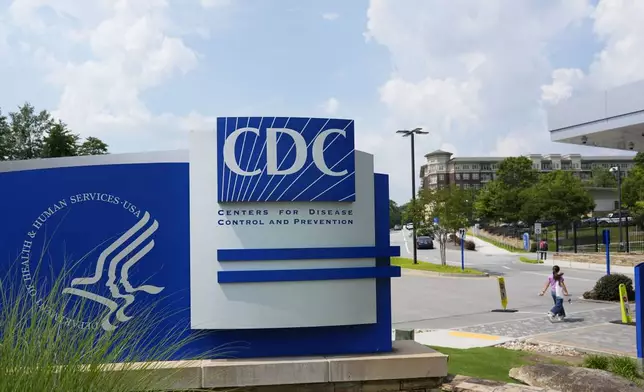
The campus of Centers for Disease Control and Prevention is seen as a meeting of the Advisory Committee in Immunization Practices takes place, Wednesday, June 25, 2025, in Atlanta. (AP Photo/Mike Stewart)

Dr. Martin Kulldorf speaks during a meeting of the Advisory Committee in Immunization Practices at the CDC, Wednesday, June 25, 2025, in Atlanta. (AP Photo/Mike Stewart)
The seven-member panel bucked another norm Thursday as it discussed the safety of a preservative used in less than 5% of U.S. flu vaccinations: It deliberated based only on a presentation from an antivaccine group's former leader — without allowing the usual public airing of scientific data from the Centers for Disease Control and Prevention.
The preservative, thimerosal, has long been used in certain vaccines that come in multi-dose vials, to prevent contamination as each dose is withdrawn. But it has been controversial because it contains a small amount of a particular form of mercury.
Study after study has found no evidence that thimerosal causes autism or other harm. Yet since 2001, all vaccines routinely used for U.S. children age 6 years or younger have come in thimerosal-free formulas — including single-dose flu shots that account for the vast majority of influenza vaccinations.
The advisory panel first voted, with one abstention, to back the usual U.S. recommendation that nearly everyone age 6 months and older get an annual flu vaccination. Then the advisers decided people should only be given thimerosal-free single-dose formulations, voting 5-1 with one abstention.
That would include single-dose shots that already are the most common type of flu vaccination, as well as the nasal spray FluMist. It would rule out the subset of flu vaccine dispensed in multi-dose vials.
“There is still no demonstrable evidence of harm,” one panelist, Dr. Joseph Hibbeln, a psychiatrist formerly with the National Institutes of Health, said in acknowledging the committee wasn’t following its usual practice of acting on evidence.
But he added that “whether the actual molecule is a risk or not, we have to respect the fear of mercury” that might dissuade some people from getting vaccinated.
The ACIP helps the CDC determine who should be vaccinated against a long list of diseases, and when. Those recommendations have a big impact on whether insurance covers vaccinations and where they’re available.
Normally the CDC’s director would decide whether to accept ACIP’s recommendation, but the Senate has not yet confirmed nominee Susan Monarez. Administration officials said Kennedy would make that decision.
Medical groups decried the panel’s lack of transparency in blocking a CDC analysis of thimerosal that concluded there was no link between the preservative and neurodevelopmental disorders, including autism. The data had been posted on the committee's website Tuesday, but was later removed — because, according to ACIP member Dr. Robert Malone, the report hadn’t been authorized by Kennedy’s office. Panel members said they had read it.
While Thursday's debate involved only a small fraction of flu vaccines, some public health experts contend the discussion unnecessarily raised doubt about vaccine safety. Already, fewer than half of Americans get their yearly flu vaccinations, and mistrust in vaccines overall is growing.
“Selective use of data and omission of established science undermines public trust and fuels misinformation,” said Dr. Sean O’Leary of the American Academy of Pediatrics. He said of the new panelists, “Nothing about their recent actions have been science-based or transparent.”
The flu votes marked the final step of a two-day meeting that alarmed pediatricians and other doctors' groups, who pointed to new panelists' lack of expertise in how to properly track vaccine safety — and a shift in focus to some longtime messages of antivaccine groups.
“What should have been a rigorous, evidence-based discussion on the national vaccine schedule instead appeared to be a predetermined exercise orchestrated to undermine the well-established safety and efficacy of vaccines and fundamental basics of science,” said Dr. Jason Goldman of the American College of Physicians.
Of special concern was the announcement by panel chairman Martin Kulldorff to reevaluate the “cumulative effect” of the children’s vaccine schedule — the list of immunizations given at different times throughout childhood. That reflects the scientifically debunked notion that children today get too many vaccinations, somehow overwhelming their immune system.
Doctors say improved vaccine technology means kids today are exposed to fewer antigens — substances that the immune system reacts to — than their grandparents despite getting more doses.
U.S. Rep. Kim Schrier, a pediatrician and Democrat from Washington state, told reporters Thursday that children are exposed to more antigens “in one day of day care” than in all their vaccinations.
Also at the ACIP meeting:
— The panel backed a new option to protect infants against RSV, a virus especially dangerous to babies. It voted 5-2 that a newly approved antibody shot from Merck could be used alongside two existing options.
— Kulldorff said the panel may look into whether hepatitis B vaccination of newborns is appropriate if the mother doesn't carry the liver-destroying virus. Pediatricians counter that babies can catch the virus in other ways, such as from other caregivers who don't know they're infected.
— Kennedy already sidestepped the advisory group and announced the COVID-19 vaccine will no longer be recommended for healthy children or pregnant women. But CDC scientists told the panel that vaccination is “the best protection” during pregnancy and that most children hospitalized for COVID-19 over the past year were unvaccinated. Some advisers questioned if the CDC’s extensive tracking of vaccine safety is trustworthy.
Neergaard reported from Washington.
The Associated Press Health and Science Department receives support from the Howard Hughes Medical Institute’s Department of Science Education and the Robert Wood Johnson Foundation. The AP is solely responsible for all content.
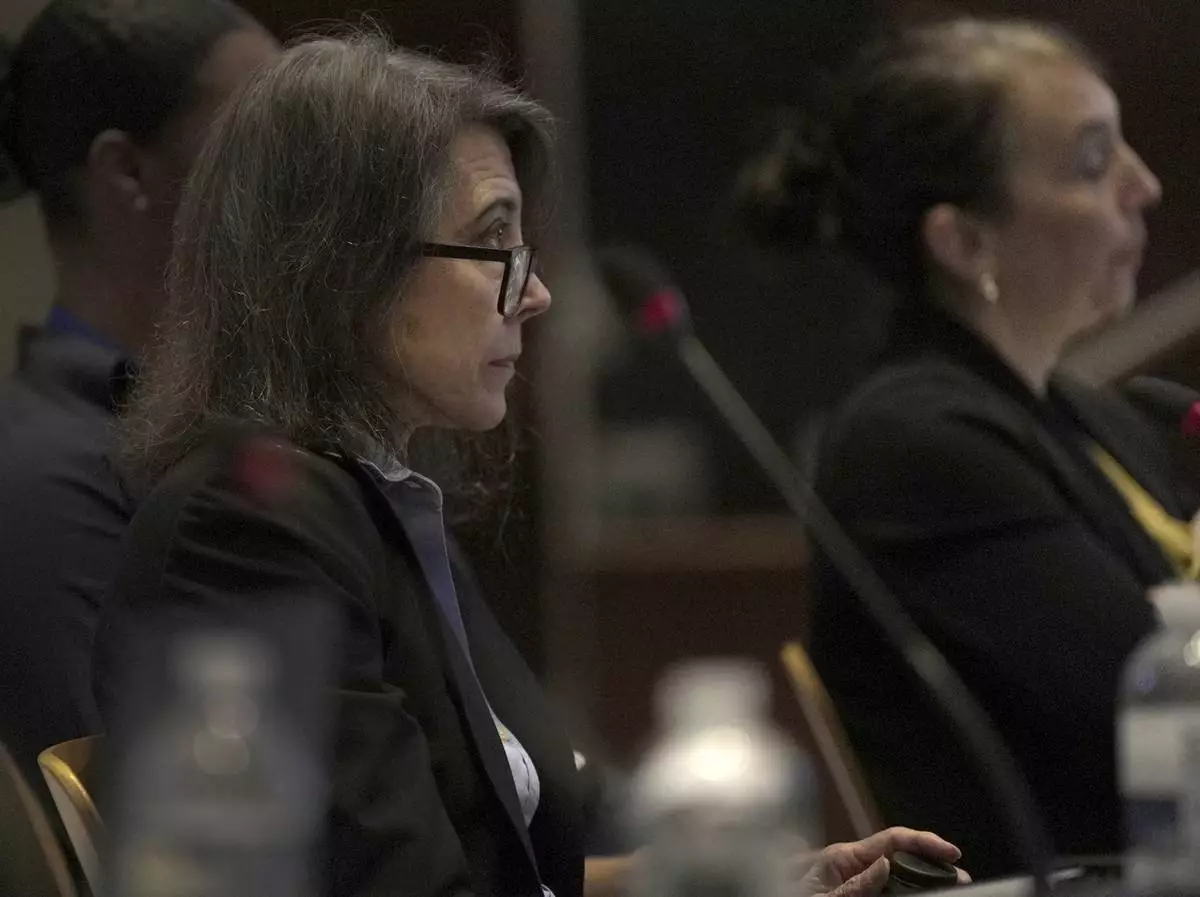
Lyn Redwood, a nurse practitioner who once ran the anti-vaccine group that Robert F. Kennedy Jr. founded, attends a meeting of the Advisory Committee on Immunization Practices at the Centers for Disease Control and Prevention in Atlanta on Thursday, June 26, 2025. (AP Photo/Shelby Lum)
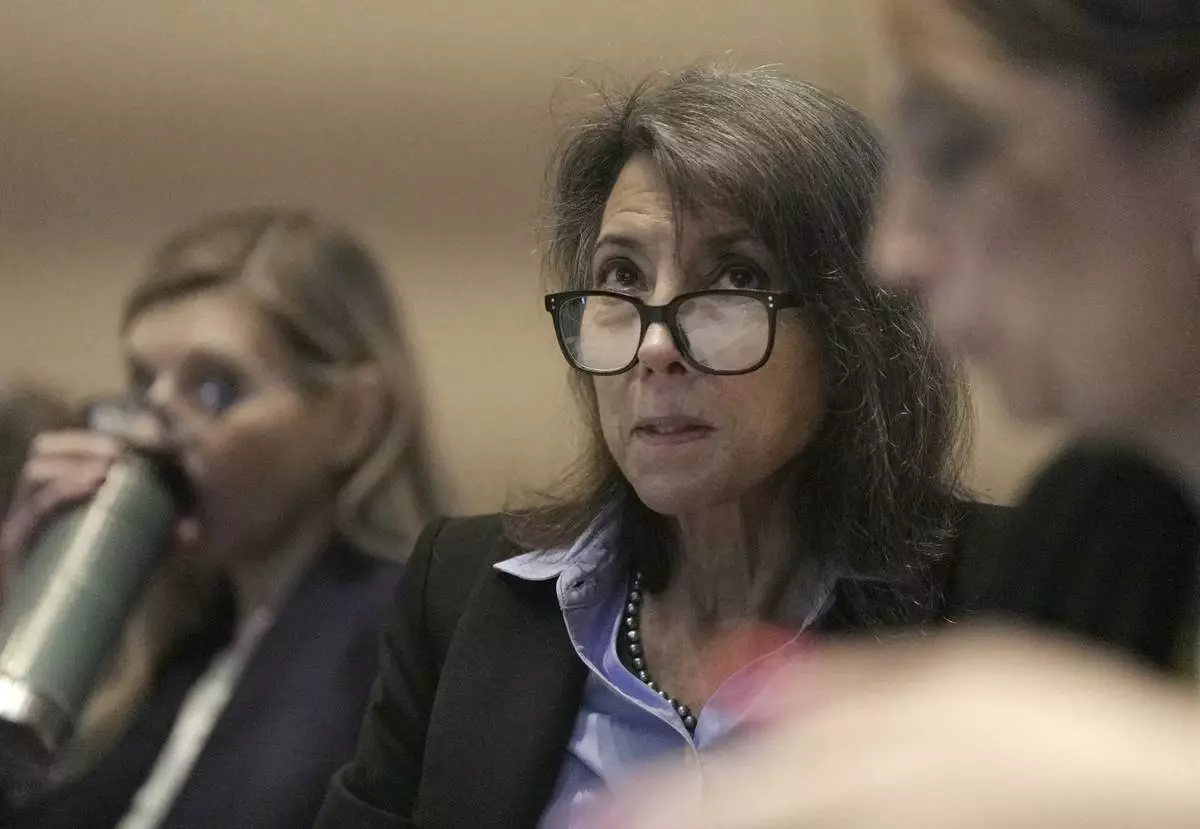
Lyn Redwood, a nurse practitioner who once ran the anti-vaccine group that Robert F. Kennedy Jr. founded, attends a meeting of the Advisory Committee on Immunization Practices at the Centers for Disease Control and Prevention in Atlanta on Thursday, June 26, 2025. (AP Photo/Shelby Lum)

Demonstrators rally for support of the CDC during a meeting of the Advisory Committee in Immunization Practices, Wednesday, June 25, 2025, in Atlanta. (AP Photo/Mike Stewart)
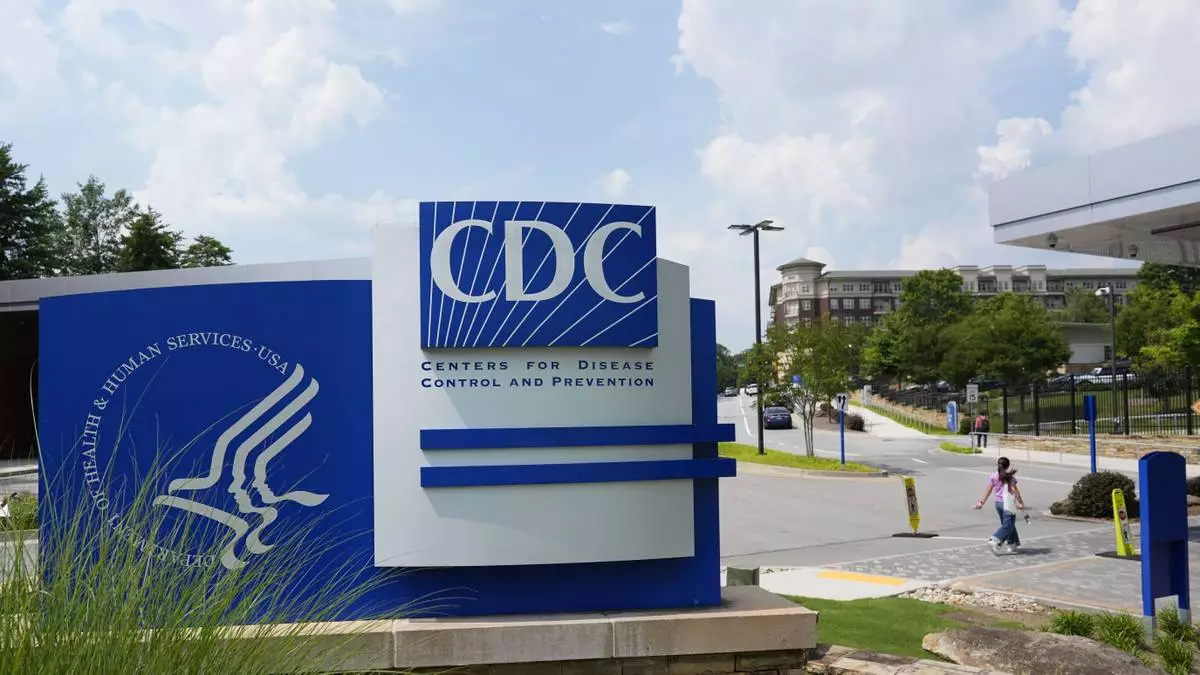
The campus of Centers for Disease Control and Prevention is seen as a meeting of the Advisory Committee in Immunization Practices takes place, Wednesday, June 25, 2025, in Atlanta. (AP Photo/Mike Stewart)

Dr. Martin Kulldorf speaks during a meeting of the Advisory Committee in Immunization Practices at the CDC, Wednesday, June 25, 2025, in Atlanta. (AP Photo/Mike Stewart)