Skip to Content Facebook Feature Image

ACIP Recommends Use of Merck’s ENFLONSIA™ (clesrovimab-cfor) for Prevention of Respiratory Syncytial Virus (RSV) Lower Respiratory Tract Disease in Infants Younger than 8 Months of Age Born During or Entering Their First RSV Season

News

ACIP Recommends Use of Merck’s ENFLONSIA™ (clesrovimab-cfor) for Prevention of Respiratory Syncytial Virus (RSV) Lower Respiratory Tract Disease in Infants Younger than 8 Months of Age Born During or Entering Their First RSV Season
News

News

ACIP Recommends Use of Merck’s ENFLONSIA™ (clesrovimab-cfor) for Prevention of Respiratory Syncytial Virus (RSV) Lower Respiratory Tract Disease in Infants Younger than 8 Months of Age Born During or Entering Their First RSV Season

2025-06-27 01:38 Last Updated At:01:51

RAHWAY, N.J.--(BUSINESS WIRE)--Jun 26, 2025--

Merck (NYSE: MRK), known as MSD outside of the United States and Canada, today announced the U.S. Centers for Disease Control and Prevention (CDC) Advisory Committee on Immunization Practices (ACIP) voted to recommend ENFLONSIA™ (clesrovimab-cfor) as an option for the prevention of respiratory syncytial virus (RSV) lower respiratory tract disease in infants younger than 8 months of age who are born during or entering their first RSV season. The ACIP also voted to include ENFLONSIA in the Vaccines for Children Program—an important step in ensuring broad access to this preventive option for infants.

More Images

Product Image

Product Image

Product Image

Product Image

Product Image

Product Image

ENFLONSIA Logo

ENFLONSIA Logo

This press release features multimedia. View the full release here: https://www.businesswire.com/news/home/20250626825962/en/

ENFLONSIA is a preventive, long-acting monoclonal antibody (mAb) designed to provide direct, rapid and durable protection through 5 months, a typical RSV season, with the same dose regardless of weight. A typical RSV season usually spans autumn to spring of the next year.

ENFLONSIA should not be administered to infants with a history of serious hypersensitivity reactions, including anaphylaxis, to any component of ENFLONSIA. See additional Selected Safety Information below.

“Ahead of the 2025-2026 RSV season, we are proud to offer ENFLONSIA as a new preventive option designed to protect healthy and at-risk infants from RSV disease across a spectrum of severity, including worsening disease requiring hospitalization,” said Dr. Richard M. Haupt, vice president, head of global medical & scientific affairs, vaccines and infectious diseases, Merck Research Laboratories. “The Committee’s recommendation is an important step forward in efforts to help reduce the significant burden RSV continues to place on infants, families and health care systems.”

The U.S. Food and Drug Administration (FDA) approved ENFLONSIA earlier this month based on clinical data from the Phase 2b/3 CLEVER and Phase 3 SMART trials. Merck plans to make ENFLONSIA available for ordering by physicians and health care administrators in July 2025, with shipments to be delivered before the start of the 2025-2026 RSV season.

The ACIP’s recommendation for ENFLONSIA is provisional and will be official once reviewed and finalized by the CDC Director or the Health and Human Services Secretary (in the absence of a CDC Director).

About ENFLONSIA™ (clesrovimab-cfor)

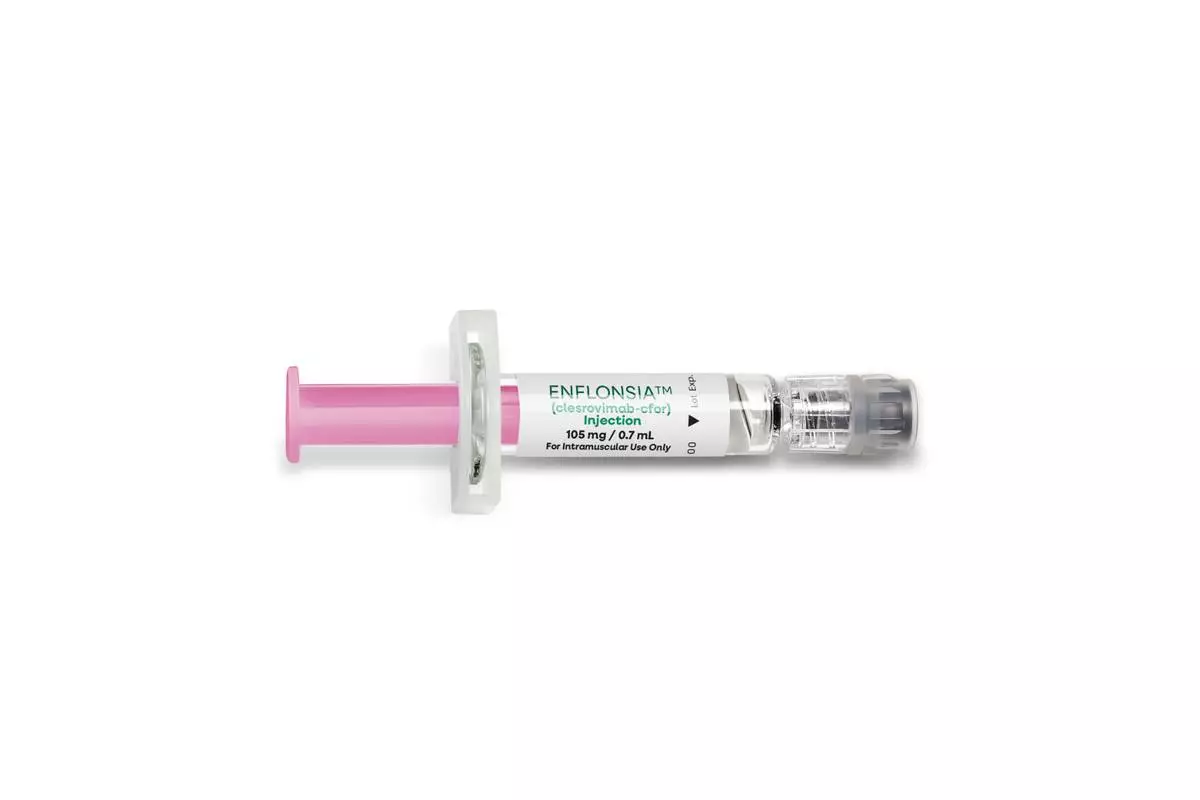
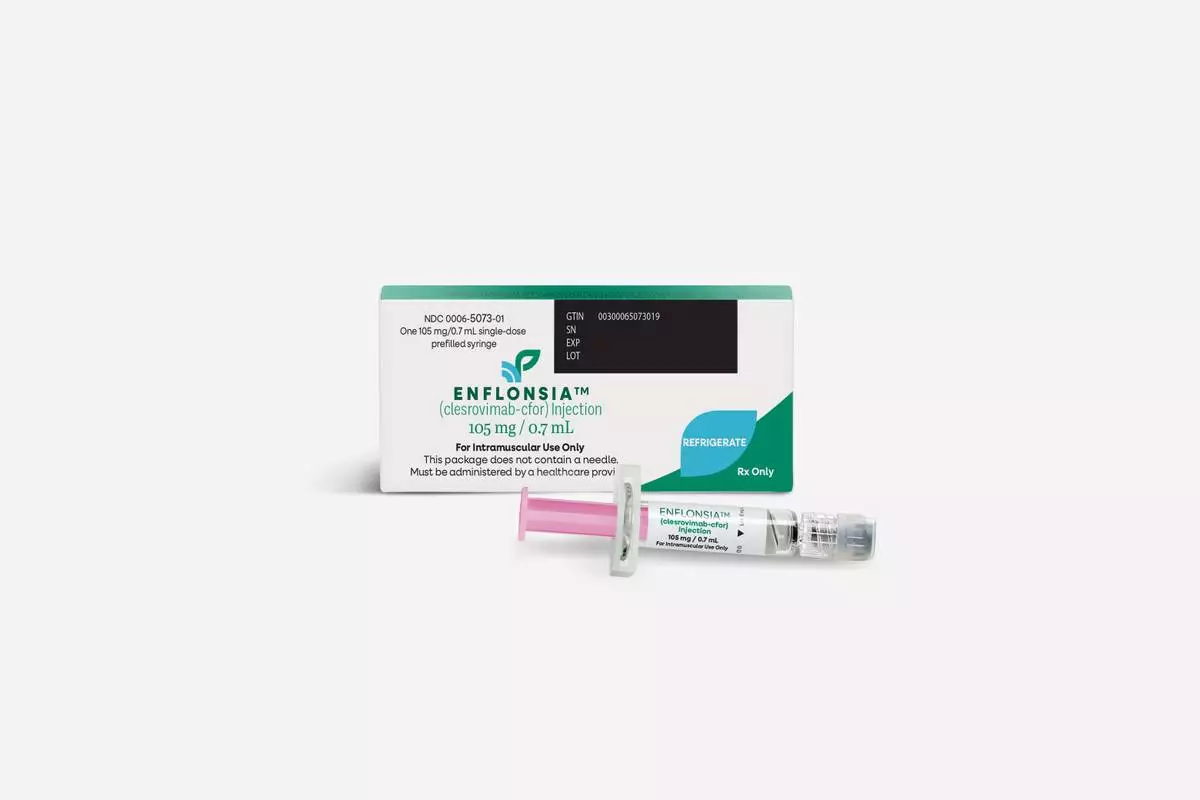
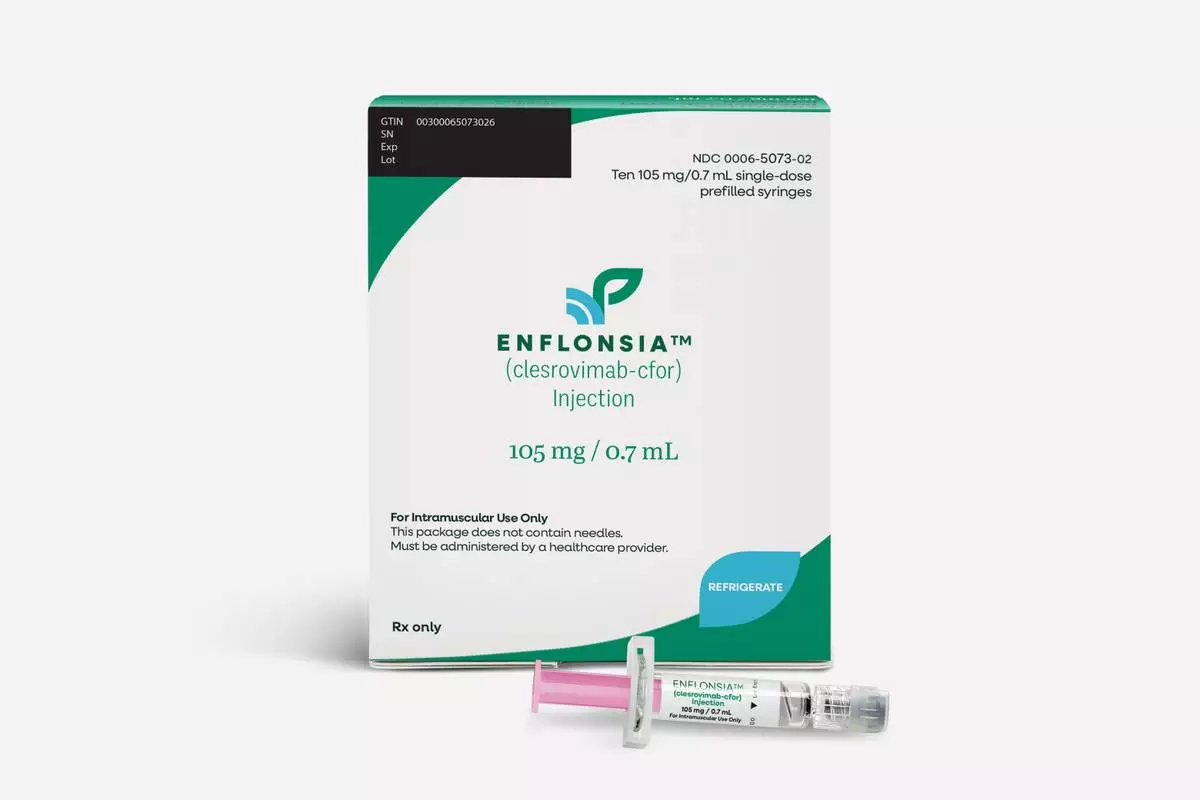
ENFLONSIA is Merck’s extended half-life monoclonal antibody (mAb) indicated for passive immunization for the prevention of respiratory syncytial virus (RSV) lower respiratory tract disease in newborns and infants who are born during or entering their first RSV season. ENFLONSIA is administered using the same dose regardless of weight (105 mg/0.7 mL in a prefilled syringe) and is designed to provide direct, rapid and durable protection through 5 months, a typical RSV season. For infants born during the RSV season, ENFLONSIA is to be administered within the first week of life. For infants born outside of the RSV season, ENFLONSIA should be administered shortly before the RSV season begins. For infants undergoing cardiac surgery with cardiopulmonary bypass during or entering their first RSV season, an additional 105 mg dose is recommended as soon as the infant is stable after surgery. ENFLONSIA has a 30-month shelf life.

Selected Safety Information for ENFLONSIA™ (clesrovimab-cfor)

Do not administer ENFLONSIA to infants with a history of serious hypersensitivity reactions, including anaphylaxis, to any component of ENFLONSIA.

Serious hypersensitivity reactions, including anaphylaxis, have been observed with other human immunoglobulin G1 (IgG1) monoclonal antibodies. If signs or symptoms of a clinically significant hypersensitivity reaction or anaphylaxis occur, initiate appropriate medications and/or supportive therapy.

The most common adverse reactions were injection-site erythema (3.8%), injection-site swelling (2.7%) and rash (2.3%).

AboutRSV

Respiratory syncytial virus (RSV) is a contagious virus that causes widespread seasonal infections and can lead to serious respiratory conditions such as bronchiolitis and pneumonia. According to the CDC, two to three out of every 100 infants under 6 months of age are hospitalized with RSV annually. As the leading cause of hospitalization among infants in the U.S., there is persisting unmet need for RSV preventive options for both healthy and high-risk infants born during or entering their first RSV season. RSV season is the time of year when RSV infections are most common, usually occurring fall/autumn through spring of the next year. RSV typically peaks in the winter in most regions of the United States, but timing and severity in a given community or region can vary year to year.

About Merck

At Merck, known as MSD outside of the United States and Canada, we are unified around our purpose: We use the power of leading-edge science to save and improve lives around the world. For more than 130 years, we have brought hope to humanity through the development of important medicines and vaccines. We aspire to be the premier research-intensive biopharmaceutical company in the world – and today, we are at the forefront of research to deliver innovative health solutions that advance the prevention and treatment of diseases in people and animals. We foster a diverse and inclusive global workforce and operate responsibly every day to enable a safe, sustainable and healthy future for all people and communities. For more information, visit www.merck.com and connect with us on X (formerly Twitter), Facebook, Instagram, YouTube and LinkedIn.

Forward-Looking Statement of Merck & Co., Inc., Rahway, N.J., USA

This news release of Merck & Co., Inc., Rahway, N.J., USA (the “company”) includes “forward-looking statements” within the meaning of the safe harbor provisions of the U.S. Private Securities Litigation Reform Act of 1995. These statements are based upon the current beliefs and expectations of the company’s management and are subject to significant risks and uncertainties. There can be no guarantees with respect to pipeline candidates that the candidates will receive the necessary regulatory approvals or that they will prove to be commercially successful. If underlying assumptions prove inaccurate or risks or uncertainties materialize, actual results may differ materially from those set forth in the forward-looking statements.

Risks and uncertainties include but are not limited to, general industry conditions and competition; general economic factors, including interest rate and currency exchange rate fluctuations; the impact of pharmaceutical industry regulation and health care legislation in the United States and internationally; global trends toward health care cost containment; technological advances, new products and patents attained by competitors; challenges inherent in new product development, including obtaining regulatory approval; the company’s ability to accurately predict future market conditions; manufacturing difficulties or delays; financial instability of international economies and sovereign risk; dependence on the effectiveness of the company’s patents and other protections for innovative products; and the exposure to litigation, including patent litigation, and/or regulatory actions.

The company undertakes no obligation to publicly update any forward-looking statement, whether as a result of new information, future events or otherwise. Additional factors that could cause results to differ materially from those described in the forward-looking statements can be found in the company’s Annual Report on Form 10-K for the year ended December 31, 2024 and the company’s other filings with the Securities and Exchange Commission (SEC) available at the SEC’s Internet site ( www.sec.gov ).

Please see Prescribing Information for ENFLONSIA (clesrovimab-cfor) at https://www.merck.com/product/usa/pi_circulars/e/enflonsia/enflonsia_pi.pdf and Patient Information/Medication Guide for ENFLONSIA at https://www.merck.com/product/usa/pi_circulars/e/enflonsia/enflonsia_ppi.pdf.
Product Image
Product Image
Product Image

Product Image

Product Image

Product Image

ENFLONSIA Logo

ENFLONSIA Logo

JDEIDEH, Lebanon (AP) — It was not how the Rev. Maroun Ghafari had envisioned this Holy Week — for years, he had held Easter sermons in his predominantly Christian village of Alma al-Shaab in southern Lebanon, near the border with Israel.

This year, he is preaching from a Beirut suburb, beside a cardboard cutout depicting his church in Alma al-Shaab, now caught in the crossfire between Israeli forces and Hezbollah fighters.

Since hostilities erupted last month between Israel and Lebanon's Iran-backed Hezbollah militant group — in the shadow of the wider, U.S.-Israeli war on Iran — over 1,400 people have been killed in Lebanon, and more than 1 million have been forced to flee their homes.

Among those displaced from the war-torn south are thousands of Christians. They now find themselves far from their ancestral churches in Lebanon, where Christians have maintained a strong presence through centuries of Byzantine, Arab and Ottoman conquest and plenty of modern-day crises.

Christians are estimated to make up around a third of Lebanon's population of roughly 5.5 million people. With 12 Christian sects, the country is home to the largest proportion of Christians of any nation in the Arab world.

Christian villagers who stayed behind in southern Lebanon, ignoring Israel’s blanket evacuation warnings for the area, have increasingly hardened into enclaves surrounded by fierce clashes.

And though villagers in Alma al-Shaab had been uprooted before, in the 2024 Israel-Hezbollah war, this time around, they were adamant they wouldn't leave, even as airstrikes came closer and closer.

The villagers huddled in their church for protection as Israeli warplanes pounded large swaths of southern and eastern Lebanon while Israeli troops stepped up a ground invasion and Hezbollah kept firing rockets at Israel.

In his annual Easter homily, Patriarch Beshara al-Rai of Lebanon’s Maronite Church blamed both Hezbollah and Israel for the suffering wrought by the war.

“The country is going through a critical situation due to Iranian interference through Hezbollah and Israeli aggression,” he said. “Our hearts bleed for the victims of the conflict imposed on Lebanon.”

Ghafari’s brother, 70-year-old Sami Ghafari, was among the villagers who sought refuge at the church in Alma al-Shaab.

But he dashed out briefly on March 8 to tend to his garden, and was killed by an Israeli drone strike. His killing prompted the remaining villagers — including his brother — to pack up their belongings.

The U.N. peacekeepers in the area — a force known as UNIFIL that has monitored the region for nearly five decades — evacuated them to the northern suburbs of Beirut.

“We wanted to stay, but it was always possible that one of us could be targeted or killed at any moment,” the Rev. Maroun Ghafari told The Associated Press from St. Anthony Church in the northern Beirut suburb of Jdeideh, where the displaced from Alma al-Shaab came to worship on Saturday.

“Everyone is tired, and we see that war brings nothing but destruction, death and displacement.”

For many Lebanese Christians, it's a tradition on Holy Saturday — the day between Good Friday, which commemorates the crucifixion and death of Jesus, and Easter Sunday, which marks his resurrection according to the Gospels — to visit the graves of their loved ones.

This year, displaced Christians could only reflect from afar.

Nabila Farah, dressed in black for the Saturday service at St. Anthony Church, was among the last to leave Alma al-Shaab. She still feels heartbroken, a month later.

“You miss the smell of home, the lovely traditions and customs, the sounds of the bells of three churches ringing,” she said, reminiscing about her village. “As much as we experience the Easter atmosphere here, it will never be as it is over there.”

Those who remain face other challenges.

Marius Khairallah, a priest in the southern Lebanese city of Tyre, where much of the Christian community has hunkered down, says that he and his congregants are staying put "not out of stubbornness, but out of a sense of mission, to remain alongside their fellow faithful, as witnesses.”

“A significant number of parishioners have been displaced or are absent,” he said. "Yet churches still open their doors. Prayers are still raised — even with fewer voices."

Worries are mounting among Christians in the area as the Lebanese army — which seeks to stay neutral in the Israel-Hezbollah war — pulls out from parts of southern Lebanon, leaving them exposed to Israeli forces pushing deeper into the territory.

St. Antony's main priest, the Rev. Dori Fayyad, used his Good Friday sermon to take solemn note of the war’s widening toll on the southern Lebanese Christians, as the faithful recited prayers in Arabic and Syriac, a dialect of the Aramaic language spoken by Jesus.

“Today, you understand what the cross means, not as an idea, not as a concept, but because you are going through it,” he told the fully packed pews, the crowd so thick that dozens had to stand or crouch on the back stairs.

Some wiped away tears as Fayyad named one by one the southern churches, illustrated in the cardboard cutouts next to the pulpit.

“These churches in these villages are not only places of worship,” he said. “They are silent witnesses to suffering and to faith.”

Associated Press video journalist Ali Sharafeddine in Jdeideh, Lebanon, contributed to this report.

A girl kisses a cross held by a priest during Good Friday Mass at St. Anthony Church, which was devoted to expressing solidarity with Christian villagers in southern Lebanon displaced by the war in Jdeideh, a suburb of Beirut, Lebanon, Friday, April 3, 2026. (AP Photo/Emilio Morenatti)

A girl kisses a cross held by a priest during Good Friday Mass at St. Anthony Church, which was devoted to expressing solidarity with Christian villagers in southern Lebanon displaced by the war in Jdeideh, a suburb of Beirut, Lebanon, Friday, April 3, 2026. (AP Photo/Emilio Morenatti)

Parishioners walk in a procession after a Good Friday Mass at St. Anthony Church, which was devoted to expressing solidarity with Christian villagers in southern Lebanon displaced by the war in Jdeideh, a suburb of Beirut, Lebanon, Friday, April 3, 2026. (AP Photo/Emilio Morenatti)

Parishioners walk in a procession after a Good Friday Mass at St. Anthony Church, which was devoted to expressing solidarity with Christian villagers in southern Lebanon displaced by the war in Jdeideh, a suburb of Beirut, Lebanon, Friday, April 3, 2026. (AP Photo/Emilio Morenatti)

Worshipers pray during Good Friday Mass at St. Anthony Church, which was devoted to expressing solidarity with Christian villagers in southern Lebanon displaced by the war in Jdeideh, a suburb of Beirut, Lebanon, Friday, April 3, 2026. (AP Photo/Emilio Morenatti)

Worshipers pray during Good Friday Mass at St. Anthony Church, which was devoted to expressing solidarity with Christian villagers in southern Lebanon displaced by the war in Jdeideh, a suburb of Beirut, Lebanon, Friday, April 3, 2026. (AP Photo/Emilio Morenatti)

Worshipers pray during Good Friday Mass at St. Anthony Church, which was devoted to expressing solidarity with Christian villagers in southern Lebanon displaced by the war in Jdeideh, a suburb of Beirut, Lebanon, Friday, April 3, 2026. (AP Photo/Emilio Morenatti)

Worshipers pray during Good Friday Mass at St. Anthony Church, which was devoted to expressing solidarity with Christian villagers in southern Lebanon displaced by the war in Jdeideh, a suburb of Beirut, Lebanon, Friday, April 3, 2026. (AP Photo/Emilio Morenatti)

Worshipers pray during Good Friday Mass at St. Anthony Church, which was devoted to expressing solidarity with Christian villagers in southern Lebanon displaced by the war in Jdeideh, a suburb of Beirut, Lebanon, Friday, April 3, 2026. (AP Photo/Emilio Morenatti)

Worshipers pray during Good Friday Mass at St. Anthony Church, which was devoted to expressing solidarity with Christian villagers in southern Lebanon displaced by the war in Jdeideh, a suburb of Beirut, Lebanon, Friday, April 3, 2026. (AP Photo/Emilio Morenatti)

Recommended Articles