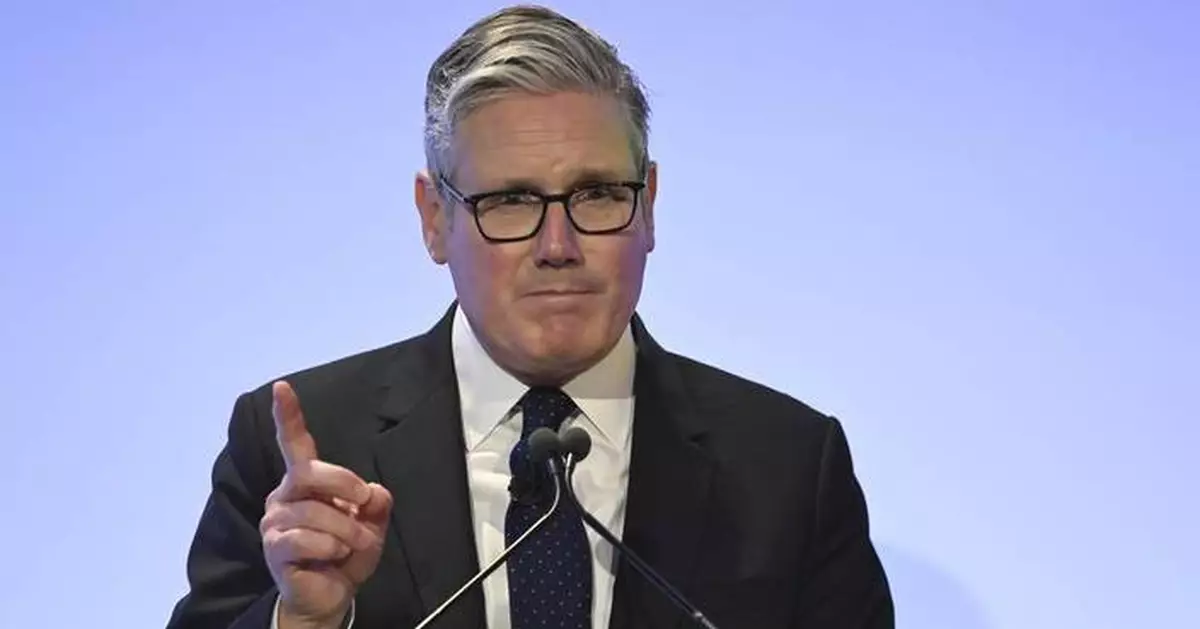
LONDON (AP) — British Prime Minister Keir Starmer gave way to political pressure on Friday, watering down planned welfare reforms to avoid defeat by his own party’s lawmakers. It’s the latest forced U-turn for a center-left government caught between conflicting goals of cutting spending and improving public services.
The government planned to bring a bill to Parliament next week that would tighten eligibility for a key disability benefit, removing the Personal Independence Payment from hundreds of thousands of people with long-term physical or mental health conditions. Another health-related benefit received by people on low incomes would also be reduced under the plans.
The government said the proposed changes would help people find jobs while preserving a safety net for those who can never work. It would also save an estimated 5 billion pounds ($7 billion) a year from a welfare bill that has ballooned since the COVID-19 pandemic.
But many Labour lawmakers balked at the changes, which the Institute for Fiscal Studies think tank estimated would cut the income of 3.2 million people by 2030.
More than 120 of the 403 Labour legislators signed a motion that would effectively kill the bill if it were to be passed. Defeat at the hands of his own party in the vote planned for Tuesday would have seriously damaged Starmer’s authority.
To avoid that, the government said no existing recipients would lose either the PIP benefit or an additional payment given to those whose health conditions limit their ability to work.
It seems that much of the opposition has melted away as a result of the overnight concessions, though some on the left of Labour look like they will vote against the bill unless the government rows back further.
Meg Hillier, the chair of the influential Treasury Select Committee and a high-profile rebel, said the changes announced are “positive" and show the government is willing to listen.
“I have already had a flurry of messages from people saying they feel this is a good step forward,” she told the BBC.
But others including Nadia Whittome remain opposed. Whittome told the BBC that the concessions were “nowhere near good enough." She said the bill would now “punish” people with disabilities for trying to work, as the planned cuts would only affect future claimants.
Starmer was elected a year ago in a landslide victory, winning a commanding majority of seats in the House of Commons. Since then his popularity has plunged as a sluggish economy and stubbornly high inflation resist efforts to raise living standards and ease a cost-of-living squeeze.
Even as Starmer enjoyed success on the world stage — charming U.S. President Donald Trump and securing a trade deal to exempt Britain from some U.S. tariffs — Labour lawmakers have grown restive at the party’s sagging poll ratings and the rise of the hard-right Reform U.K. party led by Nigel Farage.
Starmer has been forced into several U-turns. In May, the government dropped a plan to end winter home heating subsidies for millions of retirees. Last week, Starmer announced a national inquiry into organized child sexual abuse, something he was pressured to do by opposition politicians — and Elon Musk.
Starmer, who just a few days ago was adamant there would be no changes to the planned welfare reforms, sought to put a brave face on the latest about-turn and said “powerful representations” had been made.
“For me, getting that package adjusted in that way is the right thing to do, it means it’s the right balance, it’s common sense that we can now get on with it," he told broadcasters.
Starmer has insisted that major changes to welfare are needed to deal with a “broken” system inherited from the previous Conservative government.
The government said spending cuts would be balanced by new money and support to help people who are able to work to find jobs. It also said that it wants to reduce the number of working-age people who are economically inactive through long-term sickness, which it said stands at 2.8 million, the highest rate of any G7 nation.
Though the U-turns may ease some of the political pressures on the government, they come at a cost.
The Resolution Foundation, a think tank that focuses its work on those on lower incomes, said the changes to welfare and heating subsidies will cost the government 4 billion pounds ($5.5 billion), which will have to be found in the next budget in the fall. This comes at a time when money is scarce given the state of the public finances, international uncertainty and low economic growth.
The latest changes pile pressure on Treasury chief Rachel Reeves, who is widely blamed for pushing the cuts in the first place, as she prepares her next budget. Most economists think that it is likely she will have to raise taxes again.
Pan Pylas contributed to this story.
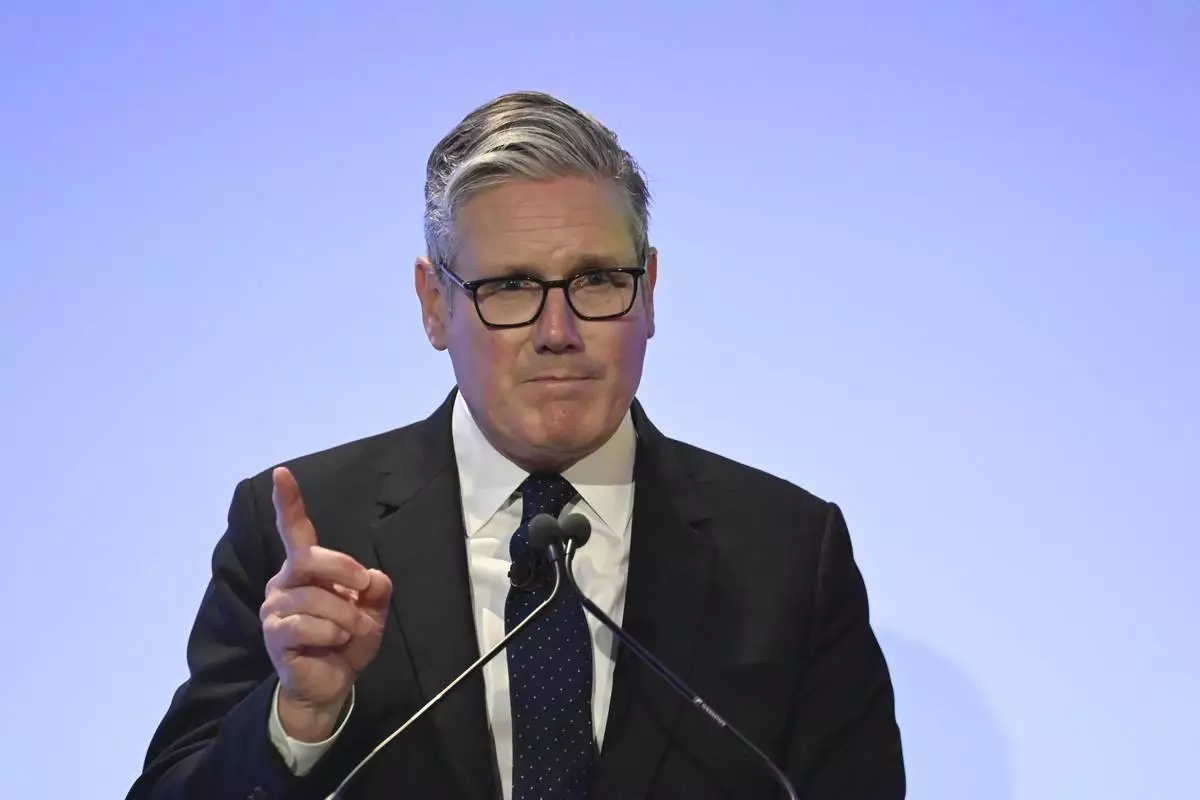
British Prime Minister Keir Starmer speaks at The British Chambers of Commerce Global Annual Conference, in London, Thursday, June 26, 2025. (Eddie Mulholland/Pool Photo via AP)