The total value involved in global trade friction index rose significantly by 37.6 percent year on year and by 16 percent month on month in April, according to data released by the China Council for the Promotion of International Trade (CCPIT) on Friday.
The global economic and trade measures index, according to the council, stood at 131 in April. Additionally, the global import and export tariff measures index rose by 89 points year on year.
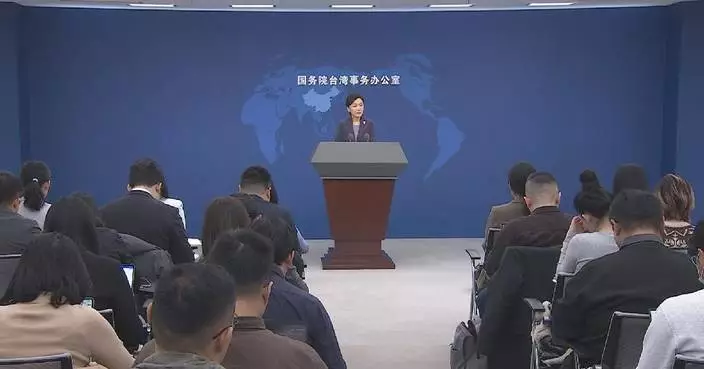
"On April 2, the U.S. government implemented so-called 'reciprocal tariffs' on the pretext of trade deficit and non-tariff barriers, and a number of restrictive measures implemented that month were the main reasons for the continuous rise of the global economic and trade friction index in April," said Wang Linjie, spokeswoman of the CCPIT, at a press conference in Beijing.
Among the 20 countries and regions monitored, the United States, Japan, and India ranked the top three in global trade friction index, the data showed. The U.S. accounted for the largest share of global economic and trade friction measures, holding the top position for ten consecutive months.
"Judged from indexes for industries, among the 13 major industries monitored, the economic and trade frictions focused on electronics, transportation equipment, light industry, chemicals, machinery and equipment, pharmaceuticals, non-ferrous metals, and agriculture, with the electronics industry showing the highest level of friction," said Wang.
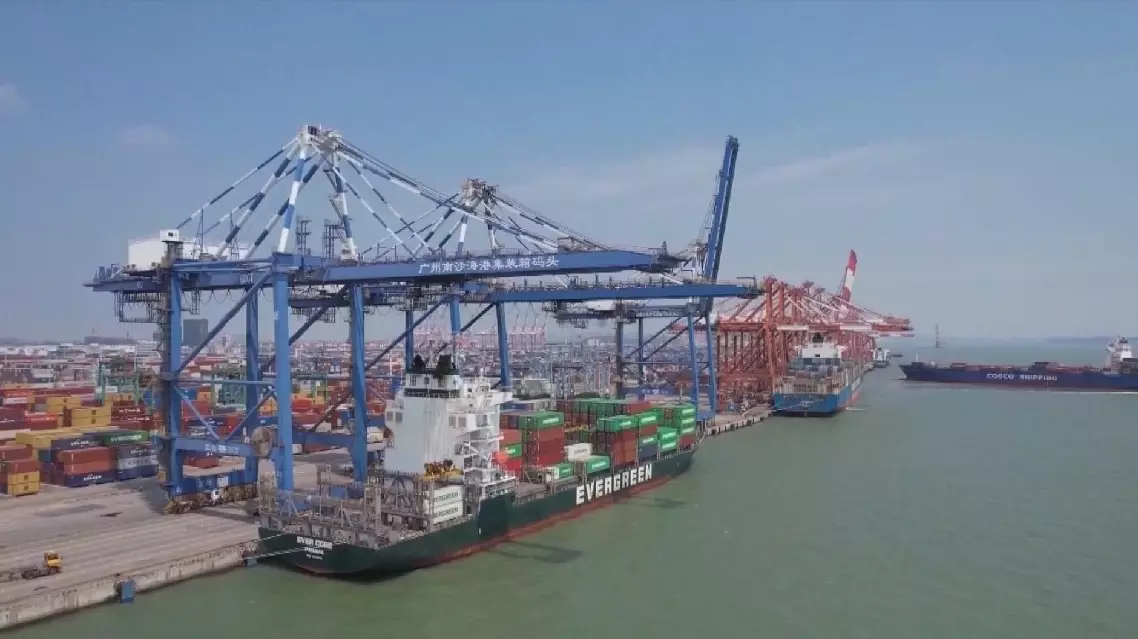
Global trade friction Index up 37.6 pct