WASHINGTON (AP) — The Democratic Republic of Congo and Rwanda on Friday signed a peace deal facilitated by the U.S. to help end the decadeslong deadly fighting in eastern Congo while helping the U.S. government and American companies gain access to critical minerals in the region.
“Today, the violence and destruction comes to an end, and the entire region begins a new chapter of hope and opportunity, harmony, prosperity and peace,” President Donald Trump told the foreign ministers of the two countries at a White House meeting.
Click to Gallery
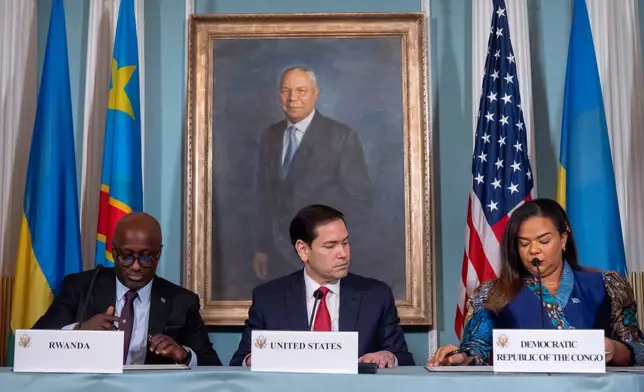
Secretary of State Marco Rubio, center, watches as Rwanda's Foreign Minister Olivier Nduhungirehe, left, and Democratic Republic of the Congo's Foreign Minister Therese Kayikwamba Wagner, right, sign a peace agreement at the State Department, Friday, June 27, 2025, in Washington. (AP Photo/Mark Schiefelbein).
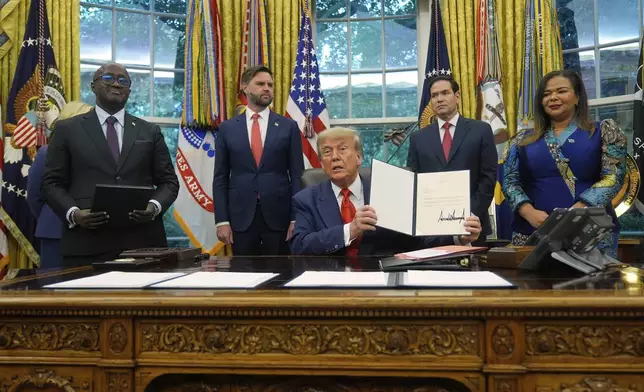
President Donald Trump holds up a signed document to present to Congo's Foreign Minister Therese Kayikwamba Wagner, right, as Rwanda's Foreign Minister Olivier Nduhungirehe, from left, Vice President JD Vance and Secretary of State Marco Rubio watch, Friday, June 27, 2025, in the Oval Office at the White House in Washington. (AP Photo/Manuel Balce Ceneta)
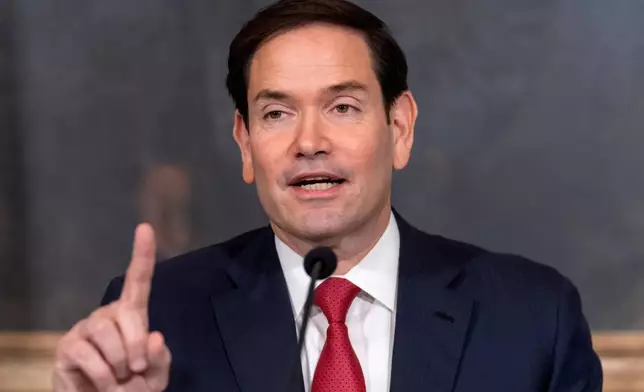
Secretary of State Marco Rubio speaks during a signing ceremony for a peace agreement between Rwanda and the Democratic Republic of the Congo at the State Department, Friday, June 27, 2025, in Washington. (AP Photo/Mark Schiefelbein).
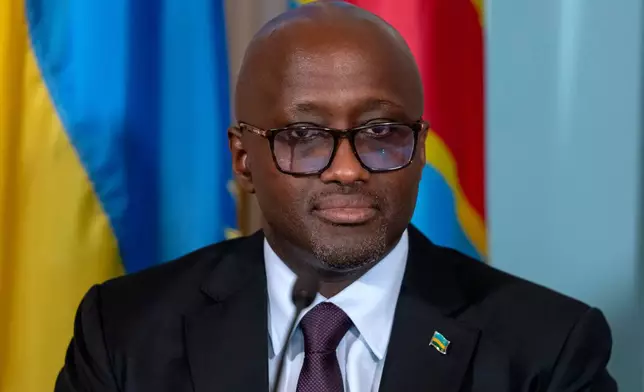
Rwanda's Foreign Minister Olivier Nduhungirehe attends a signing ceremony for a peace agreement between Rwanda and the Democratic Republic of the Congo at the State Department, Friday, June 27, 2025, in Washington. (AP Photo/Mark Schiefelbein)
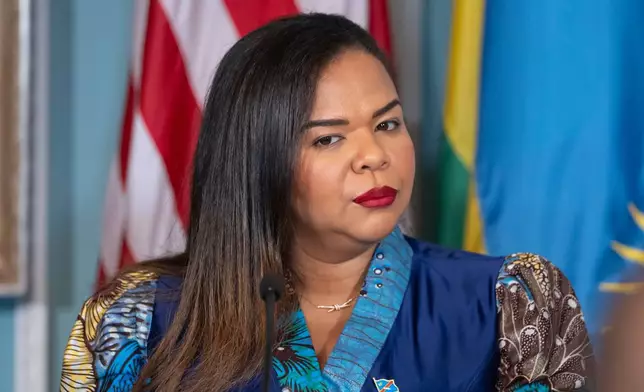
Democratic Republic of the Congo's Foreign Minister Therese Kayikwamba Wagner attends a signing ceremony for a peace agreement between Rwanda and the Democratic Republic of the Congo at the State Department, Friday, June 27, 2025, in Washington. (AP Photo/Mark Schiefelbein)
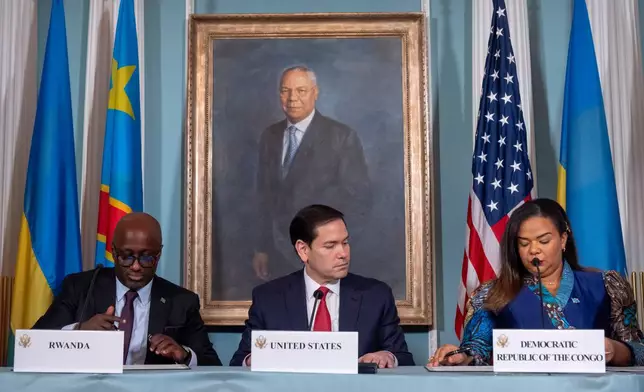
Secretary of State Marco Rubio, center, watches as Rwanda's Foreign Minister Olivier Nduhungirehe, left, and Democratic Republic of the Congo's Foreign Minister Therese Kayikwamba Wagner, right, sign a peace agreement at the State Department, Friday, June 27, 2025, in Washington. (AP Photo/Mark Schiefelbein).
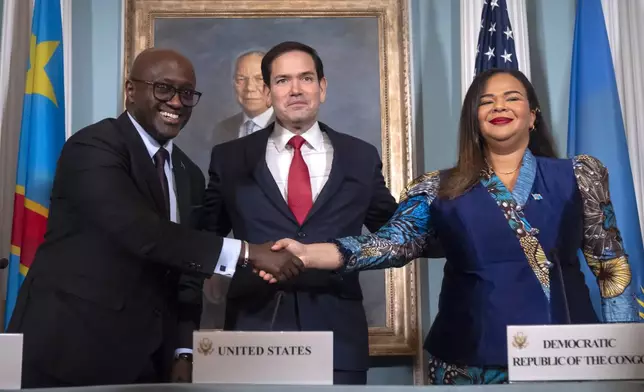
Secretary of State Marco Rubio, center, stands with Rwanda's Foreign Minister Olivier Nduhungirehe, left, and Democratic Republic of the Congo's Foreign Minister Therese Kayikwamba Wagner, right, as they shake hands after signing a peace agreement at the State Department, Friday, June 27, 2025, in Washington. (AP Photo/Mark Schiefelbein).
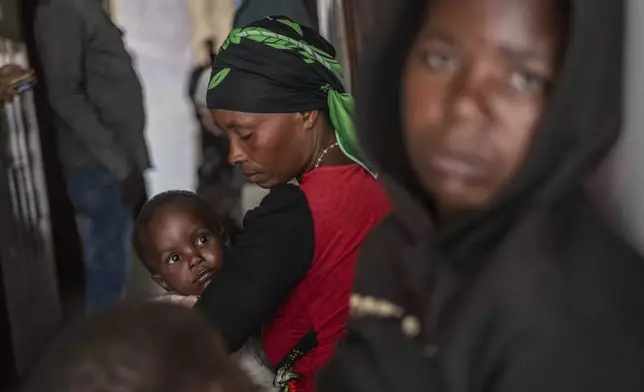
Residents listen to Tom Fletcher, Under-Secretary-General for Humanitarian Affairs and Emergency Relief Coordinator at the Office for the Coordination of Humanitarian Affairs (OCHA), during his visit to North Kivu's town of Buhumba, Democratic republic of the Congo, Thursday, June 26, 2025. (AP Photo/Moses Sawasawa)
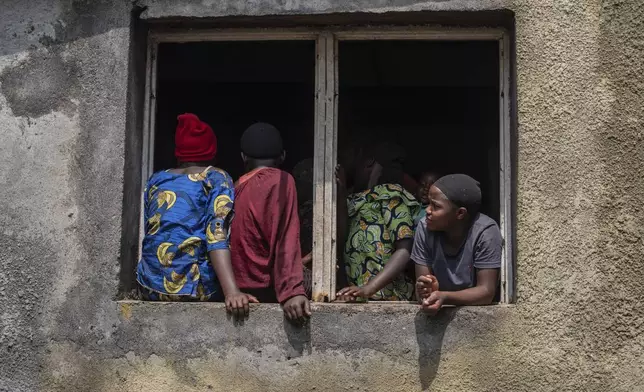
Residents listen to Tom Fletcher, Under-Secretary-General for Humanitarian Affairs and Emergency Relief Coordinator at the Office for the Coordination of Humanitarian Affairs (OCHA), during his visit to North Kivu's town of Buhumba, Democratic republic of the Congo, Thursday, June 26, 2025. (AP Photo/Moses Sawasawa)
The agreement was signed earlier at the State Department's Treaty Room beneath a portrait of Colin Powell, the first African American to hold the job of top U.S. diplomat. There, Secretary of State Marco Rubio called it “an important moment after 30 years of war.”
The Central African nation of Congo has been wracked by conflict with more than 100 armed groups, the most potent backed by Rwanda, that have killed millions since the 1990s.
While the deal is seen as a turning point, analysts don’t believe it will quickly end the fighting because the most prominent armed group says it does not apply to it. Many Congolese see it mainly as an opportunity for the U.S. to acquire critical minerals needed for much of the world’s technology after their government reached out to Trump for support in fighting the rebels.
Trump has pushed to gain access to such minerals at a time when the United States and China are actively competing for influence in Africa.
Congo’s Foreign Minister Therese Kayikwamba Wagner invoked the millions of victims of the conflict in signing the agreement with Rwandan Foreign Minister Olivier Nduhungirehe. Both expressed optimism but stressed significant work still to do to end the fighting.
“Some wounds will heal, but they will never fully disappear,” Wagner said. “Those who have suffered the most are watching. They are expecting this agreement to be respected, and we cannot fail them.”
Nduhungirehe noted the “great deal of uncertainty” because previous agreements were not put in place.
“There is no doubt that the road ahead will not be easy,” he said. “But with the continued support of the United States and other partners, we believe that a turning point has been reached.”
They, along with Rubio, lauded the support of the Gulf Arab nation of Qatar in facilitating the agreement, which Doha has been working on for months at the request of the U.S. and others.
The agreement has provisions on territorial integrity, prohibition of hostilities and the disengagement, disarmament and conditional integration of non-state armed groups.
Asked in the Oval Office about violations of the agreement, Trump said he didn't think that would happen but also warned of “very severe penalties, financial and otherwise,” if it did.
The Rwanda-backed M23 rebel group is the most prominent armed group in the conflict, and its major advance early this year left bodies on the streets. With 7 million people displaced in Congo, the United Nations has called it “one of the most protracted, complex, serious humanitarian crises on Earth.”
Congo hopes the U.S. will provide it with the security support needed to fight the rebels and possibly get them to withdraw from the key cities of Goma and Bukavu, and from the entire region where Rwanda is estimated to have up to 4,000 troops. Rwanda has said that it's defending its territorial interests and not supporting M23.
M23 rebels have suggested that the agreement won’t be binding for them. The rebel group hasn't been directly involved in the planned peace deal, although it has been part of other ongoing peace talks.
Corneille Nangaa, leader of Congo River Alliance — known by its French acronym AFC — which includes M23, told The Associated Press in March that direct peace talks with Congo can only be held if the country acknowledges their grievances and that “anything regarding us which are done without us, it’s against us.”
An M23 spokesperson, Oscar Balinda, echoed that to the AP this week.
Nduhungirehe pointed to separate talks happening in Qatar that are meant to get both Congo and the M23 rebels to agree among themselves how they will end the fighting. He also said Rwanda agreed to lift its “defensive measures.” It was not clear if he meant withdrawing the troops that Rwanda has said are defending its territorial interests.
Rwanda also has been accused of exploiting eastern Congo's minerals, used in smartphones, advanced fighter jets and much more. Rwanda has denied any involvement, while analysts say that might make it difficult for Rwanda not to be involved in the region.
The deal is at the heart of the U.S. government’s push to counter China in Africa. For many years, Chinese companies have been a key player in Congo’s minerals sector. Chinese cobalt refineries, which account for a majority of the global supply, rely heavily on Congo.
Congo's foreign minister said the U.S. has proven to be a “reliable partner” during the peace process and on other issues in relations between the two countries.
“So there is no doubt in this moment, if you want, when it comes to the credibility of the U.S. as a partner, be it for a peace process, where we have signed a very important agreement today, or for investment from the U.S.,” Wagner told the AP in an interview Friday evening.
Analysts say the U.S. government’s commitment might depend on how much access it has to the minerals being discussed under separate negotiations between the American and Congolese governments.
The mostly untapped minerals are estimated to be worth as much as $24 trillion by the U.S. Department of Commerce.
Christian Moleka, a political scientist at the Congolese think tank Dypol, called the deal a “major turning point” but said it could “in no way eliminate all the issues of the conflict.”
“The current draft agreement ignores war crimes and justice for victims by imposing a partnership between the victim and the aggressor,” he said. “This seems like a trigger-happy proposition and cannot establish lasting peace without justice and reparation.”
In Congo's North Kivu province, the hardest hit by the fighting, some believe that the peace deal will help resolve the violence but warn justice must still be served for an enduring peace.
“I don't think the Americans should be trusted 100%,” said Hope Muhinuka, an activist from the province. “It is up to us to capitalize on all we have now as an opportunity.”
The conflict can be traced to the aftermath of the 1994 genocide in Rwanda, where Hutu militias killed between 500,000 and 1 million ethnic Tutsi, as well as moderate Hutus and Twa, Indigenous people. When Tutsi-led forces fought back, nearly 2 million Hutus crossed into Congo, fearing reprisals.
Rwandan authorities have accused the Hutus who fled of participating in the genocide and alleged that elements of the Congolese army protected them. They have argued that the militias formed by a small fraction of the Hutus are a threat to Rwanda’s Tutsi population.
Since then, the ongoing conflict in east Congo has killed 6 million people, in attacks, famines and unchecked disease outbreaks stemming from the fighting.
Asadu reported from Dakar, Senegal. Edith M. Lederer at the United Nations, Justin Kabumba in Goma, Congo, Ignatius Ssuuna in Kigali, Rwanda, and Mike Pesoli and River Zhi-Hui Zhang in Washington contributed to this report.
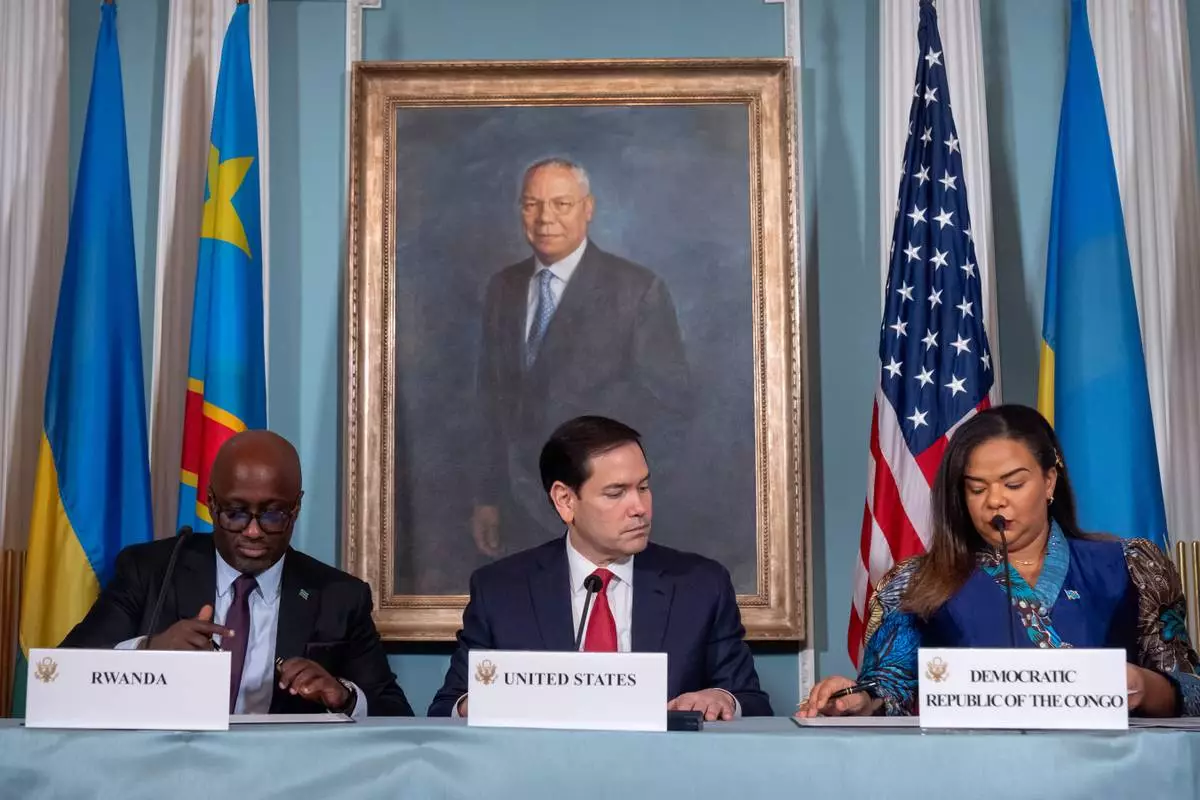
Secretary of State Marco Rubio, center, watches as Rwanda's Foreign Minister Olivier Nduhungirehe, left, and Democratic Republic of the Congo's Foreign Minister Therese Kayikwamba Wagner, right, sign a peace agreement at the State Department, Friday, June 27, 2025, in Washington. (AP Photo/Mark Schiefelbein).
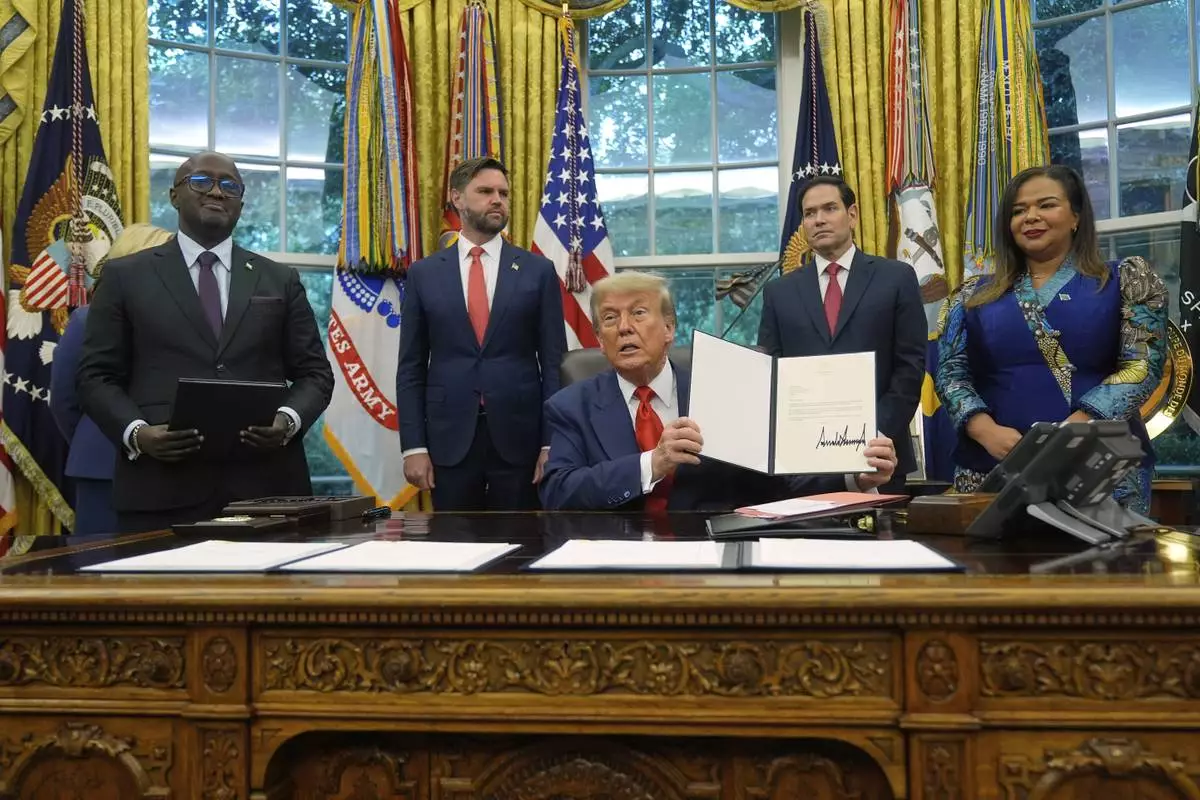
President Donald Trump holds up a signed document to present to Congo's Foreign Minister Therese Kayikwamba Wagner, right, as Rwanda's Foreign Minister Olivier Nduhungirehe, from left, Vice President JD Vance and Secretary of State Marco Rubio watch, Friday, June 27, 2025, in the Oval Office at the White House in Washington. (AP Photo/Manuel Balce Ceneta)
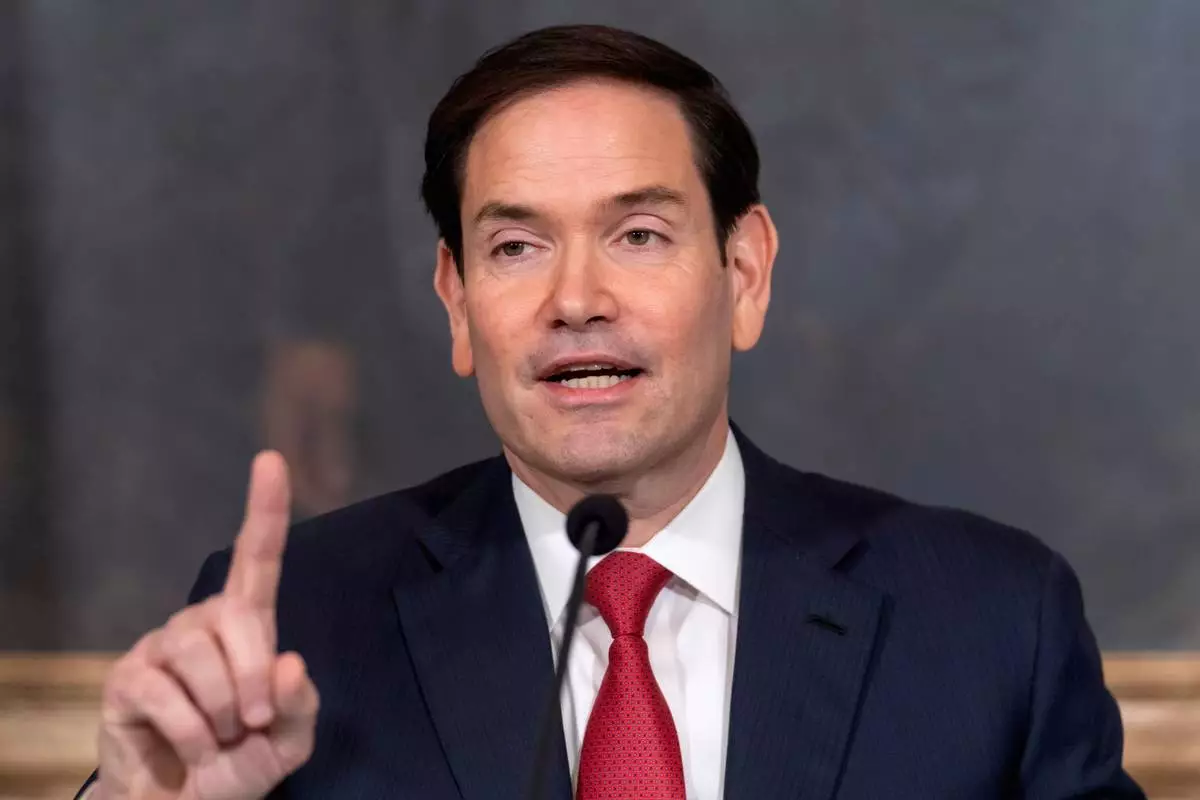
Secretary of State Marco Rubio speaks during a signing ceremony for a peace agreement between Rwanda and the Democratic Republic of the Congo at the State Department, Friday, June 27, 2025, in Washington. (AP Photo/Mark Schiefelbein).
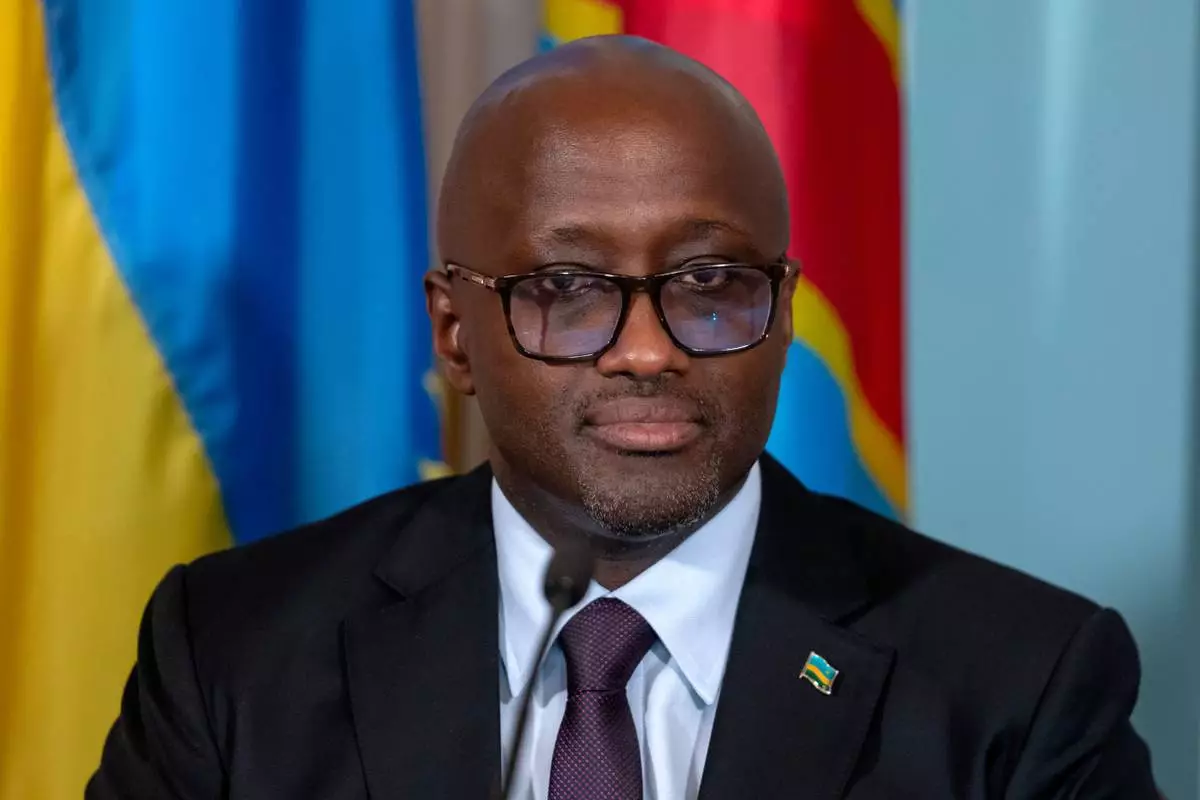
Rwanda's Foreign Minister Olivier Nduhungirehe attends a signing ceremony for a peace agreement between Rwanda and the Democratic Republic of the Congo at the State Department, Friday, June 27, 2025, in Washington. (AP Photo/Mark Schiefelbein)
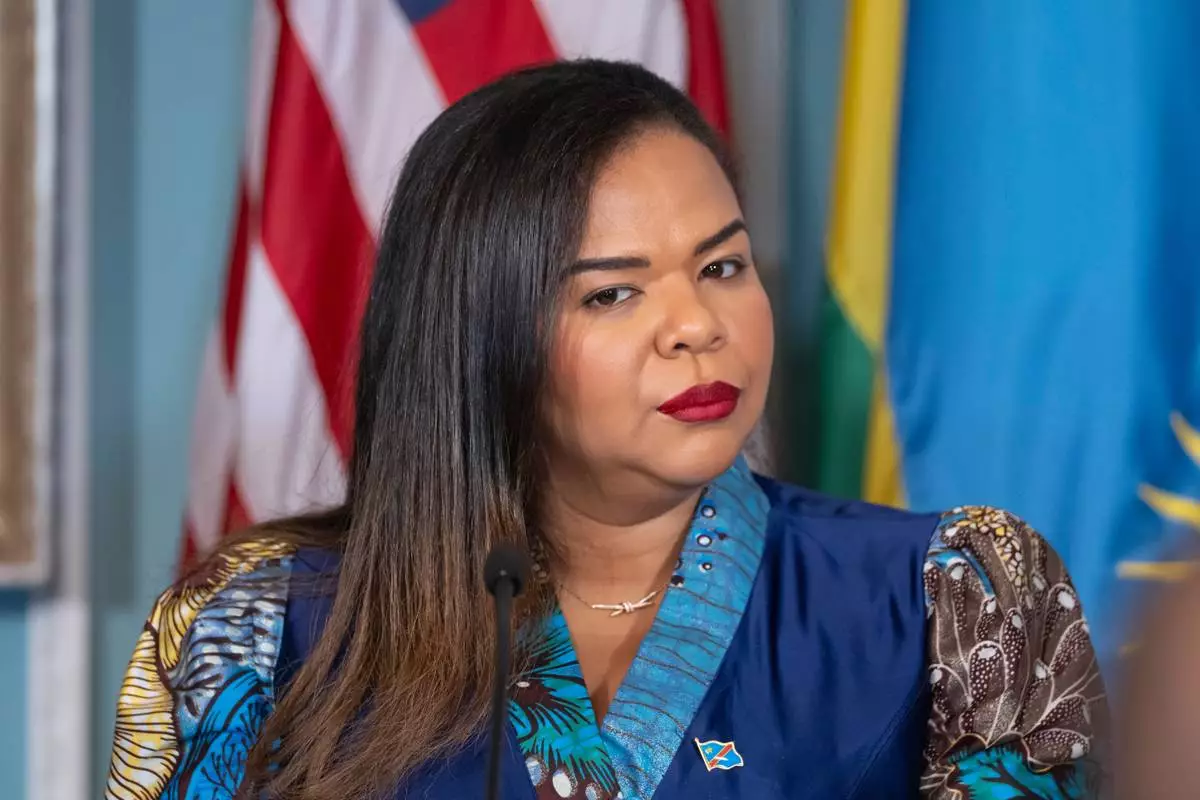
Democratic Republic of the Congo's Foreign Minister Therese Kayikwamba Wagner attends a signing ceremony for a peace agreement between Rwanda and the Democratic Republic of the Congo at the State Department, Friday, June 27, 2025, in Washington. (AP Photo/Mark Schiefelbein)
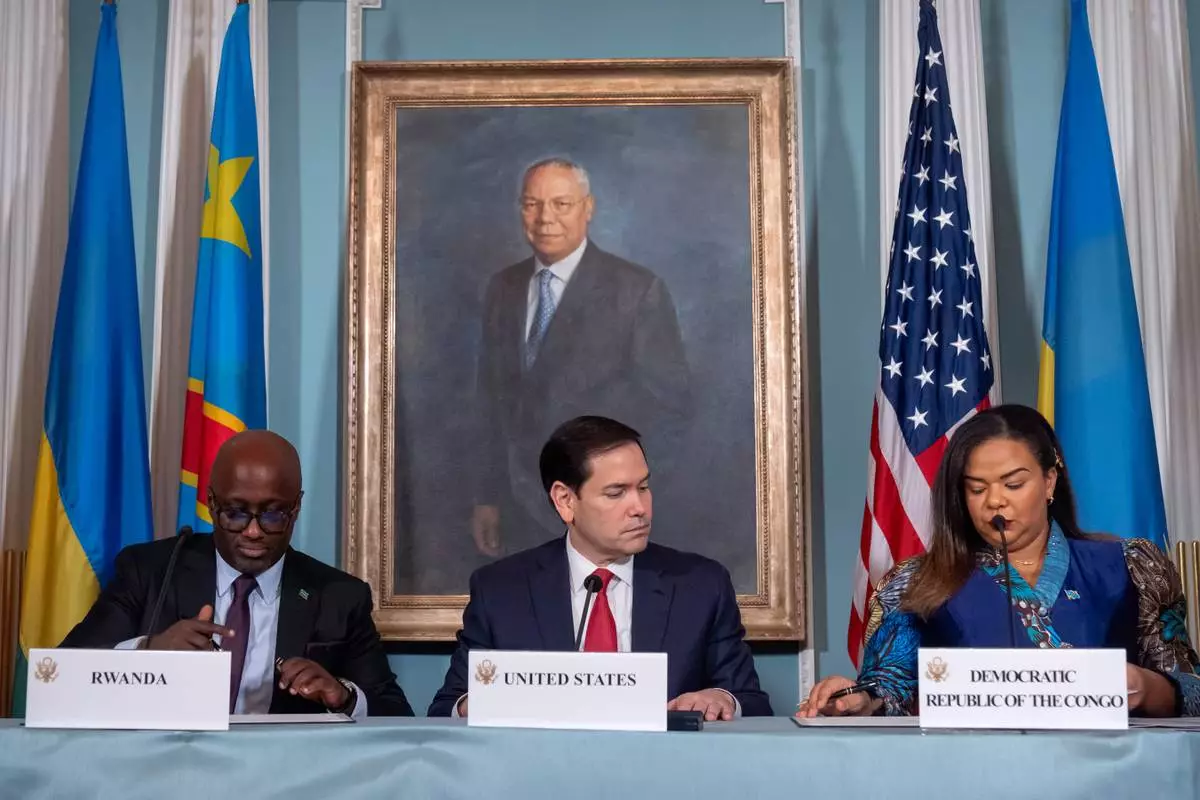
Secretary of State Marco Rubio, center, watches as Rwanda's Foreign Minister Olivier Nduhungirehe, left, and Democratic Republic of the Congo's Foreign Minister Therese Kayikwamba Wagner, right, sign a peace agreement at the State Department, Friday, June 27, 2025, in Washington. (AP Photo/Mark Schiefelbein).
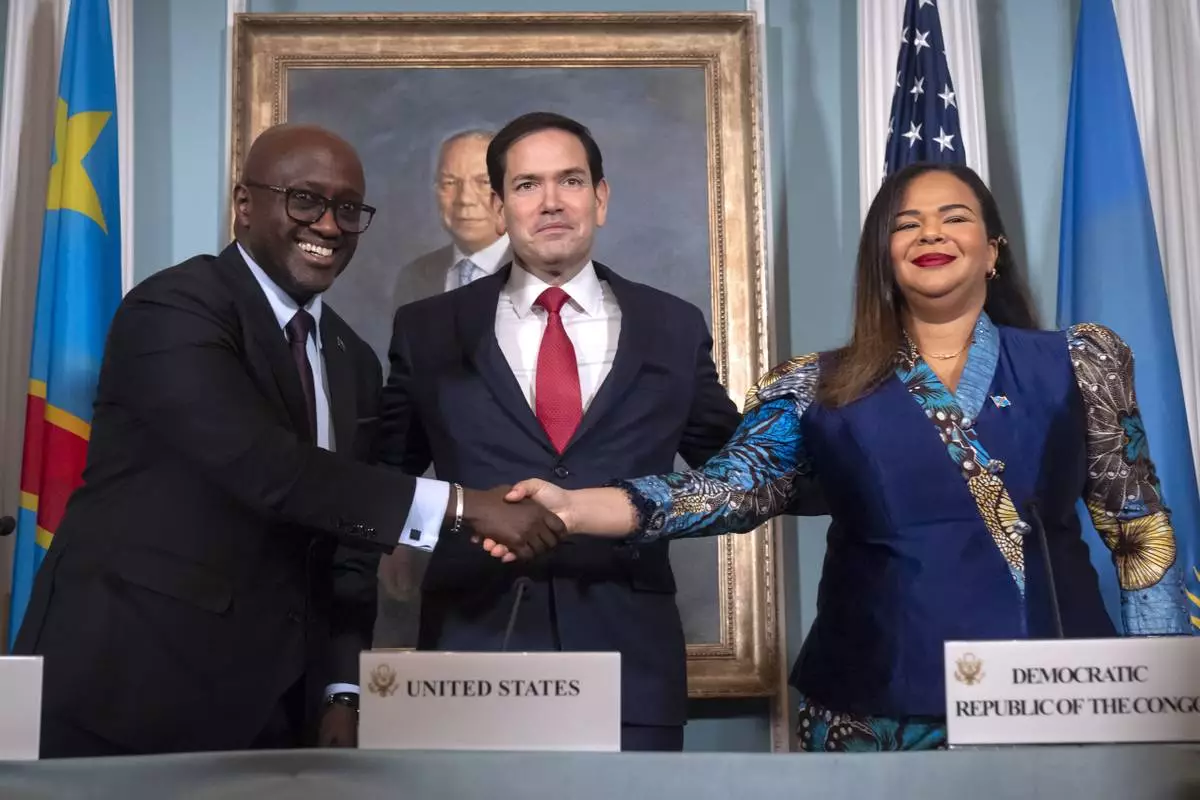
Secretary of State Marco Rubio, center, stands with Rwanda's Foreign Minister Olivier Nduhungirehe, left, and Democratic Republic of the Congo's Foreign Minister Therese Kayikwamba Wagner, right, as they shake hands after signing a peace agreement at the State Department, Friday, June 27, 2025, in Washington. (AP Photo/Mark Schiefelbein).
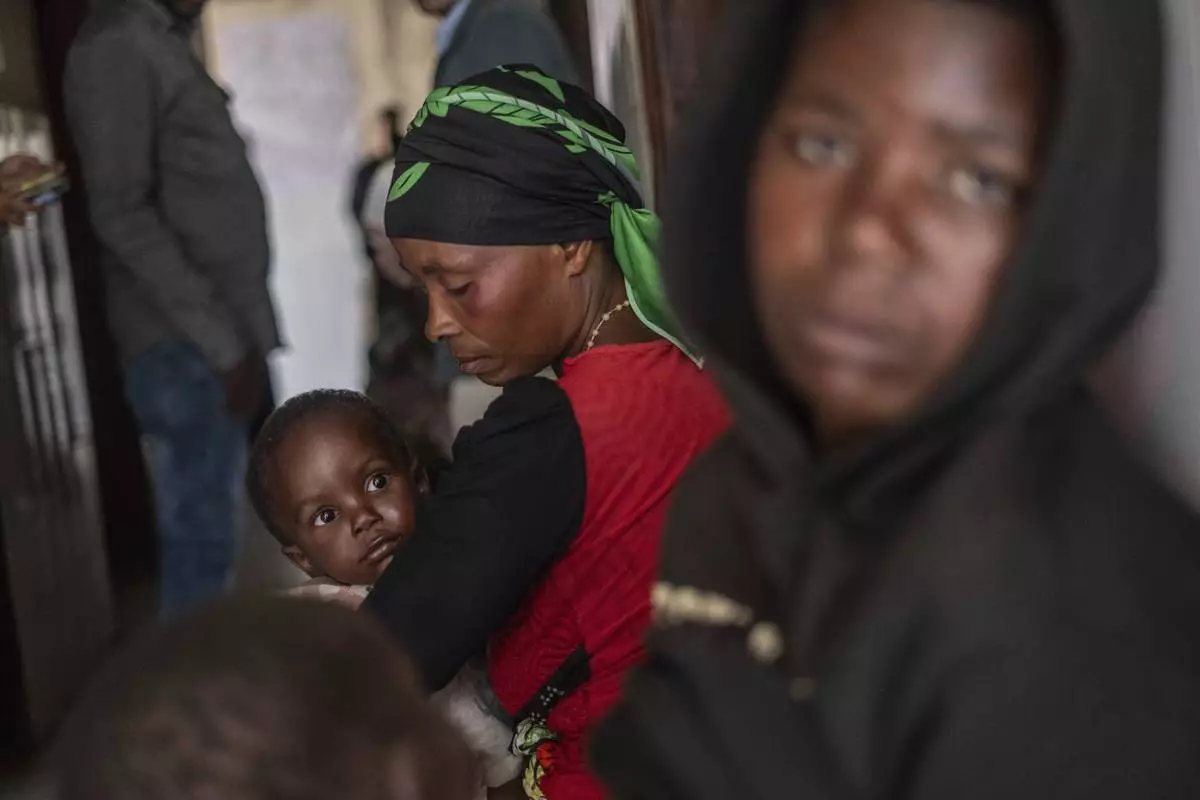
Residents listen to Tom Fletcher, Under-Secretary-General for Humanitarian Affairs and Emergency Relief Coordinator at the Office for the Coordination of Humanitarian Affairs (OCHA), during his visit to North Kivu's town of Buhumba, Democratic republic of the Congo, Thursday, June 26, 2025. (AP Photo/Moses Sawasawa)
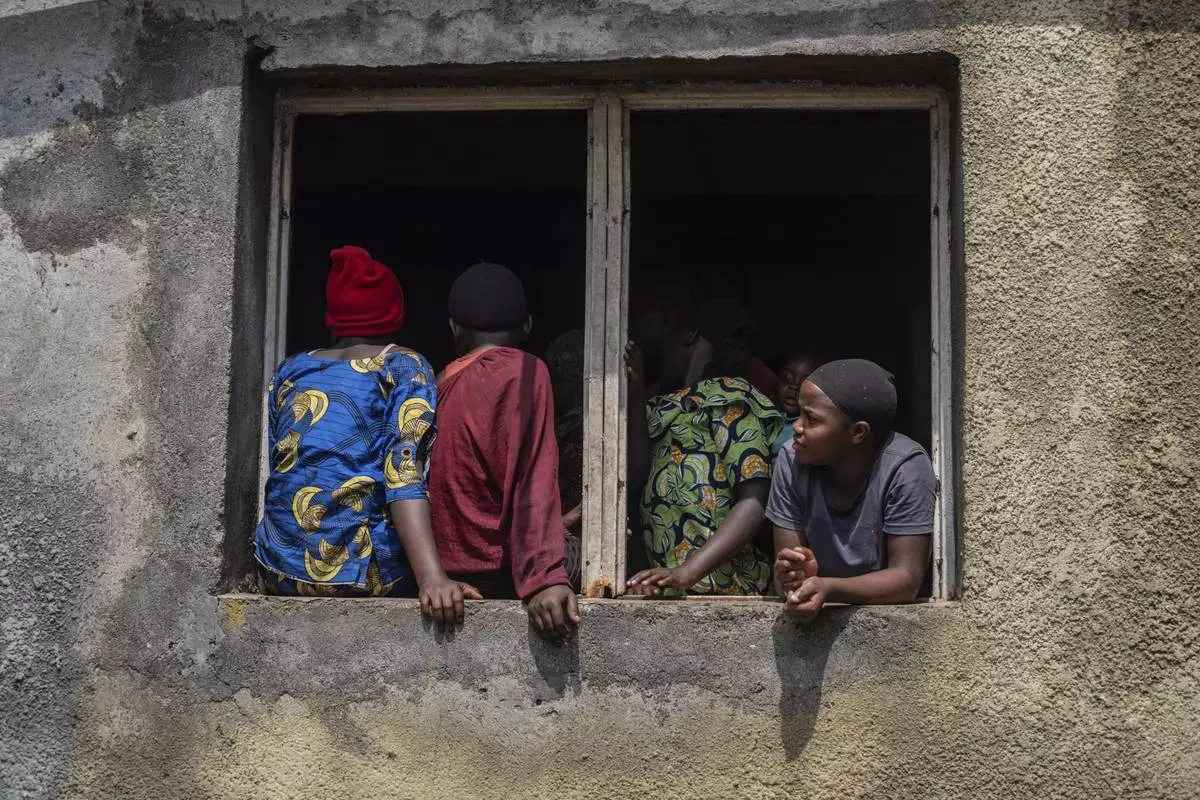
Residents listen to Tom Fletcher, Under-Secretary-General for Humanitarian Affairs and Emergency Relief Coordinator at the Office for the Coordination of Humanitarian Affairs (OCHA), during his visit to North Kivu's town of Buhumba, Democratic republic of the Congo, Thursday, June 26, 2025. (AP Photo/Moses Sawasawa)