The installation rate of charging piles across China's charging stations reached 45 percent in 2024, according to a blue paper on the country's gas and charging station development 2024-2025 released on Saturday.
The data from the blue paper, released at the 2025 Energy Industry Ecology Forum in Beijing, indicates that traditional gas stations are undergoing a profound transformation from providing a single energy source to offering comprehensive services.
The blue paper reported that by the end of 2024, the total number of gas stations in China was 110,600, down 1.92 percent year on year.
Traditional gas stations are gradually integrating oil and gas, hydrogen, charging, and battery swapping services to meet the diverse charging needs of new energy vehicles (NEVs) and hydrogen fuel-cell vehicles.
In 2024, the installation rate of charging piles in the country's charging stations reached 45 percent, and the number of hydrogen refueling stations exceeded 300, forming a "multi-energy complementary" supply pattern.
Meanwhile, gas stations are continuously expanding their service offerings, transitioning from simply providing fuel to integrating with cross-industry services such as instant retail, automotive services, and photovoltaic power generation.
China will build a new energy infrastructure for a zero-carbon society, and expedite the development of a new power system to propel the ongoing transformation of the country's energy sector throughout the 15th Five-Year Plan period (2026-2030).
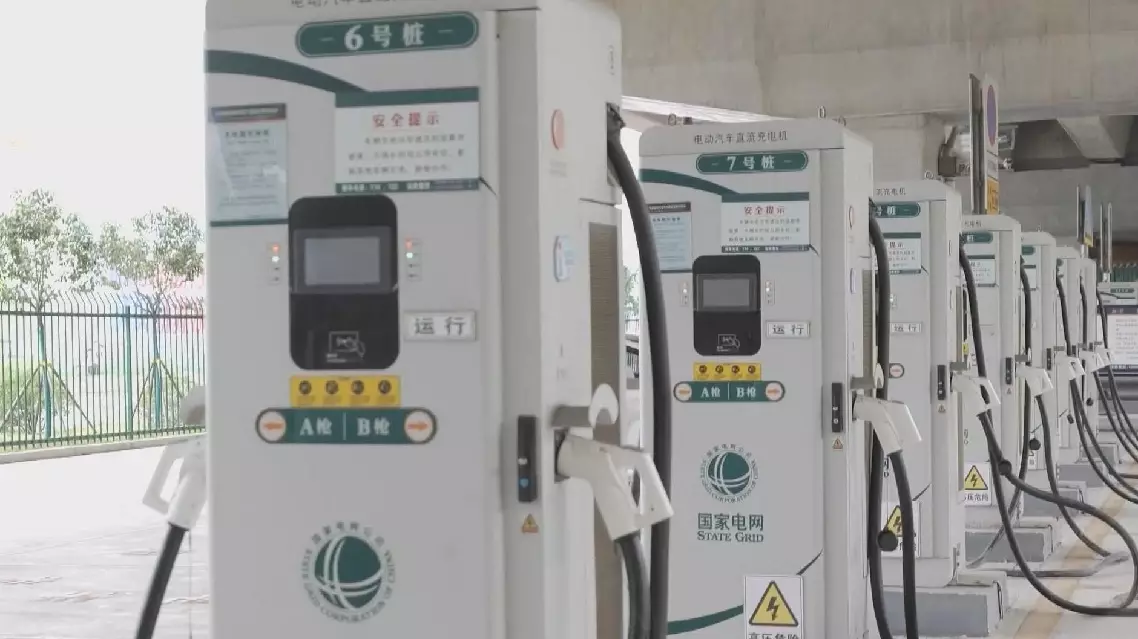
China's charging stations hit 45-pct pile coverage in 2024: blue paper
China's summer grain procurement season is set to begin later this month, with the expectation of buying about 100 million tons of wheat during the peak period, roughly the same amount as last year, a national food reserves official said on Thursday.
Summer crops account for more than 20 percent of the country's annual grain output, over 90 percent of which is winter wheat. The peak purchasing season runs from late May to the end of September. This year, the summer grain harvest is expected to start about one week later than usual, with early batches already hitting the market in Hubei and Sichuan provinces.
"Preliminary analysis suggests that wheat purchases during the peak season will reach around 100 million tons, which is about 70 percent of total [wheat] output, basically unchanged from last year," said Luo Shouquan, director of the Food Reserves Department at the National Food and Strategic Reserves Administration.
Luo said authorities will step up market analysis and forecasting, and adjust policies as needed. He stressed efforts to facilitate market-oriented purchases, encouraging various buyers to enter the market, and calling on leading state-owned enterprises to take the lead in procurement to boost market confidence.
"A total of 110 million tons of storage capacity has been prepared across the country by far, enough to meet farmers' needs. We will strengthen market monitoring, activate the minimum purchase price mechanism in eligible regions in a timely manner, and coordinate both offline and online channels to ensure orderly purchases and keep the grain market stable," said the official.
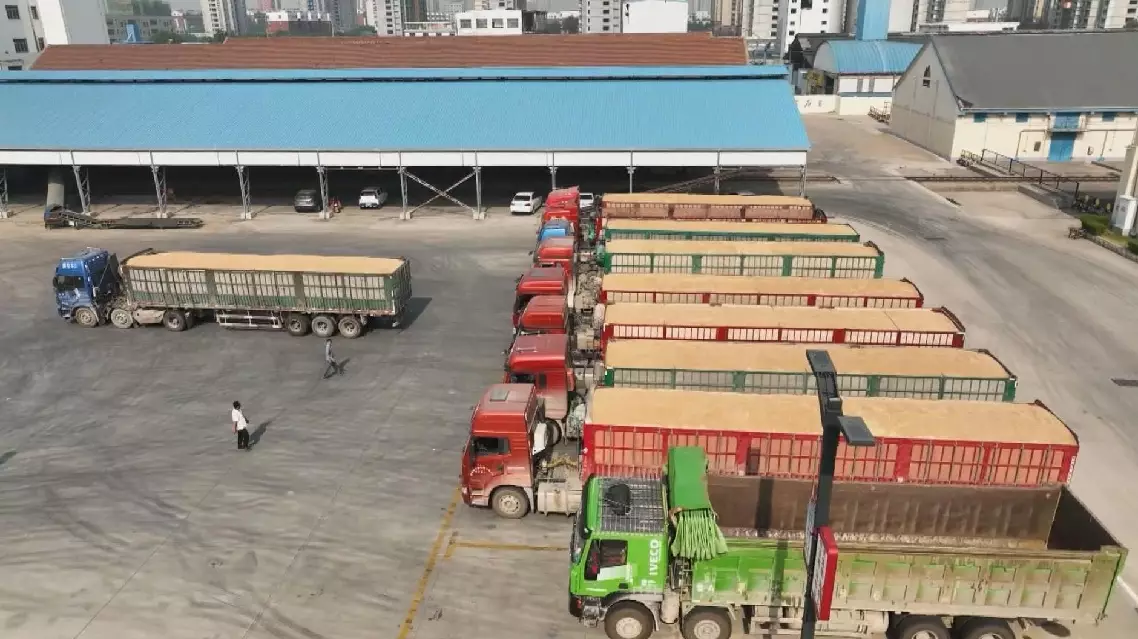
China expects some 100 mln tons of wheat in summer procurement