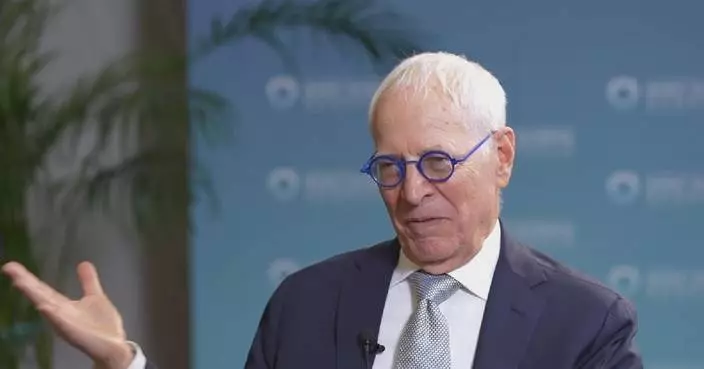
A ceasefire is "the best medicine for everyone" in Gaza, World Health Organization (WHO) spokesperson Christian Lindmeier said on Saturday, addressing the dire humanitarian crisis in the region.
There have been frequent reports lately of tragic incidents where people in Gaza were shot and killed while seeking food at aid distribution sites.
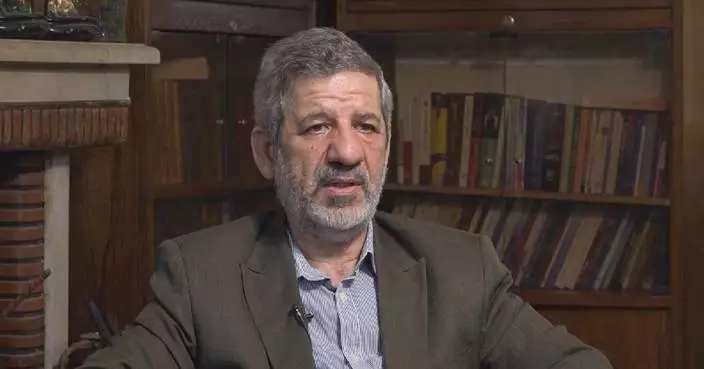
In an interview with China Global Television Network (CGTN), Lindmeier said although his colleagues have not witnessed attacks around aid distribution sites, there is clear evidence confirming such incidents.
"First, we do not have personnel at the aid distribution sites, so we don't have a first-hand witness situation there. But, our staff asked the hospitals or our colleagues at the hospitals. And that's where we get the reports from the wounded coming in. And many of these wounded have fresh shot wounds or shrapnel wounds, which is a clear indication, and therefore indirectly confirming the stories about being shot around the aid distribution sites -- the militarized aid distribution sites, let's be clear about that. This is what we see, this is what we hear from people. This is the evidence we get from our teams and from the medical teams on the ground," he said.
Noting the dire humanitarian situation in Gaza, Lindmeier said that the WHO had carried out the first delivery of urgently needed medical goods to enter Gaza in months earlier this week, and none of these aid trucks was looted.
"There are two things right now. The people are dying, the people are starving, they are sick. So they need the food items and water, fresh water, but that's not primarily WHO's role. We are there to deliver the medical supplies. And actually this week, the first time, we had nine trucks going in at the beginning of the week. And yesterday again, four trucks. And that's the first time since March 2, so the first time nearly in four months. These supplies are heavily, heavily needed, desperately needed. And it's important to say that, disperse any rumors, none of these trucks was attacked. None of these convoys was looted. All the materials arrived safely according to plan, and the warehouses from there get distributed further into the clinics and health facilities as needed if we get to those clinics. We don't get to all, and not many are operational anymore anyway," Lindmeier said.
The WHO spokesman also called for the sustained opening of humanitarian corridors as well as a ceasefire in Gaza.
"Aid is outside the door, let's be clear, outside the border crossing in Kerem Shalom. There are the trucks sitting and waiting since weeks and months. So the moment the key opens, trucks can come in. There's a lot of back logistics that's necessary. Ben Gurion Airport has been closed during the air raids in the war with Iran. So that's the supply route coming in from there. Ideally, we would have separate supply routes through Jordan and through Egypt. Those have both been closed recently. So if those all open up again from our side, that would help tremendously to speed up the efforts. But again, trucks are outside, they can come in anytime and then with the fuel and everything necessary. Because a truck coming in is one thing, it needs to be reloaded into trucks inside Gaza and then distributed. Just there are a lot of logistical effort behind it. But all is possible. It was possible during the brief ceasefire we had, and it will be possible again. And let's be clear, a ceasefire, peace is the best medicine for everyone," Lindmeier said.

Ceasefire "best medicine for everyone" in Gaza: WHO spokesperson