WASHINGTON (AP) — The Senate's long day of voting churned into a long Monday night, with Republican leaders grasping for ways to shore up support for President Donald Trump's big bill of tax breaks and spending cuts while fending off proposed amendments from Democrats who oppose the package and are trying to defeat it.
The outcome was not yet in sight. Senate Majority Leader John Thune of South Dakota acknowledged the Republicans are “figuring out how to get to the end game.”
Click to Gallery
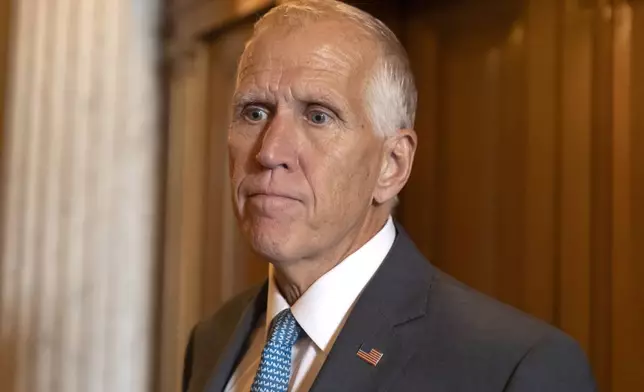
Sen. Thomas Tillis, R-N.C., speaks to reporters as Republicans begin a final push to advance President Donald Trump's tax breaks and spending cuts package, at the Capitol in Washington, Monday, June 30, 2025. (AP Photo/Mark Schiefelbein)
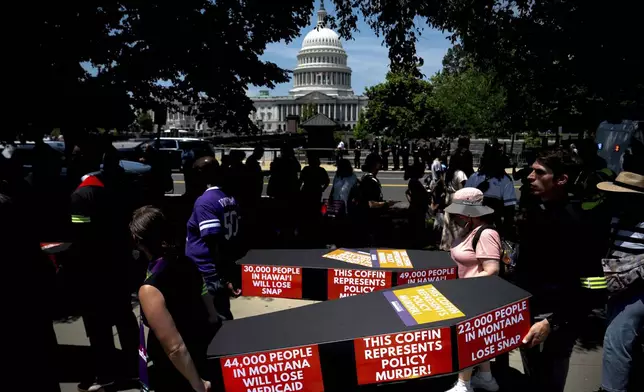
Demonstrators carry cardboard caskets in front of the U.S. Capitol in protest of President Donald Trump's tax breaks and spending cuts package, Monday, June 30, 2025, in Washington. (AP Photo/Julia Demaree Nikhinson)
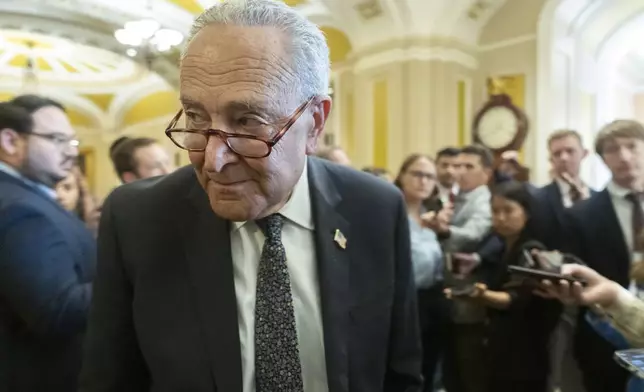
Senate Minority Leader Chuck Schumer, D-N.Y., speaks to reporters outside the Senate chamber as Republicans begin a final push to advance President Donald Trump's tax breaks and spending cuts package, at the Capitol in Washington, Monday, June 30, 2025. (AP Photo/Manuel Balce Ceneta)
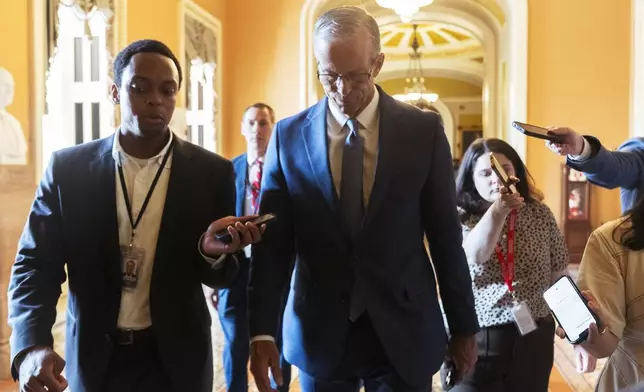
Senate Majority Leader John Thune, R-S.D., is followed by reporters as he walks from the chamber to his office as Republicans begin a final push to advance President Donald Trump's tax breaks and spending cuts package, at the Capitol in Washington, Monday, June 30, 2025. (AP Photo/Manuel Balce Ceneta)
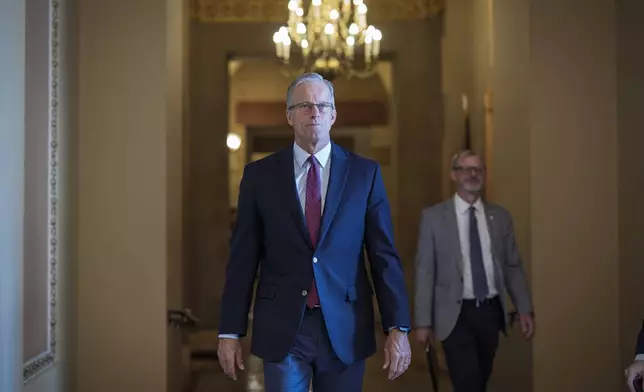
Senate Majority Leader John Thune, R-S.D., walks to the chamber as Senate Republicans work to pass President Donald Trump's big bill of tax breaks, spending cuts by his July Fourth deadline, at the Capitol in Washington, Sunday, June 29, 2025. (AP Photo/J. Scott Applewhite)
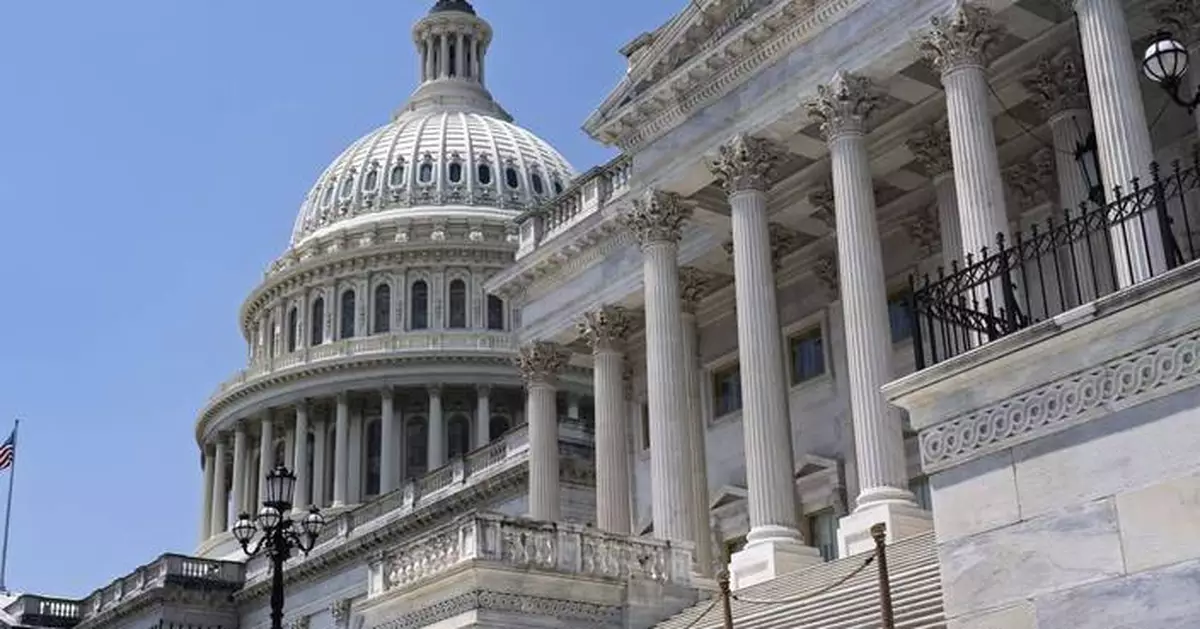
The Capitol is seen during as Senate Republicans work to pass President Donald Trump's bill of tax breaks and spending cuts by his July Fourth deadline, in Washington, Sunday, June 29, 2025. (AP Photo/J. Scott Applewhite)
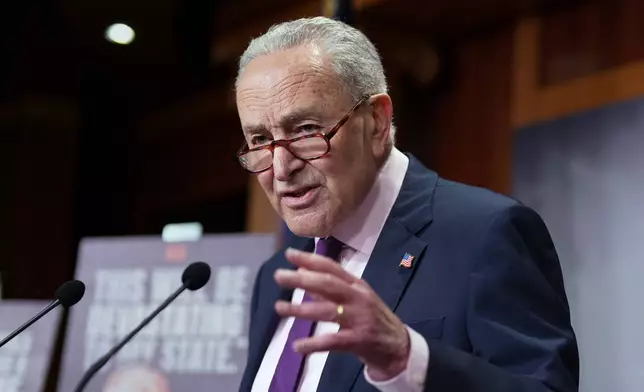
Senate Minority Leader Chuck Schumer, D-N.Y., talks with reporters as Senate Republicans work to advance President Donald Trump's sweeping domestic policy bill, at the Capitol in Washington, Friday, June 27, 2025. (AP Photo/J. Scott Applewhite)
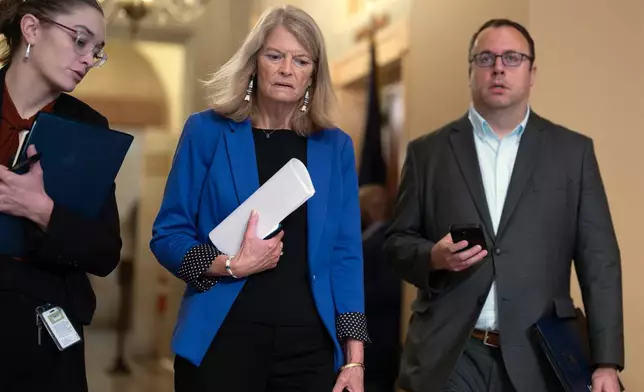
Sen. Lisa Murkowski, R-Alaska, center, a member of the Senate Appropriations Committee, arrives for a closed-door Republican meeting to advance President Donald Trump's sweeping domestic policy bill, at the Capitol in Washington, Friday, June 27, 2025. (AP Photo/J. Scott Applewhite)
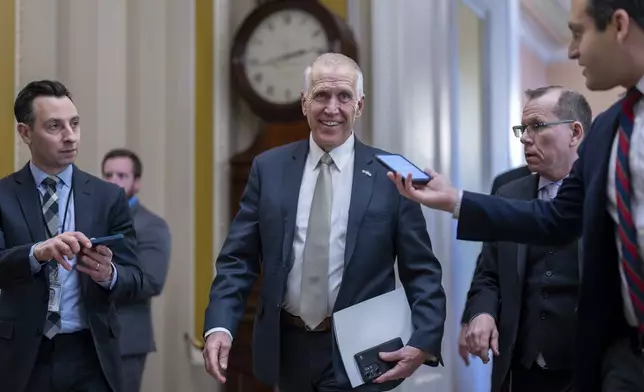
FILE — Sen. Thom Tillis, R-N.C., speaks with reporters as he heads to the chamber during a test vote to begin debate on a border security bill, at the Capitol in Washington, Feb. 7, 2024. (AP Photo/J. Scott Applewhite, File)
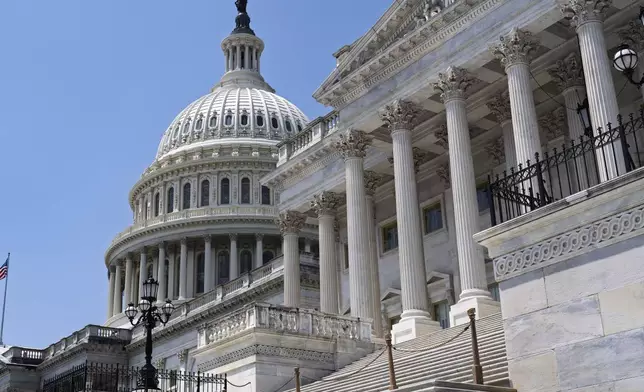
The Capitol is seen is seen as Senate Republicans work to pass President Donald Trump's bill of tax breaks and spending cuts by his July Fourth deadline, in Washington, Sunday, June 29, 2025. (AP Photo/J. Scott Applewhite)
And House Speaker Mike Johnson signaled the potential problems the Senate package could face when it is eventually sent back to his chamber for a final round of voting, which was expected later this week, ahead of Trump's Fourth of July deadline.
“I have prevailed upon my Senate colleagues to please, please, please keep it as close to the House product as possible,” said Johnson, the Louisiana Republican, as he left the Capitol around dinnertime. House Republicans had already passed their version last month.
It's a pivotal moment for the Republicans, who have control of Congress and are racing to wrap up work with just days to go before Trump's holiday deadline Friday. The 940-page “One Big Beautiful Bill Act,” as it’s formally titled, has consumed Congress as its shared priority with the president.
The GOP leaders have no room to spare, with narrow majorities in both chambers. Thune can lose no more than three Republican senators, and already two — Sen. Thom Tillis of North Carolina, who warns people will lose access to Medicaid health care, and Sen. Rand Paul of Kentucky, who opposes raising the debt limit — have indicated opposition. Tillis abruptly announced over the weekend he would not seek reelection after Trump threatened to campaign against him.
Attention quickly turned to key senators, Lisa Murkowski of Alaska and Susan Collins of Maine, who have also raised concerns about health care cuts, but also a loose coalition of four conservative GOP senators pushing for even steeper reductions.
And on social media, billionaire Elon Musk was again lashing out at Republicans as “the PORKY PIG PARTY!!” for including a provision that would raise the nation’s debt limit by $5 trillion, which is needed to allow continued borrowing to pay the bills.
Senate Democratic Leader Chuck Schumer of New York said his side was working to show “how awful this is.”
“Republicans are in shambles because they know the bill is so unpopular,” Schumer said as he walked the halls. The Democrats have proposed dozens of amendments in what’s called a vote-a-rama, though most were expected to fail.
A new analysis from the nonpartisan Congressional Budget Office found 11.8 million more Americans would become uninsured by 2034 if the bill became law. The CBO said the package would increase the deficit by nearly $3.3 trillion over the decade.
The White House said it was counting on Republican lawmakers to "get the job done.”
“Republicans need to stay tough and unified during the home stretch,” White House press secretary Karoline Leavitt said.
Few Republicans appear fully satisfied as the final package emerges, in either the House or Senate.
Tillis said it is a betrayal of the president's promises not to kick people off health care, especially if rural hospitals close.
Collins has proposed bolstering the $25 billion proposed rural hospital fund to $50 billion, and Murkowski was trying to secure provisions to spare people in her state from some health care and food stamp cuts while also working to beef up federal reimbursements to Alaska's hospitals. They have not said how they would vote for the final package.
At the same time, conservative Senate Republicans — Rick Scott of Florida, Mike Lee of Utah, Ron Johnson of Wisconsin and Cynthia Lummis of Wyoming — have proposed steeper health care cuts and filed into Thune's office for a near-midnight meeting.
As the first few Senate amendments came up Monday — to strike parts of the bill that would limit Medicaid funds to rural hospitals or shift the costs of food stamp benefits to the states — some were winning support from a few Republicans, though none passed.
Sen. Mike Crapo, the GOP chairman of the Finance Committee, dismissed the dire predictions of health care cuts as Democrats trafficking in what he called the “politics of fear.”
All told, the Senate bill includes $4.5 trillion in tax cuts, according to the latest CBO analysis, making permanent Trump's 2017 rates, which would expire at the end of the year if Congress fails to act, while adding the new ones he campaigned on, including no taxes on tips.
The Senate package would roll back billions of dollars in green energy tax credits, which Democrats warn will wipe out wind and solar investments nationwide. It would impose $1.2 trillion in cuts, largely to Medicaid and food stamps, by imposing work requirements on able-bodied people, including some parents and older Americans, making sign-up eligibility more stringent and changing federal reimbursements to states.
Additionally, the bill would provide a $350 billion infusion for border and national security, including for deportations, some of it paid for with new fees charged to immigrants.
Unable to stop the march toward passage, the Democrats as the minority party in Congress are using the tools at their disposal to delay and drag out the process.
Democrats forced a full reading of the text, which took 16 hours, and they have a stream of amendments.
Sen. Patty Murray of Washington, the ranking Democrat on the Appropriations Committee, raised particular concern at the start of debate late Sunday about the accounting method being used by the Republicans, which says the tax breaks from Trump's first term are now “current policy” and the cost of extending them should not be counted toward deficits.
She said that kind of “magic math” won't fly with Americans trying to balance their own household books.
Associated Press writers Ali Swenson, Fatima Hussein, Michelle L. Price, Kevin Freking, Matt Brown, Seung Min Kim and Chris Megerian contributed to this report.
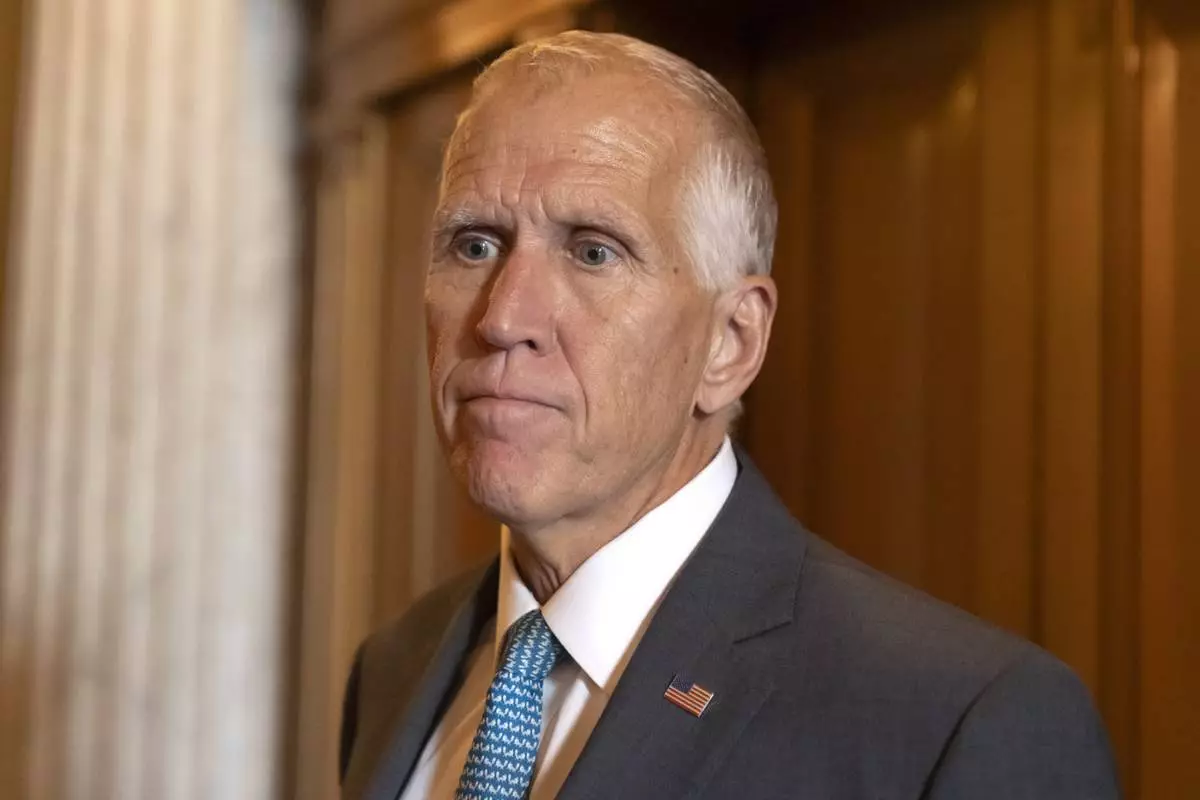
Sen. Thomas Tillis, R-N.C., speaks to reporters as Republicans begin a final push to advance President Donald Trump's tax breaks and spending cuts package, at the Capitol in Washington, Monday, June 30, 2025. (AP Photo/Mark Schiefelbein)
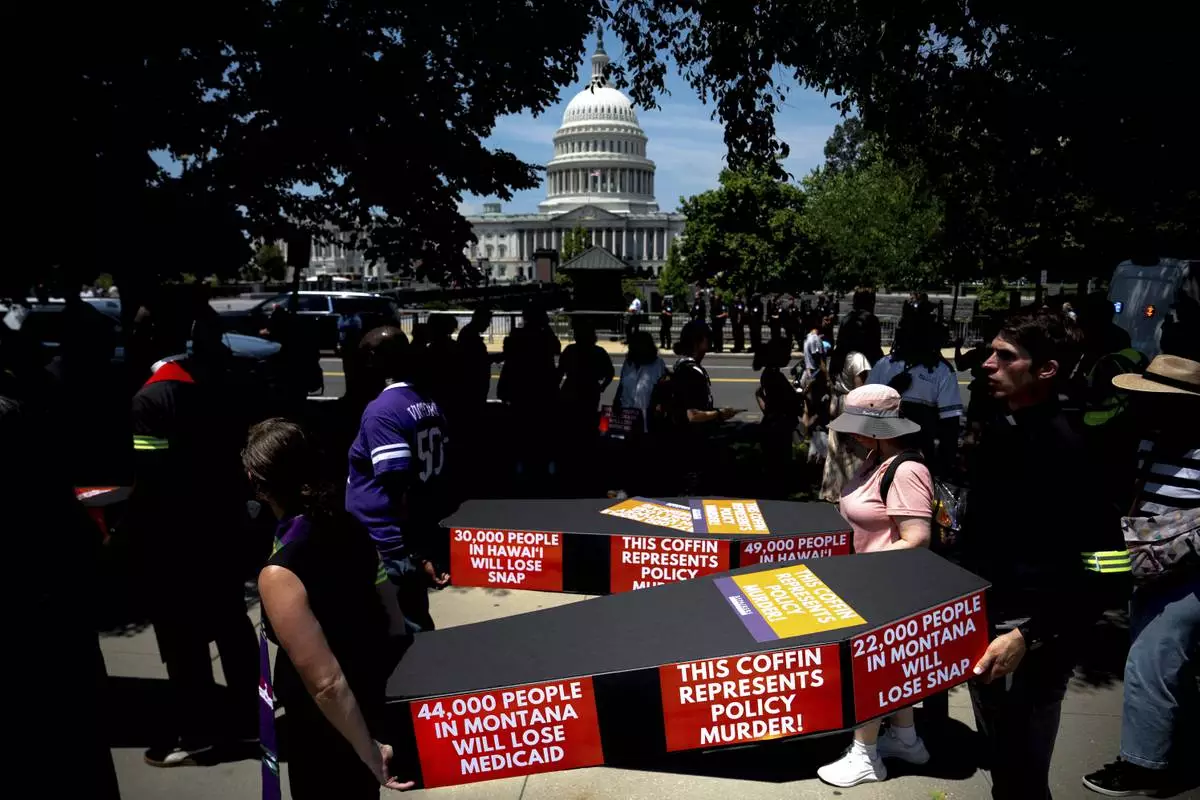
Demonstrators carry cardboard caskets in front of the U.S. Capitol in protest of President Donald Trump's tax breaks and spending cuts package, Monday, June 30, 2025, in Washington. (AP Photo/Julia Demaree Nikhinson)
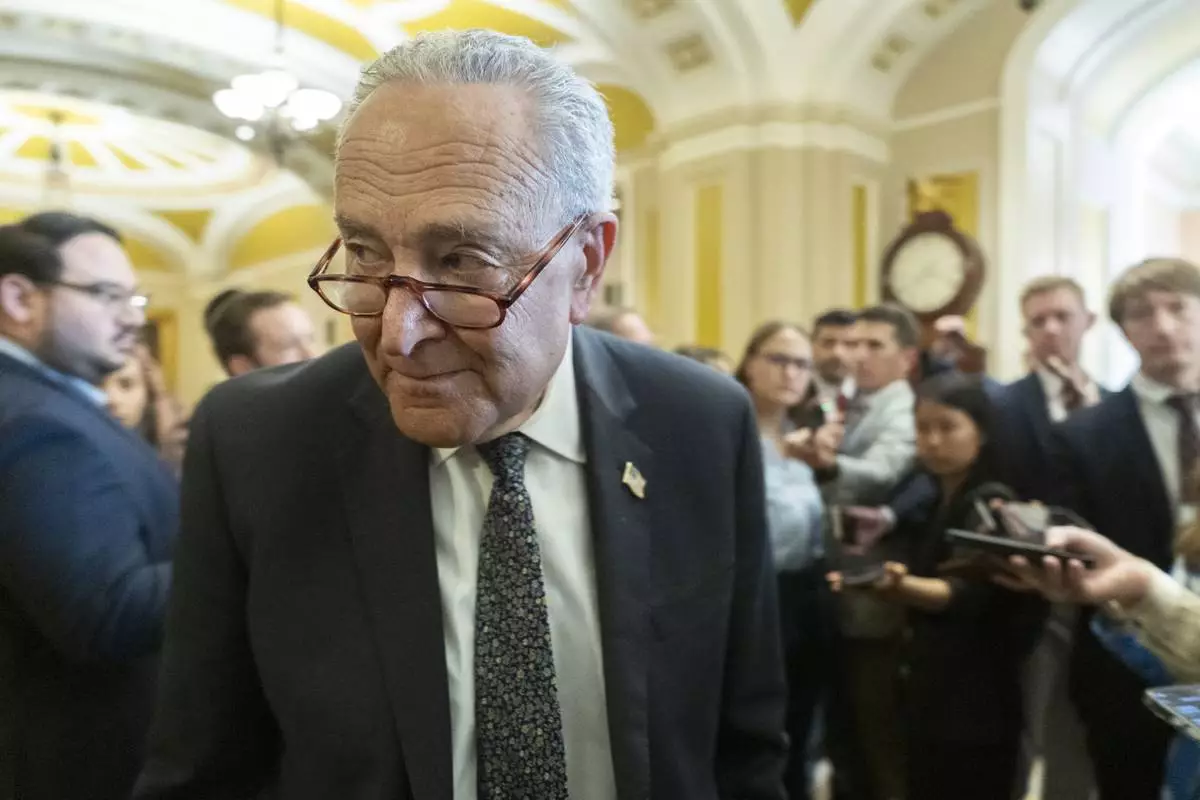
Senate Minority Leader Chuck Schumer, D-N.Y., speaks to reporters outside the Senate chamber as Republicans begin a final push to advance President Donald Trump's tax breaks and spending cuts package, at the Capitol in Washington, Monday, June 30, 2025. (AP Photo/Manuel Balce Ceneta)
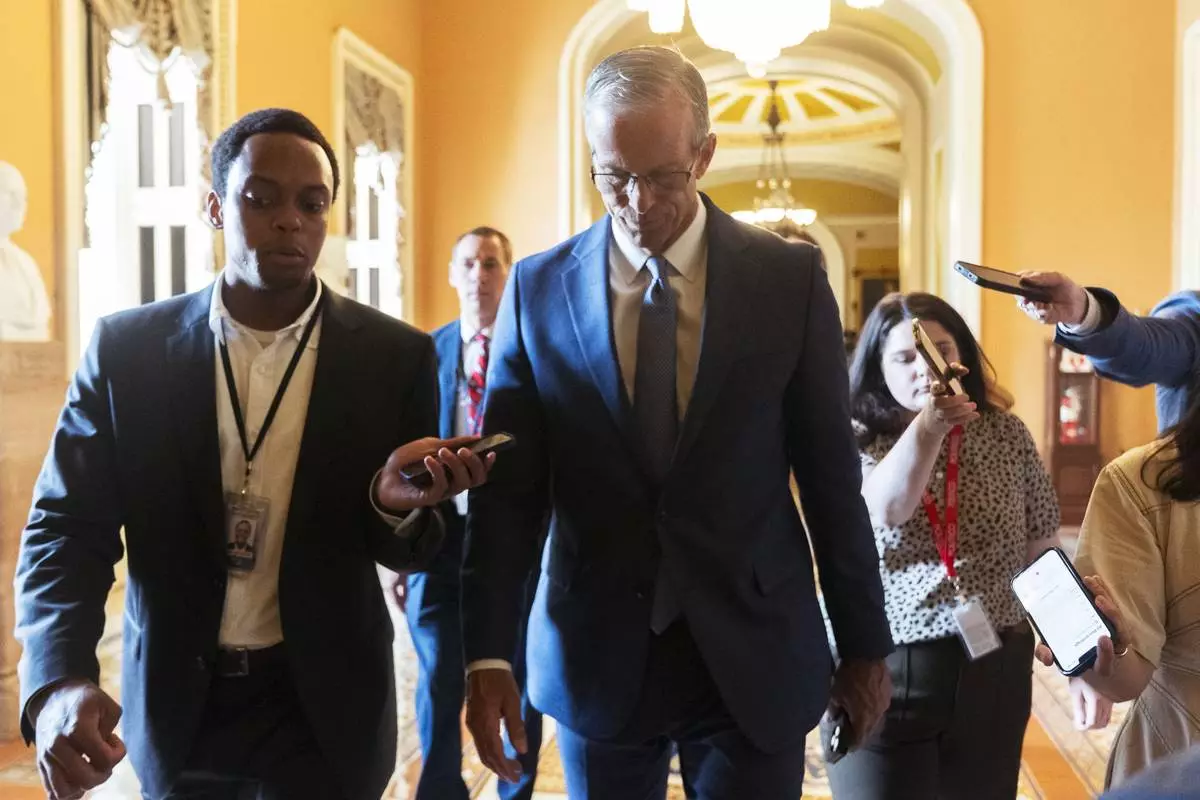
Senate Majority Leader John Thune, R-S.D., is followed by reporters as he walks from the chamber to his office as Republicans begin a final push to advance President Donald Trump's tax breaks and spending cuts package, at the Capitol in Washington, Monday, June 30, 2025. (AP Photo/Manuel Balce Ceneta)
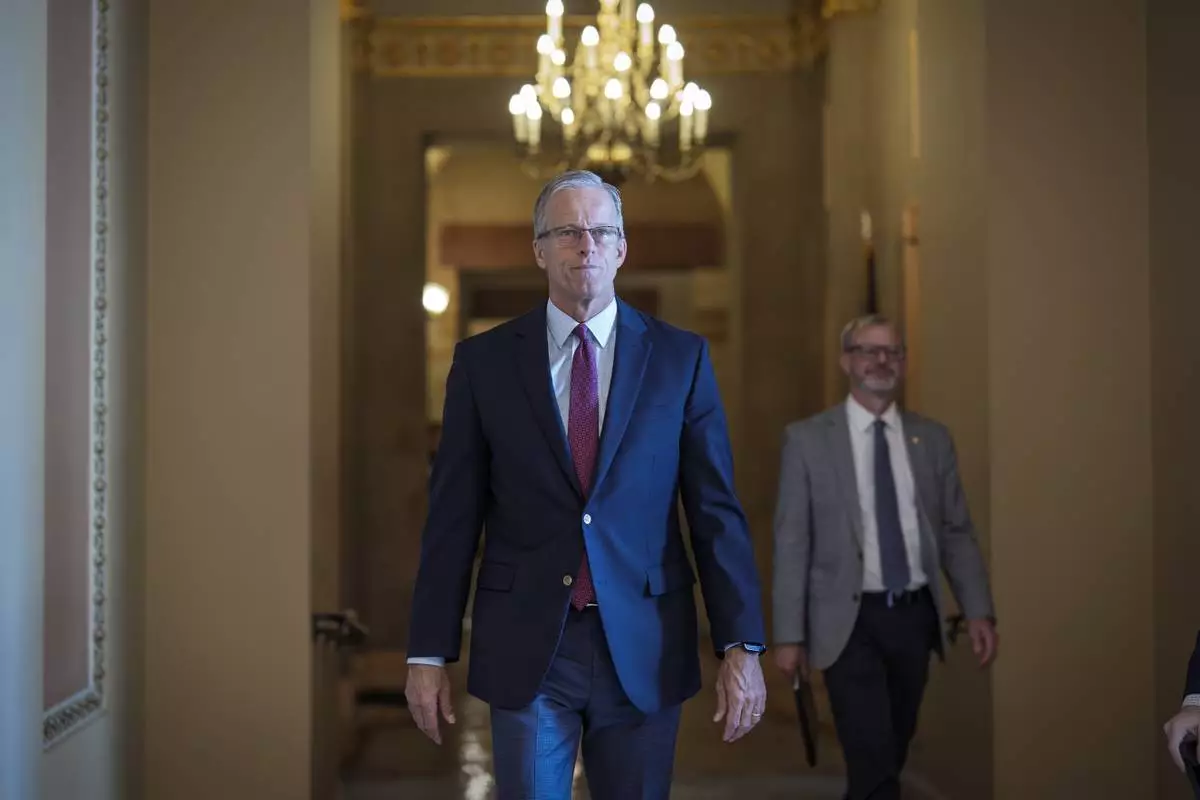
Senate Majority Leader John Thune, R-S.D., walks to the chamber as Senate Republicans work to pass President Donald Trump's big bill of tax breaks, spending cuts by his July Fourth deadline, at the Capitol in Washington, Sunday, June 29, 2025. (AP Photo/J. Scott Applewhite)
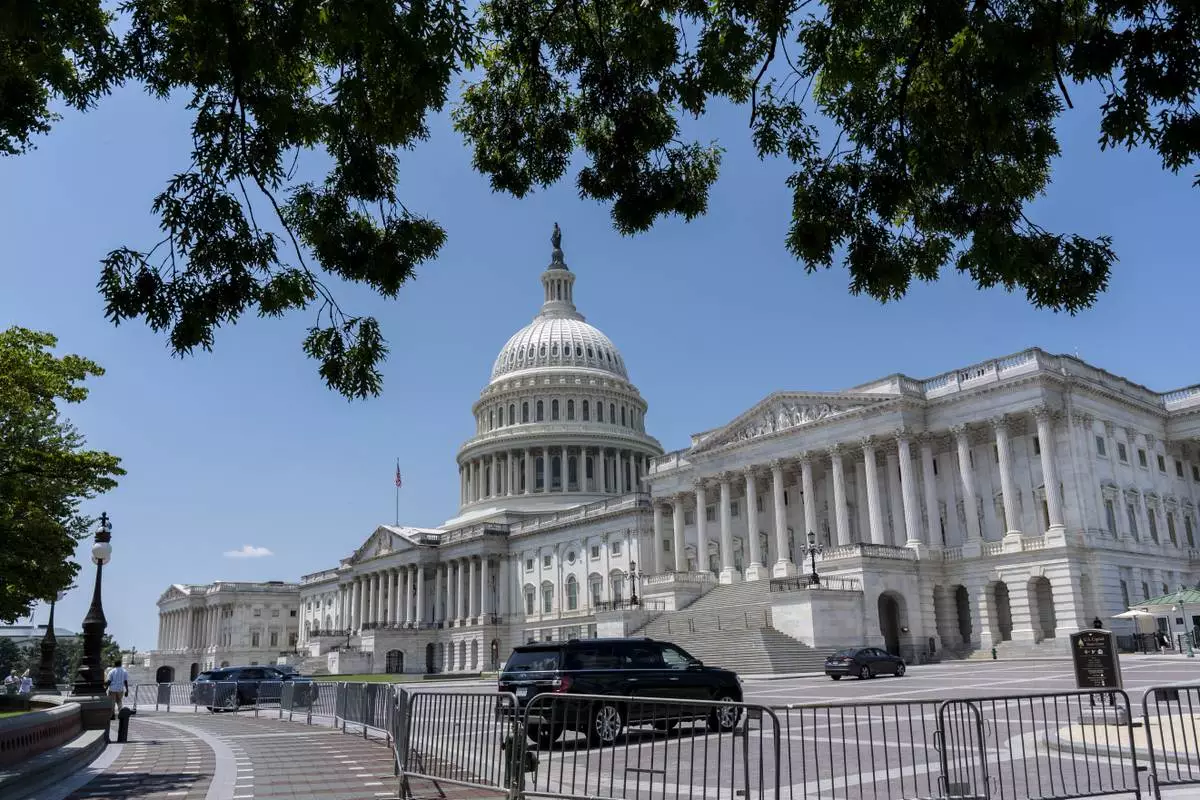
The Capitol is seen during as Senate Republicans work to pass President Donald Trump's bill of tax breaks and spending cuts by his July Fourth deadline, in Washington, Sunday, June 29, 2025. (AP Photo/J. Scott Applewhite)
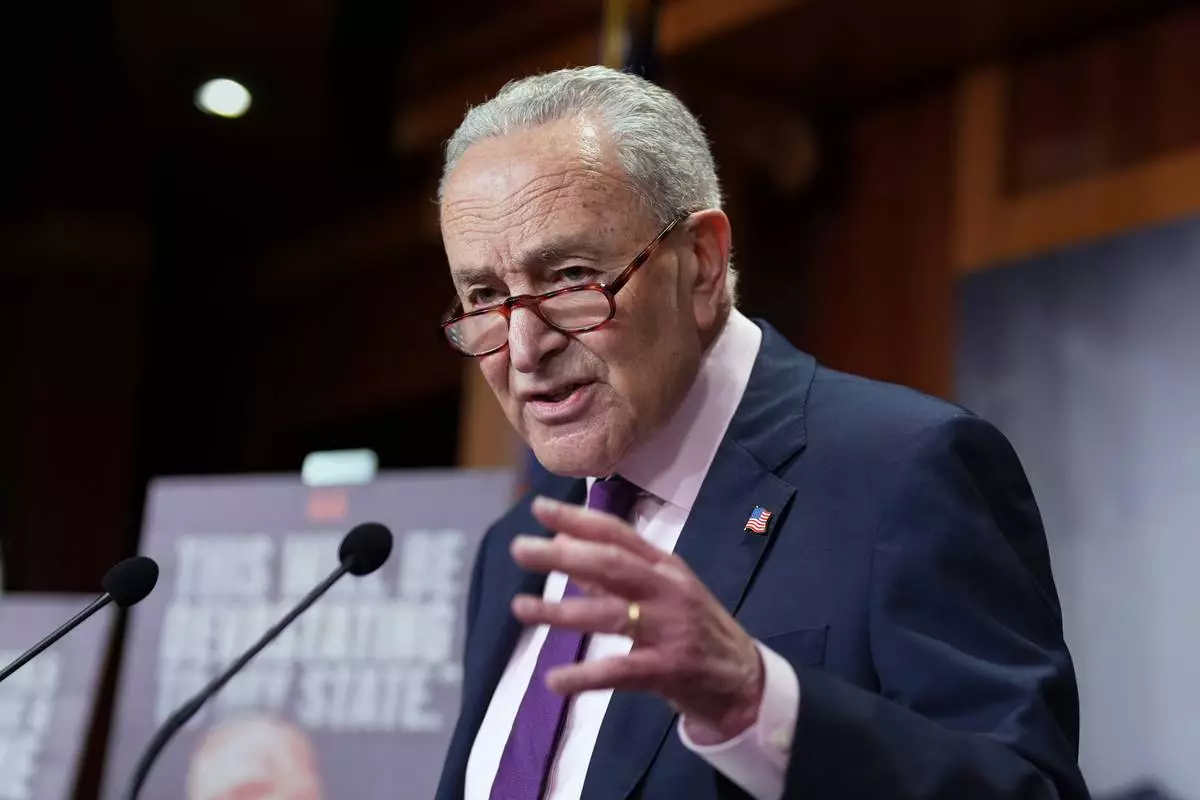
Senate Minority Leader Chuck Schumer, D-N.Y., talks with reporters as Senate Republicans work to advance President Donald Trump's sweeping domestic policy bill, at the Capitol in Washington, Friday, June 27, 2025. (AP Photo/J. Scott Applewhite)
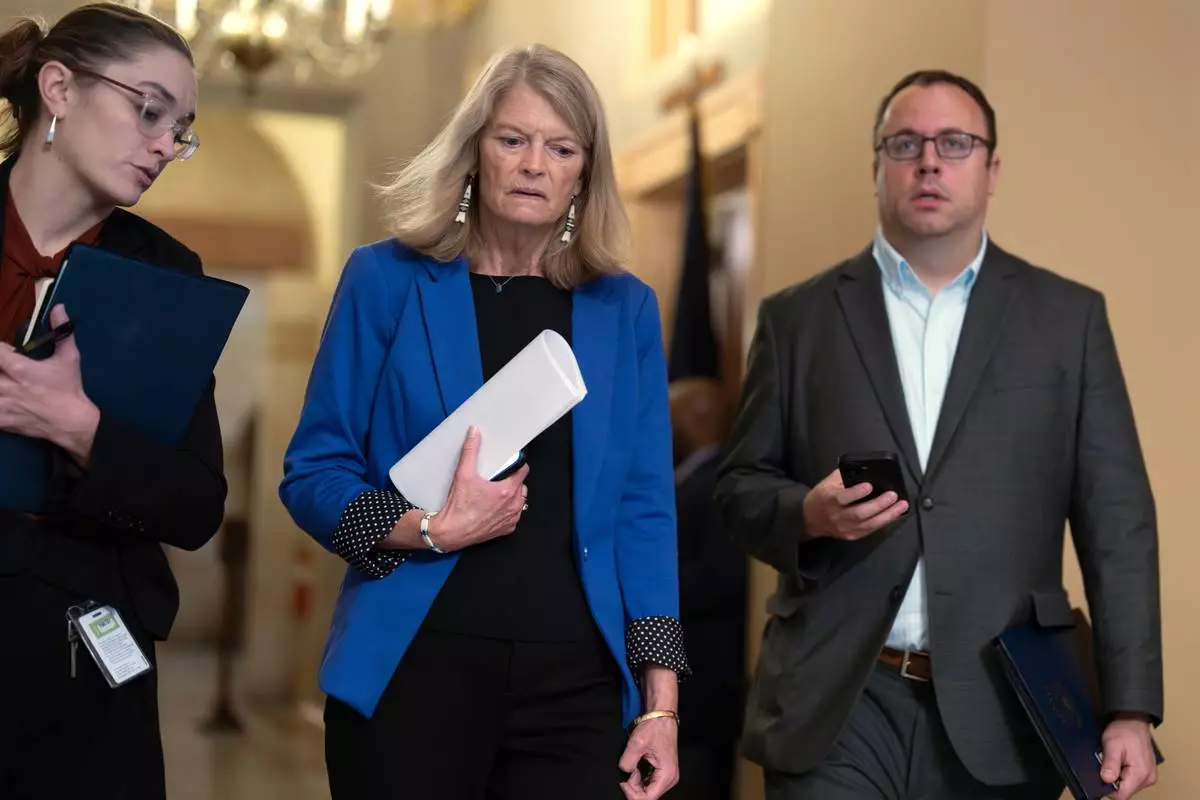
Sen. Lisa Murkowski, R-Alaska, center, a member of the Senate Appropriations Committee, arrives for a closed-door Republican meeting to advance President Donald Trump's sweeping domestic policy bill, at the Capitol in Washington, Friday, June 27, 2025. (AP Photo/J. Scott Applewhite)
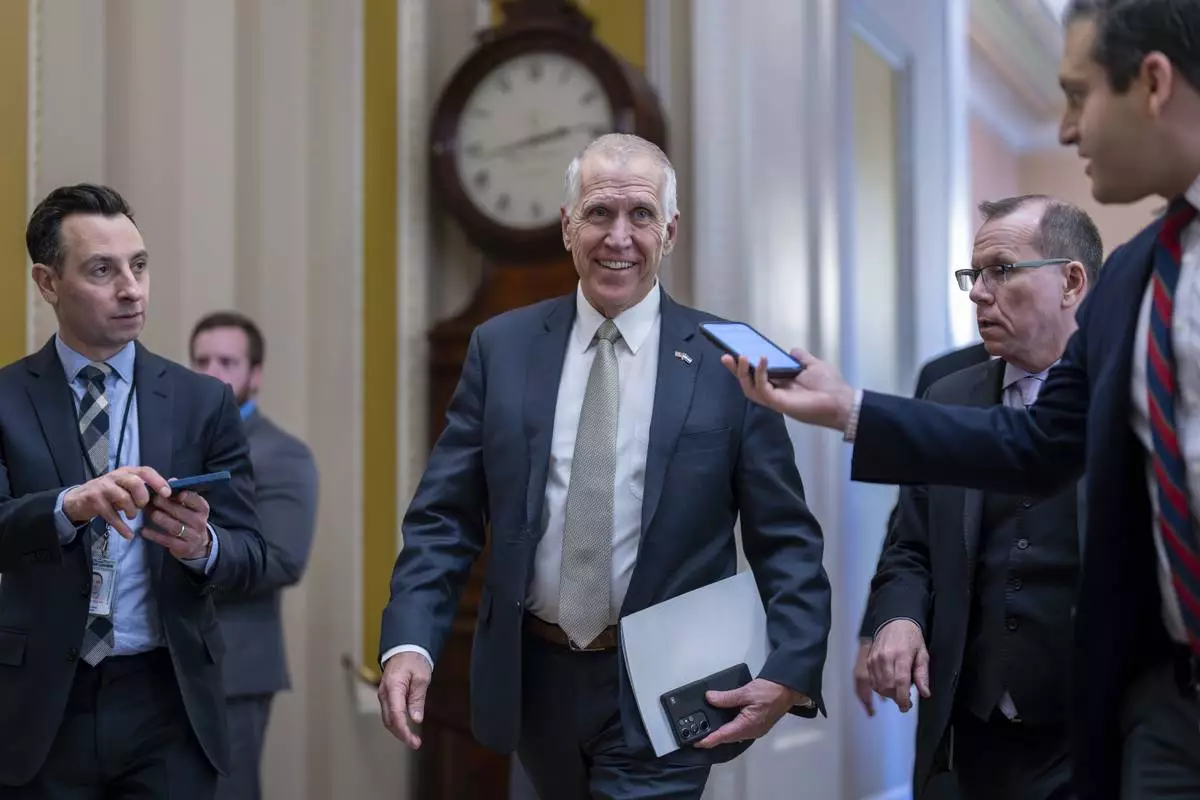
FILE — Sen. Thom Tillis, R-N.C., speaks with reporters as he heads to the chamber during a test vote to begin debate on a border security bill, at the Capitol in Washington, Feb. 7, 2024. (AP Photo/J. Scott Applewhite, File)
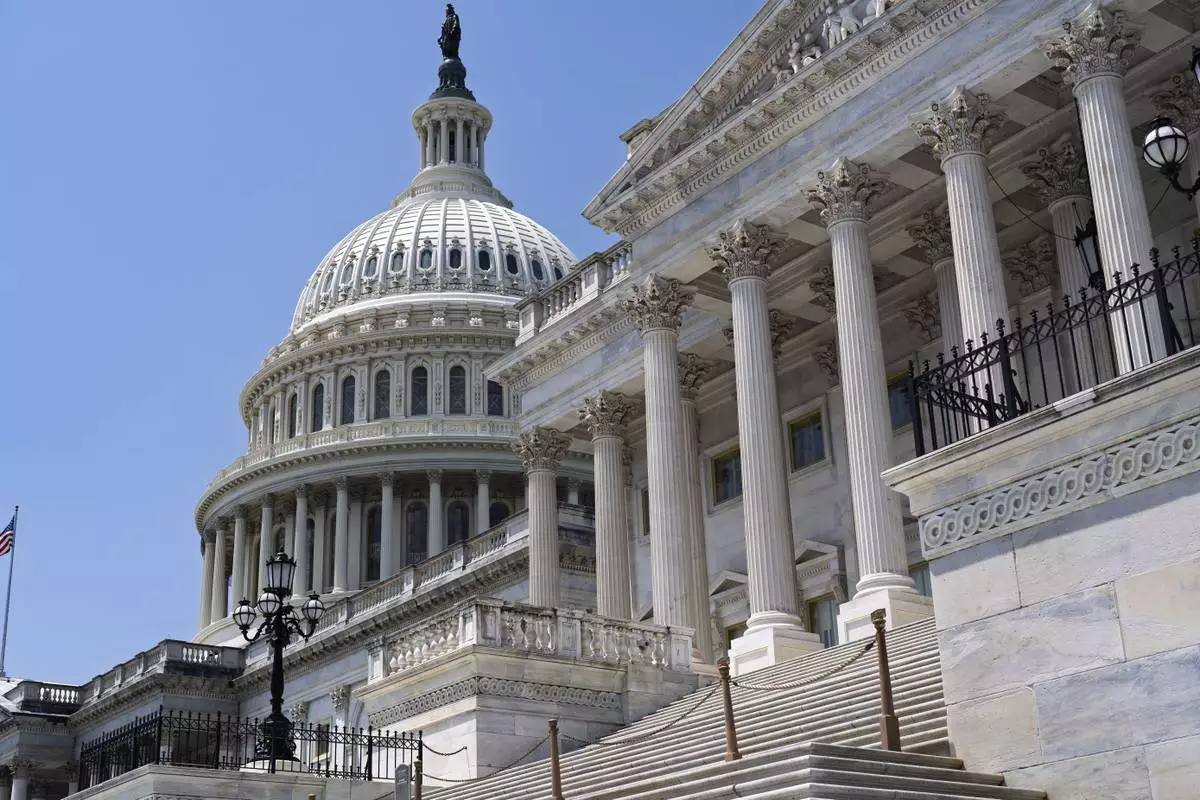
The Capitol is seen is seen as Senate Republicans work to pass President Donald Trump's bill of tax breaks and spending cuts by his July Fourth deadline, in Washington, Sunday, June 29, 2025. (AP Photo/J. Scott Applewhite)