Some 2,105 food items in Japan will see price hikes in July, driven by surging raw material costs, as well as higher labor, logistics, and utility expenses, according to a report by Teikoku Databank.
As companies pass the rising costs onto consumers, the total number of food products set for price increases in 2025 has reached 18,697 and may surpass 20,000 as early as July, according to the report.
A survey of 195 major food manufacturers revealed that seasonings, such as curry roux and soup stock, account for the most price hikes at 1,445 items. Confectionery items, including chocolates and gum, will also rise in price, with some seeing reduced content.
Processed foods, such as rice products and pasta sauces, are also affected.
The most common reason cited for the hikes was higher raw material costs, followed by labor costs, which have been the highest since data collection began in 2023.
Teikoku Databank warned that further tensions in the Middle East could push up crude oil, edible oil, and wheat prices, possibly leading to even broader price increases.
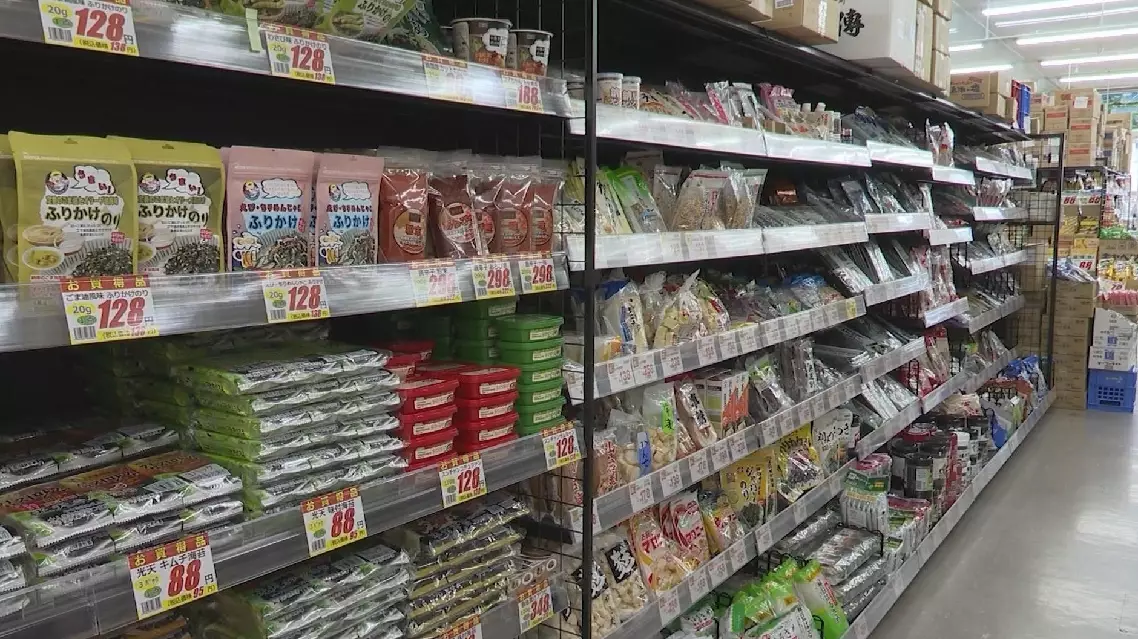
Over 2,100 food items to see price hikes in Japan
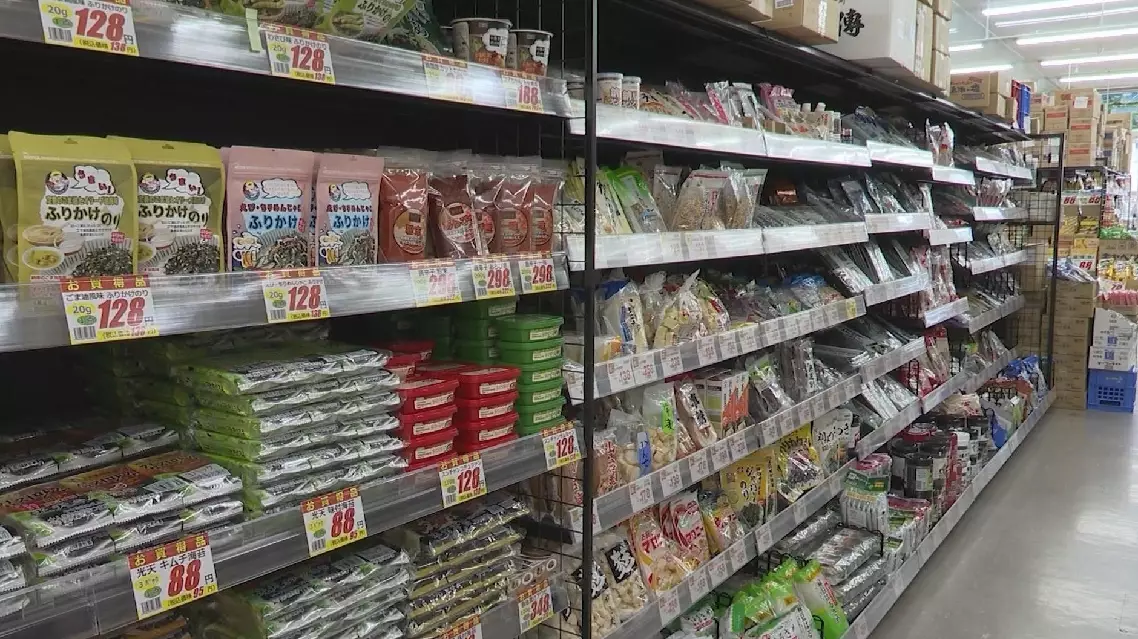
Over 2,100 food items to see price hikes in Japan
Ukrainian President Volodymyr Zelensky has pledged to repair the Druzhba pipeline, which carries Russian crude oil to Central Europe via Ukraine, within about one and a half months, with support from the European Union (EU), according to a letter sent to EU leaders on Tuesday.
The Druzhba pipeline, also known as the Friendship Pipeline, has been out of operation since the end of January due to an attack.
European Commission President Ursula von der Leyen and European Council President Antonio Costa confirmed the commitment in a joint statement issued the same day.
According to the statement, Ukraine welcomes and accepts technical support and funding from EU, so as to repair the pipeline and restore the flow of oil to Hungary and Slovakia.
Oil supplies through the Druzhba pipeline to Slovakia and Hungary were suspended following an attack on January 27, Ukrainian officials said, blaming Russia for the pipeline damage. Slovakia later declared an oil emergency and claimed that Ukraine was deliberately halting oil supplies through the Druzhba pipeline.
One Monday, Slovak Prime Minister Robert Fico said the Slovak government can't accept the Ukrainian president's unilateral and harmful move to halt oil transit.
Fico emphasized that the EU must not prioritize Ukraine's interests over those of EU-member states such as Slovakia or Hungary.
Slovakia expects the EU to pressure Ukraine to resume the oil flow through the Druzhba pipeline, said Fico.
Also on Monday, Hungary and Slovakia signed an agreement to build a new pipeline to transport gasoline and diesel between the two countries.
In a video posted on Facebook, Hungarian Minister of Foreign Affairs and Trade Peter Szijjarto said he had signed an agreement earlier in the day with Slovak Economy Minister Denisa Sakova to construct the pipeline linking the oil refineries in Bratislava, Slovakia's capital, and Szazhalombatta in central Hungary.
According to Szijjarto, the pipeline will be 127 km long and capable of transporting up to 1.5 million tons of oil products annually, including diesel and gasoline.
He said the project would strengthen Hungary's energy supply, particularly diesel supplies, and help improve regional energy security.
The pipeline is expected to be completed in the first half of next year and will allow direct transportation of refined oil products between the two refineries, the minister added.
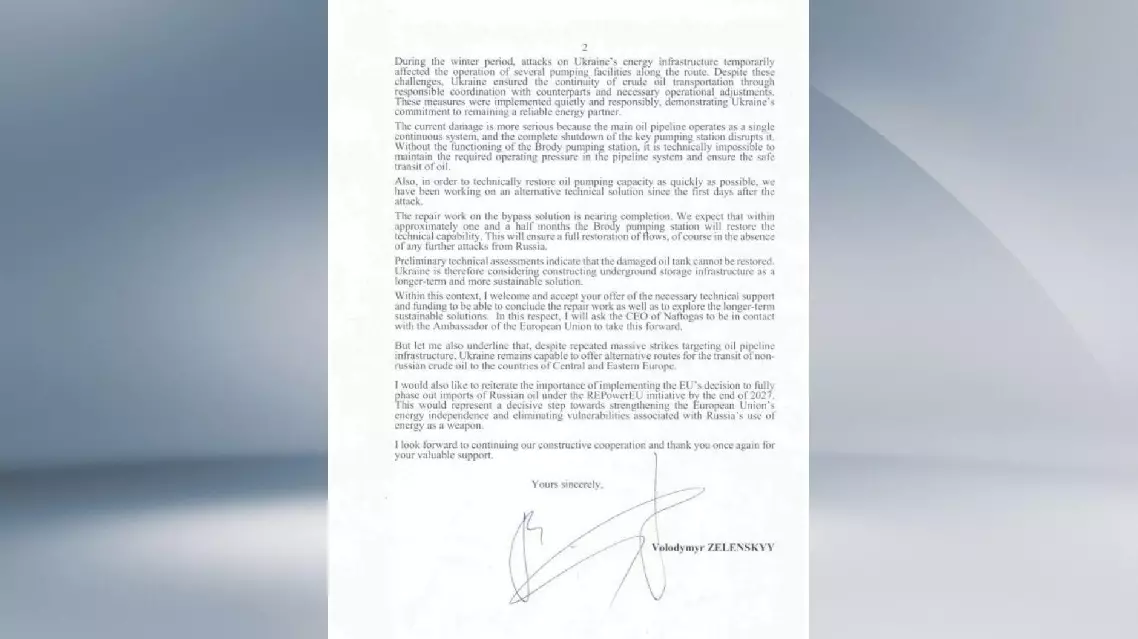
Ukraine pledges to repair Druzhba pipeline with EU support