LOS ANGELES--(BUSINESS WIRE)--Jun 30, 2025--
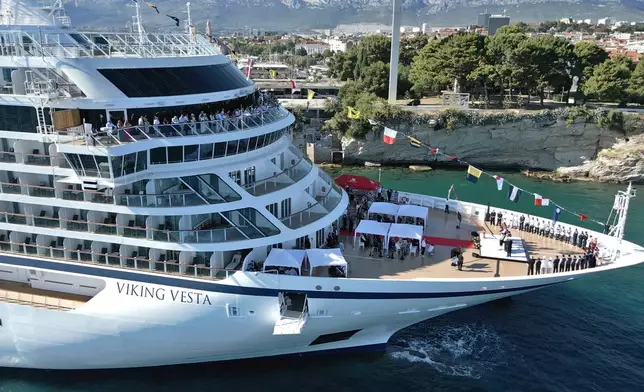
Viking ® ( www.viking.com ) (NYSE: VIK) yesterday named its newest ocean ship, the Viking Vesta®, with a traditional ceremony in Split, Croatia. Serving as ceremonial godmother of the Viking Vesta was the Norwegian journalist, Lene Tangevald-Jensen. The Viking Vesta will now continue her inaugural season sailing in the Mediterranean and Northern Europe.
Click to Gallery


Pictured here, Karine Hagen, Viking Executive Vice President of Product, presented godmother of the Viking Vesta, Lene Tangevald-Jensen, with a gift during the naming ceremony. For more information, visit www.viking.com.

Pictured here, Geir Magne Røvik, Lene Tangevald-Jensen, godmother of the Viking Vesta, Alastair Miller, as well as Captain of the Viking Vesta and Karine Hagen, Viking Executive Vice President of Product at the naming ceremony in Split, Croatia. For more information, visit www.viking.com.

Pictured here, Geir Magne Røvik, Lene Tangevald-Jensen, godmother of the Viking Vesta and crew members during the naming ceremony. For more information, visit www.viking.com.

Pictured here, Olav Nils Sunde (left), Viking Vesta godmother Lene Tangevald-Jensen (center) and Torstein Hagen, Chairman and CEO of Viking (right), during the naming ceremony. For more information, visit www.viking.com.
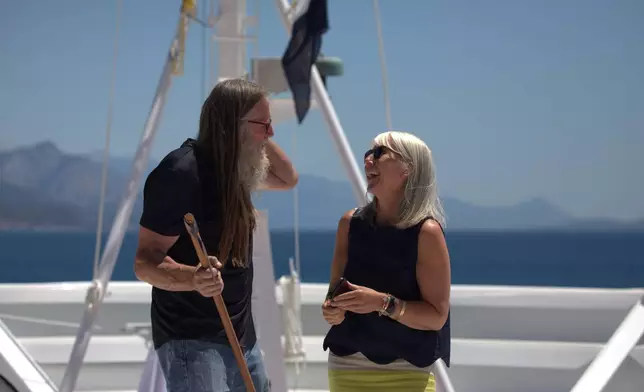
Viking today named its newest ocean ship, the Viking Vesta, with a traditional naming ceremony in Split, Croatia. Pictured here, Geir Magne Røvik and Karine Hagen, Viking Executive Vice President of Product, during the rehearsal for the naming ceremony. For more information, visit www.viking.com.

Pictured here (left to right), Torstein Hagen, Chairman and CEO of Viking, Lene Tangevald-Jensen, godmother of the Viking Vesta, Captain of the Viking Vesta, Karine Hagen, Viking Executive Vice President of Product and Lene’s partner Olav Nils Sunde during the naming ceremony of the Viking Vesta. For more information, visit www.viking.com.

Pictured here, Torstein Hagen, Chairman and CEO of Viking, Viking Vesta godmother, Lene Tangevald-Jensen, and her partner, Olav Nils Sunde during the naming ceremony. For more information, visit www.viking.com.
Viking today named its newest ocean ship, the Viking Vesta, with a traditional naming ceremony in Split, Croatia. For more information, visit www.viking.com.
This press release features multimedia. View the full release here: https://www.businesswire.com/news/home/20250630875186/en/
“As we celebrate 10 years of ocean voyages in 2025, we are pleased to welcome the new Viking Vesta to our award-winning fleet of elegant sister ships,” said Torstein Hagen, Chairman and CEO of Viking. “We are also very grateful to Lene for serving as godmother. In addition to her personal and professional accomplishments, Lene embodies the values that are very important to me and to Viking—she is kind, honest, hardworking and, of course, curious. I am proud to count her as a friend and a valued member of the extended Viking family.”
In keeping with the naming tradition, during the ceremony Lene used a Viking broad axe to cut a ribbon that allowed a bottle of Norwegian aquavit to break on the ship’s hull. Guests also enjoyed performances by Sissel Kyrkjebø, one of the world’s leading crossover sopranos and godmother of the Viking Jupiter®, and Norwegian violinist Tor Jaran Apold.
Lene Tangevald-Jensen, Godmother of the Viking Vesta
Lene Tangevald-Jensen is known for her commitment to journalism and philanthropy, as well as a deep curiosity about people’s lives. After completing the International Baccalaureate and earning a master’s degree in business, she worked in the private sector, investing in stocks and real estate. For 30 years, she has written for Kapital and Finansavisen, two of Norway’s leading financial publications, conducting more than 500 interviews, including U.S. President Jimmy Carter. She has also contributed to =OSLO, a street magazine that gives a platform to those who have fallen outside society’s safety net.
Lene believes in the power of paying it forward—performing small, meaningful acts that spark new beginnings for someone in need. Through her work with the LEON Trust, she supports education for children in Kenya, Nepal and Sri Lanka. She is involved with Make-A-Wish Foundation Norway and is the founder of TBS Gallery, an art space in Oslo dedicated to the work of sculptor Tore Bjørn Skjølsvik.
As a close friend and neighbor of Viking Chairman and CEO Torstein Hagen, Lene has become a cherished part of the extended Viking family. In December 2022, she and her partner joined an expedition to Antarctica on board the Viking Polaris®. There, she created a documentary film, capturing the beauty of the White Continent—a journey that reaffirmed her belief in embracing the unknown. She often returns to the mantra that shapes her life: “Growth happens when we dare to try—even when failure looms.”
The Viking Vesta
The Viking Vesta is the newest ship in Viking’s award-winning ocean fleet of sister ships. Classified as a small ship, as are all Viking ocean ships, the Viking Vesta has a gross tonnage of 54,300 tons, with 499 staterooms that can host 998 guests; the ships feature all veranda staterooms, elegant Scandinavian design, light-filled public spaces and abundant al fresco dining options.
The naming of the Viking Vesta follows a string of recent accolades for the company. Viking was rated #1 for Oceans, #1 for Rivers and #1 for Expeditions by Condé Nast Traveler in the 2024 Readers’ Choice Awards for the second consecutive year. Viking was also named a “World’s Best” for oceans, rivers and expeditions in Travel + Leisure’s 2024 World’s Best Awards. No other travel company has simultaneously received the same honors from both publications—something Viking has now achieved two years in a row. This achievement marked the first time a travel company won these three categories in back-to-back years. Viking was named Best Luxury Line, Best Line for Couples and Best Line in the Mediterranean in U.S. News & World Report’s 2025 Best Cruise Lines ranking for the fourth consecutive year. Viking’s ocean ships have also been rated and “Recommended” as part of the Forbes Travel Guide 2024 Star Awards, an annual independent evaluation for luxury travel brands. Additionally, Cruise Critic honored Viking with seven awards across the Luxury (Ocean), River and Expedition categories 2024 Best in Cruise Awards.
Media Assets
For more information about Viking, or for images and b-roll, please contact vikingpr@edelman.com.
About Viking
Viking (NYSE: VIK) was founded in 1997 and provides destination-focused journeys on rivers, oceans, and lakes around the world. Designed for curious travelers with interests in science, history, culture and cuisine, Chairman and CEO Torstein Hagen often says Viking offers experiences For The Thinking Person™. Viking has more than 450 awards to its name, including being rated #1 for Rivers, #1 for Oceans and #1 for Expeditions by Condé Nast Traveler in the 2023 and 2024 Readers’ Choice Awards. Viking is also rated a “World’s Best” for rivers, oceans and expeditions by Travel + Leisure. No other travel company has simultaneously received the same honors by both publications. For additional information, contact Viking at 1-800-2-VIKING (1-800-284-5464) or visit www.viking.com. For Viking’s award-winning enrichment channel, visit www.viking.tv.

Pictured here, Karine Hagen, Viking Executive Vice President of Product, presented godmother of the Viking Vesta, Lene Tangevald-Jensen, with a gift during the naming ceremony. For more information, visit www.viking.com.
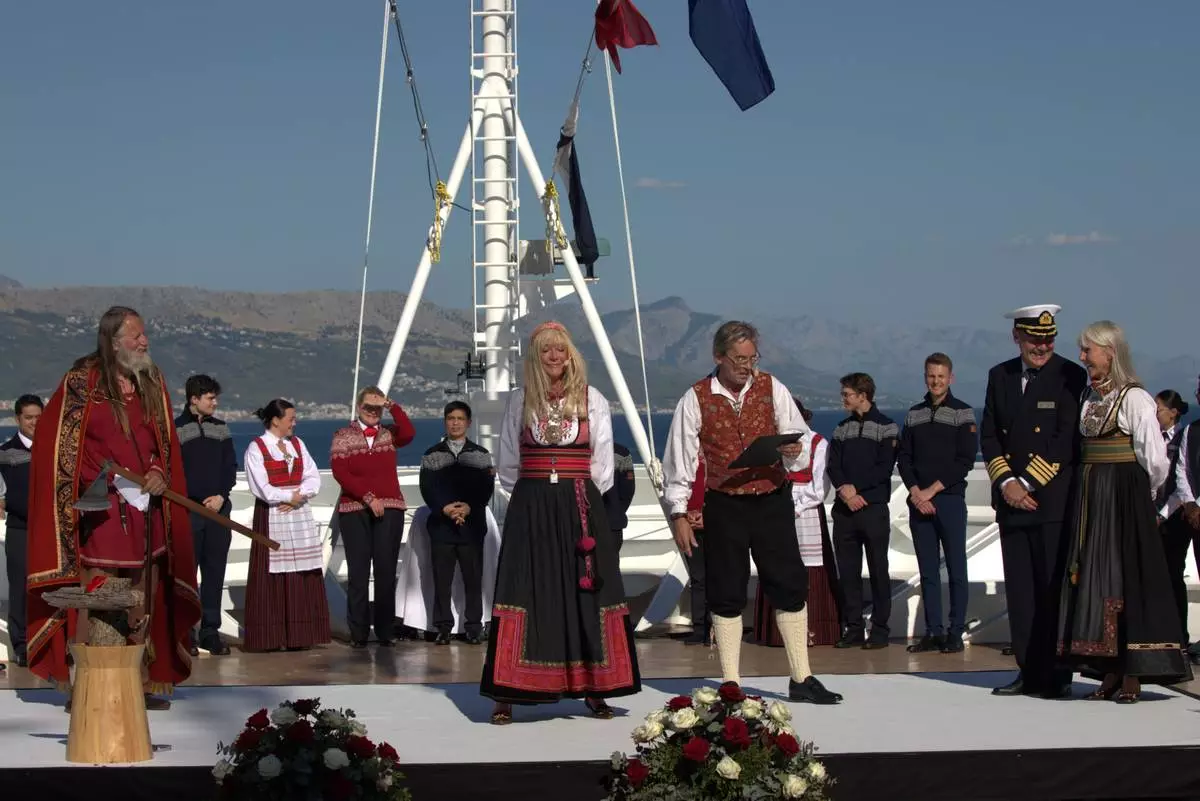
Pictured here, Geir Magne Røvik, Lene Tangevald-Jensen, godmother of the Viking Vesta, Alastair Miller, as well as Captain of the Viking Vesta and Karine Hagen, Viking Executive Vice President of Product at the naming ceremony in Split, Croatia. For more information, visit www.viking.com.
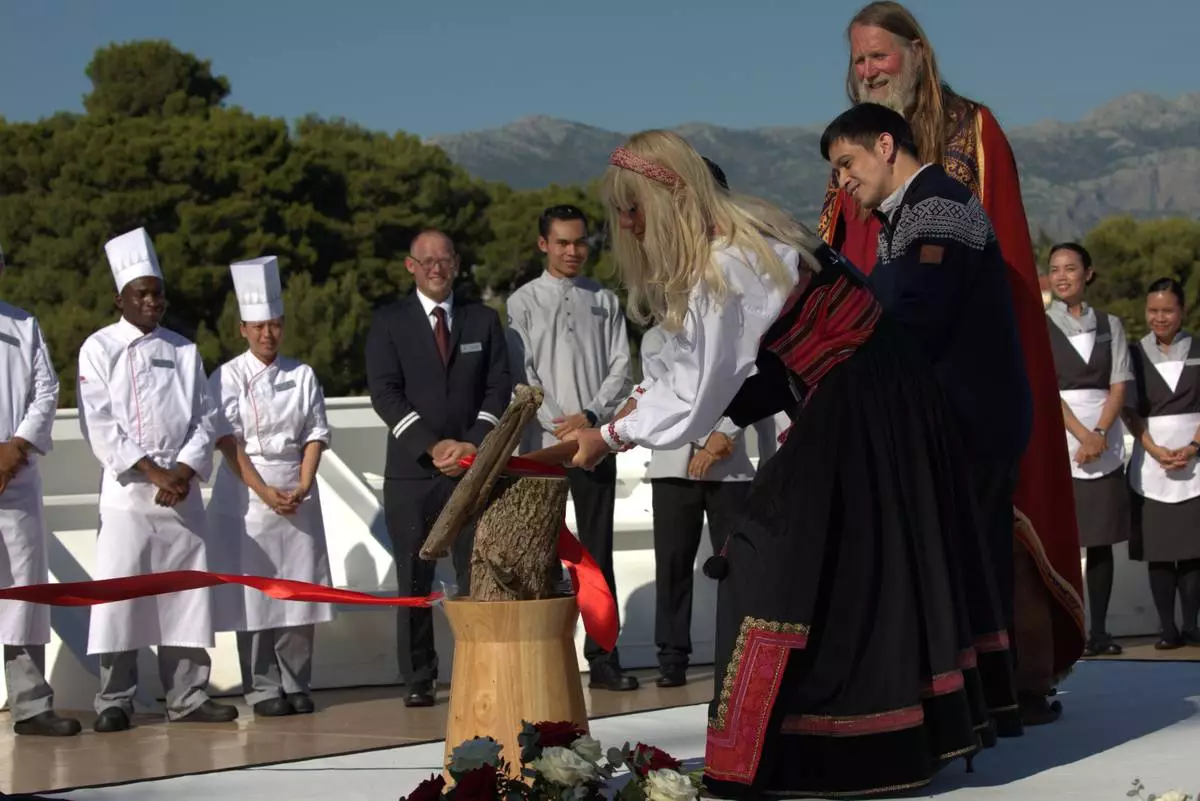
Pictured here, Geir Magne Røvik, Lene Tangevald-Jensen, godmother of the Viking Vesta and crew members during the naming ceremony. For more information, visit www.viking.com.

Pictured here, Olav Nils Sunde (left), Viking Vesta godmother Lene Tangevald-Jensen (center) and Torstein Hagen, Chairman and CEO of Viking (right), during the naming ceremony. For more information, visit www.viking.com.
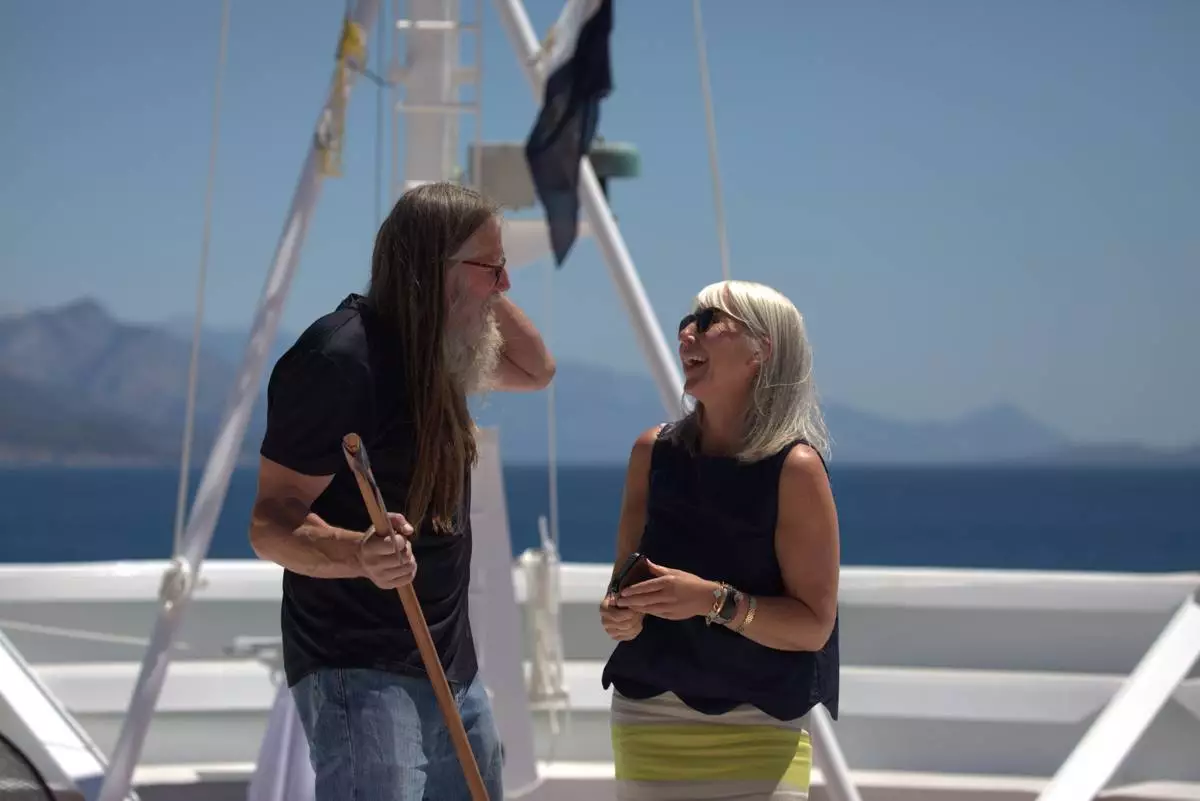
Viking today named its newest ocean ship, the Viking Vesta, with a traditional naming ceremony in Split, Croatia. Pictured here, Geir Magne Røvik and Karine Hagen, Viking Executive Vice President of Product, during the rehearsal for the naming ceremony. For more information, visit www.viking.com.
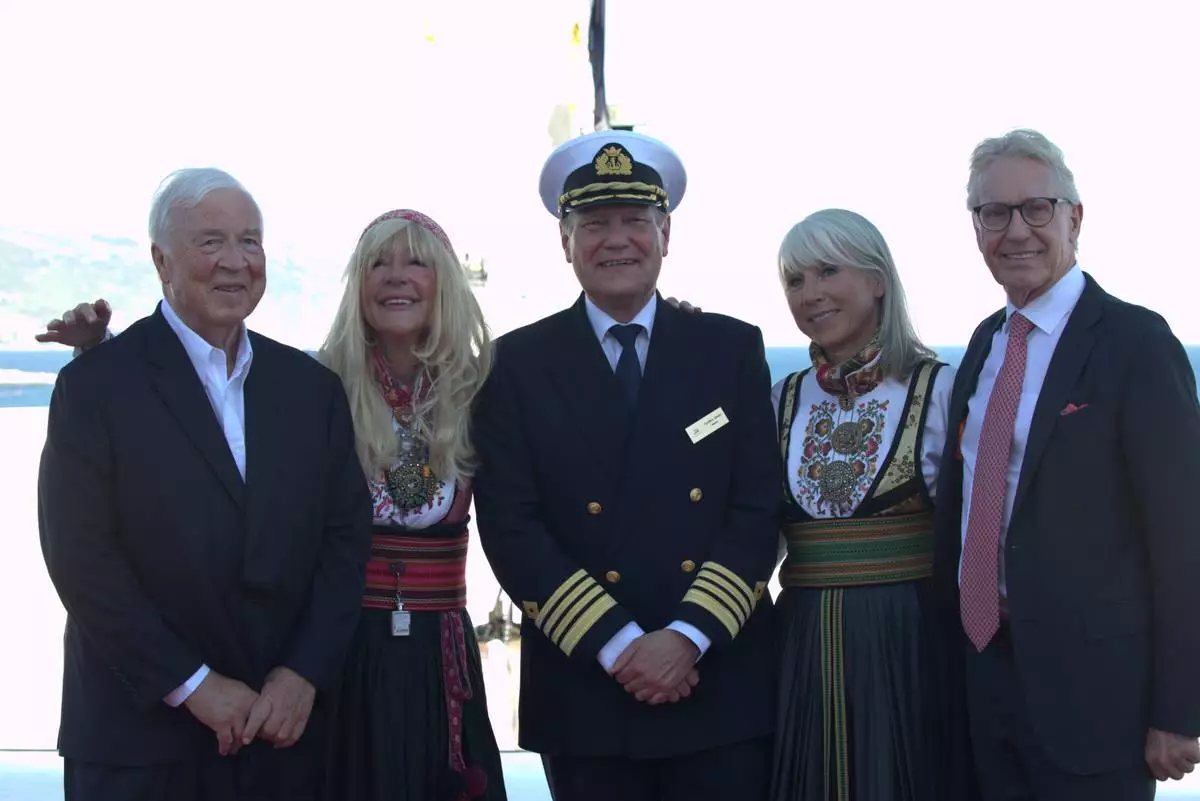
Pictured here (left to right), Torstein Hagen, Chairman and CEO of Viking, Lene Tangevald-Jensen, godmother of the Viking Vesta, Captain of the Viking Vesta, Karine Hagen, Viking Executive Vice President of Product and Lene’s partner Olav Nils Sunde during the naming ceremony of the Viking Vesta. For more information, visit www.viking.com.
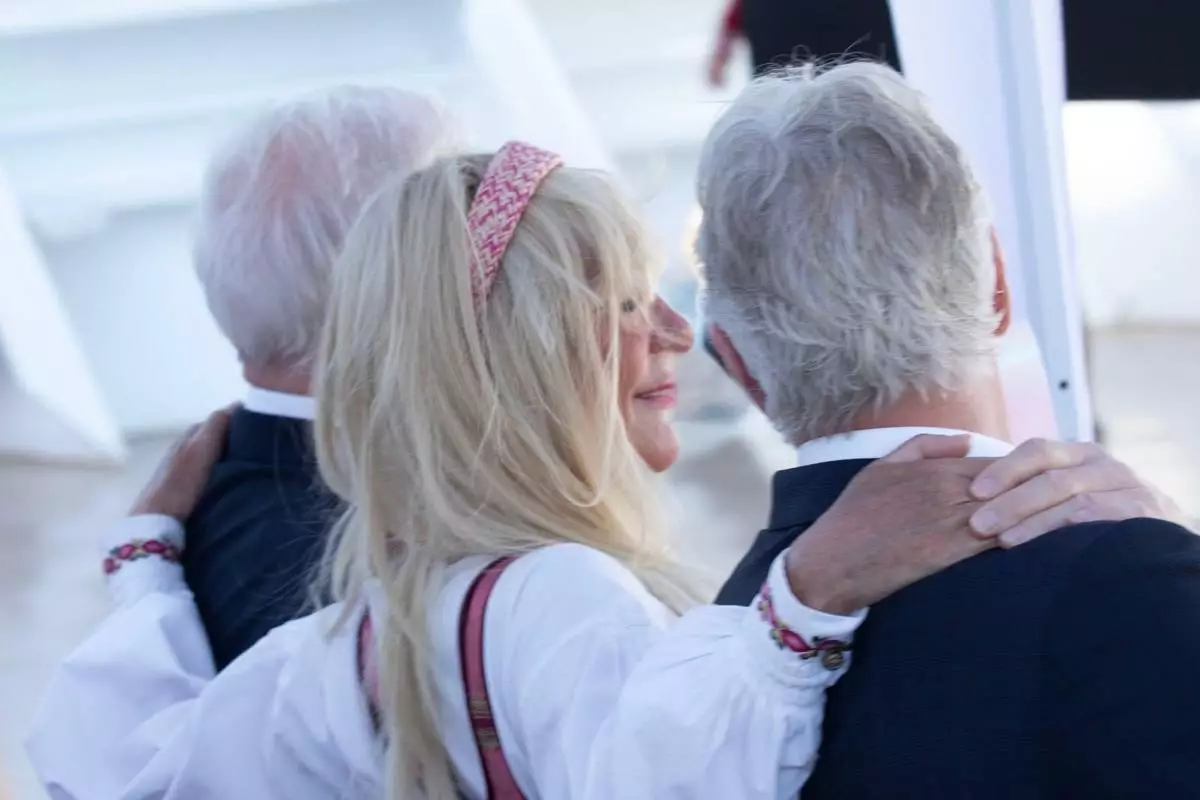
Pictured here, Torstein Hagen, Chairman and CEO of Viking, Viking Vesta godmother, Lene Tangevald-Jensen, and her partner, Olav Nils Sunde during the naming ceremony. For more information, visit www.viking.com.
Viking today named its newest ocean ship, the Viking Vesta, with a traditional naming ceremony in Split, Croatia. For more information, visit www.viking.com.