Skip to Content Facebook Feature Image

Senate GOP tax bill could crush wind and solar power, advocates say

News

Senate GOP tax bill could crush wind and solar power, advocates say
News

News

Senate GOP tax bill could crush wind and solar power, advocates say

2025-07-01 04:07 Last Updated At:04:11

WASHINGTON (AP) — Clean energy advocates were already bracing for a Republican-led bill that would phase out tax credits for wind, solar and other renewable energy as President Donald Trump and GOP lawmakers moved to dismantle the 2022 climate law passed by Democrats under former President Joe Biden.

But a proposal that emerged over the weekend was even more drastic than they thought.

More Images
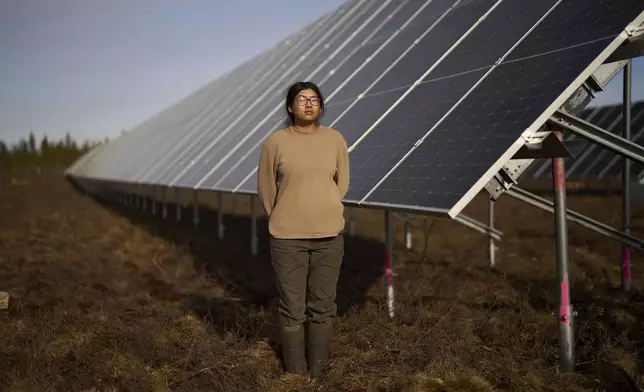
Jade Thurmond poses for a portrait at a construction site of a solar energy project Friday, May 23, 2025, in Galena, Alaska. (AP Photo/John Locher)

Jade Thurmond poses for a portrait at a construction site of a solar energy project Friday, May 23, 2025, in Galena, Alaska. (AP Photo/John Locher)

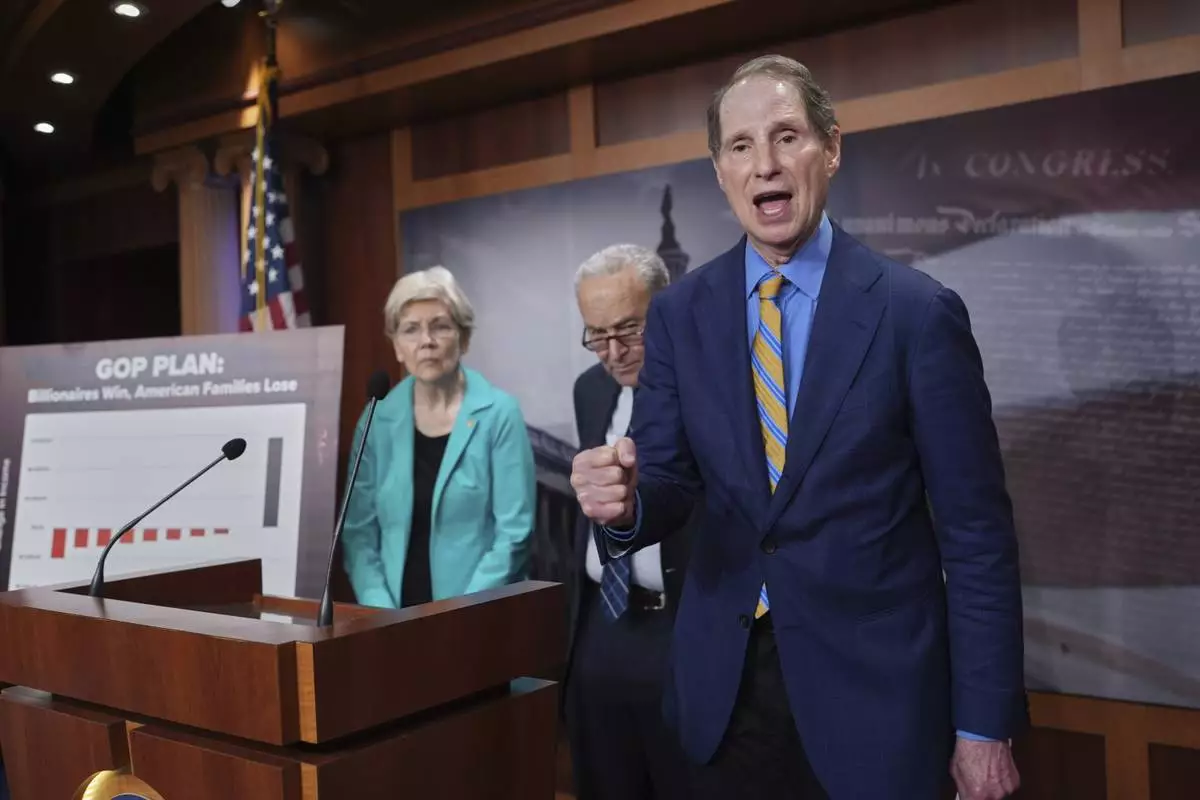
Sen. Ron Wyden, D-Ore., the ranking member of the Senate Finance Committee, is joined at left by Sen. Elizabeth Warren, D-Mass., ranking member of the Senate Banking, Housing, and Urban Affairs Committee, and Senate Minority Leader Chuck Schumer, D-N.Y., as they talk to reporters about Senate Republicans' efforts to pass President Donald Trump's tax cut and spending agenda with deeper Medicaid cuts, at the Capitol in Washington, Wednesday, June 18, 2025. (AP Photo/J. Scott Applewhite)
Sen. Ron Wyden, D-Ore., the ranking member of the Senate Finance Committee, is joined at left by Sen. Elizabeth Warren, D-Mass., ranking member of the Senate Banking, Housing, and Urban Affairs Committee, and Senate Minority Leader Chuck Schumer, D-N.Y., as they talk to reporters about Senate Republicans' efforts to pass President Donald Trump's tax cut and spending agenda with deeper Medicaid cuts, at the Capitol in Washington, Wednesday, June 18, 2025. (AP Photo/J. Scott Applewhite)

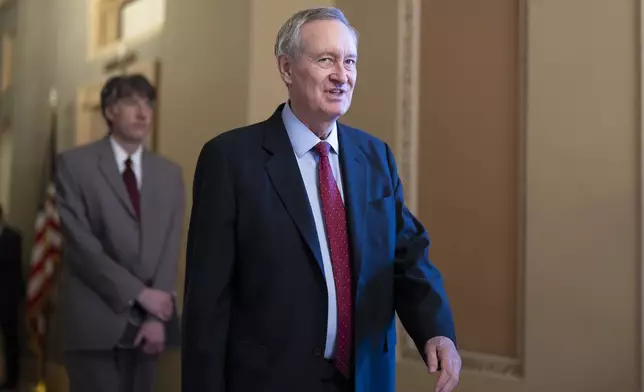
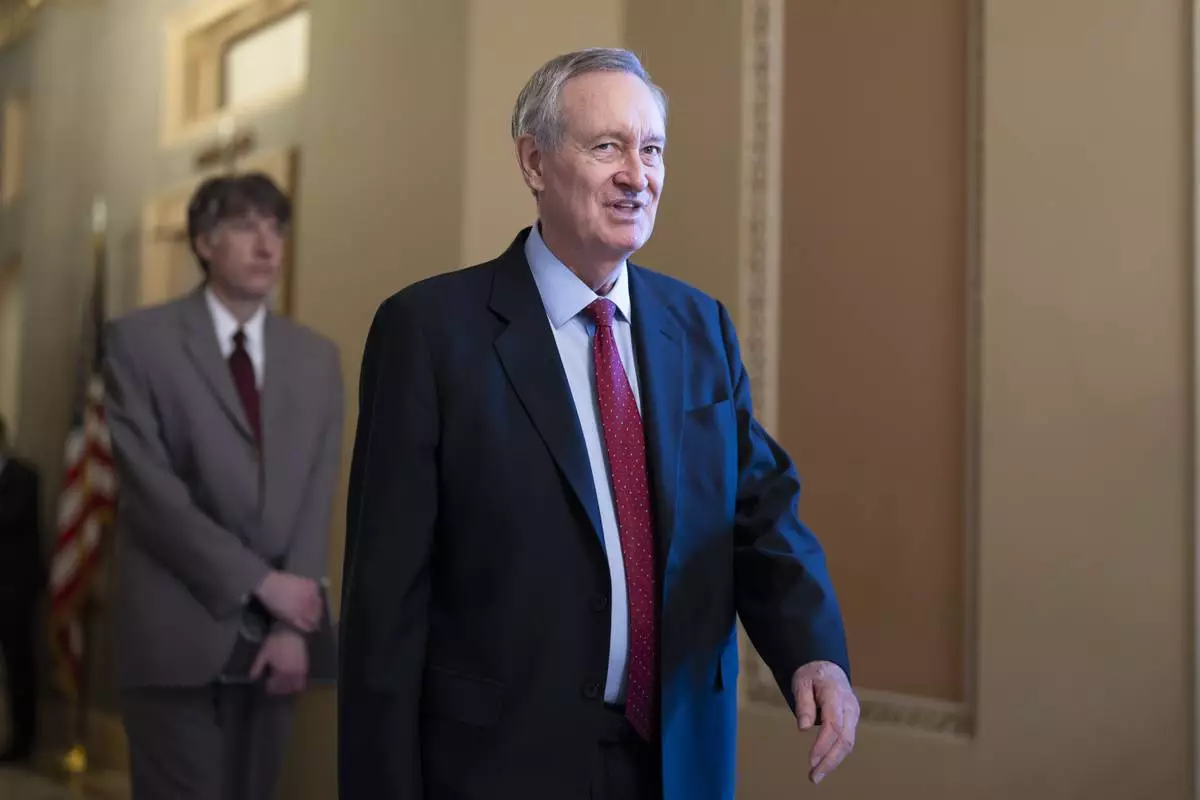
Senate Finance Committee Chairman Mike Crapo, R-Idaho, arrives for a closed-door Republican meeting to advance President Donald Trump's sweeping domestic policy bill, at the Capitol in Washington, Friday, June 27, 2025. (AP Photo/J. Scott Applewhite)
Senate Finance Committee Chairman Mike Crapo, R-Idaho, arrives for a closed-door Republican meeting to advance President Donald Trump's sweeping domestic policy bill, at the Capitol in Washington, Friday, June 27, 2025. (AP Photo/J. Scott Applewhite)

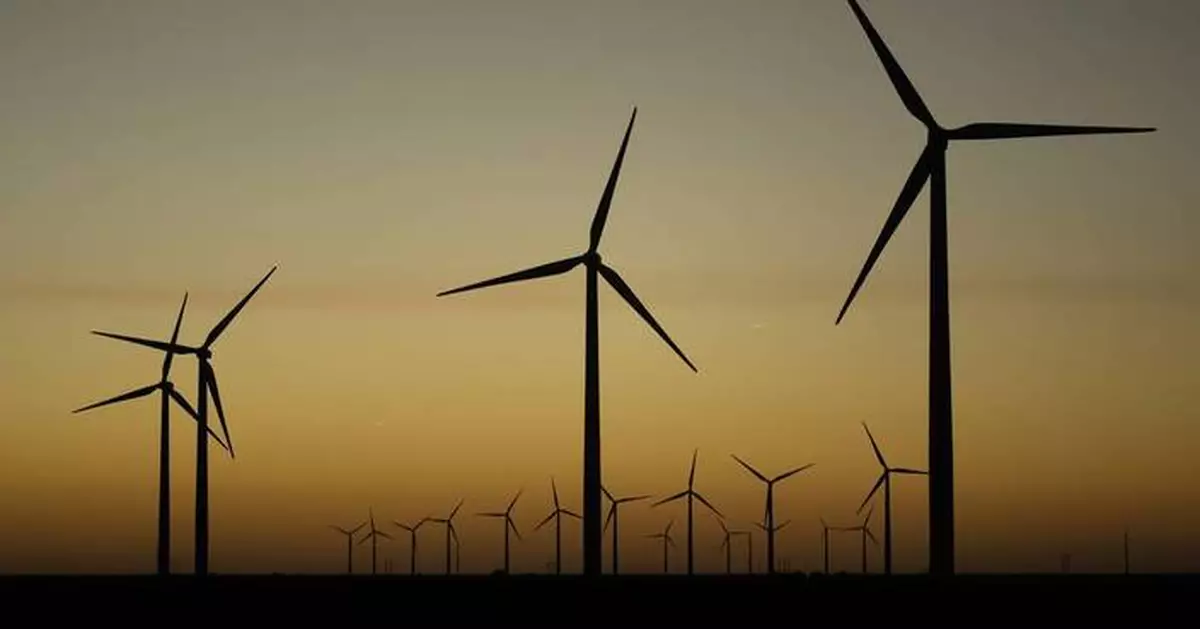
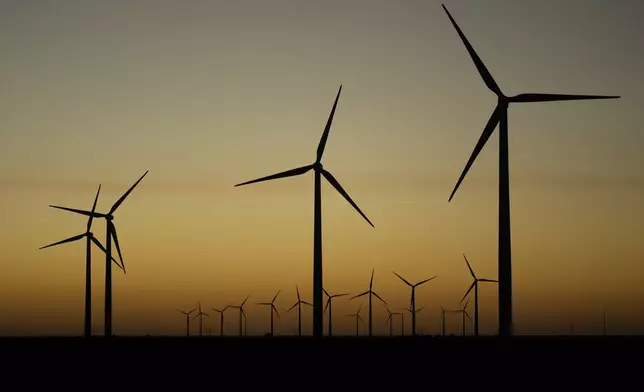
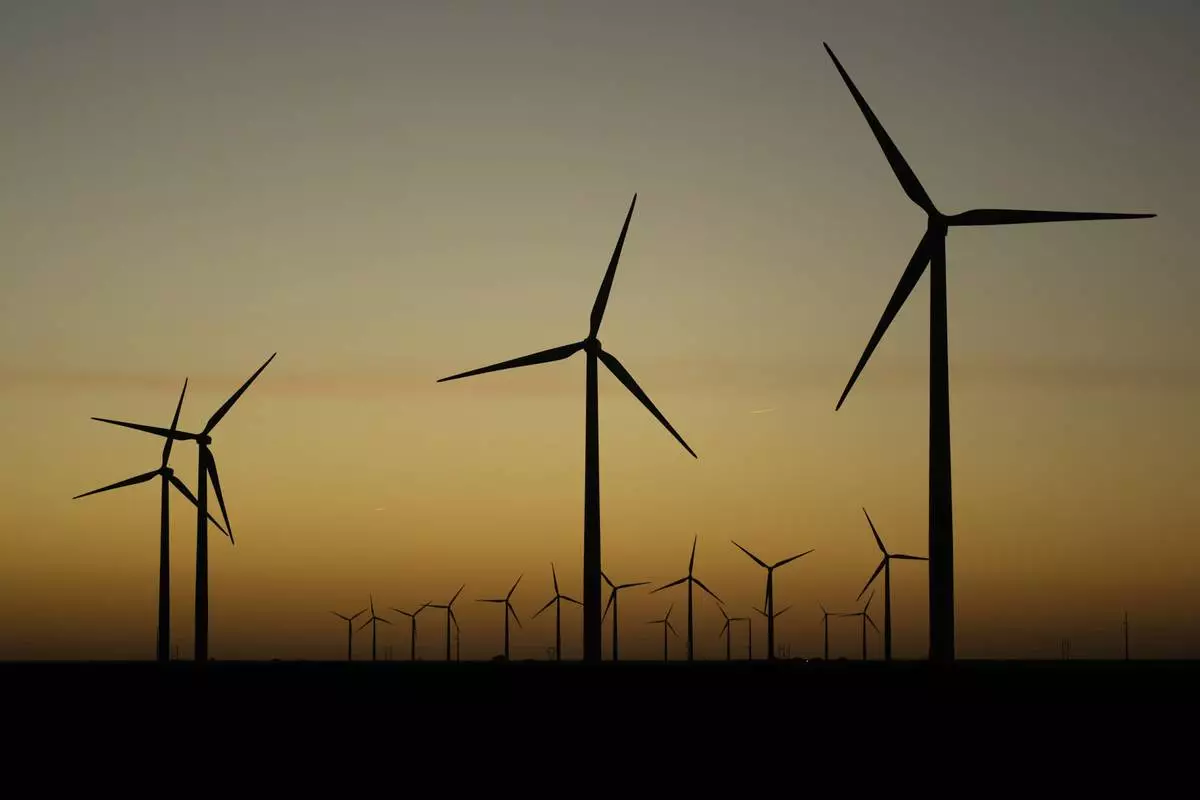
FILE - Wind turbines stretch across the horizon at dusk at the Spearville Wind Farm, Sept. 29, 2024, near Spearville, Kan. (AP Photo/Charlie Riedel, File)

FILE - Wind turbines stretch across the horizon at dusk at the Spearville Wind Farm, Sept. 29, 2024, near Spearville, Kan. (AP Photo/Charlie Riedel, File)

It was more aggressive in ending incentives for clean energy than a previous Senate version and would even impose new taxes on some wind and solar projects while boosting production of coal used in steelmaking. The Senate was moving Monday to approve Trump's big bill of tax breaks and spending cuts even as Democrats lined up to challenge it.

The GOP plan is “a death sentence for America’s wind and solar industries” that will lead to a spike in Americans’ utility bills and jeopardize hundreds of renewable energy projects slated to boost the nation's electric grid, said Oregon Sen. Ron Wyden, the top Democrat on the Senate Finance Committee.

“Their plan started out as a phase-down of the tax credits I wrote for wind and solar” in the 2022 climate law, Wyden said. “But now they’re proposing an outright massacre with punishing new taxes on these industries that happen to be the cheapest and easiest ways to get new energy on the grid."

Republicans said the tax-cut bill represents historic savings for taxpayers and supports production of traditional fossil-fuel energy sources such as oil, natural gas and coal, as well as nuclear power, increasing reliability.

“To achieve this record level of savings, we are slashing Biden’s Green New Deal spending and promoting America-First energy,'' Idaho Sen. Mike Crapo, chairman of the Senate Finance panel and a lead architect of the bill, said in a statement.

“We stop penalizing fossil fuels in favor of unreliable and expensive green energy, and instead support consistent energy sources, making energy affordable again.” Crapo said.

The Senate bill eliminates “hundreds of billions of dollars of the Green New Deal subsidies, including ending wasteful credits like the EV tax credit,” he added, referring to a Democratic measure included the climate law to provide incentives for electric vehicles, which don't emit planet-warming greenhouse gases.

Some moderate senators, such as Sen. John Curtis, R-Utah, were seeking to strip the new tax on wind and solar and make other changes, but it was unclear whether those proposals would advance.

“Taxing energy production is never good policy, whether oil & gas or, in this case, renewables,'' said Neil Bradley, executive vice president of the U.S. Chamber of Commerce. “Electricity demand is set to see enormous growth & this tax will increase prices. It should be removed."

If approved unchanged, the measure will kill investment in renewable energy and jeopardize hundreds of gigawatts of new power supply that would otherwise help the U.S. meet rapidly rising electricity demand as data centers, artificial intelligence and other growing uses strain the power grid, environmental advocates said.

The GOP plan would "lock in higher household energy bills, kill American jobs ... and torch our future,'' said Mattea Mrkusic, who leads energy policy for the environmental group Evergreen Action.

The bill would cut off climate law credits for projects that aren’t “placed in service” — that is, plugged into the grid — by the end of 2027. That timeline is more aggressive than previous proposals that set deadlines for projects to begin construction in order to receive the credit. The new standard is virtually impossible for most projects to meet, advocates said.

The legislation also blocks credits for companies using components from adversaries such as China and adds a new tax on wind and solar projects that don’t follow certain supply chain rules.

Princeton University Professor Jesse D. Jenkins said he was surprised at the Senate bill's speed in ending wind and solar incentives and shocked at the proposed tax credit for metallurgical coal, a highly polluting form of coal that is used in steel-making and often exported to countries like India and Brazil.

“This bill kills the industries of the future while subsidizing the industries of the 19th century. It’s insanity!” Jenkins said in a post on social media.

If passed as proposed, the bill will lead to higher energy prices, fewer jobs, less investment in American energy production and less confidence in the American business environment, Jenkins said.

Tom Pyle, president of the conservative American Energy Alliance, called the Senate bill a move in the right direction.

“If, as supporters of the Inflation Reduction Act are complaining, repealing these subsidies will ‘kill’ their industry, then maybe it shouldn’t exist in the first place," Pyle said, referring to the 2022 climate law.

“Extending green giveaways on the backs of American taxpayers is shortsighted and neglectful," Pyle said. “It’s time for Congress to deliver both energy reliability and the largest tax cut in history to President Trump and the American people.”

Jason Grumet, CEO of the American Clean Power Association, called the Senate bill a “midnight dumping” and said it would punish the fastest-growing sectors of the U.S. energy industry.

“It is astounding that the Senate would intentionally raise prices on consumers rather than encouraging economic growth and addressing the affordability crisis facing American households," Grumet said. The bill would “strand hundreds of billions of dollars in current investments” and land hardest on rural communities that would benefit the most from clean energy investment, he said.

Abigail Ross Hopper, president and CEO of the Solar Energy Industries Association, called the bill “a direct attack on American energy, American workers and American consumers."

“Make no mistake: If this bill passes, Americans will pay the price — literally," Hopper said. "Power bills will rise. Factory jobs will vanish. Families will be forced to spend more just to keep the lights on and their homes cool. All while we become more dependent on foreign energy and more vulnerable to blackouts.”

St. John reported from Detroit.

Jade Thurmond poses for a portrait at a construction site of a solar energy project Friday, May 23, 2025, in Galena, Alaska. (AP Photo/John Locher)
Jade Thurmond poses for a portrait at a construction site of a solar energy project Friday, May 23, 2025, in Galena, Alaska. (AP Photo/John Locher)

Sen. Ron Wyden, D-Ore., the ranking member of the Senate Finance Committee, is joined at left by Sen. Elizabeth Warren, D-Mass., ranking member of the Senate Banking, Housing, and Urban Affairs Committee, and Senate Minority Leader Chuck Schumer, D-N.Y., as they talk to reporters about Senate Republicans' efforts to pass President Donald Trump's tax cut and spending agenda with deeper Medicaid cuts, at the Capitol in Washington, Wednesday, June 18, 2025. (AP Photo/J. Scott Applewhite)
Sen. Ron Wyden, D-Ore., the ranking member of the Senate Finance Committee, is joined at left by Sen. Elizabeth Warren, D-Mass., ranking member of the Senate Banking, Housing, and Urban Affairs Committee, and Senate Minority Leader Chuck Schumer, D-N.Y., as they talk to reporters about Senate Republicans' efforts to pass President Donald Trump's tax cut and spending agenda with deeper Medicaid cuts, at the Capitol in Washington, Wednesday, June 18, 2025. (AP Photo/J. Scott Applewhite)

Senate Finance Committee Chairman Mike Crapo, R-Idaho, arrives for a closed-door Republican meeting to advance President Donald Trump's sweeping domestic policy bill, at the Capitol in Washington, Friday, June 27, 2025. (AP Photo/J. Scott Applewhite)
Senate Finance Committee Chairman Mike Crapo, R-Idaho, arrives for a closed-door Republican meeting to advance President Donald Trump's sweeping domestic policy bill, at the Capitol in Washington, Friday, June 27, 2025. (AP Photo/J. Scott Applewhite)

FILE - Wind turbines stretch across the horizon at dusk at the Spearville Wind Farm, Sept. 29, 2024, near Spearville, Kan. (AP Photo/Charlie Riedel, File)
FILE - Wind turbines stretch across the horizon at dusk at the Spearville Wind Farm, Sept. 29, 2024, near Spearville, Kan. (AP Photo/Charlie Riedel, File)
DUBAI, United Arab Emirates (AP) — U.S. President Donald Trump said Iran wants to negotiate with Washington after his threat to strike the Islamic Republic over its bloody crackdown on protesters, a move coming as activists said Monday the death toll in the nationwide demonstrations rose to at least 544.

Iran had no immediate reaction to the news, which came after the foreign minister of Oman — long an interlocutor between Washington and Tehran — traveled to Iran this weekend. It also remains unclear just what Iran could promise, particularly as Trump has set strict demands over its nuclear program and its ballistic missile arsenal, which Tehran insists is crucial for its national defense.

Meanwhile Monday, Iran called for pro-government demonstrators to head to the streets in support of the theocracy, a show of force after days of protests directly challenging the rule of 86-year-old Supreme Leader Ayatollah Ali Khamenei. Iranian state television aired chants from the crowd, who shouted “Death to America!” and “Death to Israel!”

Trump and his national security team have been weighing a range of potential responses against Iran including cyberattacks and direct strikes by the U.S. or Israel, according to two people familiar with internal White House discussions who were not authorized to comment publicly and spoke on condition of anonymity.

“The military is looking at it, and we’re looking at some very strong options,” Trump told reporters on Air Force One on Sunday night. Asked about Iran’s threats of retaliation, he said: “If they do that, we will hit them at levels that they’ve never been hit before.”

Trump said that his administration was in talks to set up a meeting with Tehran, but cautioned that he may have to act first as reports of the death toll in Iran mount and the government continues to arrest protesters.

“I think they’re tired of being beat up by the United States,” Trump said. “Iran wants to negotiate.”

He added: “The meeting is being set up, but we may have to act because of what’s happening before the meeting. But a meeting is being set up. Iran called, they want to negotiate.”

Iran through country's parliamentary speaker warned Sunday that the U.S. military and Israel would be “legitimate targets” if America uses force to protect demonstrators.

More than 10,600 people also have been detained over the two weeks of protests, said the U.S.-based Human Rights Activists News Agency, which has been accurate in previous unrest in recent years and gave the death toll. It relies on supporters in Iran crosschecking information. It said 496 of the dead were protesters and 48 were with security forces.

With the internet down in Iran and phone lines cut off, gauging the demonstrations from abroad has grown more difficult. The Associated Press has been unable to independently assess the toll. Iran’s government has not offered overall casualty figures.

Those abroad fear the information blackout is emboldening hard-liners within Iran’s security services to launch a bloody crackdown. Protesters flooded the streets in the country’s capital and its second-largest city on Saturday night into Sunday morning. Online videos purported to show more demonstrations Sunday night into Monday, with a Tehran official acknowledging them in state media.

In Tehran, a witness told the AP that the streets of the capital empty at the sunset call to prayers each night. By the Isha, or nighttime prayer, the streets are deserted.

Part of that stems from the fear of getting caught in the crackdown. Police sent the public a text message that warned: “Given the presence of terrorist groups and armed individuals in some gatherings last night and their plans to cause death, and the firm decision to not tolerate any appeasement and to deal decisively with the rioters, families are strongly advised to take care of their youth and teenagers.”

Another text, which claimed to come from the intelligence arm of the paramilitary Revolutionary Guard, also directly warned people not to take part in demonstrations.

“Dear parents, in view of the enemy’s plan to increase the level of naked violence and the decision to kill people, ... refrain from being on the streets and gathering in places involved in violence, and inform your children about the consequences of cooperating with terrorist mercenaries, which is an example of treason against the country,” the text warned.

The witness spoke to the AP on condition of anonymity due to the ongoing crackdown.

The demonstrations began Dec. 28 over the collapse of the Iranian rial currency, which trades at over 1.4 million to $1, as the country’s economy is squeezed by international sanctions in part levied over its nuclear program. The protests intensified and grew into calls directly challenging Iran’s theocracy.

Nikhinson reported from aboard Air Force One.

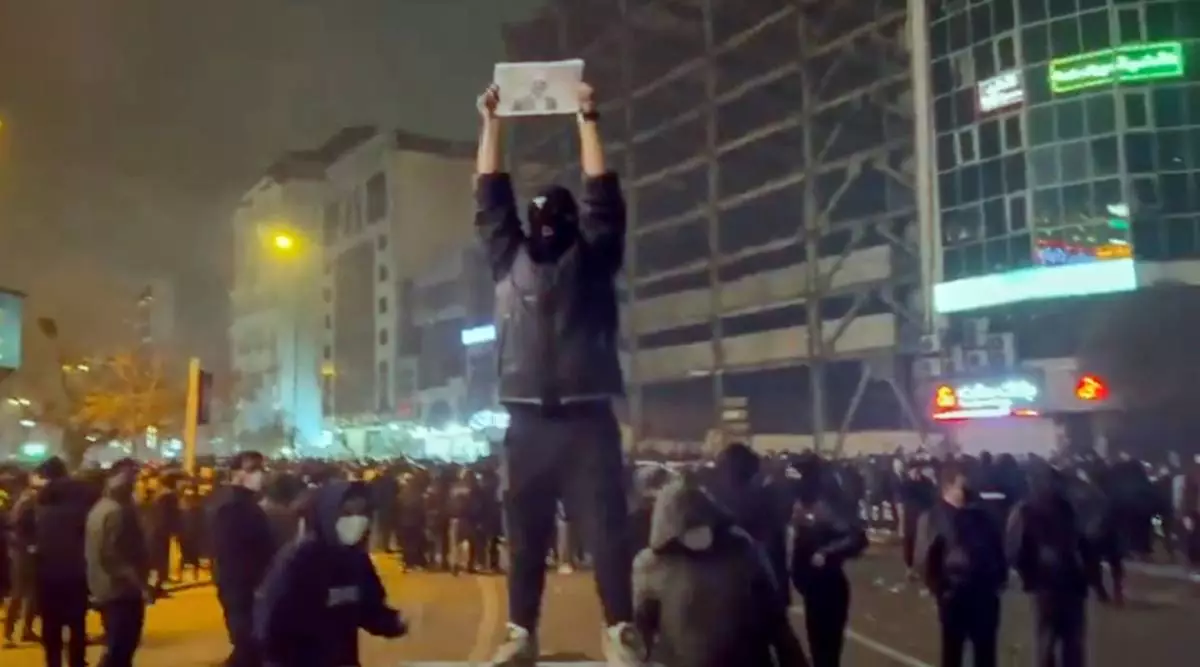
In this frame grab from video obtained by the AP outside Iran, a masked demonstrator holds a picture of Iran's Crown Prince Reza Pahlavi during a protest in Tehran, Iran, Friday, January. 9, 2026. (UGC via AP)

In this frame grab from video obtained by the AP outside Iran, a masked demonstrator holds a picture of Iran's Crown Prince Reza Pahlavi during a protest in Tehran, Iran, Friday, January. 9, 2026. (UGC via AP)

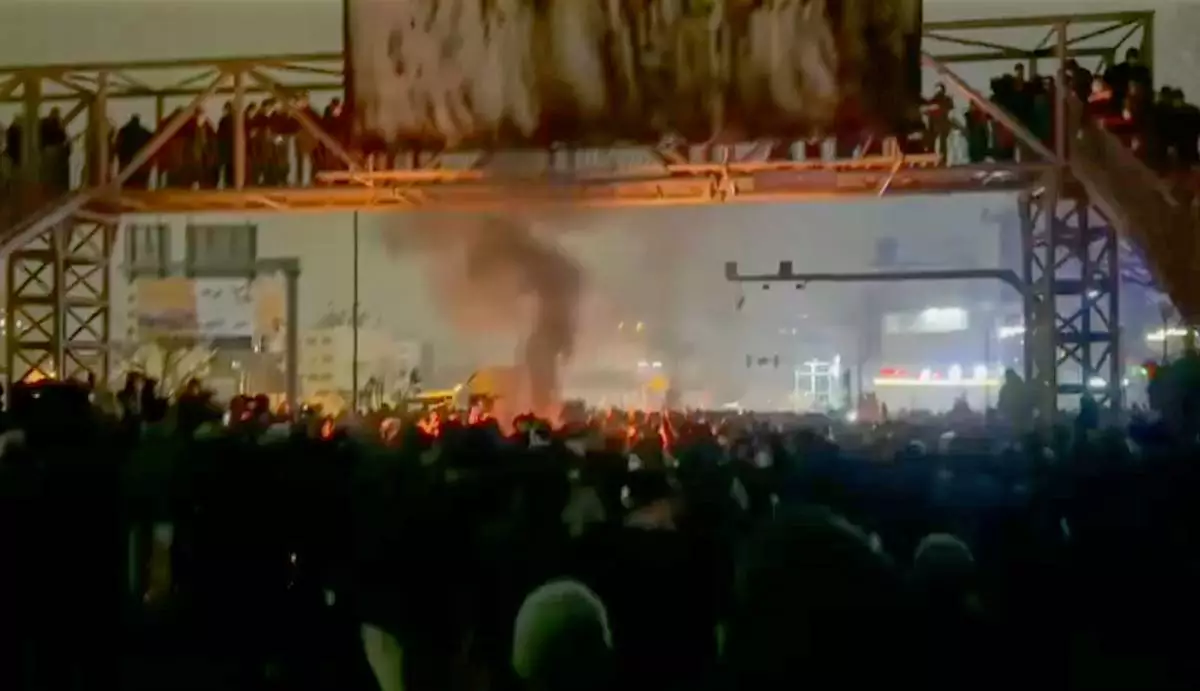
In this frame grab from footage circulating on social media from Iran shows protesters taking to the streets despite an intensifying crackdown as the Islamic Republic remains cut off from the rest of the world in Tehran, Iran, Friday, Jan. 9, 2026.(UGC via AP)

In this frame grab from footage circulating on social media from Iran shows protesters taking to the streets despite an intensifying crackdown as the Islamic Republic remains cut off from the rest of the world in Tehran, Iran, Friday, Jan. 9, 2026.(UGC via AP)

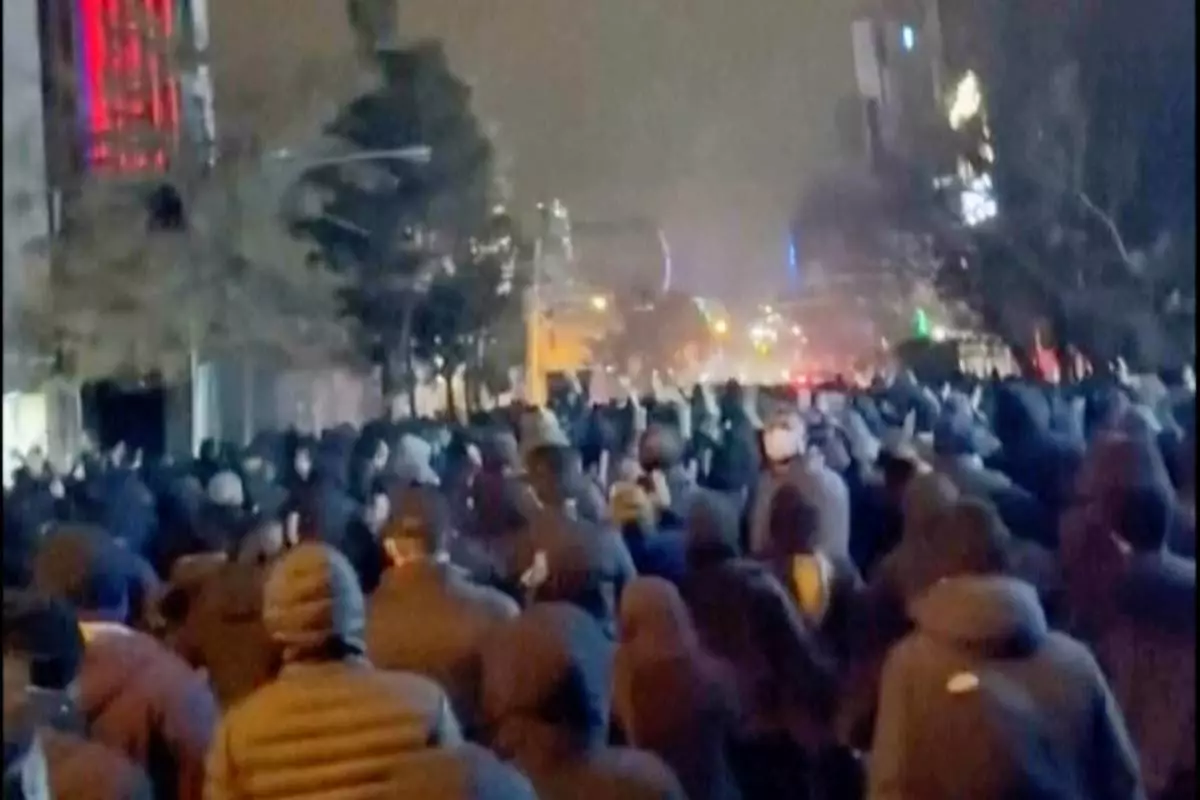
In this frame grab from footage circulating on social media from Iran showed protesters once again taking to the streets of Tehran despite an intensifying crackdown as the Islamic Republic remains cut off from the rest of the world in Tehran, Iran, Saturday Jan. 10, 2026. (UGC via AP)

In this frame grab from footage circulating on social media from Iran showed protesters once again taking to the streets of Tehran despite an intensifying crackdown as the Islamic Republic remains cut off from the rest of the world in Tehran, Iran, Saturday Jan. 10, 2026. (UGC via AP)

Recommended Articles