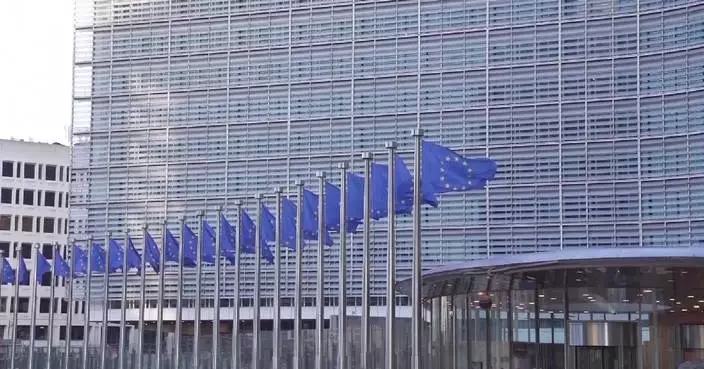
Poland's furniture exporters are facing the threat of looming tariffs from the United States, as the European Union (EU) races to reach a high-stakes trade deal with Washington to avoid the sweeping U.S. duties.
Poland is Europe's largest furniture exporter and the world's third largest, behind only China and Germany. According to a market report, the export value of the Polish furniture industry reached more than 11 billion U.S. dollars in 2024, making it one of the country's top export earners.
The United States is one of the biggest markets for Polish furniture exporters, but new U.S. tariff threats could disrupt this growth, costing tens of thousands of jobs and complicating U.S.-Polish trade relations.
The Trump administration in April announced to impose a 20-percent tariff on imported EU goods, on top of the existing 25-percent tariff on cars and automotive parts, directly impacting Poland and other EU members. U.S. President Donald Trump later issued a 90-day pause to allow for trade negotiations. In late May, Trump said he was recommending a straight 50-percent tariff on goods from the EU starting on June 1, because trade negotiations with the EU were "going nowhere".
The two sides have been in talks to get a "framework" trade deal done before the 90-day freeze on U.S. tariffs is set to expire on July 9. European diplomats and officials reportedly said the bloc may still face at least 10-percent blanket tariffs from the United States.
Those tariff threats have reached far and wide in Poland, threatening the competitiveness of local furniture producers including NOTI, a 20-year-old furniture company in Poznan, a city in Poland's west.
"That's a big market, and that's a big partnership for us. So, of course, we cannot cut that from day to day. And of course we have to solve the issue together and handle this situation for next few weeks until we will find the best solution for us, but mainly for our customers," Dominik Czylkowski, CEO of NOTI which hires about 150 employees, told China Global Television Network about the importance of the U.S. market in a June interview.
Czylkowski said Polish furniture makers like NOTI had expected a better trade partnership with the U.S. following the start of Trump's second term in the White House, only to find themselves confronted now with Washington's disruptive trade policies.
"Everybody who is running the business was sure that after changing the situation, political situation in U.S., we will face much more pleasant environment for business. But unfortunately, the situation is even more difficult, more complex and harder for business," he said.
A possible U.S. tariff on furniture is just one part of a much larger potential effect on the Polish economy. Polish Prime Minister Donald Tusk has warned that Washington's trade policies could reduce the country's GDP by nearly a half percent.
However, some are less worried, saying the impact of the U.S. tariffs on Poland's furniture sector will be limited, as the exporters have stepped up efforts to diversify their markets.
"For sure, I think it will affect [our furniture exporters], but it is only half a billion U.S. dollars. In other directions they make profits, they make business, so this small amount shall not influence them much," Jozef Szyszka, project manager of the Meble Polska Furniture Fair - the largest furniture sourcing fair in Central and Eastern Europe that takes place annually in Poznan.
Szyszka said the industry largely remains hopeful for a diplomatic solution to avoid widespread losses, but many are already looking at new export destinations.
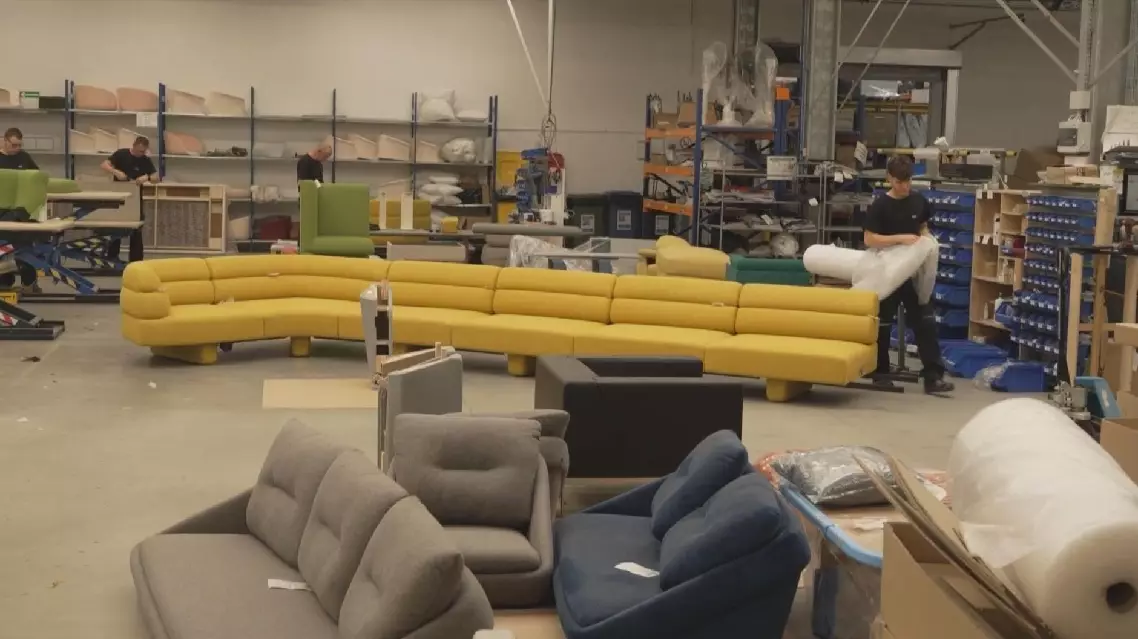
Polish furniture exports under threat from US tariffs