China will levy anti-dumping duties on imports of brandy originated from the European Union (EU) for a period of five years from Saturday, China's Ministry of Commerce said on Friday.
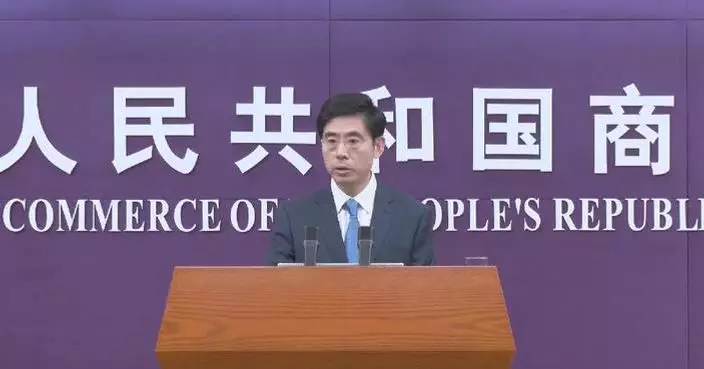
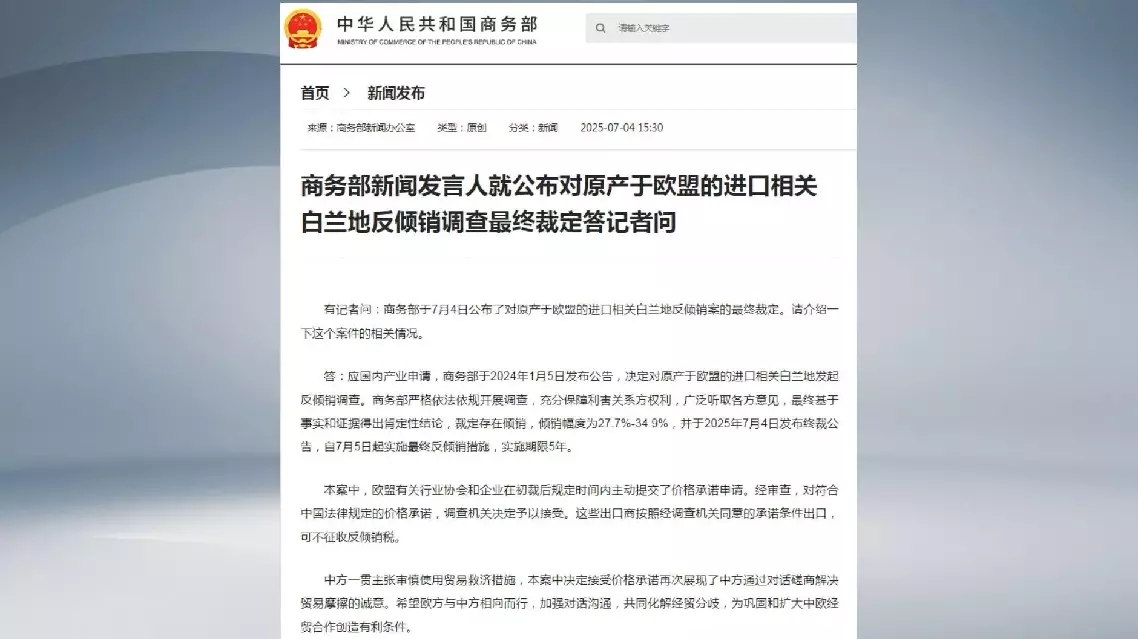
The ministry on Friday issued the final ruling of the anti-dumping investigation into EU brandy. The investigation has shown that the brandy imports from the EU have involved dumping, causing substantial damage to China's domestic brandy industry, and determined a causal link between these dumping practices and material injury.
The anti-dumping duties are based on the 27.7 percent to 34.9 percent dumping margin decided by the final ruling, according to the ministry.
Relevant industry associations and brandy exporters in the EU voluntarily submitted price commitment applications within the prescribed time after the interim ruling. After review, investigation authorities decided to approve the applications that comply with the provisions of Chinese laws and regulations, said the ministry, adding that these exporters may not be subject to anti-dumping duties if they export their products in accordance with the committed prices agreed upon by investigation authorities.
The ministry said that China has consistently advocated for the prudent use of trade remedy measures, and the decision to accept price commitments in this case once again demonstrates China's sincerity in resolving trade frictions through dialogue and consultation.
China hopes that the EU can work with China to strengthen dialogue and communication, jointly address economic and trade differences, and create favorable conditions for consolidating and expanding China-EU economic and trade cooperation, the ministry said.
The Ministry of Commerce initiated the investigation on Jan. 5, 2024, following a request from China's domestic industry. The deadline of the probe was first extended to April 5, 2025, and then extended further to July 5, 2025 because of the complexity of the case.
China to impose anti-dumping duties on EU brandy imports from July 5: commerce ministry
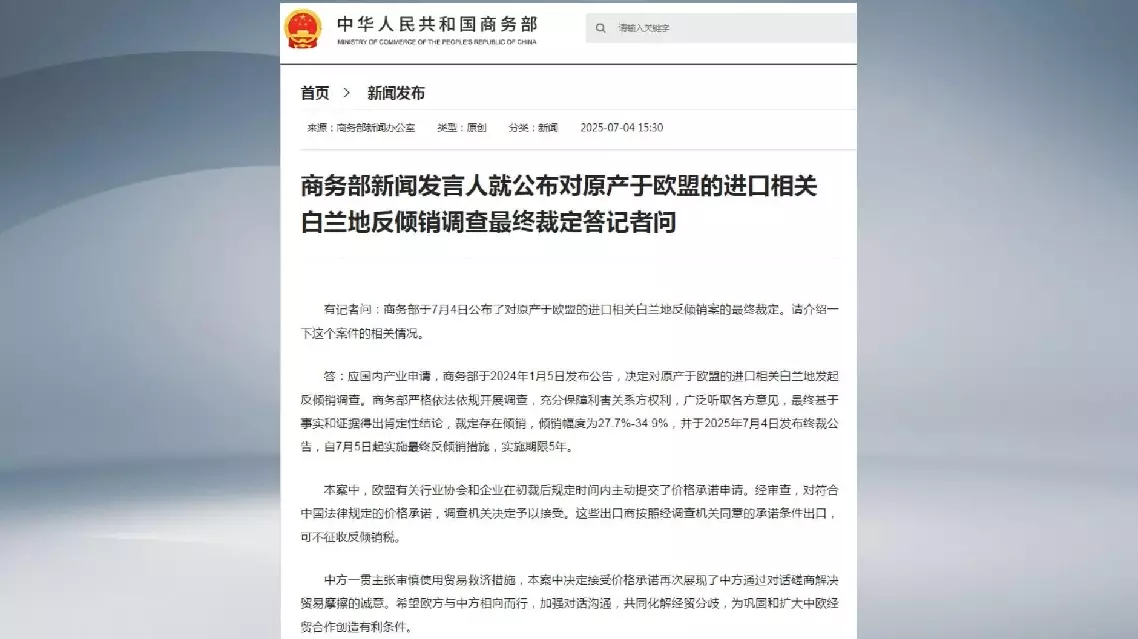
China to impose anti-dumping duties on EU brandy imports from July 5: commerce ministry
Israel aims to fuel division among Lebanese factions by holding direct talks with the Lebanese government, said a senior Hezbollah official in an interview with China Global Television Network (CGTN).
Bilal Lakkis, a member of Hezbollah's Central Committee, said Israel's military plans are failing in southern Lebanon, with no prominent military gains despite weeks of bombardment.
Israel has been bombarding most bridges over the Litani River, leaving only about two intact, in what appears to be an attempt to create an expanded buffer zone or to advance further north. Asked how Hezbollah views this strategy, Lakkis dismissed Israeli objectives as incoherent and militarily unachieved.
"Every day one of Israel's leaders says something different. Some say 'we need protection from the attacks', others say they want an occupation to settle the Israeli military. A third group says they want a buffer zone. A buffer zone needs a huge military victory, which has not been achieved. This proves that there is hesitance among them, there is no clarity. In any case, the region south of the river, some parts of it are just three kilometers between the river and the occupied Palestinian territories, so it doesn't achieve security," he said.
The United States hosted political talks for the first time in decades between the Lebanese government and Israel this week. Asked whether any agreement could be implemented without Hezbollah's consent and what Israel seeks from these negotiations, Lakkis was unequivocal in his rejection.
"The government is violating all laws. Some in Lebanon had hopes that the war on Iran would hit the brain, all the affiliates would perish. Instead they found success in holding negotiations in Pakistan. Every time Netanyahu fails militarily, he attempts to fuel the division within the Lebanese body," he said.
Asked about whether Hezbollah would avoid actions that might fuel such divisions, Lakkis emphasized the group's commitment to internal stability.
"The resistance in Lebanon doesn't want any internal instability. That is a long-standing historic stance. It's a red line for us to tamper with peace and stability. Moreover, the Arab and the Islamic support towards the resistance and Hezbollah specifically is at its best. To resist that is a way more valuable gain than to be dragged against an internal party. We are keen on national unity and Islamic unity," he said.
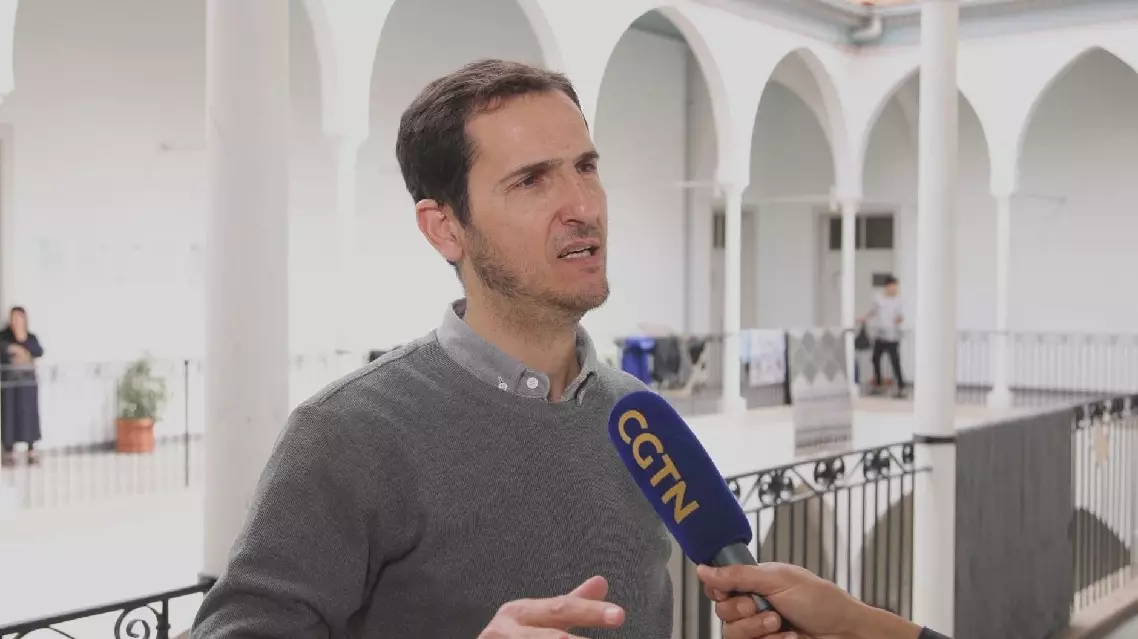
Hezbollah official says Israel aims to fuel division among Lebanese factions