CAIRO (AP) — For 12 days, Tehran fell dark and silent, except for the sound of explosions. In their houses and apartments, Iranians tried to pass the hours — sleepless, eyes on the TV for news of the war.
A series of images document the moments in which residents of Iran’s capital struggled to hold onto something familiar amid the uncertainty. They were taken by a freelance photographer and obtained by The Associated Press outside of Iran. The AP is publishing them on condition of anonymity over fears for the photographer’s safety.
Click to Gallery
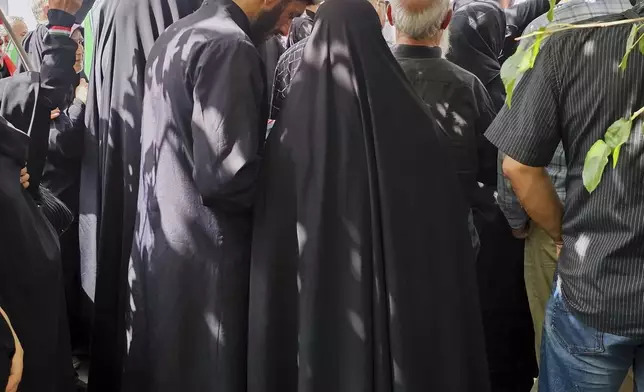
Mourners gather at a collective funeral ceremony for victims of recent explosions in Tehran, Iran, Saturday, June 28, 2025. (AP Photo)
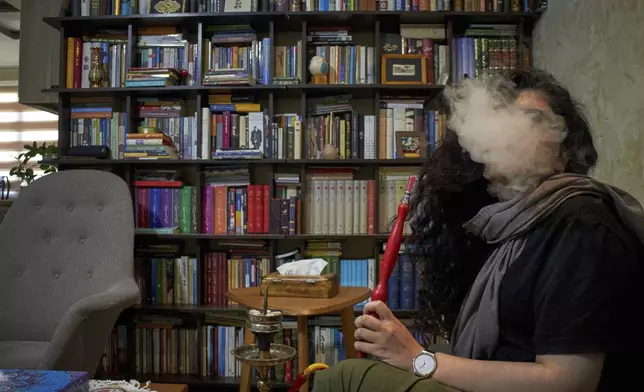
In a city emptied by war, a woman smokes hookah with a friend at home in Tehran, Iran, Tuesday, June 17, 2025. (AP Photo)
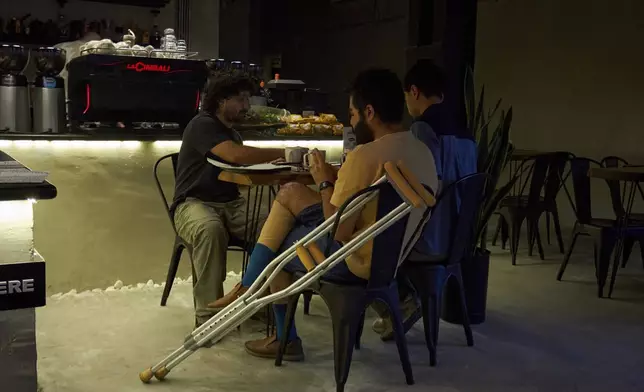
Three young men gather in one of the few cafés that stayed open during the war as the thuds of defense missiles echo outside in Tehran, Iran, Wednesday, June 18, 2025. (AP Photo)
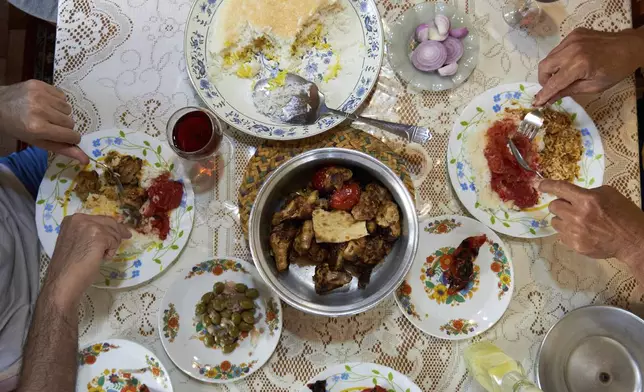
A family gathers for dinner in the town of Rasht, northwest of Tehran near the Caspian Sea, Friday, June 20, 2025, once considered safer than the capital. Midway through the war, three explosions shook the city, shattering its sense of safety. (AP Photo)
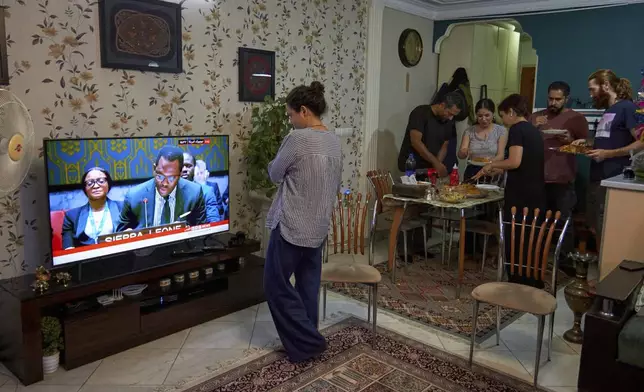
A group of friends gathers for dinner while following the TV for the latest updates on the Iran-Israel conflict in Tehran, Iran, on Monday, June 23, 2025. (AP Photo)
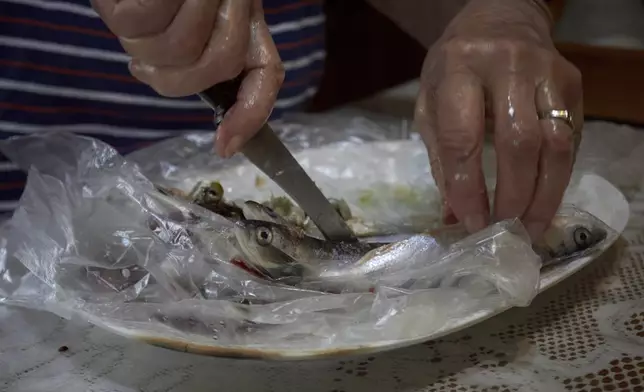
A woman cuts a fish as she prepares dinner for her family in Rasht, northwest of Tehran near the Caspian Sea, Friday, June 20, 2025. Once considered safer than the capital, the city's sense of security was shattered midway through the war when explosions struck. (AP Photo)
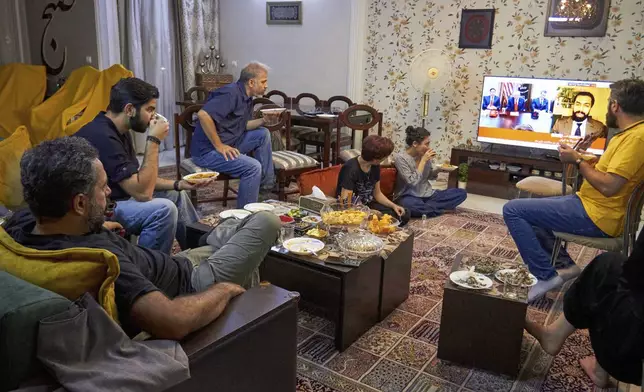
A group of friends gathers for dinner while following the latest updates on the Iran-Israel conflict in Tehran, Iran, Monday, June 23, 2025. Between bites, they keep their eyes on the TV for any news. (AP Photo)
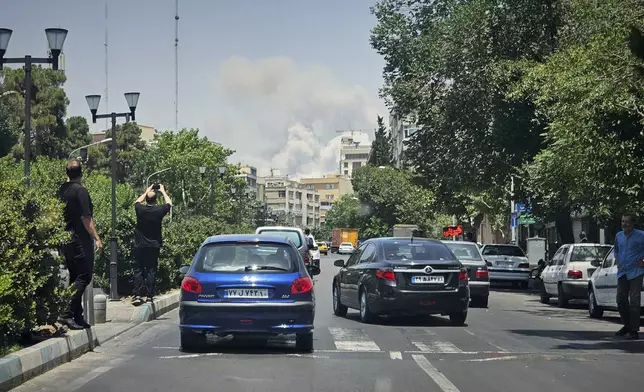
With their cellphones, residents take pictures of smoke rising from an Israeli strike in Tehran, Iran, Monday, June 23, 2025. Repeated explosions echoed across the city as plumes of smoke rose from multiple locations.(AP Photo)
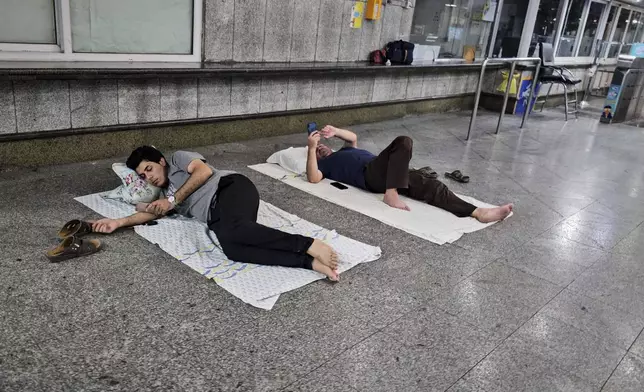
After an emergency evacuation alert, residents seek shelter in a metro station in Tehran, Iran, on Tuesday, June 24, 2025. That night, evacuation alerts were issued for two central neighborhoods in the middle of the night. (AP Photo)
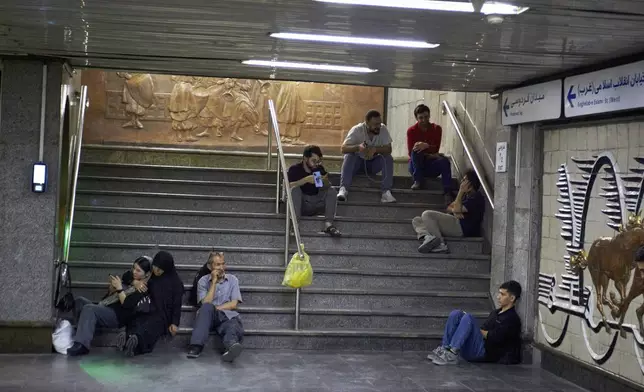
After an emergency evacuation alert, residents seek shelter in a metro station in Tehran, Iran, Tuesday, June 24, 2025. That night, evacuation alerts were issued for two central neighborhoods in the middle of the night. (AP Photo)
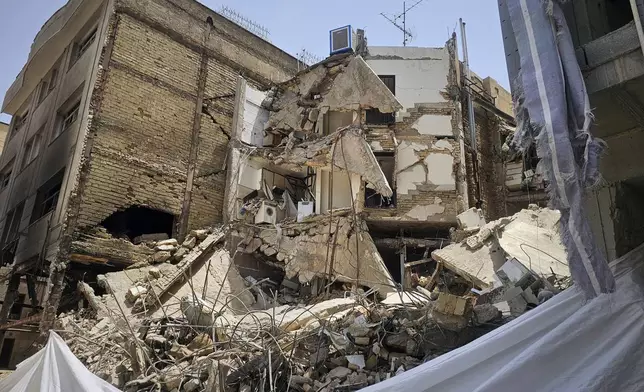
Debris from a strike on a residential building in Tehran, Iran, Friday, June 27, 2025. Many nearby homes were destroyed or severely damaged, leaving them uninhabitable. (AP Photo)
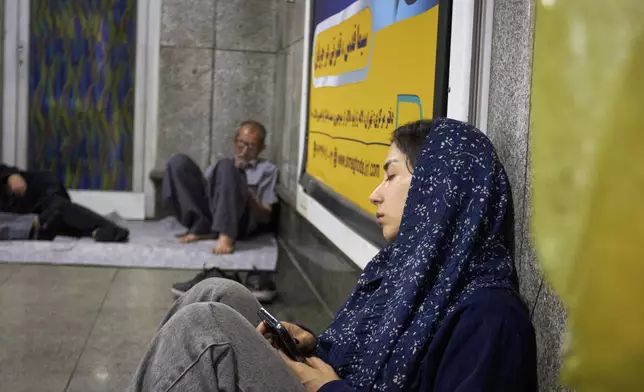
A young woman takes shelter in a metro station following a midnight evacuation alert for Israeli strikes in Tehran, Iran, Tuesday, June 24, 2025. One of the announced missile targets was just 400 meters away, dangerously close to both the station and her home. (AP Photo)
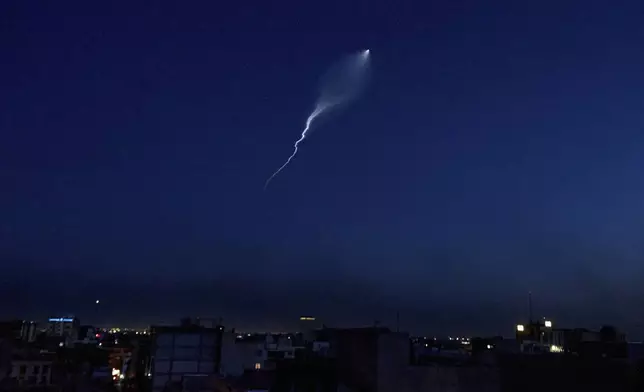
The trail of a missile launched by Iran is visible across the sky in Tehran, Iran, Wednesday, June 18, 2025. Most of the city's lights were off, some areas had been evacuated, and others remained dark intentionally. (AP Photo)
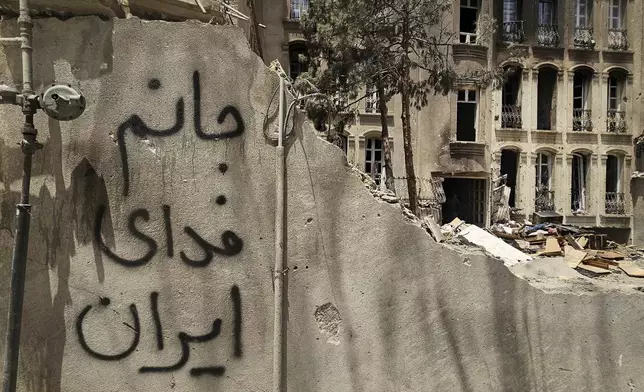
The phrase "My life for Iran" is spray-painted on the outer wall of a residential building heavily damaged by a missile strike in Tehran, Iran, Friday, June 27, 2025. (AP Photo)
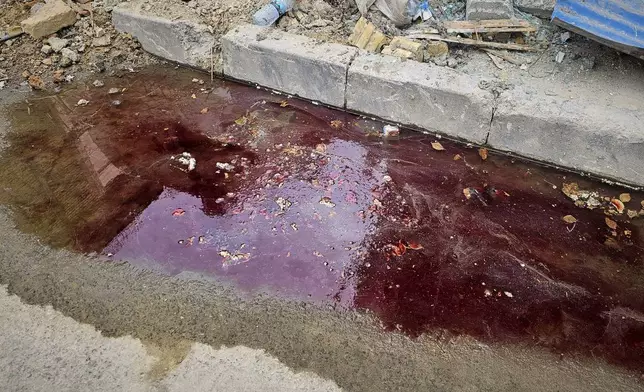
Blood at the site of an Israeli strike stains the roadside two days later in Tehran, Iran, Friday, June 27, 2025. (AP Photo)
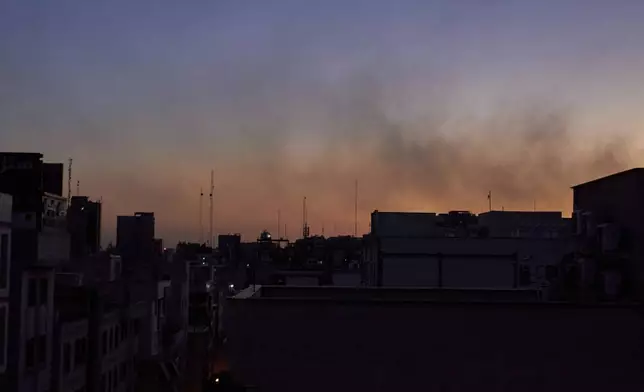
Smoke from earlier strikes hangs in the air at dusk during in Tehran, Iran, Wednesday, June 18, 2025. Many residents had evacuated, and those who stayed kept their homes and streetlights dim as a precaution. (AP Photo)
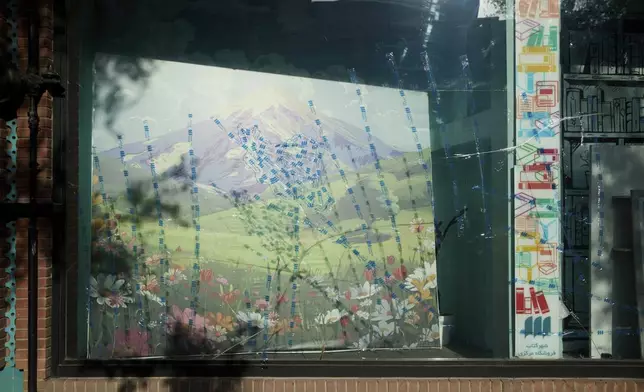
TThe front window of a well-known bookstore cracked after an explosion hit a nearby military site just behind the shop, in Tehran, Iran, Tuesday, June 24, 2025. Staff taped the glass to prevent further damage, creating the outline of Iran over a mural of Mount Damavand, a national symbol of resilience. (AP Photo)
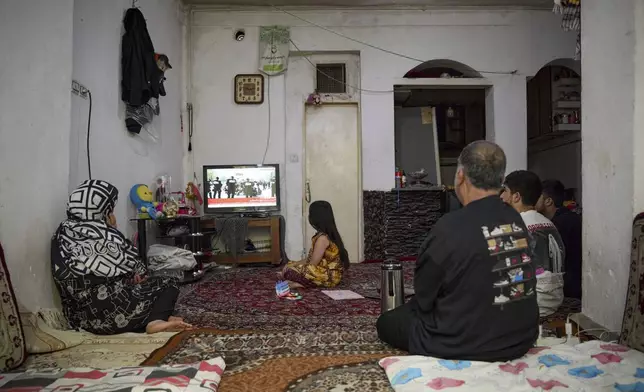
Nine-year-old Afghan girl Sara and her family watch the news about the ceasefire in silence in Tehran, Iran, Wednesday, June 25, 2025. They fled to Iran four years ago and now rarely leave the house, fearing arrest and deportation. (AP Photo)
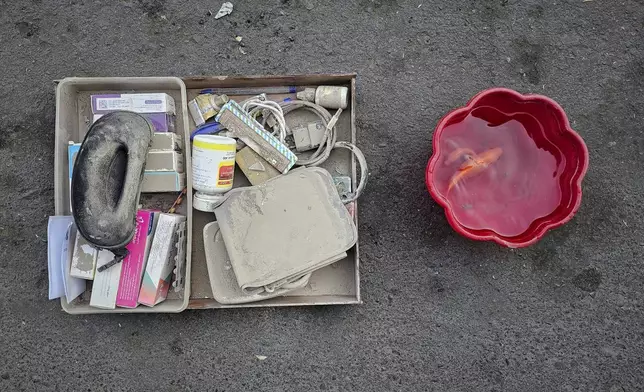
A goldfish was rescued alive from the rubble after one of the heaviest blasts on the final night of the war, in Tehran, Iran, Tuesday, June 24, 2025, Several residential buildings were destroyed, and one family managed to recover only the father's medication, a pair of his shoes, and this goldfish from the debris. (AP Photo)
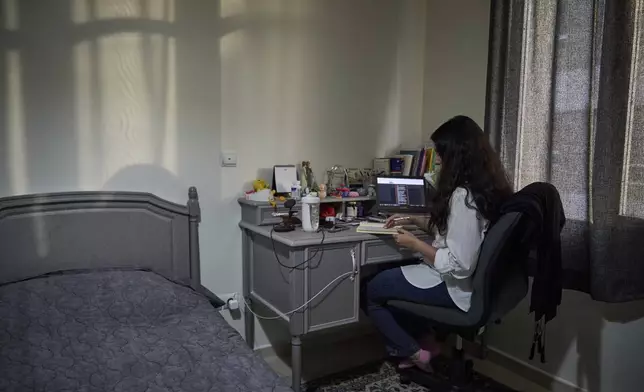
Mastaneh submits an exam online from her home in Tehran, Iran, where she lives with her mother, Maryam, Wednesday, June 25, 2025. She hadn't returned to campus since the start of the 12-day war between Iran and Israel.(AP Photo)
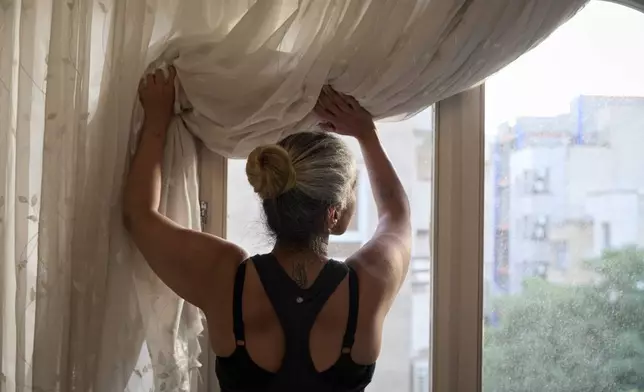
Maryam, who has the word "Iran" tattooed on the back of her neck, looks out the window of her home in Tehran, Iran, Wednesday, June 25, 2025. She lives alone with her daughter, Mastaneh, just a few blocks from the site of a key explosion during the war.(AP Photo)
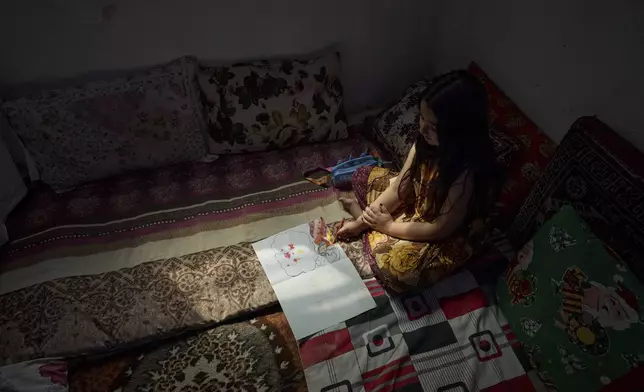
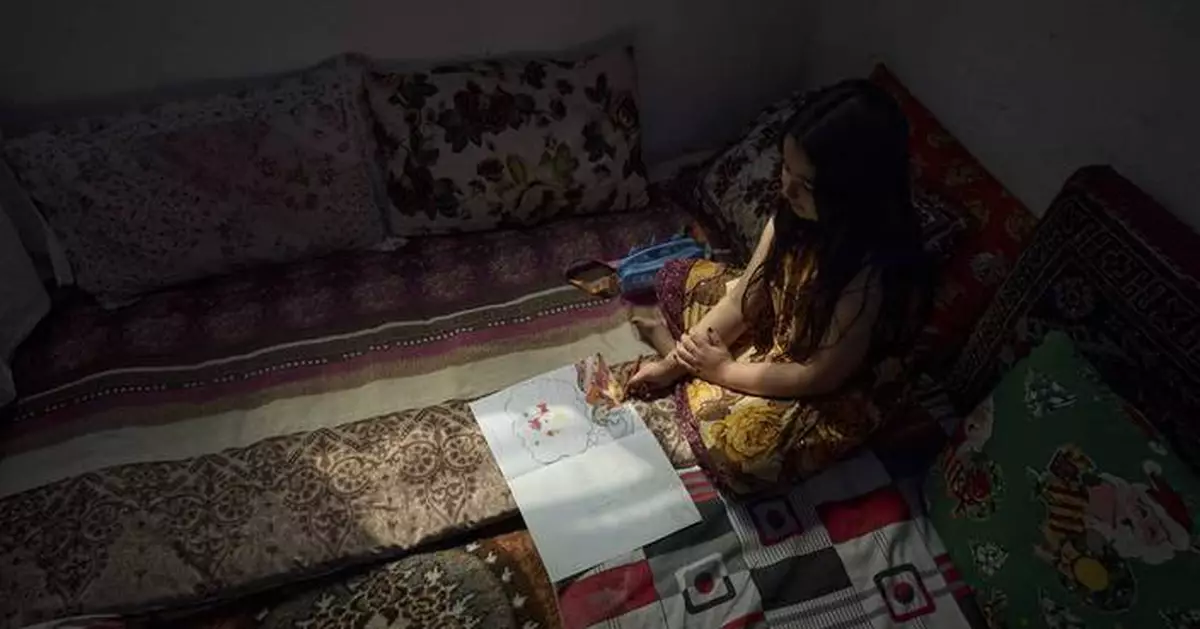
Nine-year-old Afghan girl Sara, whose family fled to Iran four years ago, draws in her room in Tehran, Iran, Wednesday, June 25, 2025, during the ceasefire after 12 days of Israeli bombardment. (AP Photo)
The photos, made under unpredictable and often unsafe conditions amid evacuation alerts and falling missiles, show the tension between normalcy and chaos.
Israel said its campaign aimed to cripple Iran’s nuclear facilities, which its officials maintain are for peaceful means. Israel's strikes also pounded buildings around Tehran, while Iran fired back with barrages into Israel. A ceasefire began June 24.
For 12 days, Tehran was transformed. The city normally bustles at all hours, its highways packed with cars and apartment towers lit up. During the war, most of the population fled. At night, blackness descended on the city.
Those who remained largely stayed indoors. Outside their windows came the rhythm of explosions — sometimes distant, sometimes close enough to shake them — and the crackle of air defenses.
One night, a group of friends gathered for dinner at a Tehran home. The table was full, the atmosphere warm. Guests joked with one another. But even as they dished up food and sat down in the living room to eat, everyone was glued to the television for any news.
The next night, one of the largest and most powerful explosions in Tehran struck a short distance from where they had gathered.
For Sara, a 9-year-old Afghan girl, reading and drawing in her sketchbook helped her endure the days at home. She sat on the living room floor with her markers, turning to see the TV.
Her family fled to Iran to escape the Taliban takeover in Afghanistan four years ago; now during Israel’s campaign, they were living through a new war. The family stayed inside not just for fear of strikes. They also worried they might be detained and deported amid wartime suspicion of Afghan refugees among some.
“Afghanistan is my homeland, and so is Iran. I have two countries that feel like one,” Sara said. On one page of her sketchbook, she wrote, “Mursal, I love you, my dear” — a message for her best friend, whose family fled back to Afghanistan during the bombardment.
Sara and others are only being identified by their first names out of concern for their security.
During the day, some might step outside between blasts, capturing smoke rising in the distance with their phones. After one strike hit a building, a puddle of blood remained on the street.
Evacuation alerts often came late at night. Some people spent nights in subway stations for safety. They lay down sheets and blankets on the tile floor or sat on the steps, scrolling through their phones as fighter jets and explosions could be heard on the streets above.
This story has been corrected to remove extraneous material.
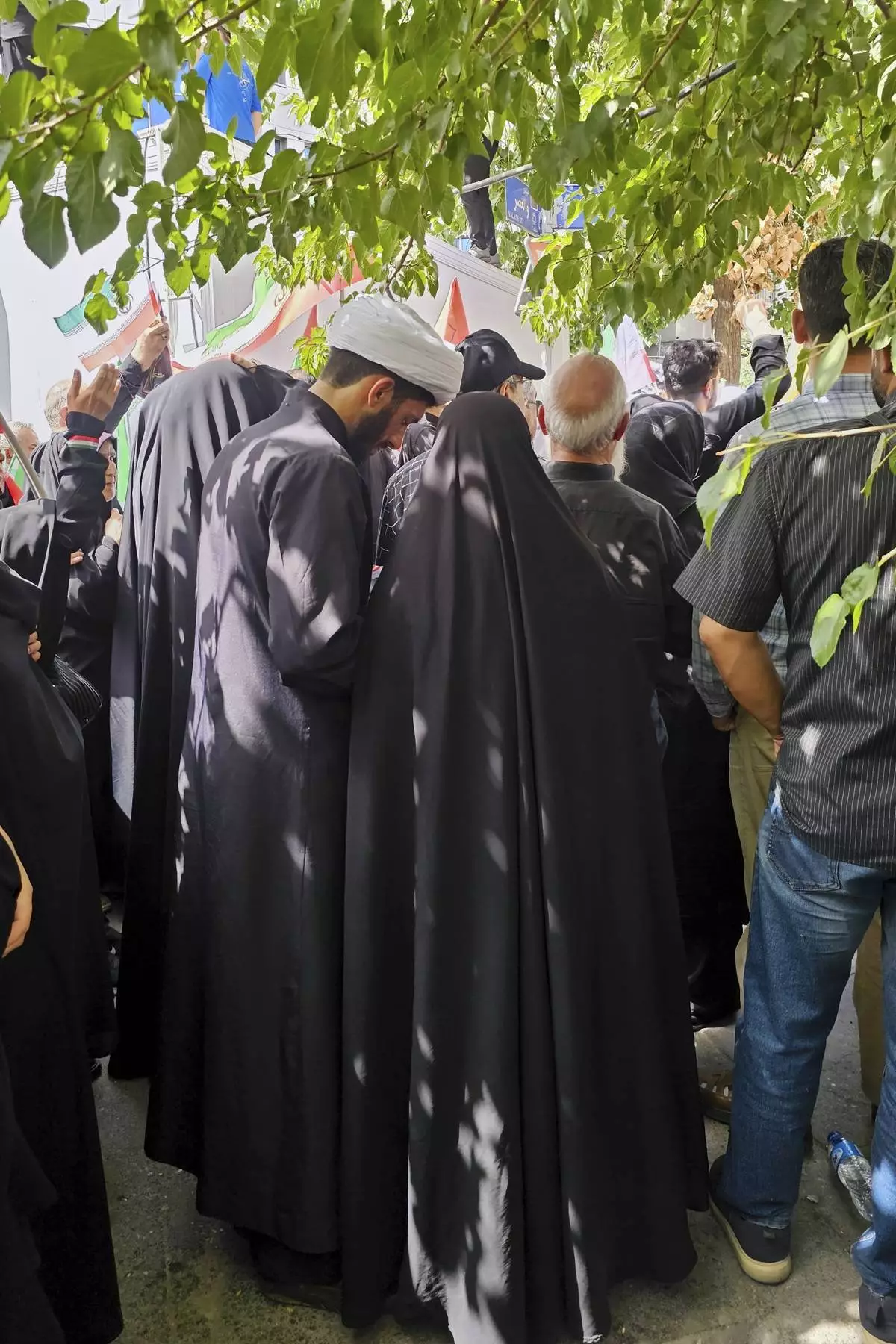
Mourners gather at a collective funeral ceremony for victims of recent explosions in Tehran, Iran, Saturday, June 28, 2025. (AP Photo)
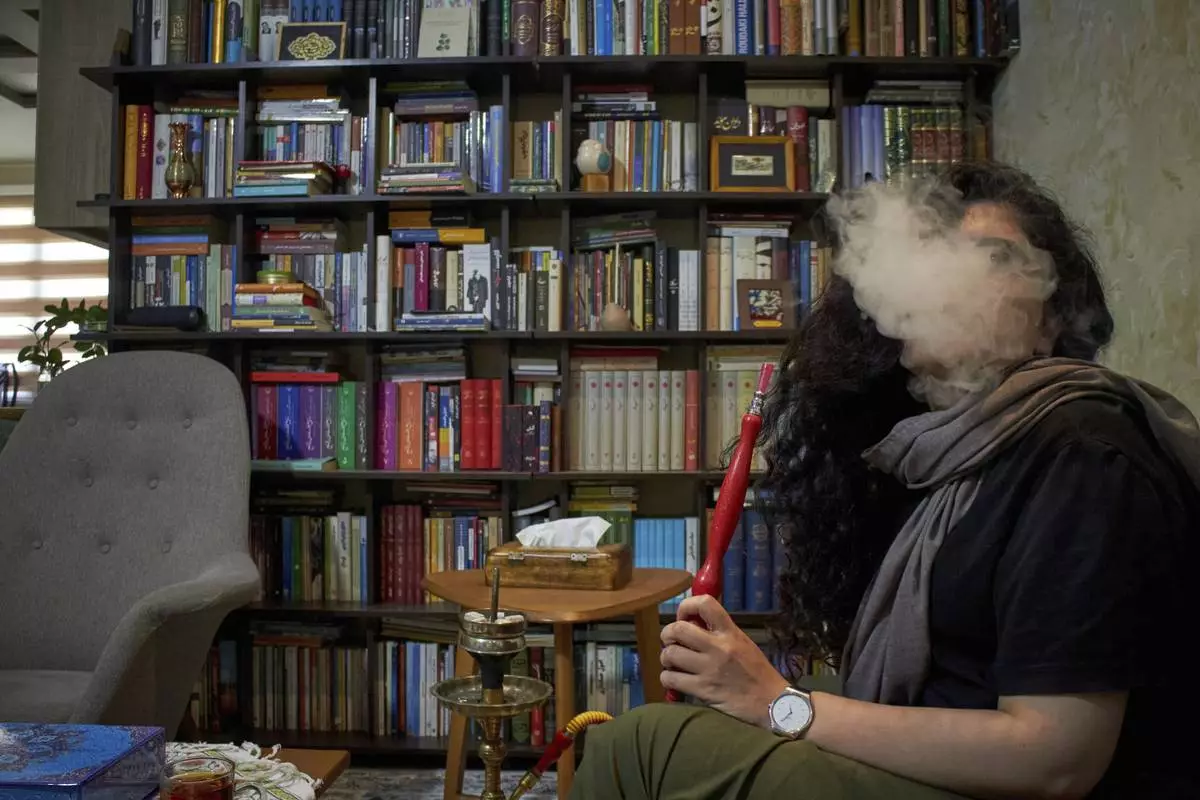
In a city emptied by war, a woman smokes hookah with a friend at home in Tehran, Iran, Tuesday, June 17, 2025. (AP Photo)
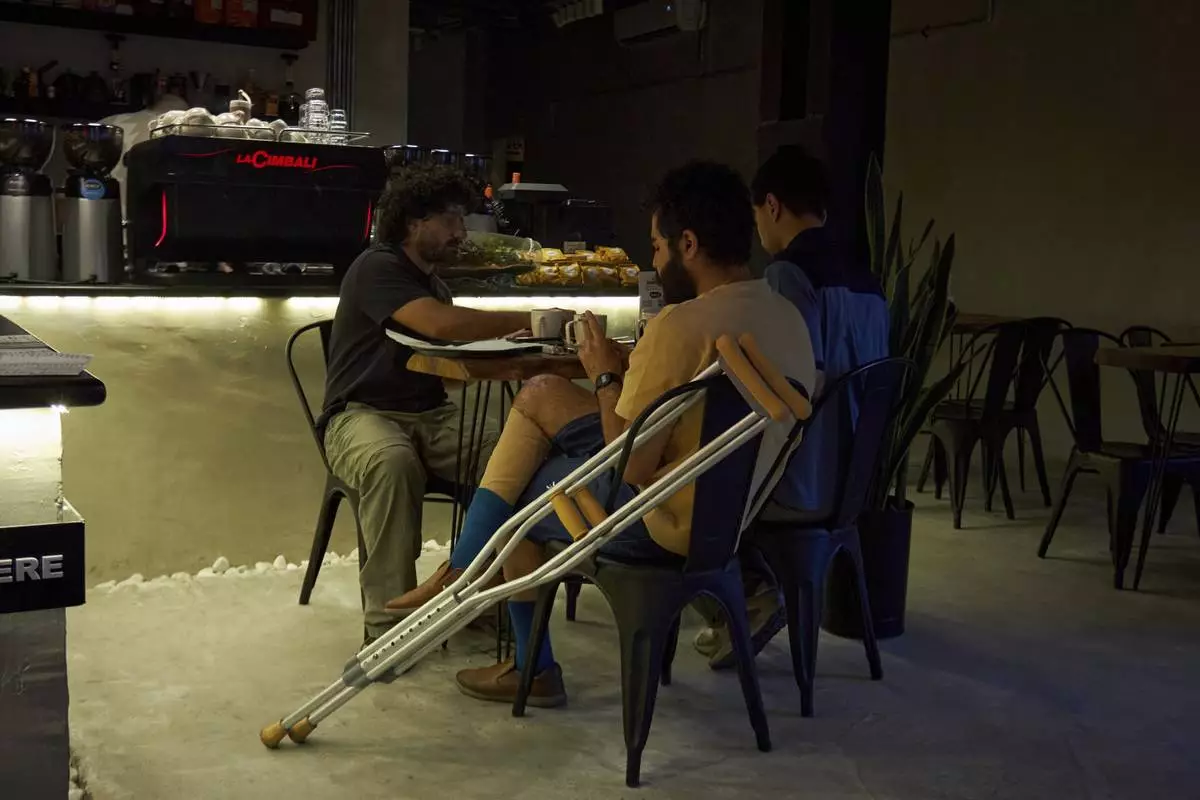
Three young men gather in one of the few cafés that stayed open during the war as the thuds of defense missiles echo outside in Tehran, Iran, Wednesday, June 18, 2025. (AP Photo)
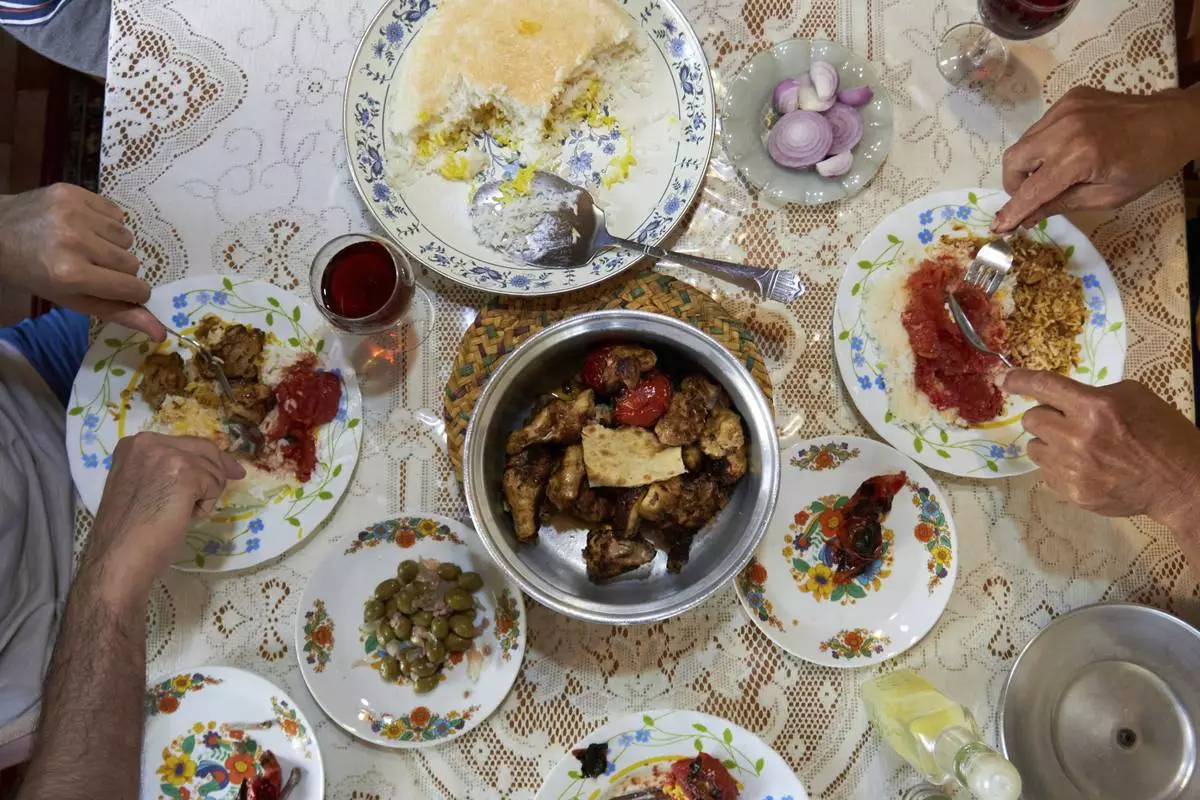
A family gathers for dinner in the town of Rasht, northwest of Tehran near the Caspian Sea, Friday, June 20, 2025, once considered safer than the capital. Midway through the war, three explosions shook the city, shattering its sense of safety. (AP Photo)
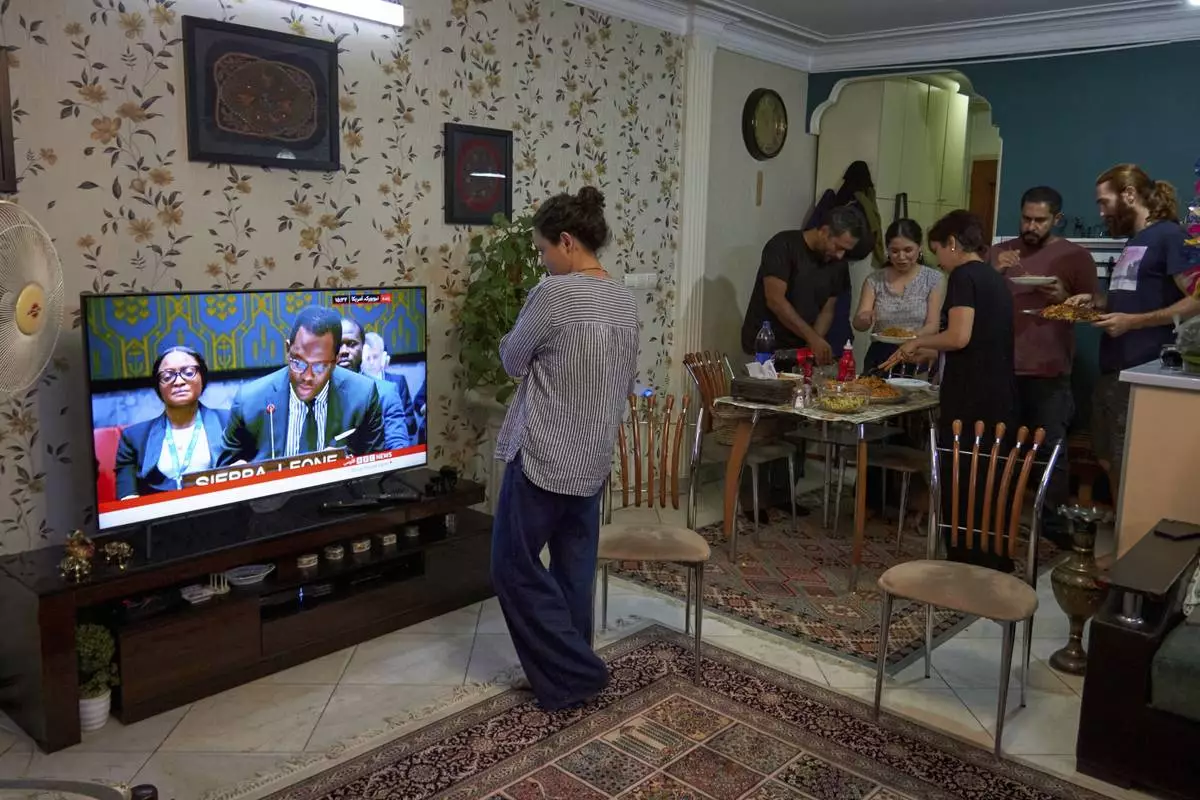
A group of friends gathers for dinner while following the TV for the latest updates on the Iran-Israel conflict in Tehran, Iran, on Monday, June 23, 2025. (AP Photo)
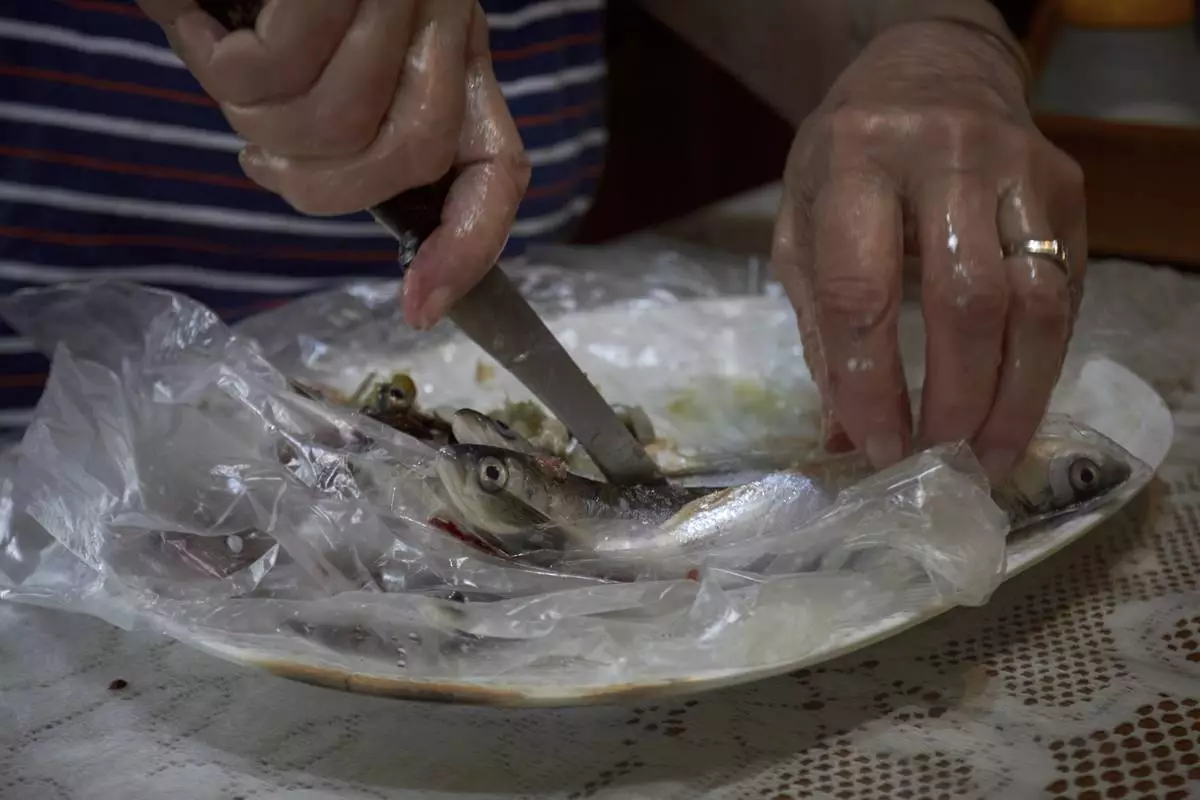
A woman cuts a fish as she prepares dinner for her family in Rasht, northwest of Tehran near the Caspian Sea, Friday, June 20, 2025. Once considered safer than the capital, the city's sense of security was shattered midway through the war when explosions struck. (AP Photo)
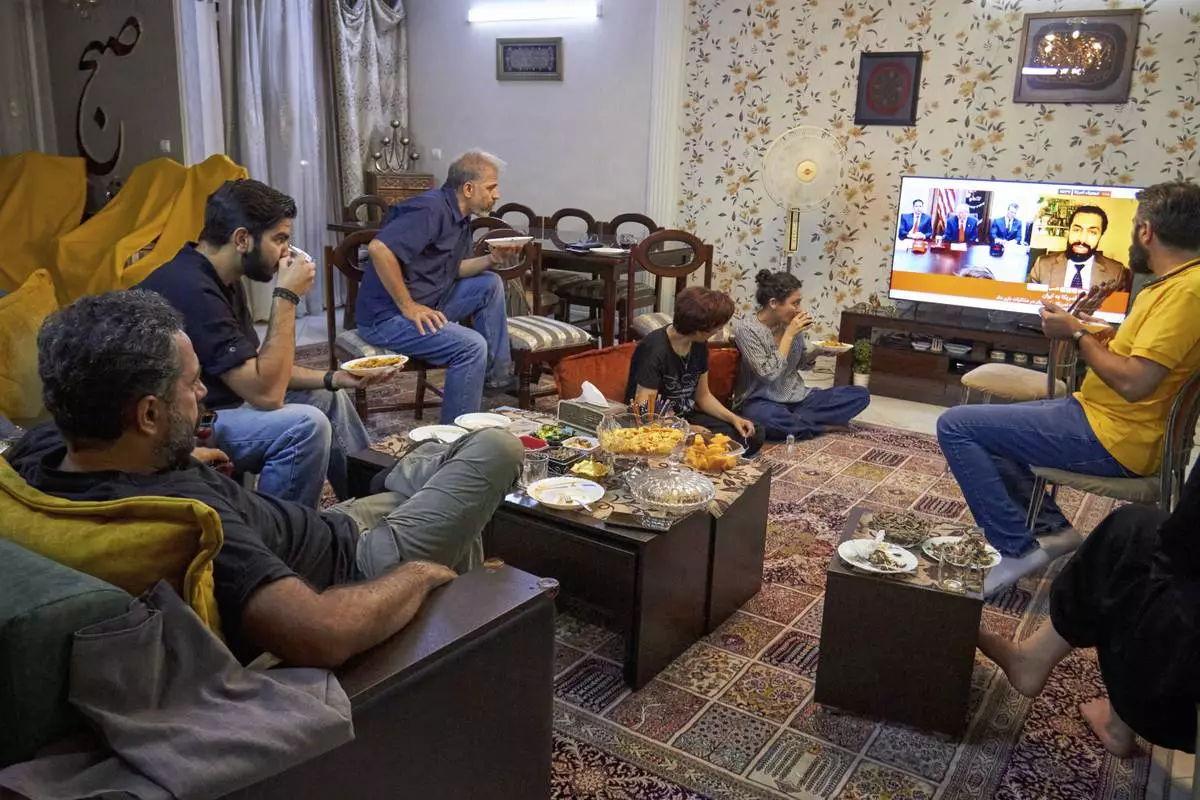
A group of friends gathers for dinner while following the latest updates on the Iran-Israel conflict in Tehran, Iran, Monday, June 23, 2025. Between bites, they keep their eyes on the TV for any news. (AP Photo)
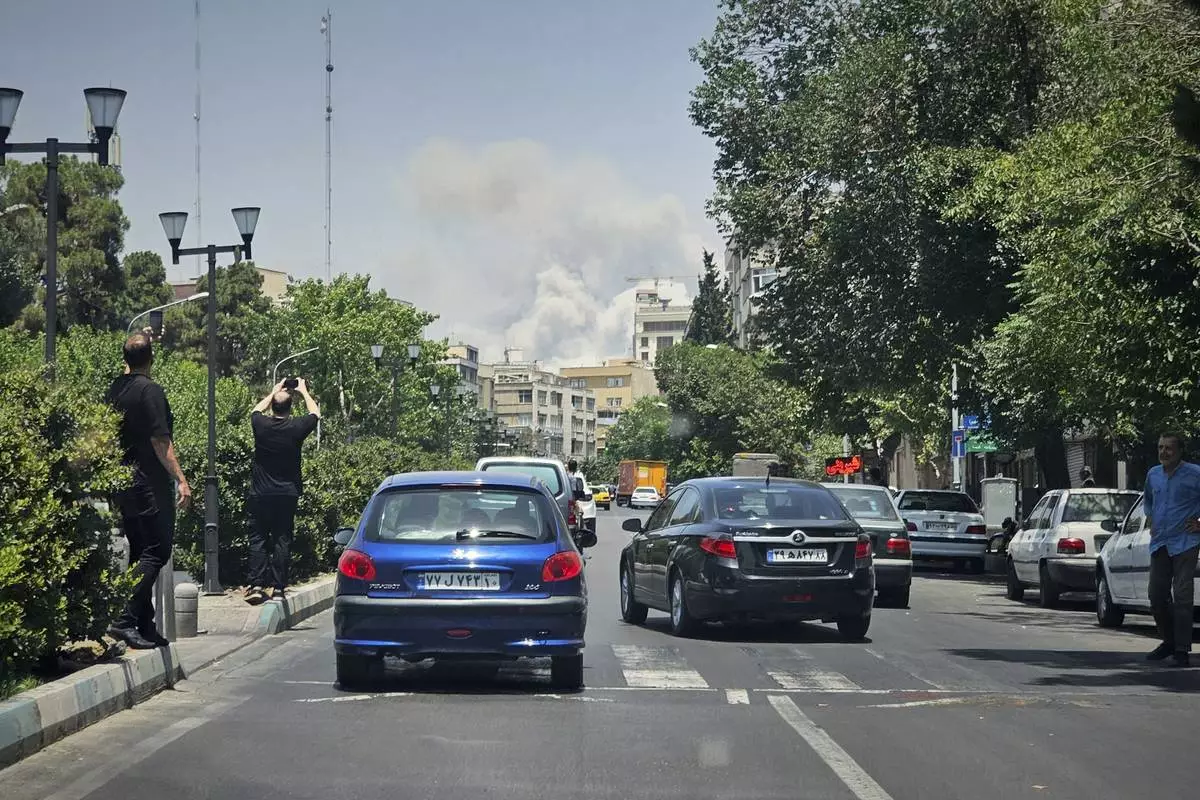
With their cellphones, residents take pictures of smoke rising from an Israeli strike in Tehran, Iran, Monday, June 23, 2025. Repeated explosions echoed across the city as plumes of smoke rose from multiple locations.(AP Photo)
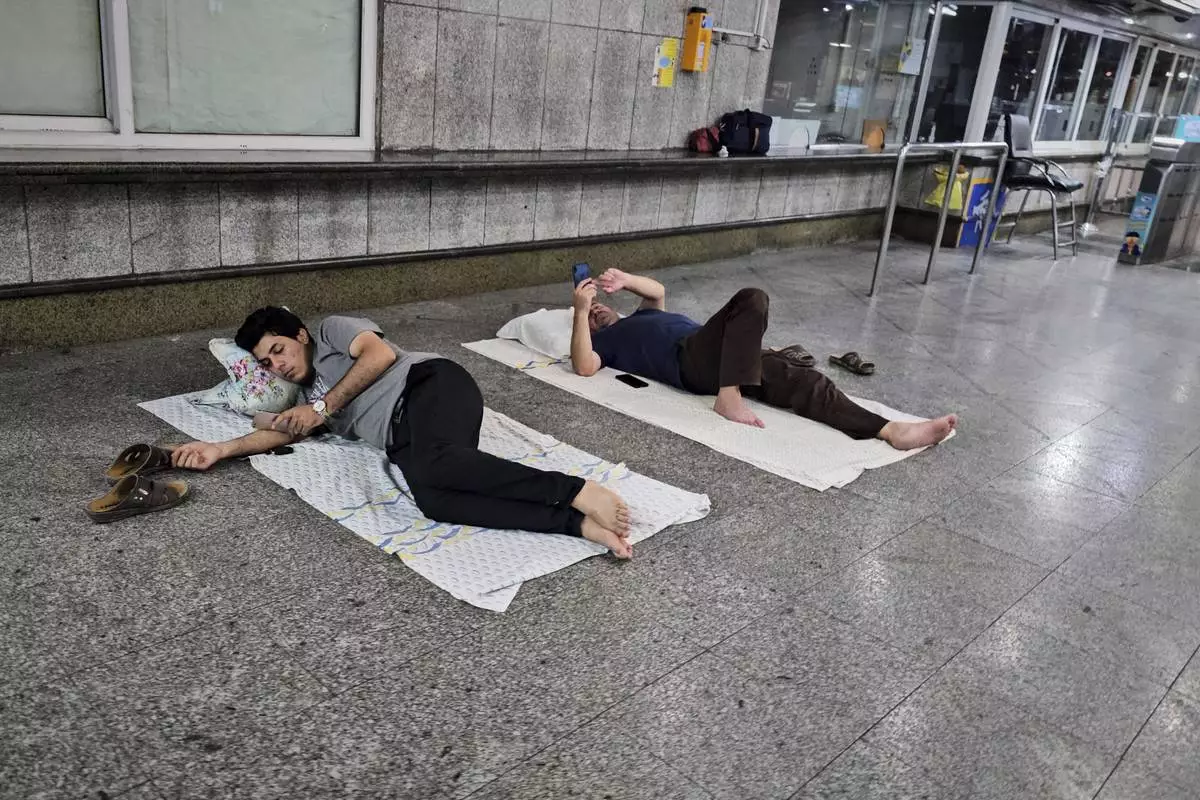
After an emergency evacuation alert, residents seek shelter in a metro station in Tehran, Iran, on Tuesday, June 24, 2025. That night, evacuation alerts were issued for two central neighborhoods in the middle of the night. (AP Photo)
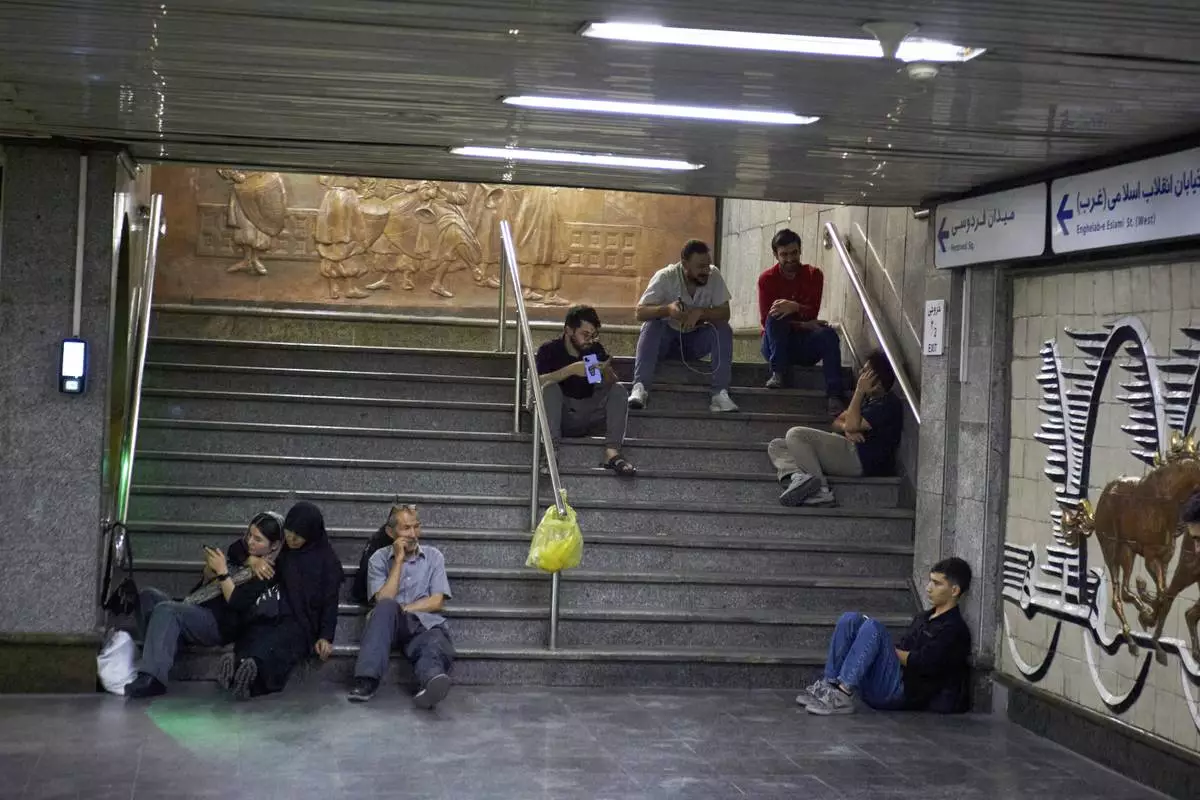
After an emergency evacuation alert, residents seek shelter in a metro station in Tehran, Iran, Tuesday, June 24, 2025. That night, evacuation alerts were issued for two central neighborhoods in the middle of the night. (AP Photo)
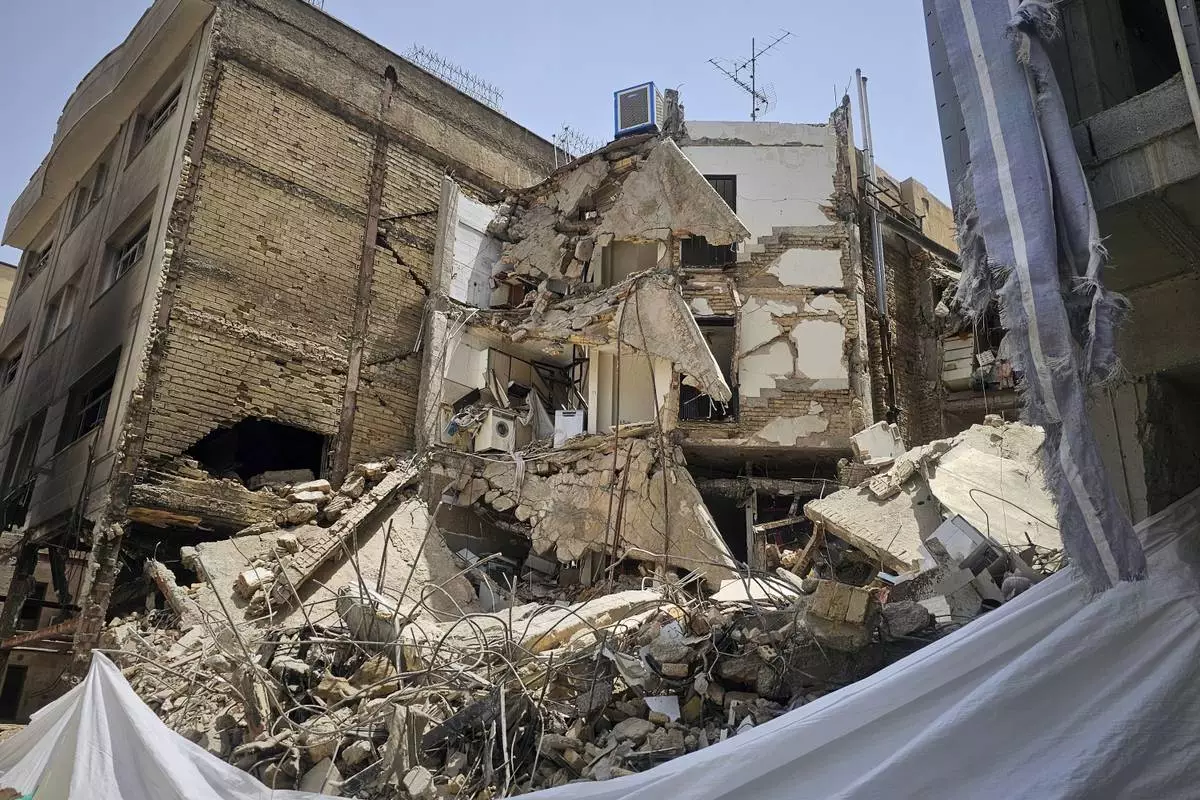
Debris from a strike on a residential building in Tehran, Iran, Friday, June 27, 2025. Many nearby homes were destroyed or severely damaged, leaving them uninhabitable. (AP Photo)
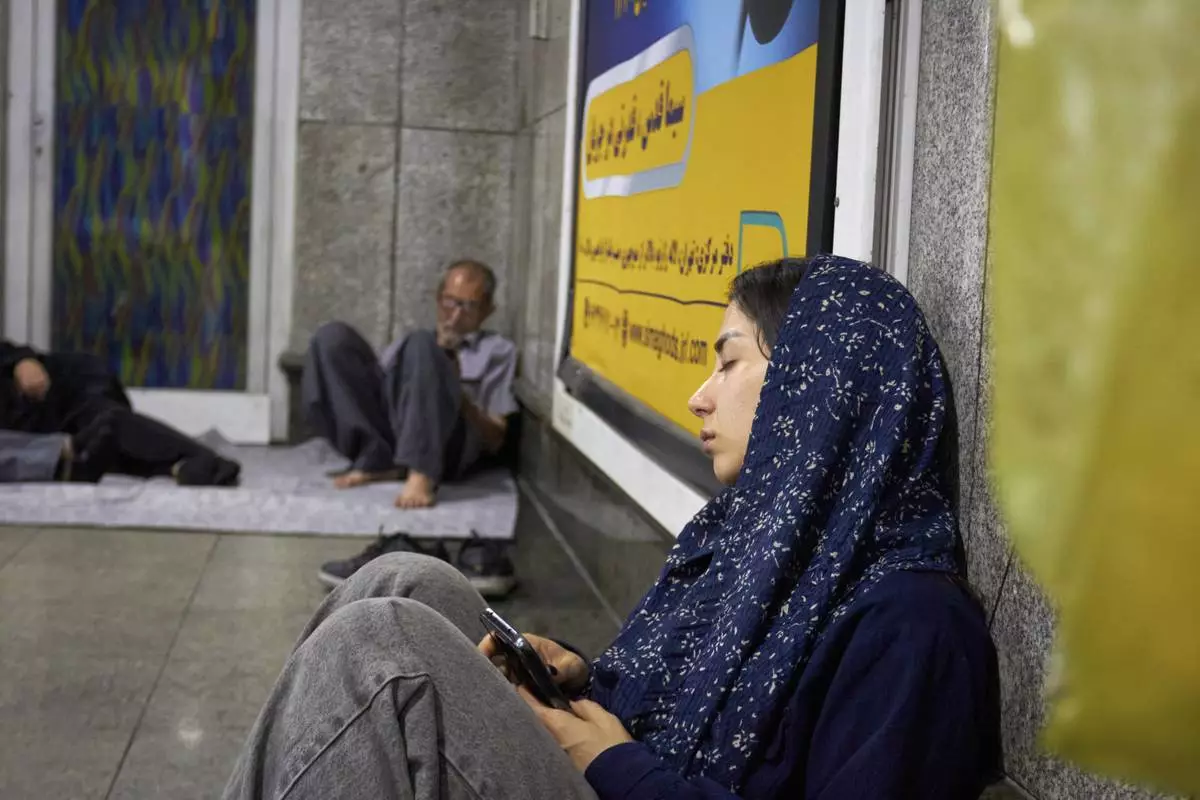
A young woman takes shelter in a metro station following a midnight evacuation alert for Israeli strikes in Tehran, Iran, Tuesday, June 24, 2025. One of the announced missile targets was just 400 meters away, dangerously close to both the station and her home. (AP Photo)
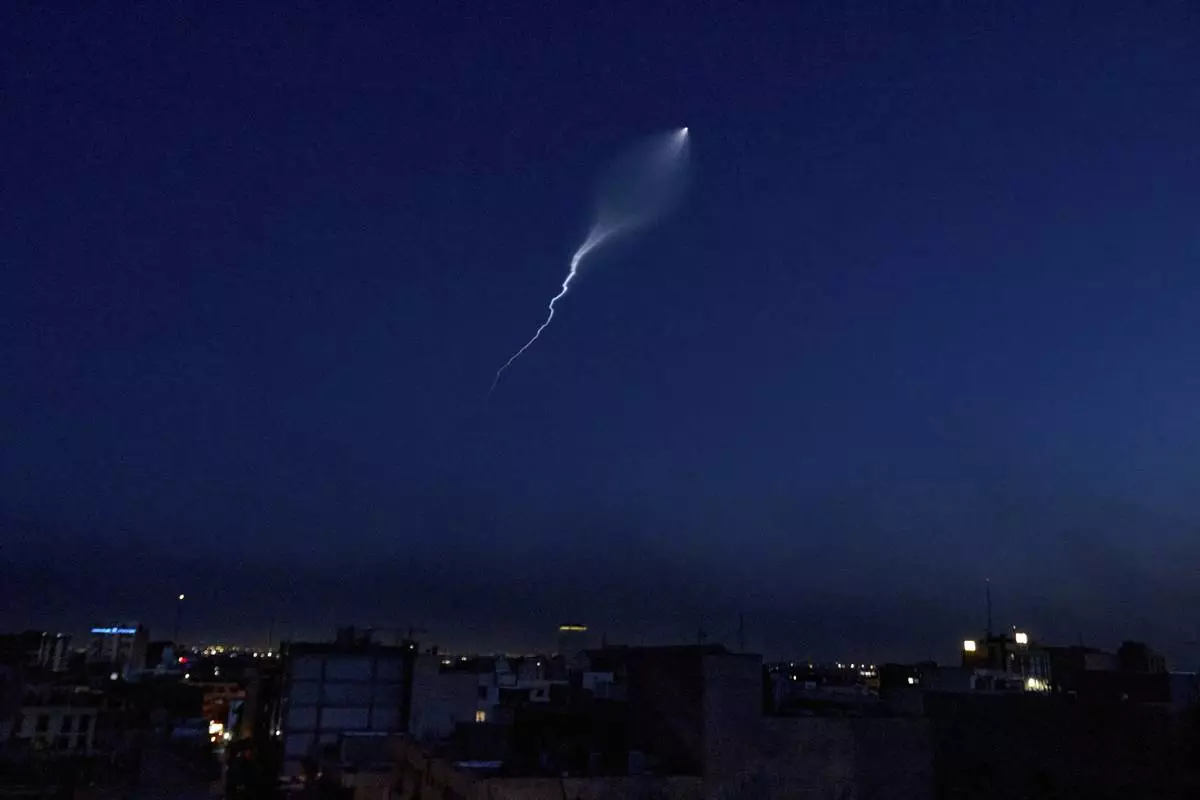
The trail of a missile launched by Iran is visible across the sky in Tehran, Iran, Wednesday, June 18, 2025. Most of the city's lights were off, some areas had been evacuated, and others remained dark intentionally. (AP Photo)
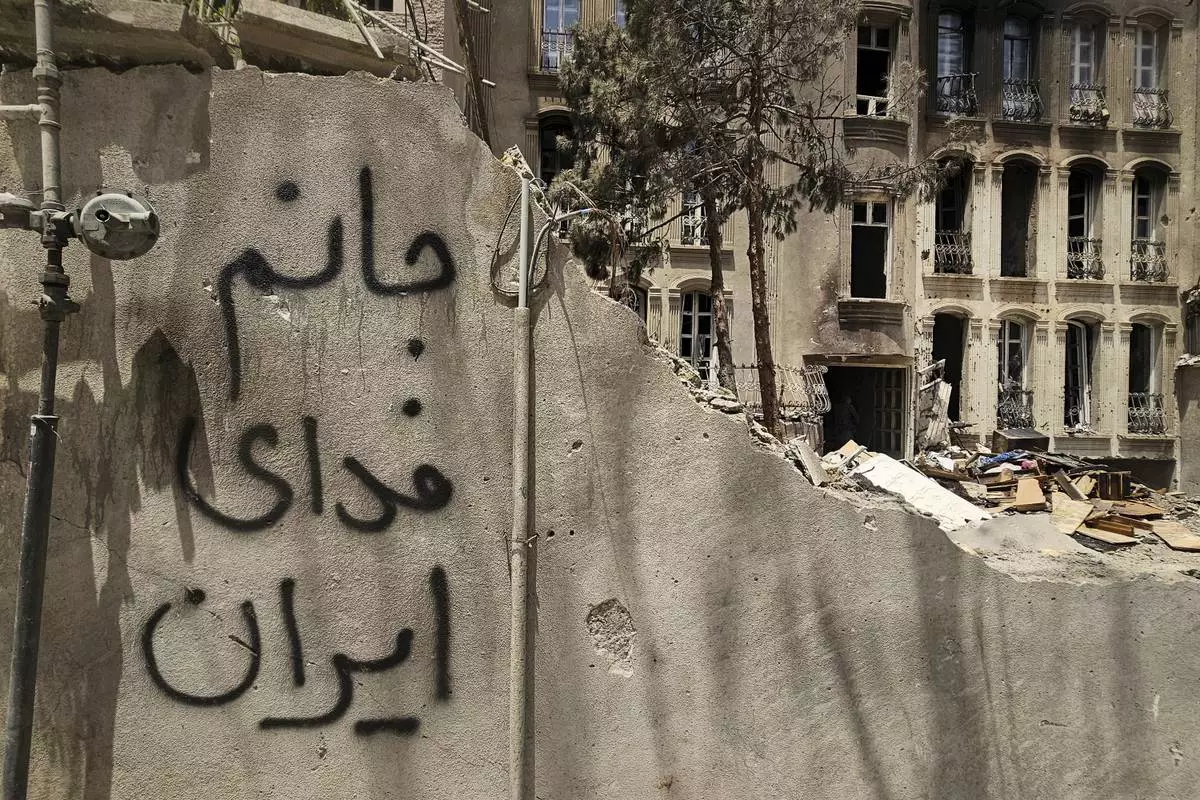
The phrase "My life for Iran" is spray-painted on the outer wall of a residential building heavily damaged by a missile strike in Tehran, Iran, Friday, June 27, 2025. (AP Photo)
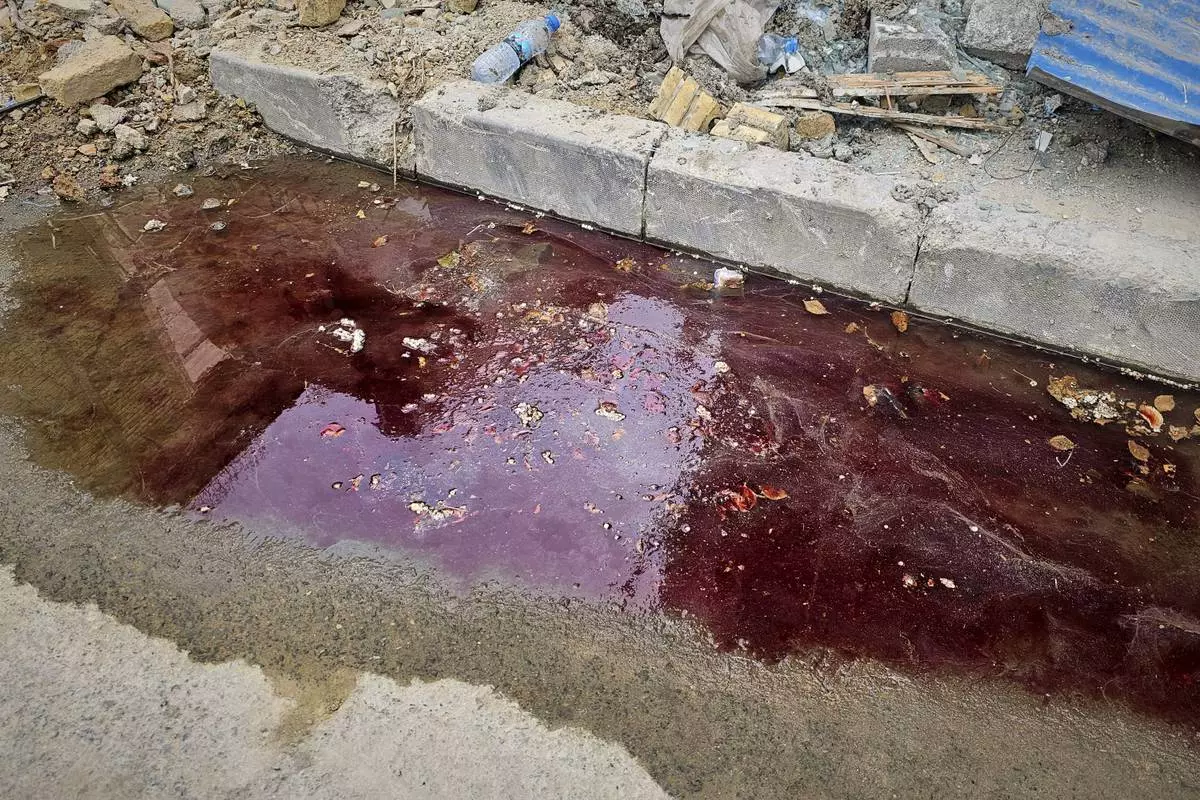
Blood at the site of an Israeli strike stains the roadside two days later in Tehran, Iran, Friday, June 27, 2025. (AP Photo)
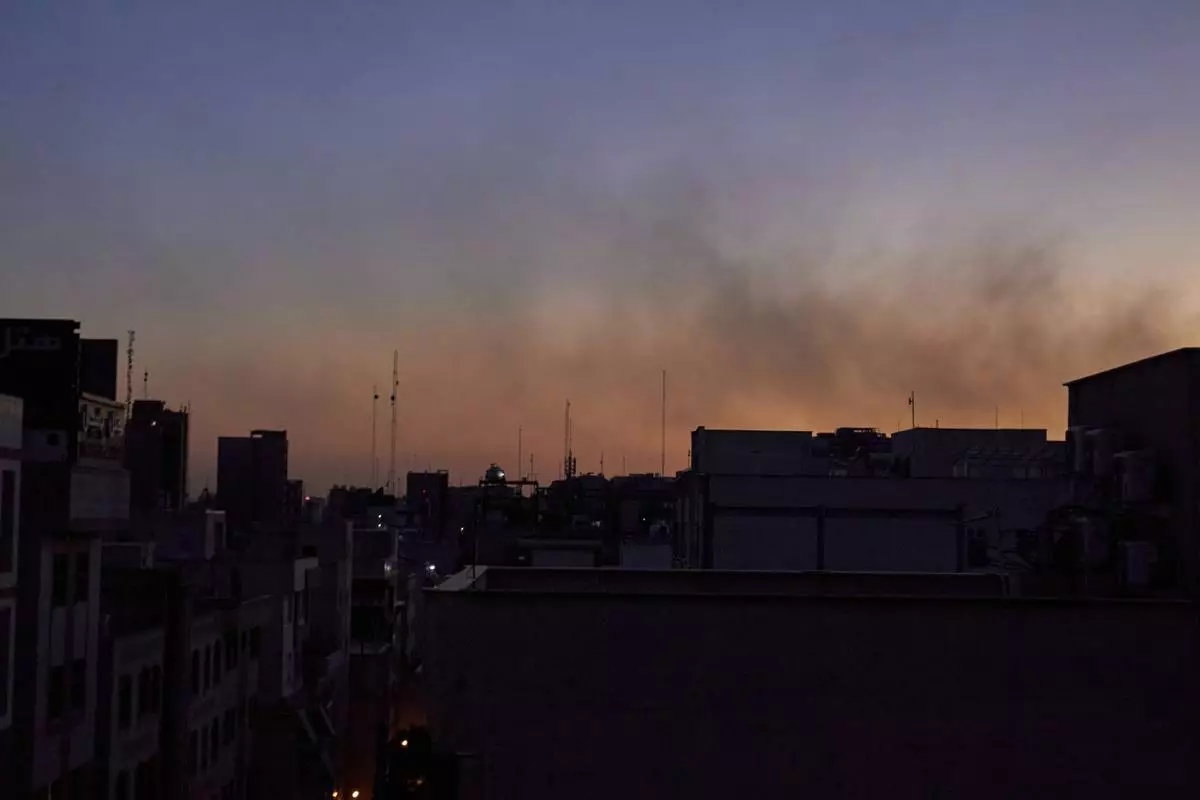
Smoke from earlier strikes hangs in the air at dusk during in Tehran, Iran, Wednesday, June 18, 2025. Many residents had evacuated, and those who stayed kept their homes and streetlights dim as a precaution. (AP Photo)
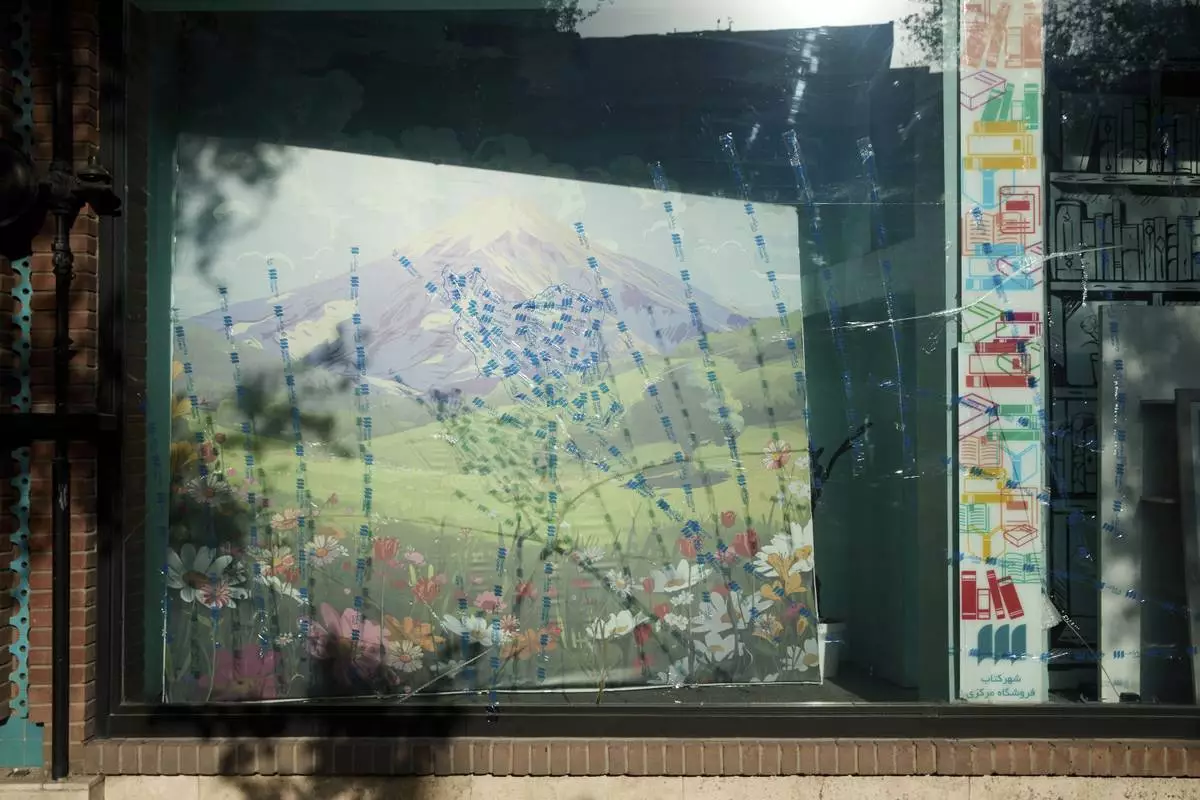
TThe front window of a well-known bookstore cracked after an explosion hit a nearby military site just behind the shop, in Tehran, Iran, Tuesday, June 24, 2025. Staff taped the glass to prevent further damage, creating the outline of Iran over a mural of Mount Damavand, a national symbol of resilience. (AP Photo)
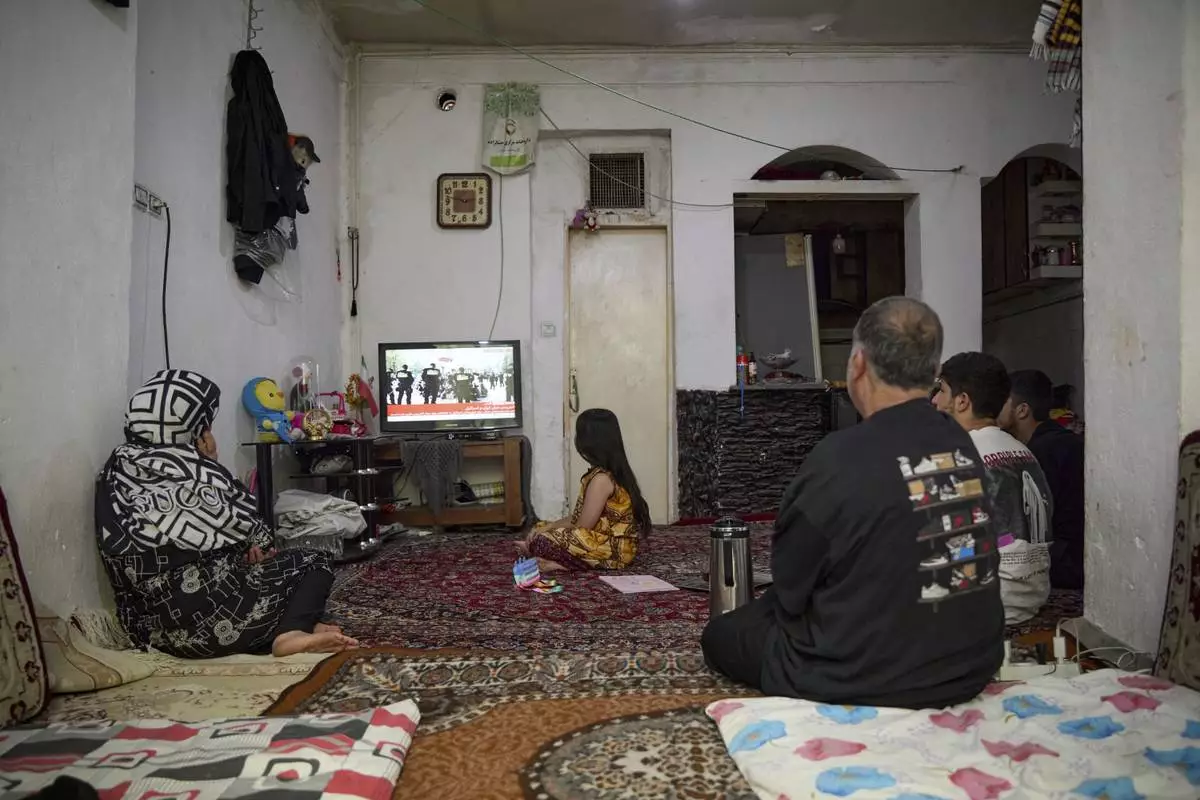
Nine-year-old Afghan girl Sara and her family watch the news about the ceasefire in silence in Tehran, Iran, Wednesday, June 25, 2025. They fled to Iran four years ago and now rarely leave the house, fearing arrest and deportation. (AP Photo)
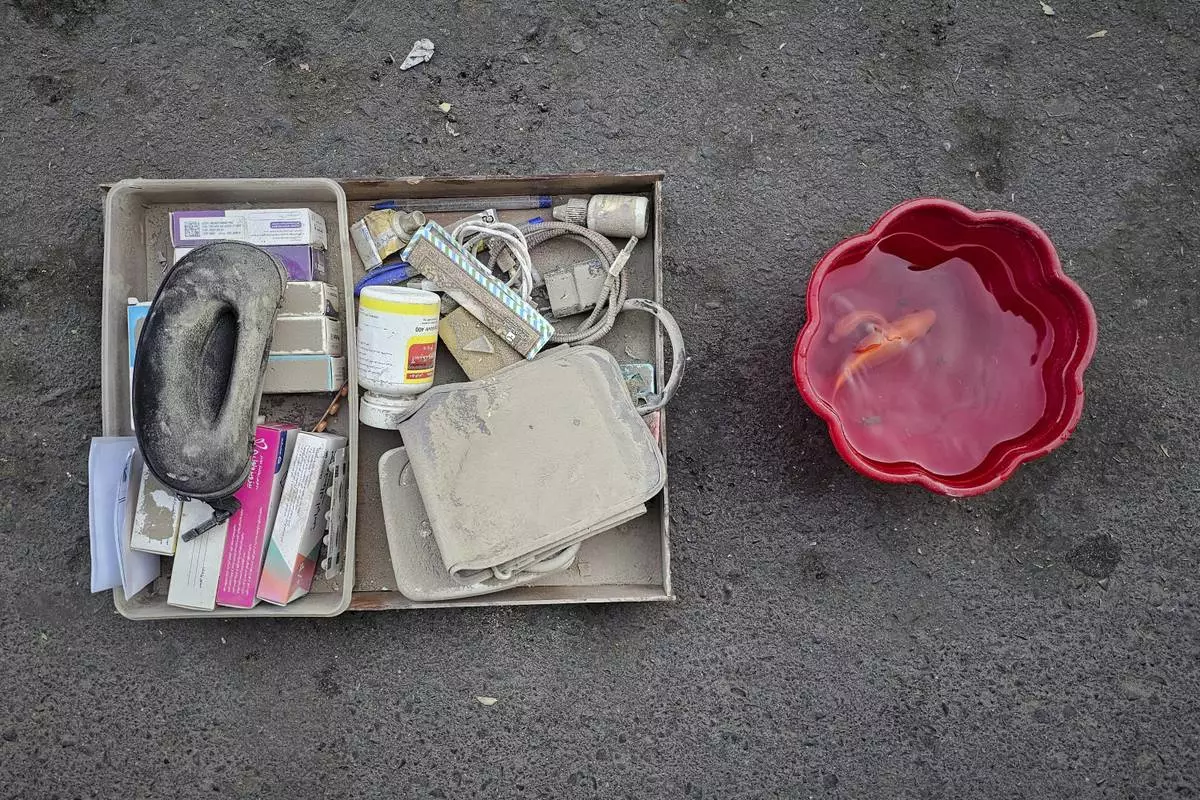
A goldfish was rescued alive from the rubble after one of the heaviest blasts on the final night of the war, in Tehran, Iran, Tuesday, June 24, 2025, Several residential buildings were destroyed, and one family managed to recover only the father's medication, a pair of his shoes, and this goldfish from the debris. (AP Photo)
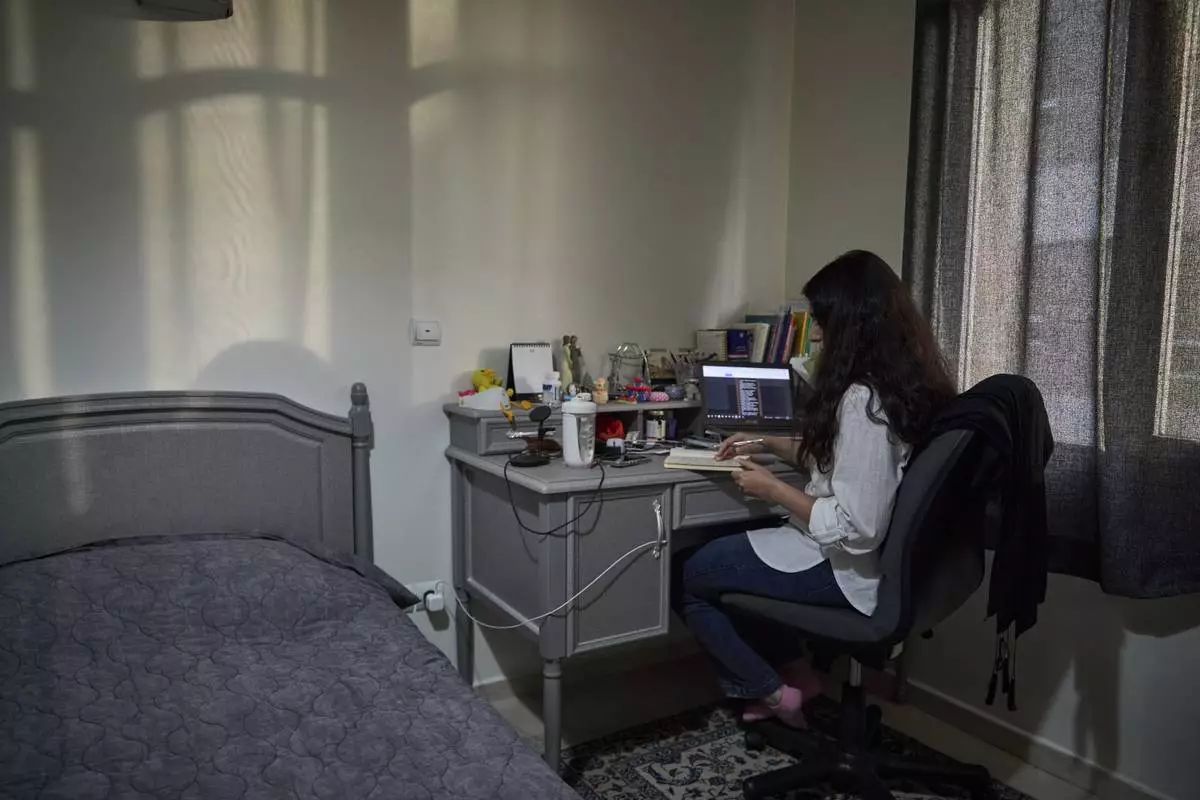
Mastaneh submits an exam online from her home in Tehran, Iran, where she lives with her mother, Maryam, Wednesday, June 25, 2025. She hadn't returned to campus since the start of the 12-day war between Iran and Israel.(AP Photo)
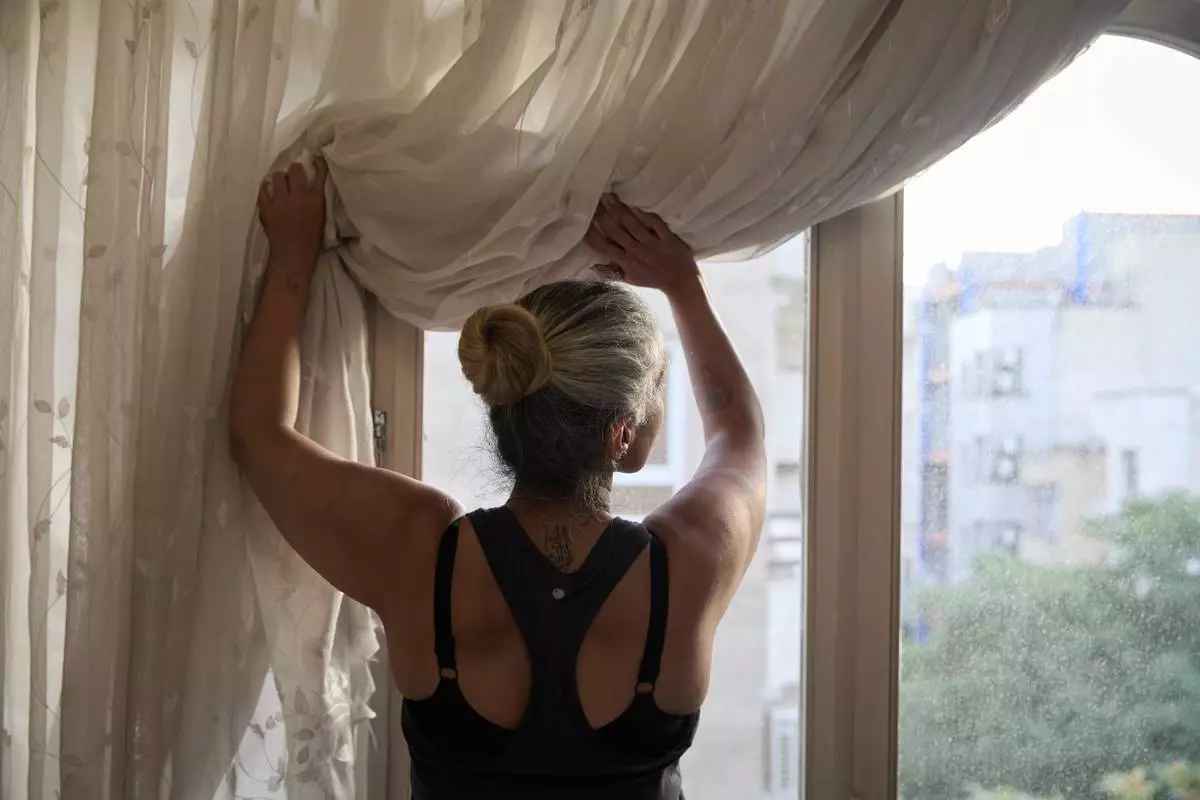
Maryam, who has the word "Iran" tattooed on the back of her neck, looks out the window of her home in Tehran, Iran, Wednesday, June 25, 2025. She lives alone with her daughter, Mastaneh, just a few blocks from the site of a key explosion during the war.(AP Photo)
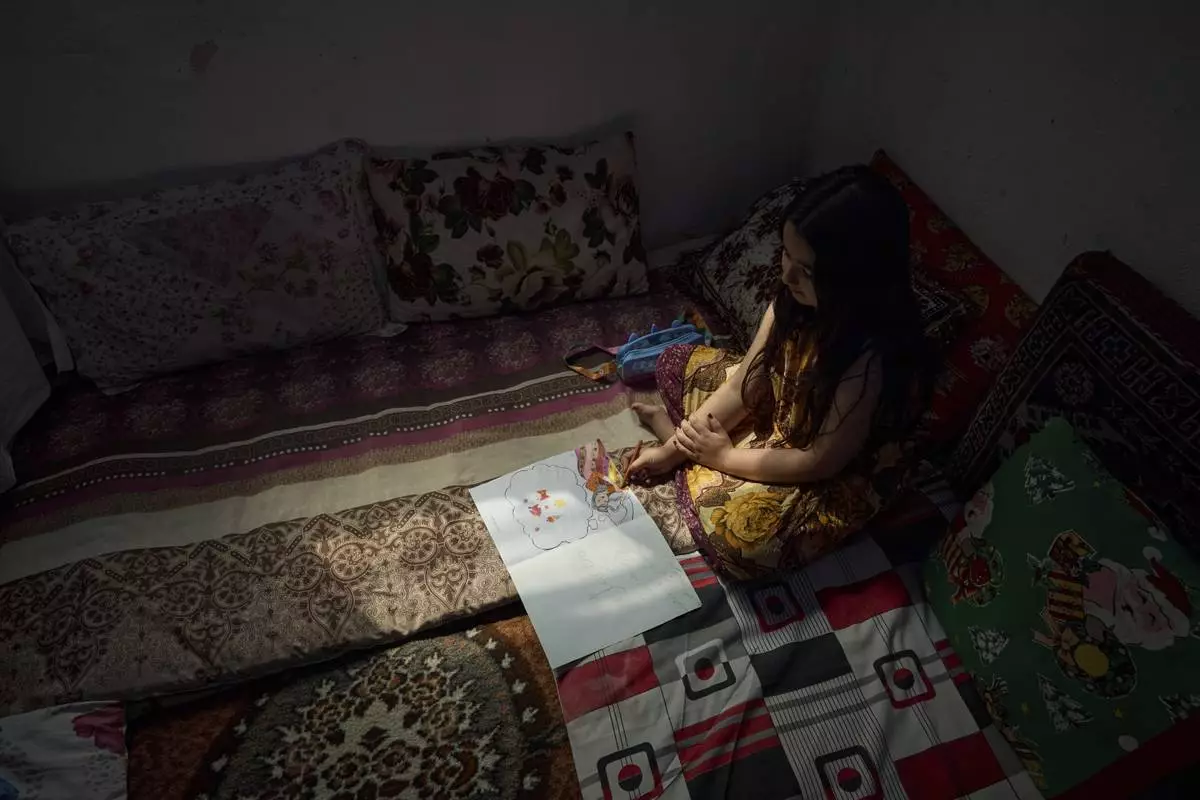
Nine-year-old Afghan girl Sara, whose family fled to Iran four years ago, draws in her room in Tehran, Iran, Wednesday, June 25, 2025, during the ceasefire after 12 days of Israeli bombardment. (AP Photo)