Senegalese Prime Minister Ousmane Sonko expressed his confidence in Africa's potential for scientific breakthroughs and advocated for increased China-Africa cooperation in technology, in an interview with China Media Group (CMG) released on Friday.
During his official visit to China for the first time as Senegalese Prime Minister, he visited Hangzhou, Tianjin and Beijing, where he engaged with companies across various sectors, including the digital economy, technological innovation, new energy, and smart logistics.
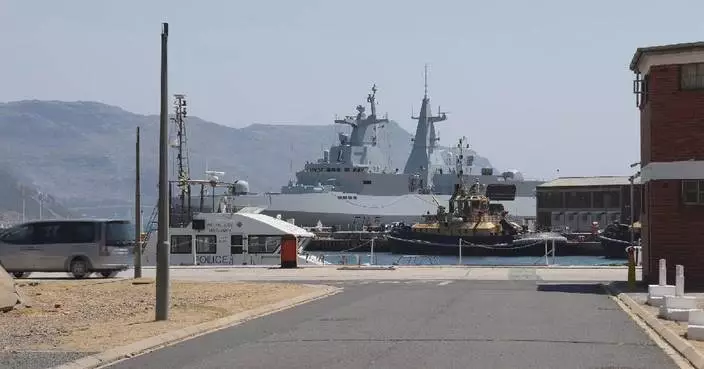
His visit also included productive discussions with authorities at the Port of Tianjin, one of the world's most modernized ports.
Inspired by Tianjin's advancement, Sonko discussed Senegal's ongoing port development projects and expressed his ambition to make Senegal a strategic gateway for China in West Africa, and potentially across the African continent.
"China is an important partner. Chinese investors are highly dynamic and entrepreneurial. We met with many Chinese business representatives who showed interest in various sectors of our economy, often bringing visionary ideas and innovative financing models. The cooperation intentions consolidated during this round of discussions are extensive and represent a positive and encouraging outcome for Senegal. We have also established a partnership with the city of Tianjin. During our visit, we held discussions with the Tianjin Port authorities. Tianjin Port is one of the most modernized ports in the world and the first to be fully automated. In Dakar, we are currently developing three ports: one existing major port, the Port of Dakar, and two others now under construction. In addition, we plan to launch a new port project in the southern region of the country. We had very inspiring discussions with the local authorities of Tianjin, which gave us some new ideas. Our goal is to make Senegal a leading partner and a strategic gateway for China in West Africa—and potentially across the entire African continent—through this partnership," he said.
Songko was also impressed by China's high-tech development, which strengthened his confidence in the future of Africa, and actively advocated China-Africa cooperation in this field.
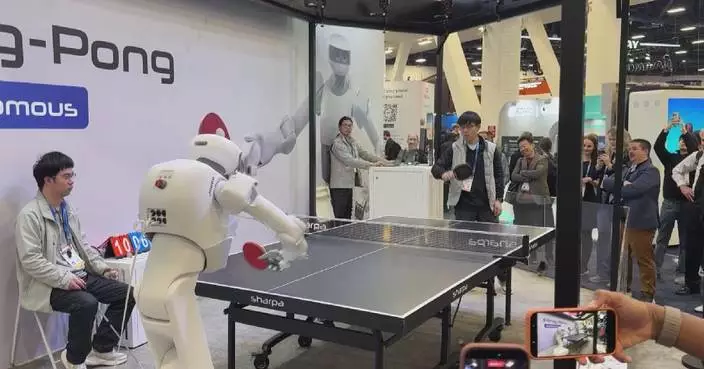
"It was a tremendous privilege to visit the company, experience it firsthand, and witness the real-world applications of artificial intelligence. This is an inspiring and exhilarating moment that reaffirms our belief in the immense potential this field holds. Congratulations to China, to its inventors, and to its scientific community. But our sense of amazement goes even further. As someone who deeply believes in Africa, I am confident that the continent has the potential to achieve major breakthroughs in this field as well. Despite limited resources, we have many young and promising professionals who are already accomplishing remarkable things in artificial intelligence. We hope that future China–Africa cooperation will also focus on this direction. Once again, we extend our heartfelt congratulations to China for what it has accomplished. China's development is a source of inspiration for the entire Global South," he said.
Sonko further praised China's ability to adapt technological advancements to its national realities while preserving its cultural identity.
"China's level of development is truly impressive. I don't say this merely as someone from a less developed country. Even for nations that are global leaders in technology, what China is achieving today in transportation, artificial intelligence, digital technology and telecommunications is remarkable. What is even more commendable, in my view, is China's ability to adapt these advancements to its own national realities, while preserving its cultural identity and core values. This offers valuable lessons for the rest of the world, especially for Africa," he said.
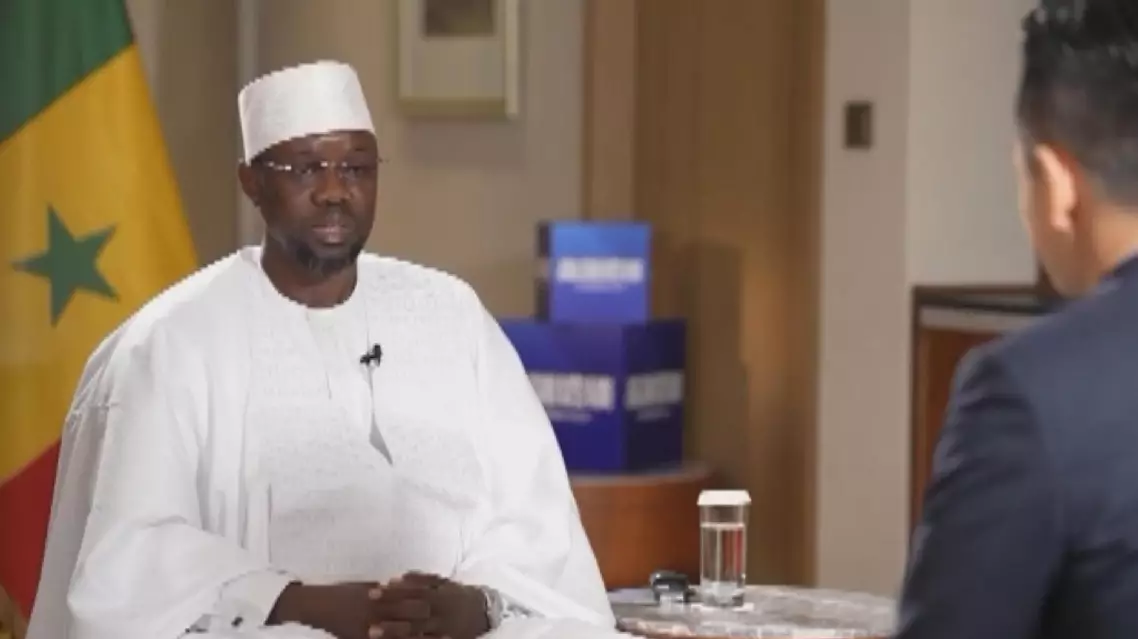
Sonko hopes to strengthen China-Africa cooperation in technology
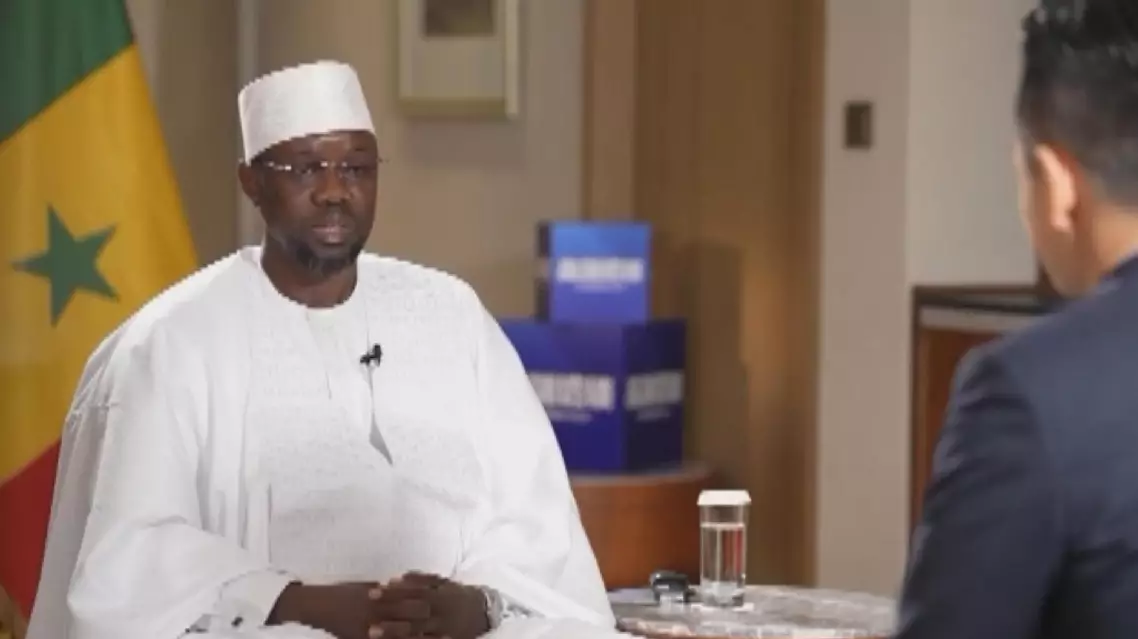
Sonko hopes to strengthen China-Africa cooperation in technology
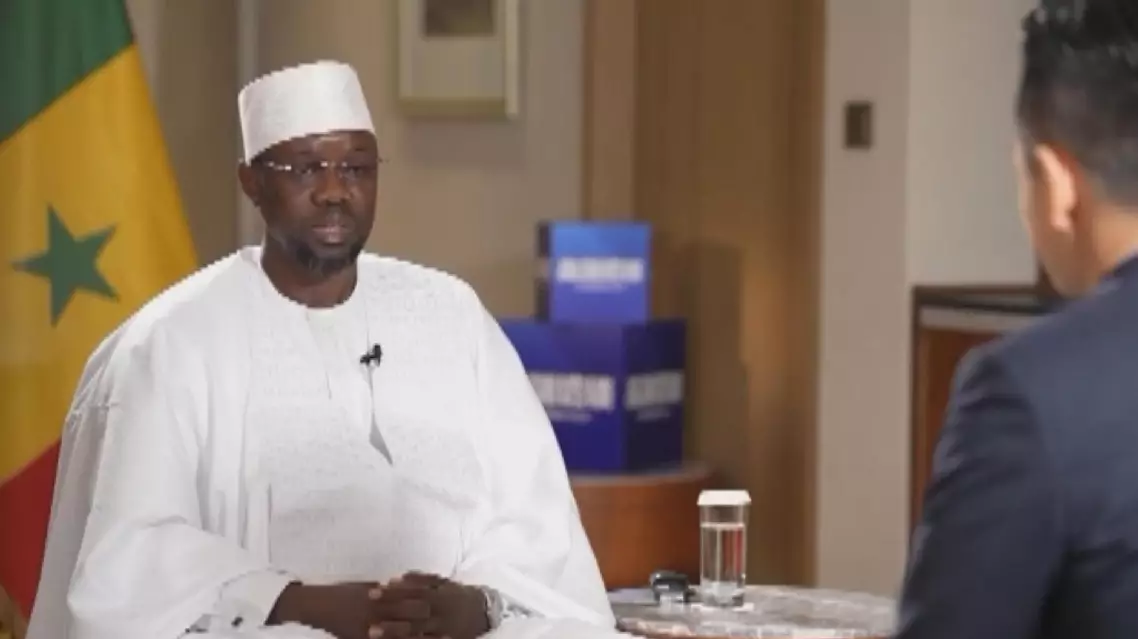
Sonko hopes to strengthen China-Africa cooperation in technology