The northwestern province of Qinghai has deployed teams of mounted police to ensure a safe annual migration of local herders and their livestock.
From late June to mid-July, Qinghai is in the midst of its summer migration season. The mounted police in Haibei Tibetan Autonomous Prefecture begin their work at dawn each day, serving as a dedicated team for pasture protection. One of their recent missions was to escort herders moving their cattle and sheep from the Jinyintan Grassland to summer grazing lands.
"Today our escort distance is 20 kilometers. The herders need to drive their cattle and sheep to their summer pastures. We mounted police unit organized a six-person team to help maintain road order and make sure they can complete the migration safely," said Dorje Yantsen, one of the mounted police escorts.
Although the migrating distance seems modest at 20 kilometers, the large numbers of cattle and sheep, combined with the migration route running alongside the busy National Highway 315, make it a challenging task. The animals sometimes stray onto the highway, creating major safety concerns.
"There is heavy traffic on the national highway, and the road conditions are complicated, creating traffic hazards. Generally, we would learn the herders' migration schedule in advance, then set up temporary checkpoints and enforce speed limits to help get their livestock safely to the new pastures," said Qian Rui, another team member.
On Highway 315, heavy trucks thunder by frequently, sometimes scaring the cattle and sheep into a panic. The mounted police ride between the bumpy migration trail and the highway, opening up safe corridors. Slippery meadows at road crossings can also lead to horses and riders falling.
"We have to keep the herd steady while constantly monitoring the road conditions and coordinating with teammates to guide them. Sometimes we stumble, but we must get up and keep going. The safety of the herders and their livestocks always comes first," said Zhang Shujuan, one of the few female mounted police.
Beyond the rough roads, the highland weather changes rapidly, with sudden downpours a frequent problem.
The 20-kilometer journey took them a whole day's ride, which is only part of their daily missions. So far this summer migration season, the team has completed 12 pasture protection missions along National Highway 315, safeguarding over 5,000 cattle and sheep.
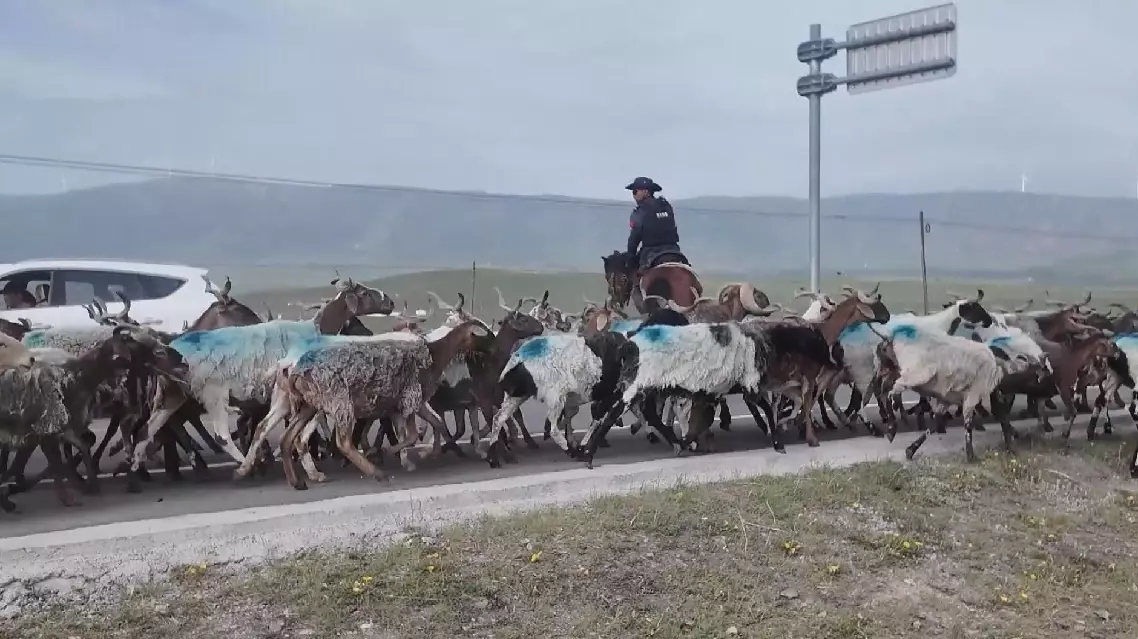
Qinghai deploys mounted police to ensure safe summer migration of livestocks
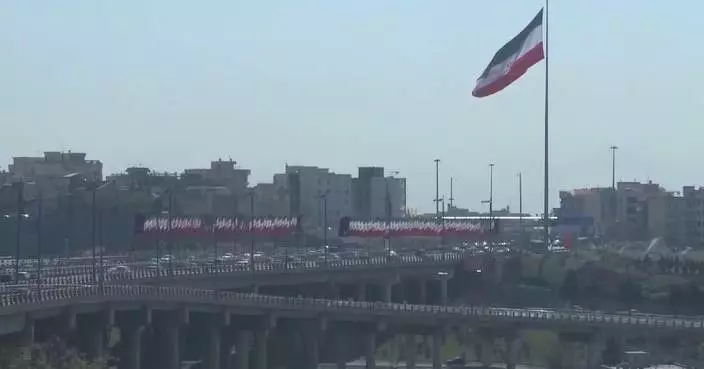
The Iranian government is focusing on public concerns and maintaining stable supplies of essential goods amid recent protests, Iranian President Masoud Pezeshkian said in a televised interview on Sunday.
In the city of Karaj, northwest of the capital Tehran, daily life has largely continued as normal. A video filmed by a local resident on Sunday shows food stores open and grocery shelves fully stocked.
"This is the block near my home, and there are some food stores here. Daily life continues here. Last night we did not see many protests in Karaj. Right now the city is very safe. This is a grocery store close to my home. All the food is available; nothing is in shortage. Here are noodles and different types of beans. Here are dairy products, cheese, and yogurt. I also checked other grocery stores and didn't see any shortages. Everything is available," said local resident Ali Reza.
Iranian officials have described recent disturbances as acts orchestrated by the "enemy," including some carried out by well-trained and armed "terrorists." The incidents have caused casualties among security personnel and civilians, as well as property damage.
The Secretary of Iran's Supreme National Security Council Ali Larijani has directed authorities to severely punish the "terrorists."
Meanwhile, Iran's police chief Ahmad-Reza Radan said on Sunday that the police had raised alert levels and arrested several leaders of the troublemakers during the operations on Saturday.
President Pezeshkian noted in the interview that the normal demands of the Iranian people are reasonable and justified, but they must realize that triggering riots and carrying out terrorist acts are the enemy's attempts to undermine the country. He urged the public to remain vigilant.
Also on Sunday, Iranian Parliament Speaker Mohammad Baqer Qalibaf warned that Tehran would regard U.S. and Israeli bases and facilities in the Middle East as "legitimate targets" if Washington takes military action against Iran. His remarks followed media reports saying U.S. President Donald Trump is "seriously considering authorizing a strike" against Iran.
Iranian state media reported that at least 109 members of Iran's security forces have been killed in clashes since the protests began 14 days ago. Meanwhile, human rights groups based outside the country said the number of protesters killed has exceeded 200, though the figure could not be independently verified.
The protests initially erupted over a sharp depreciation of the rial and sweeping subsidy reforms. Iranian authorities have blamed the unrest on foreign-linked agents and sanctions imposed by the United States.
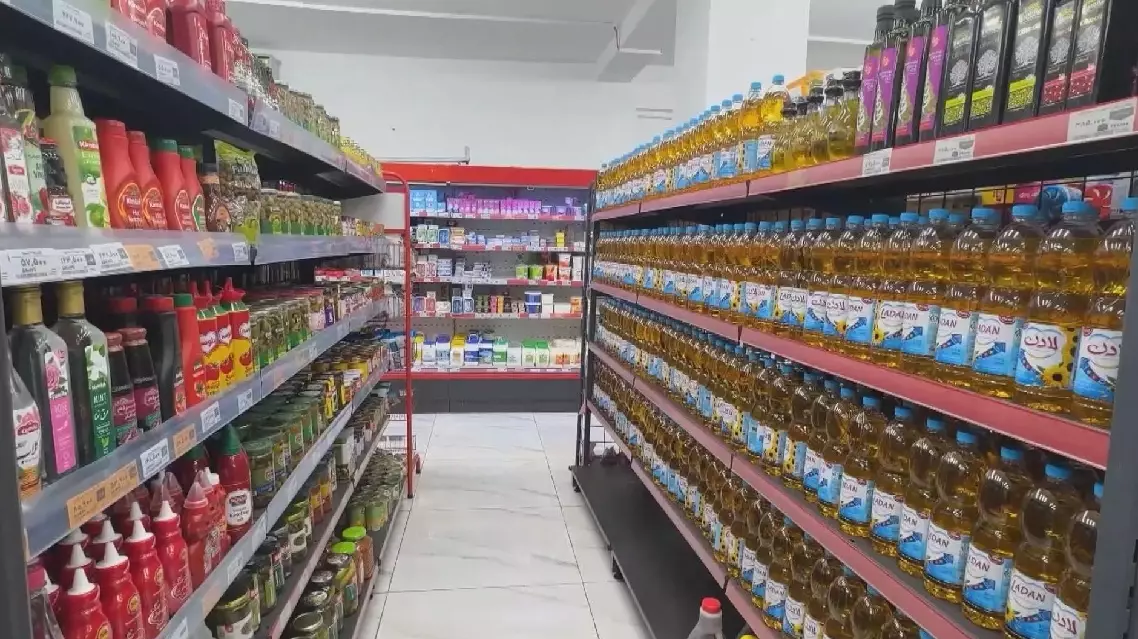
Iranian president says government focusing on ensuring supplies amid protests