China's inland waterway freight volume exceeded two billion tons in the first five months this year, a year-on-year increase of around four percent, data from the Ministry of Transport shows.
As inland water transport serves as a vital corridor connecting different parts of China, China has been accelerating the construction of inland waterway routes since the beginning of this year.
At the Jingjiang section of the mainstream of the Yangtze River, the longest waterway in China, underwater operations are underway as part of a channel improvement project. The Jingjiang section accounts for only one-eighth of the Yangtze River mainstream's navigable length, but its sharp bends and shallow waters often lead to congestion and limit shipping capacity.
"When the project is completed, the navigable water depth during the dry season in the Jingjiang section will increase from the current 3.5 to 3.8 meters to 4.5 meters. Vessel tonnage will also increase from 3,000 to 5,000 tonnes, greatly unleashing the waterway's potential and reducing the logistics costs of Yangtze River shipping," said Liu Xiaoying, an official from Yangtze Yichang Waterway Engineering Bureau.
For every 0.1-meter increase in this navigable depth, a 5,000-tonne cargo vessel is expected to carry about an additional 150 tons of goods, which will boost profit margins by around 12 percent.
China will increase the mileage of newly upgraded waterways by 900 kilometers by the end of this year, as key projects on the Yangtze River, Xijiang River, and the Beijing-Hangzhou Grand Canal are accelerating their progress.
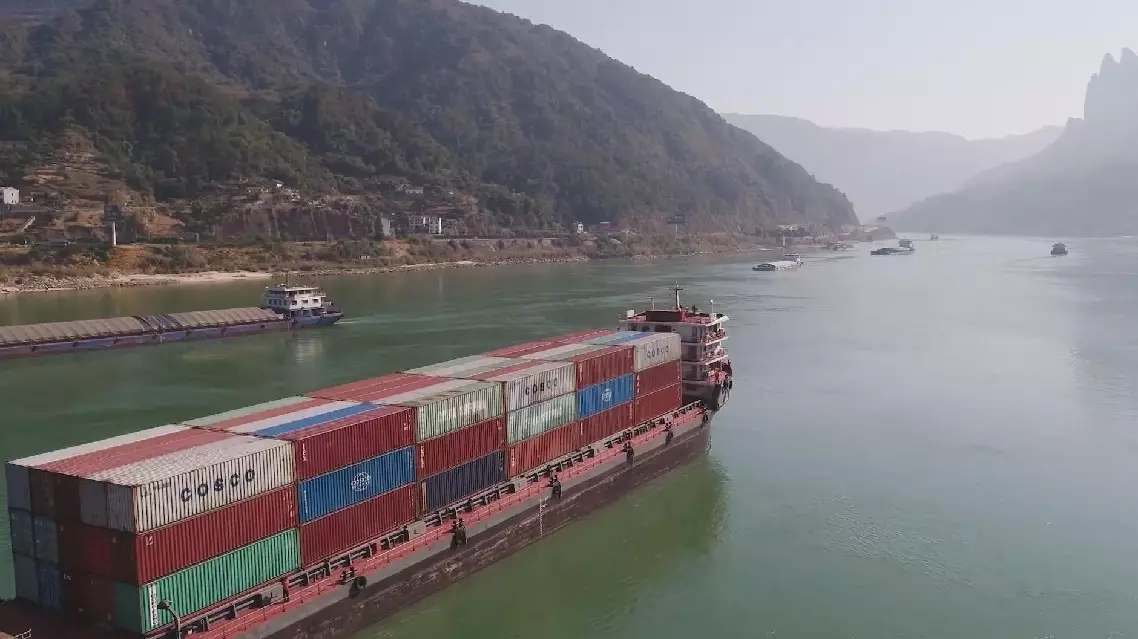
China's inland waterway freight volume hits over 2 bln tons in first 5 months of 2025
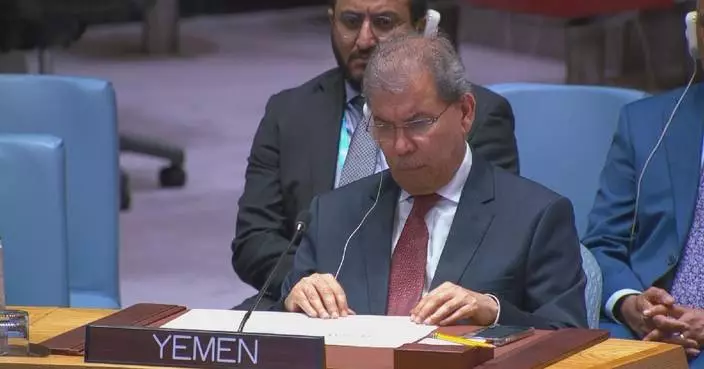
The UN Security Council on Friday adopted a resolution on the technical rollover of sanctions against Sudan in relation to the Darfur region.
Resolution 2828, adopted unanimously by the 15-member council, extends the sanctions regime, including an arms embargo and targeted measures of travel ban and asset freeze, until Oct. 9, 2026.
The resolution also extends the mandate of the Panel of Experts assisting the Sudan Sanctions Committee until Nov. 9, 2026.
The technical rollover, a straightforward short-term extension of the measures, was approved to allow additional time for negotiations.
The United States, the penholder for the Sudan sanctions file, drafted Friday's resolution. In an explanation of vote after the adoption, the U.S. representative reiterated Washington's demand that the arms embargo be expanded to cover the entire territory of Sudan.
The Sudanese representative expressed opposition to the proposal, while Russia and China also opposed the U.S. position.
In his explanatory remarks, Sun Lei, China's deputy permanent representative to United Nations, noted that given the significant differences among Security Council members, this technical extension would provide more time for discussions. He said that China does not object to the extension and voted in favor.
China has repeatedly emphasized that sanctions are a means, not an end, and cannot replace diplomatic efforts. The urgent task is to focus on how to better implement existing mechanisms. Arbitrarily expanding the scope of coercive measures will only worsen Sudan's humanitarian situation, possibly fuel prospects for division, threaten regional stability, and undermine the authority of the Security Council.
China hopes that in the upcoming consultations, all parties can reach consensus as soon as possible.
"China is deeply saddened by the dire humanitarian situation in Sudan and has consistently called for all parties to the conflict to immediately cease hostilities," said Sun.
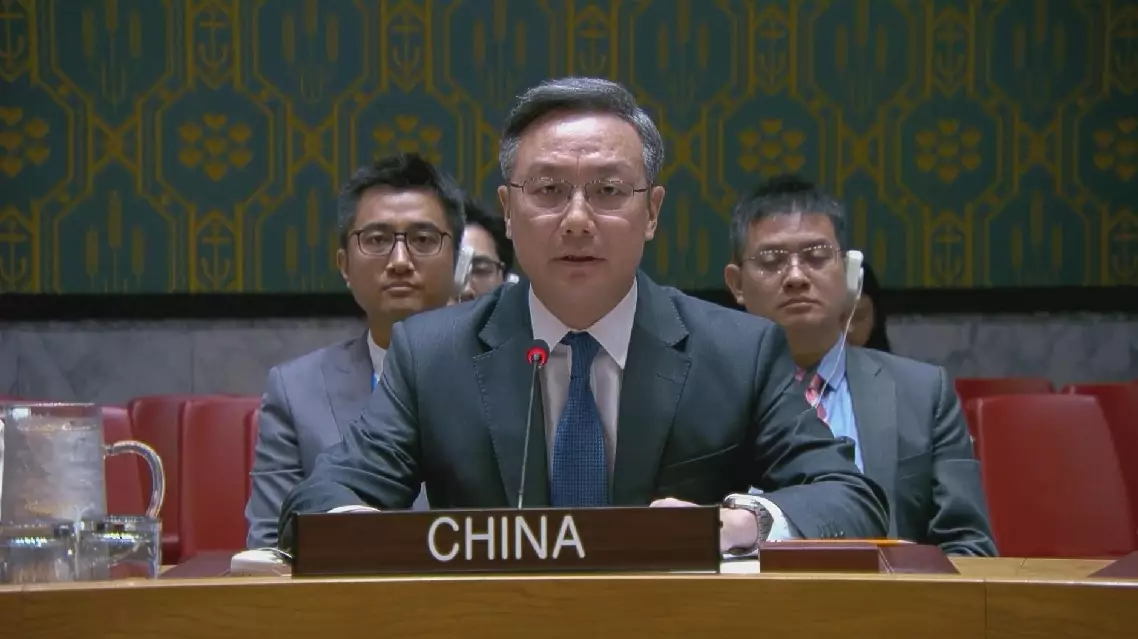
UN Security Council approves technical rollover of Sudan sanctions