DAMASCUS, Syria (AP) — Shiite pilgrims from Syria and abroad used to flock to the Sayyida Zeinab shrine outside of Damascus every year to commemorate Ashoura, a solemn day marking the 7th-century martyrdom of the Prophet Muhammad’s grandson.
In the days leading up to Ashoura, the streets would be lined with black and red mourning banners and funeral tents. On the day of the commemoration, black-clad mourners would process through the streets, while in gathering halls known as “husseiniyas,” the faithful would listen and weep as clerics recounted the death of Imam Hussein and his 72 companions in the battle of Karbala in present-day Iraq.
Click to Gallery
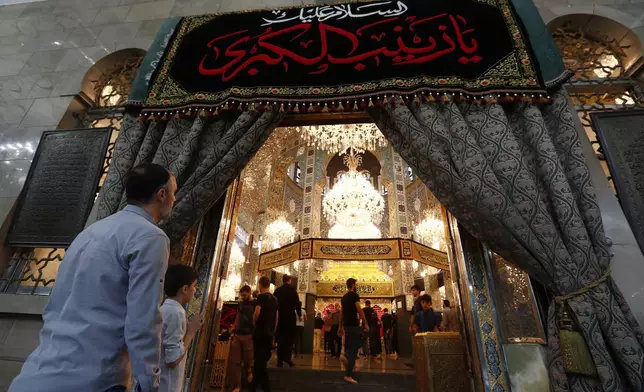
Shiite worshippers enter at the shrine of al-Sayydah Zeinab, the grand daughter of Prophet Mohammed, where they attend Ashoura ritual, south of Damascus, Syria, Thursday, July 3, 2025. (AP Photo/Omar Sanadiki)
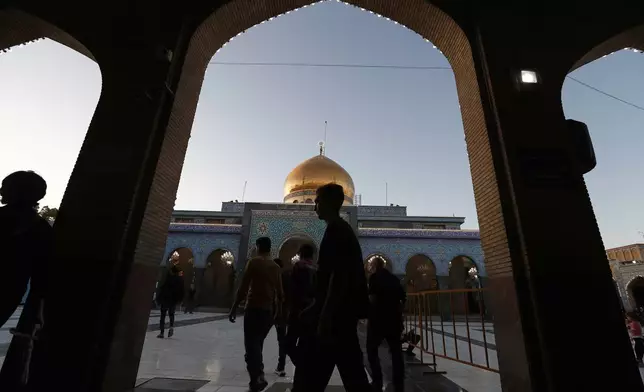
Shiite worshippers enter the shrine of al-Sayydah Zeinab, the grand daughter of Prophet Mohammed, where they attend Ashoura ritual, south of Damascus, Syria, Thursday, July 3, 2025. (AP Photo/Omar Sanadiki)
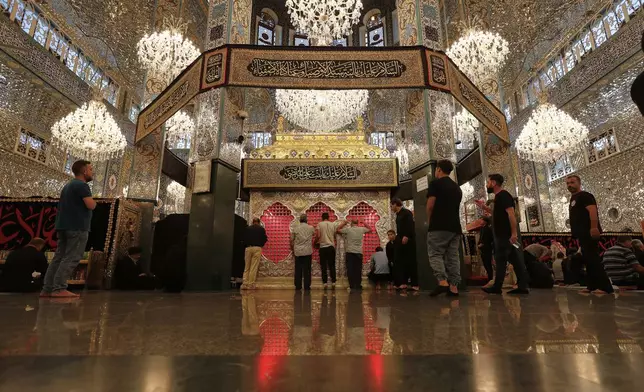
Shiite worshippers pray at the shrine of al-Sayydah Zeinab, the grand daughter of Prophet Mohammed, where they attend Ashoura ritual, south of Damascus, Syria, Thursday, July 3, 2025. (AP Photo/Omar Sanadiki)
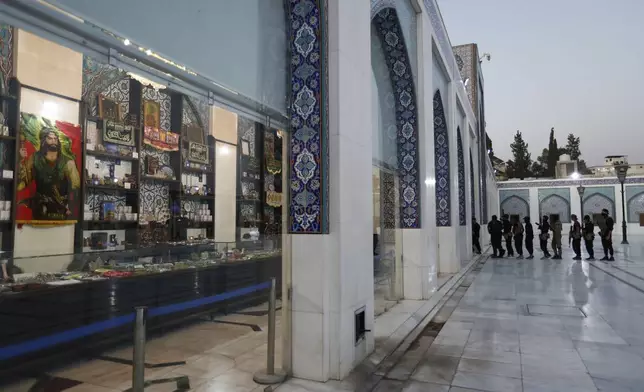
Syrian government security forces enter the shrine of al-Sayydah Zeinab, the grand daughter of Prophet Mohammed, where Shiite worshippers attend Ashoura ritual, south of Damascus, Syria, Thursday, July 3, 2025. (AP Photo/Omar Sanadiki)
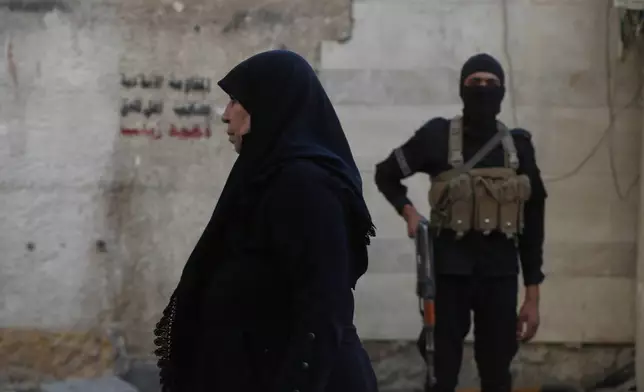
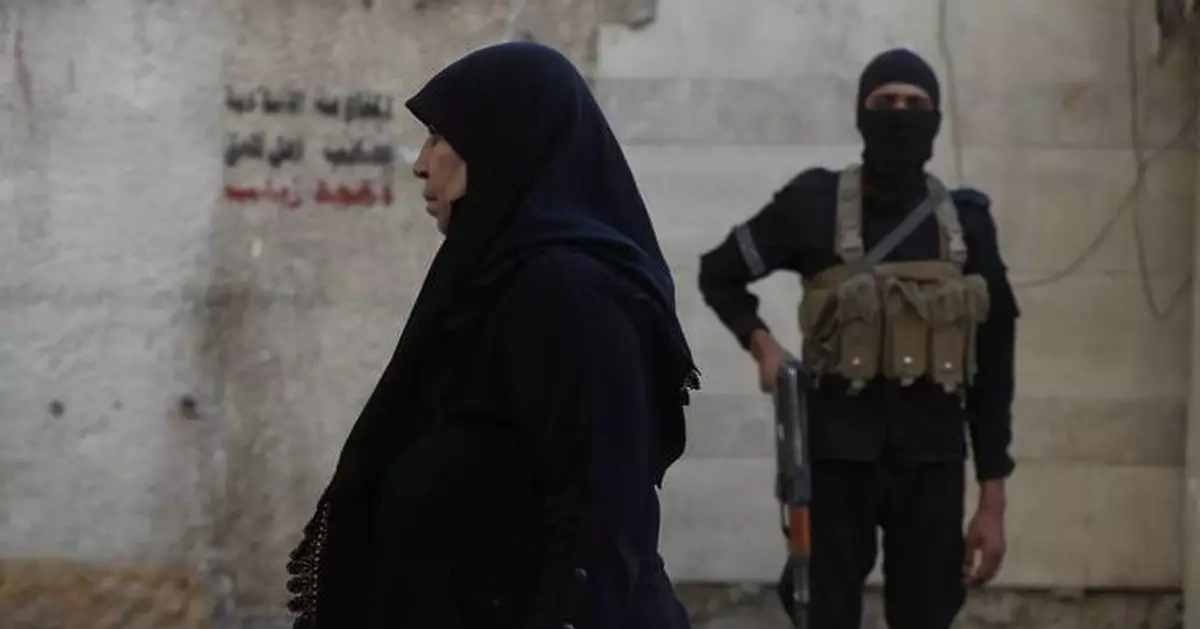
A Syrian woman walk past a Syrian government security man, outside the shrine of al-Sayydah Zeinab, the grand daughter of Prophet Mohammed, where Shiite worshippers attend Ashoura ritual, south of Damascus, Syria, Thursday, July 3, 2025. (AP Photo/Omar Sanadiki)
Protecting the shrine dedicated to Sayyida Zeinab, the Prophet Muhammad’s granddaughter and sister to Hussein, from Sunni extremists became a rallying cry for Shiite fighters during Syria’s 14-year civil war. It was often pointed to as justification for the intervention of militants from Iran, Lebanon and Iraq in the Syrian conflict in support of former President Bashar Assad.
This year, after Assad’s ouster in a lightning rebel offensive led by Sunni Islamist insurgents, the Shiite neighborhoods of Damascus were subdued. The hotels that were once brimming with religious tourists were empty. There were no banners or processions.
The faithful continued to observe their rituals inside the shrine and prayer halls, but quietly and with strict security measures.
Syrian Shiites already felt they were in a precarious position after Assad’s ouster. Their fears increased after a suicide bomber blew himself up in a church outside of Damascus last month, killing 25 people and wounding dozens more. Government officials blamed the attack on a cell of the Islamic State group and said they had thwarted plans by the same cell to attack Sayyida Zeinab.
In Damascus' Zain al Abdeed neighborhood, mourners entered gathering halls after going through a search and screening with metal detectors.
Qassem Soleiman, head of a body that coordinates between the Shiite community and the new government, said Shiite leaders had agreed with the state that they would hold their Ashoura rituals but would “cut back on certain things outside of the halls in order for no one to get hurt and for there not to be problems.”
The attack on the Mar Elias Church in Dweil’a “put us into a state of great fear and anxiety,” he said. “So we tried as much as possible to do our commemorations and rituals and ceremonies for Ashoura inside the halls.”
Jafaar Mashhadiyia, an attendant at one of the gathering halls, echoed similar fears.
“The security situation is still not stable — there are not a lot of preventive measures being taken in the streets,” he said. “The groups that are trying to carry out terrorist attacks have negative views of Shiites, so there is a fear of security incidents.”
The absence of pilgrims coming from abroad has been an economic hit to the area.
“There are no visitors,” said a hotel owner in the Sayyida Zeinab area near the shrine, who asked to be identified only by his nickname, Abu Mohammad, because of security concerns. During the lead-up to Ashoura, “the hotels should be 100% full,” he said. “The Iraqis normally fill up the area.” But this year, they didn't come.
His economic woes predate Assad’s fall. In the months before the rebel offensive in Syria, a low-level conflict between Israel and the Lebanese Shiite militant group Hezbollah escalated into a full-scale war in Lebanon. Hundreds of thousands fled from Lebanon across the border into Syria to escape the bombardment, with many of them staying in the hotels in Sayyida Zeinab at discounted rates, Abu Mohammad said.
A guard at a checkpoint in Sayyida Zeinab, who gave only his nickname, Abu Omar, in accordance with regulations, said he had seen no security issues in the area since the fall of Assad.
“There are attempts to sow discord and sectarianism by corrupt people who were with the former regime and want to play on the string of sectarianism and destroy the country and create issues between us,” he said, describing them as “individual efforts.”
Abu Omar pointed to a group of local men sitting in chairs on the sidewalk nearby smoking hookah.
“If they didn’t feel safe here next to us, next to a security checkpoint, they wouldn’t come and sit here.”
Soleiman said he hopes that next year, the foreign pilgrims will be back and Shiites will be able to openly commemorate Ashoura, with Syrians from other groups coming to see the rituals as they did in the past.
“We hope that next year things will return to how they were previously, and that is a call to the state and a call to the General Security agency and all the political figures,” he said. “We are one of the components in building this state.”
Associated Press religion coverage receives support through the AP’s collaboration with The Conversation US, with funding from Lilly Endowment Inc. The AP is solely responsible for this content.
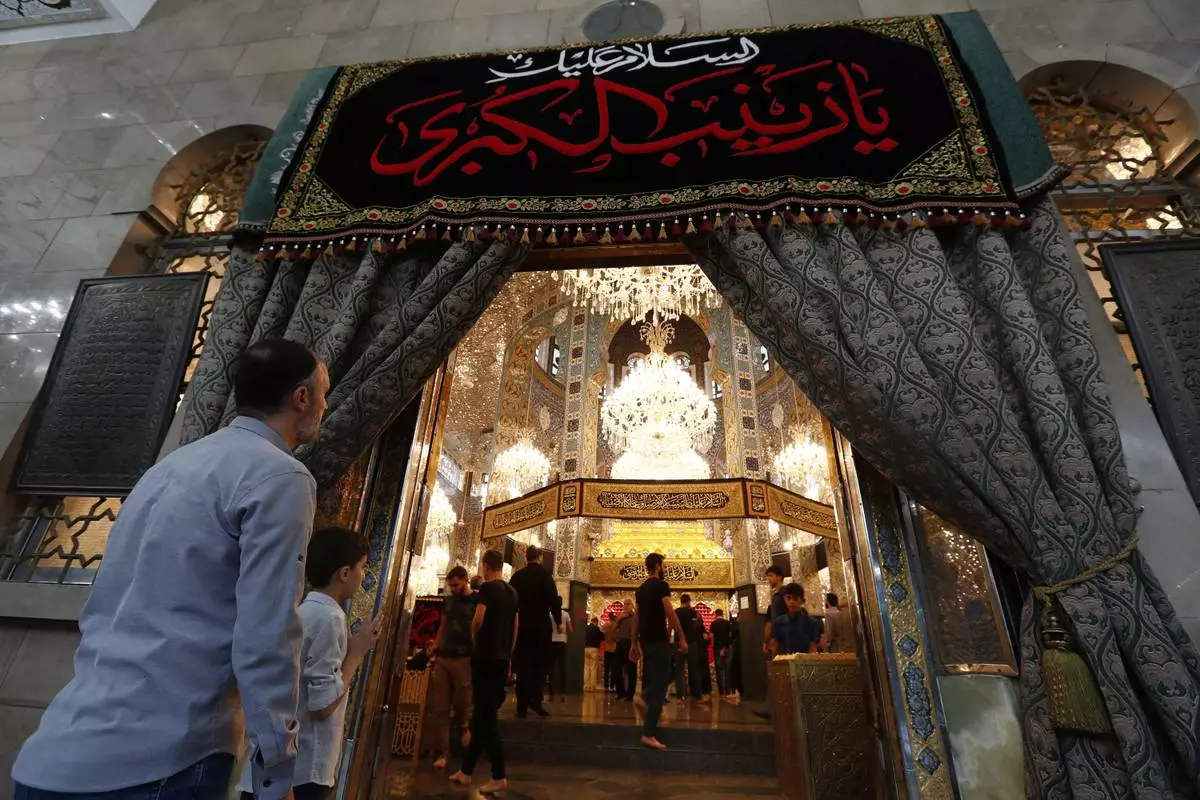
Shiite worshippers enter at the shrine of al-Sayydah Zeinab, the grand daughter of Prophet Mohammed, where they attend Ashoura ritual, south of Damascus, Syria, Thursday, July 3, 2025. (AP Photo/Omar Sanadiki)
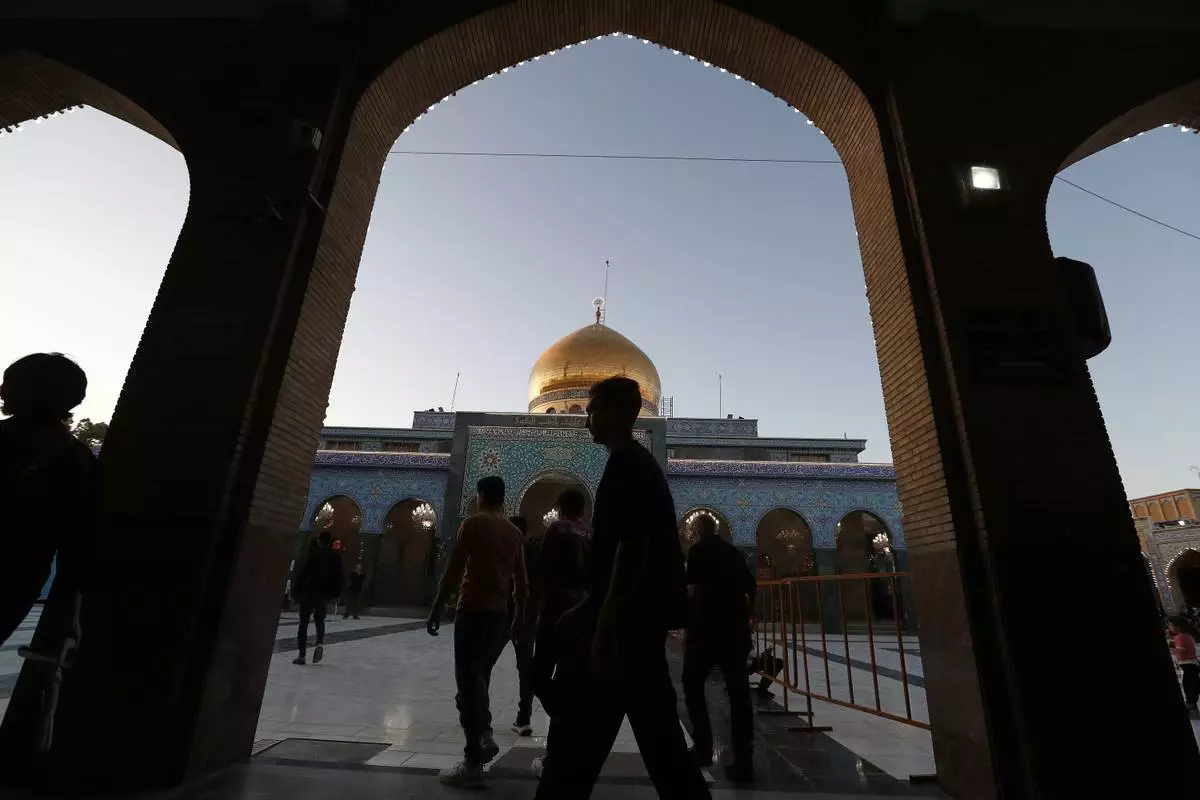
Shiite worshippers enter the shrine of al-Sayydah Zeinab, the grand daughter of Prophet Mohammed, where they attend Ashoura ritual, south of Damascus, Syria, Thursday, July 3, 2025. (AP Photo/Omar Sanadiki)
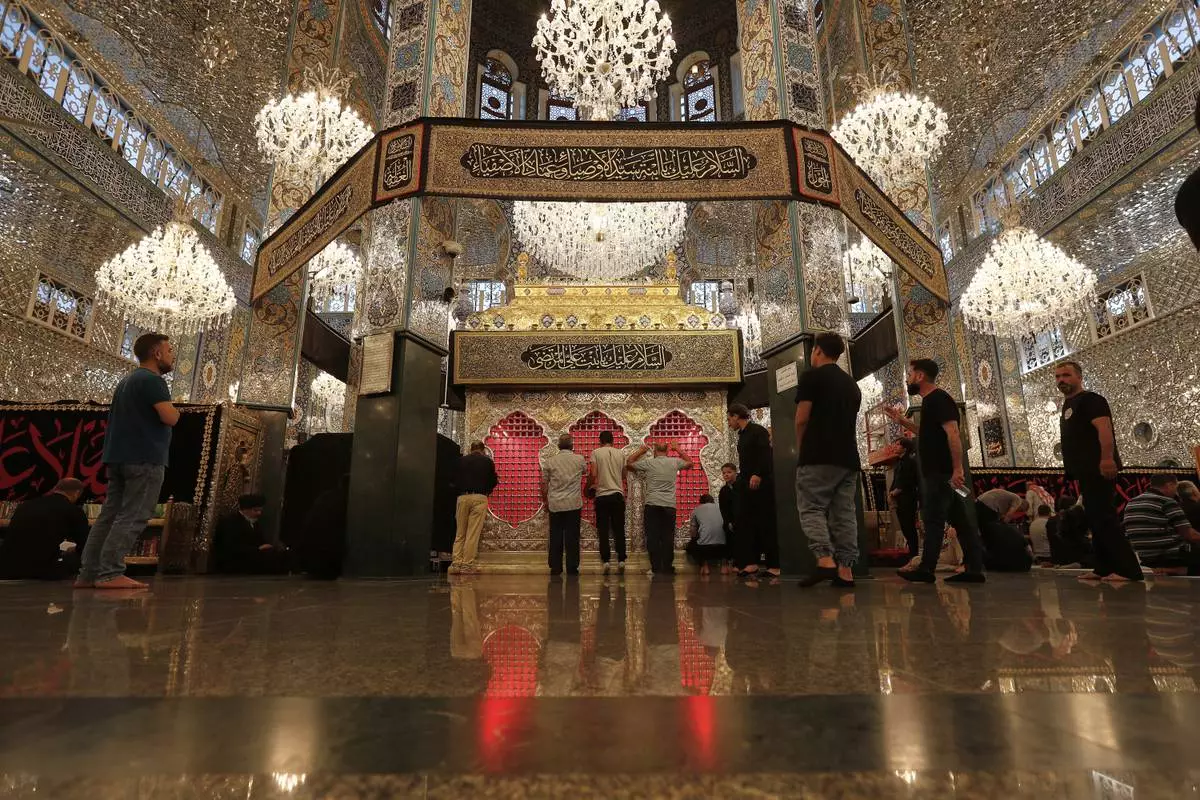
Shiite worshippers pray at the shrine of al-Sayydah Zeinab, the grand daughter of Prophet Mohammed, where they attend Ashoura ritual, south of Damascus, Syria, Thursday, July 3, 2025. (AP Photo/Omar Sanadiki)
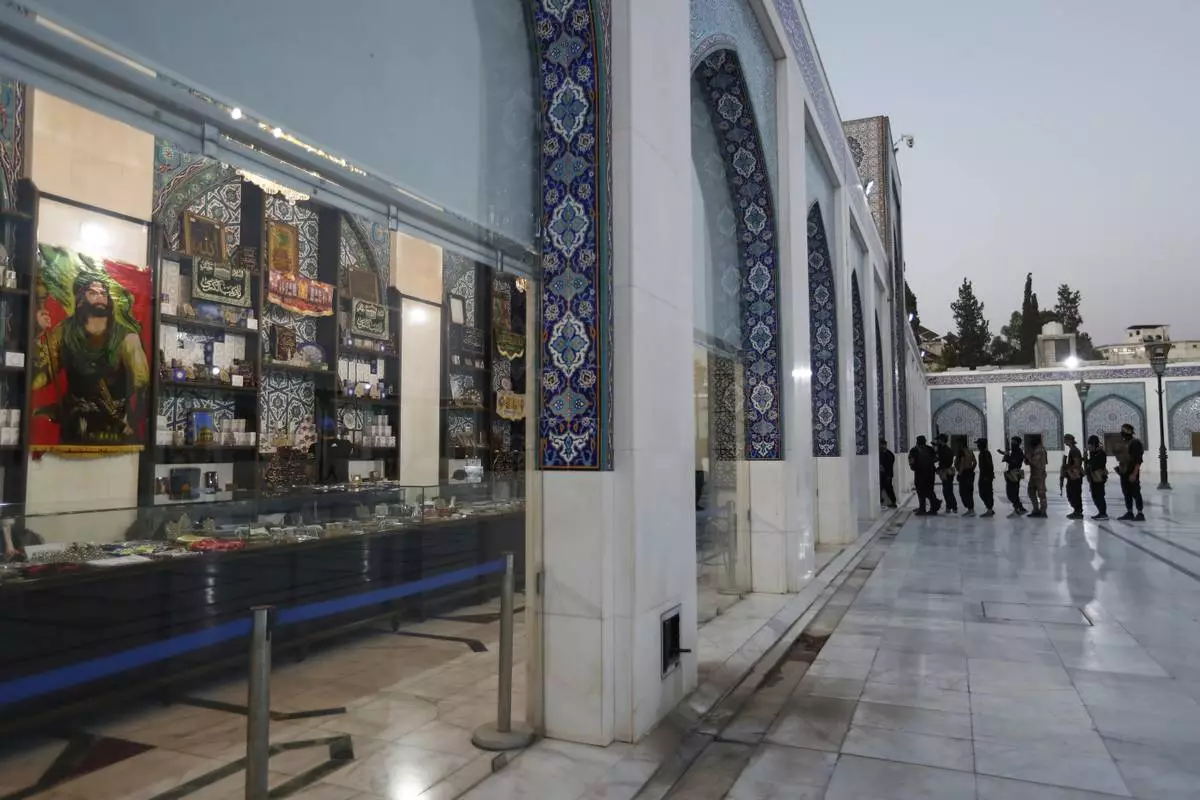
Syrian government security forces enter the shrine of al-Sayydah Zeinab, the grand daughter of Prophet Mohammed, where Shiite worshippers attend Ashoura ritual, south of Damascus, Syria, Thursday, July 3, 2025. (AP Photo/Omar Sanadiki)
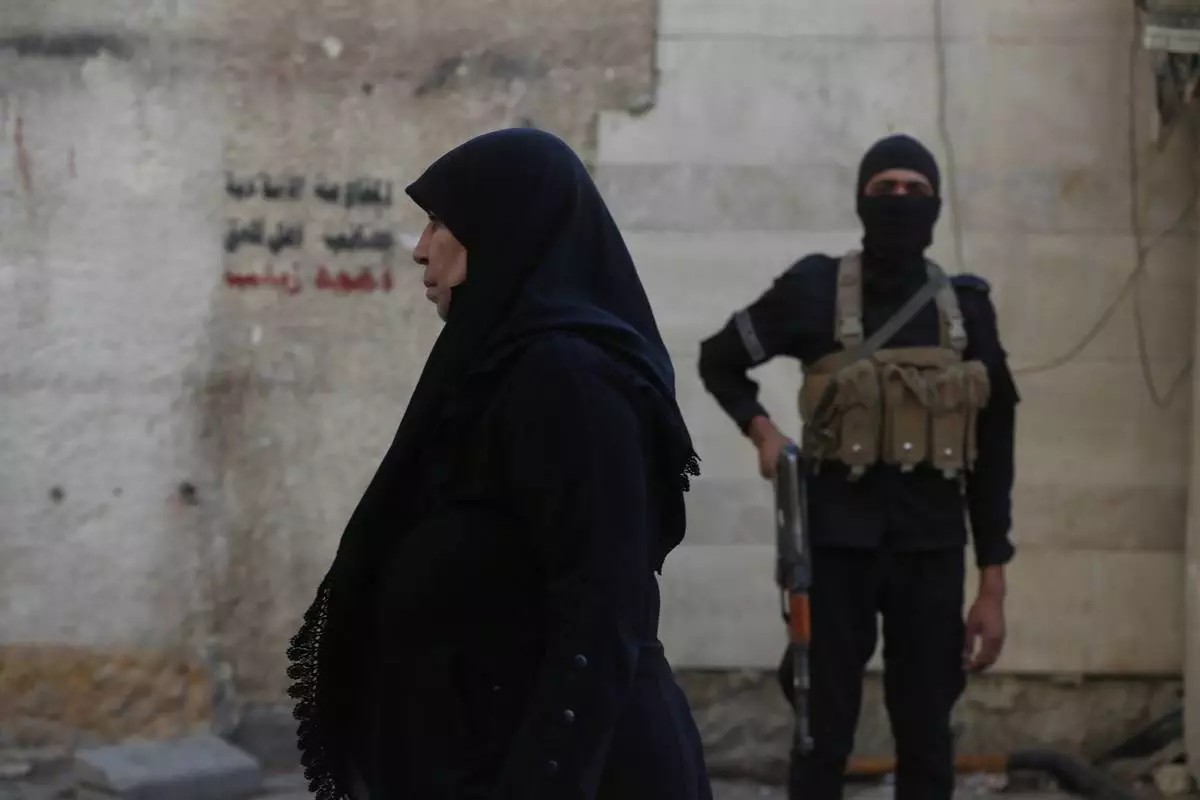
A Syrian woman walk past a Syrian government security man, outside the shrine of al-Sayydah Zeinab, the grand daughter of Prophet Mohammed, where Shiite worshippers attend Ashoura ritual, south of Damascus, Syria, Thursday, July 3, 2025. (AP Photo/Omar Sanadiki)