Delicious pineapple buns, sausage buns and wife cakes. These classic Hong Kong-style breads and pastries are typically made with lard to enhance their aroma and texture. Since pork and its derivatives are prohibited for Muslims, one local businessman worked out a creative solution.
Creative adaptations
Click to Gallery
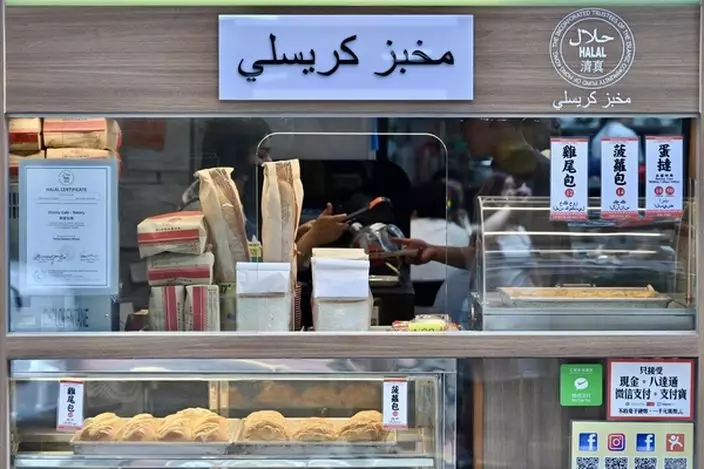
With halal certification, Muslims are enjoying Hong Kong-style breads, such as pineapple buns and egg tarts, freshly made at this bakery room.
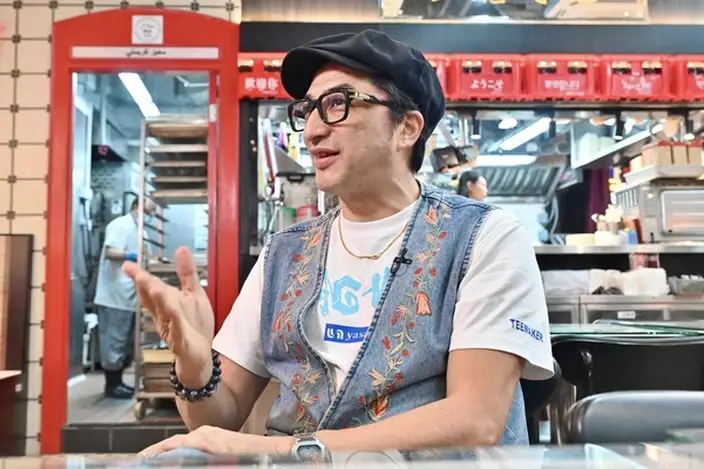
Cafe owner Swadiq Khan thanks the Tourism Board for assisting with the halal certification process and promotion, making local delicacies known to more people.
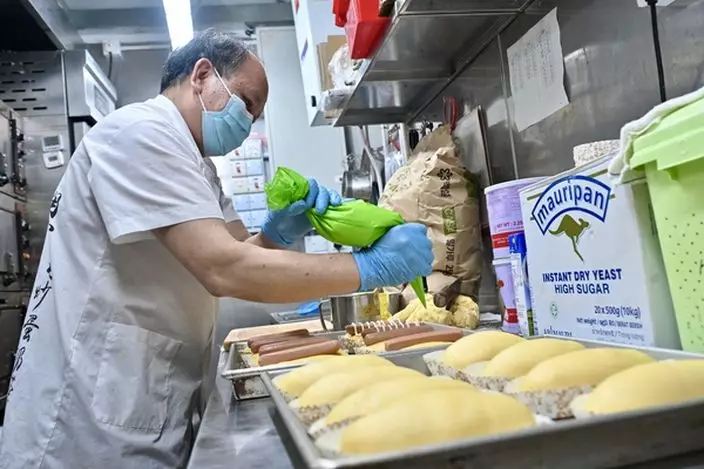
The bakery uses vegetable oil as a halal-friendly substitute for lard, and all ingredients are approved by the Incorporated Trustees of the Islamic Community Fund of Hong Kong.

Tourism Board Deputy Executive Director Becky Ip says that the newly launched online training resources on Tips for Welcoming Muslim Travellers help frontline practitioners better understand Muslim culture and cater to this growing visitor segment.
Cafe owner Swadiq Khan is a Muslim. After spending years in the food and beverage industry, he had long hoped to bridge the culinary gap faced by his community.
With halal certification, Muslims are enjoying Hong Kong-style breads, such as pineapple buns and egg tarts, freshly made at this bakery room.
A decade ago, Mr Khan took the bold step of setting up a central kitchen dedicated to producing halal Hong Kong-style buns free from lard and preservatives. The baked goods were supplied to his group’s own cafés.
His central kitchen was successfully certified halal by the Incorporated Trustees of the Islamic Community Fund of Hong Kong, which is also known as the Board of Trustees (BOT).
“Back then, I handed out pineapple buns to ethnic minorities so they could discover what a real pineapple bun tastes like,” he recalled.
Earlier this year, Mr Khan went a step further by opening a new cafe branch in Tsim Sha Tsui where he established a dedicated bakery room, which has also been certified by the BOT.
By ensuring that every item made there complies with halal dietary guidelines, Muslims can enjoy these buns with peace of mind.
Halal certification
“We do not use lard in our bread. We use vegetable oil instead,” the baker said proudly as he kneaded the dough.
Mr Khan explained that all ingredients used in the bakery room must be approved by the BOT. From flour to chicken sausages, all are halal-certified.
“My goal is to promote authentic halal food, not just to religious communities, but to everyone in Hong Kong. Thanks to the cooking methods we use, halal food is generally very healthy.”
Cafe owner Swadiq Khan thanks the Tourism Board for assisting with the halal certification process and promotion, making local delicacies known to more people.
Mr Khan said that since earning halal certification, his bakery has received orders from the nearby Kowloon Mosque & Islamic Centre.
It has also attracted tourist groups from Malaysia, Singapore, Indonesia and other countries.
Mr Khan thanked the Tourism Board for assisting with the certification process and promotion, making local delicacies known to more people.
“Genuinely, I want to promote the pineapple bun. Its craftsmanship is recognised as part of Hong Kong’s intangible cultural heritage.”
Multicultural considerations
The Tourism Board has adopted a diversified approach of accreditation, education, and promotion to establish Hong Kong as a Muslim-friendly travel destination.
As part of its educational efforts, the board launched an online training resource in late June, titled Tips for Welcoming Muslim Travellers.
Presented through short videos and infographics, the material offers clear and accessible explanations of Muslim customs, dietary rules, prayer rituals, dress codes and religious festivals.
The aim is to deepen the tourism industry’s understanding of Muslim culture and help businesses better cater to this growing visitor segment.
Mr Khan shared that he has already guided his staff on how to welcome Muslim diners, and now recommends that they go through the new training material.
The bakery uses vegetable oil as a halal-friendly substitute for lard, and all ingredients are approved by the Incorporated Trustees of the Islamic Community Fund of Hong Kong.
“For instance, Muslims pray five times a day, observe Ramadan and give zakat. And do not assume anyone with a headscarf is a Muslim, as some may be Indians or Sikhs. Therefore, I think deeper understanding is essential.”
Tourism Board Deputy Executive Director Becky Ip stated that the knowledge covered in the training material is vital for frontline tourism staff.
“This enables frontline practitioners to provide Muslim visitors with thoughtful services so as to make them feel at home and welcome.”
Wide recognition
In the Global Muslim Travel Index 2025, released last month by CrescentRating, an internationally recognised halal travel authority, Hong Kong ranked in the top three among non-Organisation of Islamic Cooperation destinations for the first time ever.
Hong Kong was also named the Most Promising Muslim-friendly Destination of the Year.
Ms Ip highlighted that the Tourism Board has been working with the BOT to encourage more businesses to obtain halal certification.
As of mid-June, 190 eateries have been certified. In addition, 60 hotels have been rated by CrescentRating as Muslim-friendly.
Tourism Board Deputy Executive Director Becky Ip says that the newly launched online training resources on Tips for Welcoming Muslim Travellers help frontline practitioners better understand Muslim culture and cater to this growing visitor segment.
Unlimited opportunities
In recent years, Hong Kong has actively expanded its reach into Muslim visitor source markets, including countries in the Middle East and the Association of Southeast Asian Nations.
The Gulf Cooperation Council countries in the Middle East, along with Indonesia and Malaysia in Southeast Asia, consist of significant Muslim populations. In the first five months of this year alone, visitor arrivals from these markets exceeded 360,000.
Ms Ip noted that the board has organised several seminars for trade partners to help them better understand the potential of the Muslim travel market.
It has also invited numerous overseas key opinion leaders, media representatives and trade partners to visit Hong Kong and explore its Muslim-friendly facilities and services, which they can then promote upon returning to their home countries.
“We have made some good progress in terms of Muslim segment development. But I am sure that we can work even more closer with our partners from different industry sectors, to make Hong Kong a top-of-mind destination for Muslim travellers,” she added.