Brazilian President Luiz Inacio Lula da Silva emphasized the significant contributions of the BRICS cooperation mechanism to global economic development and multilateralism at the opening session of the BRICS Business Forum 2025 on Saturday.
The forum, held in Rio de Janeiro, brought together participants to deliberate on topics including sustainable economic development, food security, energy transition, and digital economy of BRICS countries.
Lula stated that 40 percent of the global GDP is contributed by BRICS countries, with the overall GDP growth of BRICS countries reaching four percent in 2024, significantly exceeding the global average of 3.3 percent.
The Brazilian president said the BRICS mechanism will make more contributions to the world.
"As global protectionism is on the rise, emerging economies should jointly defend the global multilateral trading system and reshape the international financial architecture. The BRICS cooperation mechanism will continue to provide guarantees for a better life for the people," Lula said.
Lula also spoke highly of the significant contribution of the New Development Bank (NDB) to the international financial system.
Five BRICS countries -- Brazil, Russia, India, China and South Africa -- established the NDB in 2014. Headquartered in Shanghai, the NDB officially began operations in 2015 to fulfill its mission of mobilizing resources for infrastructure and sustainable development projects in BRICS member nations, as well as other emerging-market economies and developing countries.
The 17th BRICS Summit is being held Sunday and Monday in Rio de Janeiro. As the rotating chair of the bloc, Brazil is hosting the summit under the banner of "Strengthening Global South Cooperation for More Inclusive and Sustainable Governance".
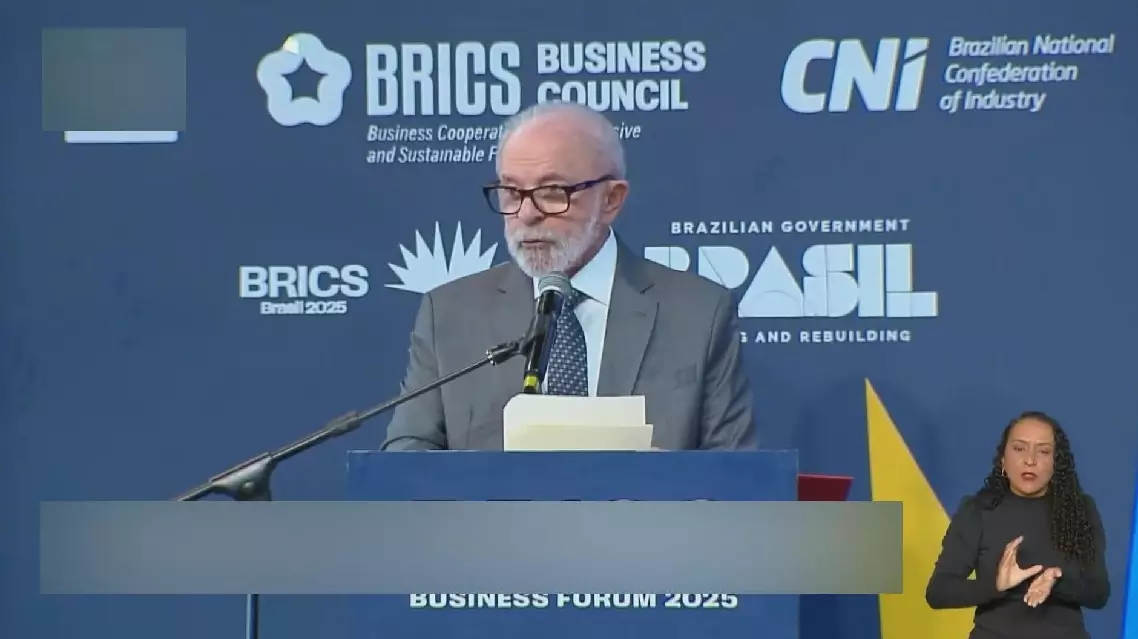
Brazilian president hails BRICS mechanism for advancing global economic development
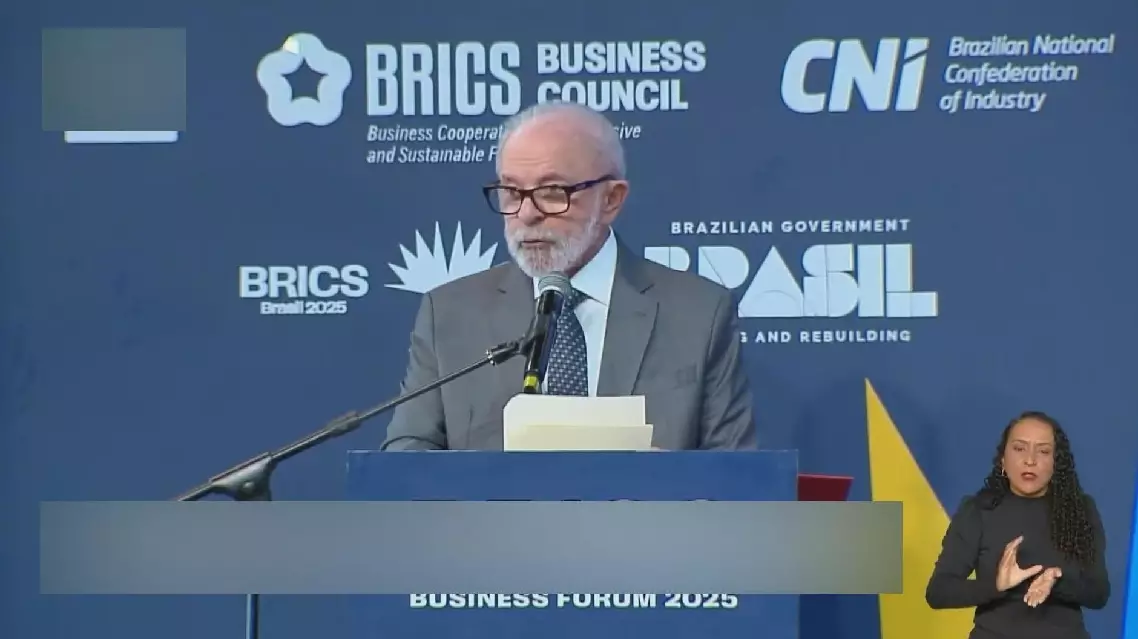
Brazilian president hails BRICS mechanism for advancing global economic development
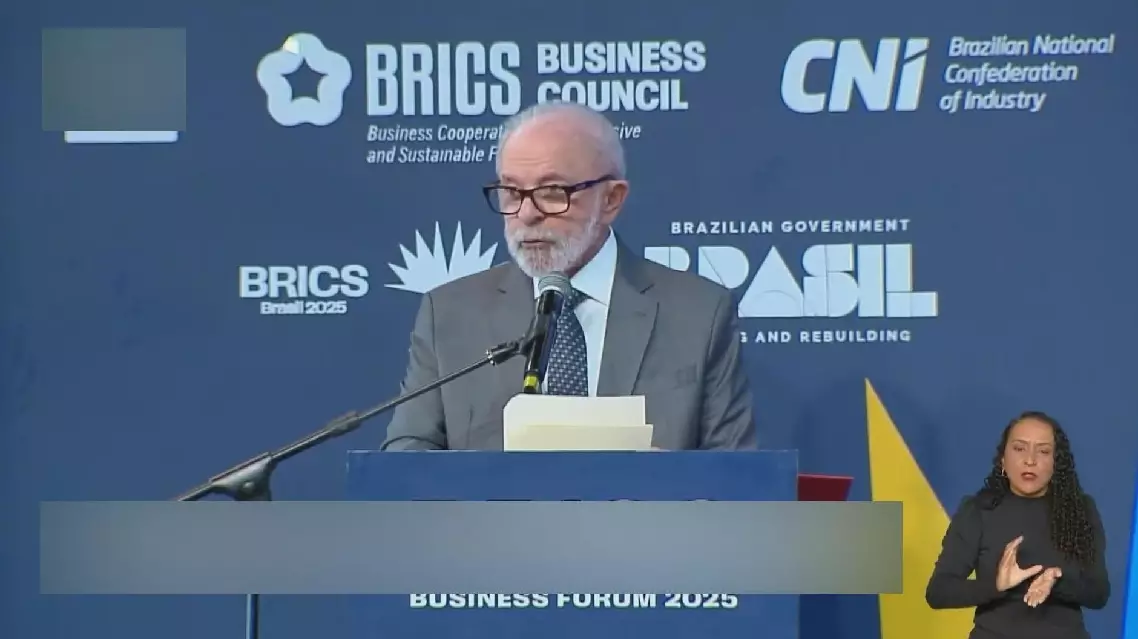
Brazilian president hails BRICS mechanism for advancing global economic development
The Hengqin Port in south China's Guangdong Province, the only land port between the mainland and Macao, has handled more than 30 million passenger entries and exits so far this year -- a new high for the corresponding period of time since the new Hengqin Port was opened in 2020, according to the Hengqin Port Border Inspection Station.
Hengqin, located in Guangdong's Zhuhai City, is separated from Macao Special Administrative Region (SAR) by a narrow stretch of water.
As of 21:00 on Wednesday, total passenger traffic through the port had exceeded 30 million border crossings, up 27.1 percent year on year. The milestone was reached 68 days earlier than last year, setting a new record for passenger flows at the port during the same period.
The passenger traffic at the Hengqin Port has reached several new highs since the beginning of this year. During the National Day holiday, which ran from Oct. 1 to 7 and which was one of the country's busiest travel and tourism seasons, single-day passenger traffic peaked above 150,000 border crossings for the first time.
By the end of August 2026, more than 30,000 Macao residents were living or working in Hengqin, while the number of Macao-funded enterprises operating there reached 8,224, up 77.36 percent since the establishment of the Guangdong-Macao In-Depth Cooperation Zone in Hengqin in 2021, statistics showed.
The simultaneous growth in the number of residents and businesses has driven a rapid increase in cross-border travel by Hong Kong and Macao residents. Data show that Hong Kong and Macao residents have made more than 9.27 million inbound and outbound trips through the Hengqin Port so far this year, up 32.4 percent year on year, including more than 7.97 million trips by Macao residents, up 34.9 percent year on year.
"The one-year multiple-entry individual visit endorsement is quite convenient. Now we can go to Macao whenever we want. The queues for passing through immigration inspection move quickly and the environment of the port is really good," said a resident in Hengqin.
From January 1, 2025, permanent residents and residence permit holders in the Hengqin In-Depth Cooperation Zone are eligible to apply for a one-year multiple-entry Individual Visit Endorsement for Macao, which enables them to make multiple trips to Macao in a year, with each trip lasting less than seven days.
With the implementation of facilitation policies for travel to Macao, travel by mainland residents has also remained strong. According to statistics, mainland residents have made more than 19.54 million inbound and outbound trips through the Hengqin Port so far this year, up 23.9 percent year on year.
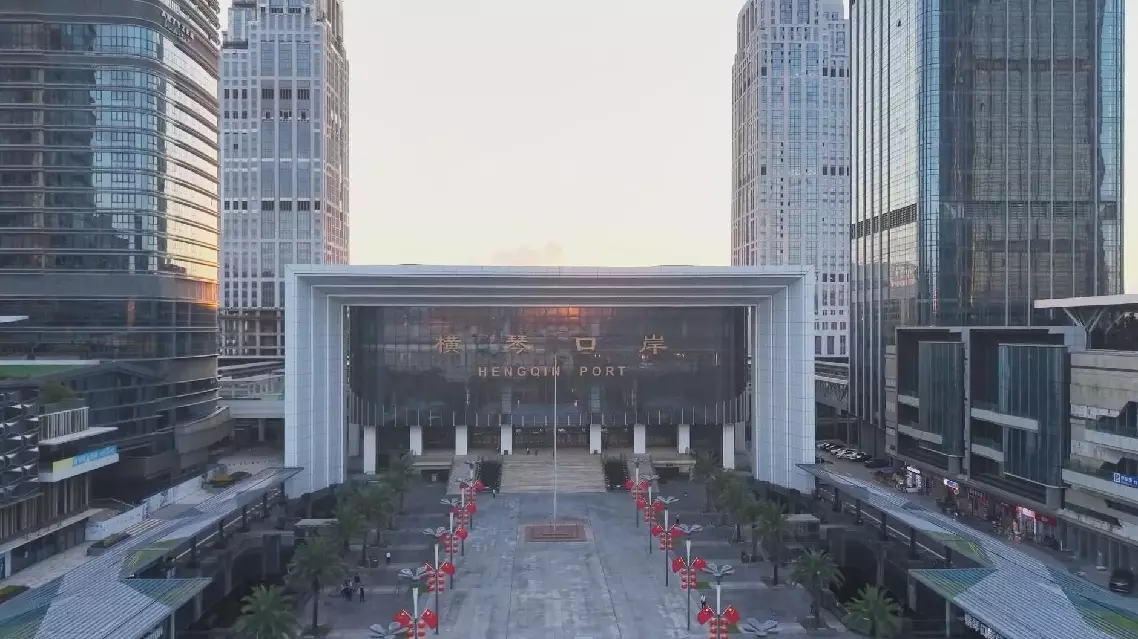
Land port between mainland, Macao records surge in passenger trips