As China marks the 88th anniversary of the start of the entire nation's resistance against Japanese aggression on Monday, a newly released video testimony has revealed the atrocities of Japan's Unit 731, a notorious Japanese germ-warfare unit during World War II (WWII), including human experimentation and biological warfare, as confessed by a former member.
As part of national commemorations for the 88th anniversary of the Lugou Bridge (Marco Polo Bridge) Incident, recognized as the start of Japan's full-scale invasion of China, the Exhibition Hall of Evidence of Crime Committed by Unit 731 of the Japanese Imperial Army on Monday unveiled a complete video testimony from a former Unit 731 member for the first time in China.
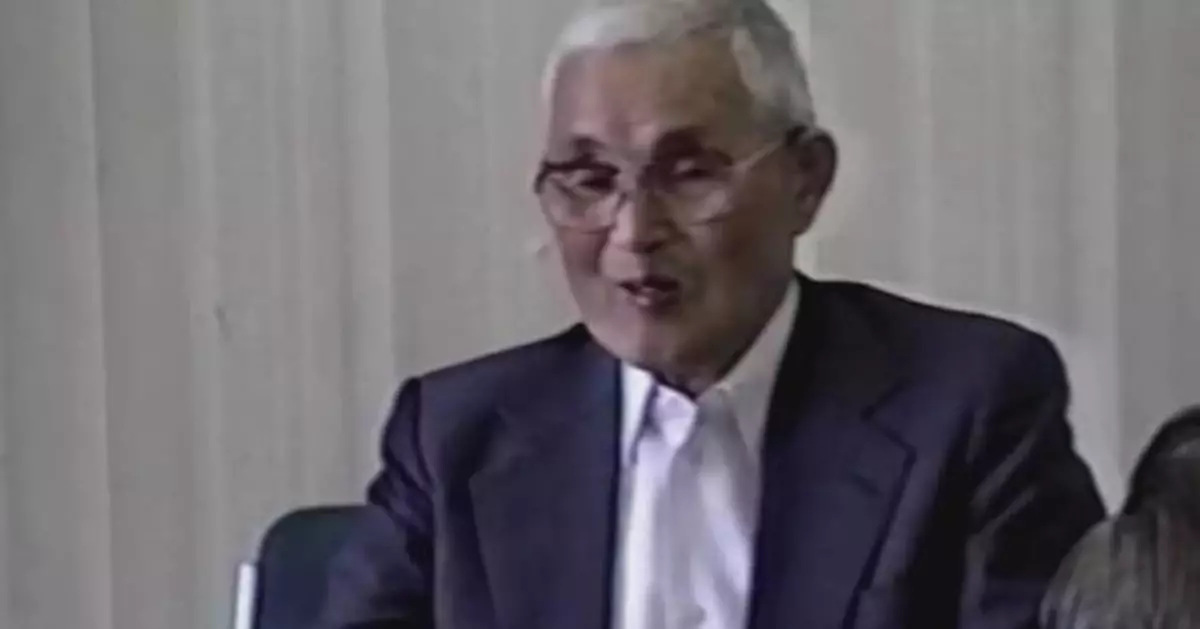
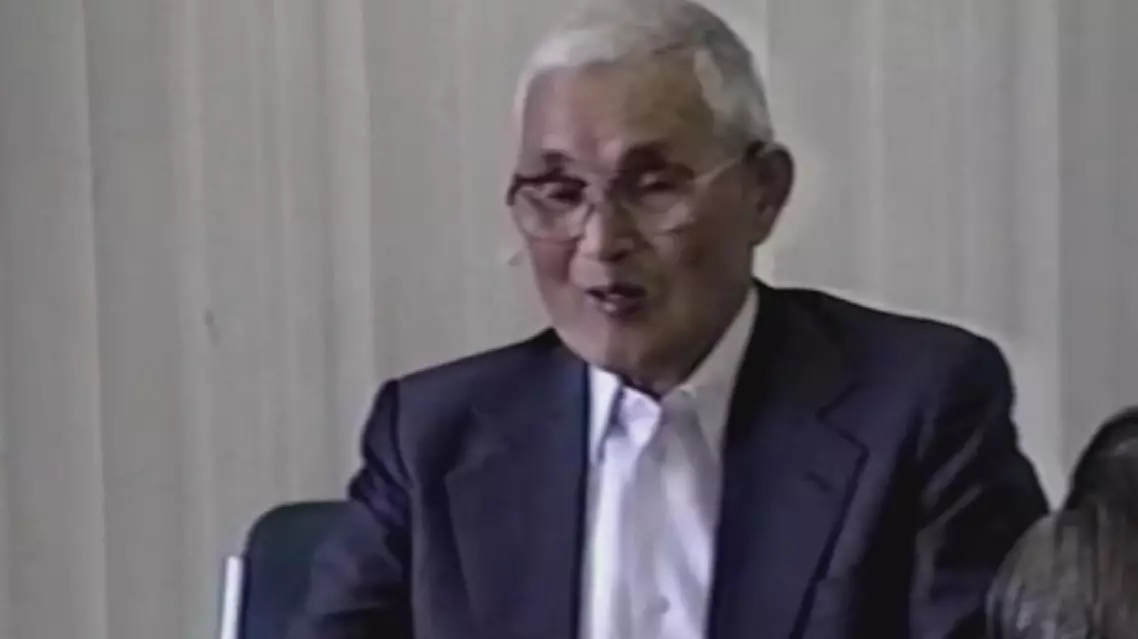
The 83-minute testimony, recorded in August 1991 during a peace exhibition in Iida City, Japan, features Masakuni Kurumizawa, an assistant technician in Unit 731, who openly confessed to heinous experimental war crimes, including human dissections, live experiments, and biological warfare targeting civilians and prisoners.
According to the Roster of the Epidemic Prevention and Water Purification Department of the Kwantung Army, Kurumizawa was born on May 25, 1913, appointed as an assistant technician on May 31, 1944, and died in Japan in 1993. His direct confessions provide a rare, unfiltered look into the Japanese military's covert biological warfare program during WWII.
In the footage, Kurumizawa admitted, "I dissected 300 human bodies, about one-third of which were preserved as specimens, while the rest were burned. When we performed the dissections, the bodies were still warm, and blood spurted out."
"[In the video,] Kurumizawa talked about how he joined Unit 731, the kinds of work he had to do there, including dissections and bacterial research. He also shared some of what he personally witnessed during his time in the unit," said Tan Tian, a researcher at the Exhibition Hall of Evidence of Crime Committed by Unit 731 of the Japanese Imperial Army.
He detailed how Unit 731 researchers cultivated more potent bacteria by injecting them into the bloodstreams of live human subjects, in order to increase their virulence. These victims were cynically referred to as "marutas," meaning "logs", a term denoting total dehumanization.
Kurumizawa also described the process of human dissection carried out by Unit 731. Each dissection team typically consisted of at least five members, and a single team could perform dissections on three human bodies per day. The victims were not limited to Chinese nationals.
"There were Chinese, Koreans, Mongolians, and some Russians. We usually had more than 40 live human subjects in stock because many were killed during experiments, and they needed to be replaced constantly," said Kurumizawa.
"According to our statistics of transfer records and oral testimonies, we can now confirm at least 1,549 identifiable victims who suffered or were killed at the central facility for bacterial research of Unit 731, some with full name, others with only surname or part of their name," said Jin Shicheng, deputy secretary general of the Harbin Research Institute on the History of Bacterial and Gas Warfare of the Japanese Invasion in China.
The release comes in the year that marks the 80th anniversary of the victory in the Chinese People's War of Resistance Against Japanese Aggression and the World Anti-Fascist War. Researchers hope the public disclosure will deepen understanding of historical crimes and preserve the memory of the atrocities for future generations.
Ex-Unit 731 member admits to 300 dissections in newly unveiled video

Ex-Unit 731 member admits to 300 dissections in newly unveiled video