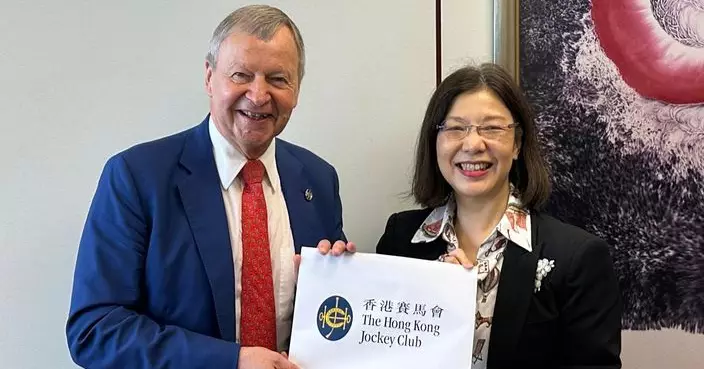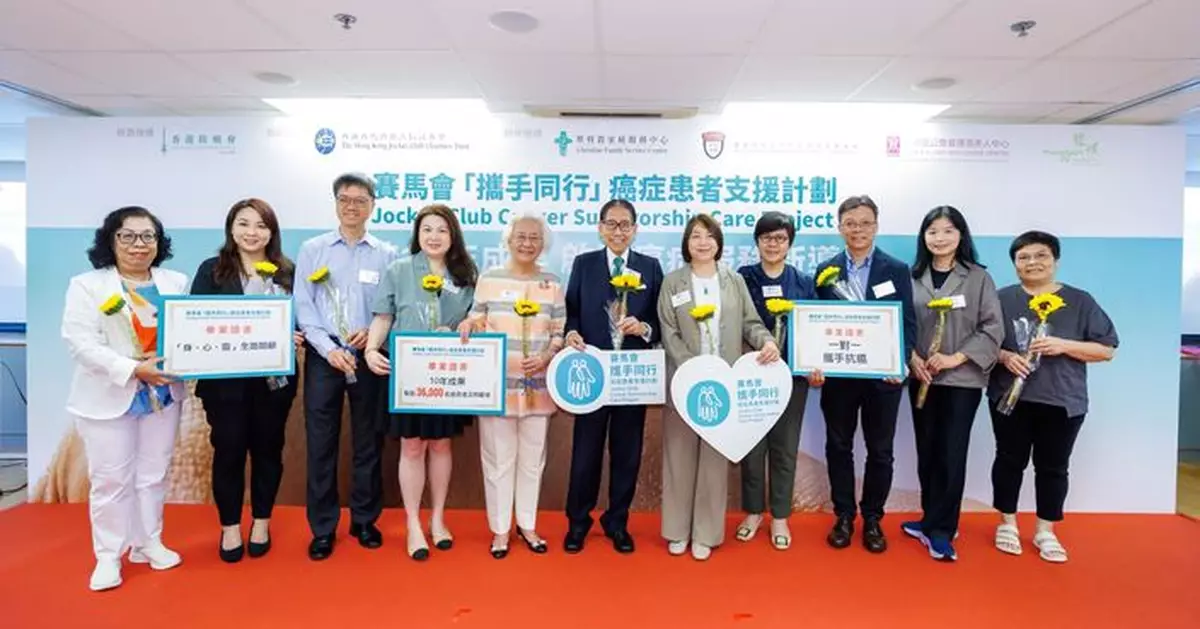
A diagnosis of cancer places a heavy emotional burden on patients and their caregivers. To provide holistic support, The Hong Kong Jockey Club Charities Trust supported the Hong Kong Anti-Cancer Society (HKACS) and four NGO partners to launch the Jockey Club Cancer Survivorship Care Project(JCCSC) in September 2015. In the last 10 years, the JCCSC has provided support to 36,000 cancer patients and their caregivers. Commissioned by the JCCSC, the Centre on Behavioral Health of The University of Hong Kong conducted a study on the emotional shifts cancer patients and caregivers undergo after receiving support. Statistics from the study indicate that following project intervention, patients experienced a reduction in distress levels, family-related problems and negative emotions.Caregivers also demonstrated improvement in psychological well-being. Upon completion of the project, the Hong Kong Anti-Cancer Society (HKACS) extends its gratitude to The Hong Kong Jockey Club Charities Trust for its unwavering support of JCCSC over the years. HKACS and NGOs will continue to provide personalised and holistic cancer care services through medical-social collaboration.
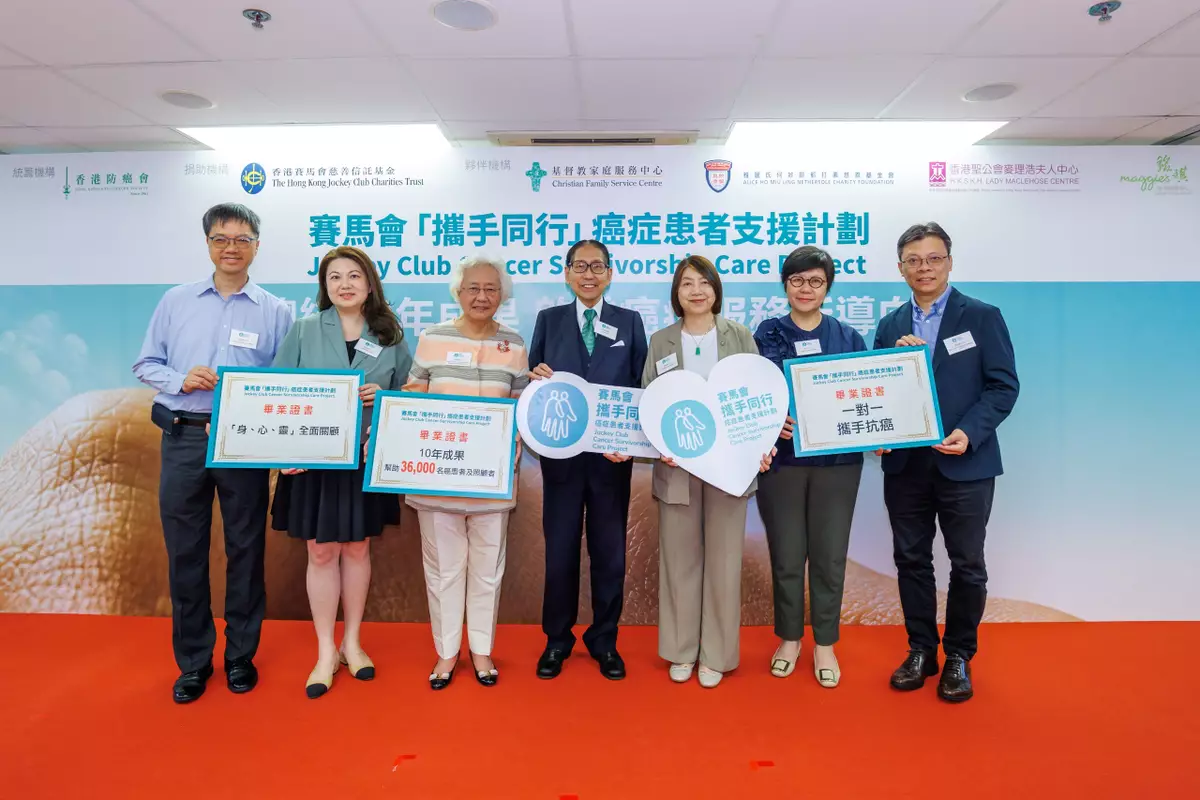
Study confirms Jockey Club Cancer Survivorship Care Project helps to alleviate distress and family difficulties,A decade of strength and support: transforming the cancer care journey together .
Cancer cases surge in Hong Kong amid rising healthcare demand
Click to Gallery
Study confirms Jockey Club Cancer Survivorship Care Project helps to alleviate distress and family difficulties,A decade of strength and support: transforming the cancer care journey together .
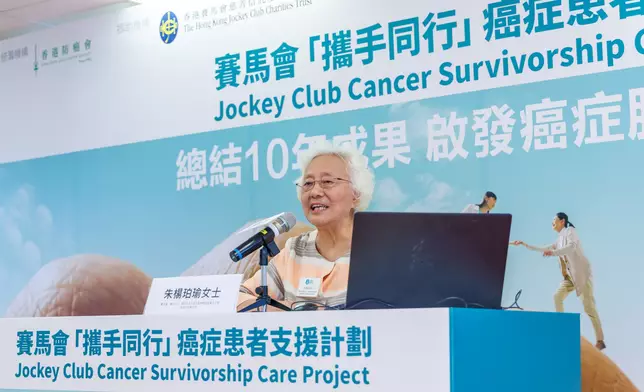
Mrs. Patricia Chu Yeung Pak Yu, BBS, Chairman of JCCSC Project Steering Committee and Chairman of the HKACS, said, “Through a partnership between HKACS and four NGOs, reaching more than 13,000 patients and 23,000 caregivers in the last ten years.”
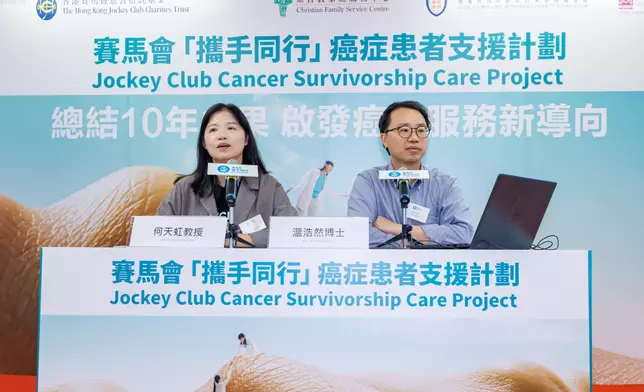
Prof. Rainbow Ho Tin Hung, Principal Investigator of Research on JCCSC, Director of Centre on Behavioral Health, HKU, concluded: “The study suggests that comprehensive and early intervention can significantly ease emotional distress, mental health and family-related challenges among cancer patients, while also enhancing the mental well-being of their caregivers.
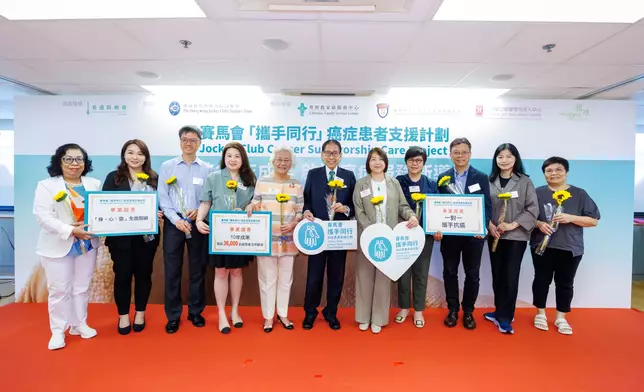
Study confirms Jockey Club Cancer Survivorship Care Project helps to alleviate distress and family difficulties,A decade of strength and support: transforming the cancer care journey together .
Cancer is the leading cause of death in Hong Kong. According to the Hong Kong Cancer Registry of the Hospital Authority, cancer claimed the lives of 13,000 individuals in 2022. According to the Hong Kong Cancer Strategy 2019, cancer accounts for one-third of all deaths in the city. The number of new cancer cases is expected to surge. By 2030, the number of new cases may exceed 42,000 per year.
JCCSC supported 36,000 cancer patients and caregivers in the past decade
To address gaps in cancer care—which primarily centres on day care and treatment—The Hong Kong Jockey Club Charities Trust generously supported the HKACS in launching the JCCSC Project. The initiative provides holistic, one-on-one support for patients and caregivers from diagnosis to rehabilitation. Services include telephone consultations, outreach support and clinical psychologist sessions.
Mrs. Patricia Chu Yeung Pak Yu, BBS, Chairman of JCCSC Project Steering Committee and Chairman of the HKACS, said, “Through a partnership between HKACS and four NGOs, namely the Christian Family Service Centre, Alice Ho Miu Ling Nethersole Charity Foundation, HKSKH Lady Maclehose Centre and Maggie’s Cancer Caring Centre, comprehensive cancer support was provided throughout Hong Kong—reaching more than 13,000 patients and 23,000 caregivers in the last ten years.”
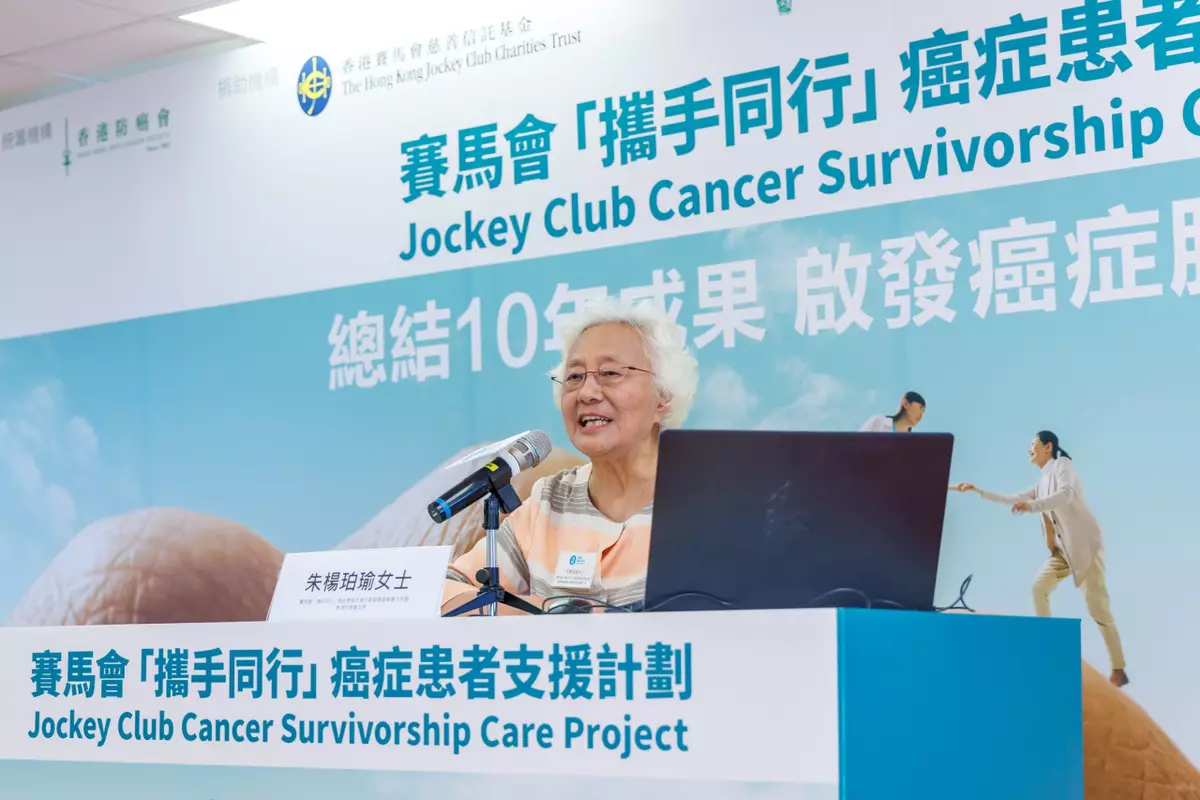
Mrs. Patricia Chu Yeung Pak Yu, BBS, Chairman of JCCSC Project Steering Committee and Chairman of the HKACS, said, “Through a partnership between HKACS and four NGOs, reaching more than 13,000 patients and 23,000 caregivers in the last ten years.”
HKU study: Early intervention significantly reduced distress and family problems, with sustained improvement over time
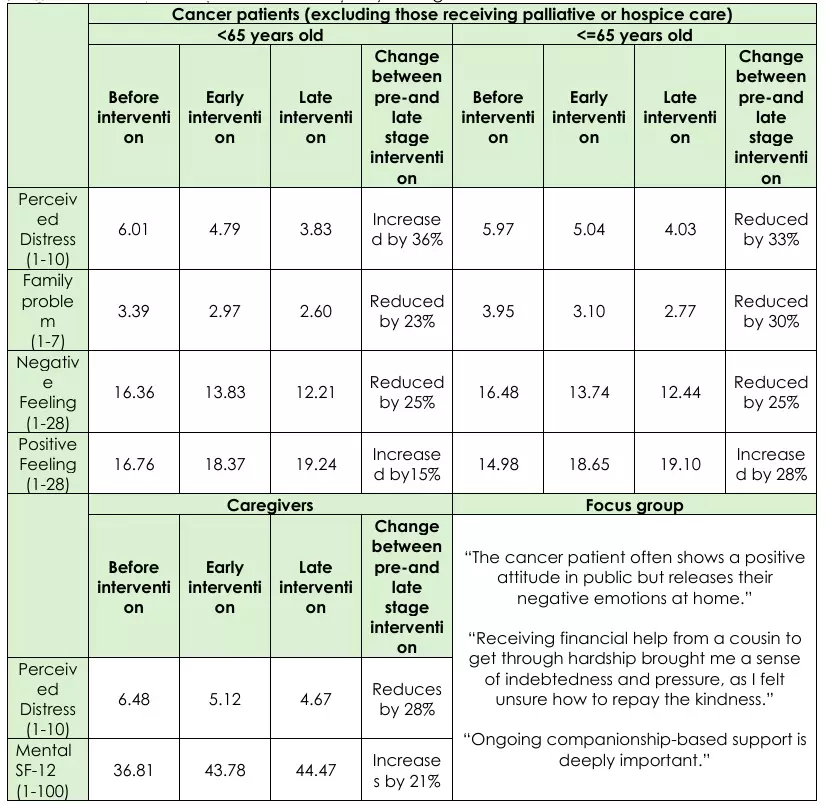
To assess the effectiveness of the project, the Centre for Behavioural Health at The University of Hong Kong was commissioned to conduct surveys and focus group interviews with cancer patients and caregivers. Their emotional distress was measured at three intervals: before participation (preintervention), three months after receiving services (early intervention), and one year later or upon programme completion (late intervention). Key findings include:
The research team noted that cancer patients often feel anxious and helpless at diagnosis and hesitate to seek help for fear of burdening others. This contributed to slightly lower baseline scores compared to international studies. By the early intervention stage, participants showed significant improvement in perceived distress and family-related problems. By the late intervention stage, participants learned to release emotional stress through mind-body-spirit counseling. While the improvement was less pronounced than the earlier phase, the data still showed significant progress. In focus group discussions,one caregiver stressed the importance of ongoing companionship-based support, noting that many Chinese individuals are unaccustomed to seeking help or discussing personal issues—making trust building a longer process.
Cancer patients often fear burdening others and avoid seeking help
The study also revealed the struggles of cancer patients and the tendency among affected families to avoid troubling others. Notably, younger patients (under 65) exhibited both strong positive and negative emotions before joining the programme. Dr. Adrian Wan Ho Yin, Investigator of Research on JCCSC, Centre on Behavioral Health, HKU, explained, “Cancer affects both the physical and mental well-being of patients, making negative emotions inevitable. Many older patients feel they are a burden to others and are less likely to seek help or open up, making it harder to experience positive emotions and leading to more family issues. In contrast, younger patients—possibly influenced by social media—tend to have greater access to resources and information, and are more optimistic about recovery, resulting in more positive emotions.”
Previous studies found that Chinese cancer patients—including those in Hong Kong—often suppress negative emotions and present a positive front to avoid burdening family or being seen as weak. This study echoed those findings, with one caregiver noting that patients appear positive in public but release negative emotions at home. Caregivers, who play a key role in both care and emotional support, often experience an emotional burden that should not be overlooked.
Strengthen the support ecosystem through medical-social collaboration
Prof. Rainbow Ho Tin Hung, Principal Investigator of Research on JCCSC, Director of Centre on Behavioral Health, HKU, concluded: “The study suggests that comprehensive and early intervention can significantly ease emotional distress, mental health and family-related challenges among cancer patients, while also enhancing the mental well-being of their caregivers. The programme successfully bridges service gaps arising from the limited family support network in Hong Kong, helping cancer patients and caregivers recognise the critical value of timely support. Throughout the study, it was encouraging to witness participants committed to continuing the programme’s legacy—stepping up as volunteers, sharing their personal experiences, and uplifting fellow cancer-affected families.”
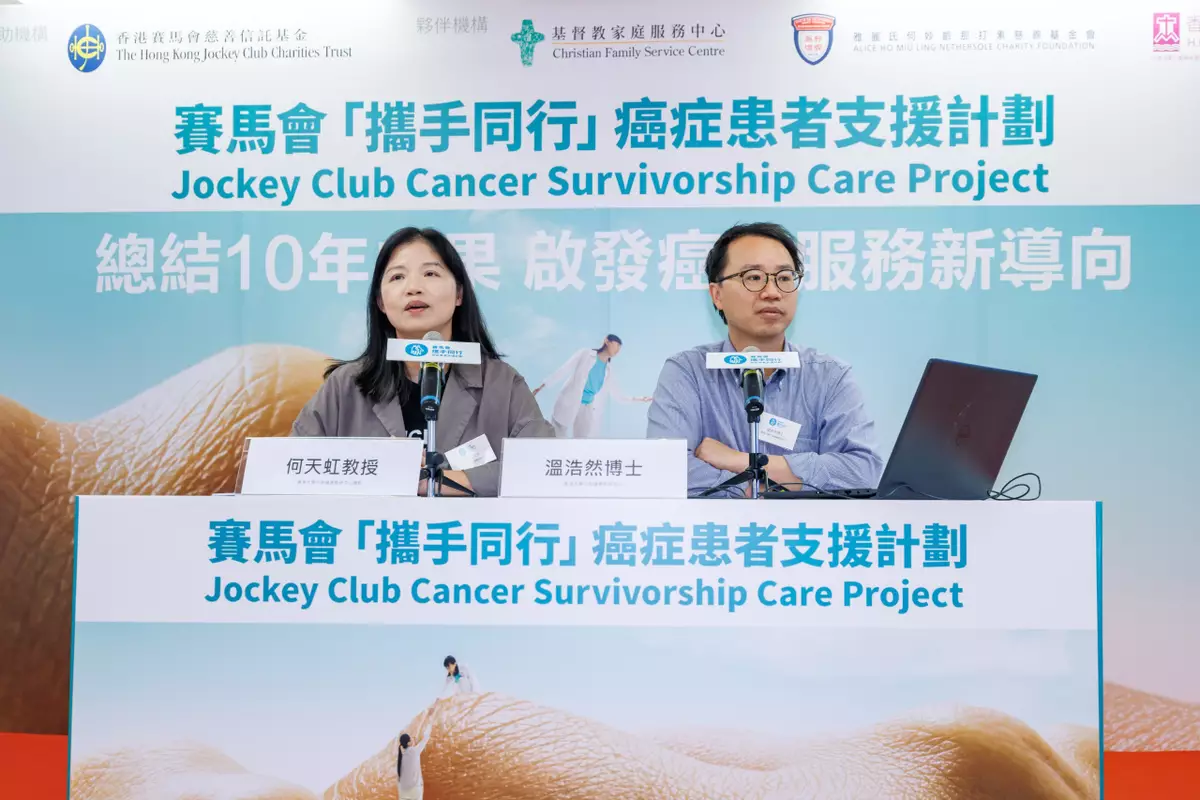
Prof. Rainbow Ho Tin Hung, Principal Investigator of Research on JCCSC, Director of Centre on Behavioral Health, HKU, concluded: “The study suggests that comprehensive and early intervention can significantly ease emotional distress, mental health and family-related challenges among cancer patients, while also enhancing the mental well-being of their caregivers.
She added that JCCSC showcases how medical-social collaboration leads to more effective care and support for cancer patients and caregivers. Over time, the project strengthens the support ecosystem of Hong Kong.
New service protocol to share insights and guide future directions in cancer care
The programme’s success was made possible by longstanding support from The Hong Kong Jockey Club Charities Trust and the commitment of partner organisations. Drawing on its experience, JCCSC will develop a service protocol, share insights with stakeholders and help shape new directions in cancer care. The HKACS will continue working with NGOs to provide diverse, comprehensive cancer services.
Calling on cancer families to take the brave first step in seeking support
NGOs across Hong Kong offer diverse support services for cancer patients and caregivers. The HKACS urges families, friends, colleagues, healthcare professionals and the public to care for cancer families in daily life—encouraging patients and caregivers to take the brave first step in seeking help when needed and stand together as cancer-fighting HEROES.
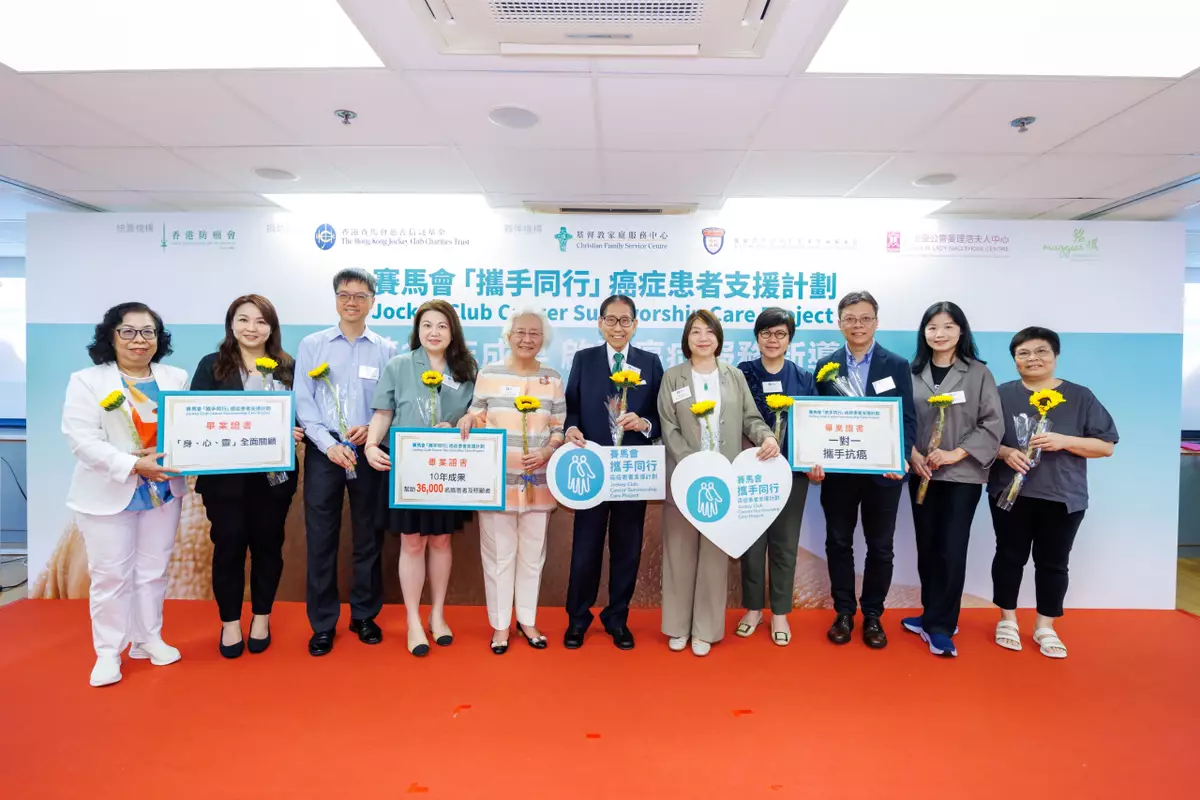
Study confirms Jockey Club Cancer Survivorship Care Project helps to alleviate distress and family difficulties,A decade of strength and support: transforming the cancer care journey together .