Former World Bank vice president and executive director Otaviano Canuto criticized U.S. President Donald Trump's unilateral tariffs, describing them as a threat to the multilateral trading system and a burden on developing countries.
Speaking about U.S. tariffs ahead of the 17th BRICS Summit, Canuto emphasized that these measures particularly harm developing nations reliant on trade for growth, employment and poverty reduction.
The summit, which concluded Monday under the theme "Strengthening Global South Cooperation for More Inclusive and Sustainable Governance," brought together leaders from Brazil, Russia, India, China and South Africa, alongside newly-admitted members.
"These tariffs undermine the multilateral trading system. They violate the spirit of the World Trade Organization rules. Resorting to unilateral tariff hikes escalates tensions, fragments supply chains, and damages global economic stability. Developing countries are especially vulnerable. Higher tariffs increase costs along supply chains, reduce export opportunities, and fuel uncertainty in global markets. For, emerging economies that rely on trade for growth, employment and poverty reduction, such measures pose a direct threat to their development goals," Canuto said to China Central Television (CCTV).
Canuto called on BRICS nations to lead efforts to defend multilateralism, deepen cooperation, and promote an inclusive global economic order.
"Tariff wars deepen mistrust and division. In response, China and other BRICS countries should deepen their own cooperation, diversify trade and supply chains, defend multilateral rules, and strengthen South-to-South solidarity to promote a more fair, stable and sustainable global trading system. BRICS can serve as a platform for unified positions on defending the multilateral trading system, deepening south-south trade investment ties. That is to say, to reduce internal barriers, to trade among BRICS members and other Global South partners, promote new trade agreements, tariff reductions and customs facilitation to promote payment and settlement cooperation," he said.
The BRICS bloc recently expanded to include Iran, Egypt, Ethiopia, Saudi Arabia and the United Arab Emirates, with Indonesia joining this January. Together, BRICS nations represent over half the world’s population, nearly 30 percent of global GDP, and more than 50 percent of economic growth.
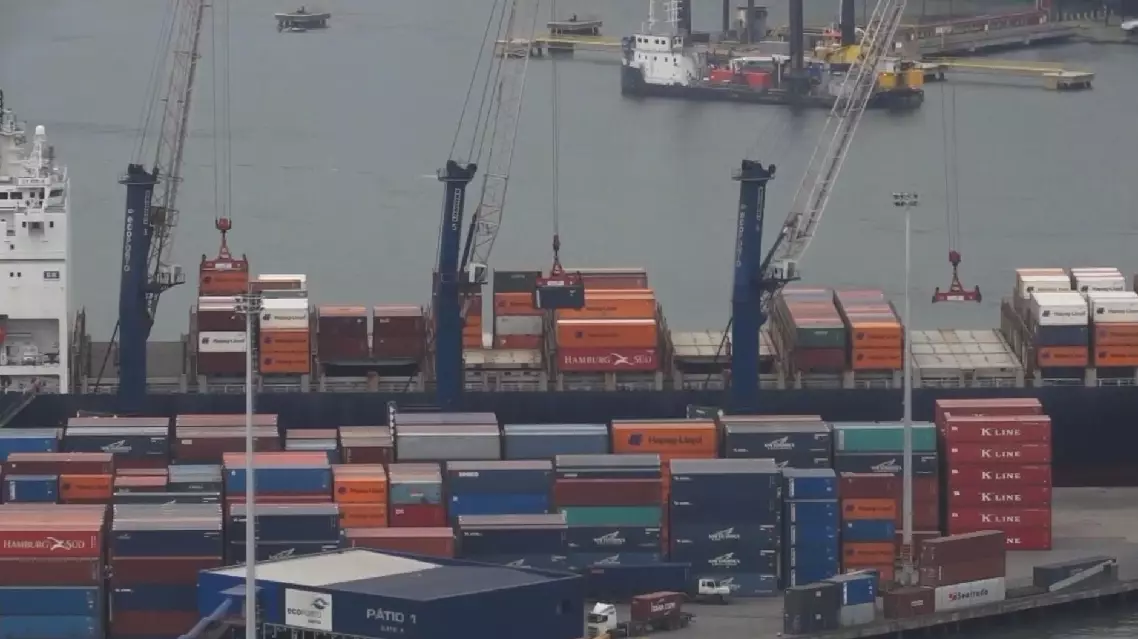
U.S. unilateral tariffs undermine multilateral trading system: former World Bank official