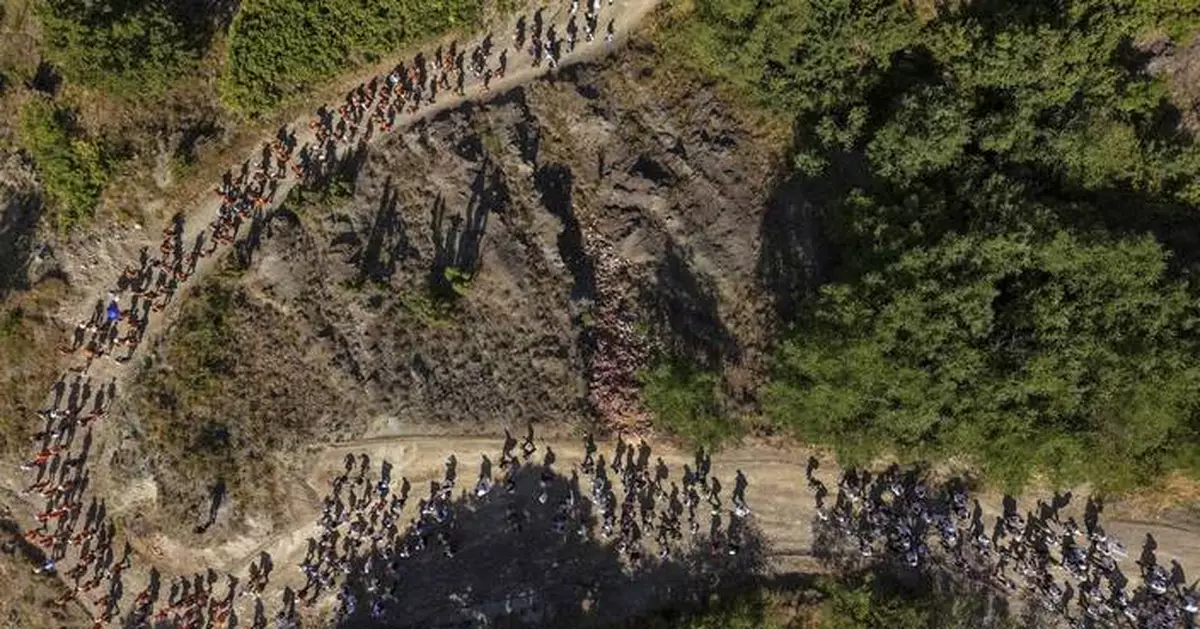
NEZUK, Bosnia-Herzegovina (AP) — Nearly 7,000 people embarked on a three-day peace march Tuesday through the forests of eastern Bosnia in memory of the thousands of victims of the 1995 Srebrenica massacre, Europe’s only acknowledged genocide since World War II.
The 30th anniversary of the mass killing of more than 8,000 men and boys from the Bosniak ethnic group, made up primarily of Muslims, in a U.N.-protected safe area in Srebrenica by Bosnian Serbs, was also commemorated at a somber event at the U.N. General Assembly in New York.
Click to Gallery
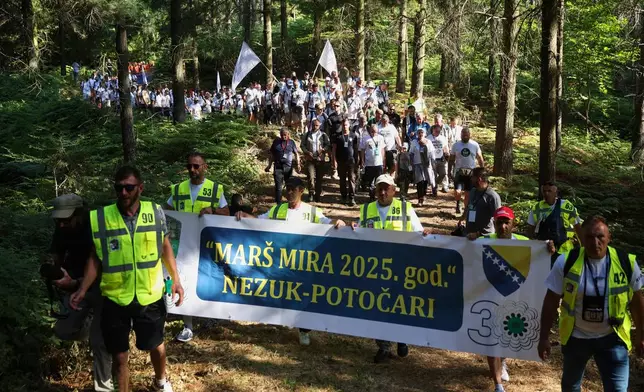
People participate in the "March of Peace" in memory of the 1995 Srebrenica massacre, in Nezuk, Bosnia, Tuesday, July 8, 2025. (AP Photo/Armin Durgut)
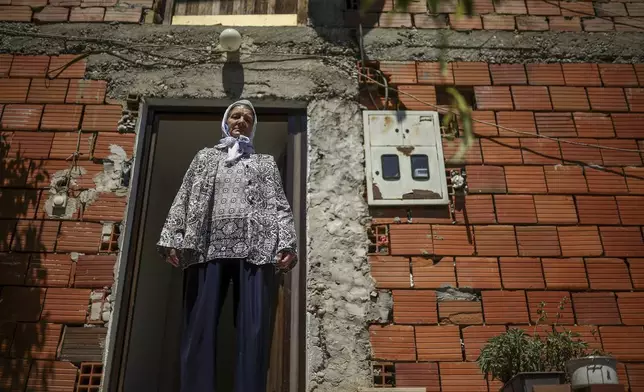
Sefika Mustafic, 72, stands in front of her home in the village of Potocari near Srebrenica, Bosnia, on June 29, 2025. During the genocide a total of 15 members of her family were killed. (AP Photo/Armin Durgut)
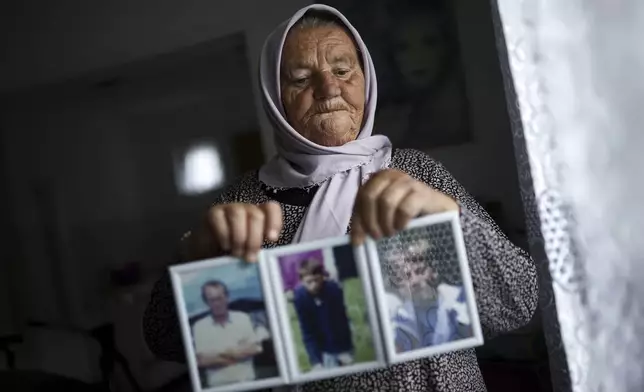
Saliha Osmanovic, 71, poses for a photo while holding pictures of her two sons and husband, victims of the Srebrenica genocide in the village of Dobrak near Srebrenica, Bosnia, on June 28, 2025. During the genocide a total of 38 members of her family were killed. (AP Photo/Armin Durgut)
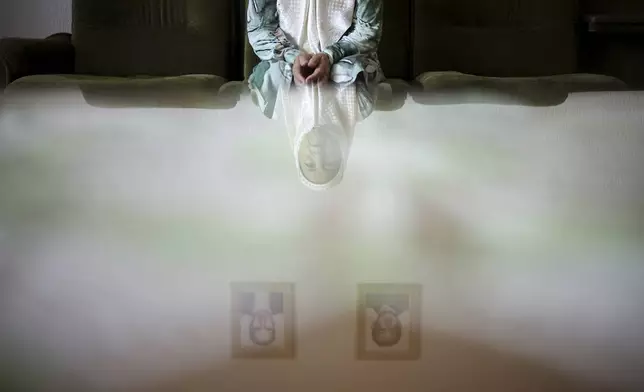
Fadila Efendic, 74, sits in her living room backdropped by the pictures of her son and husband, victims of the Srebrenica genocide in the village of Potocari near Srebrenica, Bosnia, on June 28, 2025. During the genocide a total of 22 members of her family were killed. (AP Photo/Armin Durgut)
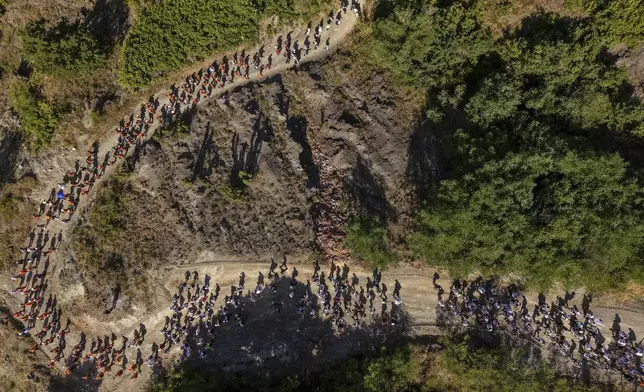
People participate in the "March of Peace" to remember the 1995 Srebrenica genocide, in Nezuk, Bosnia, Tuesday, July 8, 2025. (AP Photo/Armin Durgut)
The annual 100-kilometer (60-mile) march retraces in reverse a route taken by the Bosniak men and boys who were massacred as they tried to flee Srebrenica after Bosnian Serb forces captured it in the closing months of the country’s 1992-95 interethnic war.
“I am here today to support my son, Sultan, as he sets off on the march,” said Amir Kulagic, who was among those who took the route in 1995 and recalled that his “ordeal lasted for seven days and eight nights.”
Kulagic said he was proud that his son and his nephew decided to retrace the path but also sad because he could not accompany them due to poor health.
Also joining the march was Nirha Music, now a U.S. citizen, born after the war to a mother who survived Srebrenica.
“We are walking to see what our people went through,” Music said.
“It is not easy; all I can think about is, this is how it was when they were killing us and when they were getting us together to kill us,” she added.
U.N. Secretary-General Antonio Guterres said the United Nations and the world failed the people of Srebrenica 30 years ago, not as a result of “an accident of history” but because of “policies, propaganda, and international indifference.”
“We must ensure the voices of Srebrenica survivors continue to be heard – countering denial, distortion and revisionism,” Guterres said in a video message to the General Assembly. “After Srbrenica, the world said, once again, `Never Again.’”
But the U.N. chief warned that hate speech is again fueling discrimination, extremism and violence, and war criminals are being glorified. He called on all 193 U.N. member nations to prevent a return of atrocity crimes and to confront genocide denial with truth and impunity with justice.
Denis Bećirović, the Bosniak member of the country’s three-person presidency, criticized the leaders of neighboring Serbia for denying that a genocide took place — despite rulings by two international courts. Their refusal, he said, is “illogical, immoral and unacceptable.”
“The leadership of Serbia does not want to face the truth and to reject the ideology and politics that led to genocide,” he said, pointing to convicted war criminals that they have made heroes.
“We do not seek revenge,” Bećirović told the assembly. ”We seek truth and justice.”
Most of the massacre victims were hunted down and summarily executed as they tried to flee through forests. Their bodies were plowed into hastily dug mass graves and later excavated with bulldozers and scattered among other burial sites to hide evidence of the crime.
Newly identified victims are reburied each year on July 11 — the anniversary of the day the killing began in 1995 — in the vast and still expanding memorial cemetery outside Srebrenica. The General Assembly adopted a resolution in May 2024 over vehement Serbian objections to commemorate the genocide every year on the anniversary.
So far, the remains of more than 6,700 people have been found and buried there. The remains of seven more victims, recently identified through DNA analysis, will be buried there on Friday.
Munira Subašić, president of the Association of the Mothers of Srebrenica who lost 22 members of her family including her husband and youngest son, told the U.N. diplomats it’s been very difficult for 30 years “to carry the pain in your soul,” and the denial of the genocide of Muslims by the Bosnian Serbs.
They were killed in a U.N. zone that was supposed to be safe, she said, and the United Nations, the world and Europe “were just watching in silence.”
Subašić urged U.N. member nations to join the Mothers of Srebrenica to fight against the denial of the genocide and injustice, and create a more peaceful world for children today. “Justice is on our side, and we’re going to win,” she said.
Associated Press writer Edith M. Lederer contributed to this report from the United Nations
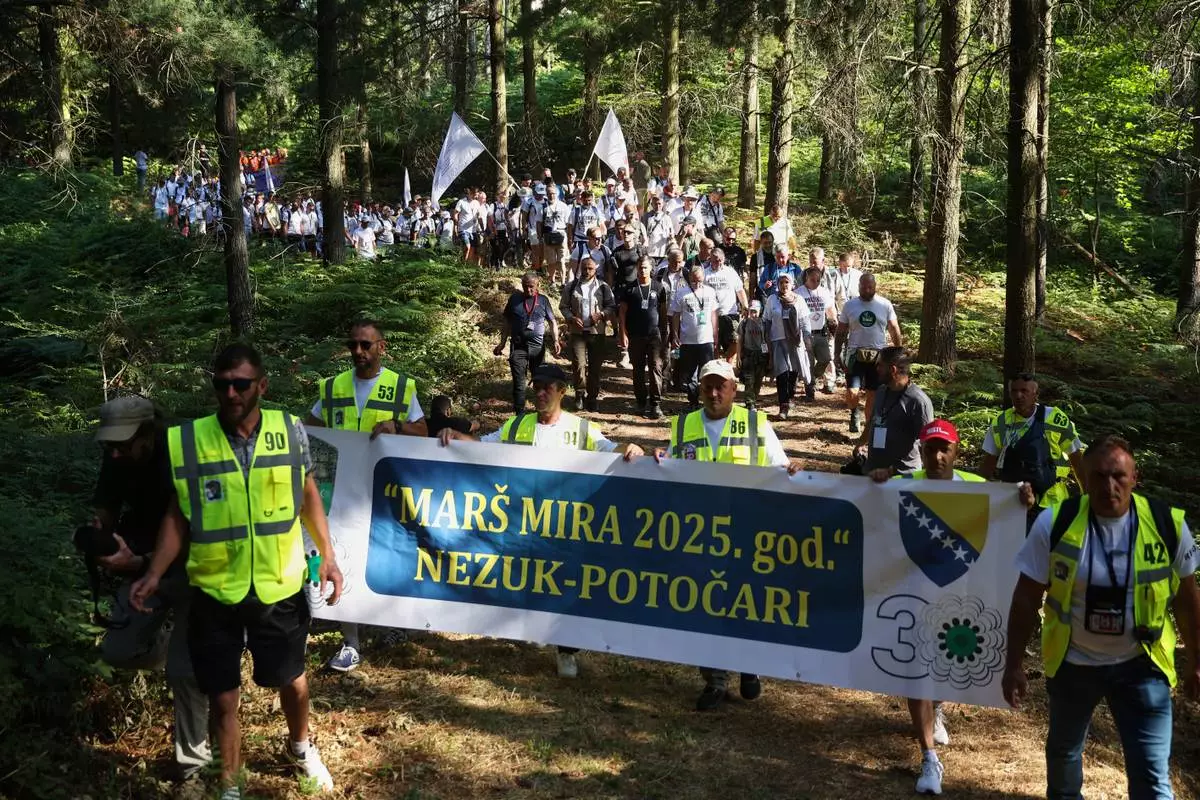
People participate in the "March of Peace" in memory of the 1995 Srebrenica massacre, in Nezuk, Bosnia, Tuesday, July 8, 2025. (AP Photo/Armin Durgut)
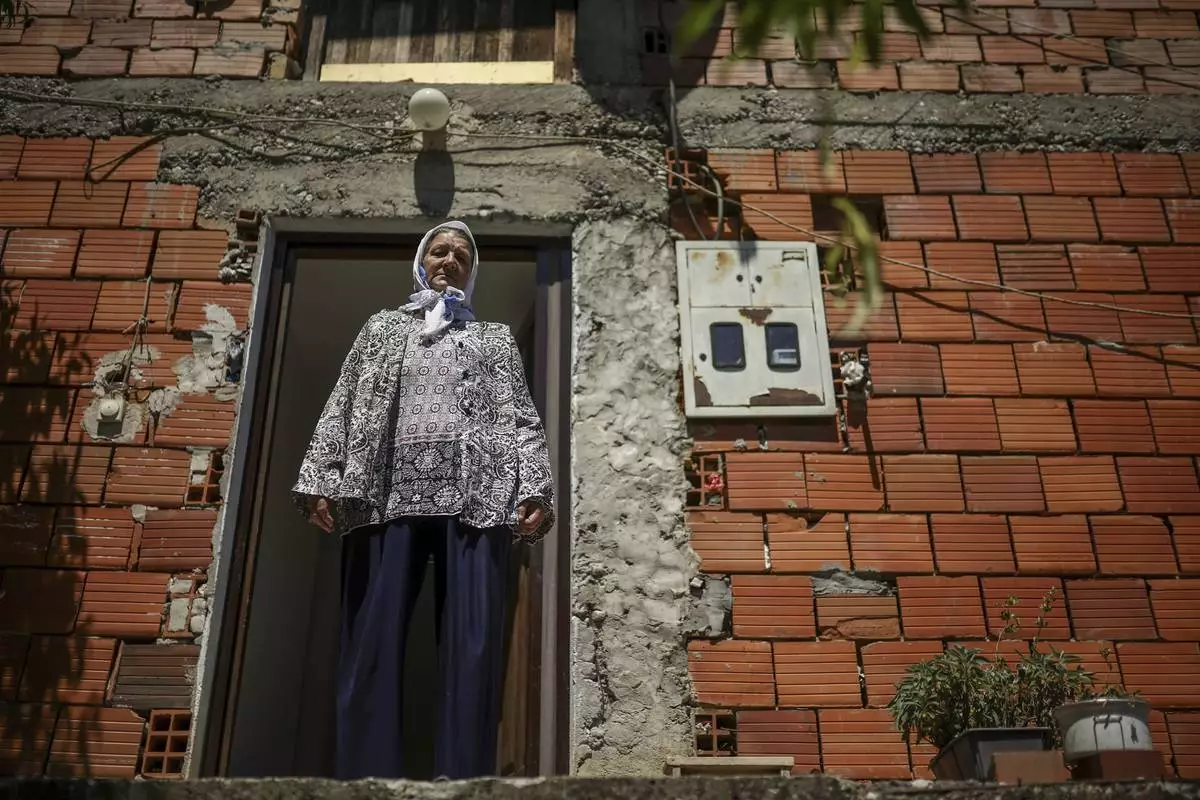
Sefika Mustafic, 72, stands in front of her home in the village of Potocari near Srebrenica, Bosnia, on June 29, 2025. During the genocide a total of 15 members of her family were killed. (AP Photo/Armin Durgut)
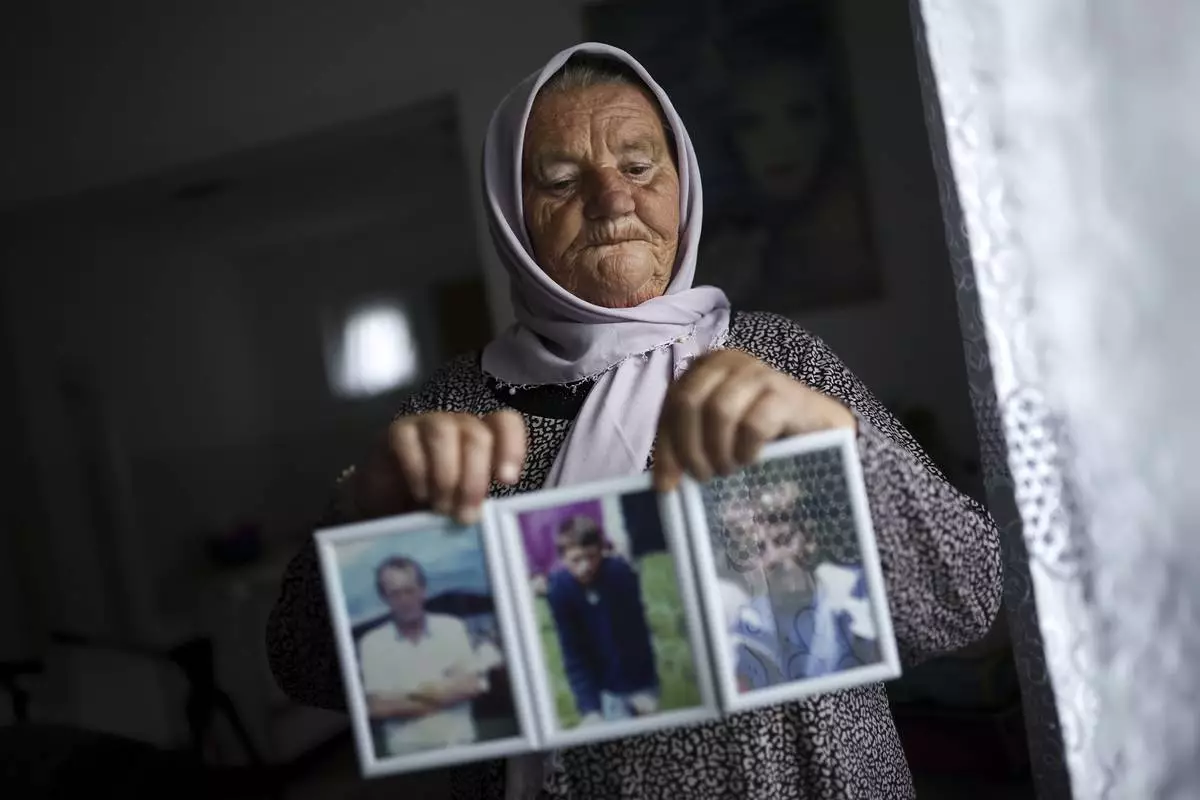
Saliha Osmanovic, 71, poses for a photo while holding pictures of her two sons and husband, victims of the Srebrenica genocide in the village of Dobrak near Srebrenica, Bosnia, on June 28, 2025. During the genocide a total of 38 members of her family were killed. (AP Photo/Armin Durgut)
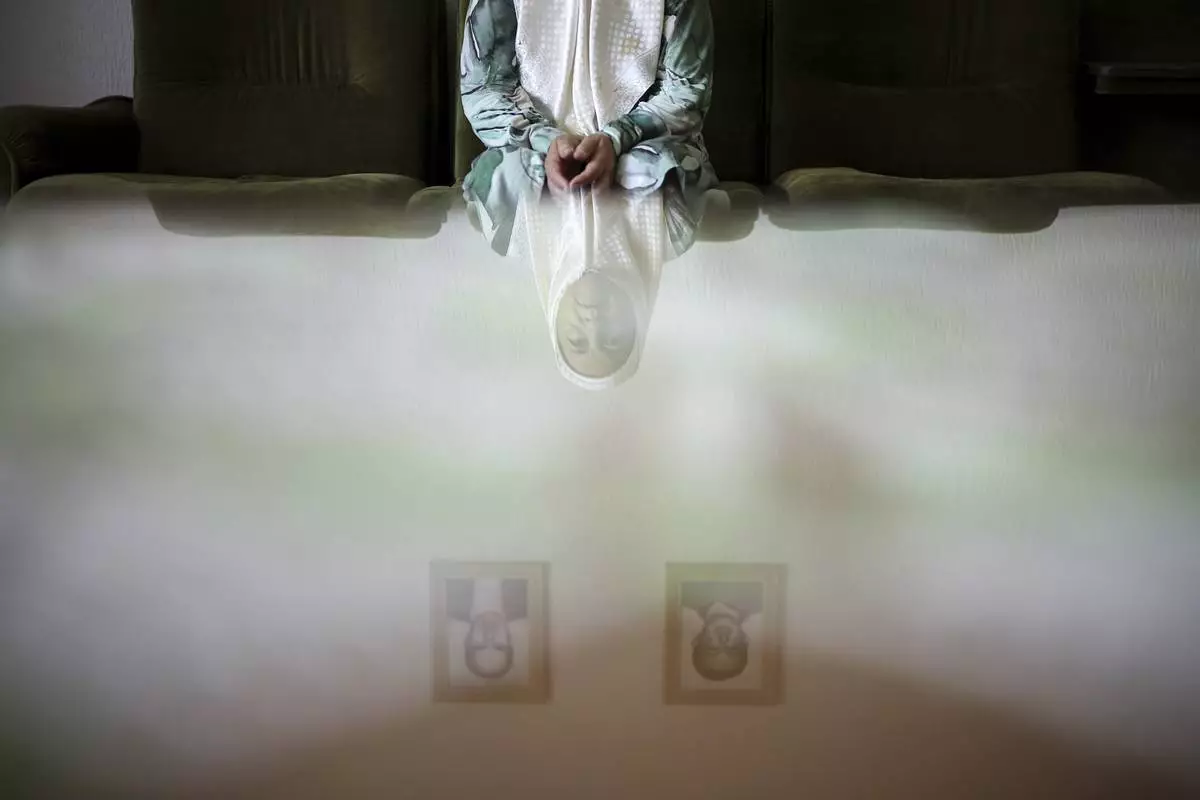
Fadila Efendic, 74, sits in her living room backdropped by the pictures of her son and husband, victims of the Srebrenica genocide in the village of Potocari near Srebrenica, Bosnia, on June 28, 2025. During the genocide a total of 22 members of her family were killed. (AP Photo/Armin Durgut)
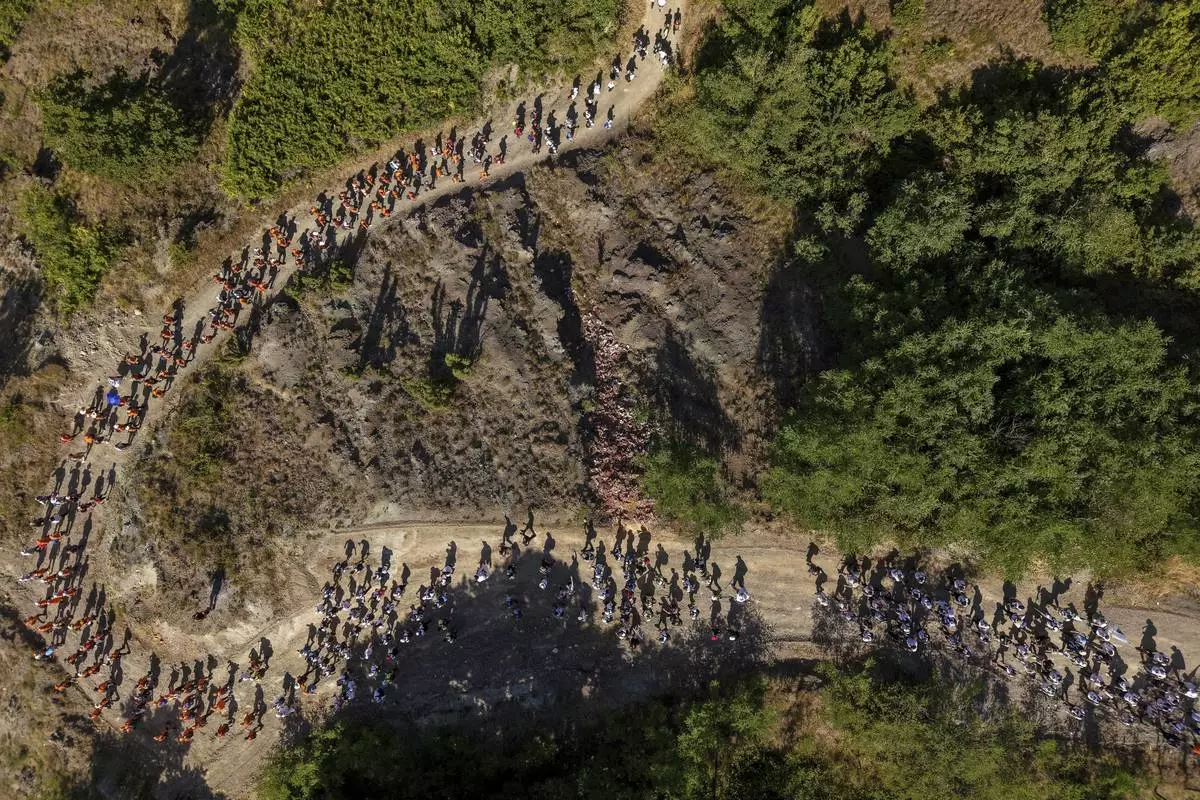
People participate in the "March of Peace" to remember the 1995 Srebrenica genocide, in Nezuk, Bosnia, Tuesday, July 8, 2025. (AP Photo/Armin Durgut)