Thai and Brazilian leaders have rejected U.S. President Donald Trump's new tariff threats that are poised to take effect on Aug 1.
On Monday, the Trump administration unveiled steep tariffs on more than a dozen countries including its key allies South Korea and Japan starting next month, saying that they will face tariffs of 25 to 40 percent from August 1 unless they take more U.S. exports and move to boost manufacturing in the U.S. The development has raised wide concerns over a potential escalation in trade tensions and broader economic fallout.
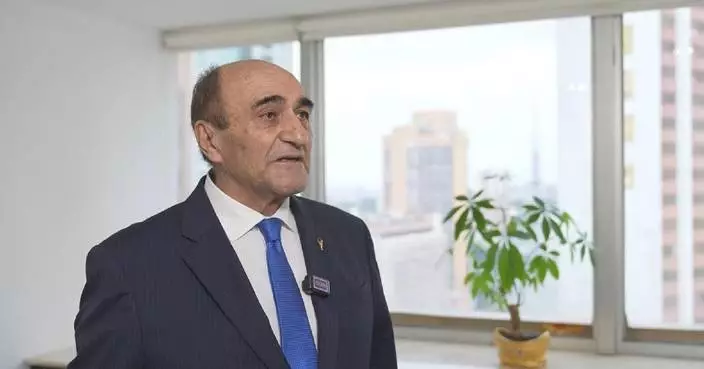
Thailand's acting Prime Minister Phumtham Wechayachai said on Tuesday that the tariff policy the U.S. announced on Monday is a contradiction of what both sides negotiated. The Thai side will reassess the situation and prepare for further negotiations, according to the acting prime minister.
Thai Finance Minister Pichai Chunhavajira posted on X on Tuesday that Trump's letter shows that the United States has not yet considered the proposal recently put forward by Thailand. He said the Thai negotiation team will "fight" to the end, seeking more measures and solutions to secure the best deal for Thailand.
At the 17th BRICS Summit in Rio de Janeiro on Monday, Brazilian President Luiz Inacio Lula da Silva criticized the U.S. tariffs as "wrong and irresponsible."
Lula said that Trump needs to understand that the world has changed. "We don't want an emperor. We are sovereign nations. If he thinks he can impose tariffs, other countries have the right to do the same. That is the law of reciprocity," said Lula.
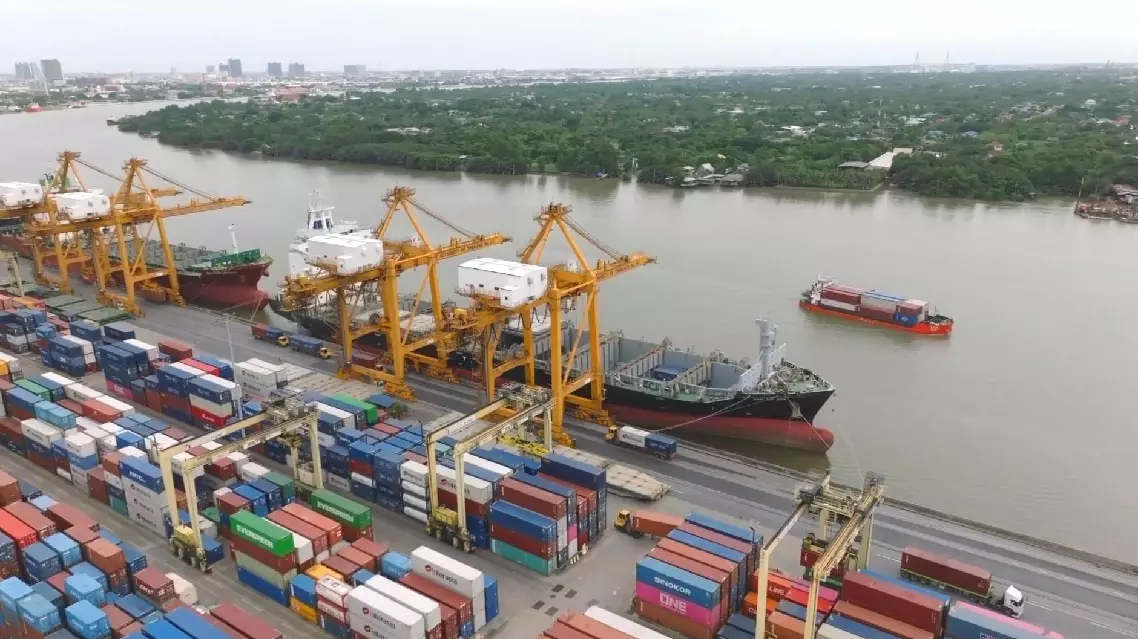
Thailand, Brazil reject Trump's new tariff threat
The U.S. Senate on Wednesday confirmed Kevin Warsh's nomination as the next chair of the Board of Governors of the Federal Reserve System in a vote of 54-45, placing the 56-year-old financier at the helm of the U.S. central bank as it navigates a complex landscape of surging inflation and geopolitical volatility.
The confirmation follows a Tuesday vote by the Republican-majority Senate to approve Warsh for a 14-year term on the Federal Reserve's seven-member Board of Governors. His formal swearing-in to both positions is pending final signatures from the White House.
Warsh is set to succeed current Fed Chair Jerome Powell, whose leadership term expires on Friday. Although Powell will step down from the chairmanship, he will remain on the Federal Reserve Board as a governor. The leadership transition occurs as the Federal Reserve grapples with intensifying price pressures.
Warsh, born in 1970, is a lawyer and financier who previously served as a Federal Reserve governor from 2006 to 2011, playing a key role in navigating the global financial crisis during that time. His return to the board comes at a time of heightened scrutiny regarding the central bank's political independence.
Warsh is expected to lead his first policy-setting meeting on June 16-17.
Kevin Hassett, director of the National Economic Council, said in a Fox News interview on Sunday that he believes markets are relieved that Warsh "is going to help lower interest rates over time."
"Obviously, data driven. I'm not putting any pressure on Kevin Warsh," Hassett said. "We know that he's an extremely smart, competent person who could be very convincing when he talks to his colleagues."
Warsh has recently signaled a push for changes at the central bank, including closer coordination with the U.S. Treasury Department and a reduction in the Fed's balance sheet.
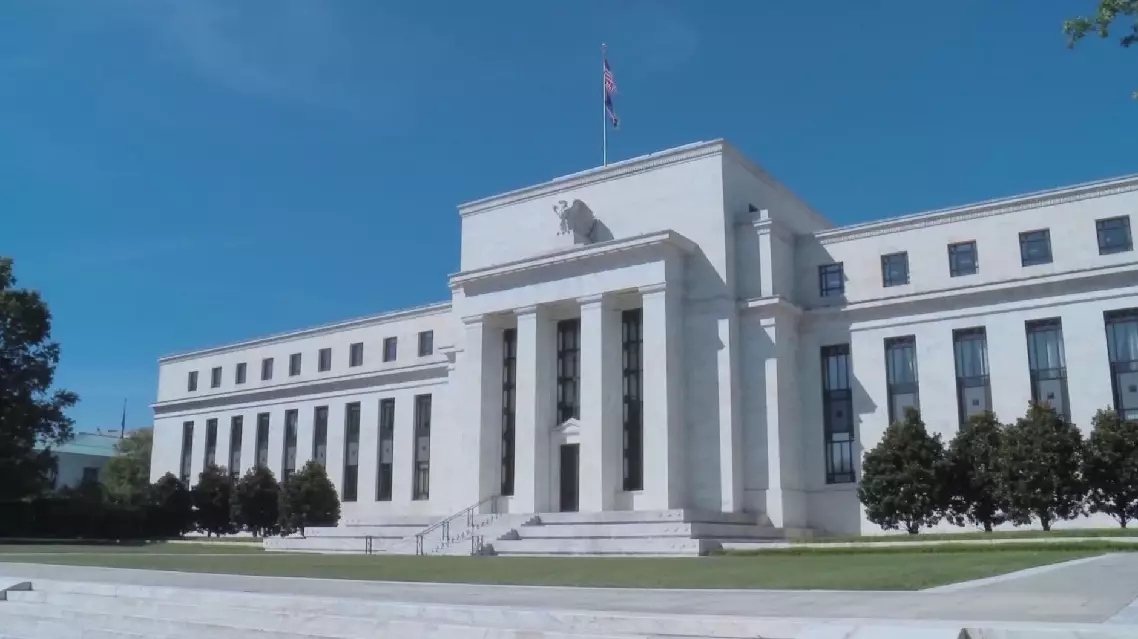
U.S. Senate confirms Kevin Warsh as next Fed chair