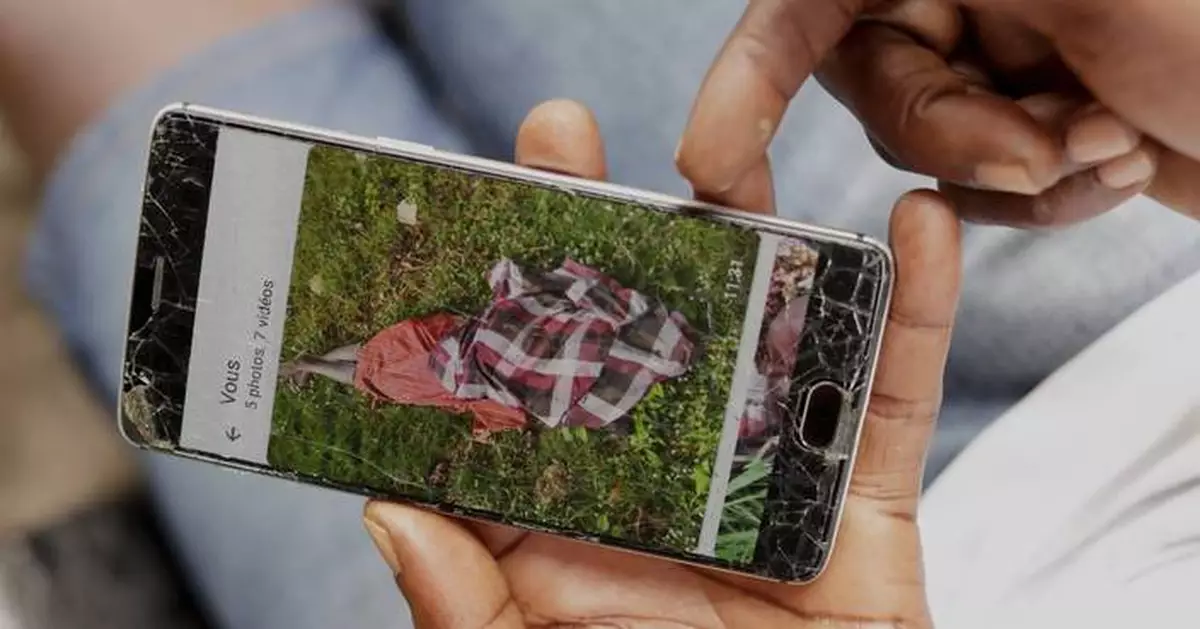
LOME, Togo (AP) — The family courtyard where Jacques Koami Koutoglo used to play football with his cousins in a working-class neighborhood in Togo 's capital now sits silent. The ball he once kicked around lies deflated beside a bundle of firewood.
“Jacques died for Togo," his uncle, Koutoglo Kossi Mawuli, said quietly, eyes heavy with grief.
Click to Gallery
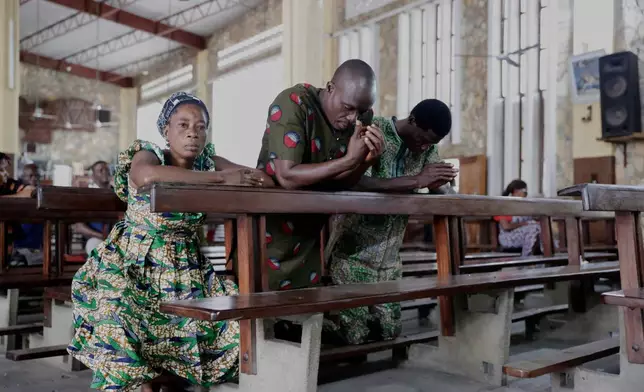
Relatives of the late 15-year old Jacques Koami Koutoglo, attend a prayer service at a church in Lome, Togo, Monday, July 7, 2025. (AP Photo/Erick Kaglan)
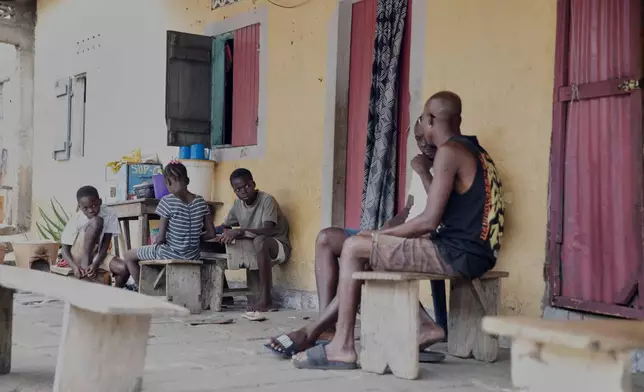
Relatives of late 15-year-old Jacques Koami Koutoglo, sit outside their house as they mourn in Lome, Togo, Monday, July 7, 2025. (AP Photo/Erick Kaglan)

Koutoglo Kossi Mawuli, the uncle of Jacques Koami Koutoglo, shows a portrait of Jacques on his mobile phone in Lome, Togo, Tuesday, July 8, 2025. (AP Photo/Erick Kaglan)

Koutoglo Kossi Mawuli, Left, the uncle of late 15-year-old Jacques Koami Koutoglo, speaks to cousins outside their house in Lome, Togo, Monday, July 7, 2025. (AP Photo/Erick Kaglan)
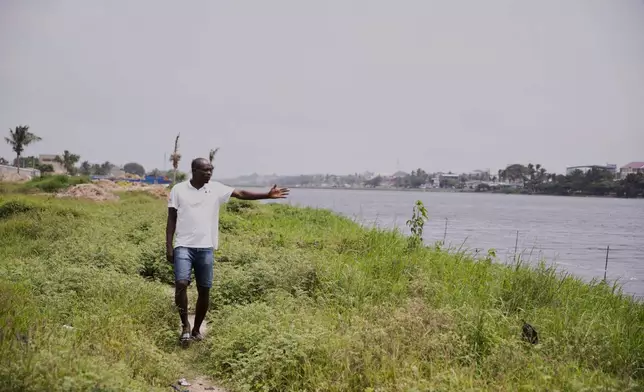
Koutoglo Kossi Mawuli, points at the lagoon where the body of Jacques Koami Koutoglo, was recovered in Lome, Togo, Monday, July 7, 2025. (AP Photo/Erick Kaglan)
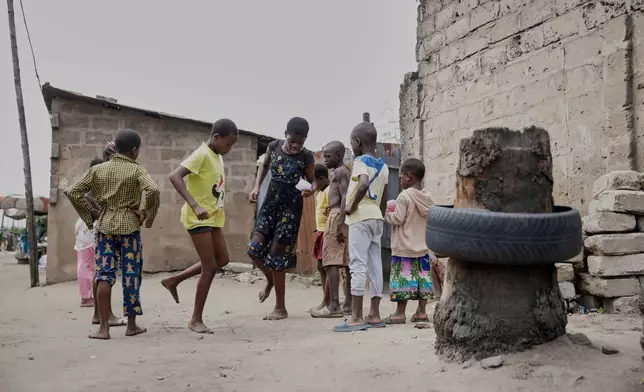
Cousins of late 15-year-old Jacques Koami Koutoglo, play outside their house in Lome, Togo, Monday, July 7, 2025. (AP Photo/Erick Kaglan)
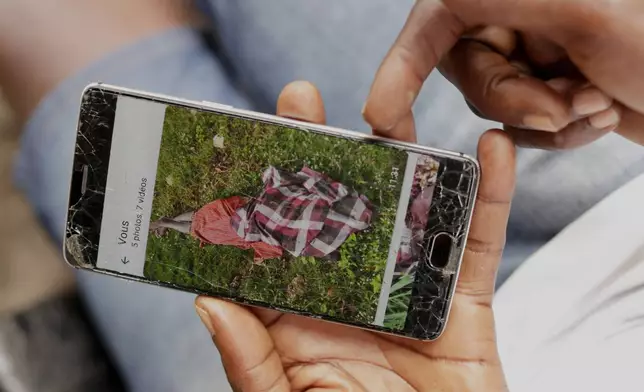
Koutoglo Kossi Mawuli, the uncle of late 15-year-old Jacques Koami Koutoglo, shows a photograph of his body on a mobile phone after it was recovered from a lagoon in Lome, Togo, Tuesday, July 8, 2025. (AP Photo/Erick Kaglan)
The 15-year-old is one of several people who died during mass protests in the West African nation against constitutional changes that many fear will cement President Faure Gnassingbé’s grip on power — and lengthen a ruling dynasty that has lasted over half a century.
The 59-year-old Gnassingbé, who has ruled since 2005 after his father's death, was sworn in as president of the Council of Ministers in May. The executive body was created last year with little notice by a parliament whose term had just expired, and Gnassingbé swiftly signed off on the constitutional change despite public outcry. The new role has no term limits, and Gnassingbé can stay on indefinitely.
Local civil society groups and social media influencers had called for protests last month after the government announced a clampdown on demonstrations. Many young Togolese are drawing inspiration from recent uprisings across West Africa, where youth movements challenged entrenched regimes.
Koutoglo had just completed secondary school and was eagerly waiting for exam results. He had dreams of becoming a footballer and spent evenings practicing his moves. He often helped at his uncle’s cafeteria during school breaks.
On the morning of June 26, the day of the protests, he vanished.
“Since our family compound is large and full of cousins, we assumed he was with someone else," Mawuli said. But when evening came and the boy hadn’t returned, unease turned into panic.
The next day, a fisherman discovered a body floating in the lagoon a hundred meters (yards) from their home. The family rushed to the scene. It was Koutoglo. His face was bruised, and blood had streamed from his nose.
"He didn’t go to any rally,” Mawuli said. “He must have panicked when he heard the tear gas and gunshots. He got caught up in the chaos.”
Civil society groups say at least five people, including Koutoglo, died during the demonstrations and dozens were injured, and accuse security forces of making arbitrary arrests, assaulting civilians with batons and ropes, and looting or vandalizing private property.
In Koutoglo's neighborhood of Bè, a densely populated and historically restive part of Lomé, witnesses described security forces chasing down youth, even into private homes.
“They came into our courtyard. They fired gas. They beat people,” said a neighbor who spoke on condition of anonymity for fear of reprisals.
Koutoglo was buried swiftly, in line with local customs for those who die violently. The other victims were taken to the morgue.
Koutoglo's uncle said the family intends to press charges and demand an independent investigation into his nephew's death.
“You can’t just beat our children to death and expect us to be silent. We are tired," he said.
Civil society groups said the justice system has made no arrests and has not requested an autopsy.
"These acts, marked by unspeakable cruelty, amount to a state crime. The perpetrators struck without restraint and killed without distinction,” they said in a statement.
In a statement read out on state television, Togo’s government acknowledged that bodies were recovered from the Bè lagoon and the Akodessewa lake but said the victims died from drowning. The government said there would be a further investigation.
Across Togo, Koutoglo’s name has joined a long list of young lives cut short during moments of national tension.
“This is not the first time,” Mawuli said. “Back in 2017, children died too. It’s like nothing ever changes. But this time, we refuse to stay quiet.”
In 2017 and 2018, mass protests challenged President Faure Gnassingbé’s long rule. A government crackdown left at least 16 dead, including teenagers.
To those still protesting, Mawuli sent a message of solidarity: “Don’t give up. This fight is for our children. For Jacques. For all of us.”
New protests are planned for July 16 and 17.
Fabien Offner, a researcher with Amnesty International, said Togo has a “repressive architecture” that has normalized arbitrary arrests, beatings and impunity.
"They’re routine now,” he said. “And the lack of global reaction only deepens the crisis.”
Government spokesman Gilbert Bawara defended the state’s approach. He told reporters the recent constitutional changes followed proper procedures, and dismissed allegations of systemic abuse.
“If there are grievances, let them be addressed through lawful channels,” he said.
But with opposition figures sidelined, institutions dominated by the ruling party and elections widely seen as flawed, critics say these channels offer little hope.
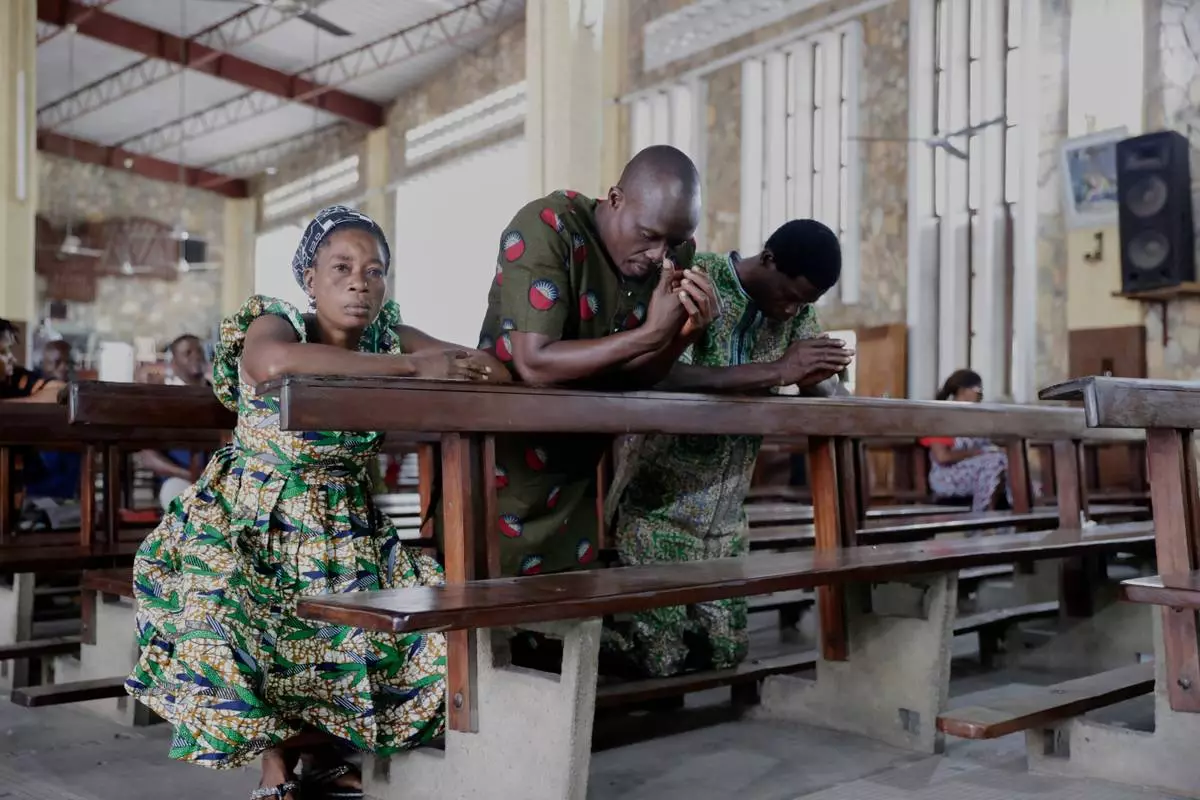
Relatives of the late 15-year old Jacques Koami Koutoglo, attend a prayer service at a church in Lome, Togo, Monday, July 7, 2025. (AP Photo/Erick Kaglan)
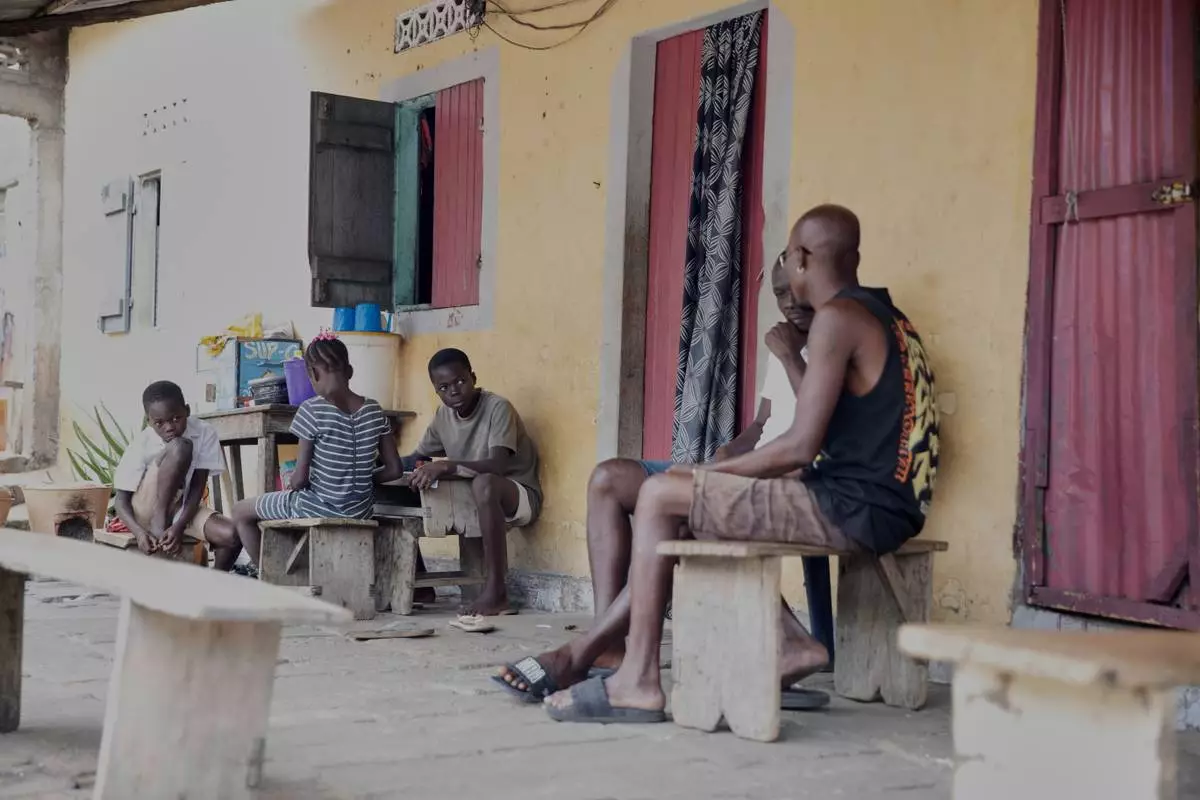
Relatives of late 15-year-old Jacques Koami Koutoglo, sit outside their house as they mourn in Lome, Togo, Monday, July 7, 2025. (AP Photo/Erick Kaglan)
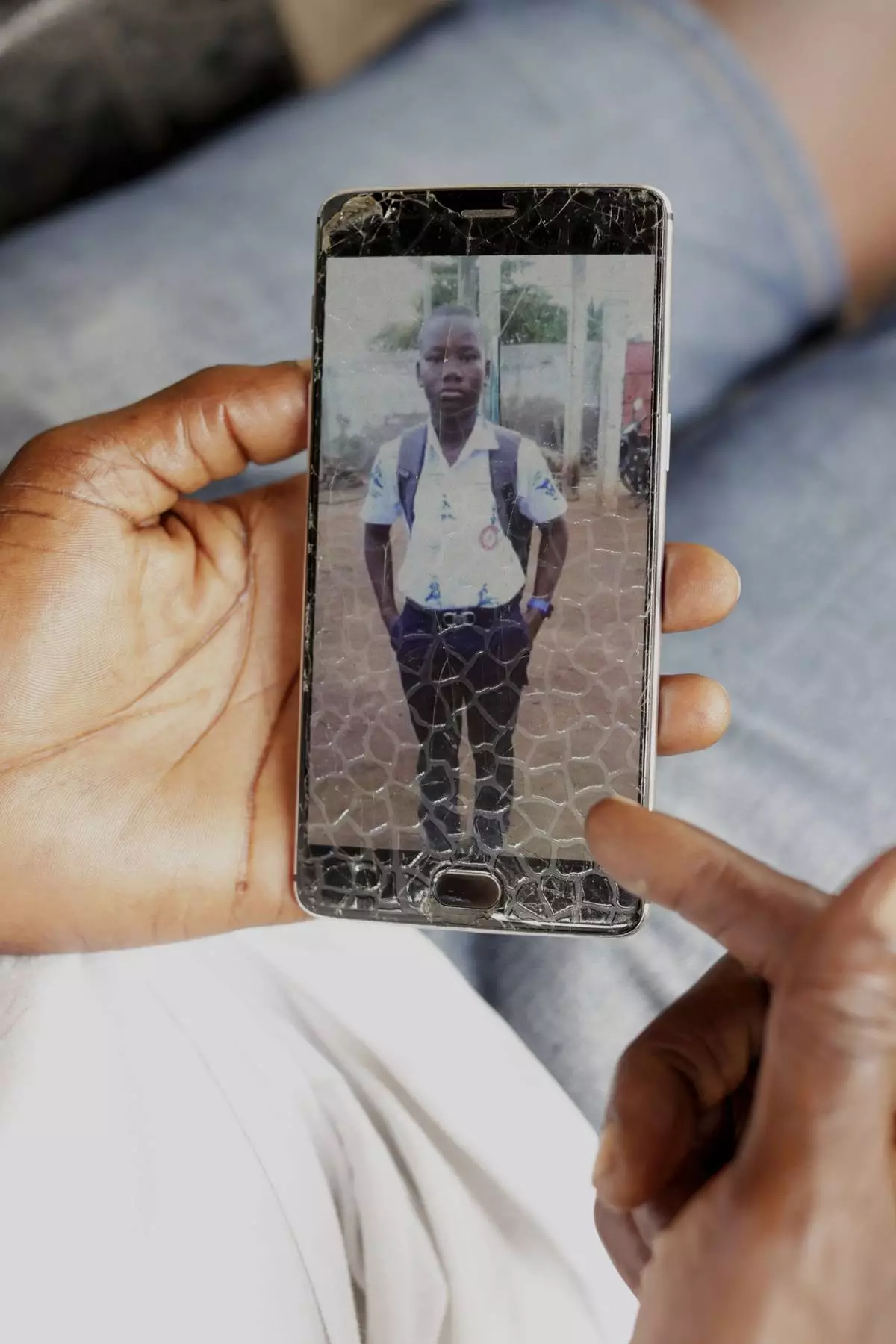
Koutoglo Kossi Mawuli, the uncle of Jacques Koami Koutoglo, shows a portrait of Jacques on his mobile phone in Lome, Togo, Tuesday, July 8, 2025. (AP Photo/Erick Kaglan)
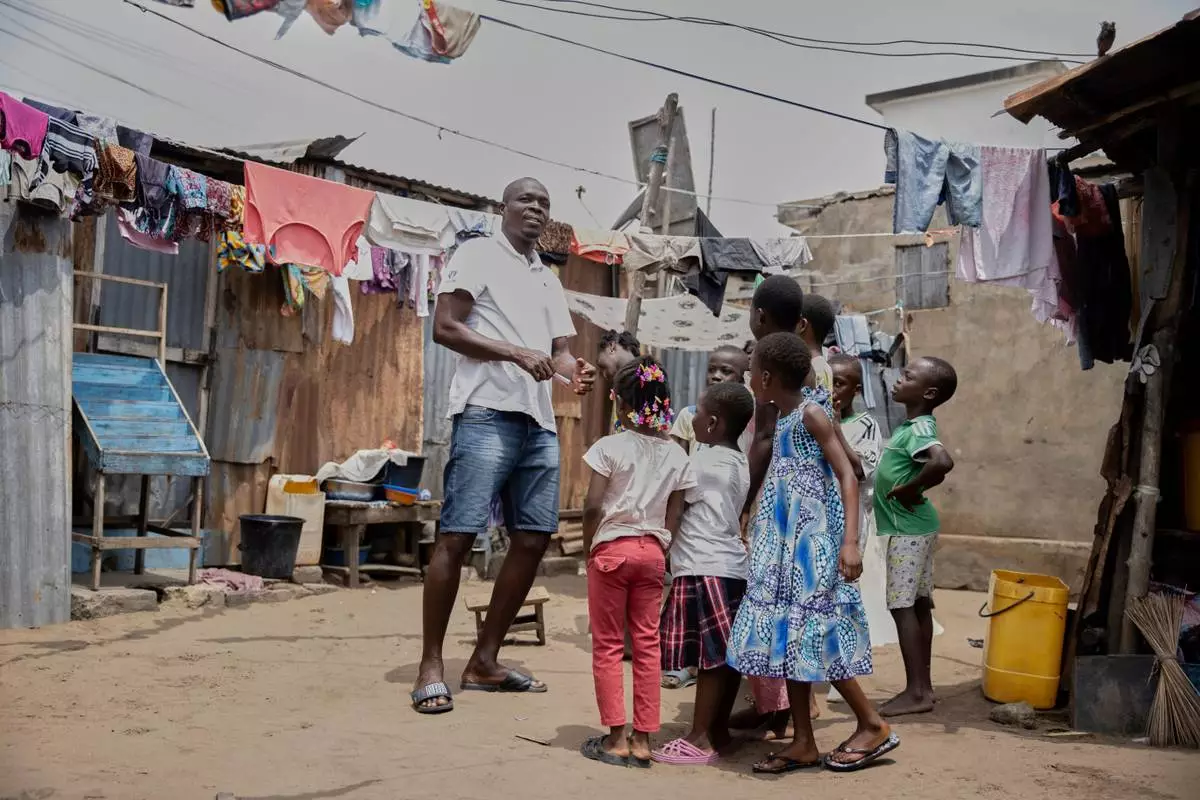
Koutoglo Kossi Mawuli, Left, the uncle of late 15-year-old Jacques Koami Koutoglo, speaks to cousins outside their house in Lome, Togo, Monday, July 7, 2025. (AP Photo/Erick Kaglan)
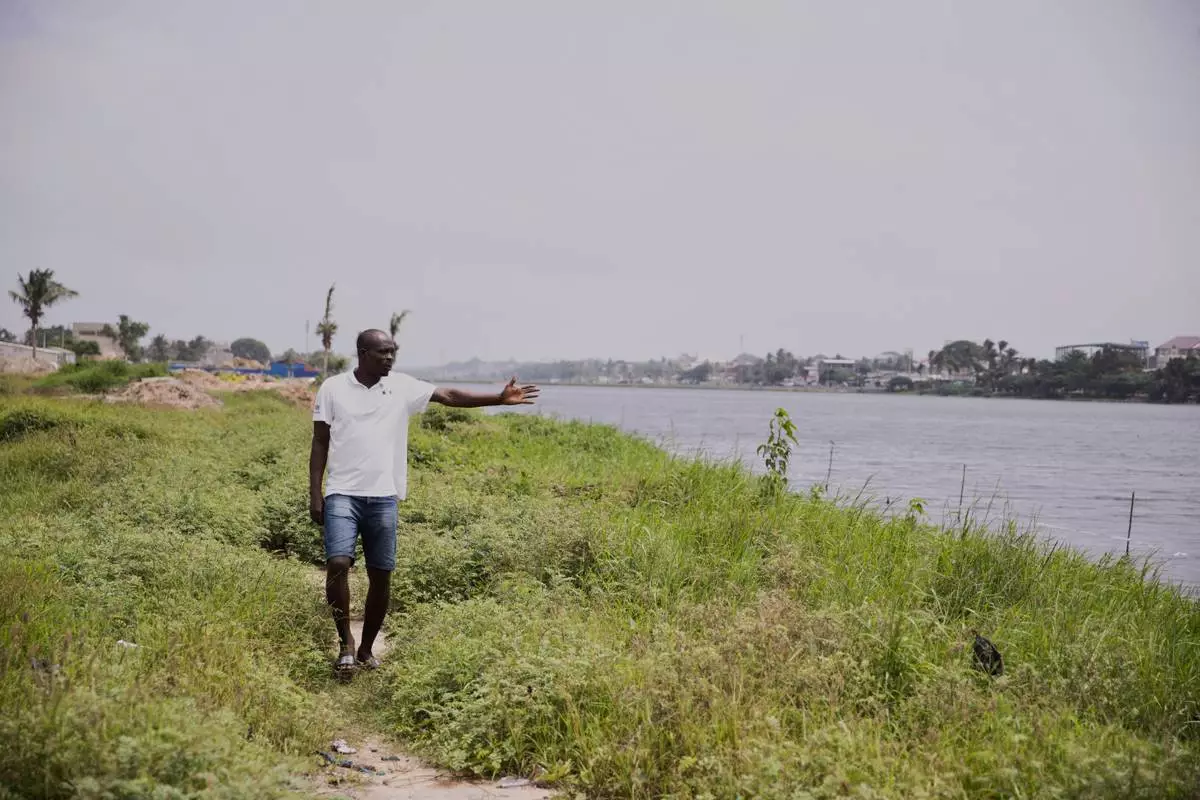
Koutoglo Kossi Mawuli, points at the lagoon where the body of Jacques Koami Koutoglo, was recovered in Lome, Togo, Monday, July 7, 2025. (AP Photo/Erick Kaglan)
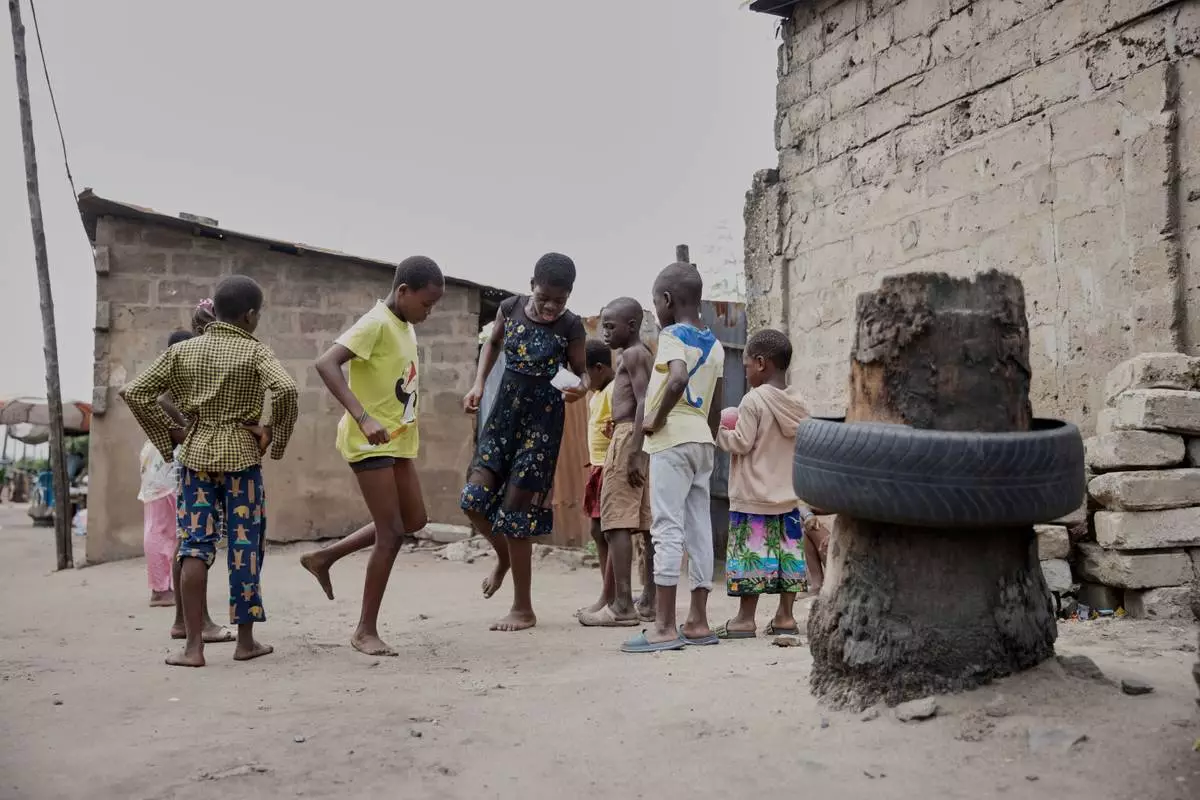
Cousins of late 15-year-old Jacques Koami Koutoglo, play outside their house in Lome, Togo, Monday, July 7, 2025. (AP Photo/Erick Kaglan)
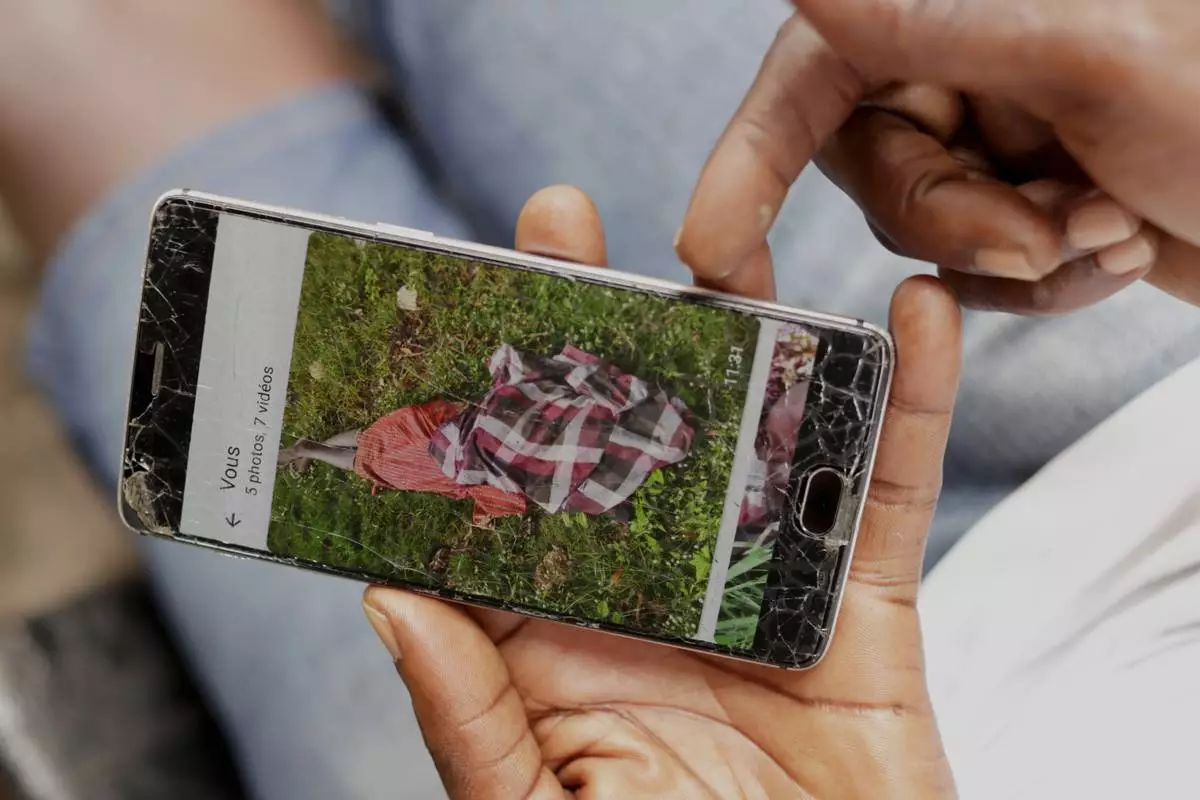
Koutoglo Kossi Mawuli, the uncle of late 15-year-old Jacques Koami Koutoglo, shows a photograph of his body on a mobile phone after it was recovered from a lagoon in Lome, Togo, Tuesday, July 8, 2025. (AP Photo/Erick Kaglan)