Chinese Premier Li Qiang's official visit to Egypt is expected to deepen ties with Cairo and the broader Arab World, according to experts.
Over the two-day visit from Wednesday to Thursday, Li will meet with Egyptian President Abdel-Fattah al-Sisi at the New Administrative Capital, a hub that showcases growing bilateral cooperation. Chinese firms have played a key role in building the Central Business District, home to Africa's tallest building, and are developing transportation infrastructure to seamlessly connect the new capital with greater Cairo.
Click to Gallery
Premier Li's Egypt visit to elevate bilateral ties, foster collaboration with Arab world: experts
Premier Li's Egypt visit to elevate bilateral ties, foster collaboration with Arab world: experts
Premier Li's Egypt visit to elevate bilateral ties, fosters collaboration with Arab world: experts
Premier Li's Egypt visit to elevate bilateral ties, fosters collaboration with Arab world: experts
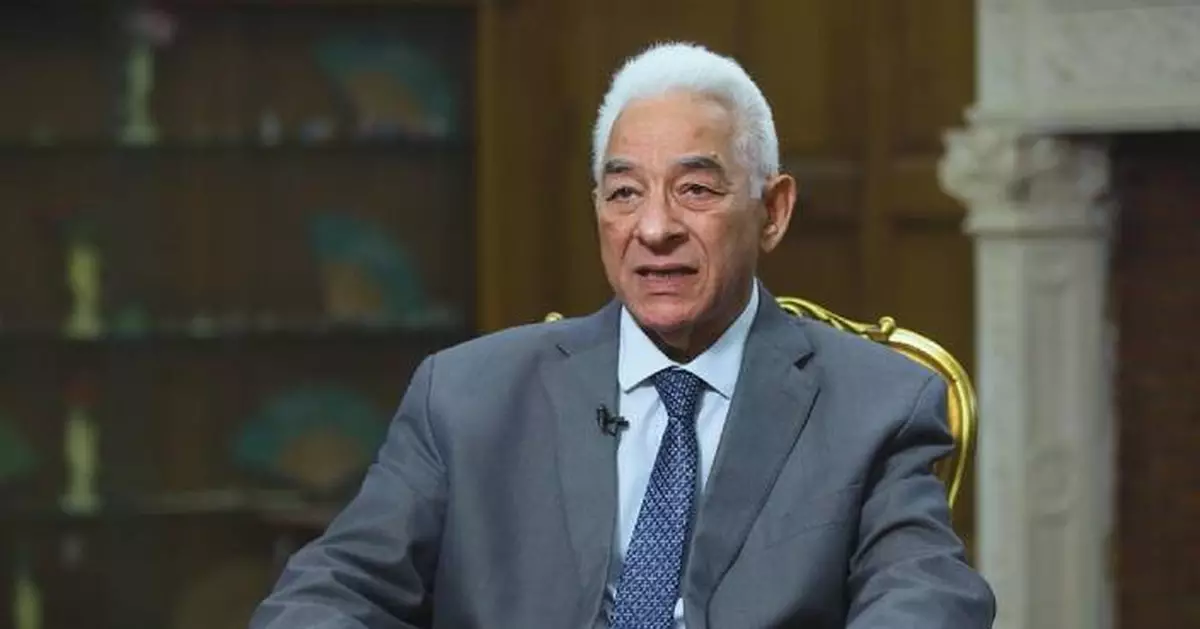
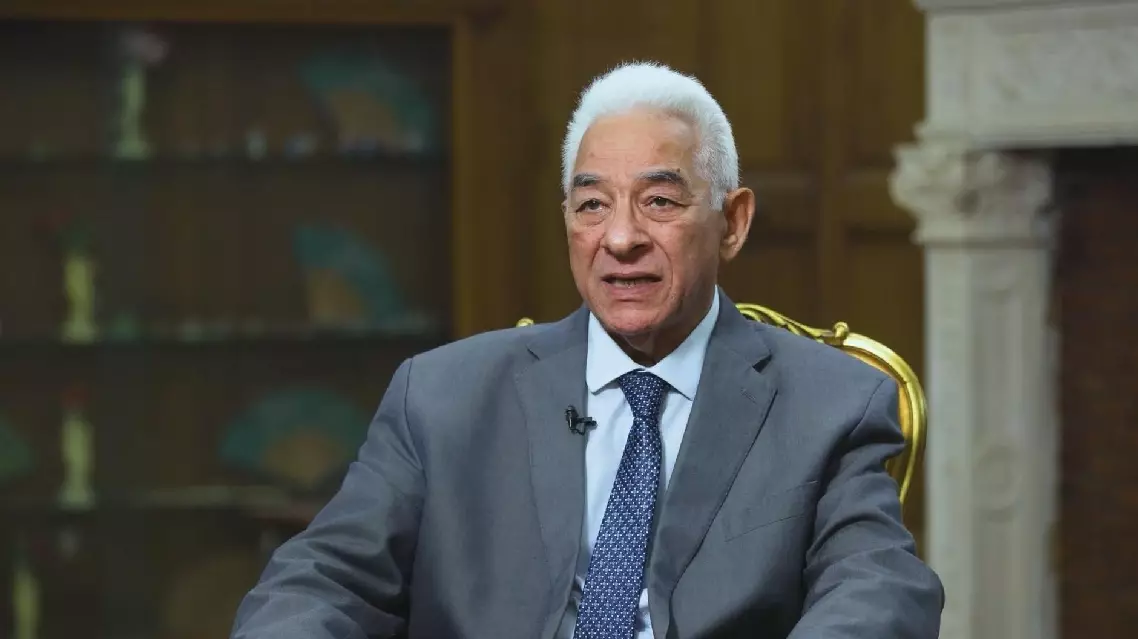
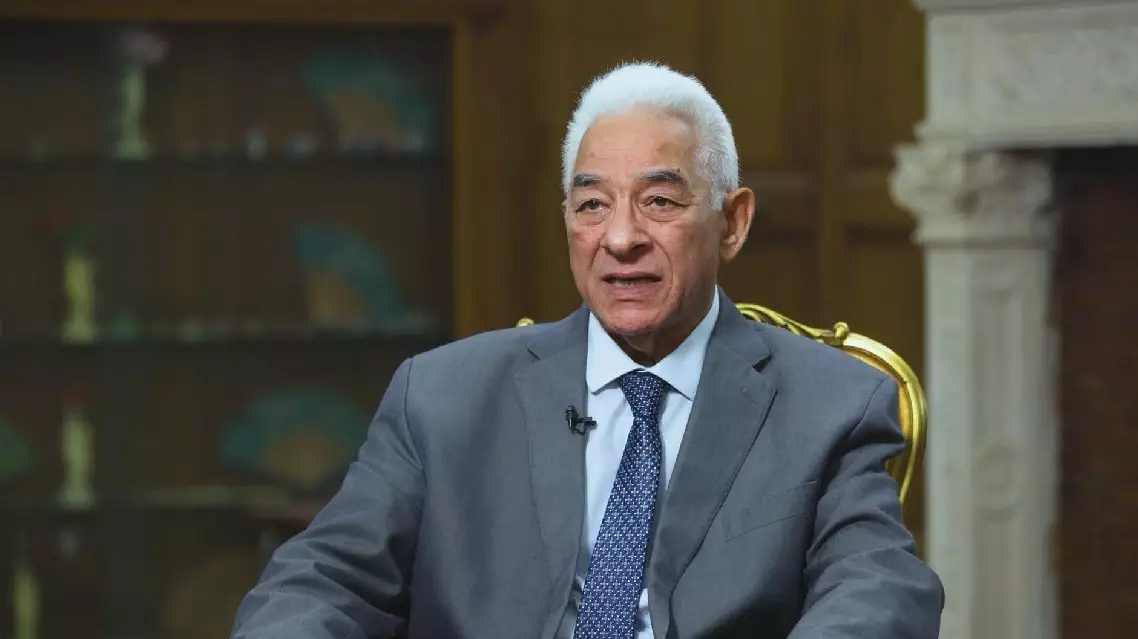
"This is something that has had a wonderful impact on the overall bilateral relations. And the figures are on the rise. We are witnessing a golden era as far as our bilateral relations are concerned. And, let's not limit this to TEDA or to the Suez Canal economic zone. But also, there are many projects that are in other governorates, other cities, in Egypt,” said Ali El-Hefny, vice chairman of the Cairo-based Egypt-China Friendship Association.
Li will be exploring ways to expand trade, which is projected to reach 17 billion U.S. dollars by the end of this year. Egypt will look to boost its exports to China while also increasing the transfer of Chinese technology programs, which have already brought space technology and electronics manufacturing to Egypt.
"In Africa, in the Arab world, in the Middle East, we shouldn't be the only hub, but the fact remains that, we are turning into a hub. We are witnessing an unprecedented stage of our relations, between the two countries, China and Egypt, especially in the economic field, technical field, commercial field, culturally, and of course, politically," said Ali El-Hefny.
Premier Li is also set to discuss broader cooperation with the Arab World. He will visit the headquarters of the Arab League, where Secretary-General Ahmed Aboul-Gheit will host discussions about the role of the China-Arab States Cooperation Forum, which is the biggest Sino-Arab platform.
"The recent developments in the Middle East and eastern Europe, shows that the current world order is failing. There must be a multipolar world. In that regard, China is very important. China is keen to enrich its diplomatic, trade, economic and political ties with the Arab World, and also military ties," said Mohamed Saad Abdel Hafiz, political Analyst of Al Shorouk, a prominent Arabic newspaper.
Besides business, Li is expected to discuss regional issues with both President Sisi and Gheit, experts say.
Premier Li's Egypt visit to elevate bilateral ties, foster collaboration with Arab world: experts
Premier Li's Egypt visit to elevate bilateral ties, foster collaboration with Arab world: experts
Premier Li's Egypt visit to elevate bilateral ties, fosters collaboration with Arab world: experts
Premier Li's Egypt visit to elevate bilateral ties, fosters collaboration with Arab world: experts