CHARLESTON, W.Va. (AP) — Two former West Virginia correctional officers were sentenced to decades in prison on Wednesday for their roles in an assault that resulted in the death of an inmate.
Mark Holdren, 41, was sentenced to 20 years in prison and Johnathan Walters, 33, was sentenced to 21 years in prison for the March 2022 attack in the Southern Regional Jail, according to a press release from the U.S. Department of Justice.
Quantez Burks, 37, was a pretrial detainee who died less than a day after he was booked into the jail in Beaver on a wanton endangerment charge, according to court documents.
When Burks tried to push past an officer to leave his housing unit, he was taken to an interview room where he was handcuffed and restrained while officers including Holdren and Walters assaulted him. Burks was struck in the head multiple times, kicked and pepper-sprayed, according to the Justice Department.
After the assault, Burks became unresponsive, so officers including Walters carried him to a different pod. Walters swung Burks' head into a metal door to open it and the officers dropped his body onto a concrete cell floor. He was pronounced deceased a short time later by emergency medical personnel.
Along with their guilty pleas, Holdren and Walters admitted that the interview room where they took Burks had no surveillance cameras. They also knew that officers used this room and other “blind spots” in the jail to assault inmates accused of misconduct.
Holdren and Walters are two of six correctional officers who were indicted in this case. They include ex-jail supervisor Chad Lester who was sentenced in May to more than 17 years in federal prison for helping cover up the assault. Prior to the indictment of the six defendants, two other former correctional officers pleaded guilty to conspiring to use unreasonable force against Burks.
The state medical examiner’s office attributed Burks’ primary cause of death to natural causes, prompting his family to seek a private autopsy. The family’s attorney revealed at a news conference in late 2022 that the second autopsy found Burks had multiple areas of blunt force trauma on his body.
The case drew scrutiny to conditions and deaths at the jail, and in November 2023, West Virginia agreed to pay $4 million to settle a class-action lawsuit filed by inmates there. In recommending a default judgment in the lawsuit, a federal magistrate judge cited the intentional destruction of records in the case. That led to the firing of former Division of Corrections and Rehabilitation Executive Officer Brad Douglas and Homeland Security Chief Counsel Phil Sword.
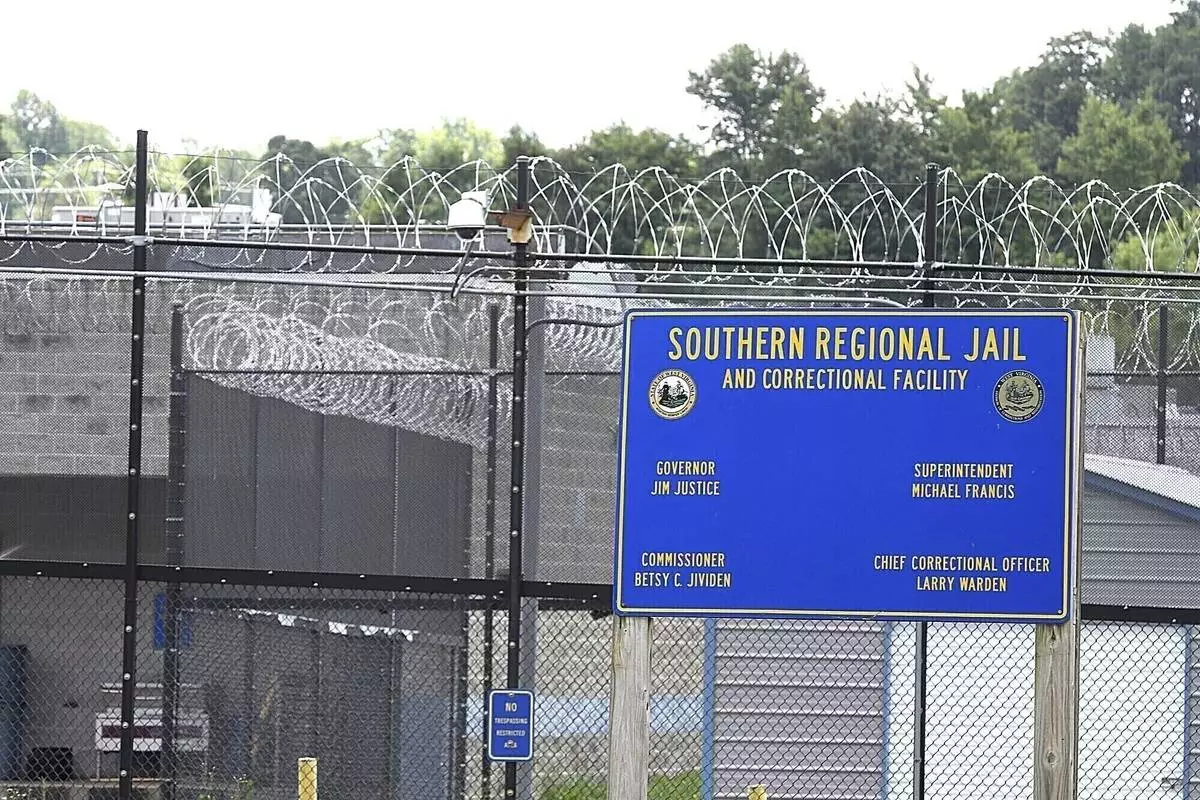
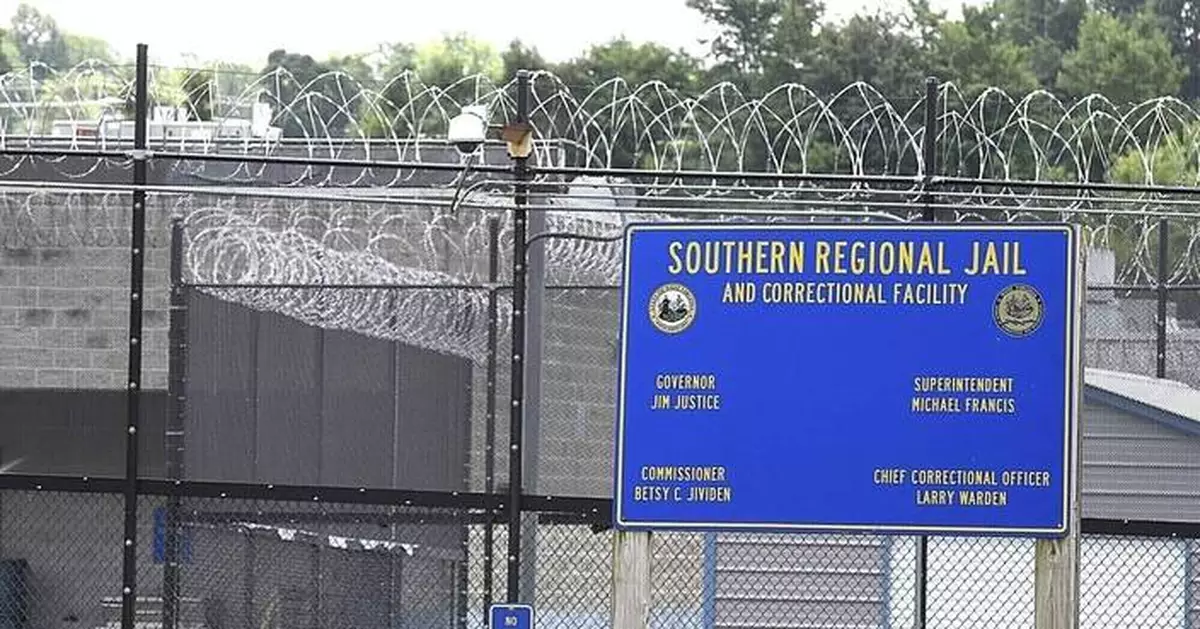
FILE - The Southern Regional Jail in Beaver, W.Va., is seen in this undated photo. (Rick Barbero/The Register-Herald via AP, File)
DUBAI, United Arab Emirates (AP) — Nationwide protests challenging Iran's theocracy saw protesters flood the streets in the country's capital and its second-largest city into Sunday, crossing the two-week mark as violence surrounding the demonstrations has killed at least 116 people, activists said.
With the internet down in Iran and phone lines cut off, gauging the demonstrations from abroad has grown more difficult. But the death toll in the protests has grown, while 2,600 others have been detained, according to the U.S.-based Human Rights Activists News Agency.
Those abroad fear the information blackout will embolden hard-liners within Iran's security services to launch a bloody crackdown, despite warnings from U.S. President Donald Trump he's willing to strike the Islamic Republic to protect peaceful demonstrators.
Trump offered support for the protesters, saying on social media that “Iran is looking at FREEDOM, perhaps like never before. The USA stands ready to help!!!” The New York Times and Wall Street Journal, citing anonymous U.S. officials, said on Saturday night that Trump had been given military options for a strike on Iran, but hadn’t made a final decision.
The State Department separately warned: “Do not play games with President Trump. When he says he’ll do something, he means it.”
Online videos sent out of Iran, likely using Starlink satellite transmitters, purportedly showed demonstrators gathering in northern Tehran's Punak neighborhood. There, it appeared authorities shut off streets, with protesters waving their lit mobile phones. Others banged metal while fireworks went off.
Other footage purportedly showed demonstrators peacefully marching down a street and others honking their car horns on the street.
In Mashhad, Iran's second-largest city, some 725 kilometers (450 miles) northeast of Tehran, footage purported to show protesters confronting security forces. Flaming debris and dumpsters could be seen in the street, blocking the road. Mashhad is home to the Imam Reza shrine, the holiest in Shiite Islam, making the protests there carry heavy significance for the country's theocracy.
Protests also appeared to happen in Kerman, 800 kilometers (500 miles) southeast of Tehran.
Iranian state television on Sunday morning took a page from demonstrators, having their correspondents appear on streets in several cities to show calm areas with a date stamp shown on screen. Tehran and Mashhad were not included. They also showed pro-government demonstrations in Qom and Qazvin.
Supreme Leader Ayatollah Ali Khamenei has signaled a coming clampdown, despite U.S. warnings. Tehran escalated its threats Saturday, with Iran’s attorney general, Mohammad Movahedi Azad, warning that anyone taking part in protests will be considered an “enemy of God,” a death-penalty charge. The statement carried by Iranian state television said even those who “helped rioters” would face the charge.
Iran’s theocracy cut off the nation from the internet and international telephone calls on Thursday, though it allowed some state-owned and semiofficial media to publish. Qatar’s state-funded Al Jazeera news network reported live from Iran, but they appeared to be the only major foreign outlet able to work.
Iran’s exiled Crown Prince Reza Pahlavi, who called for protests Thursday and Friday, asked in his latest message for demonstrators to take to the streets Saturday and Sunday. He urged protesters to carry Iran’s old lion-and-sun flag and other national symbols used during the time of the shah to “claim public spaces as your own.”
Pahlavi’s support of and from Israel has drawn criticism in the past — particularly after the 12-day war. Demonstrators have shouted in support of the shah in some protests, but it isn’t clear whether that’s support for Pahlavi himself or a desire to return to a time before the 1979 Islamic Revolution.
The demonstrations began Dec. 28 over the collapse of the Iranian rial currency, which trades at over 1.4 million to $1, as the country’s economy is squeezed by international sanctions in part levied over its nuclear program. The protests intensified and grew into calls directly challenging Iran’s theocracy.

In this frame grab from footage circulating on social media from Iran showed protesters once again taking to the streets of Tehran despite an intensifying crackdown as the Islamic Republic remains cut off from the rest of the world in Tehran, Iran, Saturday Jan. 10, 2026. (UGC via AP)