Skip to Content Facebook Feature Image

The UN warns millions will die by 2029 if US funding for HIV programs isn't replaced

News

The UN warns millions will die by 2029 if US funding for HIV programs isn't replaced
News

News

The UN warns millions will die by 2029 if US funding for HIV programs isn't replaced

2025-07-11 05:32 Last Updated At:05:41

LONDON (AP) — Years of American-led investment into AIDS programs has reduced the number of people killed by the disease to the lowest levels seen in more than three decades and provided life-saving medicines for some of the world’s most vulnerable.

But in the last six months, the sudden withdrawal of U.S. money has caused a “systemic shock,” U.N. officials warned, adding that if the funding isn’t replaced, it could lead to more than 4 million AIDS-related deaths and 6 million more HIV infections by 2029.

More Images
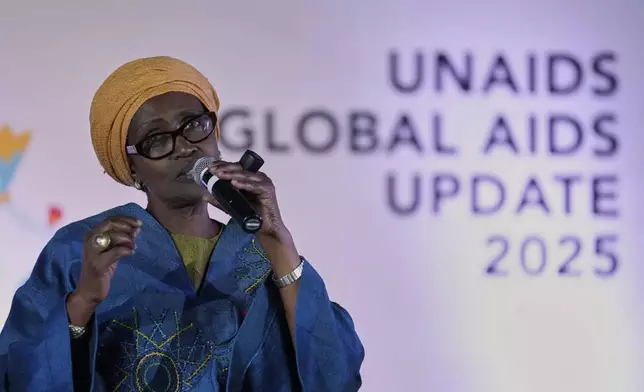
Winnie Byanyima, Executive Director of UNAIDS and Under-Secretary-General of the United Nations, speaks during the UNAIDS report release at Bertha Gxowa Hospital in Germiston, South Africa, Thursday, July 10, 2025. (AP Photo/Themba Hadebe)
Winnie Byanyima, Executive Director of UNAIDS and Under-Secretary-General of the United Nations, speaks during the UNAIDS report release at Bertha Gxowa Hospital in Germiston, South Africa, Thursday, July 10, 2025. (AP Photo/Themba Hadebe)
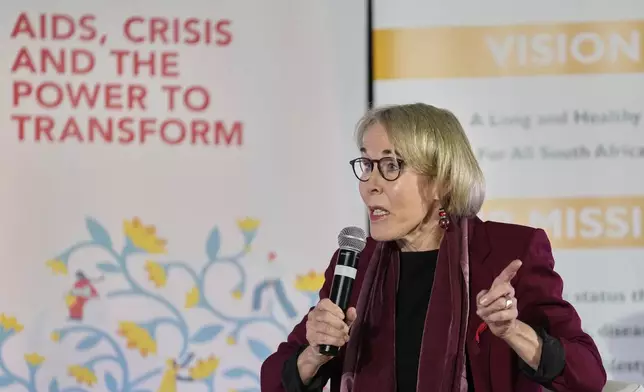
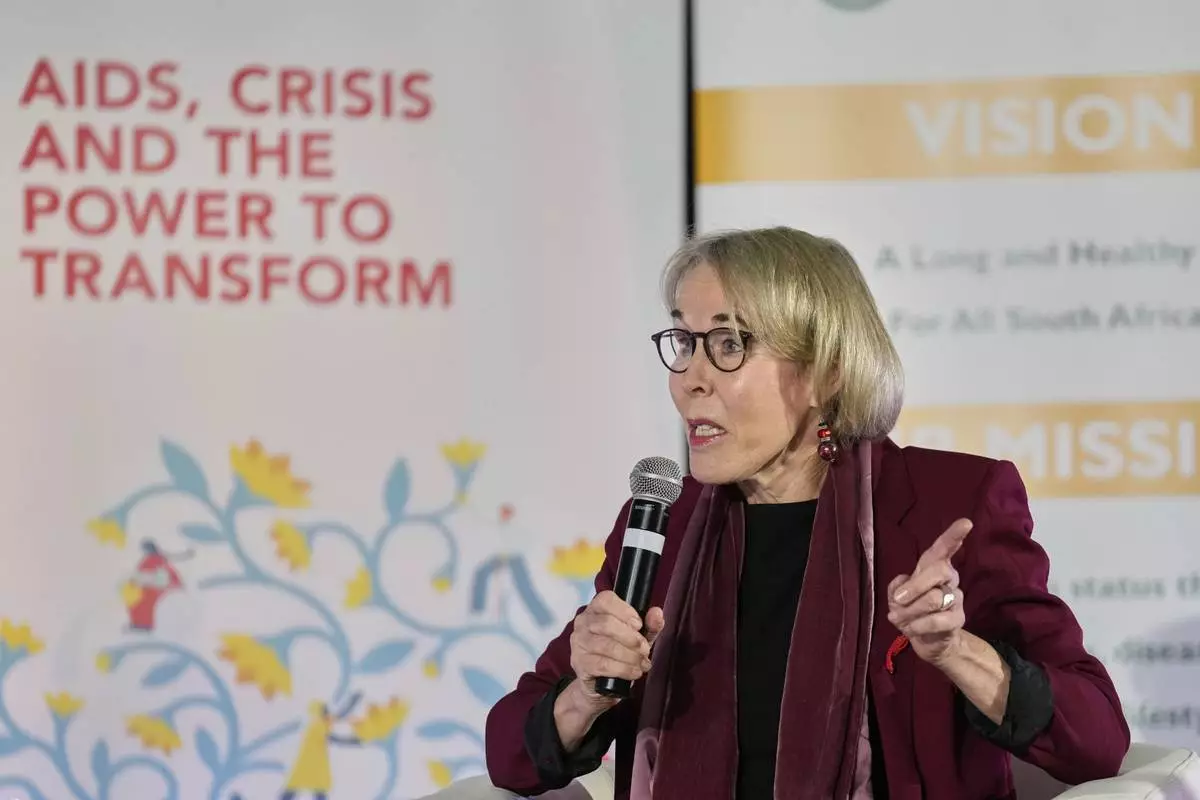
Helen Rees, Executive Director, Wits RHI, Reproductive Health and HIV Institute, speaks during the UNAIDS report release at Bertha Gxowa Hospital in Germiston, South Africa, Thursday, July 10, 2025. (AP Photo/Themba Hadebe)
Helen Rees, Executive Director, Wits RHI, Reproductive Health and HIV Institute, speaks during the UNAIDS report release at Bertha Gxowa Hospital in Germiston, South Africa, Thursday, July 10, 2025. (AP Photo/Themba Hadebe)

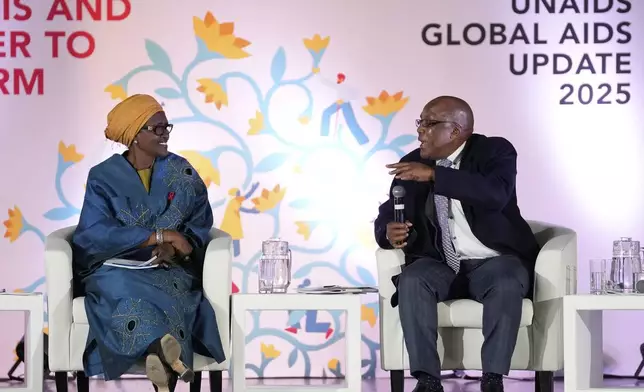
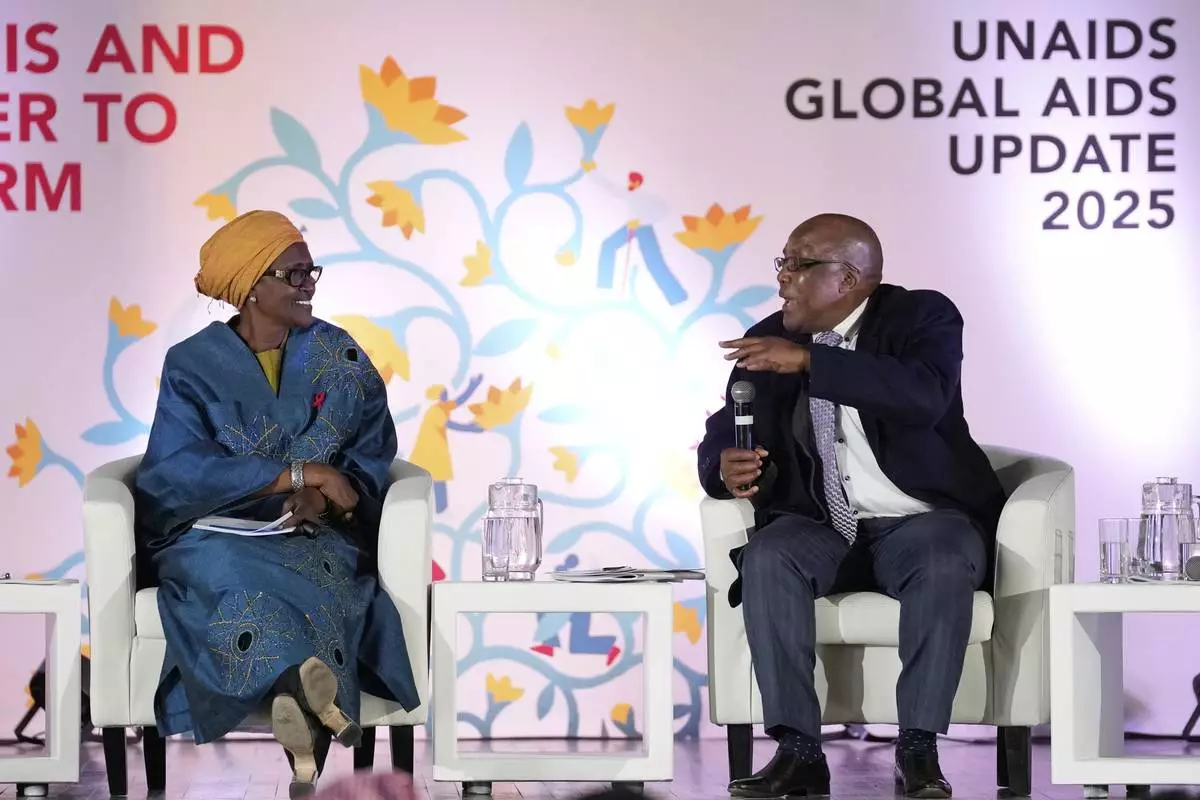
South Africa's Minister of Health Aaron Motsoaledi, right, speaks as Winnie Byanyima, Executive Director of UNAIDS and Under-Secretary-General of the United Nations watches on during the UNAIDS report release at Bertha Gxowa Hospital in Germiston, South Africa, Thursday, July 10, 2025. (AP Photo/Themba Hadebe)

South Africa's Minister of Health Aaron Motsoaledi, right, speaks as Winnie Byanyima, Executive Director of UNAIDS and Under-Secretary-General of the United Nations watches on during the UNAIDS report release at Bertha Gxowa Hospital in Germiston, South Africa, Thursday, July 10, 2025. (AP Photo/Themba Hadebe)

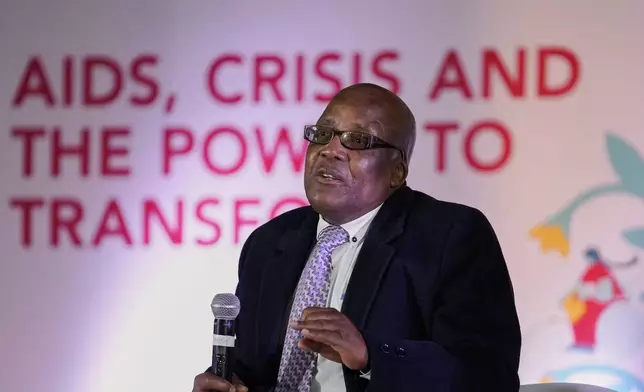
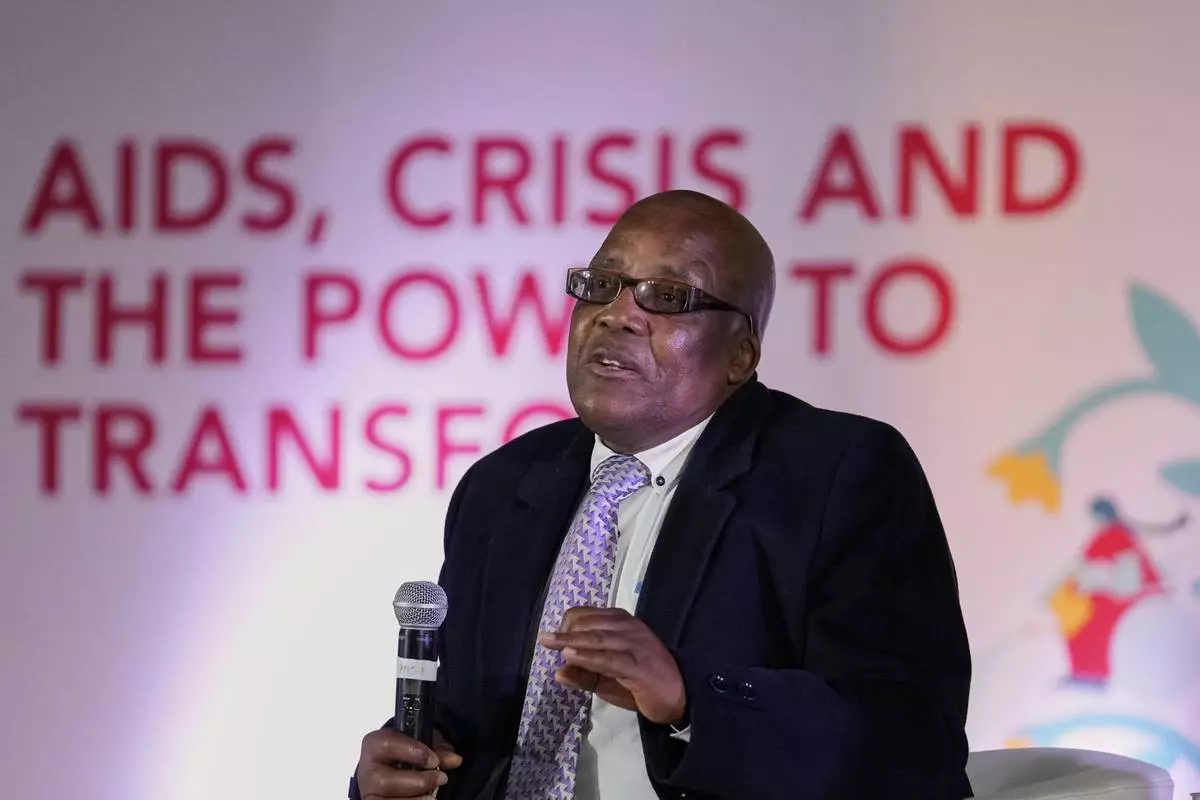
South Africa's Minister of Health Aaron Motsoaledi, speaks during the UNAIDS report release at Bertha Gxowa Hospital in Germiston, South Africa, Thursday, July 10, 2025. (AP Photo/Themba Hadebe)

South Africa's Minister of Health Aaron Motsoaledi, speaks during the UNAIDS report release at Bertha Gxowa Hospital in Germiston, South Africa, Thursday, July 10, 2025. (AP Photo/Themba Hadebe)

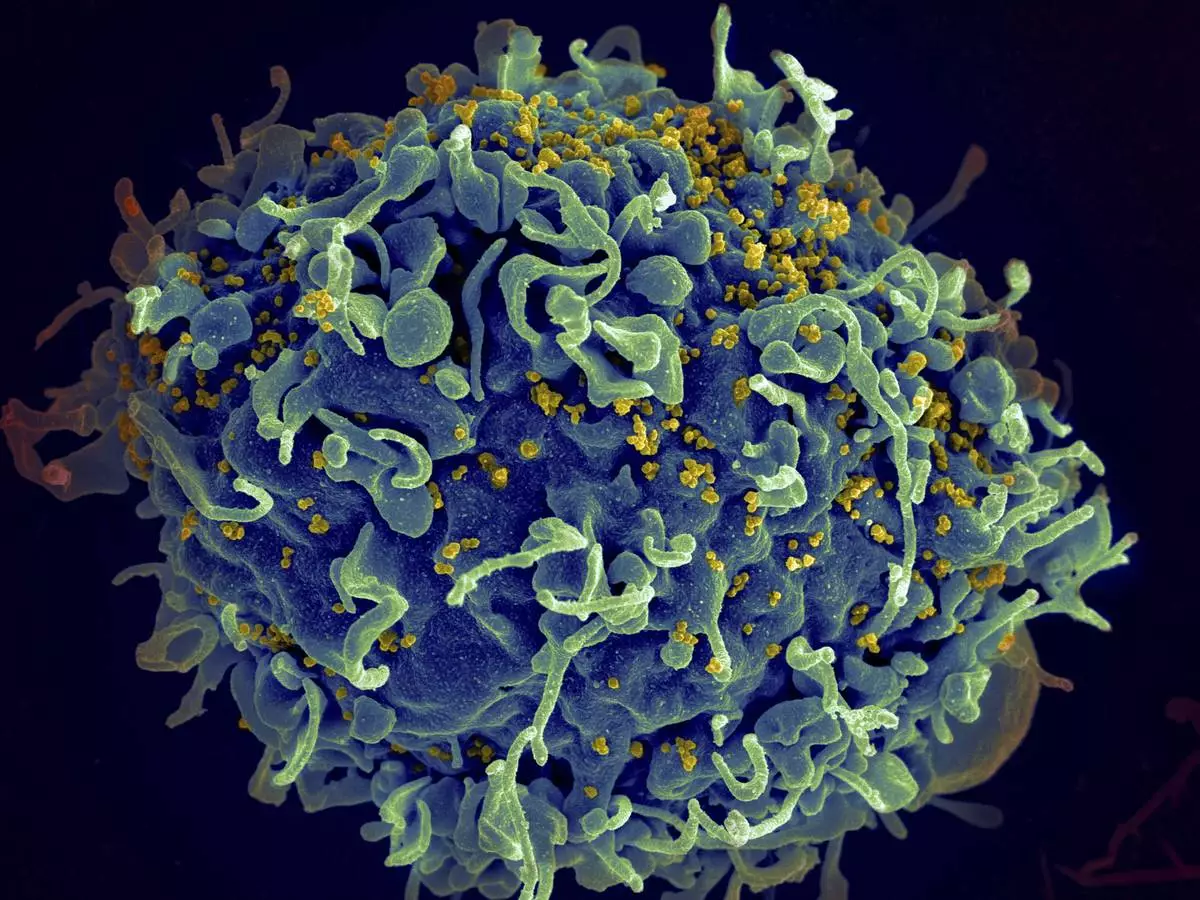
FILE - This colorized electron microscope image provided by the U.S. National Institutes of Health shows a human T cell, in blue, under attack by HIV, in yellow, the virus that causes AIDS. (Seth Pincus, Elizabeth Fischer, Austin Athman/National Institute of Allergy and Infectious Diseases/NIH via AP, File)

FILE - This colorized electron microscope image provided by the U.S. National Institutes of Health shows a human T cell, in blue, under attack by HIV, in yellow, the virus that causes AIDS. (Seth Pincus, Elizabeth Fischer, Austin Athman/National Institute of Allergy and Infectious Diseases/NIH via AP, File)

A new UNAIDS report released Thursday said the funding losses have "already destabilized supply chains, led to the closure of health facilities, left thousands of health clinics without staff, set back prevention programs, disrupted HIV testing efforts and forced many community organizations to reduce or halt their HIV activities.”

It also said that it feared other major donors scaled back their support, reversing decades of progress against AIDS worldwide — and that the strong multilateral cooperation is in jeopardy because of wars, geopolitical shifts and climate change.

The $4 billion that the United States pledged for the global HIV response for 2025 disappeared virtually overnight in January, when U.S. President Donald Trump ordered that all foreign aid be suspended and later moved to shutter the U.S. AID agency.

Andrew Hill, an HIV expert at the University of Liverpool who is not connected to the United Nations, said that while Trump is entitled to spend U.S. money as he sees fit, “any responsible government would have given advance warning so countries could plan,” instead of stranding patients in Africa where clinics were closed overnight.

The U.S. President’s Emergency Plan for AIDS Relief, or PEPFAR, was launched in 2003 by U.S. President George W. Bush, the biggest-ever commitment by any country focused on a single disease.

UNAIDS called the program a “lifeline” for countries with high HIV rates, and said that it supported testing for 84.1 million people, treatment for 20.6 million, among other initiatives. According to data from Nigeria, PEPFAR also funded 99.9% of the country’s budget for medicines taken to prevent HIV.

U.N. Assistant Secretary-General Angeli Achrekar, a UNAIDS deputy executive director who was PEPFAR’s principal deputy coordinator until January 2023, said the program is under review by the Trump administration though Secretary of State Marco Rubio issued a waiver “to continue life-saving treatment.”

““The extent to which it will continue in the future, we don’t know,” she told a video news conference with U.N. reporters in New York. “We are cautiously hopeful that PEPFAR will continue to support both prevention and treatment services.”

In 2024, there were about 630,000 AIDS-related deaths worldwide, per a UNAIDS estimate — the figure has remained about the same since 2022 after peaking at about 2 million deaths in 2004.

Even before the U.S. funding cuts, progress against curbing HIV was uneven. UNAIDS said that half of all new infections are in sub-Saharan Africa.

Tom Ellman of Doctors Without Borders said that while some poorer countries were now moving to fund more of their own HIV programs, it would be impossible to fill the gap left by the U.S.

“There's nothing we can do that will protect these countries from the sudden, vicious withdrawal of support from the U.S.,” said Ellman, head of the group's South Africa medical unit.

Experts also fear another significant loss — data.

The U.S. paid for most HIV surveillance in African countries, including hospital, patient and electronic records, all of which has now abruptly ceased, according to Dr. Chris Beyrer, director of the Global Health Institute at Duke University.

“Without reliable data about how HIV is spreading, it will be incredibly hard to stop it,” he said.

The uncertainty comes in the wake of a twice-yearly injectable that many hope could end HIV. Studies published last year showed that the drug from pharmaceutical maker Gilead was 100% effective in preventing the virus.

At a launch event Thursday, South Africa's health minister Aaron Motsoaledi said the country would “move mountains and rivers to make sure every adolescent girl who needs it will get it,” saying that the continent's past dependence upon US aid was “scary.”

Last month, the U.S. Food and Drug Administration approved the drug, called Yeztugo, a move that should have been a “threshold moment” for stopping the AIDS epidemic, said Peter Maybarduk of the advocacy group Public Citizen.

But activists like Maybarduk said Gilead’s pricing will put it out of reach of many countries that need it. Gilead has agreed to sell generic versions of the drug in 120 poor countries with high HIV rates but has excluded nearly all of Latin America, where rates are far lower but increasing.

“We could be ending AIDS," Maybarduk said. "Instead, the U.S. is abandoning the fight.”

Associated Press writer Edith M. Lederer at the United Nations contributed to this report.

The Associated Press Health and Science Department receives support from the Howard Hughes Medical Institute’s Department of Science Education and the Robert Wood Johnson Foundation. The AP receives financial support for global health and development coverage in Africa from the Gates Foundation. The AP is solely responsible for all content. Find AP’s standards for working with philanthropies, a list of supporters and funded coverage areas at AP.org.

A previous version of this story was corrected to show that the name of the drug is Yeztugo, not Sunlenca.
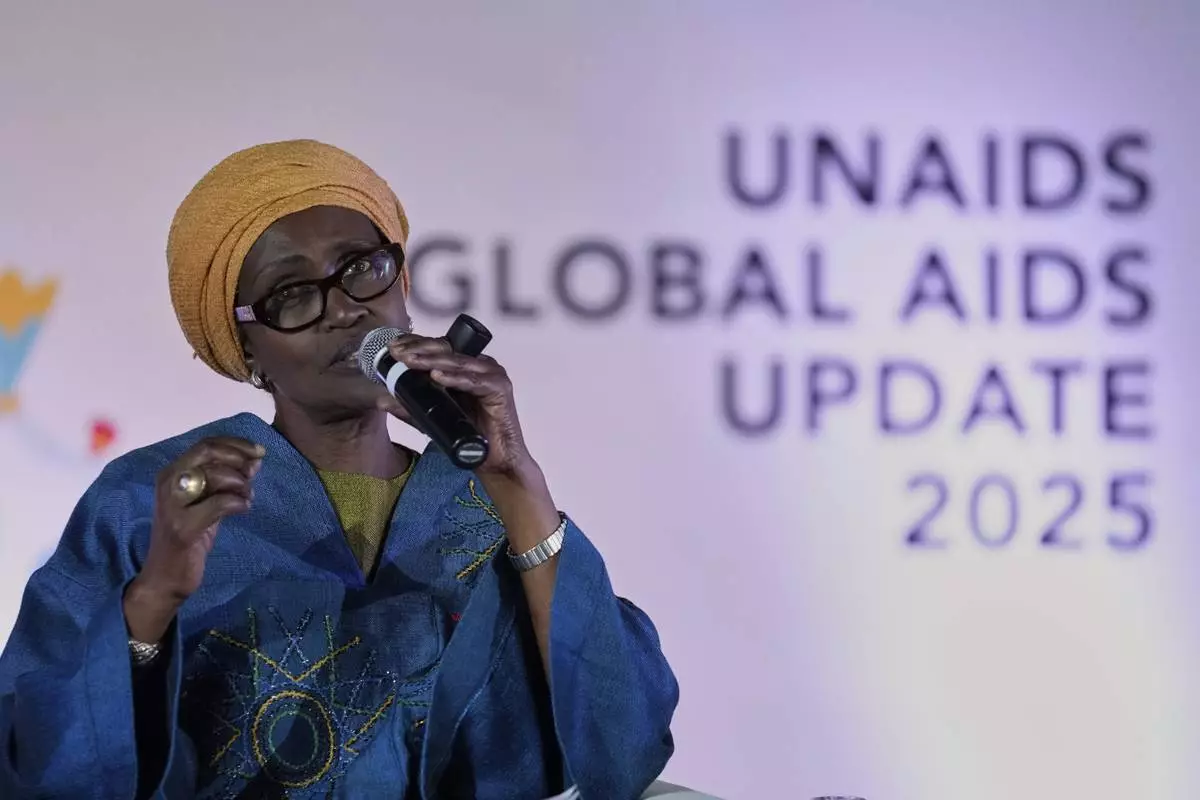
Winnie Byanyima, Executive Director of UNAIDS and Under-Secretary-General of the United Nations, speaks during the UNAIDS report release at Bertha Gxowa Hospital in Germiston, South Africa, Thursday, July 10, 2025. (AP Photo/Themba Hadebe)
Winnie Byanyima, Executive Director of UNAIDS and Under-Secretary-General of the United Nations, speaks during the UNAIDS report release at Bertha Gxowa Hospital in Germiston, South Africa, Thursday, July 10, 2025. (AP Photo/Themba Hadebe)
Helen Rees, Executive Director, Wits RHI, Reproductive Health and HIV Institute, speaks during the UNAIDS report release at Bertha Gxowa Hospital in Germiston, South Africa, Thursday, July 10, 2025. (AP Photo/Themba Hadebe)
Helen Rees, Executive Director, Wits RHI, Reproductive Health and HIV Institute, speaks during the UNAIDS report release at Bertha Gxowa Hospital in Germiston, South Africa, Thursday, July 10, 2025. (AP Photo/Themba Hadebe)
South Africa's Minister of Health Aaron Motsoaledi, right, speaks as Winnie Byanyima, Executive Director of UNAIDS and Under-Secretary-General of the United Nations watches on during the UNAIDS report release at Bertha Gxowa Hospital in Germiston, South Africa, Thursday, July 10, 2025. (AP Photo/Themba Hadebe)

South Africa's Minister of Health Aaron Motsoaledi, right, speaks as Winnie Byanyima, Executive Director of UNAIDS and Under-Secretary-General of the United Nations watches on during the UNAIDS report release at Bertha Gxowa Hospital in Germiston, South Africa, Thursday, July 10, 2025. (AP Photo/Themba Hadebe)

South Africa's Minister of Health Aaron Motsoaledi, speaks during the UNAIDS report release at Bertha Gxowa Hospital in Germiston, South Africa, Thursday, July 10, 2025. (AP Photo/Themba Hadebe)

South Africa's Minister of Health Aaron Motsoaledi, speaks during the UNAIDS report release at Bertha Gxowa Hospital in Germiston, South Africa, Thursday, July 10, 2025. (AP Photo/Themba Hadebe)

FILE - This colorized electron microscope image provided by the U.S. National Institutes of Health shows a human T cell, in blue, under attack by HIV, in yellow, the virus that causes AIDS. (Seth Pincus, Elizabeth Fischer, Austin Athman/National Institute of Allergy and Infectious Diseases/NIH via AP, File)
FILE - This colorized electron microscope image provided by the U.S. National Institutes of Health shows a human T cell, in blue, under attack by HIV, in yellow, the virus that causes AIDS. (Seth Pincus, Elizabeth Fischer, Austin Athman/National Institute of Allergy and Infectious Diseases/NIH via AP, File)

KYIV, Ukraine (AP) — Russian drones blasted apartment buildings and the power grid in the southern Ukraine city of Odesa in an overnight attack that injured six people, including a toddler and two other children, officials said Wednesday.

The attack came as Russian President Vladimir Putin expressed confidence in his country's eventual victory in the nearly four-year war against its neighbor.

Four apartment buildings were damaged in the Odesa bombardment, according to regional military administration head Oleh Kiper. The DTEK power provider said two of its energy facilities suffered significant damage. The company said 10 substations that distribute electricity in the Odesa region have been damaged in December alone.

Russia has this year escalated its long-range attacks on urban areas of Ukraine. In recent months, as Russia’s invasion of its neighbor approaches its four-year milestone in February, it has also intensified its targeting of energy infrastructure, seeking to deny Ukrainians heat and running water in the bitter winter months.

Between January and November, more than 2,300 Ukrainian civilians were killed and more than 11,000 were injured, the United Nations said earlier this month. That was 26% higher than in the same period in 2024 and 70% higher than in 2023, it said.

Russia’s sustained drone and missile attacks have taken place against backdrop of renewed diplomatic efforts to stop the fighting.

U.S. President Donald Trump hosted Ukrainian President Volodymyr Zelenskyy at his Florida resort on Sunday and announced that a settlement is “closer than ever before." The Ukrainian leader is due to hold talks next week with the heads of European governments supporting his efforts to secure acceptable terms.

Despite the progress in peace negotiations, which he didn't mention, Putin reaffirmed his belief in Russia’s eventual success in its invasion of Ukraine as he gave his traditional New Year’s address to the nation Wednesday.

He gave special praise to Russian troops deployed in Ukraine, describing them as heroes “fighting for your native land, truth and justice.”

“We believe in you and our victory,” Putin said, as cited by Russian state news agency Tass.

Putin delivered his recorded 3-1/2 minute speech against the backdrop of a snowy Kremlin, a tradition broken only in 2022 — the year the invasion began — when the Russian leader gave his address flanked by men and women in military fatigues.

The ongoing long-range attacks, meantime, are inflaming tensions.

The overnight Odesa strikes “are further evidence of the enemy’s terror tactics, which deliberately target civilian infrastructure,” Kiper, the regional head, said.

Moscow has alleged that Ukraine attempted to attack Putin’s residence in northwestern Russia with 91 long-range drones late Sunday and early Monday. Ukrainian officials deny the claim and say it’s a ruse to derail progress in the peace negotiations.

Maj. Gen. Alexander Romanenkov of the Russian air force claimed Wednesday that the drones took off from Ukraine’s Sumy and Chernihiv regions.

At a briefing where no questions were allowed, he presented a map showing the drone flight routes before they were downed by Russian air defenses over the Bryansk, Tver, Smolensk and Novgorod regions.

It was not possible to independently verify the reports.

The European Union’s foreign policy chief, Kaja Kallas, on Wednesday called the Russian allegations “a deliberate distraction” from the peace talks.

“No one should accept unfounded claims from the aggressor who has indiscriminately targeted Ukraine’s infrastructure and civilians since the start of the war,” Kallas posted on X.

Zelenskyy said Wednesday that Romania and Croatia are the latest countries to join a fund that buys weapons for Ukraine from the United States. The financial arrangement, known as the Prioritized Ukraine Requirements List, or PURL, pools contributions from NATO members, except the United States, to purchase American weapons, munitions and equipment.

Since it was established in August, 24 countries are now contributing to the fund, according to Zelenskyy. The fund has so far received $4.3 billion, with almost $1.5 billion coming in December alone, he said on social media.

Ukraine’s air force said Wednesday that Russia fired 127 drones at the country during the night, with 101 of them intercepted by air defenses.

Meanwhile, the Russian Defense Ministry said that 86 Ukrainian drones were shot down overnight over Russian regions, the Black Sea and the illegally annexed Crimea peninsula.

The Ukrainian attack started a fire at an oil refinery in Russia's southern Krasnodar region, but it was quickly put out, local authorities said.

A previous version of this story was corrected to give the timing of the alleged attack on Putin's residence as late Sunday and early Monday.

Katie Marie Davies in Leicester, England, contributed to this story.

Follow AP’s coverage of the war in Ukraine at https://apnews.com/hub/russia-ukraine

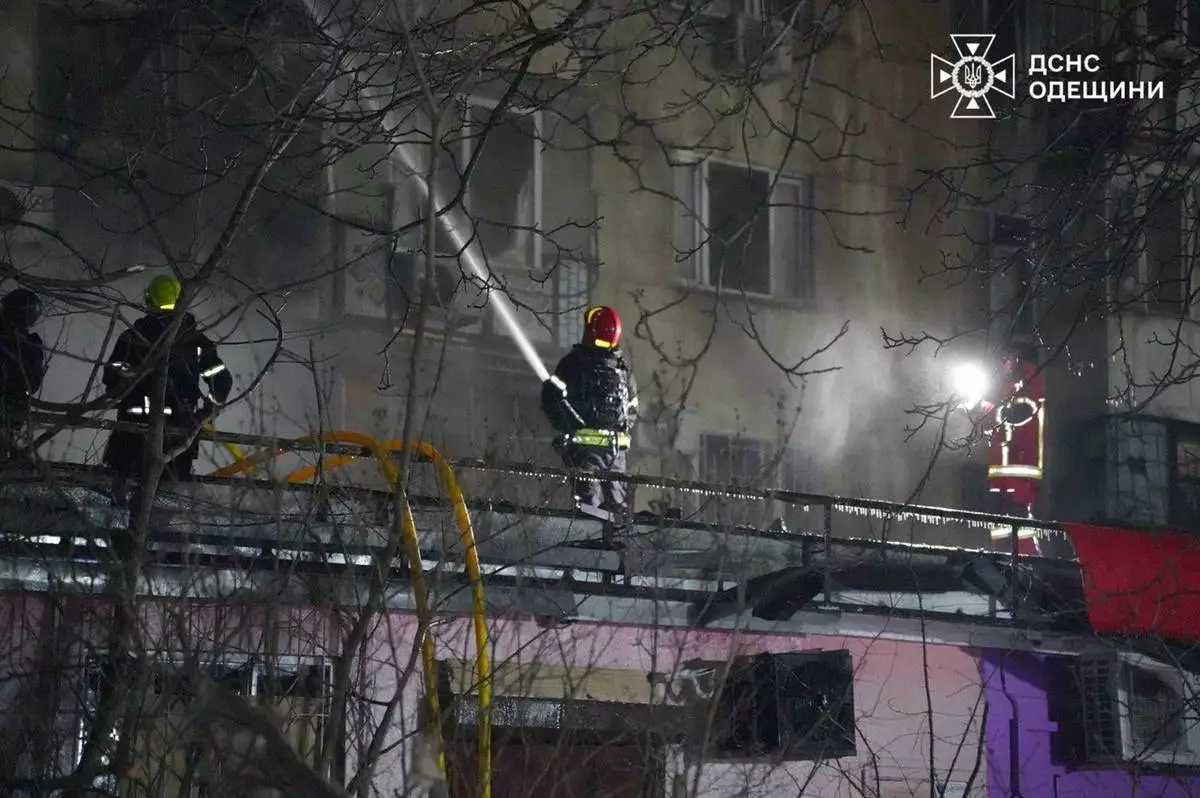
In this photo provided by the Ukrainian Emergency Service, emergency services personnel work to extinguish a fire following a Russian attack in Odesa, Ukraine, Wednesday, Dec. 31, 2025. (Ukrainian Emergency Service via AP)

In this photo provided by the Ukrainian Emergency Service, emergency services personnel work to extinguish a fire following a Russian attack in Odesa, Ukraine, Wednesday, Dec. 31, 2025. (Ukrainian Emergency Service via AP)

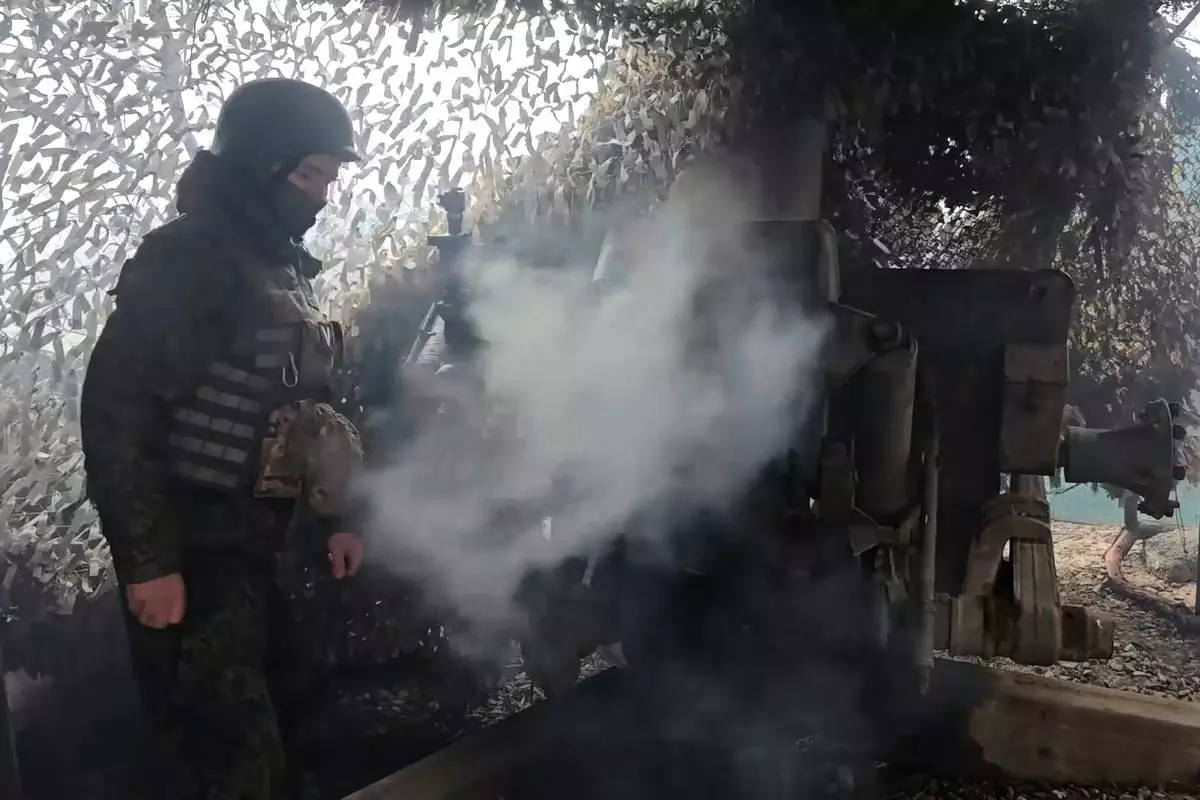
In this image made from video provided by the Russian Defense Ministry Press Service on Tuesday, Dec. 30, 2025, a Russian Army soldier fires from D-30 howitzer towards Ukrainian positions in an undisclosed location in Ukraine. (Russian Defense Ministry Press Service via AP)

In this image made from video provided by the Russian Defense Ministry Press Service on Tuesday, Dec. 30, 2025, a Russian Army soldier fires from D-30 howitzer towards Ukrainian positions in an undisclosed location in Ukraine. (Russian Defense Ministry Press Service via AP)

Recommended Articles