DETROIT (AP) — Global Citizen is turning to cities as it looks to break through what it sees as widespread political gridlock hindering large-scale action on its goal of ending extreme poverty worldwide.
The nonprofit advocacy group has rallied the private sector and foreign dignitaries to solve humanitarian challenges together, driving millions of dollars toward replenishing international aid and eradicating polio since 2008. But Global Citizen co-founder Simon Moss said Thursday it is local officials who are increasingly joining traditional international players in shaping whether communities are equipped to tackle urgent crises.
Click to Gallery
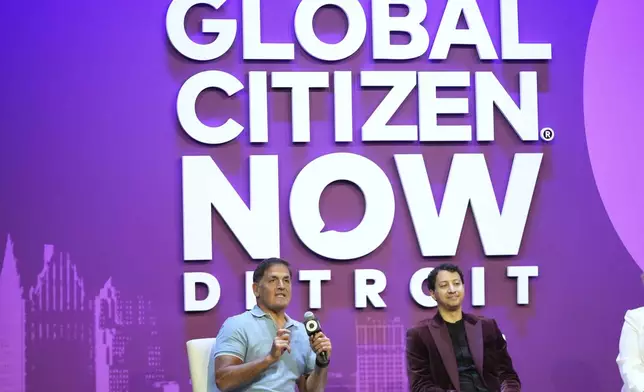
Mark Cuban, left, speaks with Andrew Leon Hanna, on a panel at a Global Citizen NOW event in Detroit, Thursday, July 10, 2025. (AP Photo/Paul Sancya)
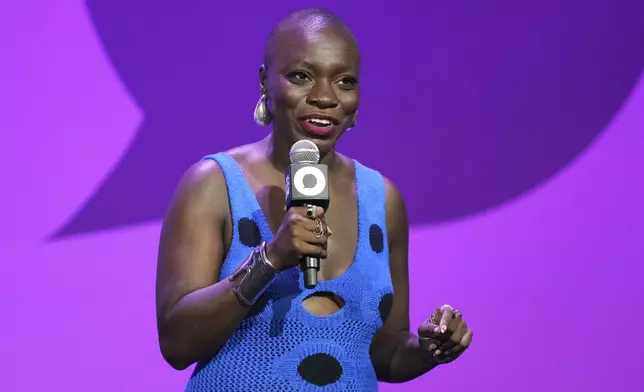
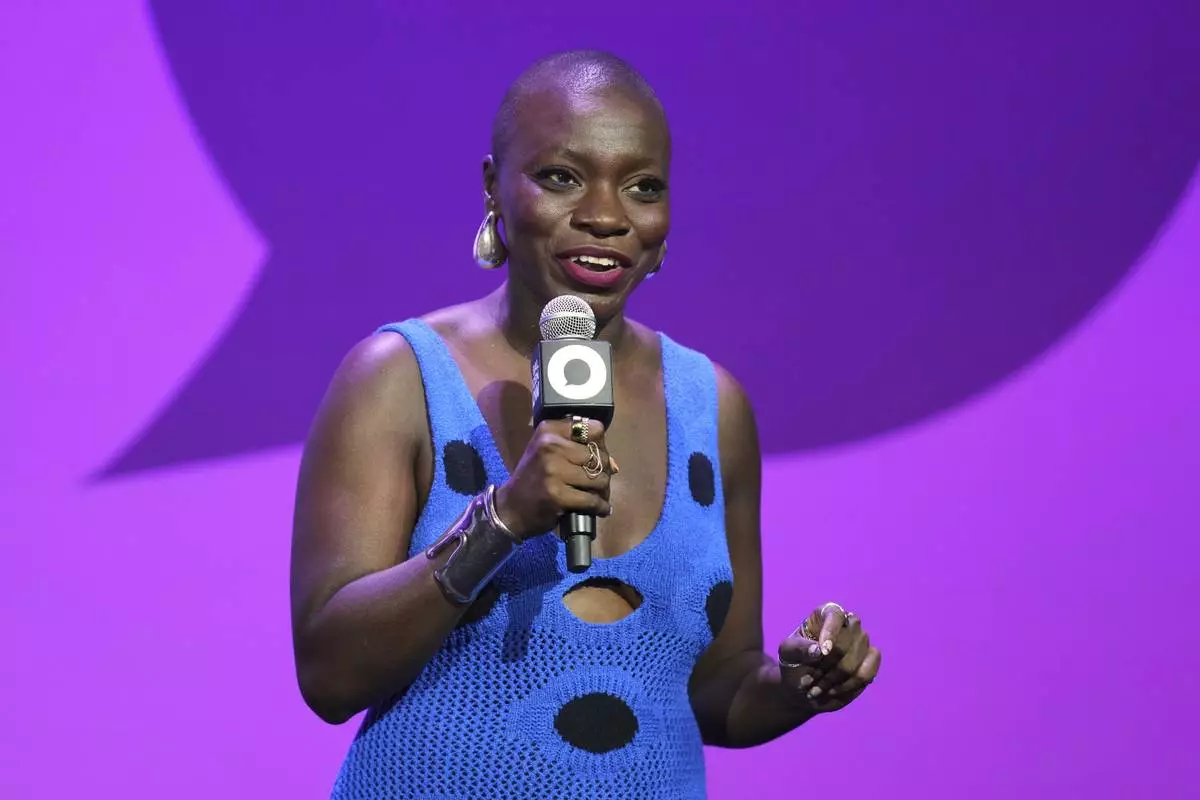
Jessica Nabongo speaks at a Global Citizen NOW event in Detroit, Thursday, July 10, 2025. (AP Photo/Paul Sancya)
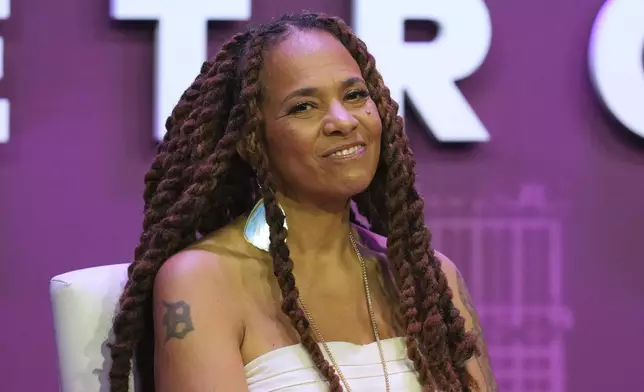
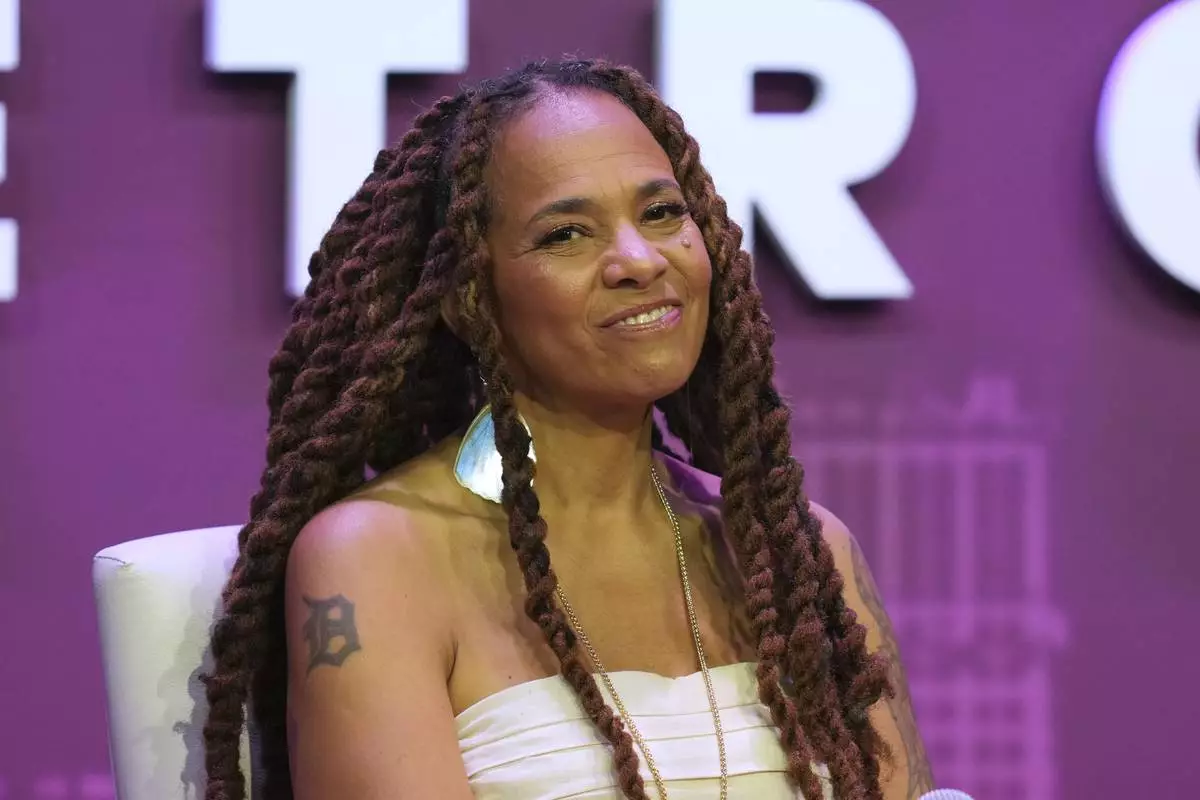
Jessica Care Moore, Detroit Poet Laureate, speaks at a Global Citizen NOW event in Detroit, Thursday, July 10, 2025. (AP Photo/Paul Sancya)
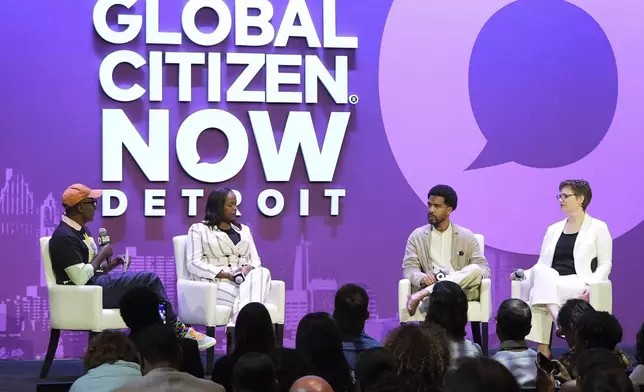
Marcus Samuelsson, from left, Isabelle Kamariza, Jon Kent, and Kate Krauss talk on a panel at a Global Citizen NOW event in Detroit, Thursday, July 10, 2025. (AP Photo/Paul Sancya)
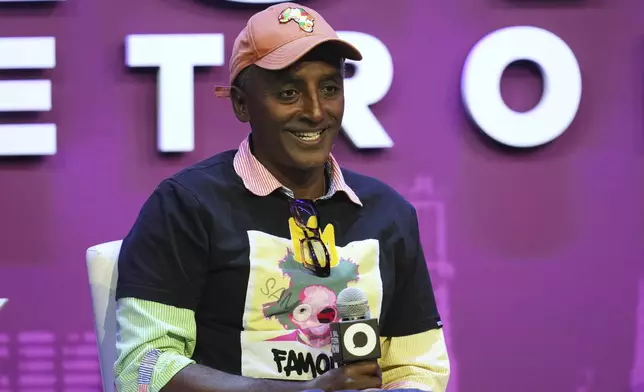
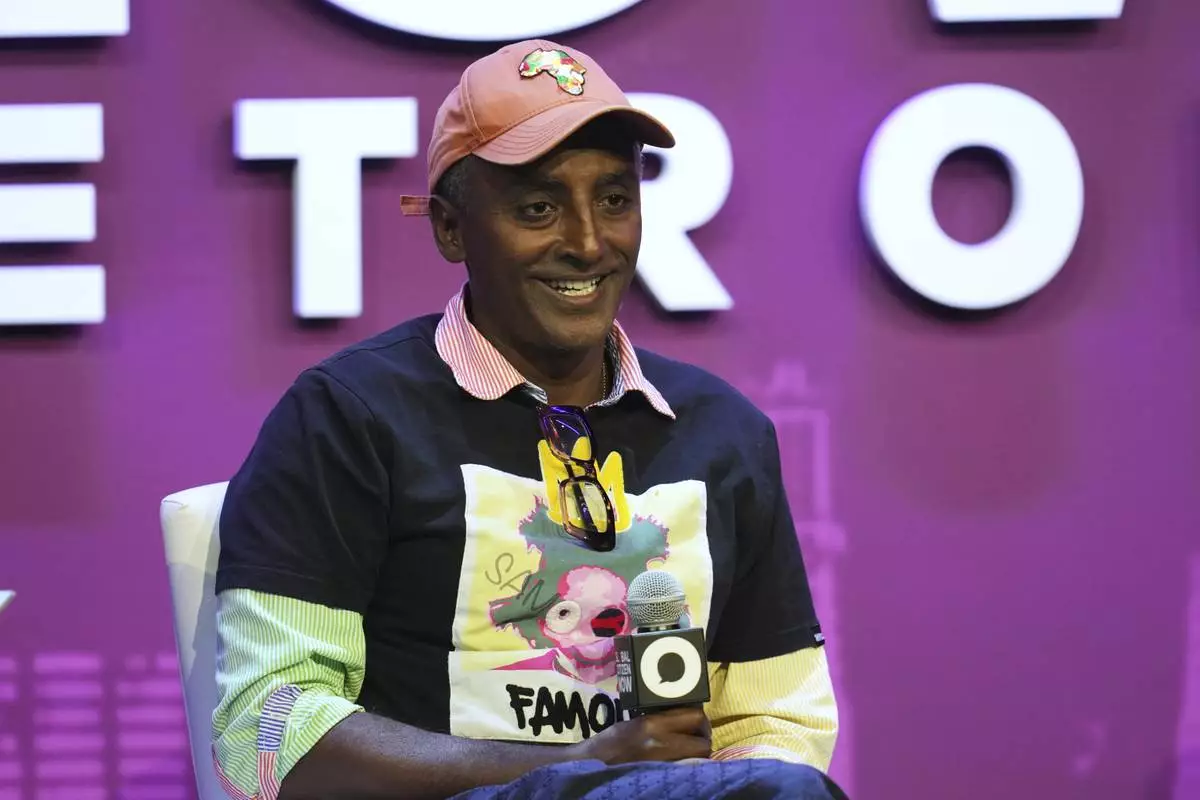
Marcus Samuelsson, chef, restaurateur and television personality, speaks at a Global Citizen NOW event in Detroit, Thursday, July 10, 2025. (AP Photo/Paul Sancya)
Mark Cuban, from left, Andrew Leon Hanna, and Anika Goss speak on a panel at a Global Citizen NOW event in Detroit, Thursday, July 10, 2025. (AP Photo/Paul Sancya)
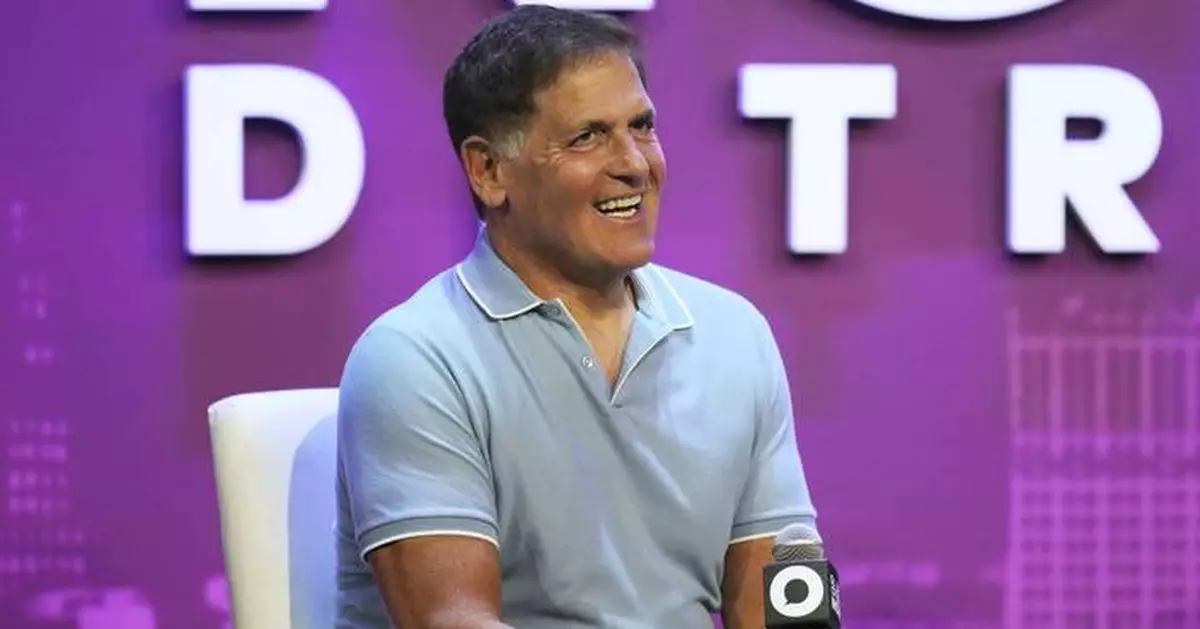
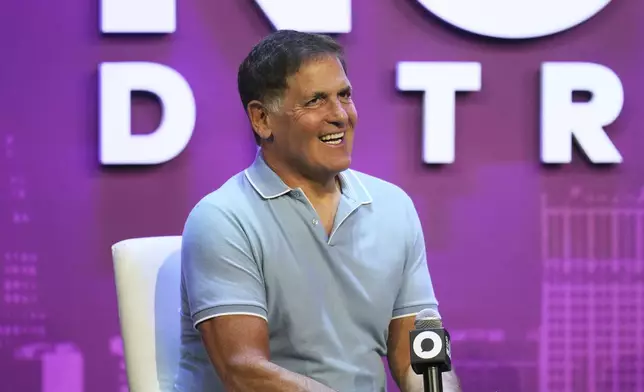
Mark Cuban speaks at a Global Citizen NOW event in Detroit, Thursday, July 10, 2025. (AP Photo/Paul Sancya)
“We can get beyond partisan politics a lot of the time when you’re dealing with a group of people in a city who all literally live there," Moss said.
“That’s easier a lot of the time to get real progress compared to waiting on elected officials in capitals, who will often talk a good game and who’ll be responsive, but where, in America and many other countries, they’re finding it really hard to actually make big-picture policy decisions," he added.
The emphasis arose when leaders heard shared concerns from partners across major African and North American cities. In Detroit, which Thursday hosted Global Citizen’s first American conference outside New York City, organizers saw an opportunity to highlight a place experiencing population growth after decades-long losses alongside the auto industry’s decline.
The urban focus also reflects U.N. projections that more than two-thirds of the world's population will live in cities by 2050 — a trend that Global Citizen fears will worsen concentrated poverty if local governments don't start creating inclusive economic opportunities.
To prevent under-resourced communities from missing the latest technological changes, Global Citizen unveiled a new partnership making artificial intelligence more accessible.
Goodera, a company that helps implement corporate volunteer programs, aims to mobilize engineers with the goal of making 10 million people “AI literate” by 2030. Half of those people will be underserved women and youth, according to Moss.
Their first focus will be bridging the digital divide in cities, according to Moss, and Goodera is helping identify those most at risk of getting left behind. They also plan to work with entrepreneurs in low-income countries.
Billionaire entrepreneur Mark Cuban noted the transformative potential for small business owners during a panel Thursday at Global Citizen NOW: Detroit. ChatGPT can “write a business plan that's better” than anything he could write, Cuban admitted, and offers access to every piece of business advice out there.
George Opare Addo, Ghana's minister of youth development and empowerment, pointed out that farmers are already using the technology's limited availability to better predict weather and improve their yields. But he said that youth must be engaged in its rollout.
“For young people to be able to appreciate AI, then they must be not just users of it, but makers of it,” he said.
Other panelists emphasized the need for cities to build shared cultures by fostering creative scenes and sports fandoms.
Global Citizen has recently relied on high-powered sports leagues such as FIFA to raise money for education initiatives. And Cuban — who previously owned the Dallas Mavericks — said no industry unites people around a common cause like sports.
“As things change in a city, the first place you look is the sports team for support, always. Every tragedy, you look to the sports team first, always,” Cuban said. “And that is so unique. You just don’t get that with any other business.”
For celebrity chef Marcus Samuelsson, the food industry provides “spaces that you can have dialogues” and “opportunities to break bread.” Samuelsson's cuisine, for example, blends his Ethiopian heritage with his Swedish upbringing.
Jessica Nabongo, a Ugandan-American travel blogger, recalled growing up eating Lebanese, Polish and Japanese foods in Detroit’s diverse culinary scene. That experience, she said, instilled “a respect for other people’s culture out the gate.”
“There has to be a reverence — truly a reverence — for the people who are here and have been here and made the city what it is, no matter what the ebbs and flows are,” she said.
As cities change, though, it is local artists who Detroit Poet Laureate jessica Care moore finds are tasked with making sure their histories remain told and their longtime residents remain seen.
Good artists, she said, “paint the pictures that people can’t see” and “ask the questions that nobody’s asking.”
“Artists are the pulse of the people,” she said. “If you turn cities into just places for corporations, then you lose the soul of the city. And Detroit, the soul of our city, are the people that live here.”
Associated Press coverage of philanthropy and nonprofits receives support through the AP’s collaboration with The Conversation US, with funding from Lilly Endowment Inc. The AP is solely responsible for this content. For all of AP’s philanthropy coverage, visit https://apnews.com/hub/philanthropy.

Mark Cuban, left, speaks with Andrew Leon Hanna, on a panel at a Global Citizen NOW event in Detroit, Thursday, July 10, 2025. (AP Photo/Paul Sancya)
Jessica Nabongo speaks at a Global Citizen NOW event in Detroit, Thursday, July 10, 2025. (AP Photo/Paul Sancya)
Jessica Care Moore, Detroit Poet Laureate, speaks at a Global Citizen NOW event in Detroit, Thursday, July 10, 2025. (AP Photo/Paul Sancya)

Marcus Samuelsson, from left, Isabelle Kamariza, Jon Kent, and Kate Krauss talk on a panel at a Global Citizen NOW event in Detroit, Thursday, July 10, 2025. (AP Photo/Paul Sancya)
Marcus Samuelsson, chef, restaurateur and television personality, speaks at a Global Citizen NOW event in Detroit, Thursday, July 10, 2025. (AP Photo/Paul Sancya)

Mark Cuban, from left, Andrew Leon Hanna, and Anika Goss speak on a panel at a Global Citizen NOW event in Detroit, Thursday, July 10, 2025. (AP Photo/Paul Sancya)
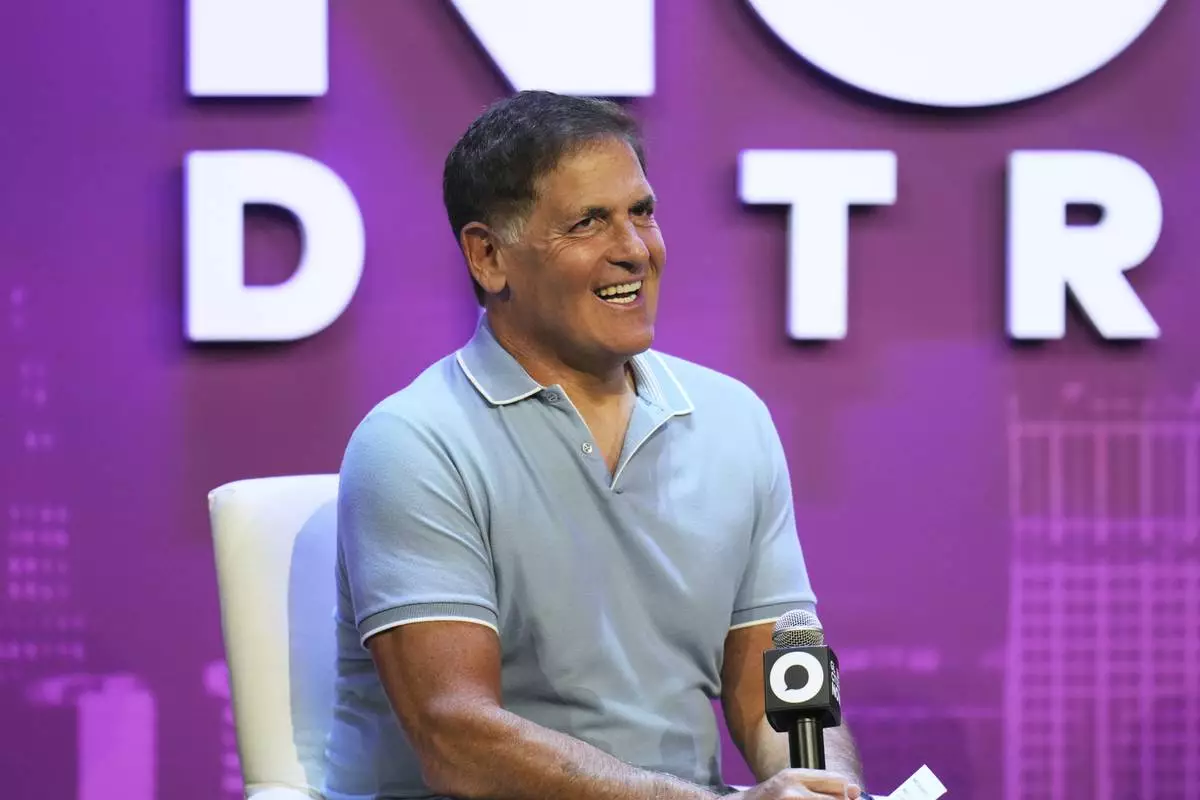
Mark Cuban speaks at a Global Citizen NOW event in Detroit, Thursday, July 10, 2025. (AP Photo/Paul Sancya)
A group of Buddhist monks and their rescue dog are striding single file down country roads and highways across the South, captivating Americans nationwide and inspiring droves of locals to greet them along their route.
In their flowing saffron and ocher robes, the men are walking for peace. It's a meditative tradition more common in South Asian countries, and it's resonating now in the U.S., seemingly as a welcome respite from the conflict, trauma and politics dividing the nation.
Their journey began Oct. 26, 2025, at a Vietnamese Buddhist temple in Texas, and is scheduled to end in mid-February in Washington, D.C., where they will ask Congress to recognize Buddha’s day of birth and enlightenment as a federal holiday. Beyond promoting peace, their highest priority is connecting with people along the way.
“My hope is, when this walk ends, the people we met will continue practicing mindfulness and find peace,” said the Venerable Bhikkhu Pannakara, the group’s soft-spoken leader who is making the trek barefoot. He teaches about mindfulness, forgiveness and healing at every stop.
Preferring to sleep each night in tents pitched outdoors, the monks have been surprised to see their message transcend ideologies, drawing huge crowds into churchyards, city halls and town squares across six states. Documenting their journey on social media, they — and their dog, Aloka — have racked up millions of followers online. On Saturday, thousands thronged in Columbia, South Carolina, where the monks chanted on the steps of the State House and received a proclamation from the city's mayor, Daniel Rickenmann.
At their stop Thursday in Saluda, South Carolina, Audrie Pearce joined the crowd lining Main Street. She had driven four hours from her village of Little River, and teared up as Pannakara handed her a flower.
“There’s something traumatic and heart-wrenching happening in our country every day,” said Pearce, who describes herself as spiritual, but not religious. “I looked into their eyes and I saw peace. They’re putting their bodies through such physical torture and yet they radiate peace.”
Hailing from Theravada Buddhist monasteries across the globe, the 19 monks began their 2,300 mile (3,700 kilometer) trek at the Huong Dao Vipassana Bhavana Center in Fort Worth.
Their journey has not been without peril. On Nov. 19, as the monks were walking along U.S. Highway 90 near Dayton, Texas, their escort vehicle was hit by a distracted truck driver, injuring two monks. One of them lost his leg, reducing the group to 18.
This is Pannakara's first trek in the U.S., but he's walked across several South Asian countries, including a 112-day journey across India in 2022 where he first encountered Aloka, an Indian Pariah dog whose name means divine light in Sanskrit.
Then a stray, the dog followed him and other monks from Kolkata in eastern India all the way to the Nepal border. At one point, he fell critically ill and Pannakara scooped him up in his arms and cared for him until he recovered. Now, Aloka inspires him to keep going when he feels like giving up.
“I named him light because I want him to find the light of wisdom,” Pannakara said.
The monk's feet are now heavily bandaged because he's stepped on rocks, nails and glass along the way. His practice of mindfulness keeps him joyful despite the pain from these injuries, he said.
Still, traversing the southeast United States has presented unique challenges, and pounding pavement day after day has been brutal.
“In India, we can do shortcuts through paddy fields and farms, but we can’t do that here because there are a lot of private properties,” Pannakara said. “But what’s made it beautiful is how people have welcomed and hosted us in spite of not knowing who we are and what we believe.”
In Opelika, Alabama, the Rev. Patrick Hitchman-Craig hosted the monks on Christmas night at his United Methodist congregation.
He expected to see a small crowd, but about 1,000 people showed up, creating the feel of a block party. The monks seemed like the Magi, he said, appearing on Christ’s birthday.
“Anyone who is working for peace in the world in a way that is public and sacrificial is standing close to the heart of Jesus, whether or not they share our tradition,” said Hitchman-Craig. “I was blown away by the number of people and the diversity of who showed up.”
After their night on the church lawn, the monks arrived the next afternoon at the Collins Farm in Cusseta, Alabama. Judy Collins Allen, whose father and brother run the farm, said about 200 people came to meet the monks — the biggest gathering she’s ever witnessed there.
“There was a calm, warmth and sense of community among people who had not met each other before and that was so special,” she said.
Long Si Dong, a spokesperson for the Fort Worth temple, said the monks, when they arrive in Washington, plan to seek recognition of Vesak, the day which marks the birth and enlightenment of the Buddha, as a national holiday.
“Doing so would acknowledge Vesak as a day of reflection, compassion and unity for all people regardless of faith,” he said.
But Pannakara emphasized that their main goal is to help people achieve peace in their lives. The trek is also a separate endeavor from a $200 million campaign to build towering monuments on the temple’s 14-acre property to house the Buddha’s teachings engraved in stone, according to Dong.
The monks practice and teach Vipassana meditation, an ancient Indian technique taught by the Buddha himself as core for attaining enlightenment. It focuses on the mind-body connection — observing breath and physical sensations to understand reality, impermanence and suffering. Some of the monks, including Pannakara, walk barefoot to feel the ground directly and be present in the moment.
Pannakara has told the gathered crowds that they don't aim to convert people to Buddhism.
Brooke Schedneck, professor of religion at Rhodes College in Memphis, Tennessee, said the tradition of a peace walk in Theravada Buddhism began in the 1990s when the Venerable Maha Ghosananda, a Cambodian monk, led marches across war-torn areas riddled with landmines to foster national healing after civil war and genocide in his country.
“These walks really inspire people and inspire faith,” Schedneck said. “The core intention is to have others watch and be inspired, not so much through words, but through how they are willing to make this sacrifice by walking and being visible.”
On Thursday, Becki Gable drove nearly 400 miles (about 640 kilometers) from Cullman, Alabama, to catch up with them in Saluda. Raised Methodist, Gable said she wanted some release from the pain of losing her daughter and parents.
“I just felt in my heart that this would help me have peace,” she said. “Maybe I could move a little bit forward in my life.”
Gable says she has already taken one of Pannakara’s teachings to heart. She’s promised herself that each morning, as soon as she awakes, she’d take a piece of paper and write five words on it, just as the monk prescribed.
“Today is my peaceful day.”
Freelance photojournalist Allison Joyce contributed to this report.
Associated Press religion coverage receives support through the AP’s collaboration with The Conversation US, with funding from Lilly Endowment Inc. The AP is solely responsible for this content.
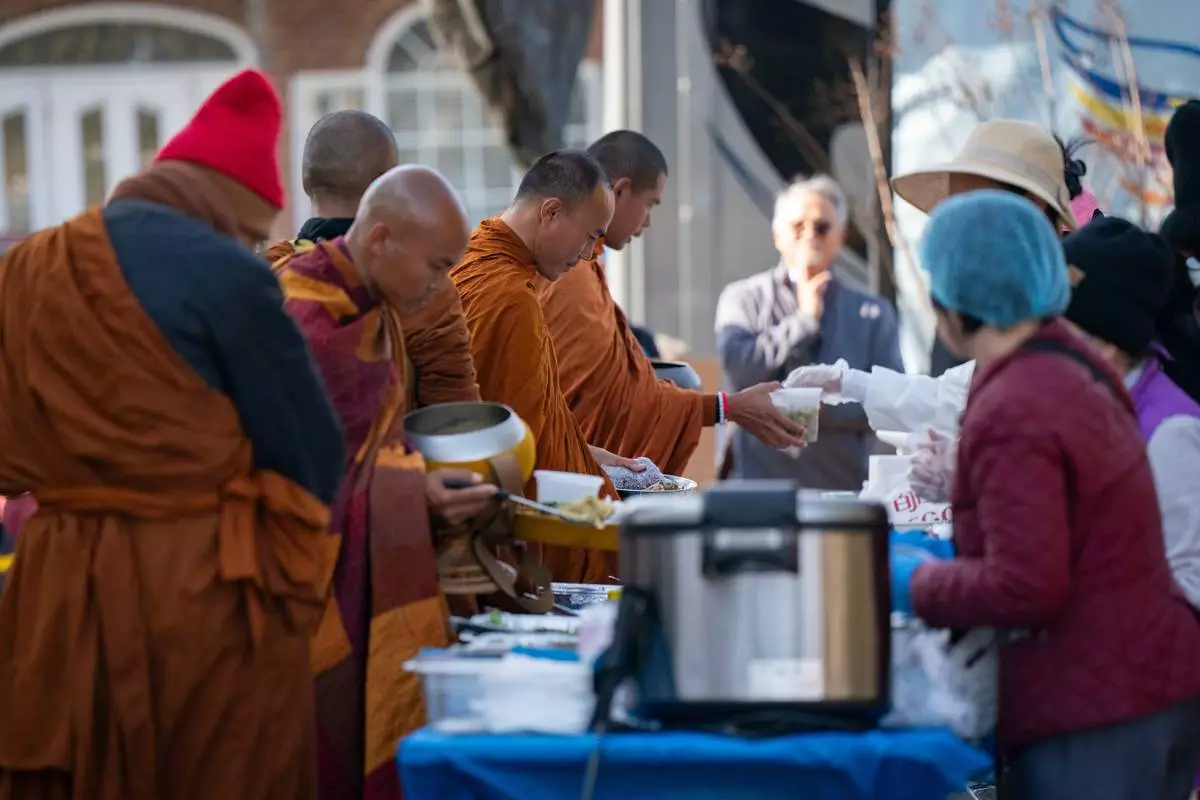
Buddhist monks who are participating in the, "Walk For Peace," get lunch Thursday, Jan. 8, 2026, in Saluda, S.C. (AP Photo/Allison Joyce)
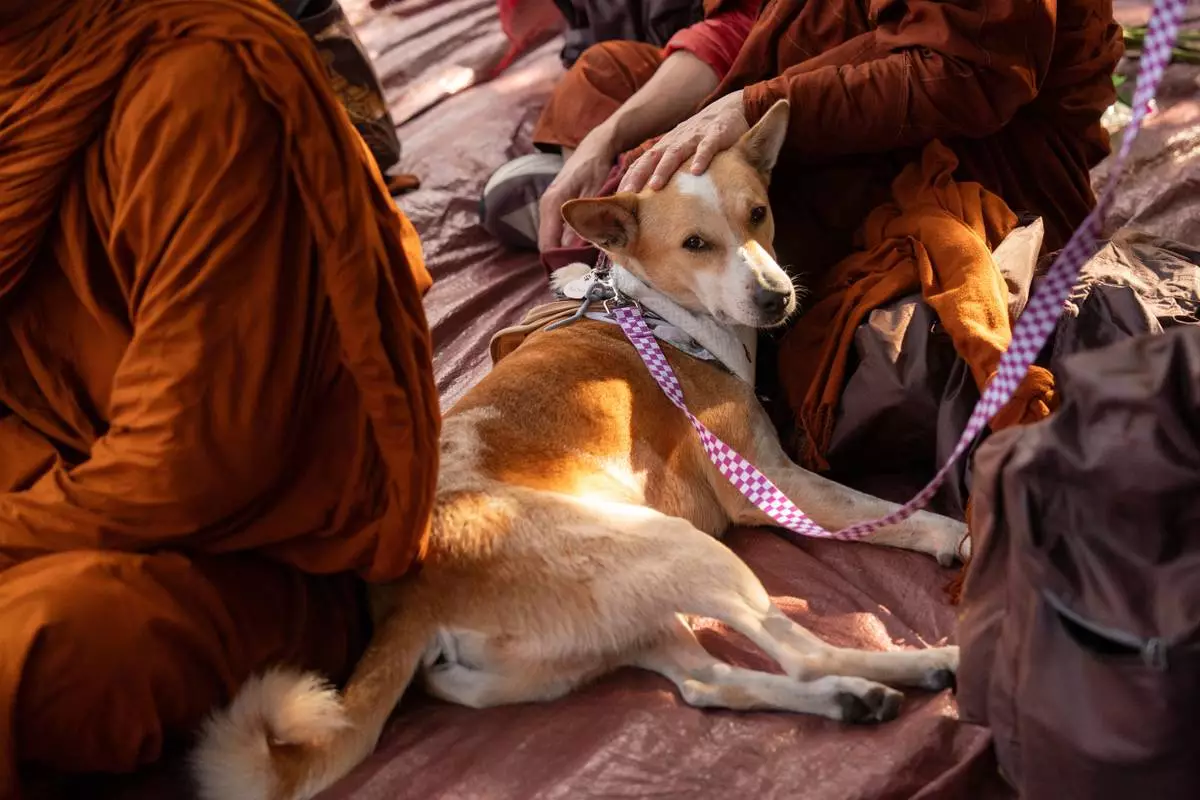
Aloka rests with Buddhist monks who are participating in the, "Walk For Peace," Thursday, Jan. 8, 2026, in Saluda, S.C. (AP Photo/Allison Joyce)
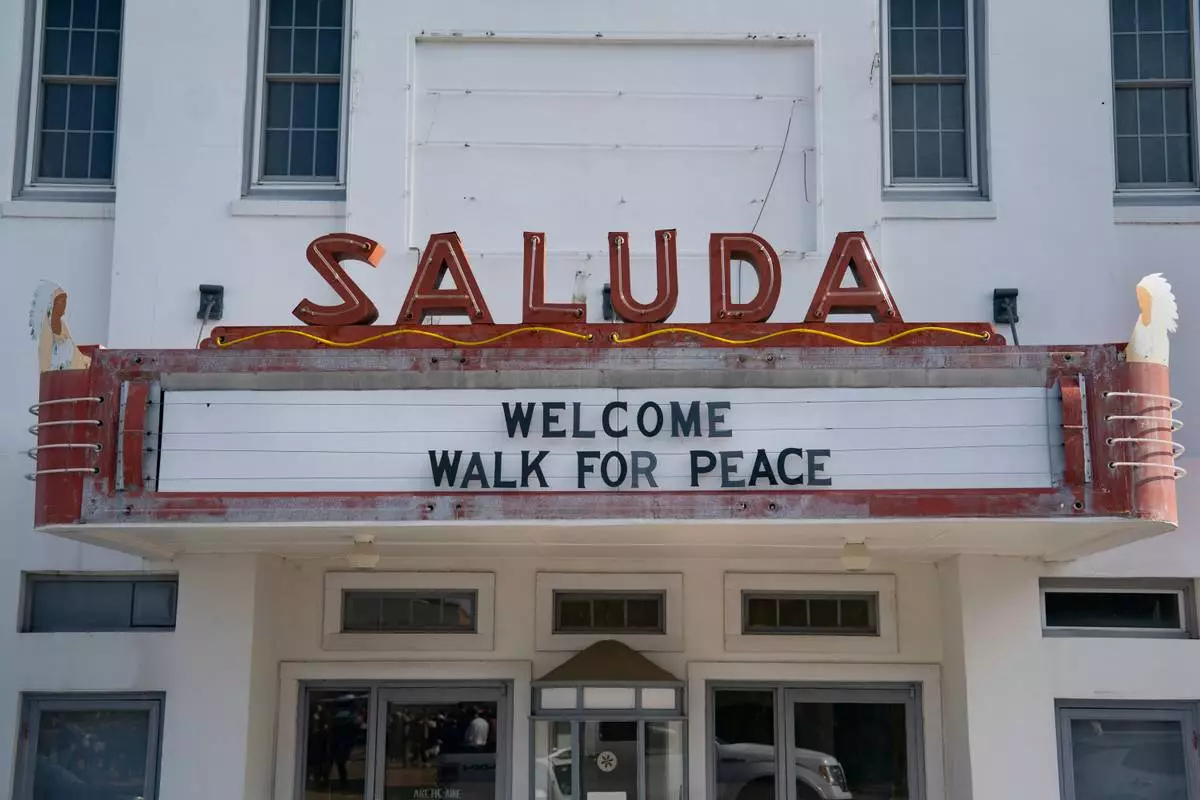
A sign is seen greeting the Buddhist monks who are participating in the, "Walk For Peace," Thursday, Jan. 8, 2026, in Saluda, S.C. (AP Photo/Allison Joyce)
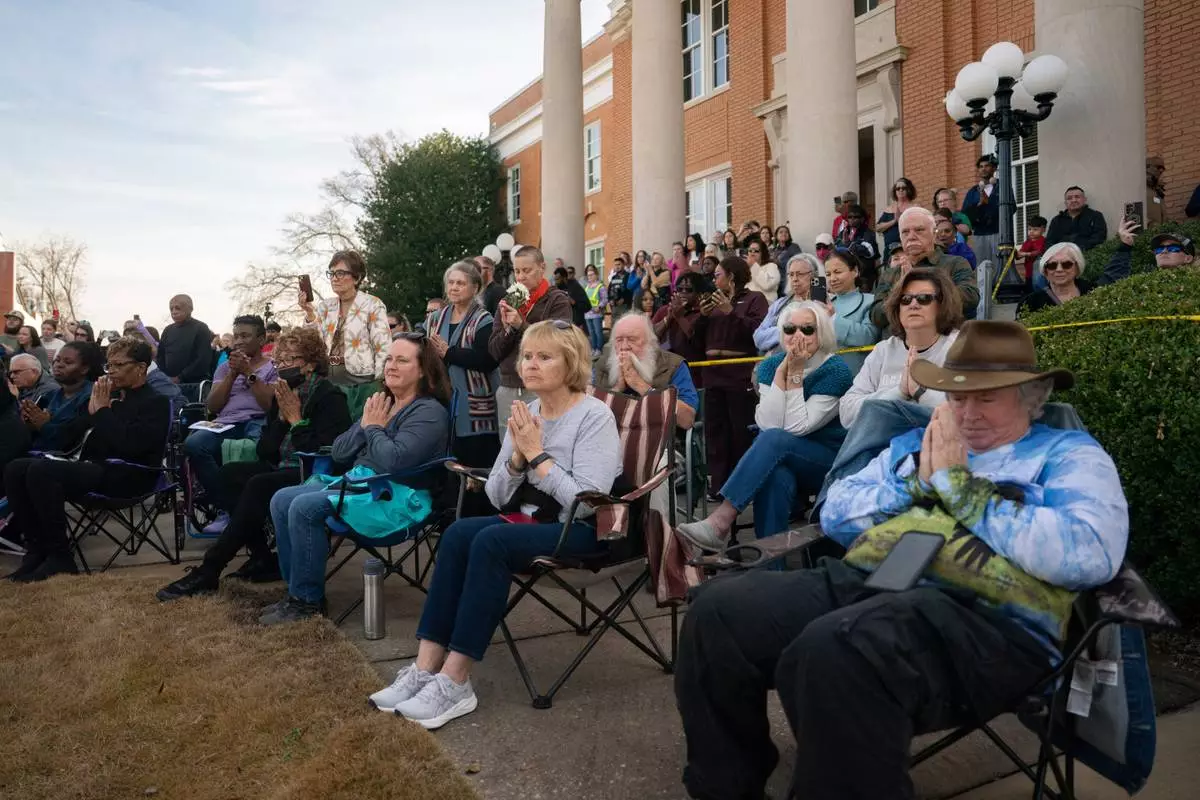
Supporters pray with Buddhist monks who are participating in the, "Walk For Peace," Thursday, Jan. 8, 2026, in Saluda, S.C. (AP Photo/Allison Joyce)
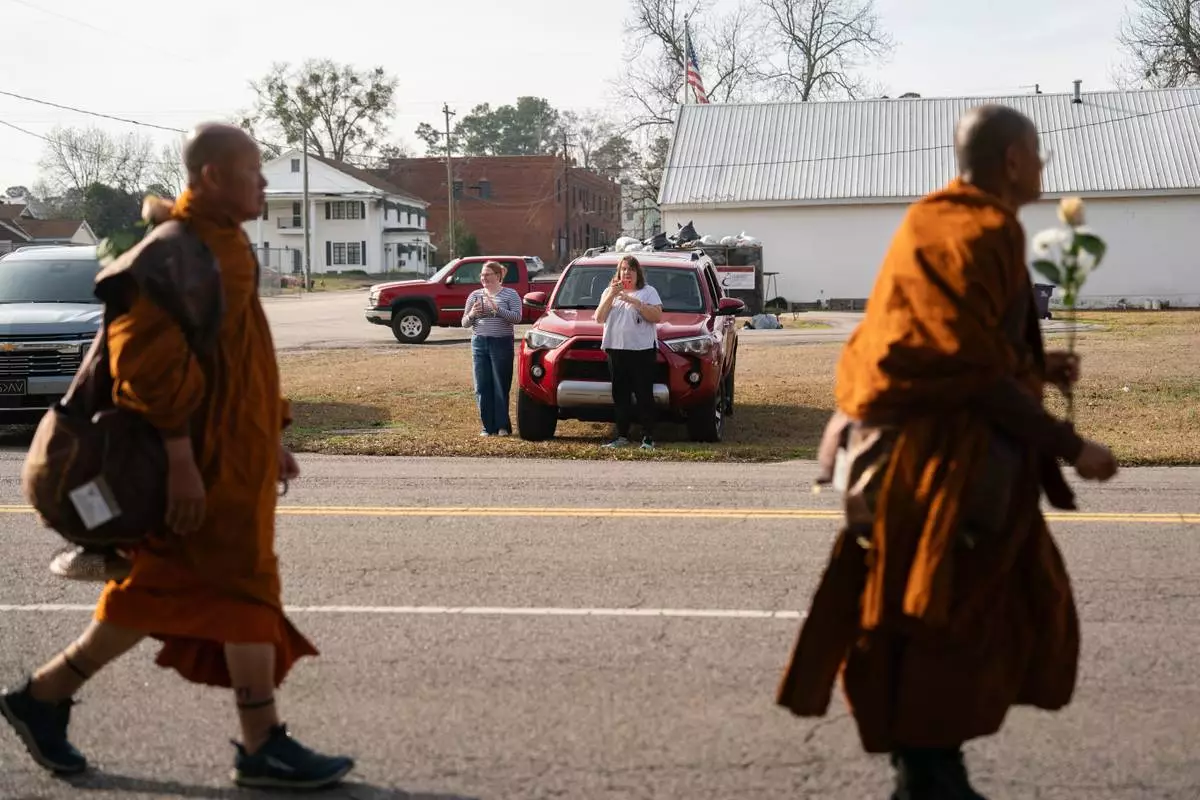
Supporters watch Buddhist monks who are participating in the, "Walk For Peace," Thursday, Jan. 8, 2026, in Saluda, S.C. (AP Photo/Allison Joyce)
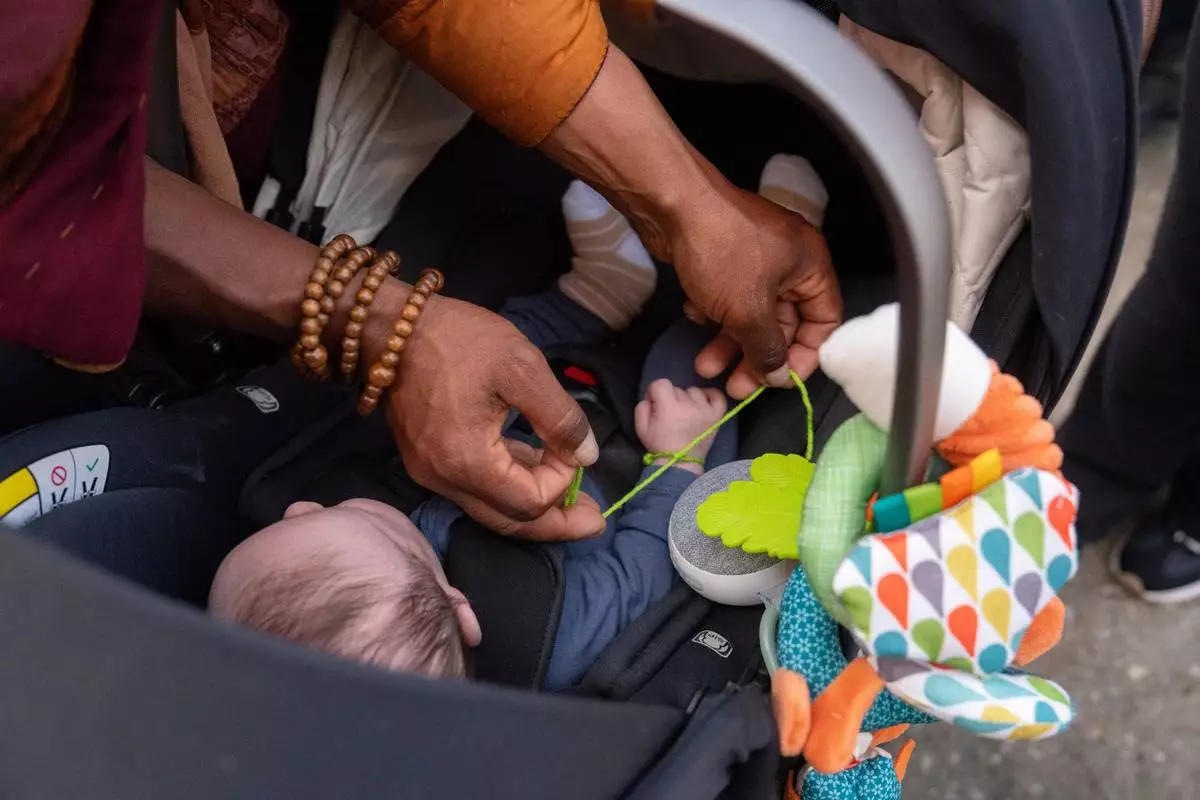
A Buddhist monk ties a prayer bracelet around the wrist of Josey Lee, 2-months-old, during the, "Walk For Peace," Thursday, Jan. 8, 2026, in Saluda, S.C. (AP Photo/Allison Joyce)
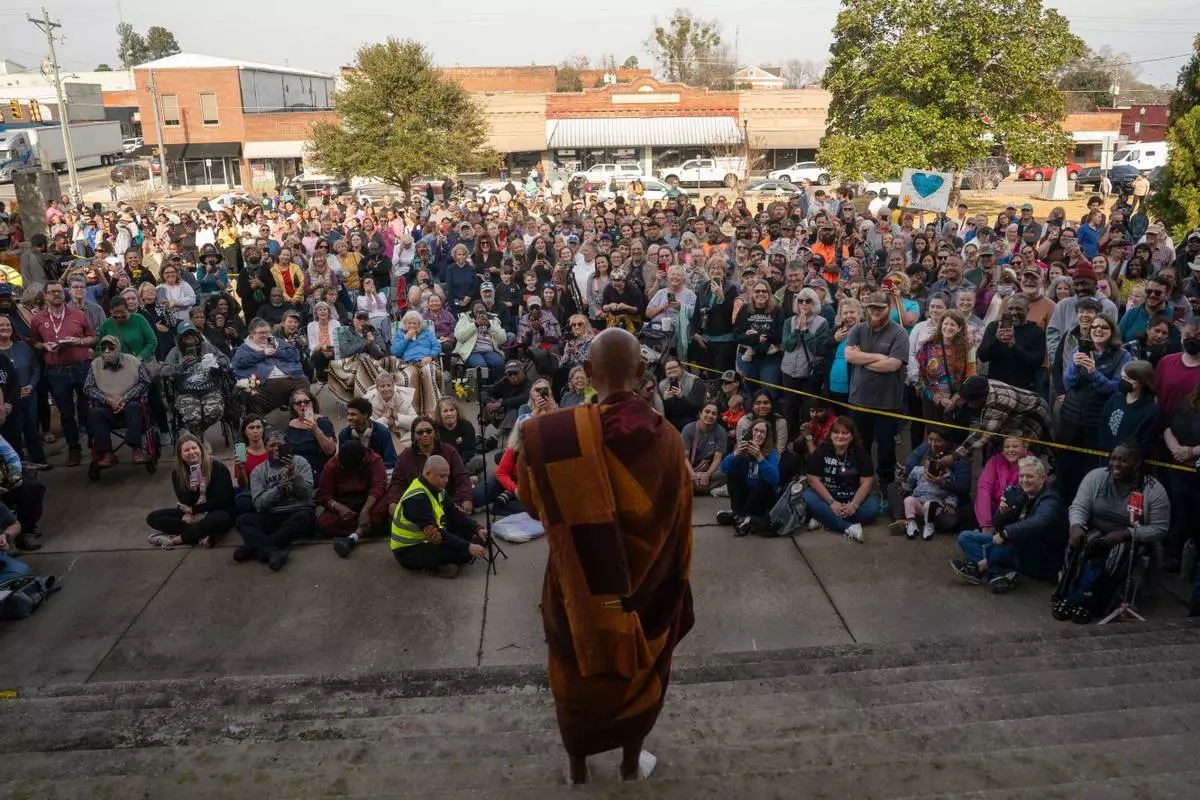
Bhikkhu Pannakara, a spiritual leader, speaks to supporters during the, "Walk For Peace," Thursday, Jan. 8, 2026, in Saluda, S.C. (AP Photo/Allison Joyce)
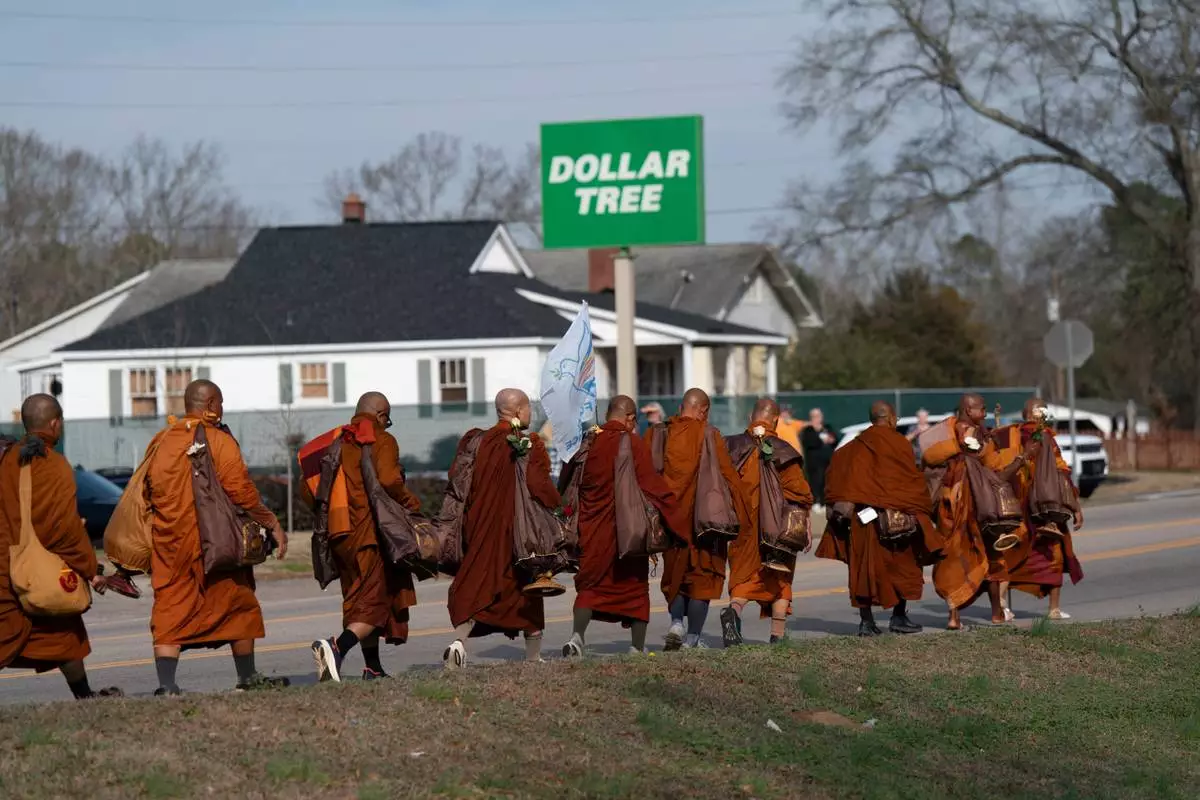
Buddhist monks participate in the, "Walk For Peace," Thursday, Jan. 8, 2026, in Saluda, S.C. (AP Photo/Allison Joyce)
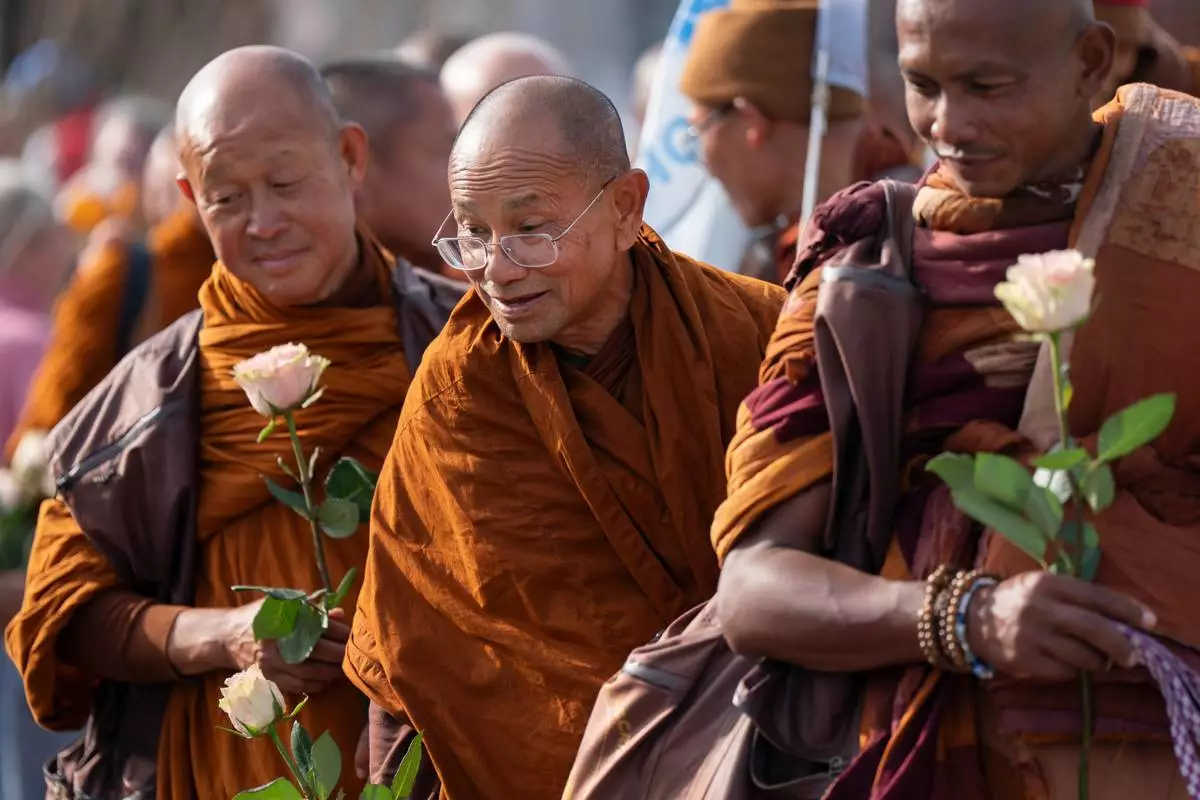
Buddhist monks participate in the, "Walk For Peace," Thursday, Jan. 8, 2026, in Saluda, S.C. (AP Photo/Allison Joyce)
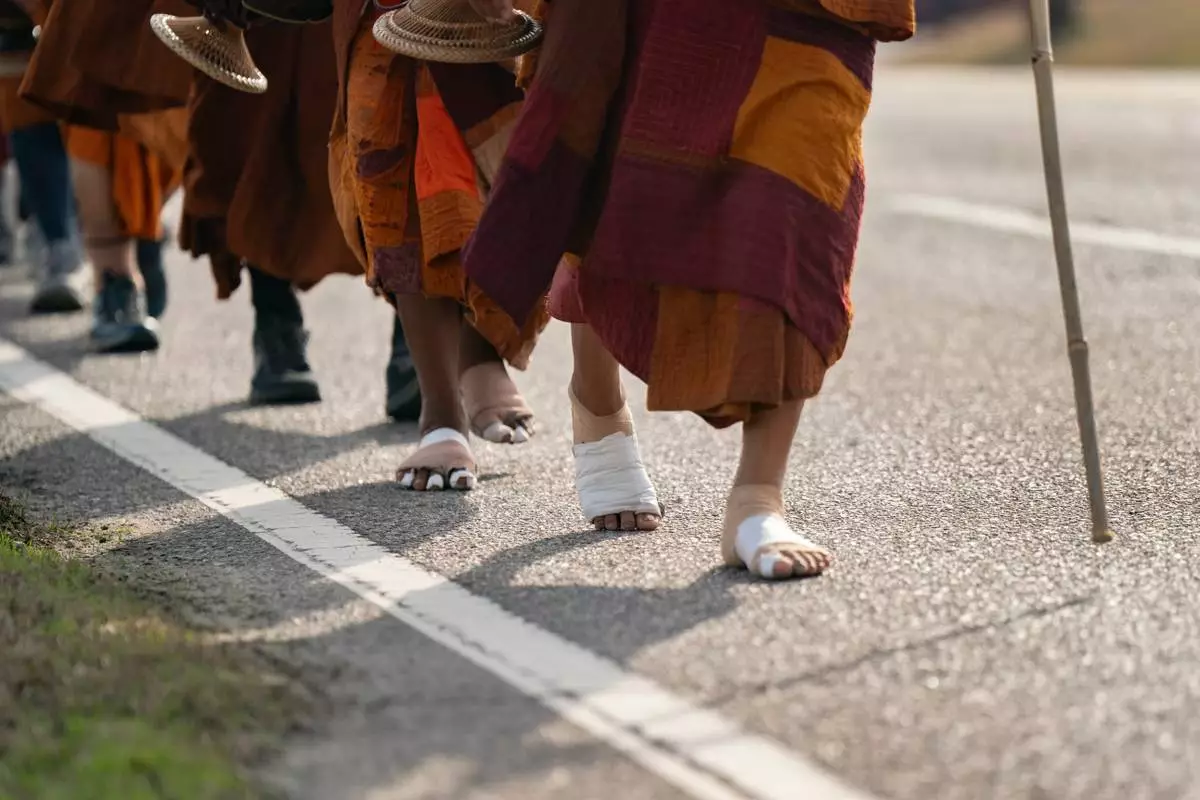
Bhikkhu Pannakara leads other buddhist monks in the, "Walk For Peace," Thursday, Jan. 8, 2026, in Saluda, S.C. (AP Photo/Allison Joyce)
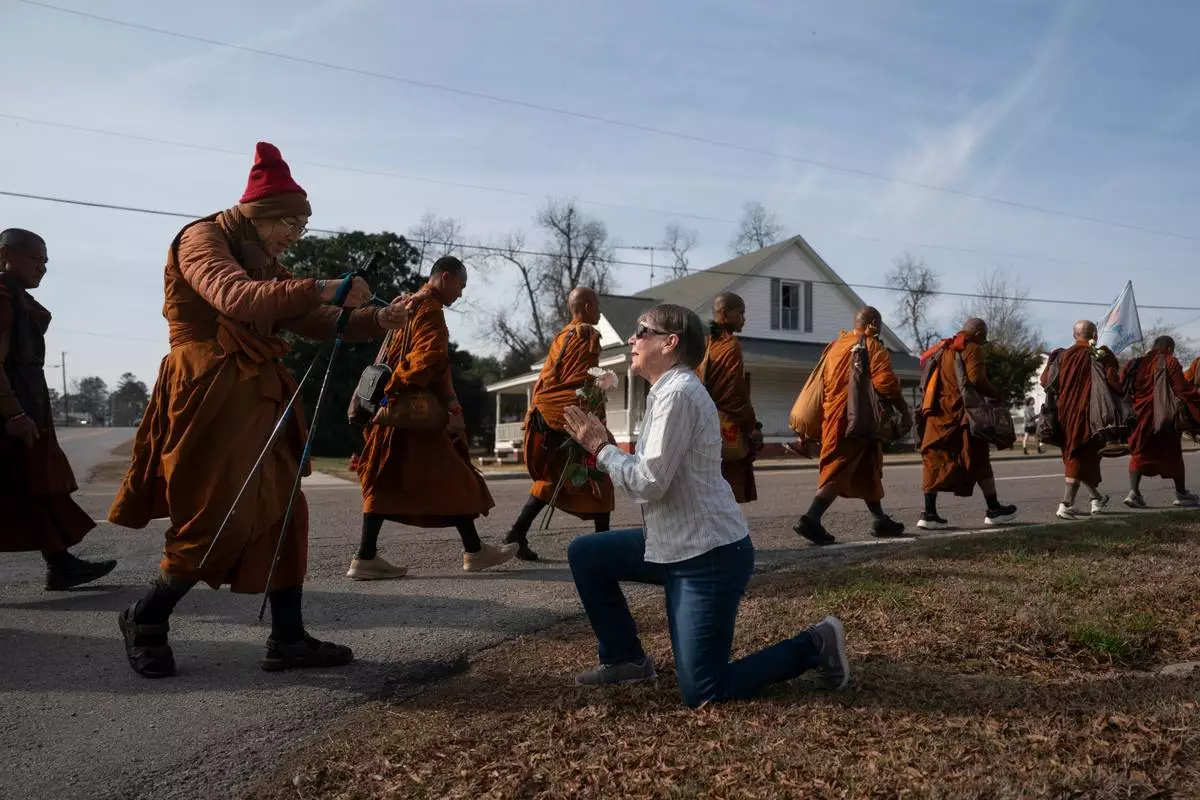
Audrie Pearce greets Buddhist monks who are participating in the, "Walk For Peace," Thursday, Jan. 8, 2026, in Saluda, S.C. (AP Photo/Allison Joyce)
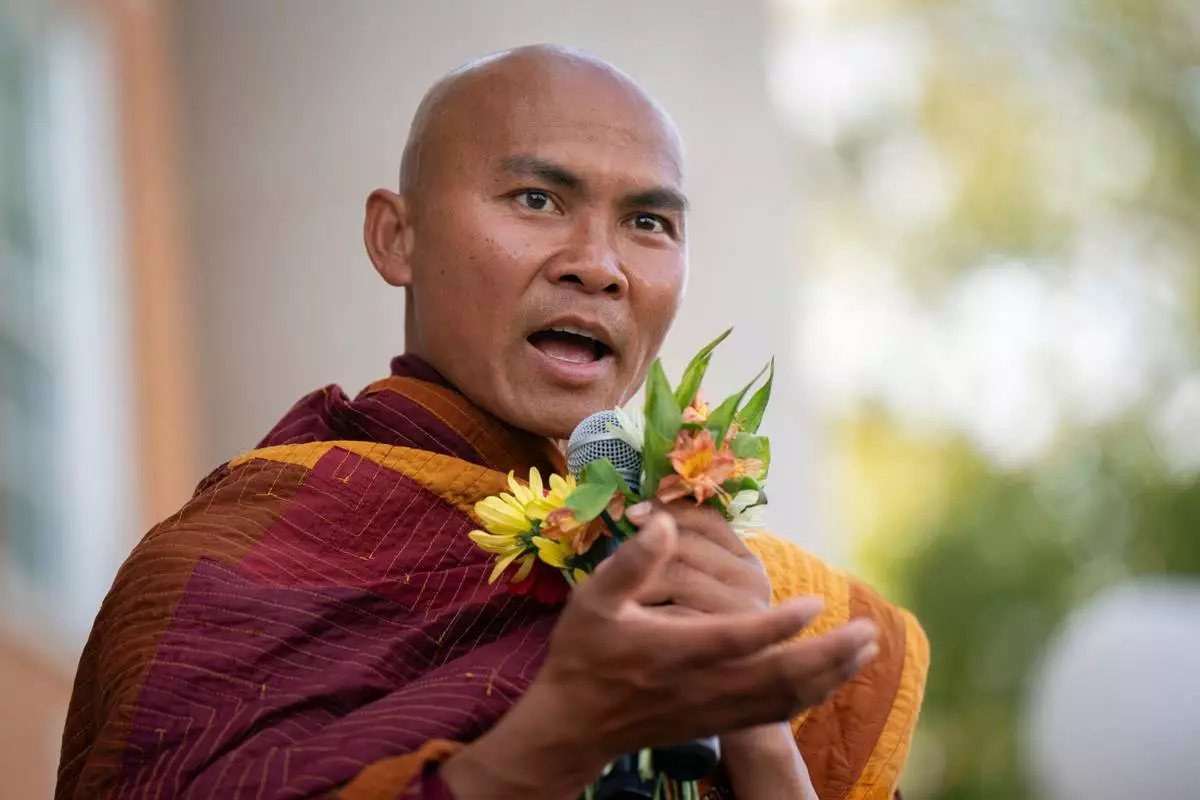
Bhikkhu Pannakara, a spiritual leader, speaks to supporters during the, "Walk For Peace," Thursday, Jan. 8, 2026, in Saluda, S.C. (AP Photo/Allison Joyce)
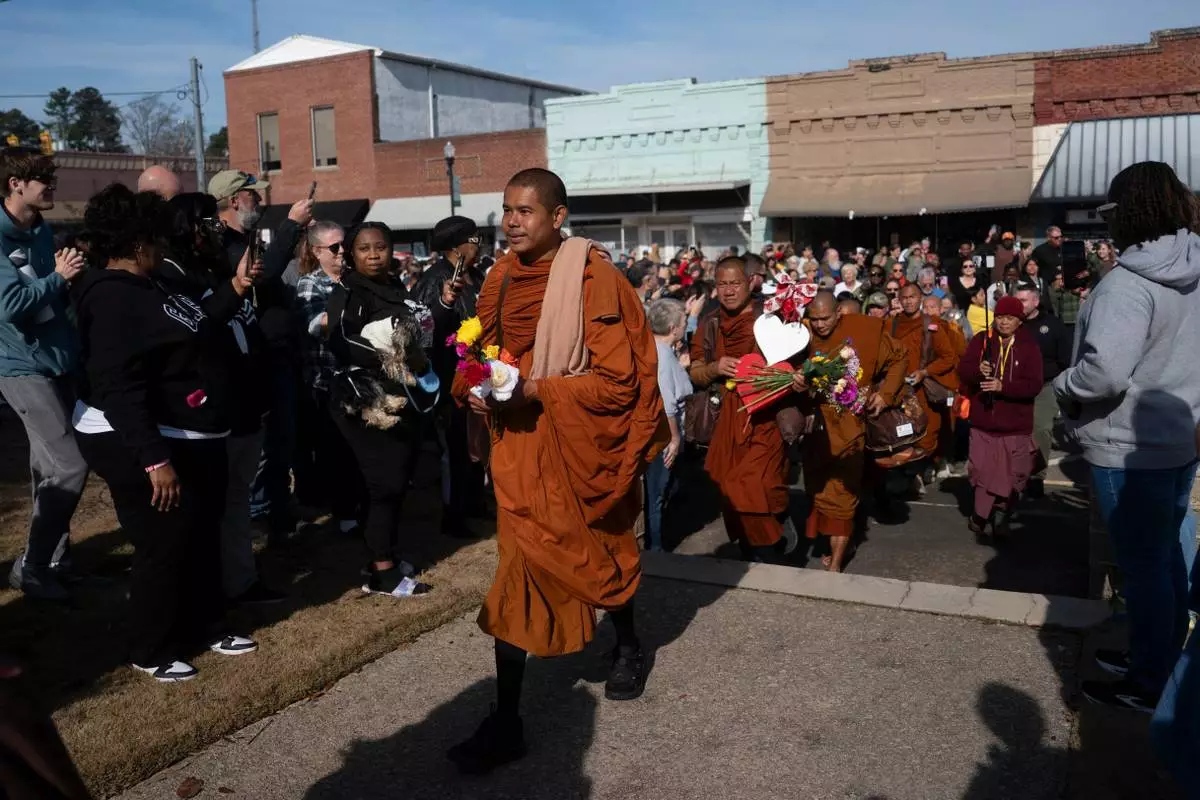
Buddhist monks who are participating in the, "Walk For Peace," arrive in Saluda, Thursday, Jan. 8, 2026, in Saluda, S.C. (AP Photo/Allison Joyce)
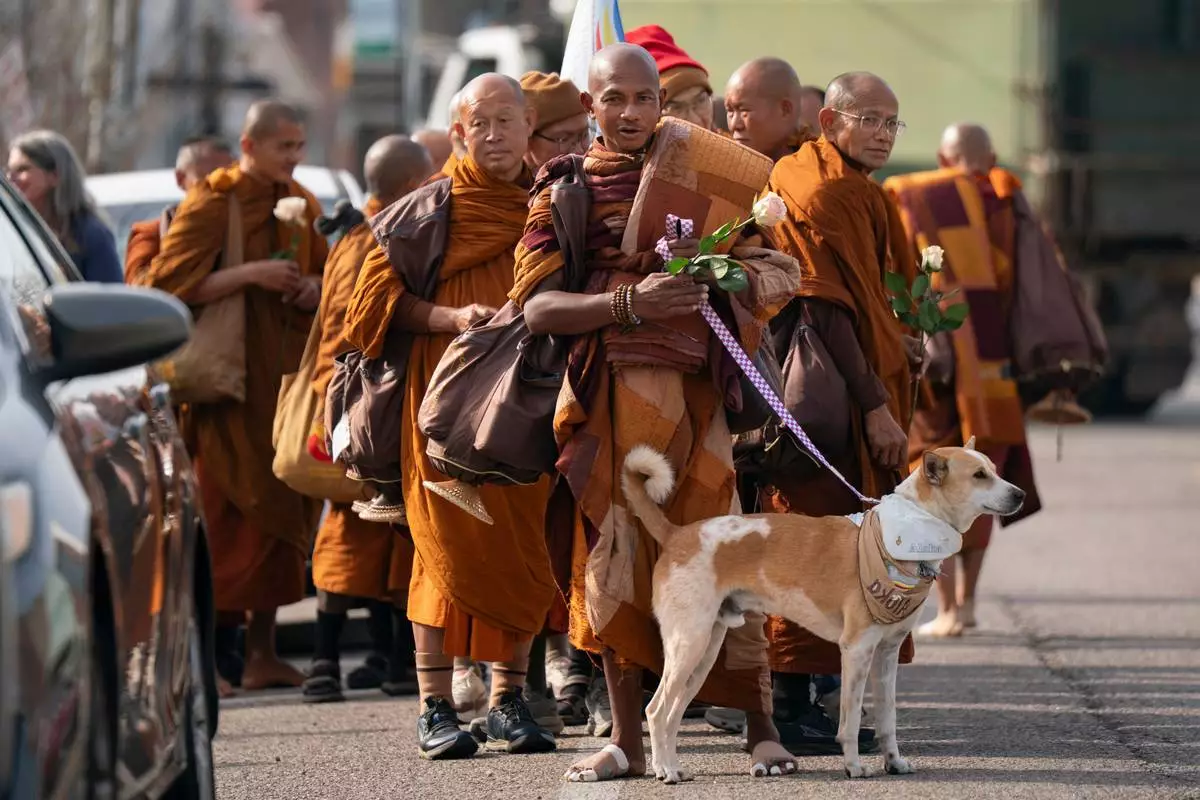
Buddhist monks who are participating in the, "Walk For Peace," are seen with their dog, Aloka, Thursday, Jan. 8, 2026, in Saluda, S.C. (AP Photo/Allison Joyce)