Skip to Content Facebook Feature Image

As Trump seeks to be a peacemaker, Netanyahu leaves Washington without breakthrough on Gaza deal

News

As Trump seeks to be a peacemaker, Netanyahu leaves Washington without breakthrough on Gaza deal
News

News

As Trump seeks to be a peacemaker, Netanyahu leaves Washington without breakthrough on Gaza deal

2025-07-11 20:07 Last Updated At:20:10

WASHINGTON (AP) — Israeli Prime Minister Benjamin Netanyahu’s trip to Washington this week netted President Donald Trump another nomination for the Nobel Peace Prize he covets, but the ceasefire the U.S. leader sought for the war in Gaza didn't emerge.

Despite Trump throwing his weight behind a push for a 60-day truce between Israel and Hamas, no breakthrough was announced during Netanyahu's visit, a disappointment for a president who wants to be known as a peacemaker and has hinged his reputation on being a dealmaker.

More Images
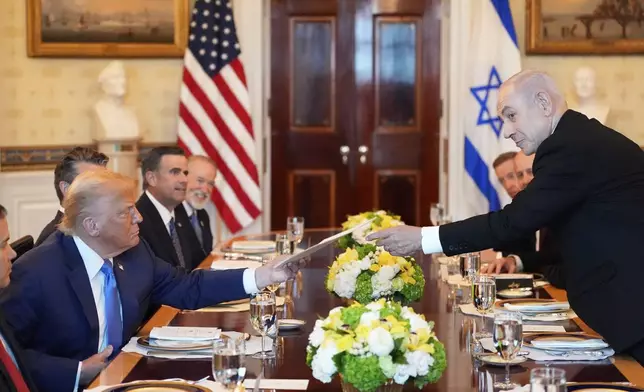
Israel's Prime Minister Benjamin Netanyahu, right, hands President Donald Trump a folder during a meeting in the Blue Room of the White House, Monday, July 7, 2025, in Washington. (AP Photo/Alex Brandon)
Israel's Prime Minister Benjamin Netanyahu, right, hands President Donald Trump a folder during a meeting in the Blue Room of the White House, Monday, July 7, 2025, in Washington. (AP Photo/Alex Brandon)

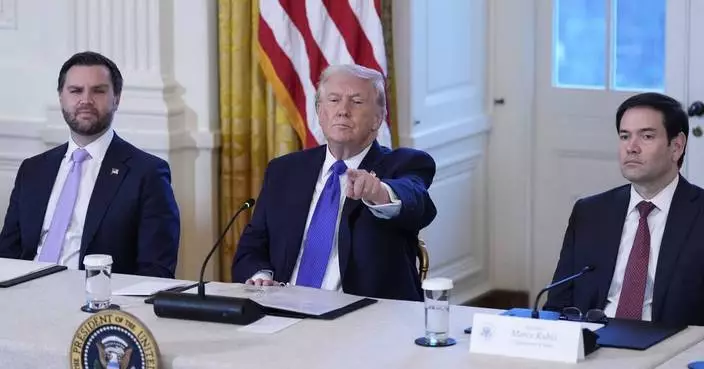
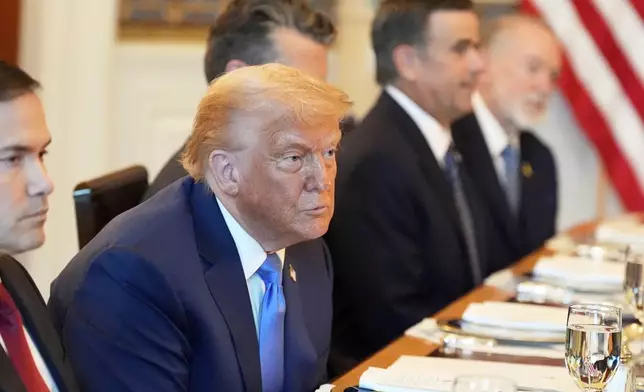
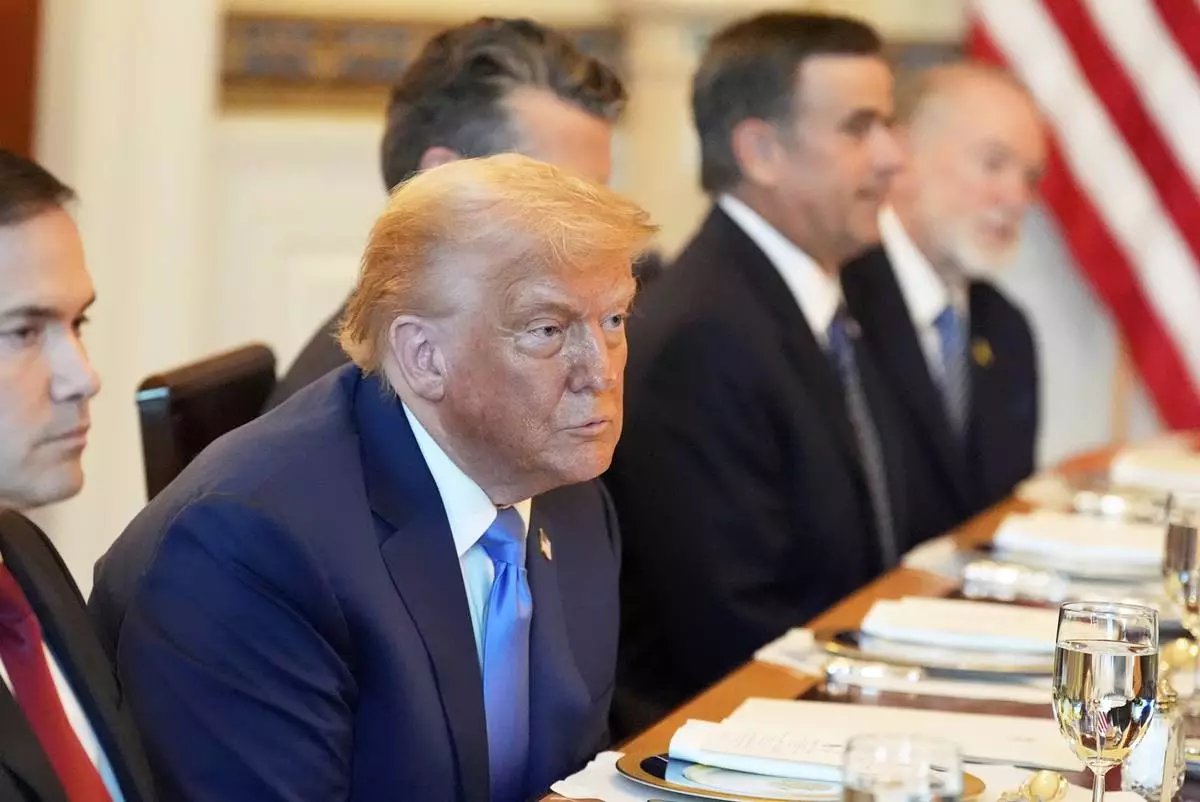
Secretary of State Marco Rubio, from left, President Donald Trump, Defense Secretary Pete Hegseth, obstructed, CIA Director John Ratcliffe and U.S. Ambassador to Israel Mike Huckabee listen during a meeting with Israel's Prime Minister Benjamin Netanyahu in the Blue Room of the White House, Monday, July 7, 2025, in Washington. (AP Photo/Alex Brandon)
Secretary of State Marco Rubio, from left, President Donald Trump, Defense Secretary Pete Hegseth, obstructed, CIA Director John Ratcliffe and U.S. Ambassador to Israel Mike Huckabee listen during a meeting with Israel's Prime Minister Benjamin Netanyahu in the Blue Room of the White House, Monday, July 7, 2025, in Washington. (AP Photo/Alex Brandon)

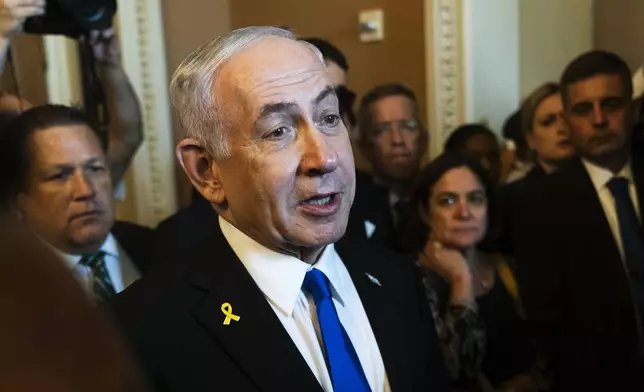
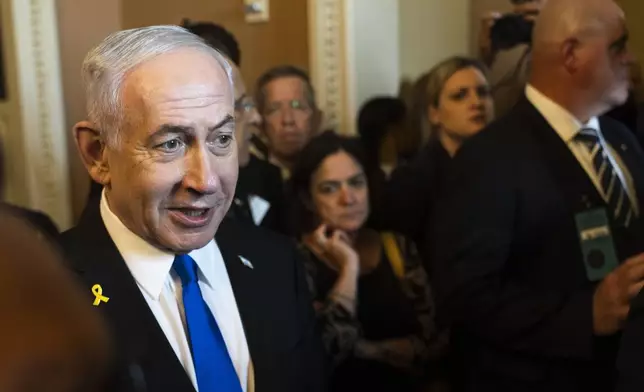
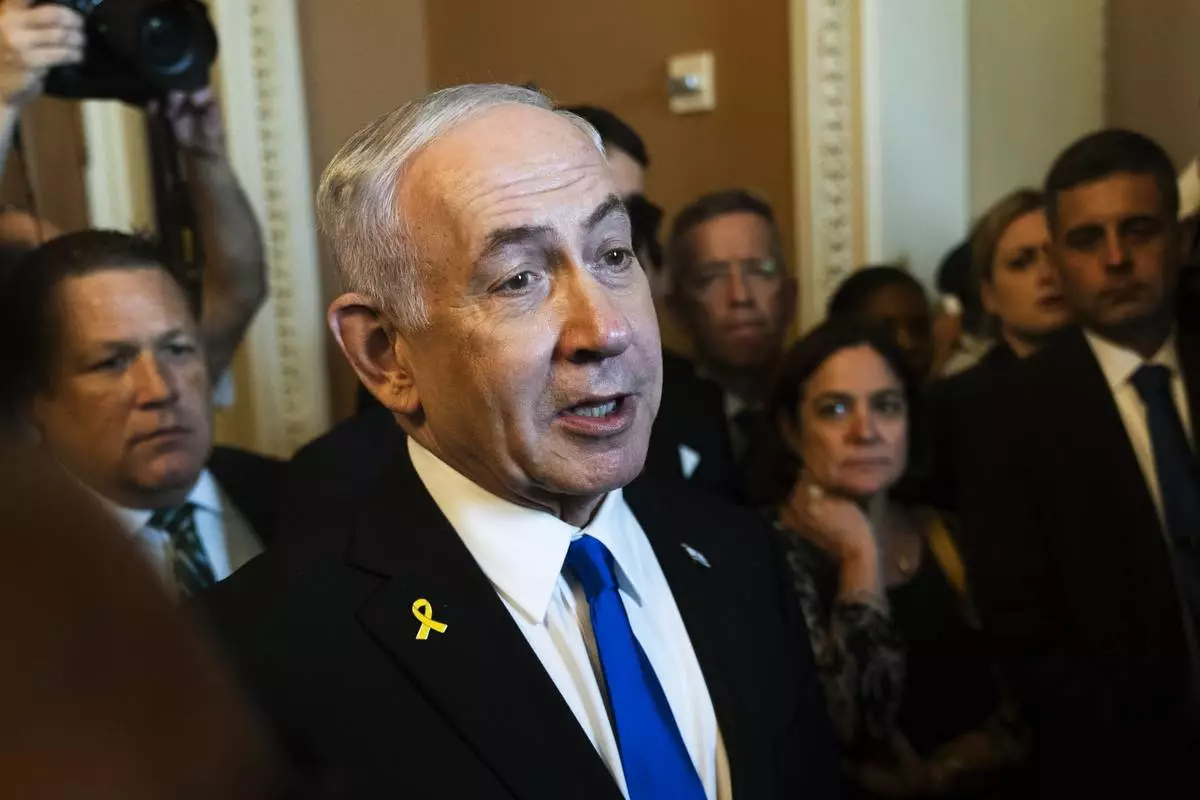
Israeli Prime Minister Benjamin Netanyahu, speaks to reporters before a meeting with lawmakers at the Capitol in Washington, Wednesday, July 9, 2025. (AP Photo/Manuel Balce Ceneta)
Israeli Prime Minister Benjamin Netanyahu, speaks to reporters before a meeting with lawmakers at the Capitol in Washington, Wednesday, July 9, 2025. (AP Photo/Manuel Balce Ceneta)
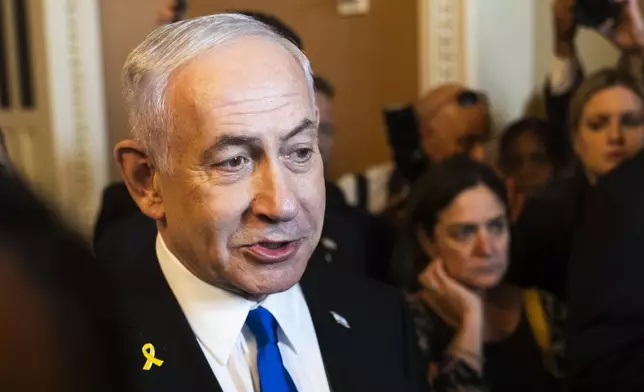
Israeli Prime Minister Benjamin Netanyahu, speaks to reporters before a meeting with lawmakers at the Capitol in Washington, Wednesday, July 9, 2025. (AP Photo/Manuel Balce Ceneta)
Israeli Prime Minister Benjamin Netanyahu, speaks to reporters before a meeting with lawmakers at the Capitol in Washington, Wednesday, July 9, 2025. (AP Photo/Manuel Balce Ceneta)

Israeli Prime Minister Benjamin Netanyahu, speaks to reporters before a meeting with lawmakers at the Capitol in Washington, Wednesday, July 9, 2025. (AP Photo/Manuel Balce Ceneta)

Israeli Prime Minister Benjamin Netanyahu, speaks to reporters before a meeting with lawmakers at the Capitol in Washington, Wednesday, July 9, 2025. (AP Photo/Manuel Balce Ceneta)

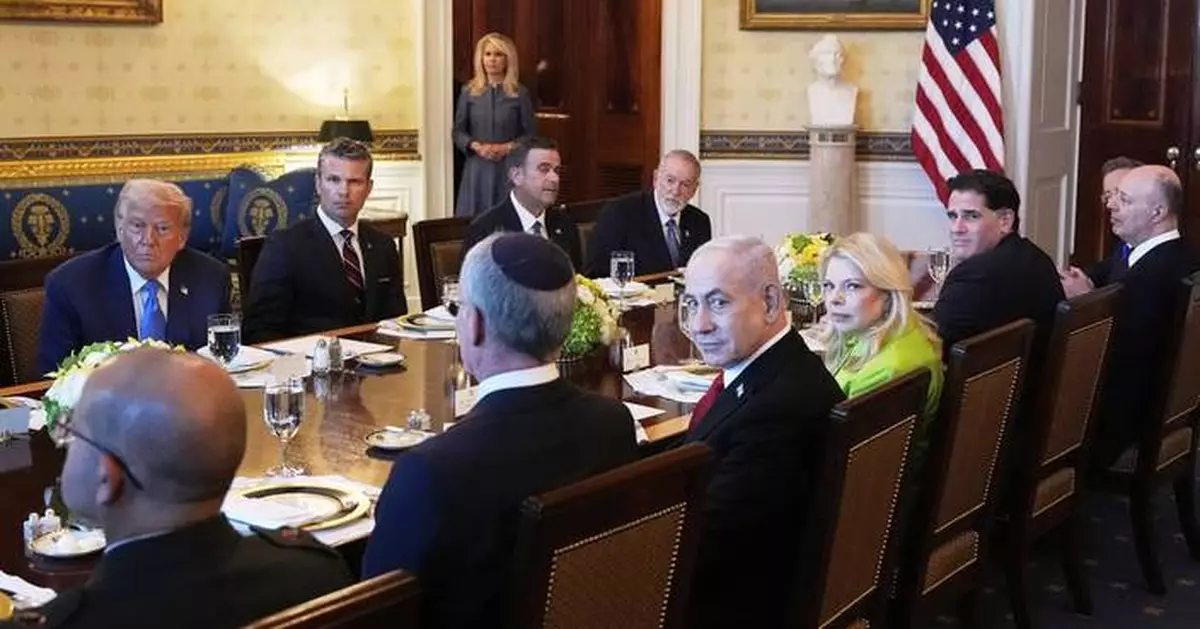
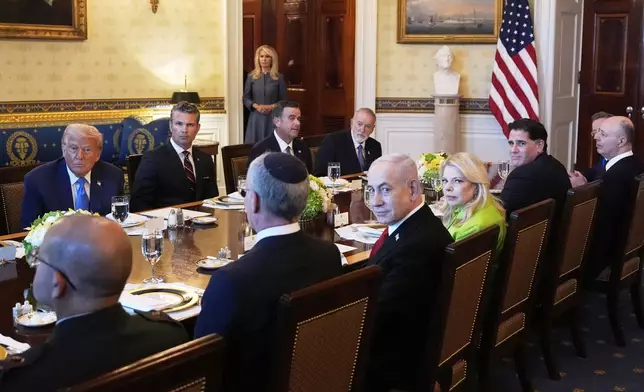
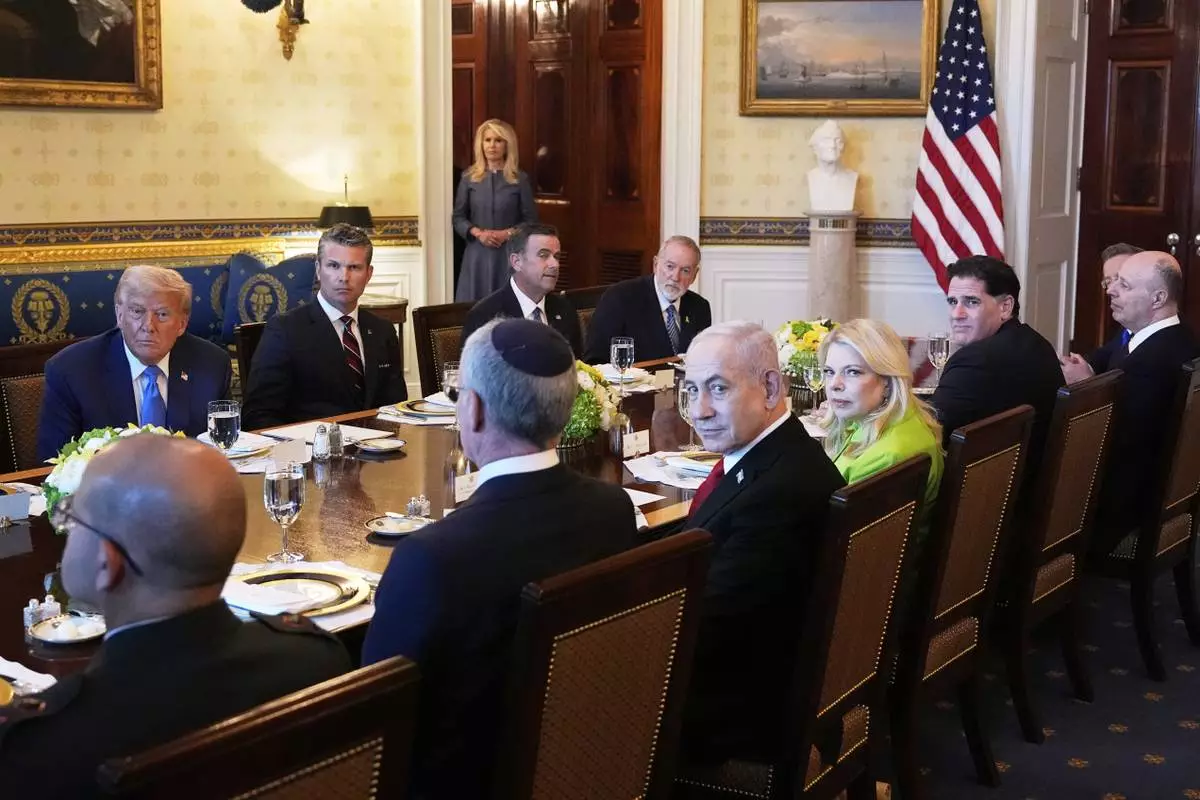
President Donald Trump, from back row left, Defense Secretary Pete Hegseth, CIA Director John Ratcliffe and U.S. Ambassador to Israel Mike Huckabee, meet with Israeli Ambassador to the U.S. Yechiel Leiter, front row from second left, Israel's Prime Minister Benjamin Netanyahu, Netanyahu's wife Sara Netanyahu, Israel's Strategic Affairs Minister Ron Dermer, Israel's National Security Council head Tzachi Hanegbi and Israel's Cabinet Secretary Yossi Fuchs in the Blue Room of the White House, Monday, July 7, 2025, in Washington. (AP Photo/Alex Brandon)

President Donald Trump, from back row left, Defense Secretary Pete Hegseth, CIA Director John Ratcliffe and U.S. Ambassador to Israel Mike Huckabee, meet with Israeli Ambassador to the U.S. Yechiel Leiter, front row from second left, Israel's Prime Minister Benjamin Netanyahu, Netanyahu's wife Sara Netanyahu, Israel's Strategic Affairs Minister Ron Dermer, Israel's National Security Council head Tzachi Hanegbi and Israel's Cabinet Secretary Yossi Fuchs in the Blue Room of the White House, Monday, July 7, 2025, in Washington. (AP Photo/Alex Brandon)

“He prides himself or being able to make deals, so this is another test case,” said Rachel Brandenburg, the Israel Policy Forum's Washington managing director and senior fellow.

Trump’s ability to strike a ceasefire deal in the 21-month war will reveal the boundaries of his influence with Netanyahu, especially after their recent joint strikes on Iran's nuclear facilities that both leaders touted at the White House this week.

Beyond the back-to-back meetings Trump and Netanyahu had at the White House this week, there was little public evidence of progress at a time when the Republican U.S. president is pushing to end the fighting.

Secretary of State Marco Rubio said Thursday that when it comes to a ceasefire in Gaza, “we’re closer than we’ve been in quite a while and we’re hopeful, but we also recognize there’s still some challenges in the way.”

Rubio, who spoke to reporters while traveling in Kuala Lumpur, Malaysia, also said that Trump “wants to see a ceasefire and we’ve invested a lot of time and energy.”

Beyond ending the bloodshed, ending the war in Gaza would give Trump more leeway to strike some of the broader agreements he seeks in the Middle East, such as expanding the Abraham Accords that started in his first term and normalizing relations with Syria’s new government.

“He wants to be the one who gets hostages home and see the war in Gaza end so he can move on to some of these bigger deals,” Brandenburg said.

Even if a truce is reached, Netanyahu has promised fighting will continue if necessary until Hamas is destroyed. The militant group, meanwhile, has conditioned the release of the remaining hostages on Israel's withdrawal from Gaza, a stipulation Israel has been unwilling to accept.

It’s unclear how much pressure Trump put on Netanyahu in their private talks this week. But the two leaders came into the visit seeming more aligned than ever — at least for now — fresh off the president having twice come to the Israeli leader’s assistance.

Trump made the risky move to join Israel’s attacks on Iran last month, delivering pivotal U.S. firepower while alarming world leaders and some of Trump’s “America first” supporters. Trump also inserted himself into Israel’s domestic affairs, calling for Netanyahu’s yearslong corruption trial to be thrown out.

That’s a marked turnaround in their relationship, which had appeared somewhat strained in recent years.

Trump shocked some of his fellow Republicans and staunch supporters of Israel by publicly criticizing Netanyahu not long after Hamas attacked Israel on Oct. 7, 2023, setting off the conflict.

He said that Netanyahu “was not prepared” for the attack from Hamas and that Netanyahu had “let us down” just before the U.S. killed top Iranian general Qassem Soleimani in 2020.

Even during his last visit to the White House earlier this year, Netanyahu seemed caught off guard when Trump announced the U.S. would hold talks with Iran over its nuclear deal rather than embrace Netanyahu’s push for military pressure.

With their military objectives aligning for a time on Iran, the Israeli leader has worked to foster a warmer relationship.

In a video he released after the U.S. strikes, Netanyahu spoke — in English instead of Hebrew — of the “unshakeable alliance” between their countries while repeatedly praising Trump.

“His leadership today has created a pivot of history that can help lead the Middle East and beyond to a future of prosperity and peace,” Netanyahu said.

In his visit to Washington this week, the Israeli leader also showed he knows how to praise the president in a way that matters greatly to him when he unveiled a letter in front of reporters and cameras to announce he had nominated him for a Nobel Peace Prize.

Those gestures, though, may only carry him so far as Trump pushes for a deal that Netanyahu may not be able to accept.

“I think if Netanyahu stands in the way too much for too long of the sort of loftier objectives Trump has set out for himself,” Brandenburg said, “Netanyahu will be cast aside as more of a problem than an asset.”

Netanyahu, like many Israelis, believes Trump is the greatest friend they have ever had in the White House and is deeply grateful for the U.S. strikes on Iran’s nuclear sites last month.

But the Israeli leader is also under mounting public pressure to end the war as hostages languish in captivity and more Israeli soldiers are killed in guerrilla-style attacks.

Israel’s military success against Iran has given him some political capital, but if he ends the war while leaving Hamas intact, he will have broken his repeated promise of “total victory.”

His far-right coalition partners have threatened to bolt if he does that, sparking early elections that could end his nearly unbroken 16 years in power and leave him more vulnerable to long-standing corruption charges.

That may prove too heavy a price for delivering the kind of lasting ceasefire sought by Trump and demanded by Hamas. Instead, Netanyahu, who is seen as a masterful politician by friends and foes alike, is expected to thread the needle.

In a video statement on Thursday, Netanyahu said that he would agree to a “temporary” 60-day ceasefire in return for the release of half the hostages remaining in Gaza, many of whom are believed dead, and that he would begin negotiations on ending the war.

But he conditioned any lasting ceasefire on Hamas giving up its arms – something the militants have refused to do as long as Israel occupies parts of Gaza.

If Hamas can be disarmed through negotiations, “so much the better,” Netanyahu said. “If it is not achieved through negotiations in 60 days, we will achieve it in other ways — by using force.”

Krauss reported from Ottawa, Ontario.
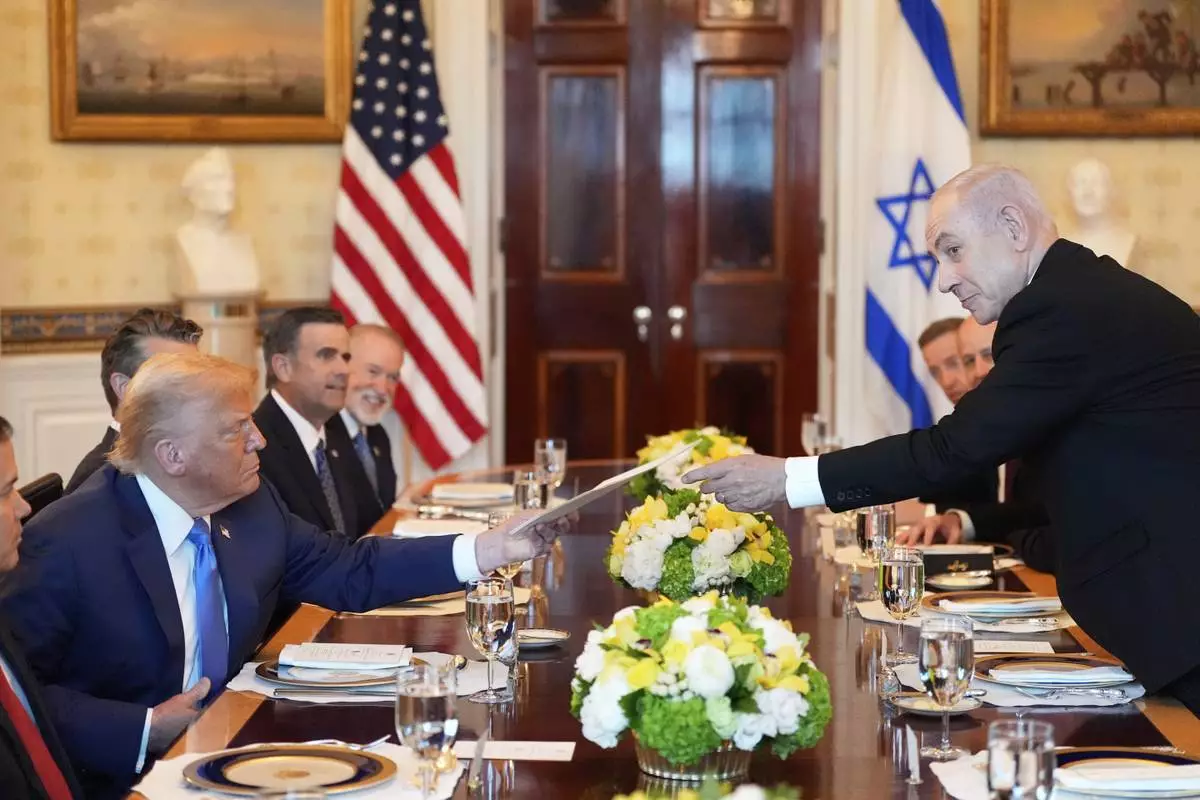
Israel's Prime Minister Benjamin Netanyahu, right, hands President Donald Trump a folder during a meeting in the Blue Room of the White House, Monday, July 7, 2025, in Washington. (AP Photo/Alex Brandon)
Israel's Prime Minister Benjamin Netanyahu, right, hands President Donald Trump a folder during a meeting in the Blue Room of the White House, Monday, July 7, 2025, in Washington. (AP Photo/Alex Brandon)

Secretary of State Marco Rubio, from left, President Donald Trump, Defense Secretary Pete Hegseth, obstructed, CIA Director John Ratcliffe and U.S. Ambassador to Israel Mike Huckabee listen during a meeting with Israel's Prime Minister Benjamin Netanyahu in the Blue Room of the White House, Monday, July 7, 2025, in Washington. (AP Photo/Alex Brandon)
Secretary of State Marco Rubio, from left, President Donald Trump, Defense Secretary Pete Hegseth, obstructed, CIA Director John Ratcliffe and U.S. Ambassador to Israel Mike Huckabee listen during a meeting with Israel's Prime Minister Benjamin Netanyahu in the Blue Room of the White House, Monday, July 7, 2025, in Washington. (AP Photo/Alex Brandon)

Israeli Prime Minister Benjamin Netanyahu, speaks to reporters before a meeting with lawmakers at the Capitol in Washington, Wednesday, July 9, 2025. (AP Photo/Manuel Balce Ceneta)
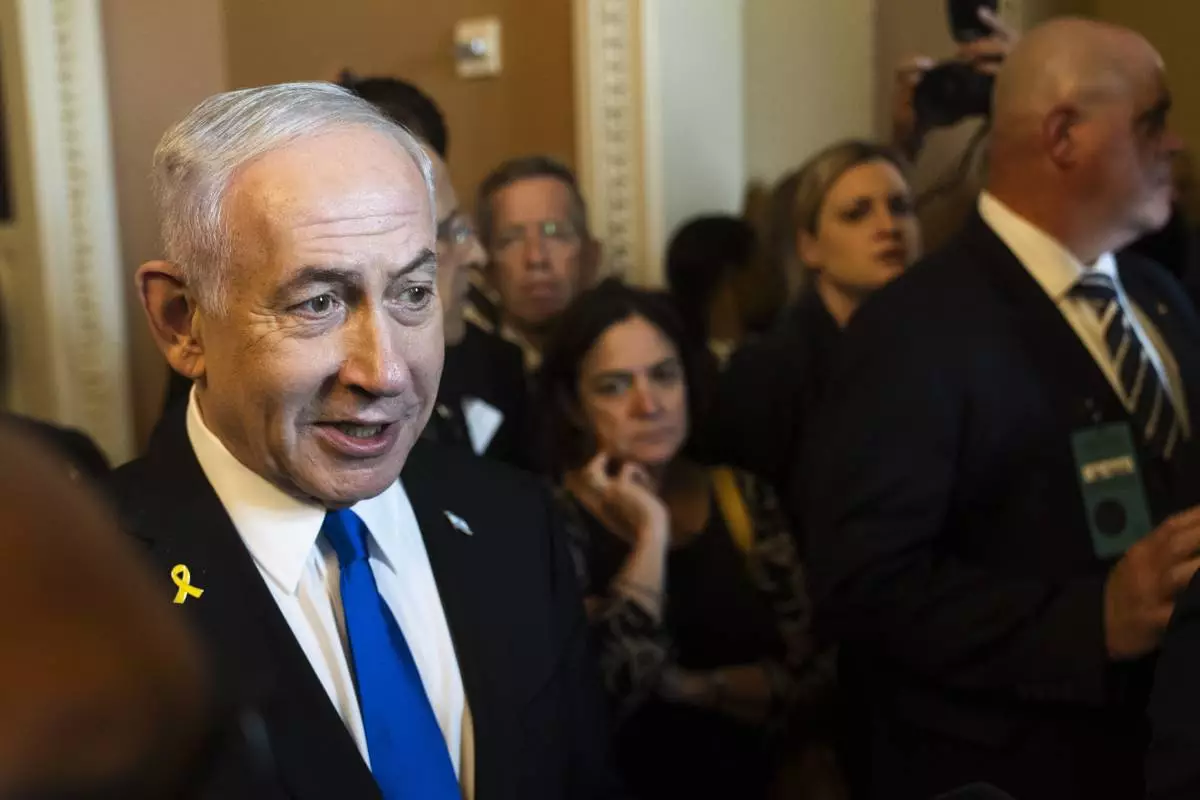
Israeli Prime Minister Benjamin Netanyahu, speaks to reporters before a meeting with lawmakers at the Capitol in Washington, Wednesday, July 9, 2025. (AP Photo/Manuel Balce Ceneta)
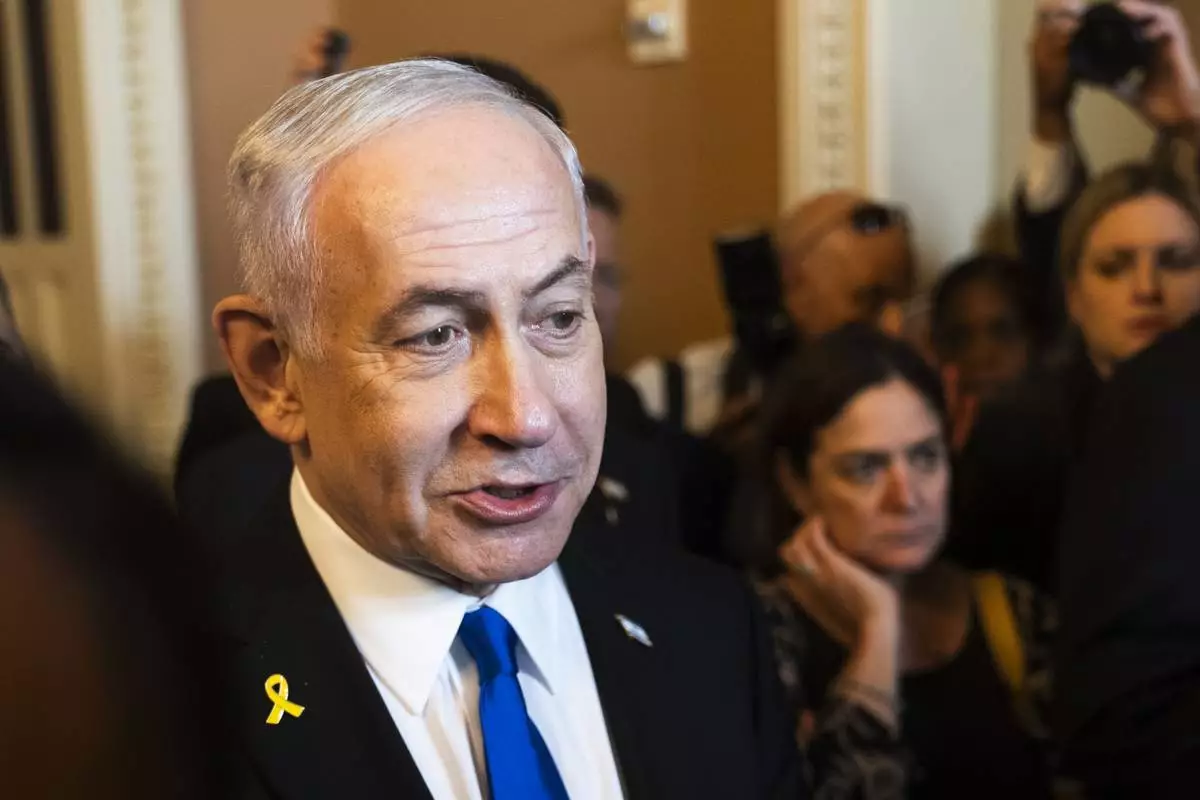
Israeli Prime Minister Benjamin Netanyahu, speaks to reporters before a meeting with lawmakers at the Capitol in Washington, Wednesday, July 9, 2025. (AP Photo/Manuel Balce Ceneta)
Israeli Prime Minister Benjamin Netanyahu, speaks to reporters before a meeting with lawmakers at the Capitol in Washington, Wednesday, July 9, 2025. (AP Photo/Manuel Balce Ceneta)

Israeli Prime Minister Benjamin Netanyahu, speaks to reporters before a meeting with lawmakers at the Capitol in Washington, Wednesday, July 9, 2025. (AP Photo/Manuel Balce Ceneta)

Israeli Prime Minister Benjamin Netanyahu, speaks to reporters before a meeting with lawmakers at the Capitol in Washington, Wednesday, July 9, 2025. (AP Photo/Manuel Balce Ceneta)

President Donald Trump, from back row left, Defense Secretary Pete Hegseth, CIA Director John Ratcliffe and U.S. Ambassador to Israel Mike Huckabee, meet with Israeli Ambassador to the U.S. Yechiel Leiter, front row from second left, Israel's Prime Minister Benjamin Netanyahu, Netanyahu's wife Sara Netanyahu, Israel's Strategic Affairs Minister Ron Dermer, Israel's National Security Council head Tzachi Hanegbi and Israel's Cabinet Secretary Yossi Fuchs in the Blue Room of the White House, Monday, July 7, 2025, in Washington. (AP Photo/Alex Brandon)

President Donald Trump, from back row left, Defense Secretary Pete Hegseth, CIA Director John Ratcliffe and U.S. Ambassador to Israel Mike Huckabee, meet with Israeli Ambassador to the U.S. Yechiel Leiter, front row from second left, Israel's Prime Minister Benjamin Netanyahu, Netanyahu's wife Sara Netanyahu, Israel's Strategic Affairs Minister Ron Dermer, Israel's National Security Council head Tzachi Hanegbi and Israel's Cabinet Secretary Yossi Fuchs in the Blue Room of the White House, Monday, July 7, 2025, in Washington. (AP Photo/Alex Brandon)
NEW YORK (AP) — Reviving a campaign pledge, President Donald Trump wants a one-year, 10% cap on credit card interest rates, a move that could save Americans tens of billions of dollars but drew immediate opposition from an industry that has been in his corner.

Trump was not clear in his social media post Friday night whether a cap might take effect through executive action or legislation, though one Republican senator said he had spoken with the president and would work on a bill with his “full support.” Trump said he hoped it would be in place Jan. 20, one year after he took office.

Strong opposition is certain from Wall Street in addition to the credit card companies, which donated heavily to his 2024 campaign and have supported Trump's second-term agenda. Banks are making the argument that such a plan would most hurt poor people, at a time of economic concern, by curtailing or eliminating credit lines, driving them to high-cost alternatives like payday loans or pawnshops.

“We will no longer let the American Public be ripped off by Credit Card Companies that are charging Interest Rates of 20 to 30%,” Trump wrote on his Truth Social platform.

Researchers who studied Trump’s campaign pledge after it was first announced found that Americans would save roughly $100 billion in interest a year if credit card rates were capped at 10%. The same researchers found that while the credit card industry would take a major hit, it would still be profitable, although credit card rewards and other perks might be scaled back.

About 195 million people in the United States had credit cards in 2024 and were assessed $160 billion in interest charges, the Consumer Financial Protection Bureau says. Americans are now carrying more credit card debt than ever, to the tune of about $1.23 trillion, according to figures from the New York Federal Reserve for the third quarter last year.

Further, Americans are paying, on average, between 19.65% and 21.5% in interest on credit cards according to the Federal Reserve and other industry tracking sources. That has come down in the past year as the central bank lowered benchmark rates, but is near the highs since federal regulators started tracking credit card rates in the mid-1990s. That’s significantly higher than a decade ago, when the average credit card interest rate was roughly 12%.

The Republican administration has proved particularly friendly until now to the credit card industry.

Capital One got little resistance from the White House when it finalized its purchase and merger with Discover Financial in early 2025, a deal that created the nation’s largest credit card company. The Consumer Financial Protection Bureau, which is largely tasked with going after credit card companies for alleged wrongdoing, has been largely nonfunctional since Trump took office.

In a joint statement, the banking industry was opposed to Trump's proposal.

“If enacted, this cap would only drive consumers toward less regulated, more costly alternatives," the American Bankers Association and allied groups said.

Bank lobbyists have long argued that lowering interest rates on their credit card products would require the banks to lend less to high-risk borrowers. When Congress enacted a cap on the fee that stores pay large banks when customers use a debit card, banks responded by removing all rewards and perks from those cards. Debit card rewards only recently have trickled back into consumers' hands. For example, United Airlines now has a debit card that gives miles with purchases.

The U.S. already places interest rate caps on some financial products and for some demographics. The Military Lending Act makes it illegal to charge active-duty service members more than 36% for any financial product. The national regulator for credit unions has capped interest rates on credit union credit cards at 18%.

Credit card companies earn three streams of revenue from their products: fees charged to merchants, fees charged to customers and the interest charged on balances. The argument from some researchers and left-leaning policymakers is that the banks earn enough revenue from merchants to keep them profitable if interest rates were capped.

"A 10% credit card interest cap would save Americans $100 billion a year without causing massive account closures, as banks claim. That’s because the few large banks that dominate the credit card market are making absolutely massive profits on customers at all income levels," said Brian Shearer, director of competition and regulatory policy at the Vanderbilt Policy Accelerator, who wrote the research on the industry's impact of Trump's proposal last year.

There are some historic examples that interest rate caps do cut off the less creditworthy to financial products because banks are not able to price risk correctly. Arkansas has a strictly enforced interest rate cap of 17% and evidence points to the poor and less creditworthy being cut out of consumer credit markets in the state. Shearer's research showed that an interest rate cap of 10% would likely result in banks lending less to those with credit scores below 600.

The White House did not respond to questions about how the president seeks to cap the rate or whether he has spoken with credit card companies about the idea.

Sen. Roger Marshall, R-Kan., who said he talked with Trump on Friday night, said the effort is meant to “lower costs for American families and to reign in greedy credit card companies who have been ripping off hardworking Americans for too long."

Legislation in both the House and the Senate would do what Trump is seeking.

Sens. Bernie Sanders, I-Vt., and Josh Hawley, R-Mo., released a plan in February that would immediately cap interest rates at 10% for five years, hoping to use Trump’s campaign promise to build momentum for their measure.

Hours before Trump's post, Sanders said that the president, rather than working to cap interest rates, had taken steps to deregulate big banks that allowed them to charge much higher credit card fees.

Reps. Alexandria Ocasio-Cortez, D-N.Y., and Anna Paulina Luna, R-Fla., have proposed similar legislation. Ocasio-Cortez is a frequent political target of Trump, while Luna is a close ally of the president.

Seung Min Kim reported from West Palm Beach, Fla.

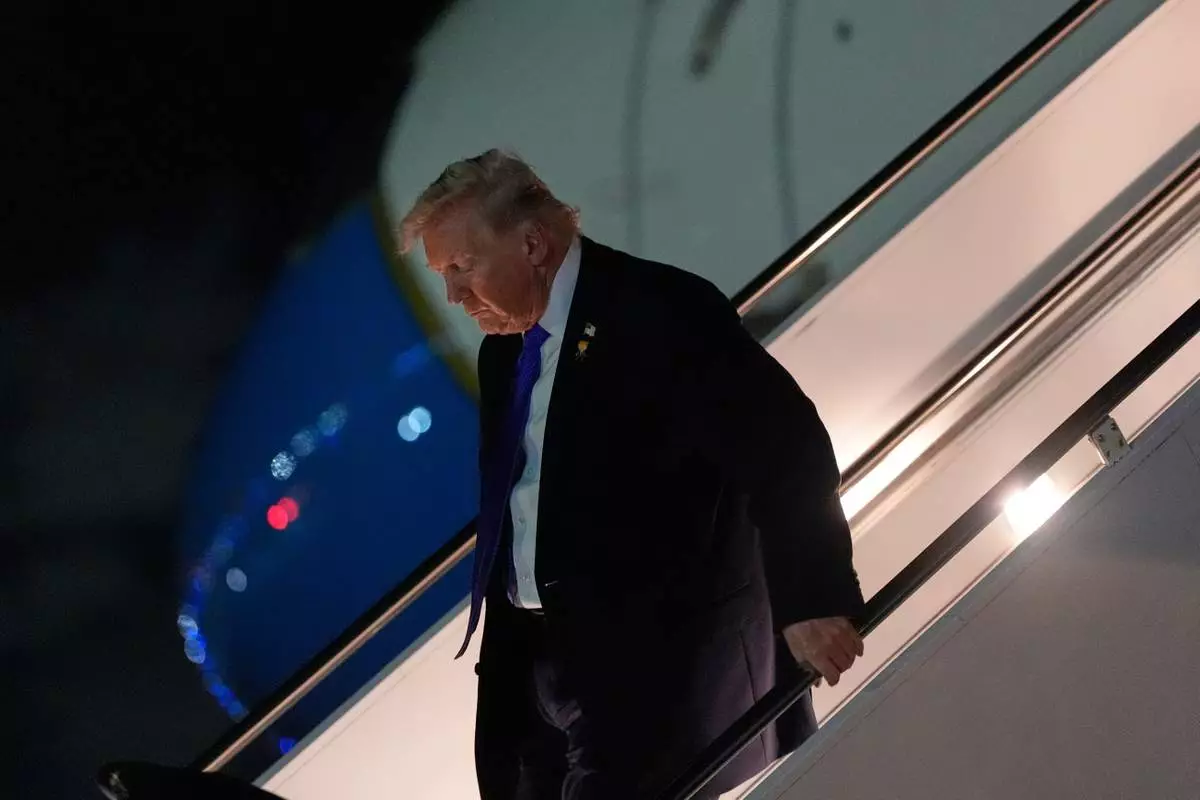
President Donald Trump arrives on Air Force One at Palm Beach International Airport, Friday, Jan. 9, 2025, in West Palm Beach, Fla. (AP Photo/Julia Demaree Nikhinson)

President Donald Trump arrives on Air Force One at Palm Beach International Airport, Friday, Jan. 9, 2025, in West Palm Beach, Fla. (AP Photo/Julia Demaree Nikhinson)

FILE - Visa and Mastercard credit cards are shown in Buffalo Grove, Ill., Feb. 8, 2024. (AP Photo/Nam Y. Huh, File)

FILE - Visa and Mastercard credit cards are shown in Buffalo Grove, Ill., Feb. 8, 2024. (AP Photo/Nam Y. Huh, File)

Recommended Articles