Skip to Content Facebook Feature Image

UN's food agency limits aid operations in West and Central Africa due to funding cuts

News

UN's food agency limits aid operations in West and Central Africa due to funding cuts
News

News

UN's food agency limits aid operations in West and Central Africa due to funding cuts

2025-07-11 23:54 Last Updated At:07-12 00:01

LAGOS, Nigeria (AP) — The World Food Program said Friday it is suspending food and nutritional assistance across crisis-hit West and Central African countries as a result of U.S. and other global aid cuts that are grinding its operations to a halt.

U.S. President Donald Trump’s decision to cut USAID and critical funding to the United Nations has left many aid agencies struggling to survive despite the worsening humanitarian crises across many parts of Africa, including areas where militant groups have continued to expand their operations.

While the timeline varies, food stocks are projected to last until around September for most of the affected countries, leaving millions of vulnerable people potentially without any emergency aid, according to the WFP.

“We are doing everything we can to prioritize the most life-saving activities, but without urgent support from our partners, our ability to respond is shrinking by the day. We need sustained funding to keep food flowing and hope alive,” Margot van der Velden, the WFP's regional director, told The Associated Press.

Seven countries are affected in the region, with the suspension of operations already underway in Mauritania, Mali and the Central African Republic, where food stocks are projected to last only a few weeks. Aid distribution has already been significantly scaled down in camps for Nigerian refugees in neighboring Cameroon, according to the WFP.

Millions of people are expected to be immediately affected, according to WFP data seen by the AP, including 300,000 children in Nigeria at risk of “severe malnutrition, ultimately raising the risk of death”.

The International Rescue Committee this month said there was a 178% rise in inpatient admissions at its clinics from March to May in northern Nigeria, where 1.3 million people depend on WFP aid.

Displaced people in Mali have not received any emergency food supplies since June, which marked the start of a period when food production is at its lowest in the Sahel — the southern fringe of the Sahara desert region stretching from Mauritania to Chad.

Despite the continued influx of refugees from Sudan's Darfur region fleeing the ongoing war in Sudan, emergency food supplies in Chad will only last to the end of the year, the WFP said. Niger faces a total suspension of food aid by October.

These countries are already in the grip of escalating humanitarian crises, sparked by constant attacks by various militant groups, where thousands of people have been killed and millions displaced, the U.N. says. The attacks have been exacerbated by worsening climate conditions that have affected harvests and struggling economies across the continents.

“The consequences are not just humanitarian but potentially affecting the stability of the entire region," Van der Velden said.

The WFP says it needs $494 million to cover the second half of 2025, but the funds have been totally depleted, forcing it to prioritize the most vulnerable groups. In northern and central Mali it will prioritize newly displaced refugees and children under five.

Experts say the fallout of the suspension of the WFP’s operations in the vulnerable countries will worsen the security challenge as it makes it more likely for jihadi groups to recruit.

“It becomes a more complicated crisis because in regions where the WFP operations are focused because the same challenge also intersects with security. It is going to bode double jeopardy,” said Oluwole Ojewale, a Dakar-based security analyst at the Institute of Security Studies.

“When hunger comes on top of the layers of other challenges, it compounds the issue," he said. "We have seen people take to terrorism and violent extremism basically because they couldn’t survive the biting reality of poverty.”
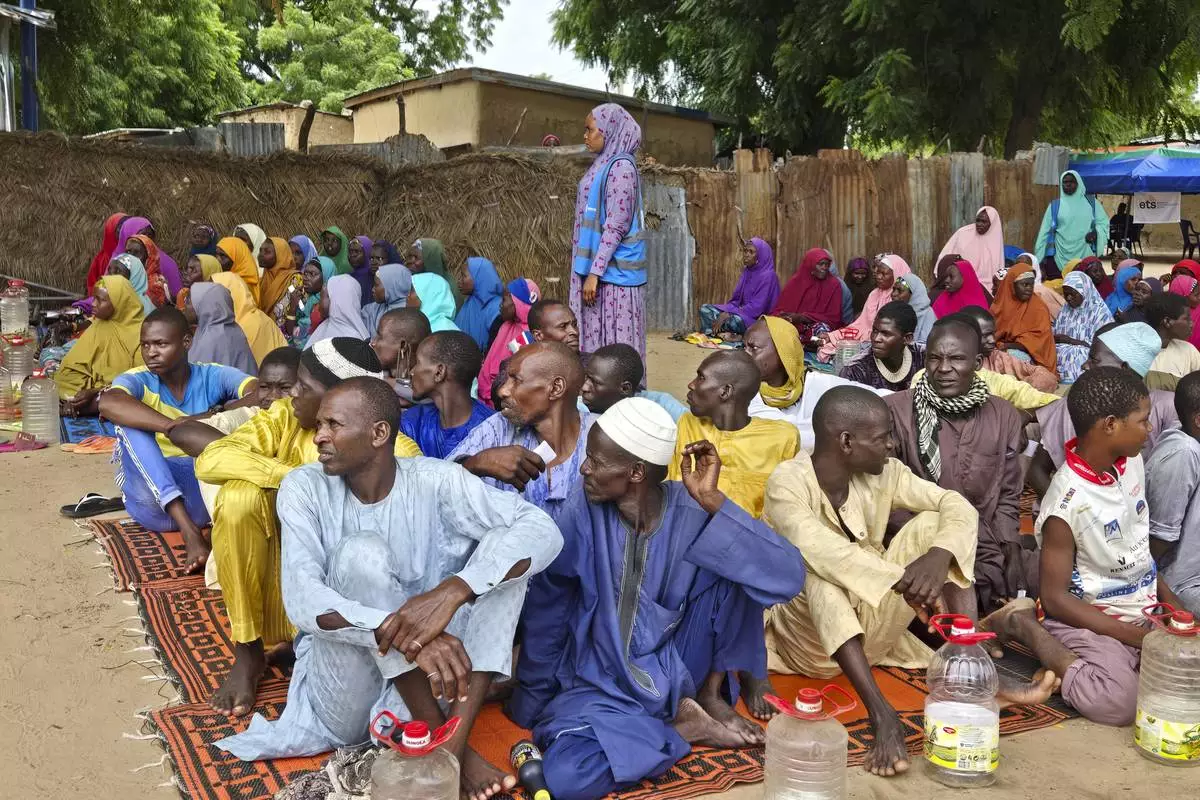
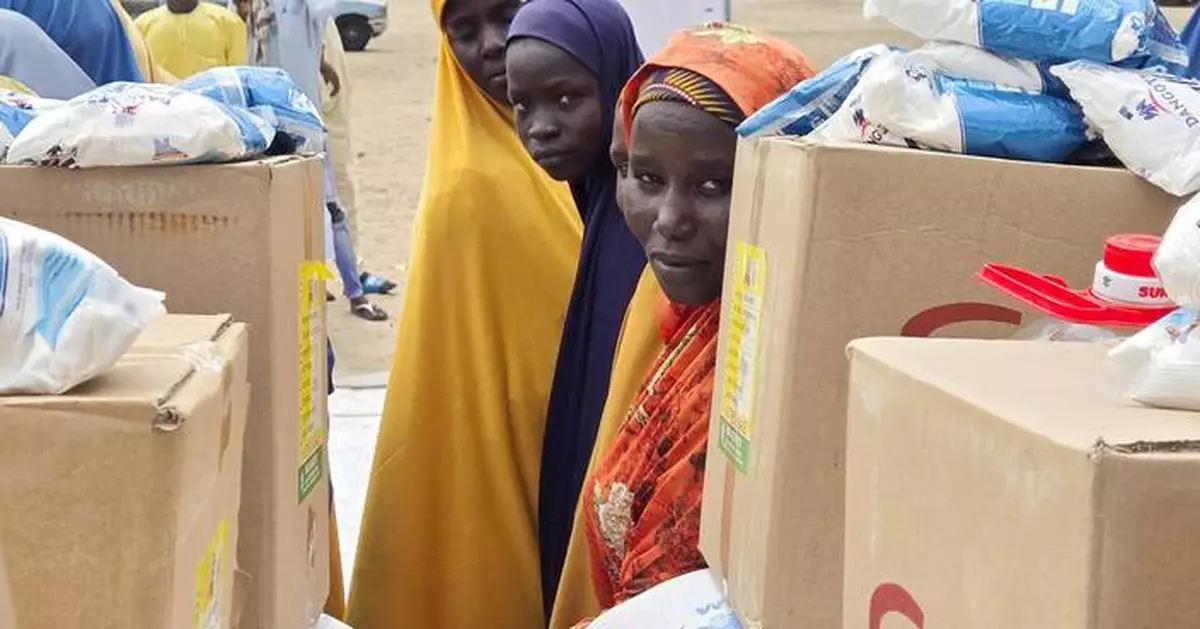
FILE - People wait to receive food donations from the United Nations World Food Program in Damasak, northeastern Nigeria, Oct 6, 2024. (AP Photo/Chinedu Asadu,File)
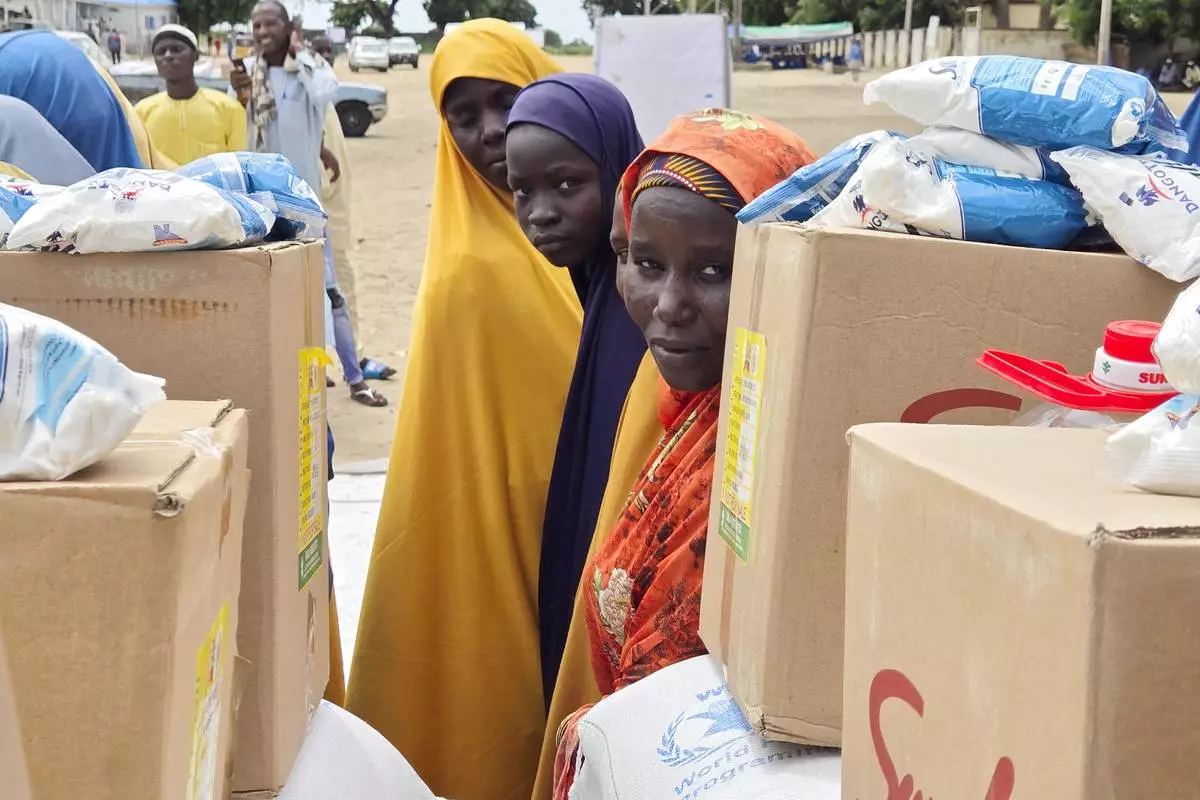
FILE - People wait to receive food donations from the United Nations World Food Program in Damasak, northeastern Nigeria, Oct 6, 2024. (AP Photo/Chinedu Asadu,File)

FILE - People wait to receive food donations from the United Nations World Food Program in Damasak, northeastern Nigeria, Oct. 6, 2024. (AP Photo/Chinedu Asadu, File)

FILE - People wait to receive food donations from the United Nations World Food Program in Damasak, northeastern Nigeria, Oct. 6, 2024. (AP Photo/Chinedu Asadu, File)
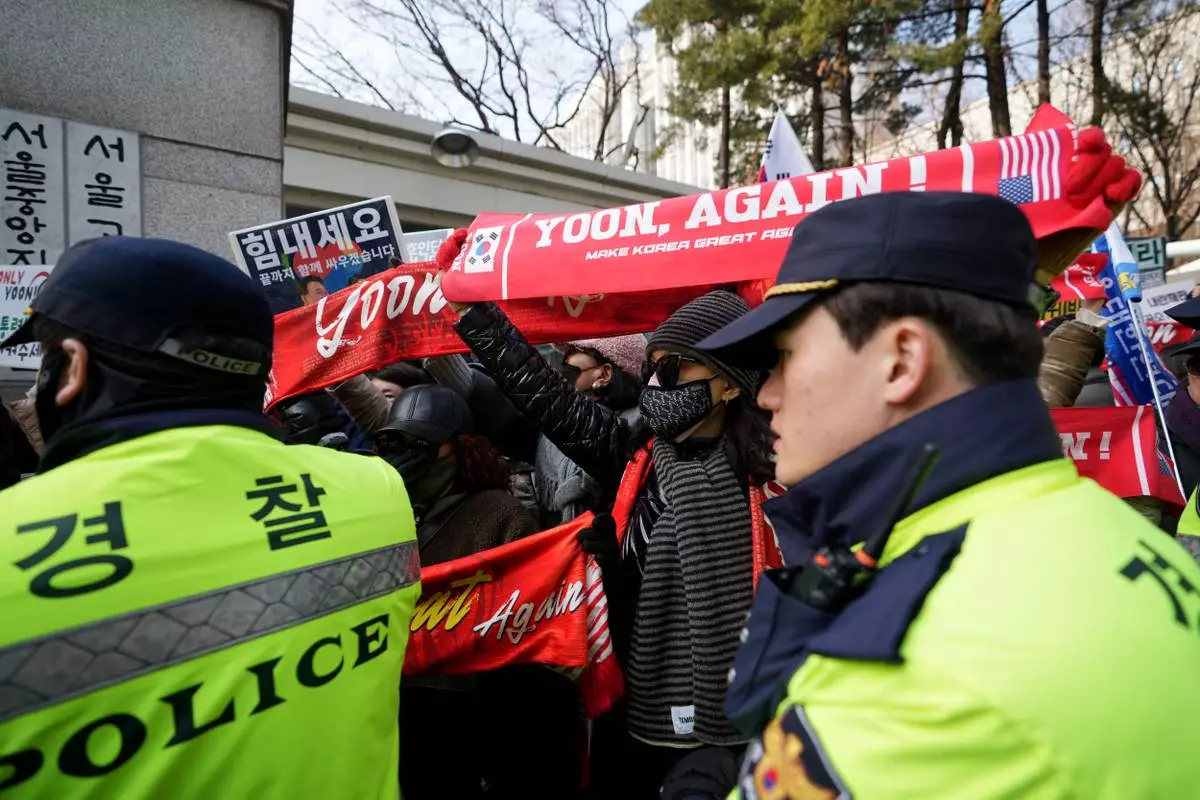
SEOUL, South Korea (AP) — A South Korean court sentenced former President Yoon Suk Yeol to five years in prison Friday in the first verdict from eight criminal trials over the martial law debacle that forced him out of office and other allegations.

Yoon was impeached, arrested and dismissed as president after his short-lived imposition of martial law in December 2024 triggered huge public protests calling for his ouster.

The most significant criminal charge against him alleges that his martial law enforcement amounted to a rebellion, and the independent counsel has requested the death sentence in the case that is to be decided in a ruling next month.

In Friday's case, the Seoul Central District Court sentenced Yoon for defying attempts to detain him, fabricating the martial law proclamation and sidestepping a legally mandated full Cabinet meeting.

Yoon has maintained he didn’t intend to place the country under military rule for an extended period, saying his decree was only meant to inform the people about the danger of the liberal-controlled parliament obstructing his agenda. But investigators have viewed Yoon’s decree as an attempt to bolster and prolong his rule, charging him with rebellion, abuse of power and other criminal offenses.

Judge Baek Dae-hyun said in the televised ruling that imposing “a grave punishment” was necessary because Yoon hasn’t shown remorse and has only repeated “hard-to-comprehend excuses.” The judge also restoring legal systems damaged by Yoon’s action was necessary.

Yoon, who can appeal the ruling, hasn’t immediately publicly responded to the ruling. But when the independent counsel demanded a 10-year prison term in the case, Yoon’s defense team accused them of being politically driven and lacking legal grounds to demand such “an excessive” sentence.

Prison sentences in the multiple, smaller trials Yoon faces would matter if he is spared the death penalty or life imprisonment at the rebellion trial.

Park SungBae, a lawyer who specializes in criminal law, said there is little chance the court would decide Yoon should face the death penalty in the rebellion case. He said the court will likely issue a life sentence or a sentence of 30 years or more in prison.

South Korea has maintained a de facto moratorium on executions since 1997 and courts rarely hand down death sentences. Park said the court would take into account that Yoon’s decree didn’t cause casualties and didn’t last long, although Yoon hasn’t shown genuine remorse for his action.

A supporter of former South Korean President Yoon Suk Yeol shouts slogans outside Seoul Central District Court, in Seoul, South Korea, Friday, Jan. 16, 2026. (AP Photo/Lee Jin-man)

A supporter of former South Korean President Yoon Suk Yeol shouts slogans outside Seoul Central District Court, in Seoul, South Korea, Friday, Jan. 16, 2026. (AP Photo/Lee Jin-man)

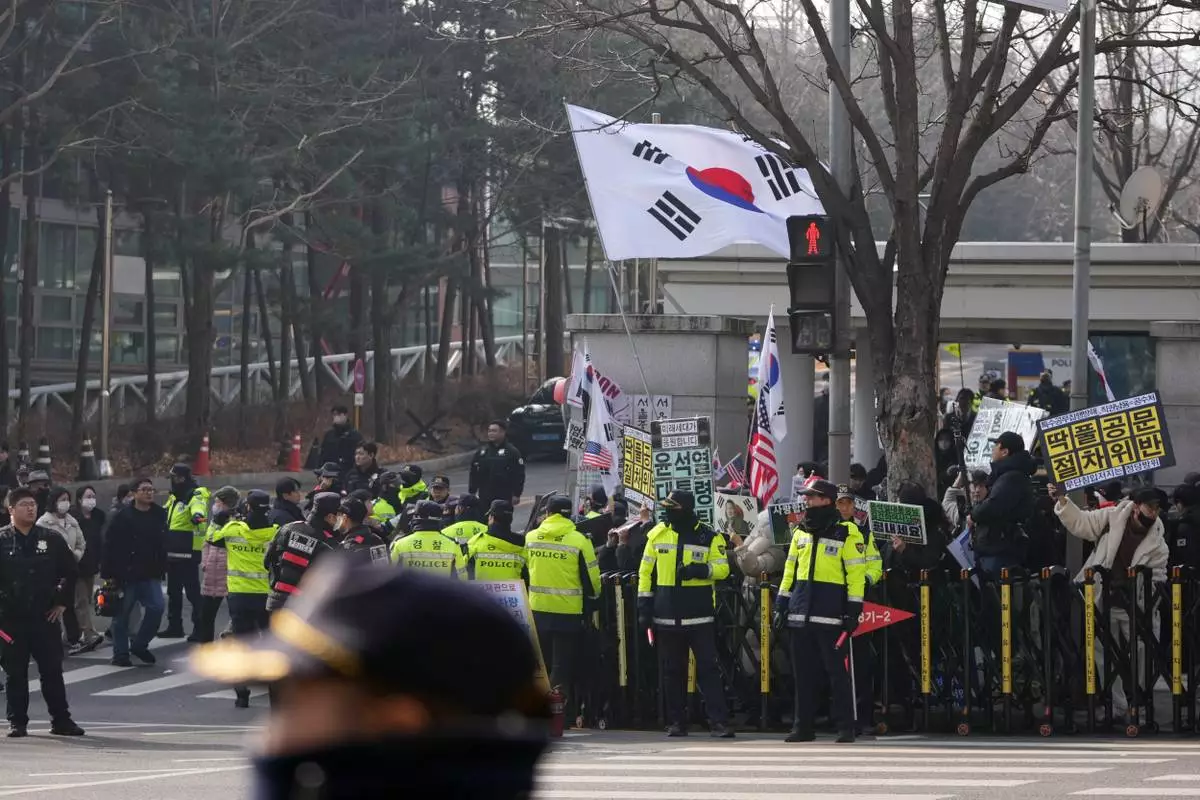
Supporters of former South Korean President Yoon Suk Yeol hold signs and flags outside Seoul Central District Court, in Seoul, South Korea, Friday, Jan. 16, 2026. (AP Photo/Lee Jin-man)

Supporters of former South Korean President Yoon Suk Yeol hold signs and flags outside Seoul Central District Court, in Seoul, South Korea, Friday, Jan. 16, 2026. (AP Photo/Lee Jin-man)

A supporter of former South Korean President Yoon Suk Yeol waits for a bus carrying former South Korean President Yoon Suk Yeol outside Seoul Central District Court, in Seoul, South Korea, Friday, Jan. 16, 2026. (AP Photo/Lee Jin-man)

A supporter of former South Korean President Yoon Suk Yeol waits for a bus carrying former South Korean President Yoon Suk Yeol outside Seoul Central District Court, in Seoul, South Korea, Friday, Jan. 16, 2026. (AP Photo/Lee Jin-man)

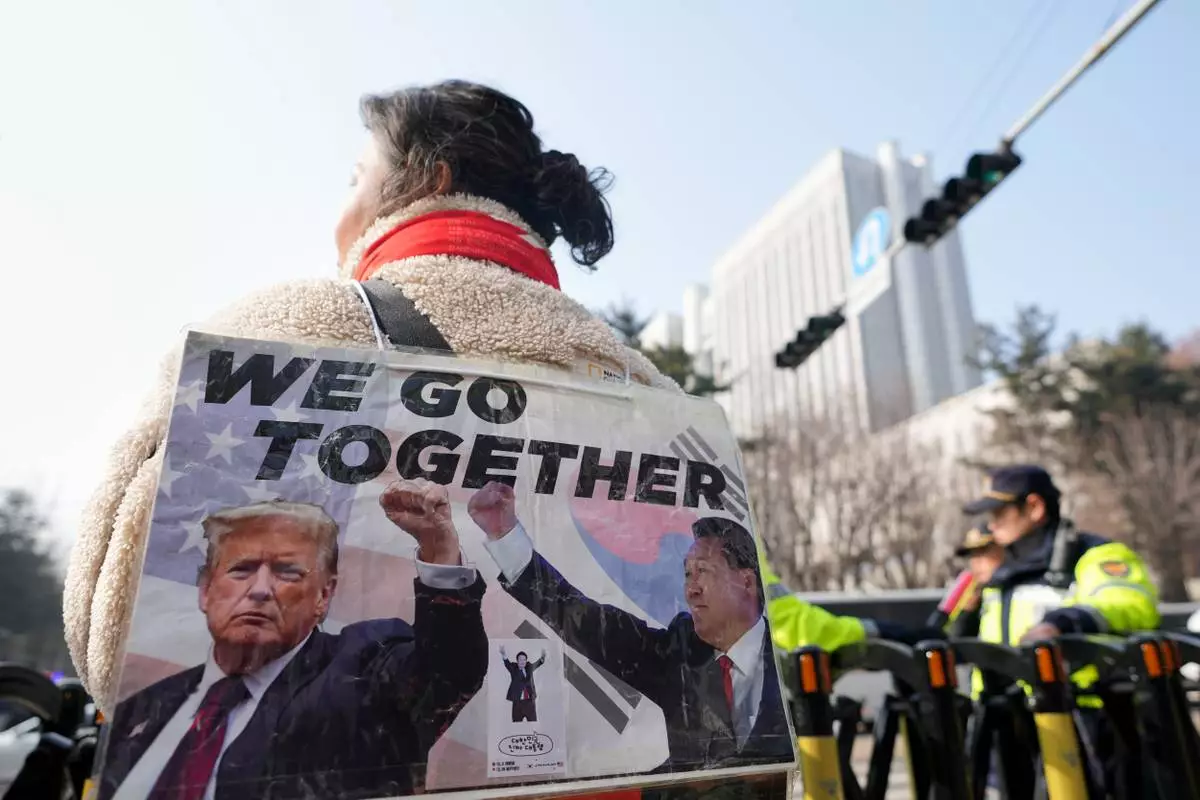
Supporters of former South Korean President Yoon Suk Yeol hold signs as police officers stand guard outside Seoul Central District Court, in Seoul, South Korea, Friday, Jan. 16, 2026. (AP Photo/Lee Jin-man)

Supporters of former South Korean President Yoon Suk Yeol hold signs as police officers stand guard outside Seoul Central District Court, in Seoul, South Korea, Friday, Jan. 16, 2026. (AP Photo/Lee Jin-man)

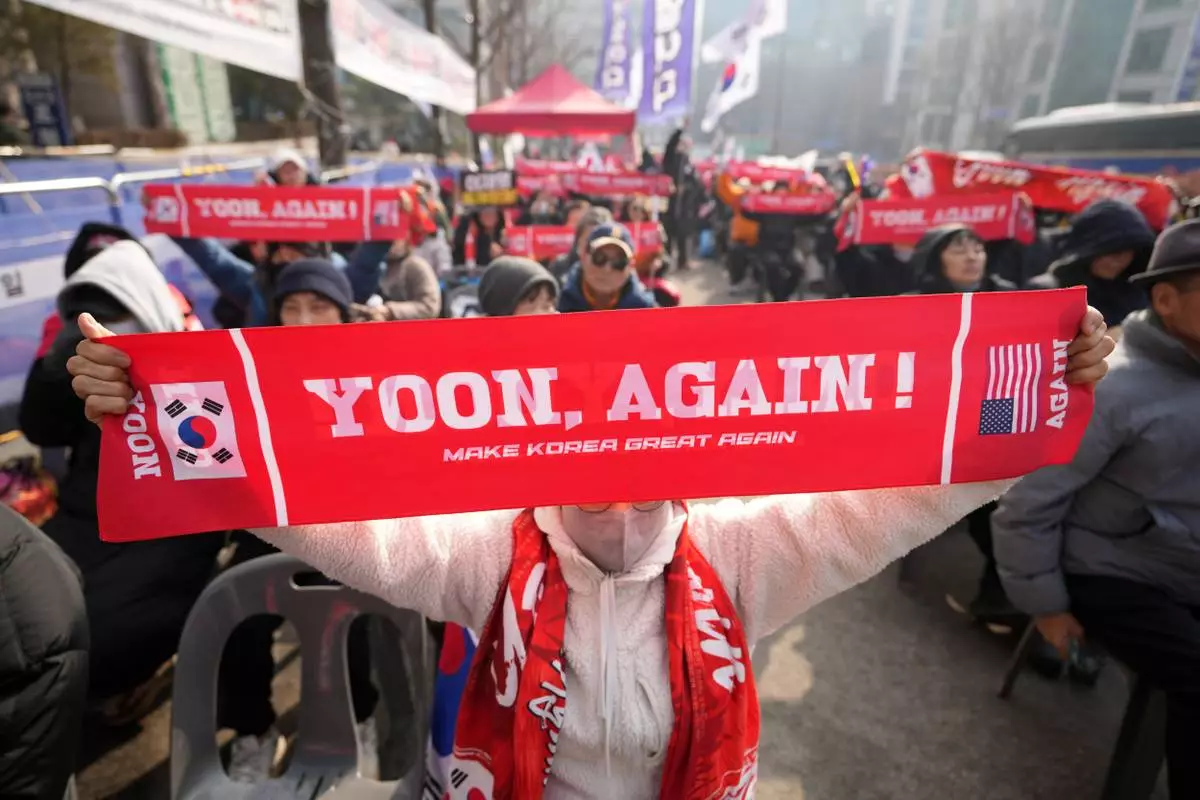
Supporters of former South Korean President Yoon Suk Yeol hold signs and flags outside Seoul Central District Court, in Seoul, South Korea, Friday, Jan. 16, 2026. (AP Photo/Lee Jin-man)

Supporters of former South Korean President Yoon Suk Yeol hold signs and flags outside Seoul Central District Court, in Seoul, South Korea, Friday, Jan. 16, 2026. (AP Photo/Lee Jin-man)

Supporters of former South Korean President Yoon Suk Yeol hold signs outside Seoul Central District Court, in Seoul, South Korea, Friday, Jan. 16, 2026. (AP Photo/Lee Jin-man)

Supporters of former South Korean President Yoon Suk Yeol hold signs outside Seoul Central District Court, in Seoul, South Korea, Friday, Jan. 16, 2026. (AP Photo/Lee Jin-man)

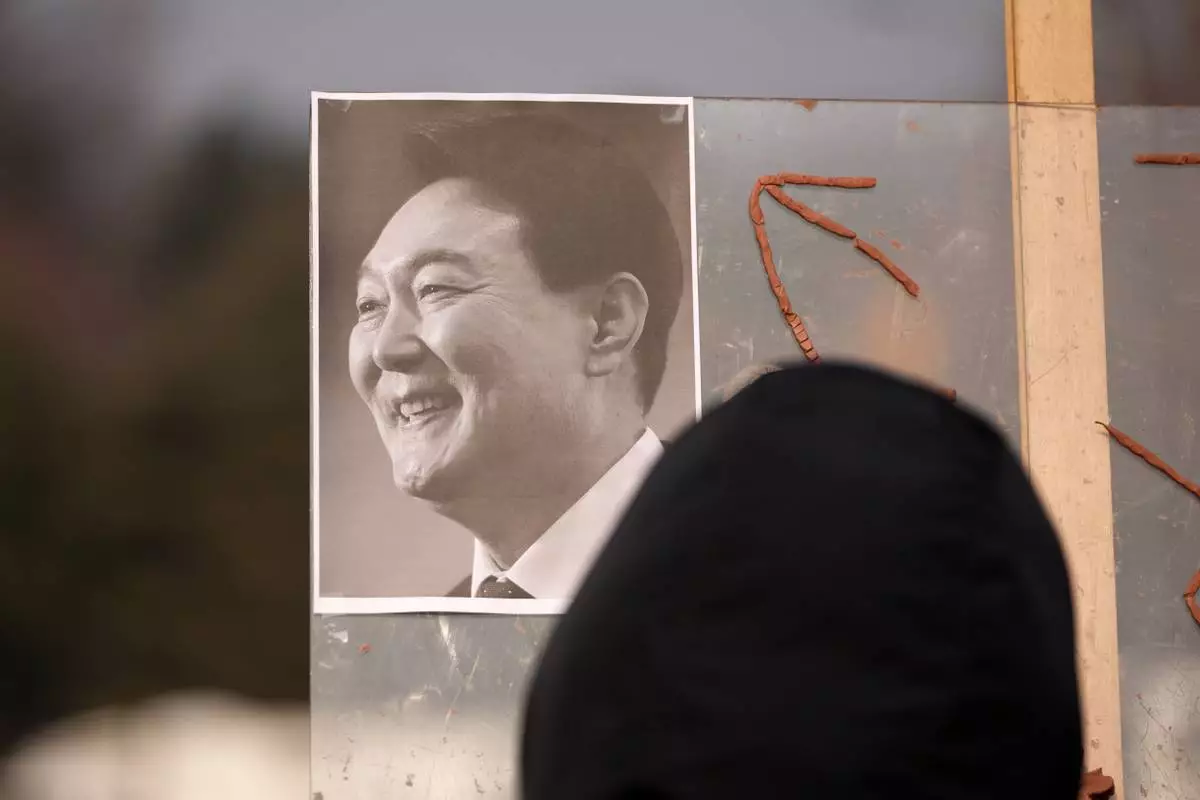
A picture of former South Korean President Yoon Suk Yeol is placed on a board as supporters gather outside Seoul Central District Court, in Seoul, South Korea, Friday, Jan. 16, 2026. (AP Photo/Lee Jin-man)

A picture of former South Korean President Yoon Suk Yeol is placed on a board as supporters gather outside Seoul Central District Court, in Seoul, South Korea, Friday, Jan. 16, 2026. (AP Photo/Lee Jin-man)

Recommended Articles