Japan's population crisis deepened in 2024, with the number of newborns hitting a record low of just 686,061, forcing national and local authorities to promote population growth.
One rural family in Chiba prefecture is taking matters into their own hands.
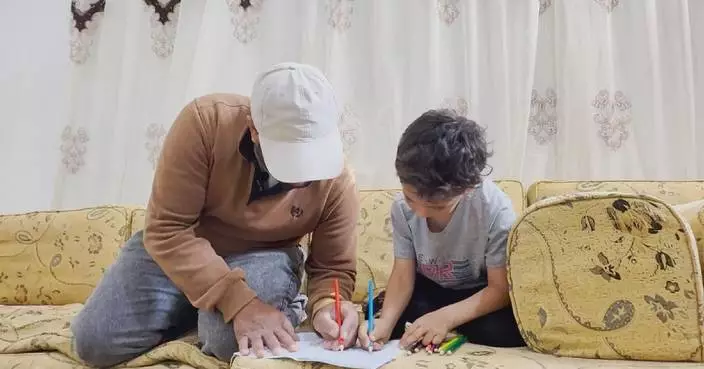
In the mountainous Kamogawa region, six-year-old Tara Fukuoka is the only child in his village. His parents moved there from Yokohama in search of a quieter life. Hoping to help revitalize the area, they built a permaculture farm that now hosts visiting workers, students, and a monthly forest kindergarten for children from nearby villages.
"Laboratories from Tokyo universities come almost every week. The house was renovated by Meiji University architecture students over three years. So there is a lot of renovating vacant spaces and using them again. These then become new bases to attract yet more people," said Tara's father Tatsuya Fukuoka.
Like much of rural Japan, Kamogawa has been hollowed out by decades of population decline. The number of elderly residents rose from 12 to 40 percent between 1975 and 2015. With many abandoned homes and weakened agriculture and fishing industries, the city is trying to fight back.
"To counter depopulation, we need to work on creating jobs and attracting people. This includes the idea of building relationships with others and creating an environment that makes it easy to get married and raise children," said Shoichi Kotsubu, an officer of Kamogawa City Planning.
Local officials have introduced a series of five-year development plans to support industry, the economy, and community life. Yet attracting long-term residents remains a challenge, as most jobs and opportunities remain concentrated in major cities.
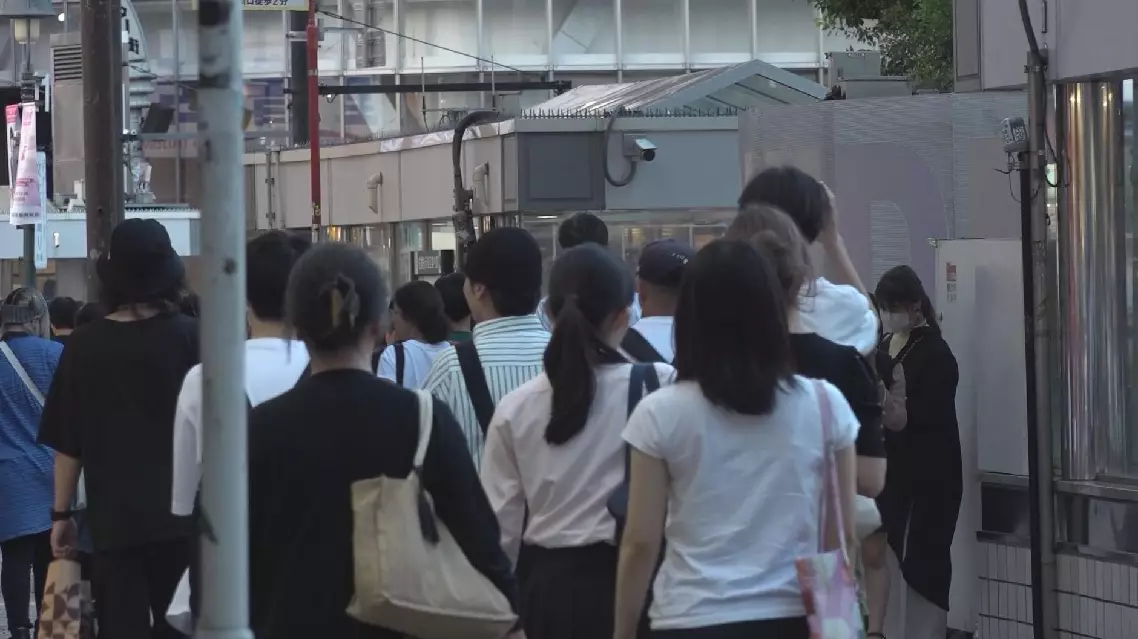
More than 90 percent of Japan's population now lives in urban areas. But even in places like Tokyo, depopulation looms, driven in part by gender inequality.
Data shows that Japanese women spend around eight hours a day on childcare and domestic labor, while men average less than 90 minutes. As a result, many women are choosing careers over motherhood.
"I think what is needed is also a change in the mindset. The very traditional mindset that's still very prevalent in Japan -- that it is the man's duty to work and provide for the family and it is the woman's duty to stay at home, take care of the children, do dishes, do laundry, cook, be a good mother. That kind of change will take time but that's something that can be done through education," said Willy Jou, a political scientist at Waseda University.
Back in Kamogawa, the Fukuokas hope more people will take government incentives and flexible work opportunities to move to the area.
"Even if they [come with] remote-work jobs that are based in Tokyo, people will create more jobs here. Then various enterprises can be supported," Tatsuya said.
They believe such moves will stimulate local economies and ultimately rebuild rural communities.
Japan's govt, countryside villages race to fight record depopulation