China's consumer price index (CPI), a main gauge of inflation, is expected to rise mildly at a low level in the second half of this year, an official from the National Bureau of Statistics (NBS) said on Tuesday.
At a press conference held in Beijing, NBS deputy head Sheng Laiyun briefed the media on the key economic indicators of the first half of the year.
The country's CPI rose 0.1 percent year on year in June, reversing the downward trend registered in the previous months, as the nation's measures aimed at expanding domestic demand and the recovery of industrial consumer goods prices supported price rises.
In June, the core CPI went up by 0.7 percent year on year, 0.1 percentage points higher than that of the previous month.
"In June, the CPI showed positive trend, a result of multiple contributing factors. In June, the CPI increased by 0.1 percent year on year, marking the first rise after 0.1 percent of slipping in the past several months. The core CPI rose by 0.7 percent year on year, reaching its highest level since last year. This indicates that under the combined effects of measures to expand domestic demand and promote a reasonable price recovery, market prices show a positive change," he said.
Sheng noted that the rise in the CPI in June was primarily driven by the recovery of industrial consumer goods prices, supported by the policies on large-scale equipment upgrades and consumer goods trade-in programs.
In addition, there are the ripple effects of price changes in the international market. At the same time, the high temperatures and heavy rainfall in June affected the supply of some vegetables, while prices of certain seafood, aquatic products, and beef also experienced a temporary increase. These factors collectively supported the CPI turning positive in June, according to Sheng.
He also outlined some supporting reasons for a moderate rebound of the CPI at a low level in the second half of the year. "For the second half of this year, our overall assessment is that prices will moderately rise at a low level. There are several supporting factors. First, the economy is maintaining a stable and positive trend and aggregate demand continues to expand, which offers macroeconomic conditions for stable prices. Second, relevant policies, especially those aimed at expanding domestic demand, continue to yield effects, driving related consumer demand and strongly promoting a stable rebound of prices of consumer goods. Third, relevant meetings of the central government have called for the regulation of low-price and disorderly competition among enterprises in accordance with laws and regulations, which will also help normalize market order and improve the market environment," Sheng said.
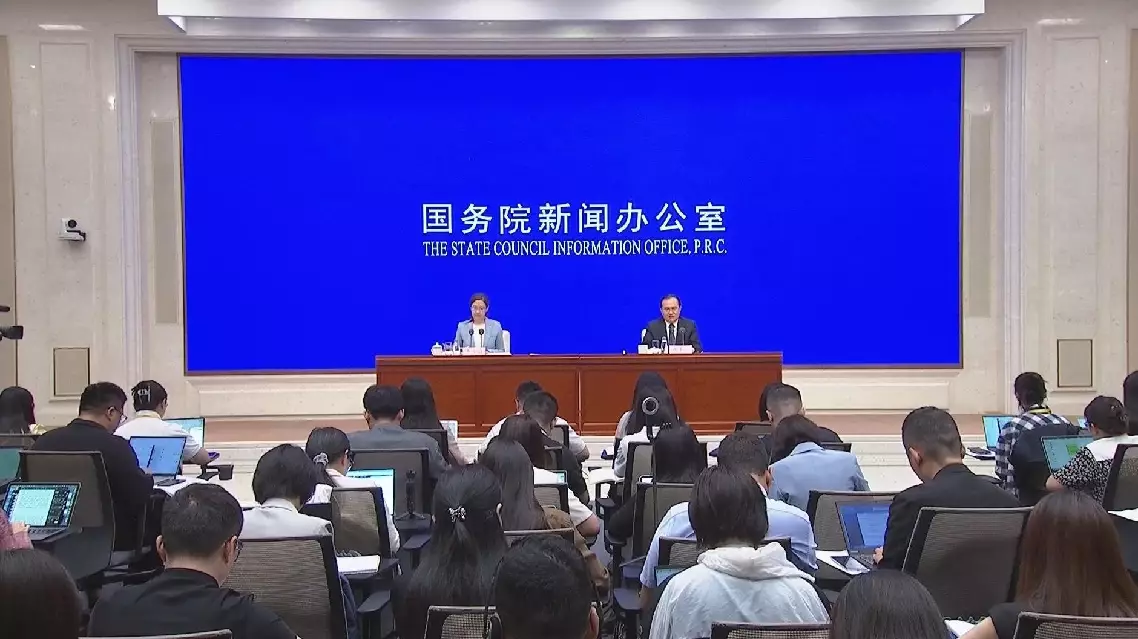
China's CPI expected to rise mildly at low level in second half of 2025: official