China's gross domestic product (GDP) grew 5.2 percent year on year in the second quarter of 2025, data from the National Bureau of Statistics (NBS) showed on Wednesday.
The country's GDP reached 34.1778 trillion yuan (about 4.76 trillion U.S. dollars) in the same period, the NBS data showed.
Specifically, the added value of the primary industry reached 1.9459 trillion yuan, up 3.8 percent year on year, while the added value of the secondary industry came in at 12.7147 trillion yuan, up 4.8 percent, and that of the tertiary industry stood at 19.5172 trillion yuan, up 5.7 percent.
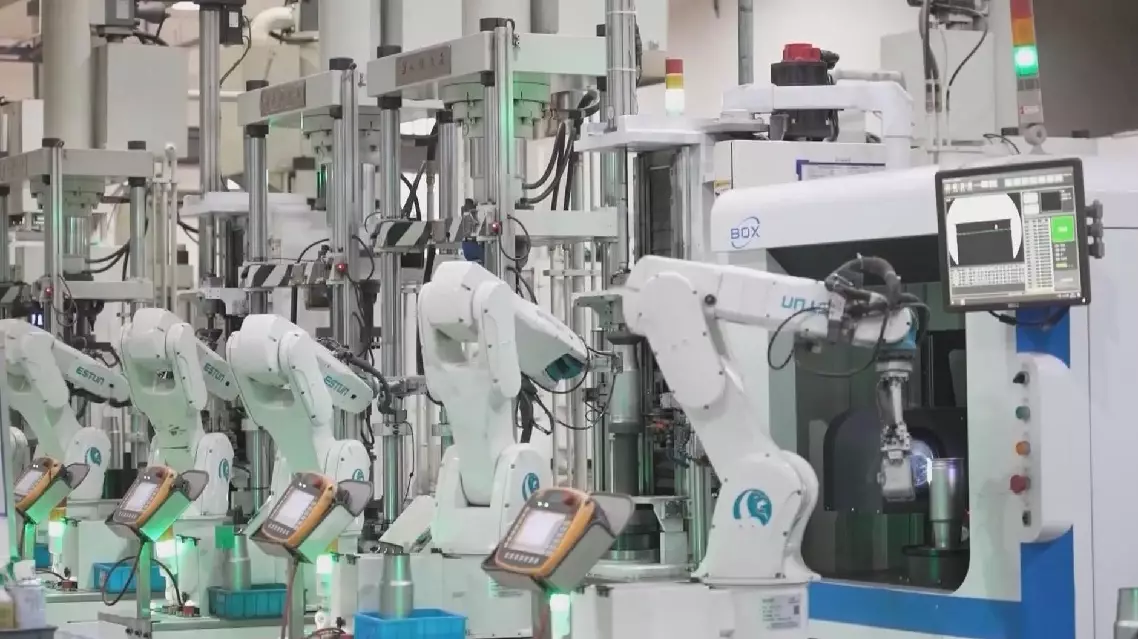
China's GDP expands 5.2 pct year on year in Q2
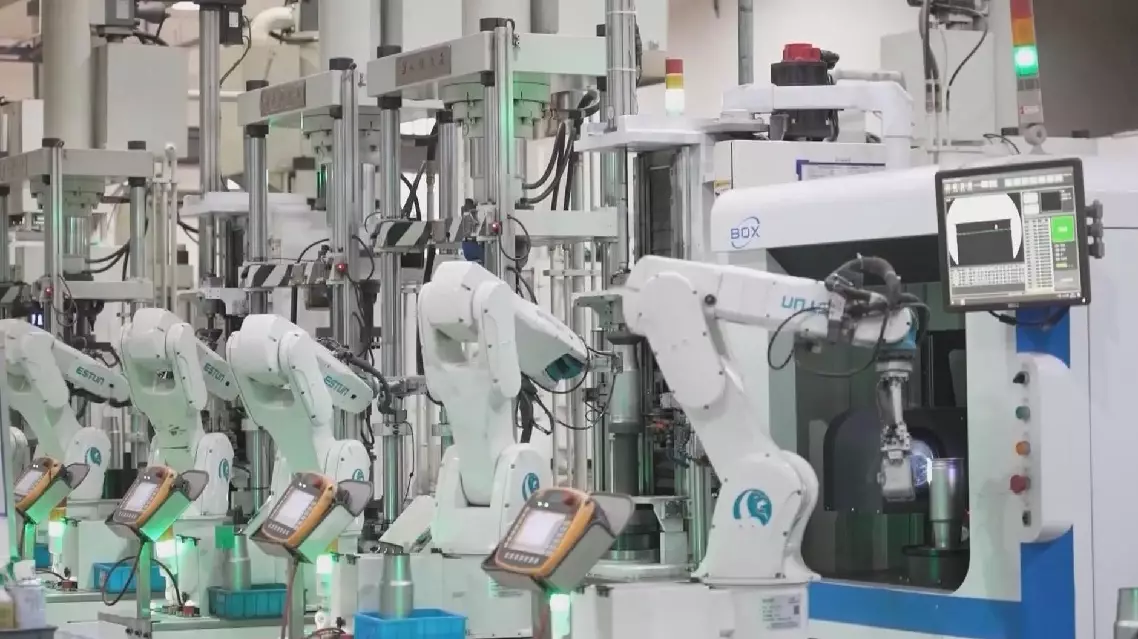
China's GDP expands 5.2 pct year on year in Q2
China's GDP expands 5.2 pct year on year in Q2
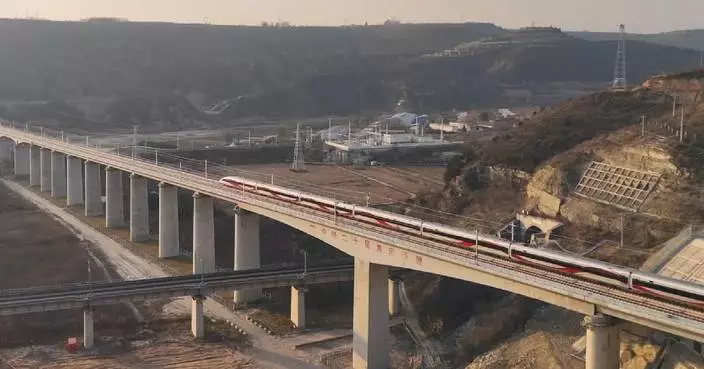
The Urumqi–Yuli Expressway, which traverses the Tianshan Mountains in northwest China's Xinjiang Uygur Autonomous Region, opened to traffic on Friday after more than five years of construction, significantly enhancing regional connectivity and enabling faster, more efficient movement of goods and services across the region.
The expressway is a core component of the G0711 national highway network, spanning 324.7 kilometers.
Stretching 2,500 kilometers, the Tianshan Mountains span central Xinjiang, separating Urumqi, the largest city in the north, from Korla, the largest city in the south. With the opening of the expressway, travel time between these two cities is reduced from seven hours to about three hours.
As a key component of the expressway and the world's longest expressway tunnel, the 22.13-km Tianshan Shengli Tunnel officially opened to traffic on the same day.
The tunnel's construction incorporated multiple cutting-edge technologies and innovations, including advanced survey and design methods for ultra-long tunnels and intelligent construction techniques.
"We have established a relatively systematic, comprehensive, and highly efficient management system for major engineering technological innovation across the entire expressway, and have accumulated extensive construction and management experience in delivering mega-projects under extreme environmental conditions," said Song Hailiang, chairman of the China Communications Construction Group.
The expressway connects Urumqi with the northern city belt and the southern urban clusters of Xinjiang, linking the Junggar Basin and the Tarim Basin. It enables rapid transportation between Urumqi, Kashgar, and Khorgos, strengthening Xinjiang’s role as a strategic hub for both the domestic market and international trade.
"With the expressway now operational, business opportunities are flowing in, and many inland companies are coming to sign agreements with us," said Yu Ruihong, chairwoman and general manager of the Xinjiang Ruiyuan Dairy.
"The Urumqi–Yuli Expressway significantly improves Xinjiang's connectivity with the eastern coastal regions and the New International Land–Sea Corridor, supporting the development of a modern, comprehensive, three-dimensional transportation network and high-quality Belt and Road cooperation," said Zhou Rongfeng, director general of the Highway Bureau of the Ministry of Transport.

Urumqi-Yuli Expressway boosts Xinjiang's trade connectivity, strengthens regional integration