Skip to Content Facebook Feature Image

Israel strikes Syrian presidential palace area, army HQ in Damascus

China

China

China

Israel strikes Syrian presidential palace area, army HQ in Damascus

2025-07-17 01:55 Last Updated At:15:07

Israeli warplanes intensified their air campaign across southern Syria on Wednesday, striking the Syrian Army General Command headquarters and the presidential palace area in central Damascus.

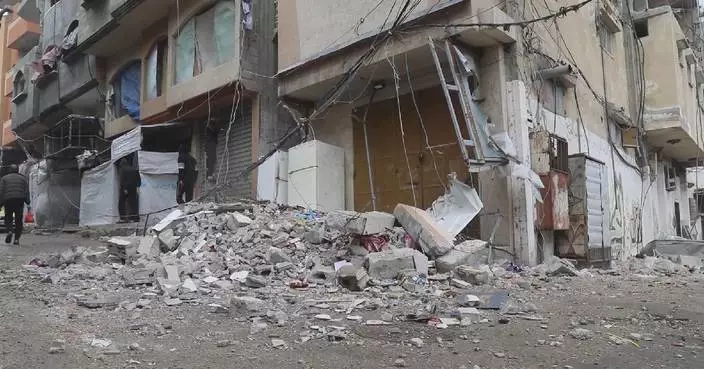
Syrian health authorities reported that the strikes on Damascus left at least three civilians dead and 34 others injured.

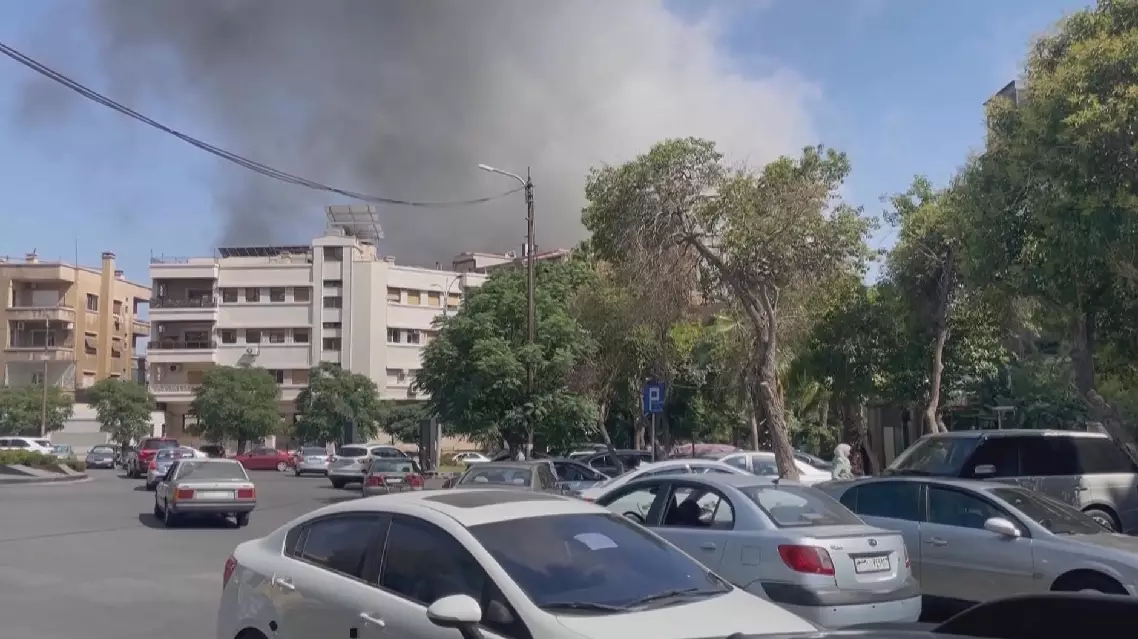
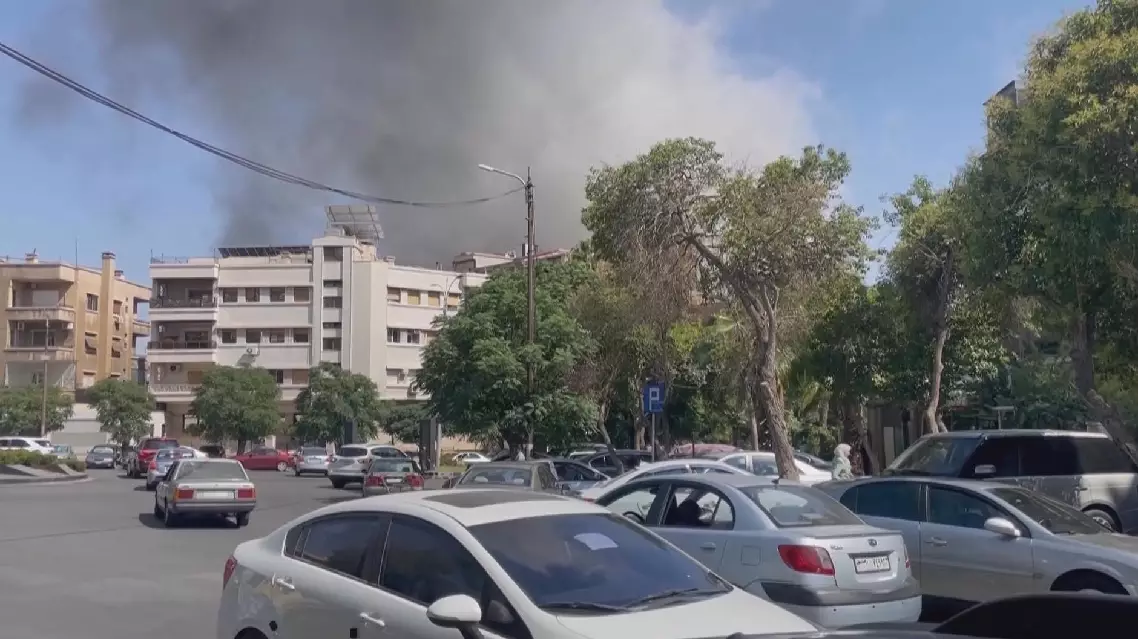
China Central Television (CCTV) reporter Rand Shukri documented the aftermath of the attack, capturing smoke billowing from the military headquarters.

"We are now at Umayyad Square in Damascus. Behind me are the buildings of the Syrian Army General Command and the Ministry of Defense, which were struck by Israeli warplanes. As you can see, traffic in Umayyad Square is significantly lighter than usual, as security forces are gradually blocking the roads," said the reporter.

The Israel Defense Forces (IDF) issued a statement on the day, confirming it had launched attacks on Syrian regime's military targets in Damascus. The statement noted that in the afternoon, the IDF conducted airstrikes on the military headquarters in Damascus and a military target near the presidential palace.

The IDF also stated that the Syrian regime used the headquarters to command operations and deploy troops to the Sweida region in southern Syria.

Hydar Kazwini, a reporter with China Global Television Network (CGTN), highlighted the light traffic on Damascus streets, as anxiety spread among residents following the strikes.

"Behind me is the building for the Syrian Defense Ministry, it was hit [about] three times by the Israeli air force today, following the clashes between the Druze militants in Sweida City and the Syrian military, which started three days ago. We heard the ambulances going in and out from the building. A very big plume of smoke was seen following that strike. The sound of the explosions caused by the last two strikes by the Israelis are louder than the first one. Now we can see that the state of fear and anxiety is spreading out among the people in the city of Damascus. And the streets are starting to be a little bit empty now as people are trying to flee, fearing that situation and the strike might continue," said Kazwini.

The strikes came after the collapse of a ceasefire between Syrian government forces and armed Druze groups in Sweida, the heartland of the Druze community in Syria.

The Druze are a religious and ethnic minority originating from Islam, living primarily in Syria, Lebanon, and Israel, with smaller communities in Jordan and elsewhere.

Israel carried out several waves of strikes in Damascus and Sweida, with the stated aim of preventing the Druze minority from being harmed.
Israel strikes Syrian presidential palace area, army HQ in Damascus
Israel strikes Syrian presidential palace area, army HQ in Damascus
Israel strikes Syrian presidential palace area, army HQ in Damascus

Israel strikes Syrian presidential palace area, army HQ in Damascus

Israel strikes Syrian presidential palace area, army HQ in Damascus
Israel strikes Syrian presidential palace area, army HQ in Damascus

The Iranian government is focusing on public concerns and maintaining stable supplies of essential goods amid recent protests, Iranian President Masoud Pezeshkian said in a televised interview on Sunday.

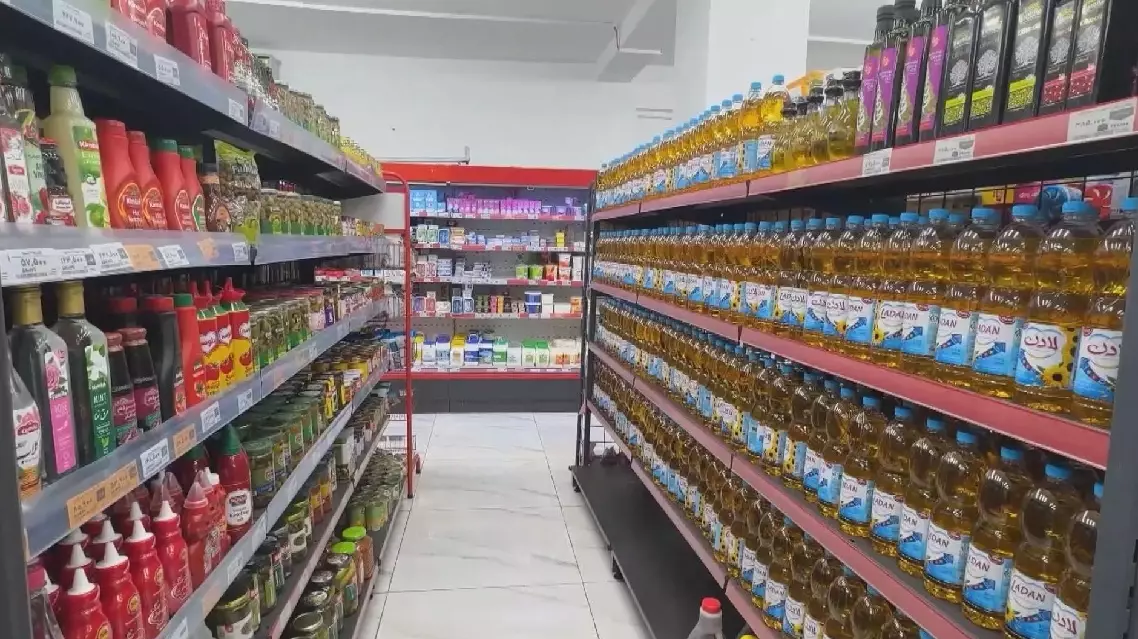
In the city of Karaj, northwest of the capital Tehran, daily life has largely continued as normal. A video filmed by a local resident on Sunday shows food stores open and grocery shelves fully stocked.

"This is the block near my home, and there are some food stores here. Daily life continues here. Last night we did not see many protests in Karaj. Right now the city is very safe. This is a grocery store close to my home. All the food is available; nothing is in shortage. Here are noodles and different types of beans. Here are dairy products, cheese, and yogurt. I also checked other grocery stores and didn't see any shortages. Everything is available," said local resident Ali Reza.

Iranian officials have described recent disturbances as acts orchestrated by the "enemy," including some carried out by well-trained and armed "terrorists." The incidents have caused casualties among security personnel and civilians, as well as property damage.

The Secretary of Iran's Supreme National Security Council Ali Larijani has directed authorities to severely punish the "terrorists."

Meanwhile, Iran's police chief Ahmad-Reza Radan said on Sunday that the police had raised alert levels and arrested several leaders of the troublemakers during the operations on Saturday.

President Pezeshkian noted in the interview that the normal demands of the Iranian people are reasonable and justified, but they must realize that triggering riots and carrying out terrorist acts are the enemy's attempts to undermine the country. He urged the public to remain vigilant.

Also on Sunday, Iranian Parliament Speaker Mohammad Baqer Qalibaf warned that Tehran would regard U.S. and Israeli bases and facilities in the Middle East as "legitimate targets" if Washington takes military action against Iran. His remarks followed media reports saying U.S. President Donald Trump is "seriously considering authorizing a strike" against Iran.

Iranian state media reported that at least 109 members of Iran's security forces have been killed in clashes since the protests began 14 days ago. Meanwhile, human rights groups based outside the country said the number of protesters killed has exceeded 200, though the figure could not be independently verified.

The protests initially erupted over a sharp depreciation of the rial and sweeping subsidy reforms. Iranian authorities have blamed the unrest on foreign-linked agents and sanctions imposed by the United States.

Iranian president says government focusing on ensuring supplies amid protests

Iranian president says government focusing on ensuring supplies amid protests

Recommended Articles