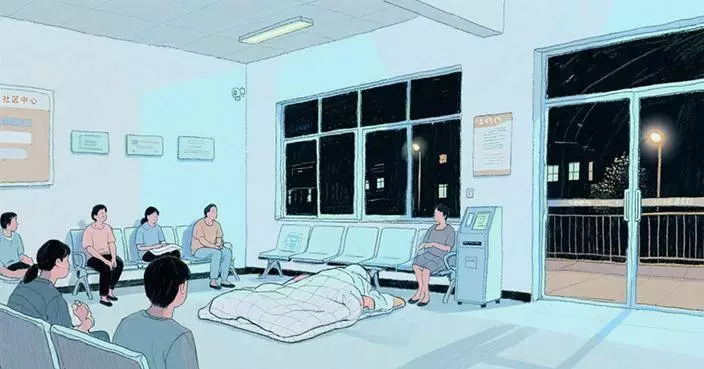
Hong Kong's COVID-19 activity declines to low level and private doctors will no longer be provided with free COVID-19 drugs
The Centre for Health Protection (CHP) of the Department of Health (DH) today (July 17) said that the recent periodic upsurge of COVID-19 in Hong Kong has ended, with relevant indicators declining to the low levels recorded before April this year. In view of the fact that COVID-19 has been managed in the same way as an upper respiratory tract illness and in response to the significant decrease in the demand for COVID-19 oral antiviral drugs, the special arrangement of providing free oral antiviral drugs to private doctors for prescribing to eligible patients, which has been in place during the pandemic, will be discontinued on July 29. The Government reminded the private doctors to make their own arrangements with the relevant drug dealer if they intend to provide patients with locally registered COVID-19 oral antiviral drugs. Meanwhile, the public medical service will continue to prescribe COVID-19 oral antiviral drugs to patients with clinical needs in accordance with the arrangement for general drugs.
End of COVID-19's periodic upsurge
There was a drastic upsurge in the level of COVID-19 activity in Hong Kong since April of this year, reaching its peak in mid-May. According to the latest surveillance data (as of the week ending July 12), all indicators of COVID-19 activity have dropped back to the low levels recorded before April. For sewage surveillance,the per capita viral load of SARS-CoV-2 virus decreased from around 770 000 copy/litre in mid-May to around 140 000 copy/litre in the most recent week; the percentage of respiratory samples tested positive for the SARS-CoV-2 virus also dropped from a peak of 13.80 per cent to 2.53 per cent in the most recent week.
COVID-19 oral antiviral drugs
COVID-19 has become a common respiratory viral infection. For the general public, symptoms of SARS-CoV-2 infections are generally mild. Meanwhile, the monthly average number of treatment courses of COVID-19 oral antiviral drugs prescribed by private doctors to eligible COVID-19 confirmed patients this year has dropped significantly compared to the past two years. Taking into account the above factors, the Government will end the special arrangement on July 29. This arrangement provided private doctors with free COVID-19 oral antiviral drugs for prescribing to eligible patients during the pandemic. Private doctors can still provide free prescriptions to eligible COVID-19 confirmed patients on or before July 28.
The Government reminded private doctors that if they intend to provide patients with COVID-19 oral antiviral drug registered in Hong Kong, they can order them directly from the drug dealer, prescribe the drug to patients and charge them. Members of the public with clinical needs may continue to make appointments for general out-patient clinic (GOPC) services through the GOPC Telephone Appointment System or the "Book GOPC" function on the Hospital Authority's (HA) one-stop mobile application "HA Go". GOPCs under the HA will continue to prescribe the relevant drugs to eligible COVID-19 confirmed patients with clinical needs according to their treatment guidelines. For more details of the GOPC services, please visit the GOPC website: www.ha.org.hk/goto/gopc/en.
During the COVID-19 pandemic, the Government has been providing two COVID-19 oral antiviral drugs, procured by the HA, to private doctors for free prescription to eligible COVID-19 confirmed patients with clinical needs since April 2022. This arrangement was intended to mobilise all available healthcare manpower, including private doctors, for anti-epidemic support during the raging epidemic. Private doctors who have registered with the Electronic Health Record Sharing System could request the provision of the COVID-19 oral antiviral drugs via a dedicated online platform. They must follow the relevant treatment guidelines set out by the HA and are not allowed to charge their patients any fees for the COVID-19 oral antiviral drugs. As of June 30 this year, approximately 200 000 treatment courses were prescribed by private doctors to eligible COVID-19 confirmed patients for free.
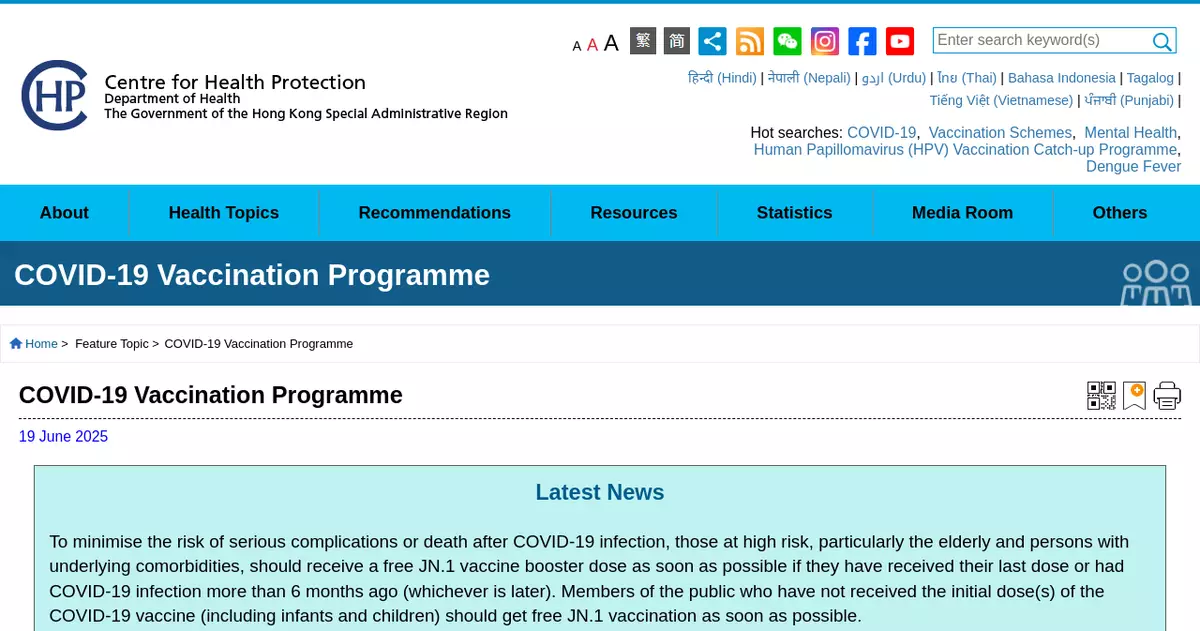
Severe COVID-19 cases primarily affect the elderly, the children and individuals with underlying illnesses. Scientific data has conclusively proven that the COVID-19 vaccine is effective in minimising the risk of severe disease or death. Members of the public who have not received the initial dose of the COVID-19 vaccine (including infants and children) should get vaccinated timely. Those at high risk should receive a booster dose as soon as possible. For more information on COVID-19 vaccination, please visit COVID-19 Vaccination Programme webpage. Although the periodic upsurge of COVID-19 has ended, there has been an upward trend in local influenza activity in Hong Kong recently. Members of the public should remain vigilant and maintain stringent personal, environmental and hand hygiene at all times.
Source: AI-found images
CFS to follow up certain batches of powdered infant and young children formula with possible presence of Cereulide produced by Bacillus cereus
The Centre for Food Safety (CFS) of the Food and Environmental Hygiene Department (FEHD) today (January 10) said that, it took initiative to meet with Nestlé Hong Kong again today, and confirmed the company's today announcement of an additional batch of powdered infant and young children formula suspected to have possibly used the raw material concerned. Nestlé Hong Kong has voluntarily stopped sales, removed from shelves the affected products and has initiated a precautionary recall. The CFS has collected samples of powdered infant and young children formula from the market for Bacillus cereus testing, the test results so far were satisfactory. The Environmental and Ecology Bureau is also closely monitoring the supply situation of other formula milk powder and maintaining communication with other major suppliers. It is noted that there is sufficient formula milk powder to meet the demand.
The Centre for Food Safety (CFS) of the Food and Environmental Hygiene Department (FEHD), Photo source: reference image
The spokesman said, the CFS has been actively following up on Nestlé company's voluntary and precautionary recalls of certain batches of its powdered infant and young children formula in certain areas in Europe due to possible presence of Cereulide produced by Bacillus cereus in the individual raw material. According to the latest information from Nestlé Hong Kong today, an additional batch of its powdered infant and young children formula imported into Hong Kong might have used the raw material concerned. The CFS had earlier enhanced surveillance in the market and collected a sample from the above batch for testing of Bacillus cereus. The test result of the sample was satisfactory. Nevertheless, as a precautionary measure, Nestlé Hong Kong has voluntarily stopped sales, removed from shelves the affected products and has initiated a precautionary recall.
Product details are as follows:
Product name (Net weight): NAN PRO 1 2 HMO (800g)
Batch number: 51670742F2
Best-before date: June 16, 2027
Place of Origin: Germany
"The CFS met Nestlé Hong Kong again today, urging them to properly handle the product recall issue and respond to public enquiries, in order to safeguard consumers' legitimate rights and interests. In addition, the CFS and Nestlé Hong Kong have jointly followed up, six suspected affected batches of infant and young children formula products that had not entered the market were marked and sealed. An additional 15 batches are currently en route to Hong Kong and will also be marked and sealed upon arrival. The CFS will continue to closely monitor the recall matters and remain fully committed to ensuring food safety, " the spokesman said.
Nestlé Hong Kong has initiated a recall of the affected batches of the products concerned. For enquiries about the recall, members of the public may contact the company through the following channels:
Consumer services hotline: 2599 8874 / 2797 6031/ 2179 8136 (Monday to Sunday, 9am to 9pm)
Email: consumerservices@hk.nestle.com
WhatsApp: 5283 4139 (NESTLÉ® NAN®) / 2599 8871 (Wyeth® Nutrition)
Online form: forms.office.com/e/BhqMhWfsUG?origin=lprLink
Consumers may choose to bring along the products (brand new or opened) for refund at place of purchase, or at exclusive service counters of Nestlé Nutrition Services from January 13 (Tuesday) onwards, to settle the recall and refund of the batches of the products concerned. Details of the exclusive service counters are as follows:
Kowloon Services Counter
Address: G/F, Park Hovan Commercial Building, 18 Hillwood Road, Tsim Sha Tsui, Kowloon (MTR Jordon Station Exit D)
Contact number: 3996 8196
Office hour: Monday to Saturday, 11am to 7.30pm; Sunday, 1pm to 5.30pm (except public holidays)
Hong Kong Services Counter
Address: 1/F, Ka Nin Wah Commercial Building, 423-425 Hennessy Road, Hong Kong (MTR Causeway Bay Station Exit B)
Contact number: 3996 8197
Office hour: Monday to Saturday, 11am to 7.30pm (except Sundays and public holidays)
The CFS, through its Food Incident Surveillance System, noted earlier that certain batches of Nestlé powdered infant formula were being voluntarily recalled in Europe due to possible contamination with Bacillus cereus. Upon learning of the incident, the CFS has immediately initiated follow up actions, published food incident posts to inform the public and the trade about the issue, and has been actively following up on the incident and enhanced surveillance.
Over the past three days (as of 4pm on January 9), the FEHD received a total of 18 food complaints and enquiries suspected to be related to the infant and young children formula products, including one anonymous complaint without contact information. The CFS and the Environmental Hygiene Branch have promptly followed up on all cases, including contacting the parties concerned to obtain details and collecting samples for testing. In addition, the CFS has referred the cases to the health department for follow-up. At present, no food poisoning cases related to the formula have been recorded.
Bacillus cereus is commonly found in the environment. Unhygienic conditions in food processing and storage may give rise to its growth. Cereulide is a heat-stable toxin produced in food by some strains of Bacillus cereus. Consuming food contaminated with excessive Bacillus cereus or its heat-stable toxins may cause gastrointestinal upset such as vomiting and diarrhoea.
The spokesman urged members of the public not to let infants and young children consume the affected batches of the products, and to seek medical treatment for infants or young children who felt unwell after taking the products concerned. The trade should also stop using or selling the affected batches of the products immediately.
"The CFS continues to closely monitor the developments of the situation, follow up and take appropriate action," the spokesman said.
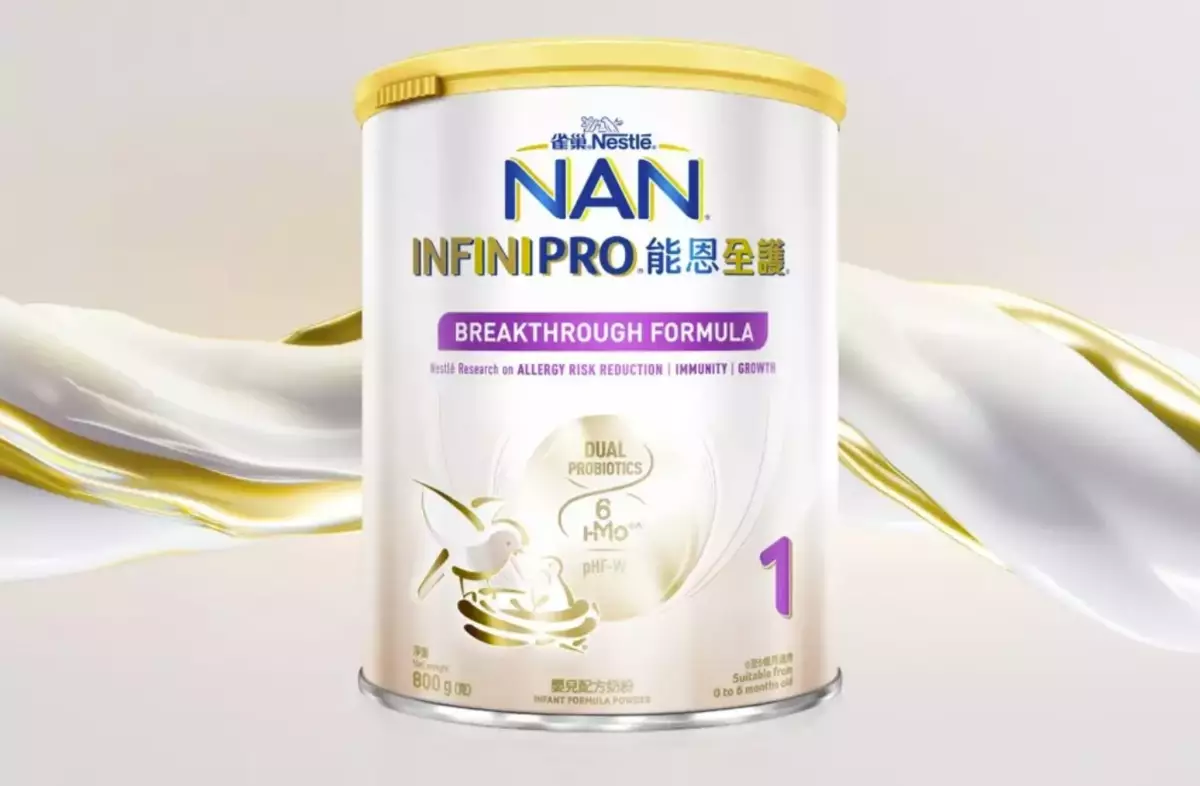
The infant formula of Nestlé, Photo source: online image