China's postal industry handled 104.51 billion parcels in the first half of this year, up 16.9 percent year on year, the State Post Bureau said Wednesday.
Express delivery services processed 95.64 billion parcels during the same period, marking a 19.3 percent increase from a year earlier.
"In the first half of this year, the industry managed to expand its business by increasing service supply to support the strategy of boosting domestic demand, which helps unleash online consumption and strongly supports the 'trade-in' policy for consumer goods. The industry's role in supporting production, promoting consumption, and improving circulation has become increasingly evident, further solidifying the foundation for high-quality development," said Zhu Li, deputy head of the Department of Industrial Economic Research under Development and Research Center of the State Post Bureau.
Zhu also said that the implementation of measures to boost consumption and stabilize economic growth, especially the expanded "trade-in" policy, has fueled the growth of the express delivery industry.
According to data from e-commerce platforms, from January to June, the order of "trade-in" products jumped 50 percent from the previous year in the rural areas, with strong demand for smart phones, tablets, smart watches, and home appliances.
In face of surging demands, courier firms responded by offering integrated logistics solutions and end-to-end services that include delivery, installation, and removal of old items.
"In the past, buying appliances meant waiting two or three days for installation after the purchase was made. Now, it's much more convenient. The old appliance is discounted and taken away, and the new one is installed all at once," said Lin Fangjun, a consumer in southwest China's Sichuan Province.
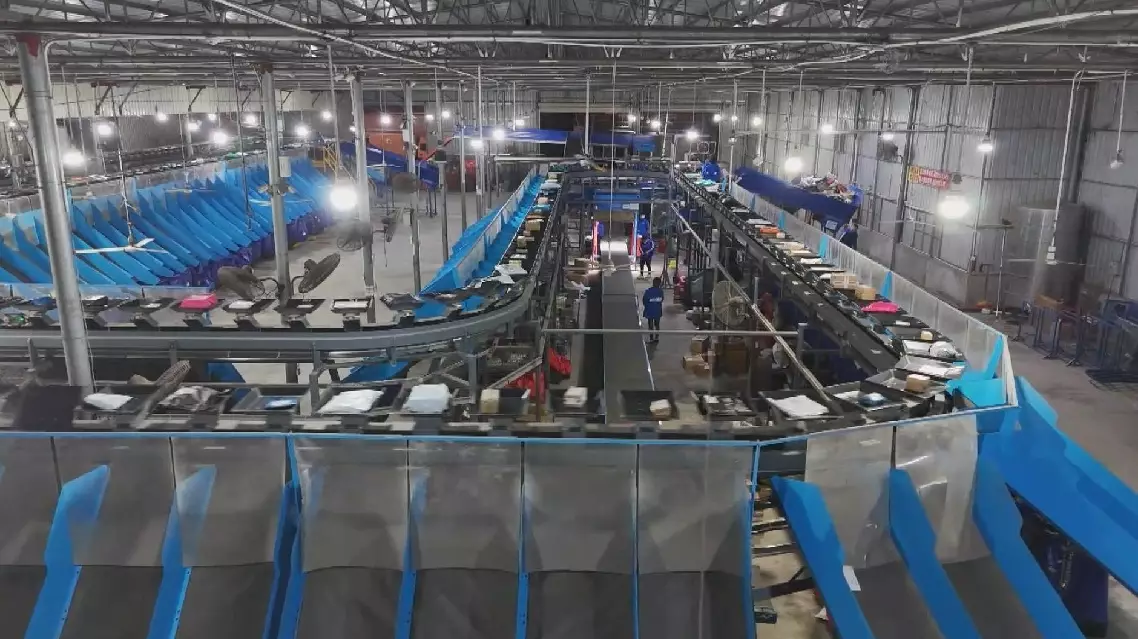
China's postal industry sees strong growth in H1
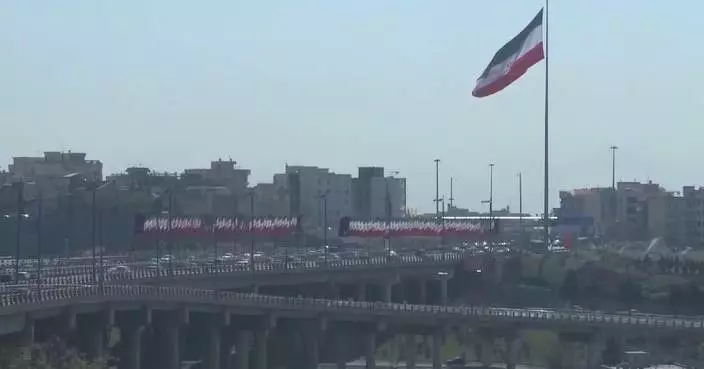
The Iranian government is focusing on public concerns and maintaining stable supplies of essential goods amid recent protests, Iranian President Masoud Pezeshkian said in a televised interview on Sunday.
In the city of Karaj, northwest of the capital Tehran, daily life has largely continued as normal. A video filmed by a local resident on Sunday shows food stores open and grocery shelves fully stocked.
"This is the block near my home, and there are some food stores here. Daily life continues here. Last night we did not see many protests in Karaj. Right now the city is very safe. This is a grocery store close to my home. All the food is available; nothing is in shortage. Here are noodles and different types of beans. Here are dairy products, cheese, and yogurt. I also checked other grocery stores and didn't see any shortages. Everything is available," said local resident Ali Reza.
Iranian officials have described recent disturbances as acts orchestrated by the "enemy," including some carried out by well-trained and armed "terrorists." The incidents have caused casualties among security personnel and civilians, as well as property damage.
The Secretary of Iran's Supreme National Security Council Ali Larijani has directed authorities to severely punish the "terrorists."
Meanwhile, Iran's police chief Ahmad-Reza Radan said on Sunday that the police had raised alert levels and arrested several leaders of the troublemakers during the operations on Saturday.
President Pezeshkian noted in the interview that the normal demands of the Iranian people are reasonable and justified, but they must realize that triggering riots and carrying out terrorist acts are the enemy's attempts to undermine the country. He urged the public to remain vigilant.
Also on Sunday, Iranian Parliament Speaker Mohammad Baqer Qalibaf warned that Tehran would regard U.S. and Israeli bases and facilities in the Middle East as "legitimate targets" if Washington takes military action against Iran. His remarks followed media reports saying U.S. President Donald Trump is "seriously considering authorizing a strike" against Iran.
Iranian state media reported that at least 109 members of Iran's security forces have been killed in clashes since the protests began 14 days ago. Meanwhile, human rights groups based outside the country said the number of protesters killed has exceeded 200, though the figure could not be independently verified.
The protests initially erupted over a sharp depreciation of the rial and sweeping subsidy reforms. Iranian authorities have blamed the unrest on foreign-linked agents and sanctions imposed by the United States.
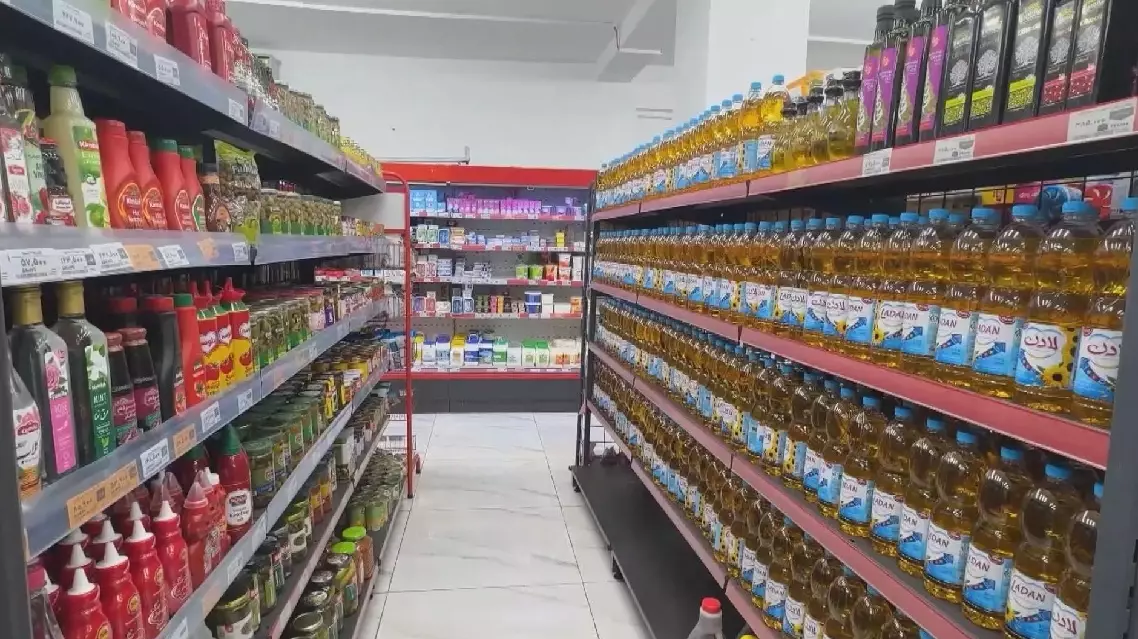
Iranian president says government focusing on ensuring supplies amid protests