The 35th Hong Kong Book Fair opened its pages at the Hong Kong Convention and Exhibition Center on Wednesday, with publications from the mainland becoming a highlight.
Centered around "Food Culture, Future Life," the 2025 book fair attracted more than 40 mainland publishing units to showcase nearly 20,000 top publications, including works on political theory, major national publishing projects, culinary culture, and sci-fi comics.
The mainland pavilion is themed around Sichuan, highlighting the southwestern province's rich history and diverse facets of life through elements such as its cuisine, opera, and embroidery.
"The products on Sichuan are diverse and abundant. There are several categories: First, books that reflect Sichuan's history and profound cultural heritage, with series focusing on Sanxingdui, Jiuzhaigou, Jinsha culture, and the Shu Road culture, illustrating Sichuan's deep historical roots. The second category includes products that depict Sichuan's daily life, like series that celebrate Sichuan wine, tea, and cuisine. The third features recent publishing achievements from Sichuan, including award-winning works. The fourth is panda-themed IP products and cultural creative products. Additionally, we have brought a lot of children's picture books and reading series, which we believe will be very popular among Hong Kong's young readers," said Hu Wei, the Deputy General Manager of Xinhua Winshare Publishing and Media Cooperation.
The Book Fair will run until July 22, featuring lectures by renowned authors from around the world, new book launches, and over 620 cultural activities.
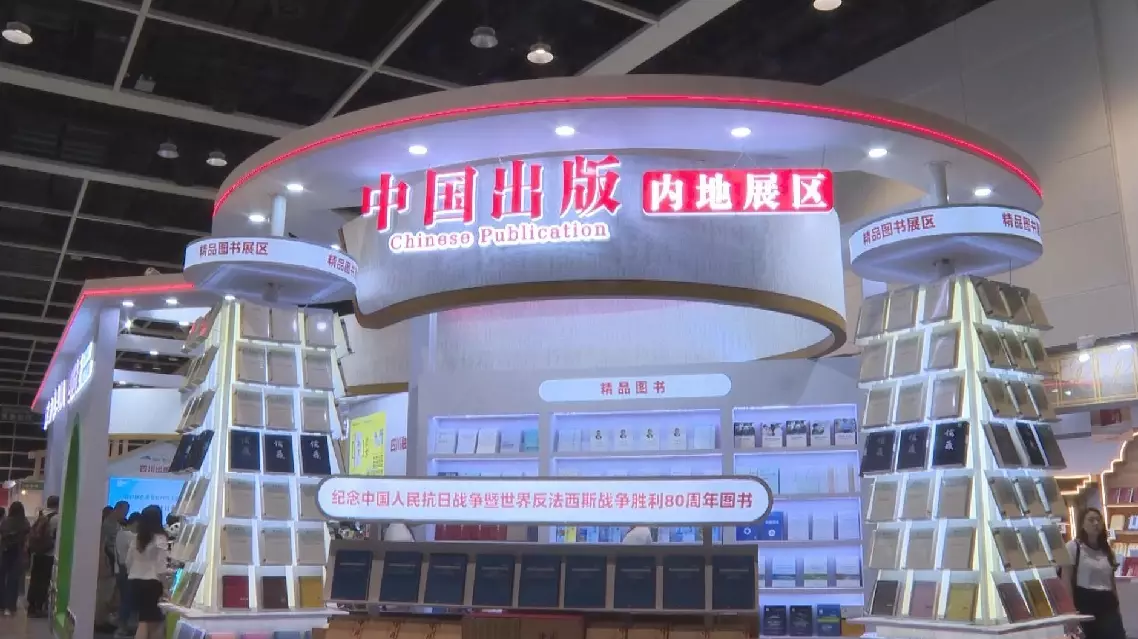
Hong Kong Book Fair features diverse mainland publications
China aims to achieve secure and reliable supply of key core artificial intelligence (AI) technologies by 2027, with its industrial scale and empowerment level remaining among the world's forefront, according to a recent government action plan.
The plan, jointly issued by eight departments including the Ministry of Industry and Information Technology, the Cyberspace Administration of China, and the National Development and Reform Commission, outlines an ambitious push to deeply integrate AI with the manufacturing sector, foster new quality productive forces and comprehensively empower new industrialization. By 2027, the plan targets the deep application of three to five general-purpose large AI models in manufacturing, the development of specialized, full-coverage industry-specific large models, the creation of 100 high-quality industrial datasets, and the promotion of 500 typical application scenarios.
It also aims to cultivate two to three globally influential ecosystem-leading enterprises, a batch of specialized and sophisticated small and medium-sized enterprises, and a group of enabling service providers proficient in both AI technology and industry know-how.
Furthermore, China plans to build a world-leading open-source ecosystem, enhance security governance capabilities, and contribute Chinese solutions to global AI development.
The document outlines measures including promoting the coordinated development of AI chips' hardware and software, supporting innovations in model training and inference methods, fostering key industry-specific large models, and deeply embedding large model technology into core production processes.
The plan also emphasizes making breakthroughs in key technologies such as security protection for industrial model algorithms and training data protection.
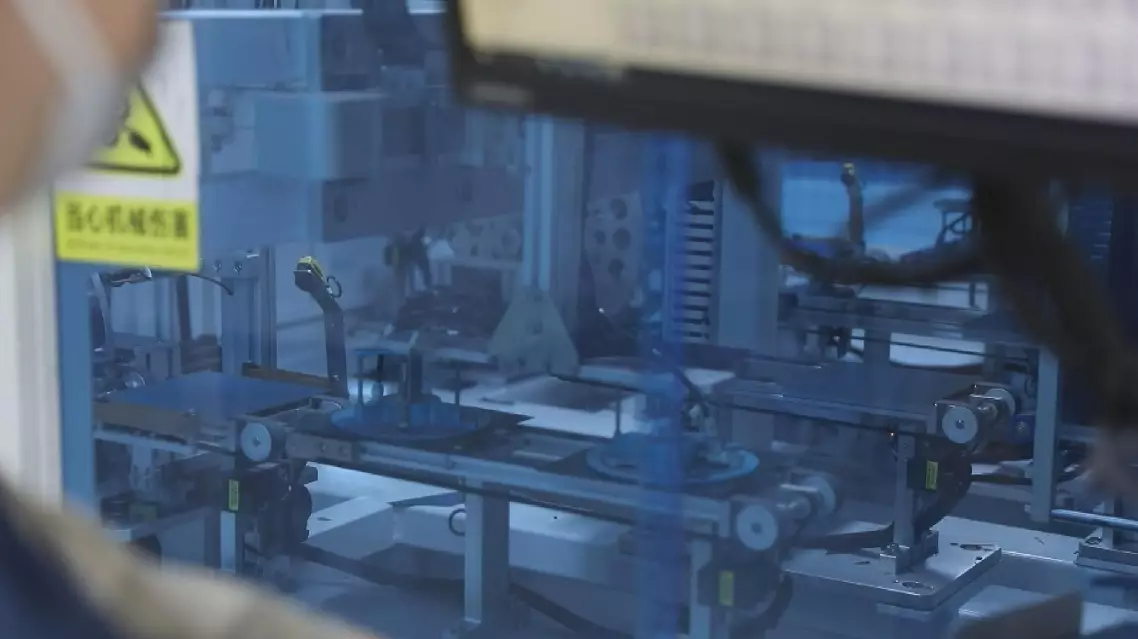
China aims for secure, reliable supply of AI core tech by 2027