WASHINGTON (AP) — Federal Reserve Chair Jerome Powell on Thursday said the agency's renovation of two of its buildings is in compliance with plans approved by a local commission, disputing a White House suggestion that they may have violated the law by deviating from those plans.
The letter is the lastest salvo in an escalating battle between the Federal Reserve, an independent agency charged with fighting inflation and seeking maximum employment, and the Trump administration. President Donald Trump has for months criticized Powell and the Fed for not lowering its key interest rate, which the president says would boost borrowing and accelerate the economy.
Powell has said he wants to see how the economy responds to Trump’s sweeping tariffs, which could raise inflation and slow growth, before making any moves.
Trump has even threatened to fire Powell, though he has since backed away and said Wednesday it was “highly unlikely” that he would take the unprecedented step of doing so. Firing the Fed chair could cause chaos in the financial markets. Several executives of Wall Street banks have said this week that the Fed's independence from day-to-day politics is crucial.
Still, the Trump administration has seized on ballooning costs for the Fed's renovation of two century-old buildings to argue that Powell has mismanaged the project. The president can't fire the Fed chair because of a policy disagreement, but he could do so “for cause,” which is widely seen as some kind of malfeasance or neglect.
Last week, the president's top budget adviser, Russell Vought, wrote Powell a letter that said Trump is “extremely troubled” by Powell's management of the project, which has risen in cost to about $2.5 billion, up from the Fed's initial estimate of $1.9 billion.
Vought's letter also noted that Powell, in testimony before the Senate last month, said that the Fed removed some amenities that critics called ostentatious from its plans. Those plans had been approved by the National Capital Planning Commission in 2021.
Vought said in his letter that if the renovation plans had changed, they were no longer “in compliance with the approved plan" and may violate the National Capital Planning Act.
Powell responded Thursday that since the Fed’s plans were approved by the NCPC in September 2021, it has made only “a small number of design changes to scale back or eliminate certain elements” and added that the changes weren’t significant enough to “warrant... further review.”
“The project is proceeding in accordance with the plan that the NCPC approved,” Powell wrote.
The changes were intended “to simplify construction and reduce the likelihood of further delays and cost increases,” Powell said in his letter.
Powell also defended the cost of the renovation: “Both buildings were in need of significant structural repairs,” including “the removal of asbestos and lead contamination,” as well as the “complete replacement of antiquated systems such as electrical, plumbing, heating, ventilation and air conditioning, as well as fire detection and suppression systems,” he wrote.
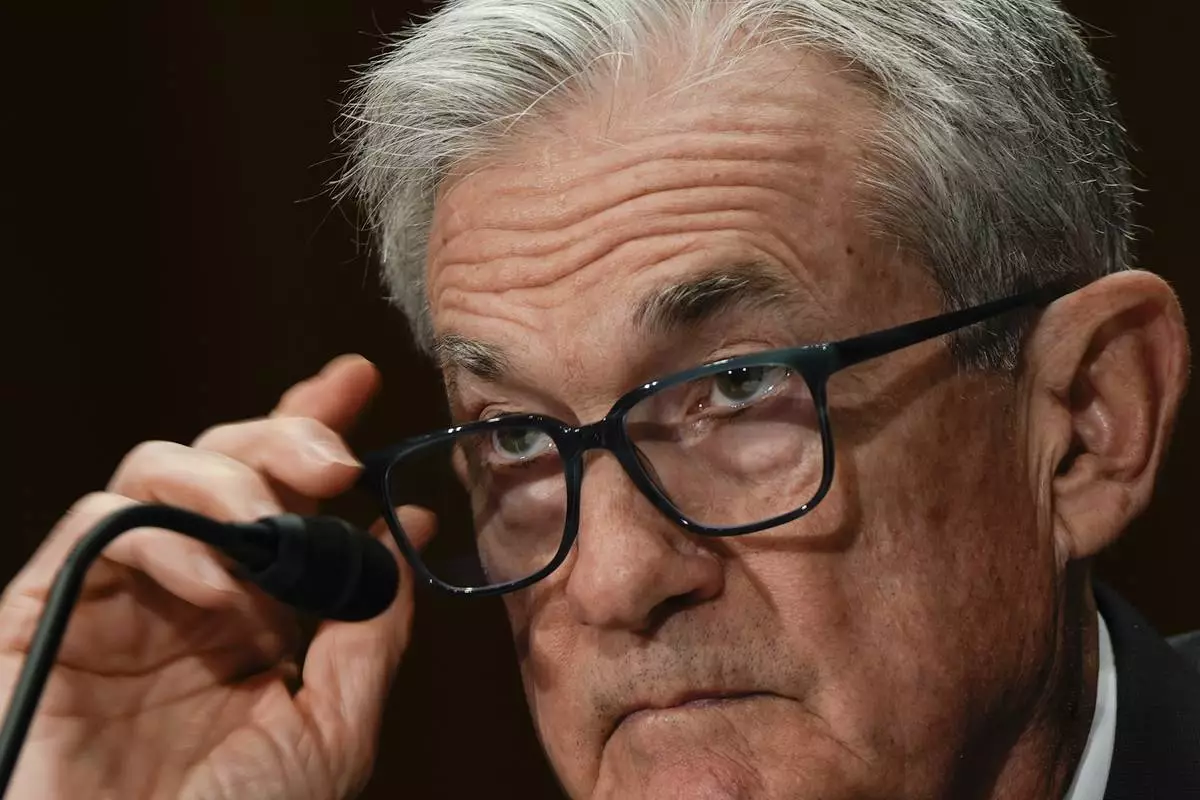
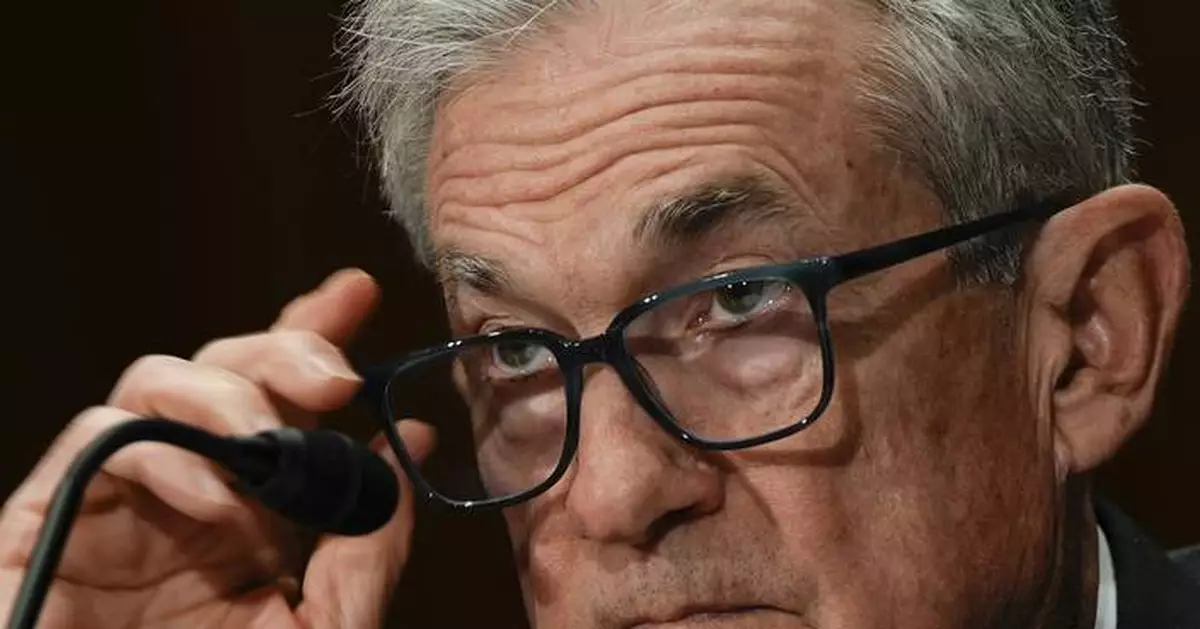
FILE - Federal Reserve Board Chairman Jerome Powell listens during a Senate Committee on Banking hearing, June 25, 2025, on Capitol Hill in Washington. (AP Photo/Julia Demaree Nikhinson, File)
ALEPPO, Syria (AP) — First responders on Sunday entered a contested neighborhood in Syria’ s northern city of Aleppo after days of deadly clashes between government forces and Kurdish-led forces. Syrian state media said the military was deployed in large numbers.
The clashes broke out Tuesday in the predominantly Kurdish neighborhoods of Sheikh Maqsoud, Achrafieh and Bani Zaid after the government and the Syrian Democratic Forces, the main Kurdish-led force in the country, failed to make progress on how to merge the SDF into the national army. Security forces captured Achrafieh and Bani Zaid.
The fighting between the two sides was the most intense since the fall of then-President Bashar Assad to insurgents in December 2024. At least 23 people were killed in five days of clashes and more than 140,000 were displaced amid shelling and drone strikes.
The U.S.-backed SDF, which have played a key role in combating the Islamic State group in large swaths of eastern Syria, are the largest force yet to be absorbed into Syria's national army. Some of the factions that make up the army, however, were previously Turkish-backed insurgent groups that have a long history of clashing with Kurdish forces.
The Kurdish fighters have now evacuated from the Sheikh Maqsoud neighborhood to northeastern Syria, which is under the control of the SDF. However, they said in a statement they will continue to fight now that the wounded and civilians have been evacuated, in what they called a “partial ceasefire.”
The neighborhood appeared calm Sunday. The United Nations said it was trying to dispatch more convoys to the neighborhoods with food, fuel, blankets and other urgent supplies.
Government security forces brought journalists to tour the devastated area, showing them the damaged Khalid al-Fajer Hospital and a military position belonging to the SDF’s security forces that government forces had targeted.
The SDF statement accused the government of targeting the hospital “dozens of times” before patients were evacuated. Damascus accused the Kurdish-led group of using the hospital and other civilian facilities as military positions.
On one street, Syrian Red Crescent first responders spoke to a resident surrounded by charred cars and badly damaged residential buildings.
Some residents told The Associated Press that SDF forces did not allow their cars through checkpoints to leave.
“We lived a night of horror. I still cannot believe that I am right here standing on my own two feet,” said Ahmad Shaikho. “So far the situation has been calm. There hasn’t been any gunfire.”
Syrian Civil Defense first responders have been disarming improvised mines that they say were left by the Kurdish forces as booby traps.
Residents who fled are not being allowed back into the neighborhood until all the mines are cleared. Some were reminded of the displacement during Syria’s long civil war.
“I want to go back to my home, I beg you,” said Hoda Alnasiri.
Associated Press journalist Kareem Chehayeb in Beirut contributed to this report.
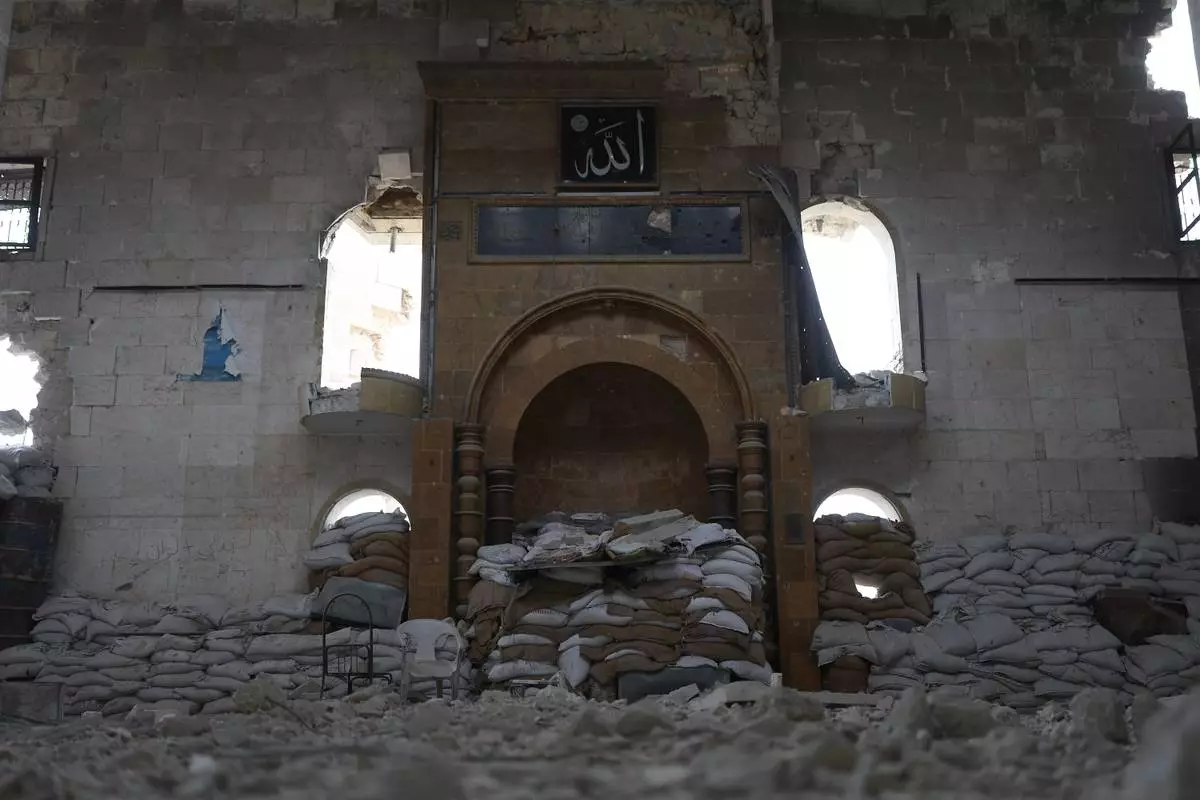
Sandbag barriers used as fighting positions by Kurdish fighters, left inside a destroyed mosque in the Sheikh Maqsoud neighborhood, where clashes between government forces and Kurdish fighters have been taking place in the northern city of Aleppo, Syria, Sunday, Jan. 11, 2026. (AP Photo/Ghaith Alsayed)
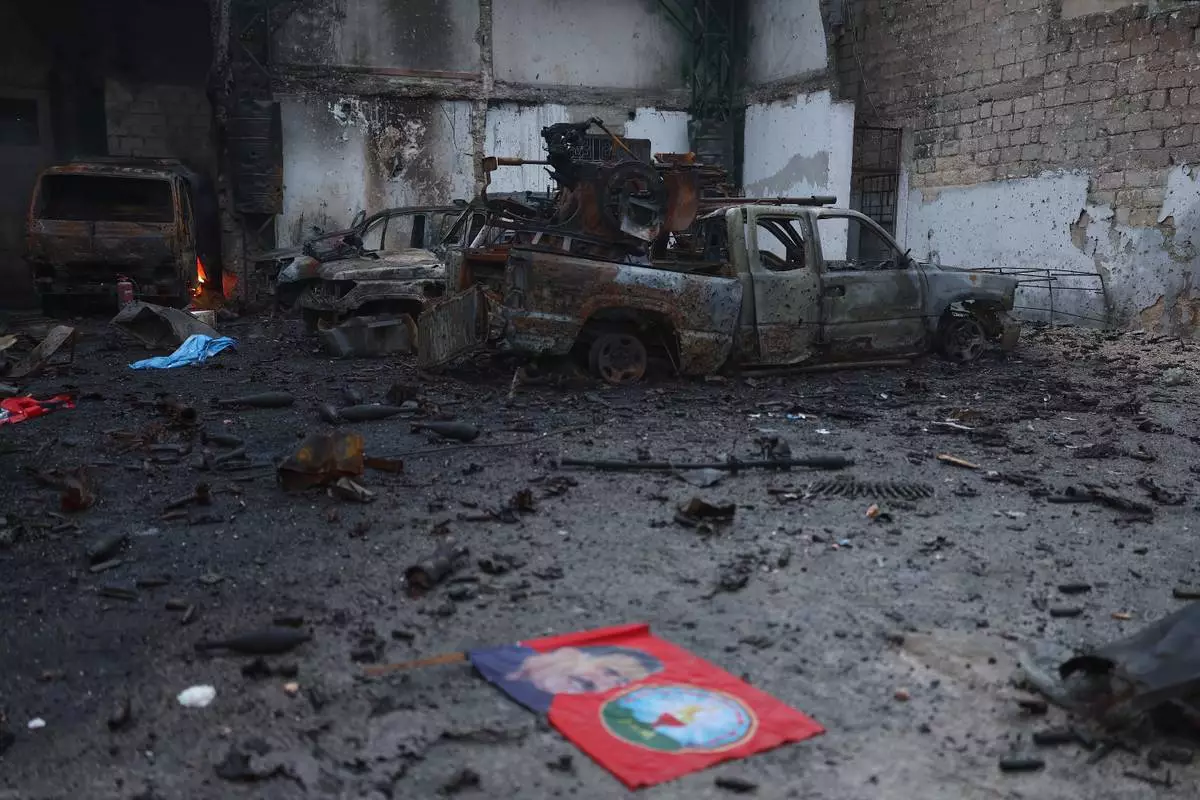
Burned vehicles at one of the Kurdish fighters positions at the Sheikh Maqsoud neighborhood, where clashes between government forces and Kurdish fighters have been taking place in the northern city of Aleppo, Syria, Sunday, Jan. 11, 2026. (AP Photo/Ghaith Alsayed)
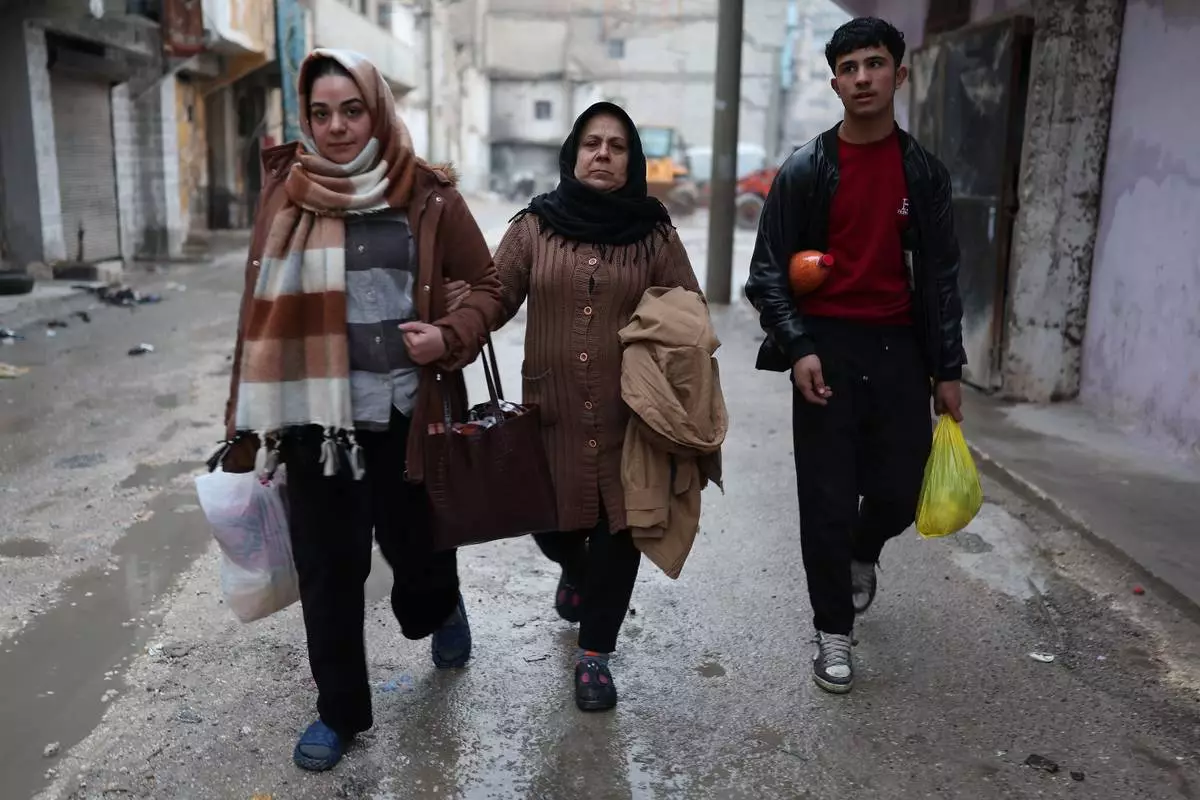
People flee the Sheikh Maqsoud neighborhood, where clashes between government forces and Kurdish fighters have been taking place in the northern city of Aleppo, Syria, Sunday, Jan. 11, 2026. (AP Photo/Ghaith Alsayed)
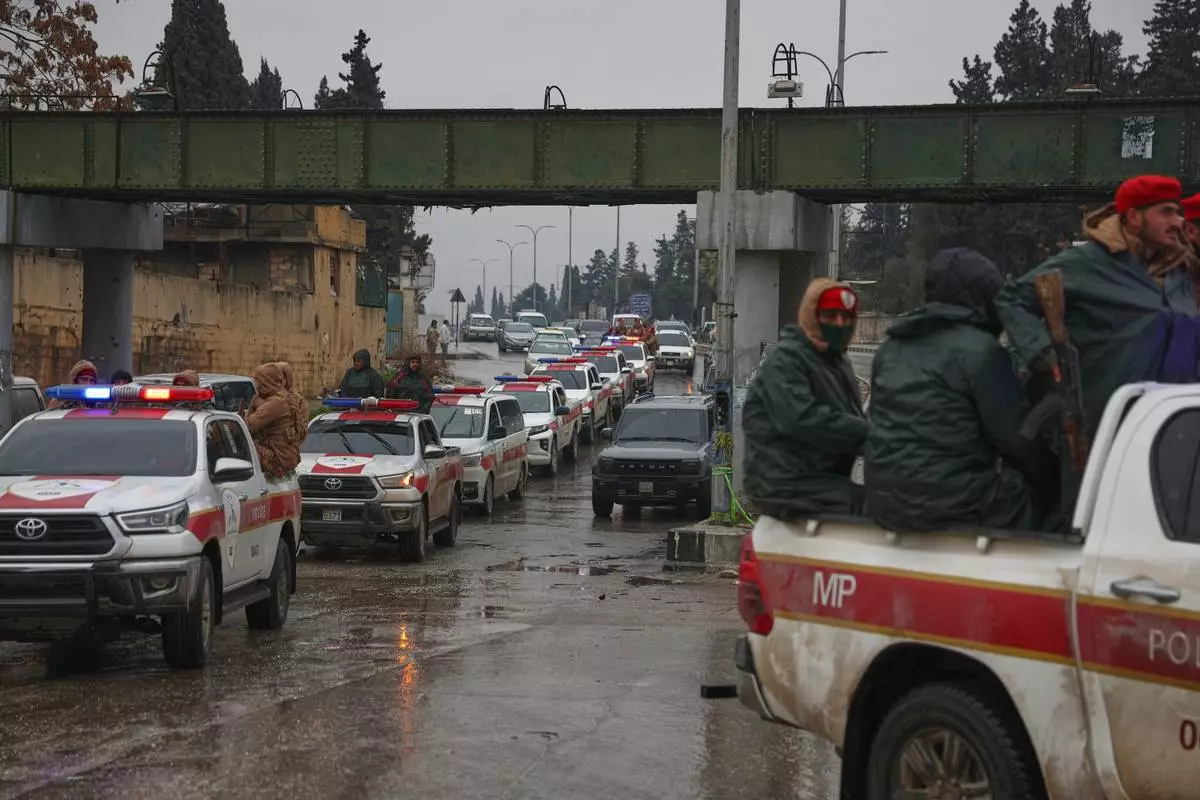
A Syrian military police convoy enters the Sheikh Maqsoud neighborhood, where clashes between government forces and Kurdish fighters have been taking place in the northern city of Aleppo, Syria, Sunday, Jan. 11, 2026. (AP Photo/Ghaith Alsayed)
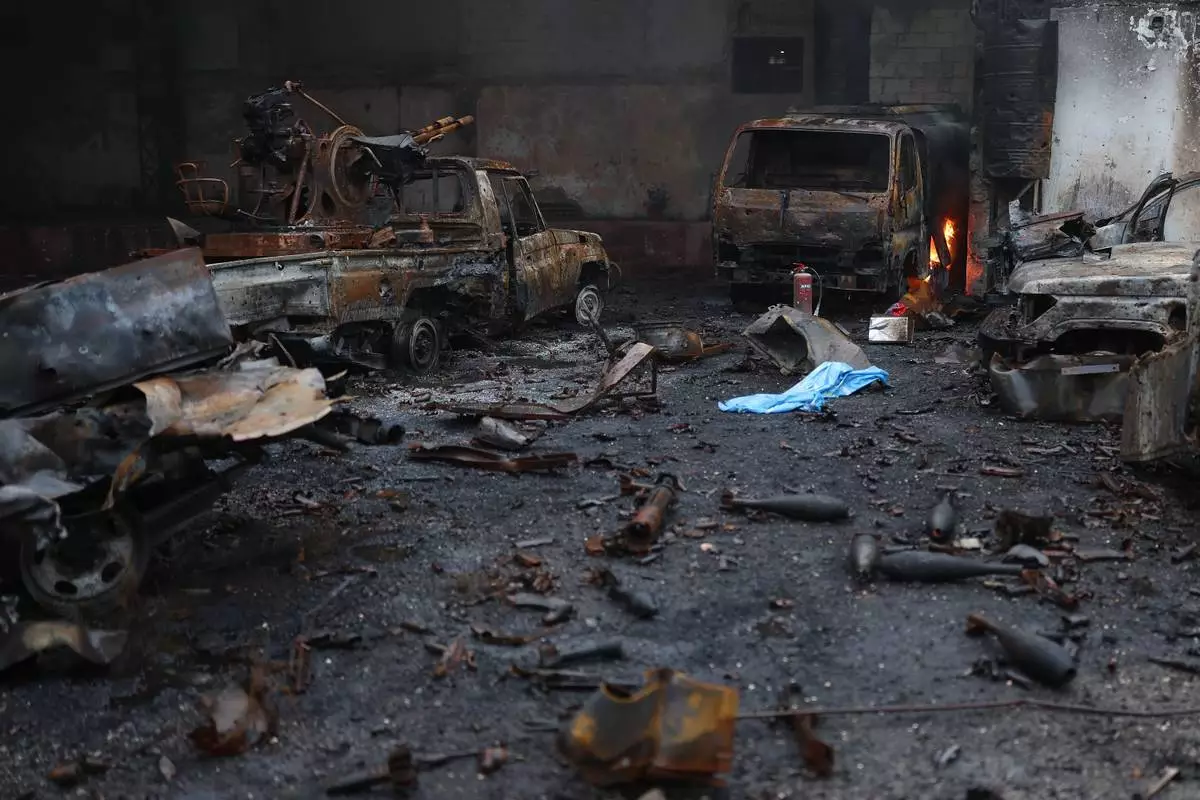
Burned vehicles and ammunitions left at one of the Kurdish fighters positions at the Sheikh Maqsoud neighborhood, where clashes between government forces and Kurdish fighters have been taking place in the northern city of Aleppo, Syria, Sunday, Jan. 11, 2026. (AP Photo/Ghaith Alsayed)