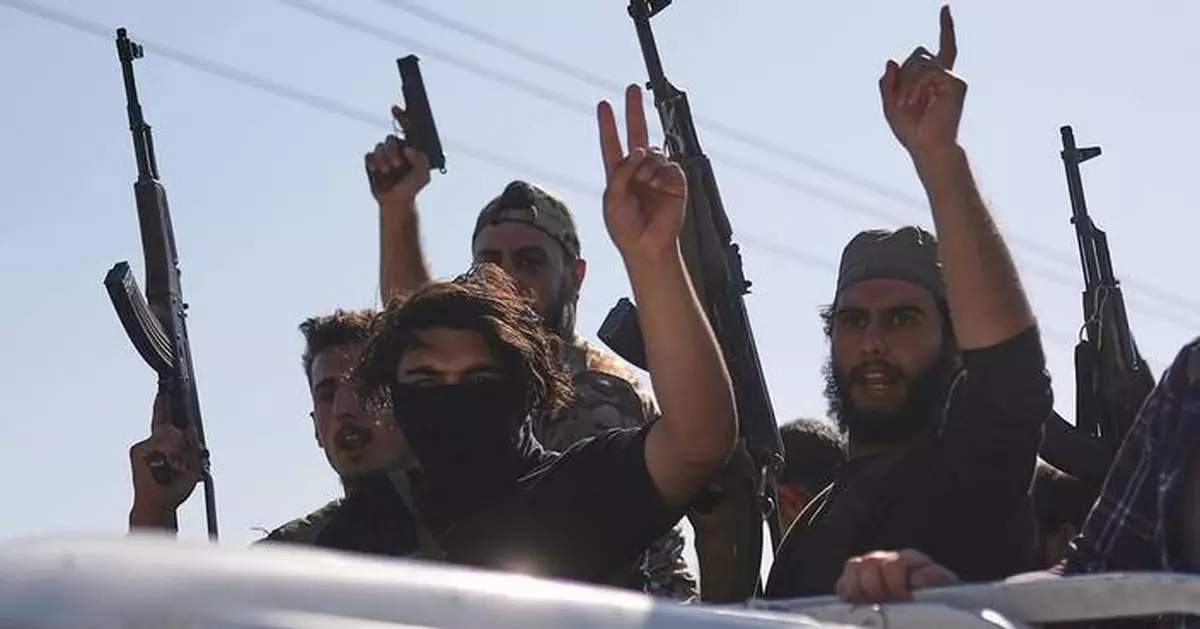
BEIRUT (AP) — An eruption of violence in Syria this week entangled government forces, Bedouin tribes, the Druze religious minority and neighboring Israel, and highlighted just how combustible the country remains seven months after its longtime authoritarian leader was toppled.
The Druze and other minorities increasingly mistrust Syria's central government. It is run by a man once affiliated with al-Qaida, though he has pledged to protect Syria’s diverse ethnic and religious groups since helping to oust Bashar Assad after a nearly 14-year civil war.
Click to Gallery
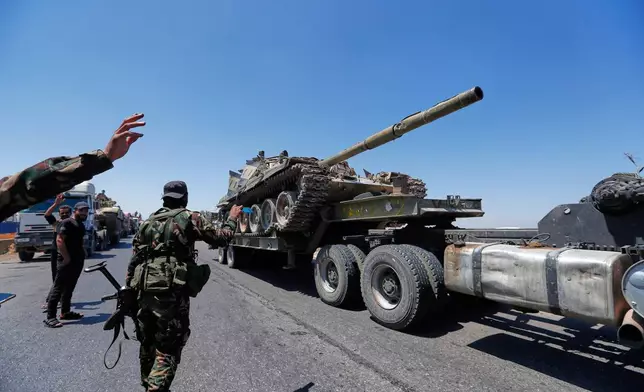
A tank for the Syrian government forces carried on a truck, which withdraw from Sweida city, pass on Daraa highway, southern Syria, Tuesday, July 15, 2025. (AP Photo/Omar Sanadiki)
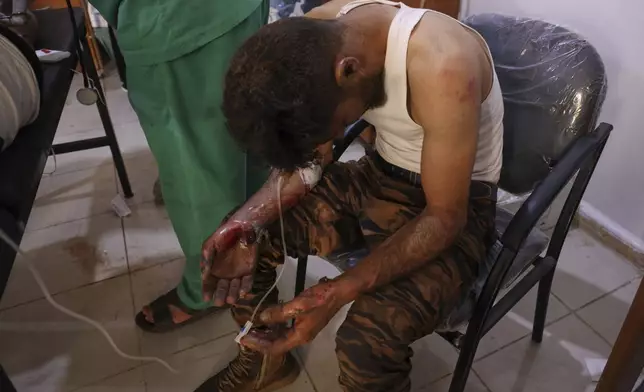
A Syrian government soldier who was injured in Sweida city during clashes between the government troops and Druze militias, waits for treatment at a clinic in Busra al-Harir village, southern Syria, Tuesday, July 15, 2025. (AP Photo/Omar Albam)
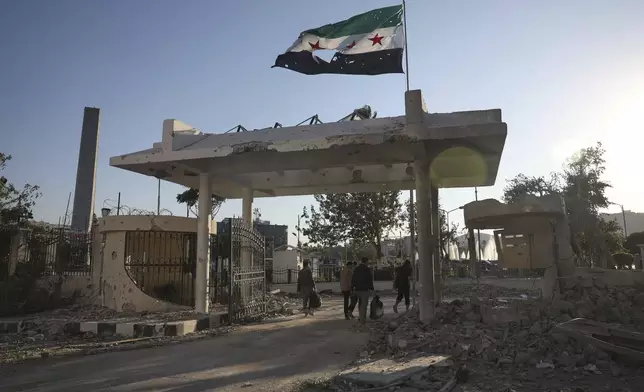
Security members carry belongings as they leave the damaged Syrian Defense Ministry building allegedly hit by several Israeli airstrikes, in Damascus, Syria, Wednesday, July 16, 2025. (AP Photo/Ghaith Alsayed)
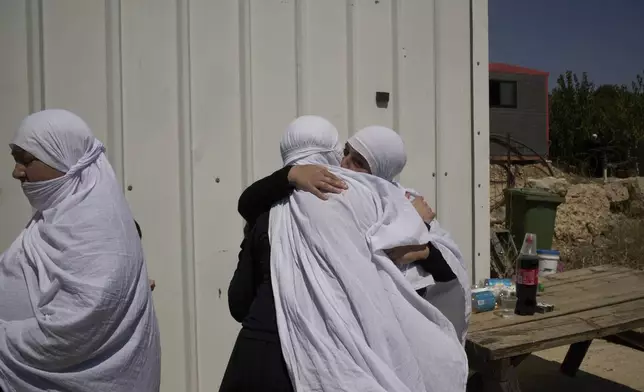
Druze women from Syria and Israel bid farewell before the Syrians cross back into Syria at the Israeli-Syrian border, in the Israeli-controlled Golan Heights town of Majdal Shams, Thursday, July 17, 2025. (AP Photo/Leo Correa)
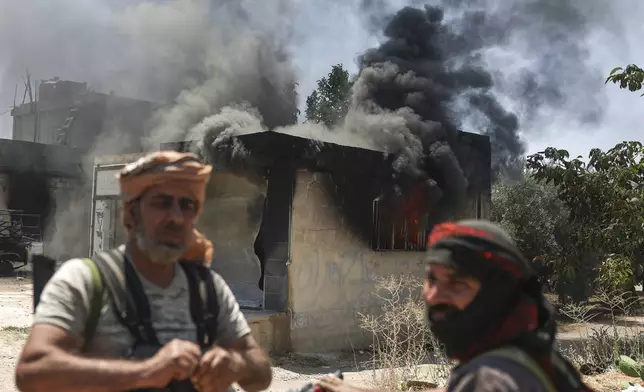
Bedouin fighters stand in front a burned shop at Mazraa village on the outskirts of Sweida city, during clashes between the Bedouin clans and Druze militias, southern Syria, Friday, July 18, 2025. (AP Photo/Ghaith Alsayed)
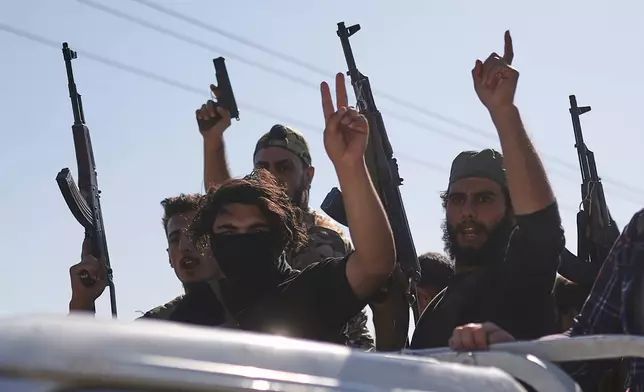
Bedouin fighters stand on a pickup truck as they arrive at al-Dour village on the outskirts of Sweida city, during clashes between the Bedouin clans and Druze militias, southern Syria, Friday, July 18, 2025. (AP Photo/Ghaith Alsayed)
The sectarian turbulence within Syria threatens to shake-up postwar alliances and exacerbate regional tensions, experts say. It could also potentially draw the country closer to Turkey and away from Israel, with whom it has been quietly engaging since Assad’s fall, with encouragement from the Trump administration.
Deadly clashes broke out last Sunday in the southern province of Sweida between Druze militias and local Sunni Muslim Bedouin tribes.
Government forces intervened, ostensibly to restore order, but ended up trying to wrest control of Sweida from the Druze factions that control it. Hundreds were killed in the fighting, and some government fighters allegedly executed Druze civilians and burned and looted their houses.
Driven by concerns about security and domestic politics, Israel intervened on behalf of the Druze, who are seen as a loyal minority within Israel and often serve in its military.
Israeli warplanes bombarded the Syrian Defense Ministry’s headquarters in central Damascus and struck near the presidential palace. It was an apparent warning to the country's interim President Ahmad al-Sharaa, who led Islamist rebels that overthrew Assad but has since preached coexistence and sought ties with the West. The Israeli army also struck government forces in Sweida.
By Wednesday, a truce had been mediated that allowed Druze factions and clerics to maintain security in Sweida as government forces pulled out — although fighting persisted between Druze and Bedouin forces. Early Saturday, U.S. envoy to Syria Tom Barrack announced a separate ceasefire had been brokered between Israel and Syria.
This past week’s clashes aren’t the first instance of sectarian violence in Syria since the fall of Assad.
A few months after Assad fled and after a transition that initially was mostly peaceful, government forces and pro-Assad armed groups clashed on Syria's coast. That spurred sectarian attacks that killed hundreds of civilians from the Alawite religious minority to which Assad belongs.
Those killings left other minority groups, including the Druze in the south, and the Kurds in the northeast, wary that the country’s new leaders would protect them.
Violence is only part of the problem. Syria’s minority groups only have been given what many see as token representation in the interim government, according to Bassam Alahmad, executive director of Syrians for Truth and Justice, a civil society organization.
“It’s a transitional period. We should have a dialogue, and they (the minorities) should feel that they’re a real part of the state,” Alahmad said. Instead, with the incursion into Sweida, the new authorities have sent a message that they would use military force to “control every part of Syria,” he said.
“Bashar Assad tried this way,” and it failed, he added.
On the other hand, supporters of the new government fear that its decision to back down in Sweida could signal to other minorities that it’s OK to demand their own autonomous regions, which would fragment and weaken the country.
If Damascus cedes security control of Sweida to the Druze, “of course everyone else is going to demand the same thing,” said Abdel Hakim al-Masri, a former official in the Turkish-backed regional government in Syria’s northwest before Assad’s fall.
“This is what we are afraid of,” he said.
Before this week’s flare-up between Israel and Syria, and despite a long history of suspicion between the two countries, the Trump administration had been pushing their leaders toward normalizing relations – meaning that Syria would formally recognize Israel and establish diplomatic relations, or at least enter into some limited agreement on security matters.
Syrian officials have acknowledged holding indirect talks with Israel, but defusing decades of tension was never going to be easy.
After Assad’s fall, Israeli forces seized control of a U.N.-patrolled buffer zone in Syria and carried out airstrikes on military sites in what Israeli officials said was a move to create a demilitarized zone south of Damascus.
Dareen Khalifa, a senior adviser at the International Crisis Group, said she believes Israel could have gotten the same result through negotiations.
But now it’s unlikely Syria will be willing to continue down the path of reconciliation with Israel, at least in the short term, she said.
“I don’t know how the Israelis could expect to drop bombs on Damascus and still have some kind of normal dialogue with the Syrians,” said Colin Clarke, a senior research fellow at the Soufan Center, a New York-based organization that focuses on global security challenges. “Just like Netanyahu, al-Sharaa’s got a domestic constituency that he’s got to answer to.”
Yet even after the events of this past week, the Trump administration still seems to have hope of keeping the talks alive. U.S. officials are “engaging diplomatically with Israel and Syria at the highest levels, both to address the present crisis and reach a lasting agreement between two sovereign states,” says Dorothy Shea, the U.S. ambassador to the United Nations.
Shea said during a U.N. Security Council emergency meeting on Thursday that “the United States did not support recent Israeli strikes.”
During Syria’s civil war, the U.S. was allied with Kurdish forces in the country’s northeast in their fight against the Islamic State militant group.
But since Assad’s fall, the U.S. has begun gradually pulling its forces out of Syria and has encouraged the Kurds to integrate their forces with those of the new authorities in Damascus.
To that end, the Kurdish-led Syrian Democratic Forces agreed in March to a landmark deal that would merge them with the national army. But implementation has stalled. A major sticking point has been whether the SDF would remain as a cohesive unit in the new army or be dissolved completely.
Khalifa said the conflict in Sweida is “definitely going to complicate” those talks.
Not only are the Kurds mistrustful of government forces after their attacks on Alawite and Druze minorities, but now they also view them as looking weak. “Let’s be frank, the government came out of this looking defeated,” Khalifa said.
It’s possible that the Kurds, like the Druze, might look to Israel for support, but Turkey is unlikely to stand by idly if they do, Khalifa said.
The Turkish government considers the SDF a terrorist organization because of its association with the Kurdistan Workers’ Party, or PKK, which has waged a long-running insurgency in Turkey. For that reason, it has long wanted to curtail the group’s influence just across its border.
Israel’s latest military foray in Syria could give leaders in Damascus an incentive to draw closer to Ankara, according to Clarke. That could include pursuing a defense pact with Turkey that has been discussed but not implemented.
Turkish defense ministry officials, who spoke on condition of anonymity according to procedures, said that if requested, Ankara is ready to assist Syria in strengthening its defense capabilities.
Associated Press writers Suzan Fraser in Ankara and Farnoush Amiri in New York contributed to this report.
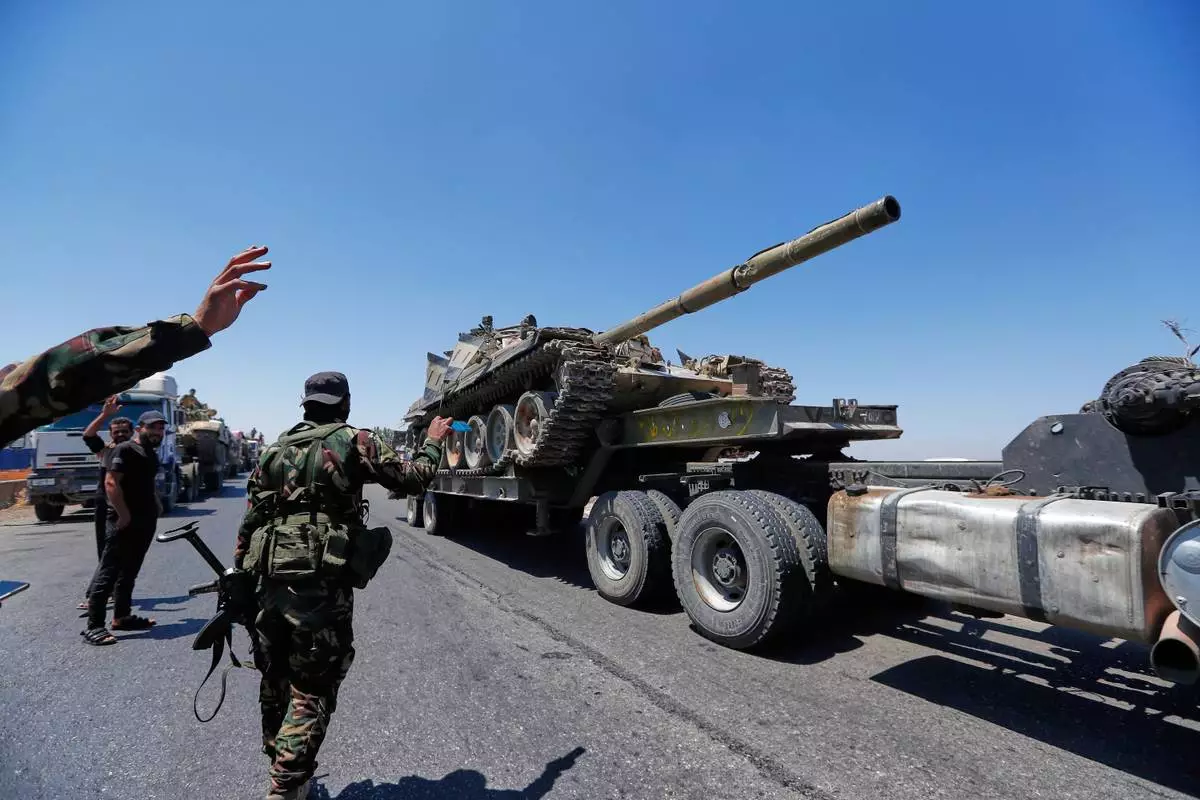
A tank for the Syrian government forces carried on a truck, which withdraw from Sweida city, pass on Daraa highway, southern Syria, Tuesday, July 15, 2025. (AP Photo/Omar Sanadiki)
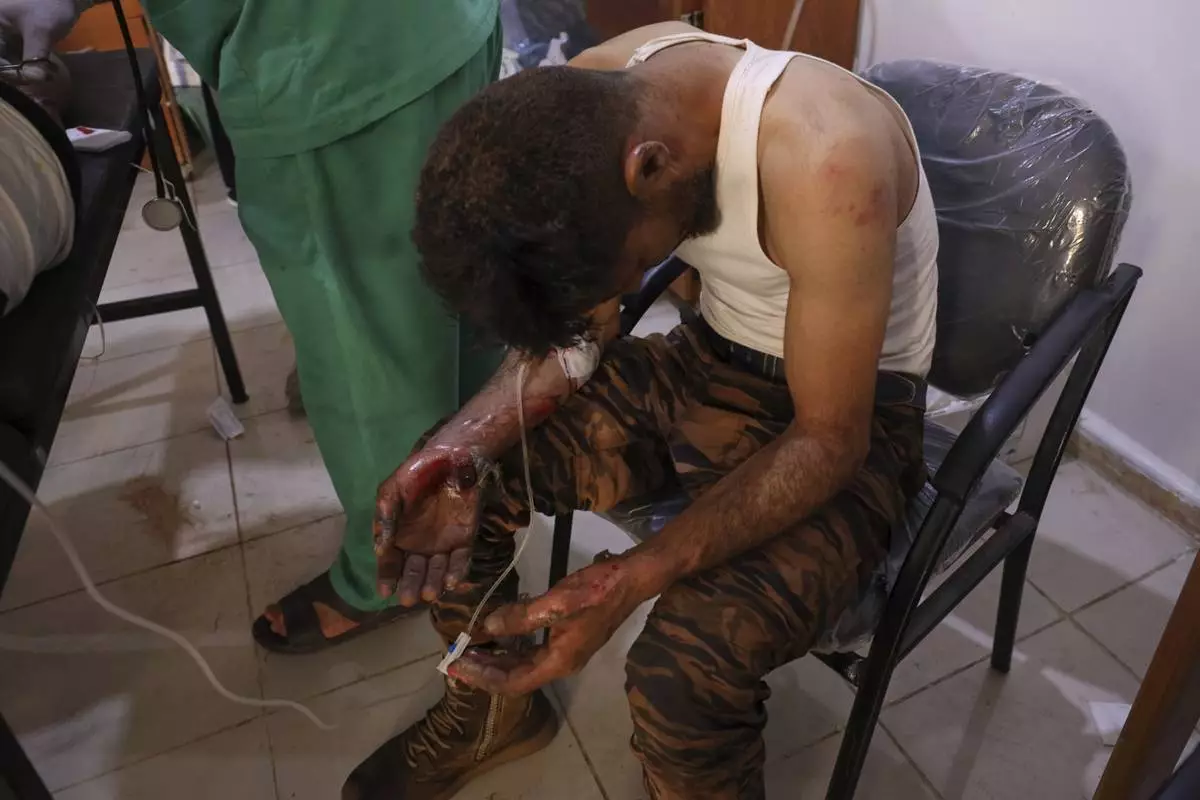
A Syrian government soldier who was injured in Sweida city during clashes between the government troops and Druze militias, waits for treatment at a clinic in Busra al-Harir village, southern Syria, Tuesday, July 15, 2025. (AP Photo/Omar Albam)
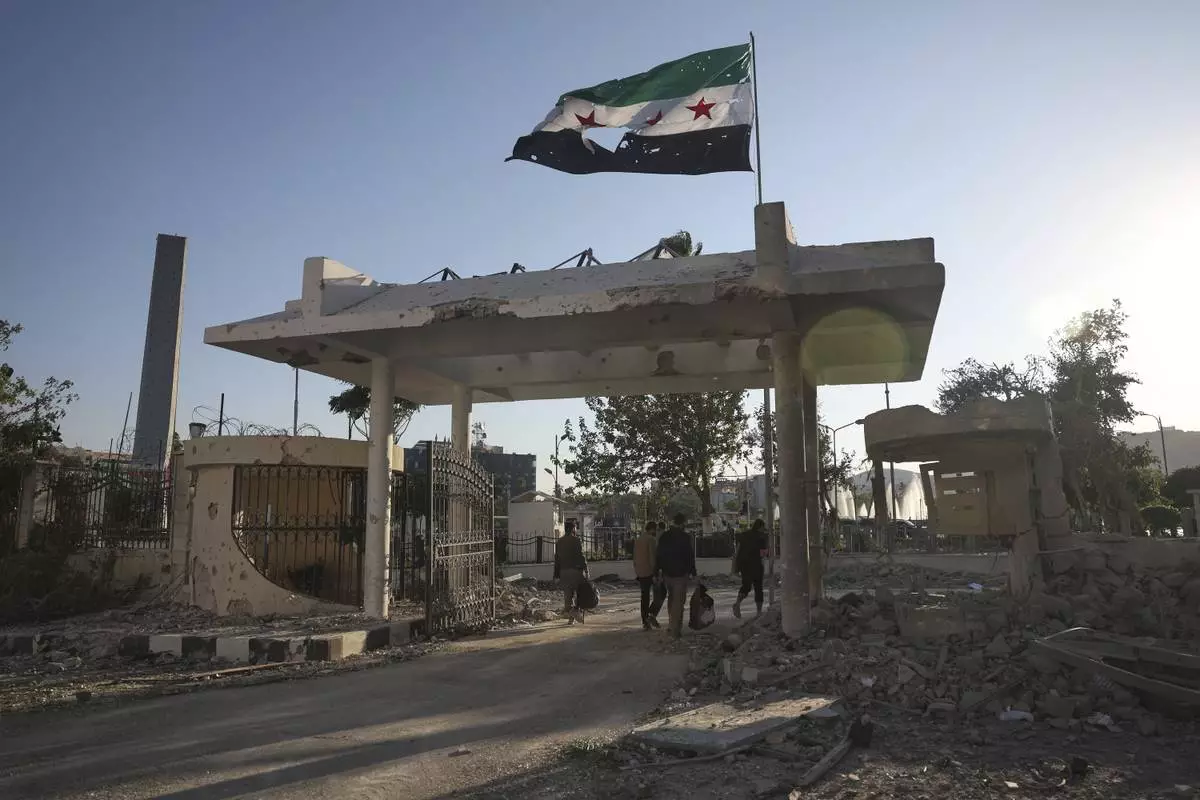
Security members carry belongings as they leave the damaged Syrian Defense Ministry building allegedly hit by several Israeli airstrikes, in Damascus, Syria, Wednesday, July 16, 2025. (AP Photo/Ghaith Alsayed)
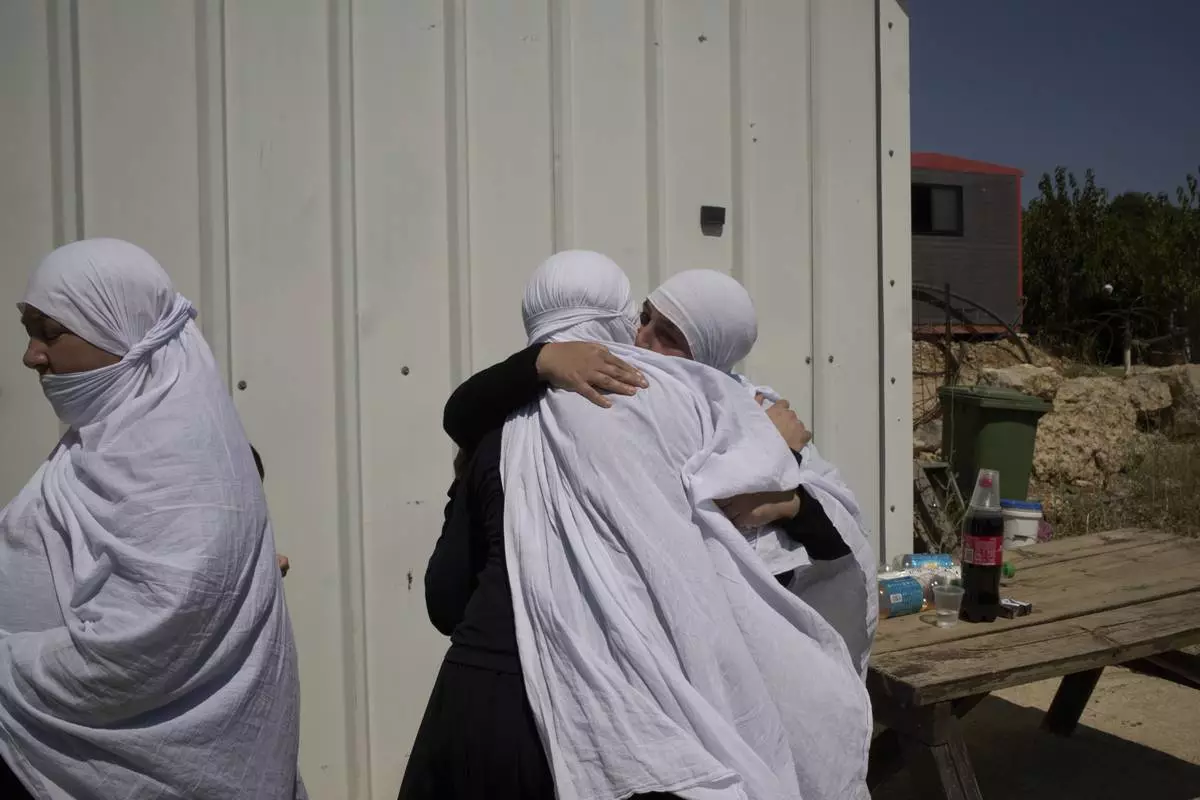
Druze women from Syria and Israel bid farewell before the Syrians cross back into Syria at the Israeli-Syrian border, in the Israeli-controlled Golan Heights town of Majdal Shams, Thursday, July 17, 2025. (AP Photo/Leo Correa)
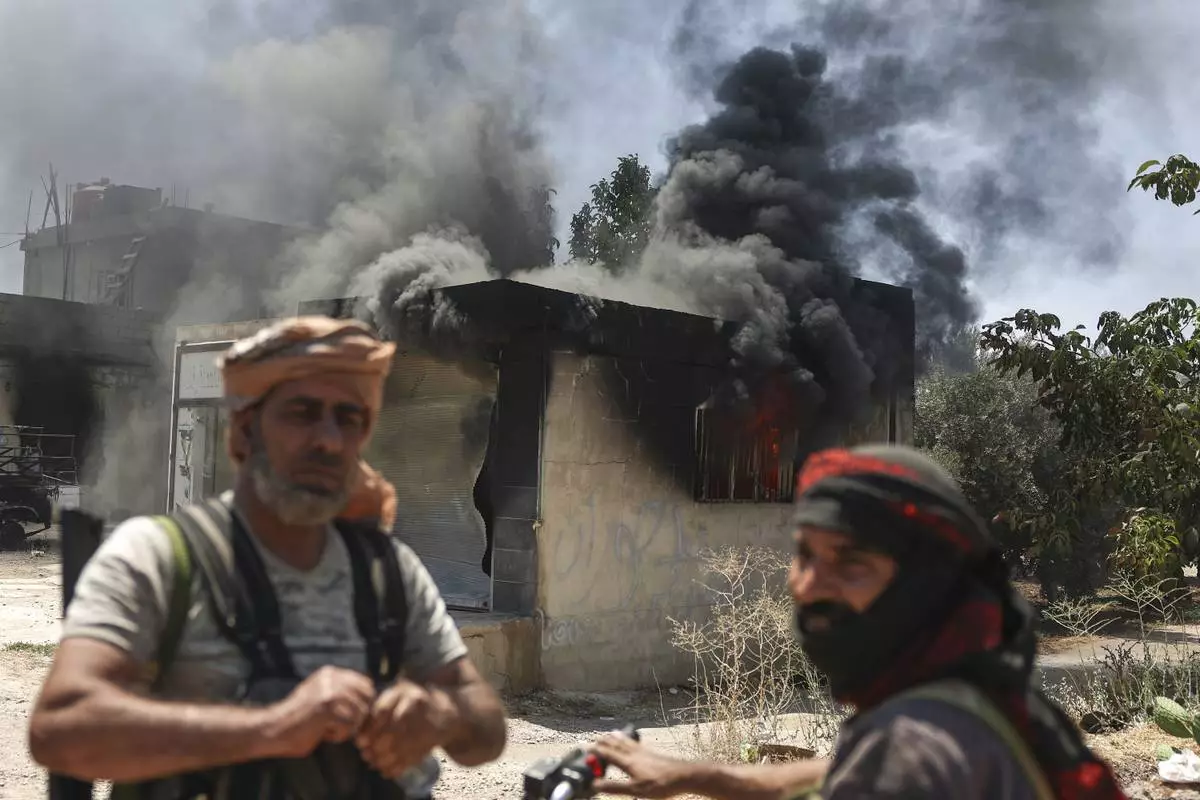
Bedouin fighters stand in front a burned shop at Mazraa village on the outskirts of Sweida city, during clashes between the Bedouin clans and Druze militias, southern Syria, Friday, July 18, 2025. (AP Photo/Ghaith Alsayed)
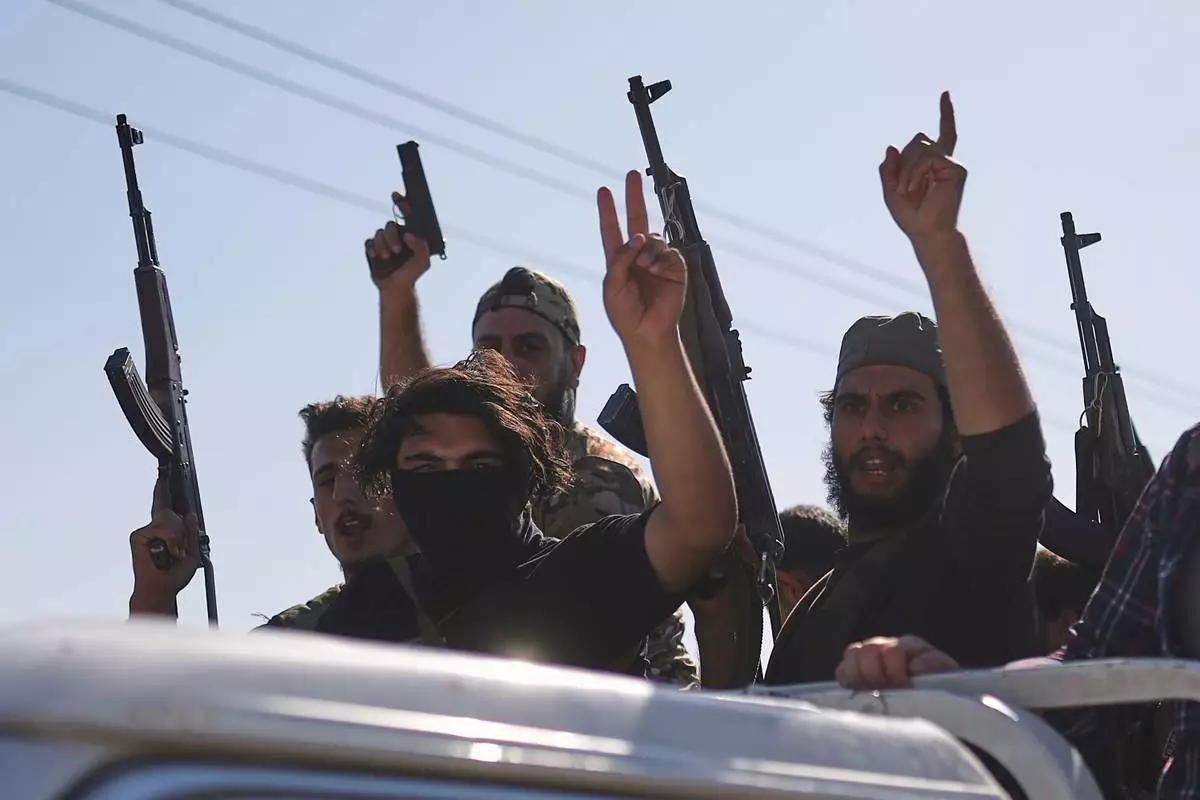
Bedouin fighters stand on a pickup truck as they arrive at al-Dour village on the outskirts of Sweida city, during clashes between the Bedouin clans and Druze militias, southern Syria, Friday, July 18, 2025. (AP Photo/Ghaith Alsayed)