WASHINGTON (AP) — Moving at the “speed of Trump” is one of the White House's favorite phrases, meant to convey the administration's attempts to bring big changes to government at breakneck speed. But when it comes to presidential travel, Donald Trump's pace in the opening months of his second term is comparable to Joe Biden's.
At his six-month mark in office through Saturday, Trump had made 49 trips to 14 states and seven foreign countries, with a heavy focus on weekend golf trips and sporting events.
Click to Gallery
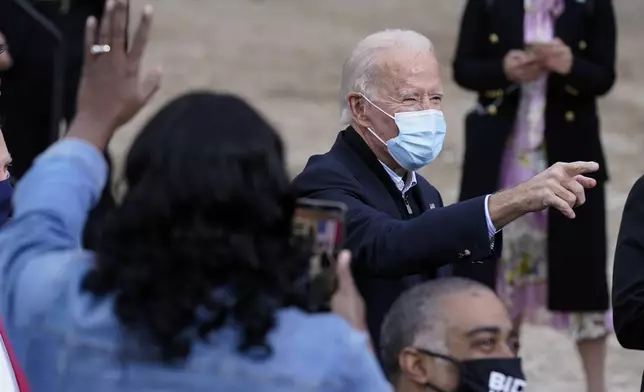
FILE - President-elect Joe Biden greet supporters after speaking at a drive-in rally for Georgia Democratic candidates, Dec. 15, 2020, in Atlanta. (AP Photo/Patrick Semansky, File)
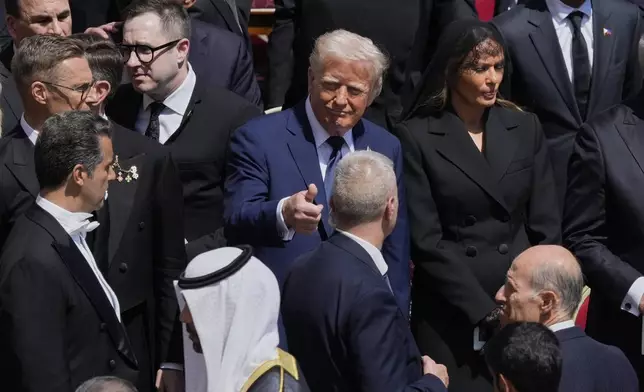
FILE - President Donald Trump, center, gives the thumbs up at the end of the funeral of Pope Francis in St. Peter's Square at the Vatican, April 26, 2025. (AP Photo/Gregorio Borgia, File)

FILE - President Joe Biden, center right, and Kentucky Gov. Andy Beshear, right, talk to people as they survey storm damage from tornadoes and extreme weather in Mayfield, Ky., Dec. 15, 2021. (AP Photo/Andrew Harnik, File)
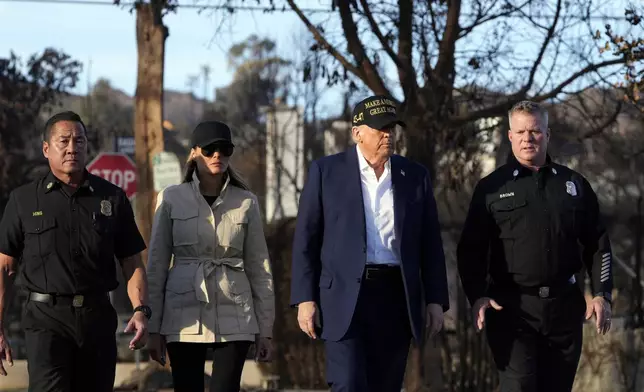
President Donald Trump, center right, and first lady Melania Trump walk, center left, walk with Jason Hing, chief deputy of emergency services at the Los Angles Fire Department, left, and Capt. Jeff Brown, Chief of Station 69, as they tour the Pacific Palisades neighborhood affected by recent wildfires in Los Angeles, Jan. 24, 2025. (AP Photo/Mark Schiefelbein, File)
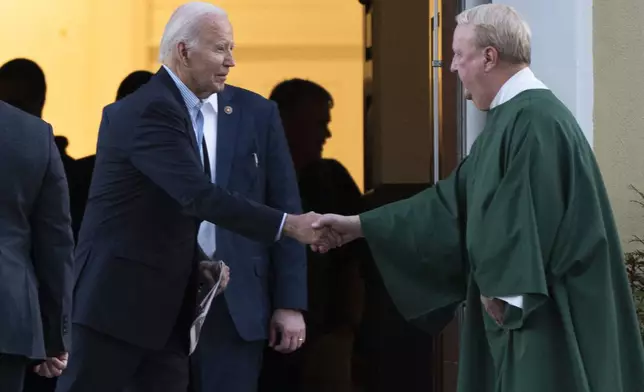
FILE - President Joe Biden, left, is greeted by a priest as he leaves St. Joseph on the Brandywine Catholic Church in Wilmington, Del., after attending a mass, Nov. 2, 2024. (AP Photo/Manuel Balce Ceneta, File)
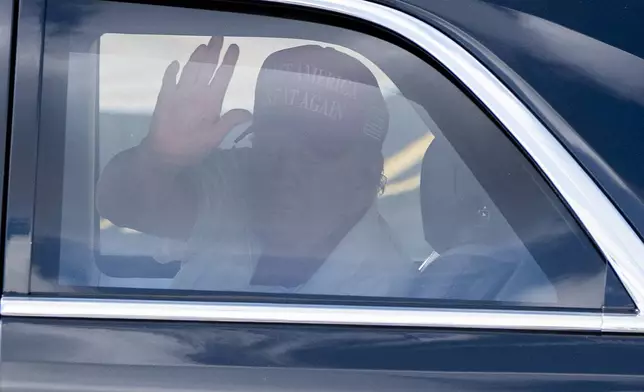
FILE - President Donald Trump waves as he departs in his motorcade from the Trump International Golf Club, March 1, 2025, in West Palm Beach, Fla. (AP Photo/Alex Brandon, File)

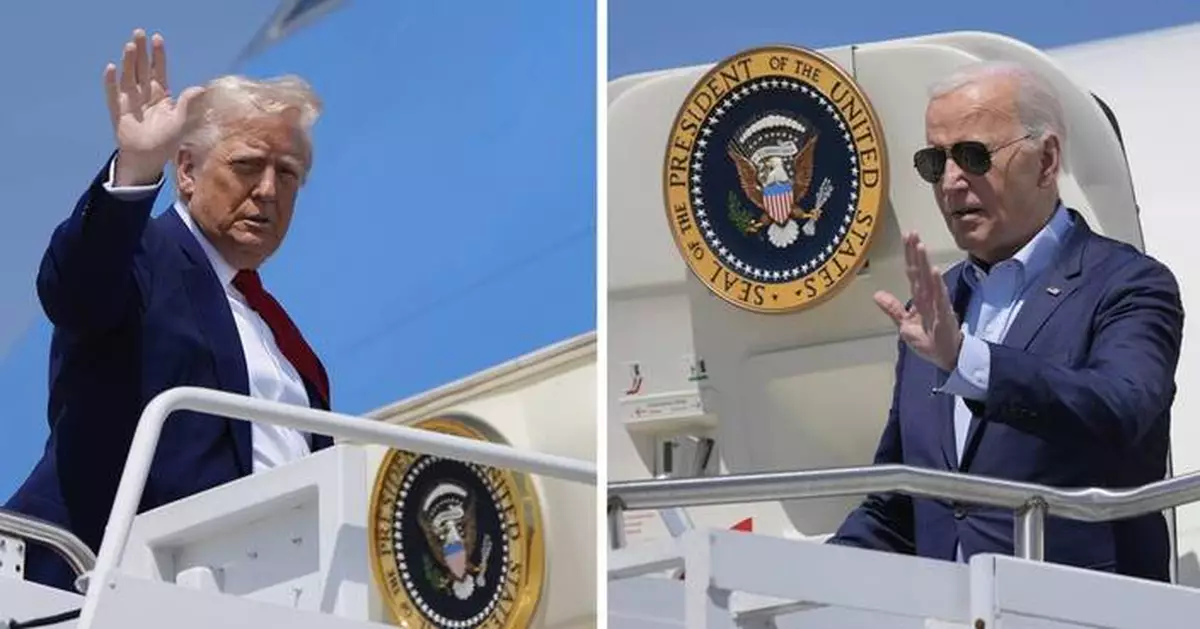
This combination of photos boarding Air Force One shows President Donald Trump, left, April 29, 2025, at Joint Base Andrews, Md., and President Joe Biden, April 16, 2024, at Wilkes-Barre Scranton International Airport in Scranton, Pa.. (AP Photo)
That's not far off from Biden, who made 45 trips to 17 states and three foreign countries in his first six months in 2021, which overlapped with the COVID-19 pandemic. The Democrat made lots of weekend trips home to Delaware, where he went to church and usually did not golf. He also had more political and official trips than did his Republican successor.
Trump’s second-term travel is also less prolific than his first so far, at least in terms of visiting different parts of the United States. In 2017, he made 48 trips to 21 states and eight foreign countries between Jan. 20 and July 20.
The White House has said Trump is most effective while in the Oval Office, working the phones, signing executive orders and meeting with foreign leaders and U.S. elected officials.
It says Trump has met with 25 foreign leaders at the White House, including multiple visits by Israeli Prime Minister Benjamin Netanyahu and NATO Secretary-General Mark Rutte, and signed 165 executive orders while holding six Cabinet meetings — totals that far outpace Biden's.
White House spokesperson Taylor Rogers said in a statement that Trump’s “travel reflects his America First agenda -– he is meeting the American people where they are and representing their best interests.”
The president, Rogers said, “will continue working around the clock to deliver the best deals for the American people from the Oval Office, throughout the country, and around the world.”
A look at where Trump has gone so far:
When Trump hits the road, it's most often to his properties for weekend trips built around golf in Palm Beach, Florida; Bedminster, New Jersey; or Sterling, Virginia, near Washington's Dulles International Airport and close enough to motorcade from the White House.
The president has logged 14 Florida trips, 13 to Virginia and eight to New Jersey. After summer arrived, he has favored Bedminster or day trips to Sterling over steamy Mar-a-Lago in Florida.
Biden headed to his home in Wilmington, Delaware, many weekends early in his term. He sometimes went to a golf club, but attended Mass nearly every weekend.
Biden also traveled often to showcase policy achievements or to promote his initiatives, such as his visit to Smith Flooring in Chester, Pennsylvania, a small business he described as benefiting from the $1.9 trillion COVID-19 relief package.
Much of Trump's non-golf domestic travel has been built around sporting events. The president went to the Super Bowl in New Orleans and to Florida for the Daytona 500. He attended UFC fights in Miami and Newark, New Jersey, the NCAA wrestling championships in Philadelphia and the FIFA Club World Cup final in East Rutherford, New Jersey.
Trump has held only three major political rallies since returning to the White House.
He marked his first 100 days in office in suburban Detroit, went to Pittsburgh to trumpet an agreement between U.S. Steel and Japan’s Nippon Steel and to Des Moines, Iowa, to kick off the start of America's 250th birthday celebration. The president gave an economy-focused speech at a Las Vegas casino during his second term's opening weekend, and was in to Oxon Hill, Maryland, just outside Washington, to address the Conservative Political Action Conference in February.
In addition to policy-focused travel, Biden did more early political trips. He participated in a CNN town hall in Wisconsin, marked the 11th anniversary of the Obama administration's signature health care law in Columbus, Ohio, and spotlighted his first 100 days in office by addressing a socially distanced, drive-in rally in Atlanta.
Trump gave more commencement addresses, speaking at the University of Alabama and the U.S. Military Academy in West Point, New York. Biden spoke at the Coast Guard commencement in Connecticut in his opening months of his term, when COVID-19 limited many such ceremonies.
One area where Trump has outpaced Biden is on travel overseas. He was to Rome for Pope Francis' funeral and had a swing through Saudi Arabia, the United Arab Emirates and Qatar, before going to Canada for the meeting of the Group of Seven leading industrialized nations and a NATO summit in the Netherlands.
Biden did not travel overseas in 2021 until the G7 that June, when he went to the United Kingdom, Belgium and Switzerland, again at a time when the pandemic was raging.
Trump's second term started out with visits to western North Carolina and Southern California, both hit by natural disasters that occurred while Biden was president. Trump also visited Texas after recent devastating floods.
But Trump did not tour parts of Missouri and Kentucky that were ravaged by tornadoes. He did not travel to areas hit by strong storms that sparked deadly flooding from other parts of Texas and Oklahoma to Indiana and Pennsylvania. He did not see the widespread aftermath of spring tornadoes, including in Mississippi and Arkansas.
Biden made a February 2021 trip to tour storm damage in Houston. He did not travel to all natural disaster sites during his first six months, either, but went to Florida after a building collapse in Surfside killed 98 people.
When Israeli Prime Minister Benjamin Netanyahu became the first foreign leader to visit the White House during Trump's second term in early February, the president proclaimed, “I love Israel. I will visit there. And I’ll visit Gaza.” His Middle East swing in May omitted both places.
Trump also suggested that his government-slashing guru Elon Musk would be checking out Fort Knox in Kentucky to ensure that U.S. gold reserves were still there, and the president said he might join him. With Musk having left the Trump administration and engaging in a nasty public feud with Trump, that now seems highly unlikely.
The president said recently he would like to visit Africa “at some point." He was less committal about Indian Prime Minister Narendra Modi's invitation to visit a September summit of countries known as the Quad, made up of the U.S., India, Japan and Australia.
Trump is heading to Scotland next week and will visit two areas where he has golf properties. He will be in England for an official visit in the fall. British Prime Minister Keir Starmer, while at the White House in February, presented Trump with a letter from King Charles inviting the president to his country for an unprecedented second state visit.
“This has never happened before,” Starmer said. Trump accepted the invitation right then.
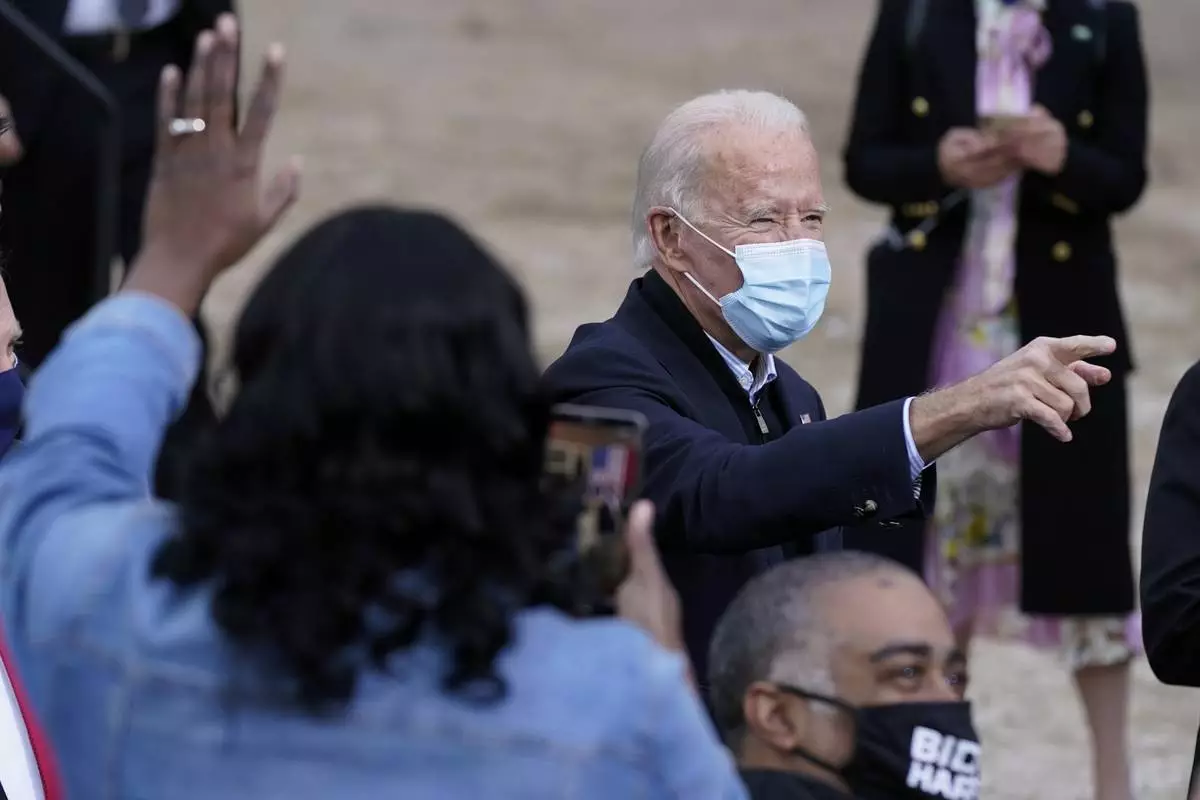
FILE - President-elect Joe Biden greet supporters after speaking at a drive-in rally for Georgia Democratic candidates, Dec. 15, 2020, in Atlanta. (AP Photo/Patrick Semansky, File)
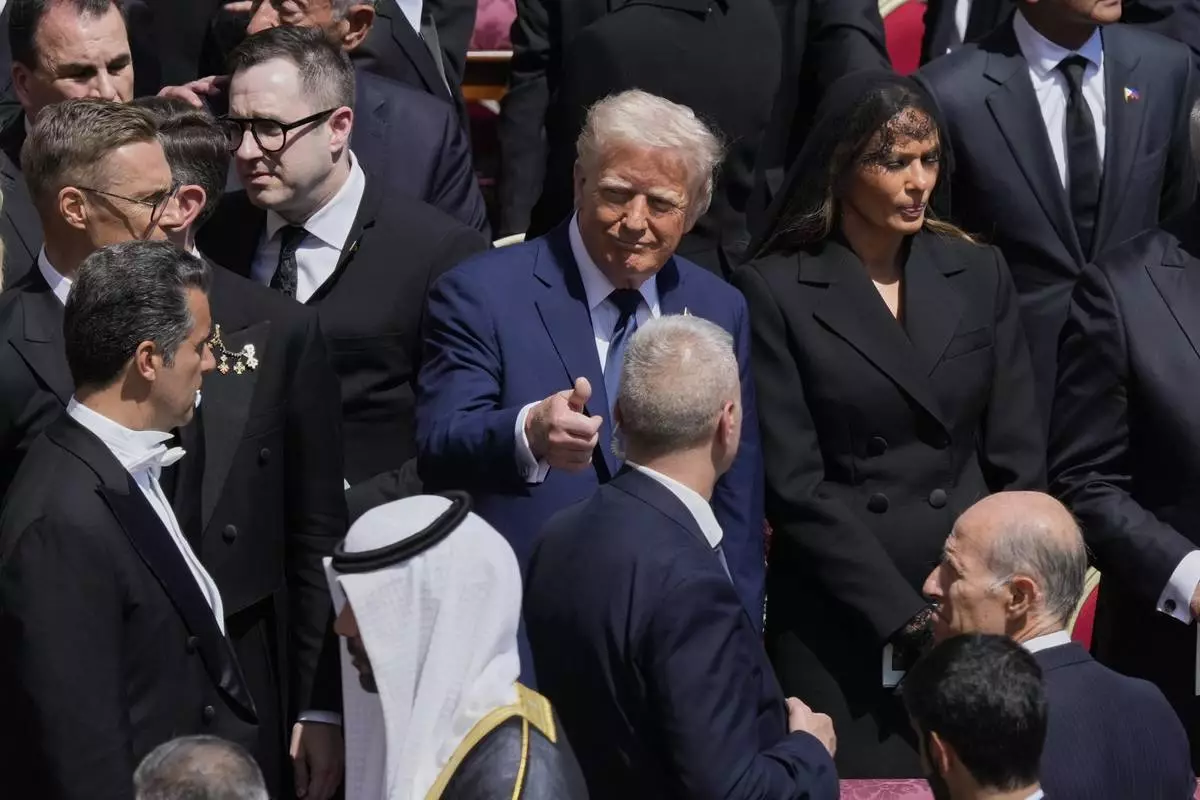
FILE - President Donald Trump, center, gives the thumbs up at the end of the funeral of Pope Francis in St. Peter's Square at the Vatican, April 26, 2025. (AP Photo/Gregorio Borgia, File)
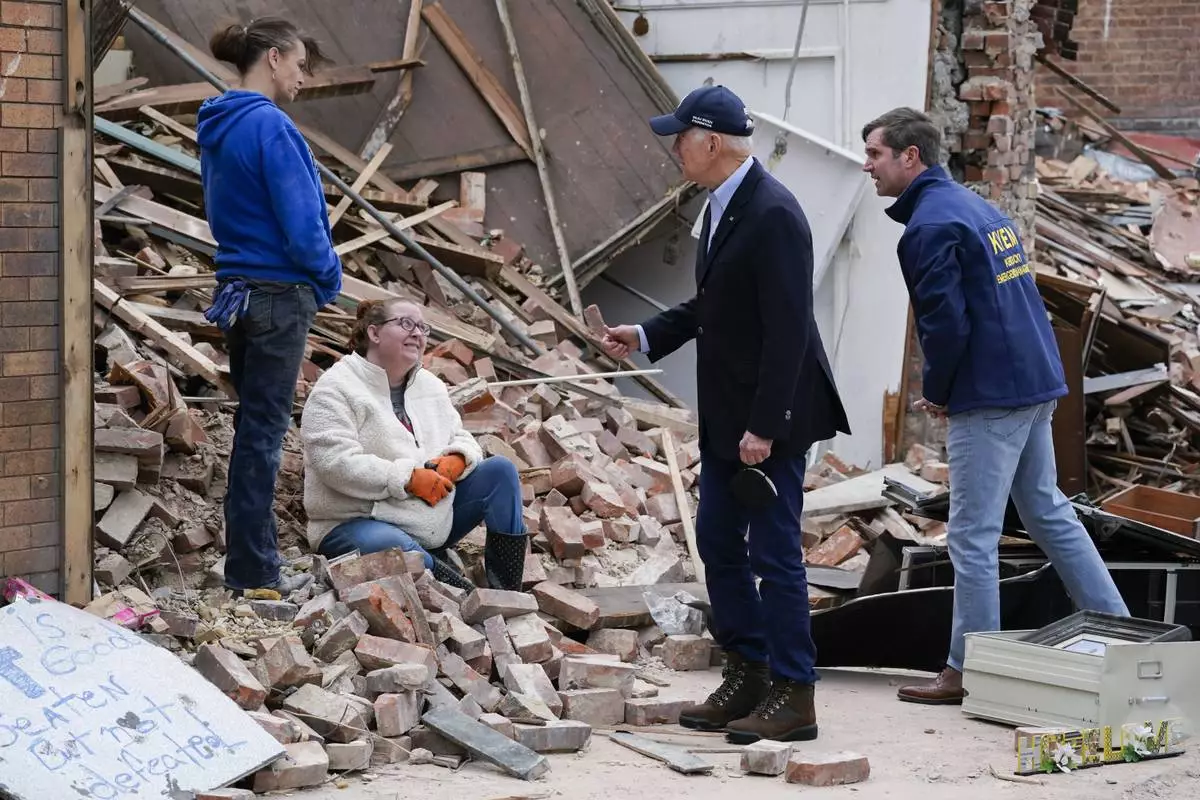
FILE - President Joe Biden, center right, and Kentucky Gov. Andy Beshear, right, talk to people as they survey storm damage from tornadoes and extreme weather in Mayfield, Ky., Dec. 15, 2021. (AP Photo/Andrew Harnik, File)
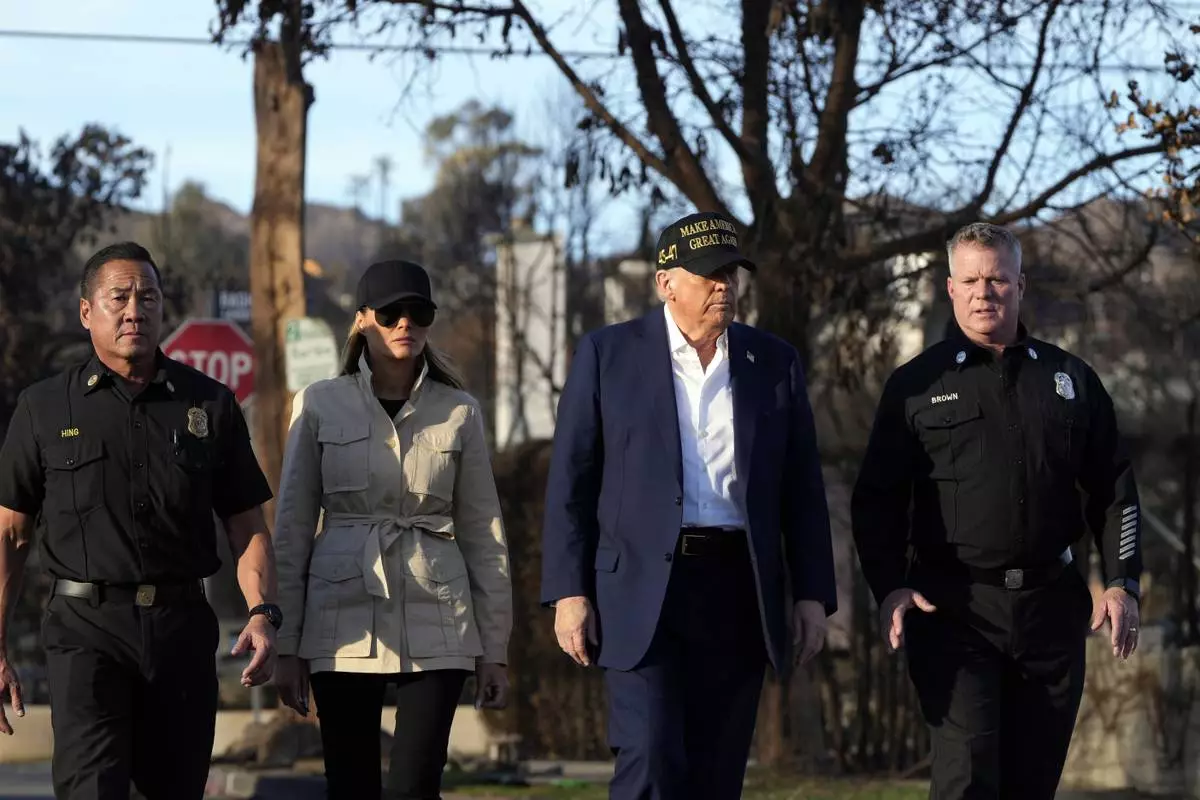
President Donald Trump, center right, and first lady Melania Trump walk, center left, walk with Jason Hing, chief deputy of emergency services at the Los Angles Fire Department, left, and Capt. Jeff Brown, Chief of Station 69, as they tour the Pacific Palisades neighborhood affected by recent wildfires in Los Angeles, Jan. 24, 2025. (AP Photo/Mark Schiefelbein, File)
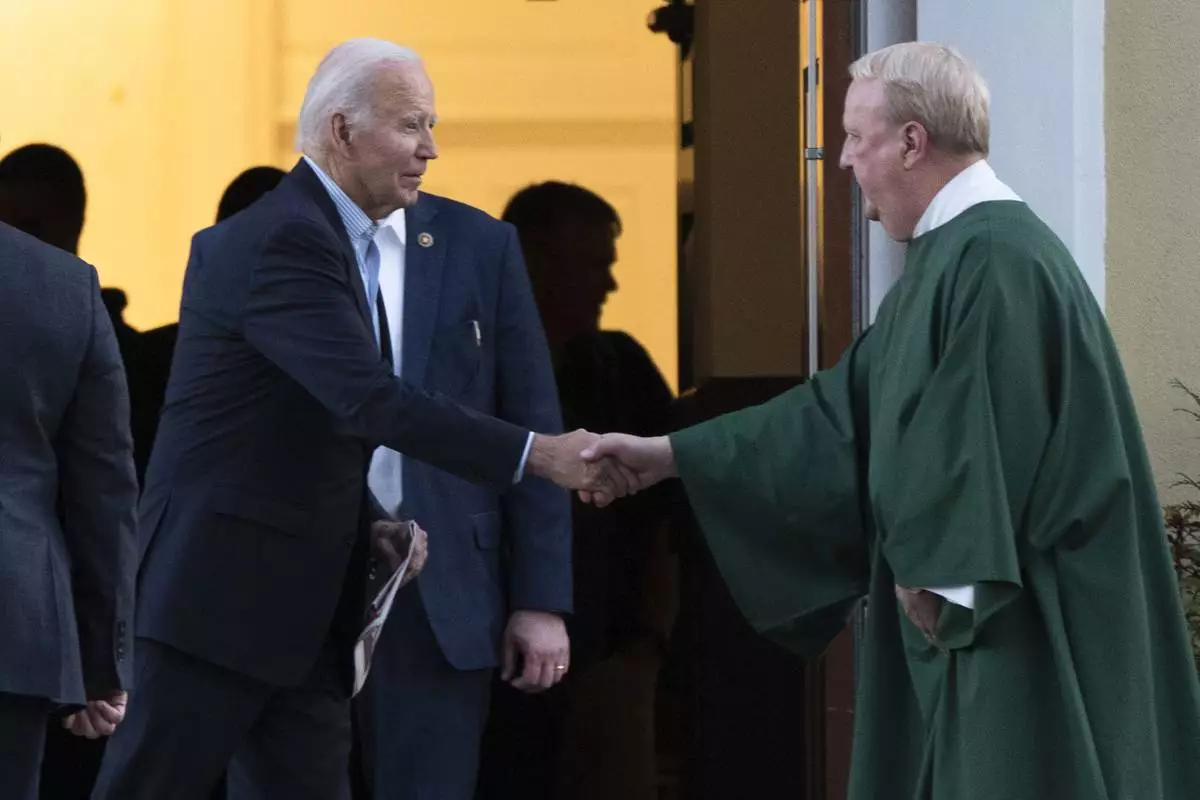
FILE - President Joe Biden, left, is greeted by a priest as he leaves St. Joseph on the Brandywine Catholic Church in Wilmington, Del., after attending a mass, Nov. 2, 2024. (AP Photo/Manuel Balce Ceneta, File)
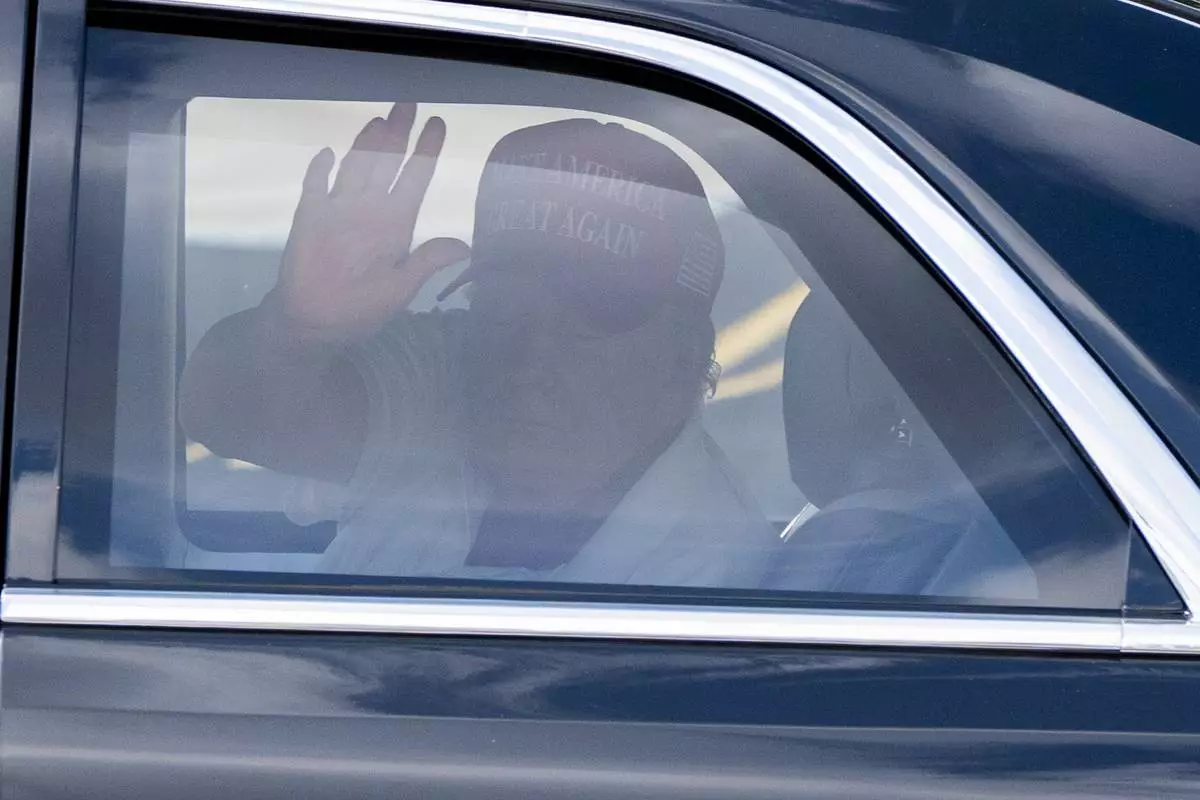
FILE - President Donald Trump waves as he departs in his motorcade from the Trump International Golf Club, March 1, 2025, in West Palm Beach, Fla. (AP Photo/Alex Brandon, File)
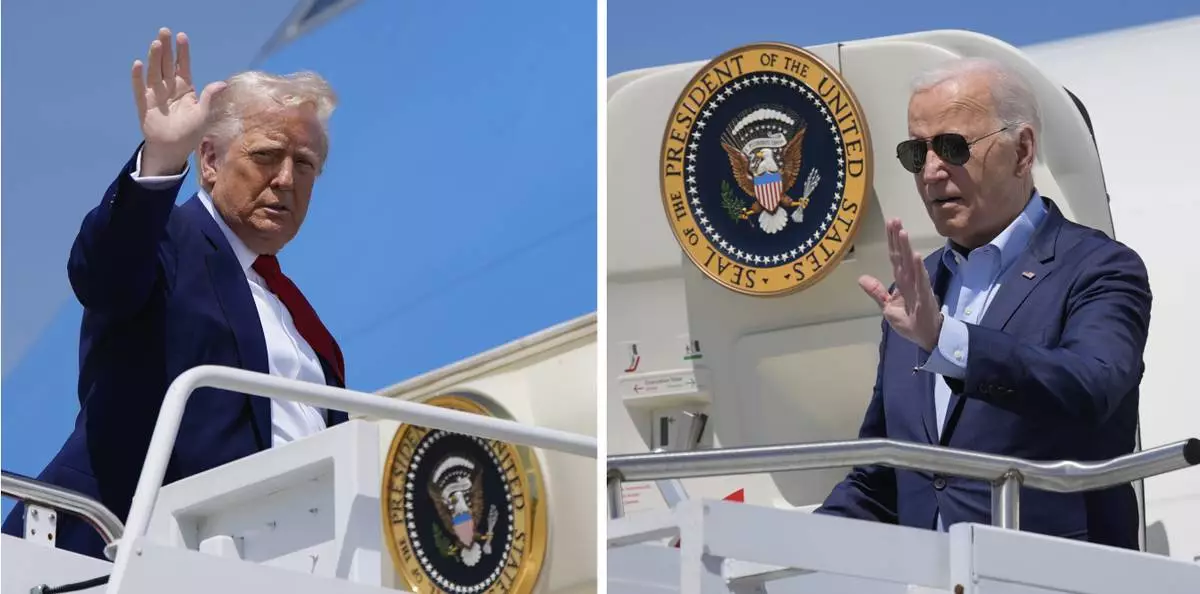
This combination of photos boarding Air Force One shows President Donald Trump, left, April 29, 2025, at Joint Base Andrews, Md., and President Joe Biden, April 16, 2024, at Wilkes-Barre Scranton International Airport in Scranton, Pa.. (AP Photo)