Voting for Japan's upper house election began on Sunday morning, with a total of 522 people running in the intensive battle between the ruling and opposition camps.
Voting officially began at 07:00 local time. Barring certain regions, polling will remain open until 20:00 local time.
The House of Councillors is made up of 248 members with six-year terms. Elections are held every three years, with half the seats up for grabs each time. Voters are weighing in on a total of 125 seats in Sunday's poll, including one where a contest is needed to fill a vacancy.
Currently, the ruling Liberal Democratic Party (LDP) and its junior ruling partner Komeito have 75 seats that are not up for re-election. Therefore, the embattled coalition, which faces bad media poll numbers, must secure 50 seats in this election to maintain a majority in the 248-seat chamber.
The bar is seen as relatively low for the ruling bloc, which controlled the upper chamber before the election, although Prime Minister Shigeru Ishiba, hit by low public support amid daunting challenges, such as rising prices and hefty U.S. tariffs, has described it as not an easy undertaking.
In the October 2024 general election, the ruling coalition lost its majority in the more powerful House of Representatives, or the lower house, forcing Ishiba to form Japan's first minority government in over three decades.
If the ruling coalition fails to hold onto an upper house majority this time, it will become extremely difficult for Ishiba to continue managing his administration, local media reported.
However, according to local media, the ruling coalition is unlikely to achieve its electoral goals. Yomiuri Shimbun forecasts that the LDP may end up securing only around 30 seats, and even when combined with the Komeito Party's seats, the coalition would still struggle to secure a majority. Both Asahi Shimbun and Nikkei believe that it will be "extremely difficult" for the ruling bloc to win 50 seats.
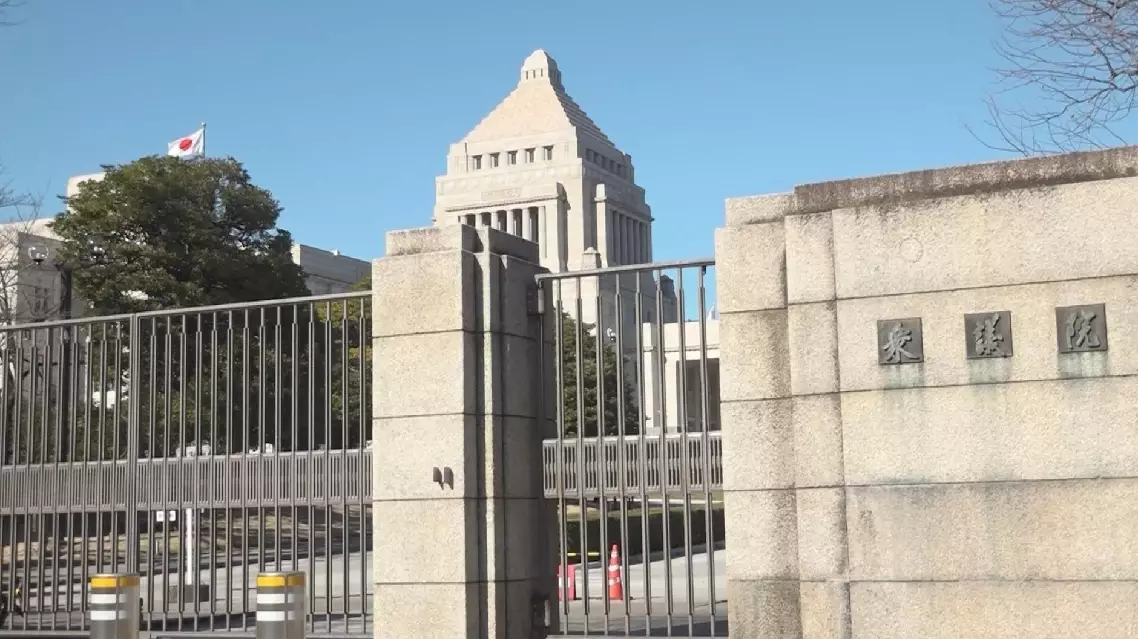
Voting for Japan's upper house election starts as ruling bloc faces uphill battle
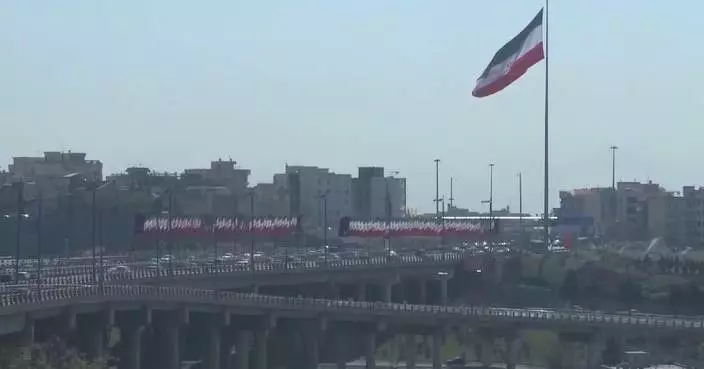
The Iranian government is focusing on public concerns and maintaining stable supplies of essential goods amid recent protests, Iranian President Masoud Pezeshkian said in a televised interview on Sunday.
In the city of Karaj, northwest of the capital Tehran, daily life has largely continued as normal. A video filmed by a local resident on Sunday shows food stores open and grocery shelves fully stocked.
"This is the block near my home, and there are some food stores here. Daily life continues here. Last night we did not see many protests in Karaj. Right now the city is very safe. This is a grocery store close to my home. All the food is available; nothing is in shortage. Here are noodles and different types of beans. Here are dairy products, cheese, and yogurt. I also checked other grocery stores and didn't see any shortages. Everything is available," said local resident Ali Reza.
Iranian officials have described recent disturbances as acts orchestrated by the "enemy," including some carried out by well-trained and armed "terrorists." The incidents have caused casualties among security personnel and civilians, as well as property damage.
The Secretary of Iran's Supreme National Security Council Ali Larijani has directed authorities to severely punish the "terrorists."
Meanwhile, Iran's police chief Ahmad-Reza Radan said on Sunday that the police had raised alert levels and arrested several leaders of the troublemakers during the operations on Saturday.
President Pezeshkian noted in the interview that the normal demands of the Iranian people are reasonable and justified, but they must realize that triggering riots and carrying out terrorist acts are the enemy's attempts to undermine the country. He urged the public to remain vigilant.
Also on Sunday, Iranian Parliament Speaker Mohammad Baqer Qalibaf warned that Tehran would regard U.S. and Israeli bases and facilities in the Middle East as "legitimate targets" if Washington takes military action against Iran. His remarks followed media reports saying U.S. President Donald Trump is "seriously considering authorizing a strike" against Iran.
Iranian state media reported that at least 109 members of Iran's security forces have been killed in clashes since the protests began 14 days ago. Meanwhile, human rights groups based outside the country said the number of protesters killed has exceeded 200, though the figure could not be independently verified.
The protests initially erupted over a sharp depreciation of the rial and sweeping subsidy reforms. Iranian authorities have blamed the unrest on foreign-linked agents and sanctions imposed by the United States.
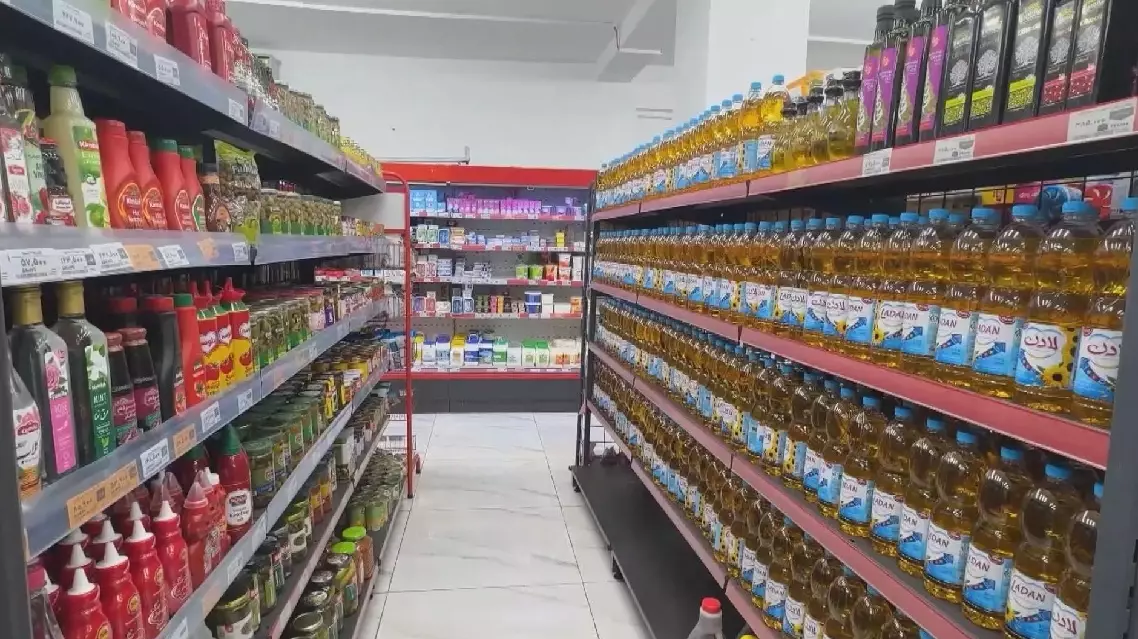
Iranian president says government focusing on ensuring supplies amid protests