Voting for Japan's upper house election began on Sunday morning, with a total of 522 people running in the intensive battle between the ruling and opposition camps.
The House of Councilors is made up of 248 members with six-year terms. Elections are held every three years, with half of the seats up for grabs each time. Voters are weighing in on a total of 125 seats in Sunday's poll, including one where a contest is needed to fill a vacancy.
Currently, the ruling Liberal Democratic Party and its junior ruling partner Komeito have 75 seats that are not up for re-election. Therefore, the embattled coalition, which faces bad media poll numbers, must secure 50 seats in this election to maintain a majority in the 248-seat chamber.
The bar is seen as relatively low for the ruling bloc, which controlled the upper chamber before the election, although Prime Minister Shigeru Ishiba, hit by low public support amid daunting challenges, such as rising prices and hefty U.S. tariffs, has described it as not an easy undertaking.
In the October 2024 general election, the ruling coalition lost its majority in the more powerful House of Representatives, or the lower house, forcing Ishiba to form Japan's first minority government in over three decades.
If the ruling coalition fails to hold onto an upper house majority this time, it will become extremely difficult for Ishiba to continue managing his administration, local media reported.
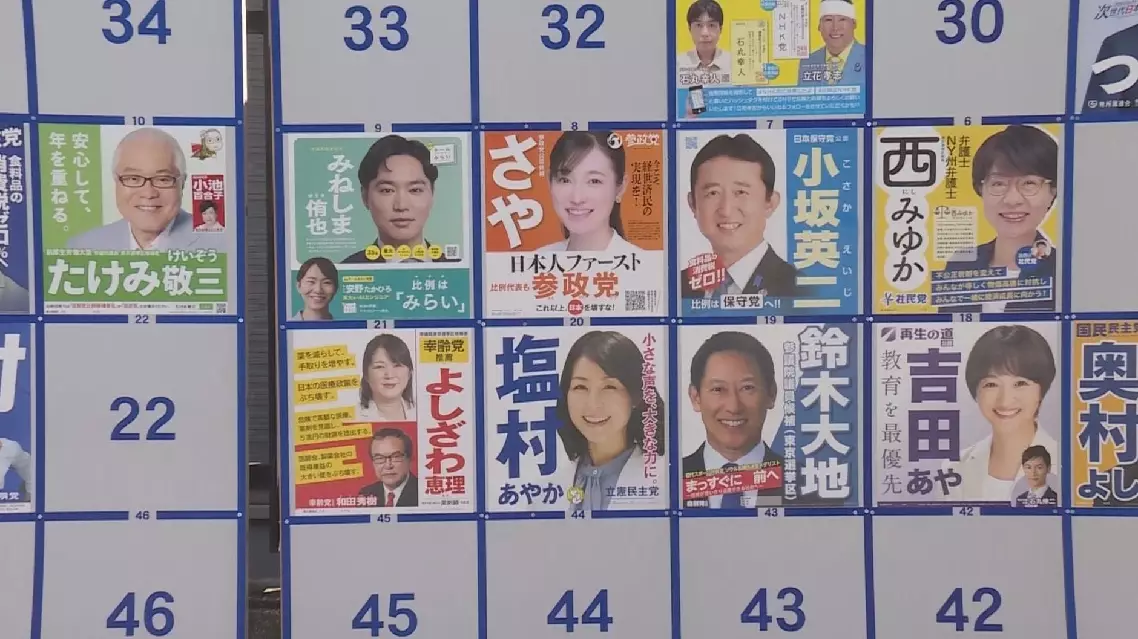
Voting for Japan's upper house election starts
The airstrike conducted by Saudi-led coalition targeting the port of Mukalla in Yemen's oil-rich Hadramout province early Tuesday morning has caused severe damage to nearby residential buildings and left locals terrified.
According to the coalition, the strike targeted weapons and combat vehicles allegedly unloaded at the port from two unauthorized ships that arrived from the port of Fujairah in the United Arab Emirates (UAE) over the weekend.
Coalition spokesman Turki Al Maliki said the vessels had disabled their tracking systems and delivered a large cache of arms intended to bolster the Southern Transitional Council (STC) in Yemen's Hadramout and Al-Mahra provinces, a move he described as a "clear violation" of the UN Security Council Resolution 2216 of 2015.
He said the operation was conducted in accordance with international humanitarian law and its customary rules, ensuring that no collateral damage occurred.
However, local residents offered a different account, describing scenes of chaos and destruction in the pre-dawn hours following the strike.
"As you can see, this is the severe damage that occurred to our home as a result of the airstrike that targeted the Mukalla port, specifically military vehicles that were next to the house, about 20 to 40 meters away. At exactly 04:30, the location was targeted with a surprise airstrike, and we were shocked by the sudden violent explosions," said Salem Ali Al-Haj Zaid, a local resident.
Another resident, Um Ali, described the psychological toll on children.
"The children kept crying from the time of the strike until morning. Poor things, they were shocked, scared and unable to sleep again," said Ali.
The strike hit especially hard for Um Mohammed, a widow living on the top floor of a residential building near the port.
"We were terrified. My mother is old. The most damage was to the floor of the building where I live, and I am a widow. Who will compensate us for this?" said Mohammed.
The reported attacks come amid heightened military escalation in Hadramout, where Saudi-backed Yemeni government forces have warned of possible military action following the STC's refusal to withdraw its forces from the governorate.
Meanwhile, the Saudi-led coalition called on all civilians to immediately evacuate the port of Mukalla to ensure their safety, according to the Saudi state news agency SPA.
Mukalla, the capital of Hadramout governorate, is a key port city on Yemen's southeastern coast, with strategic and economic value.
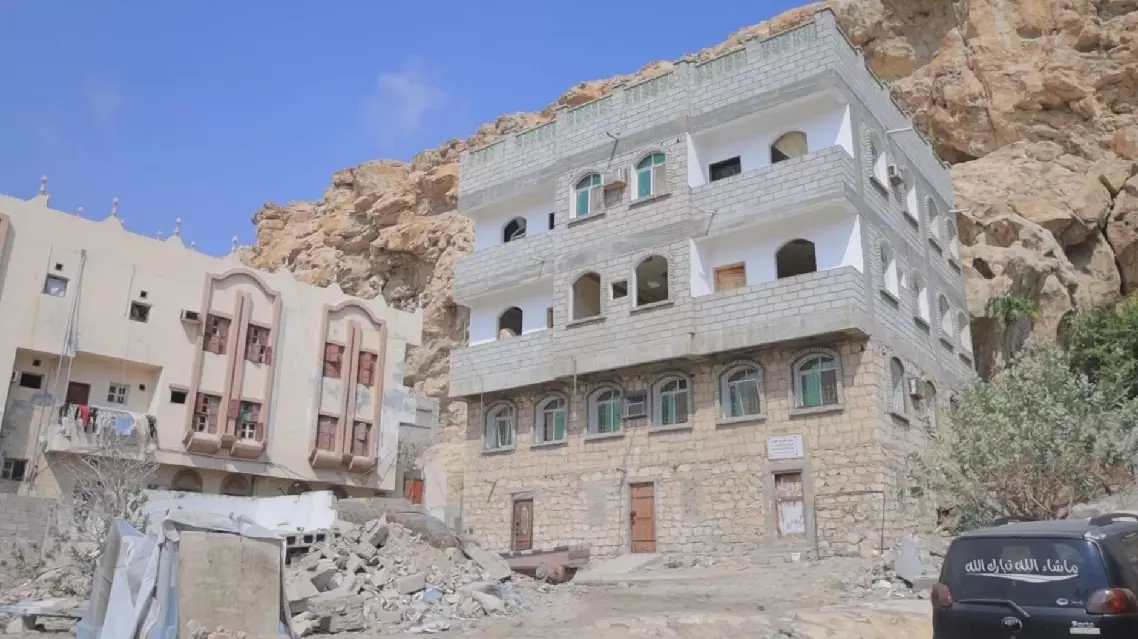
Saudi-led airstrike on Yemen's Mukalla port damages homes, sparking fear among locals