Years of extensive study on the iconic Potala Palace have yielded fruitful results, paving the way for the future preservation of this treasure trove of Tibetan history, culture and art in southwest China's Xizang Autonomous Region.
A ceremony was held at the palace in Lhasa, the regional capital, on Sunday to release the achievements of the study, which was undertaken by the Management Office of the Potala Palace under the guidance of the Xizang Autonomous Region Bureau of Cultural Heritage.
The results, contained in a series of books, cover the history of the palace which dates back over 1,300 years, the distinctive styles of its frescoes, the protection of its rich collection, and the detailed information about its tourist attractions.
Perched atop Mount Marpori (meaning "red hill" in Tibetan) in central Lhasa, the Potala Palace is the world's highest ancient palace, at an altitude of 3,700 meters above sea level at the topmost point.
The palace was first built by then Tibetan King Songtsen Gampo in the seventh century and expanded in the 17th century.
As an outstanding representative of Tibetan architecture, the complex was included on the UNESCO World Heritage List in 1994.
The Potala Palace holds a collection of invaluable scriptures, historical documents and precious relics, including statues, paintings and frescoes. It is considered a must-see place in Xizang by tourists from around the world.
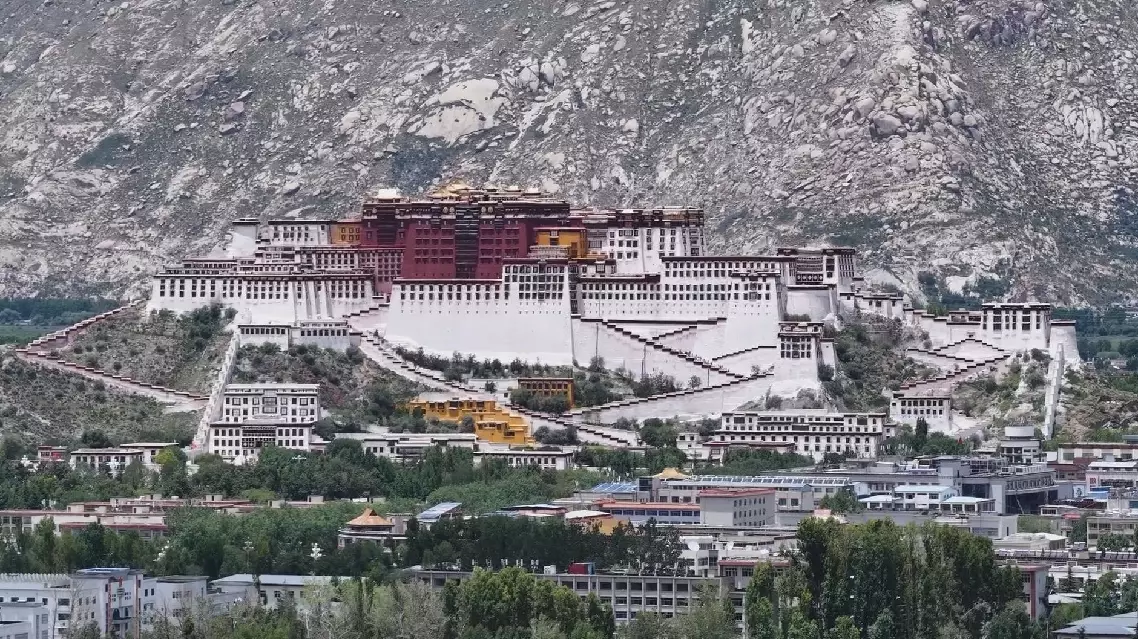
Study results on Potala Palace released in Lhasa
American Nobel laureate James Heckman said he remains positive and optimistic about China's development, as the Chinese have always been pragmatic and realistic.
Heckman, an American economist who won the Nobel Prize in Economics in 2000, shared his views on China and the Chinese people in an exclusive interview with China Media Group (CMG) in Beijing, which was released on Friday.
"I think it comes from several forces, dealing with the Chinese and seeing the vitality in the society. And I think there is a fundamental energy there. The elements are there, the vitality is there in terms of the industries, the universities. The country's vital, the people are intelligent, the society is rich in a fundamental way. The Chinese have always been very pragmatic, and they are very realistic," he said.
Heckman said what makes him admire about the Chinese people is their virtues and values.
"Look at China as a place that has a deep sense of values. Hard work and the values that I think are truly virtues, character values. But, see, China also has a chip on its shoulder, it does. It had a chip on its shoulder since the 1840s, the Opium War, right? And so there's a sense that you can see it, and I don't mind, that's kind of good. Because they're getting stronger and stronger and you can't help but admire it in the sense that, yes, they are stronger, and they're doing things much more wisely in many ways than what we're doing," Heckman said.
"So there's a sense in which there's more of a sense of purpose in China. Most of the Chinese students that I deal with and people I deal with, even though they may disagree on details, have this sense of unity and pride in China. And I think that's lacking with a lot of Americans," he said.
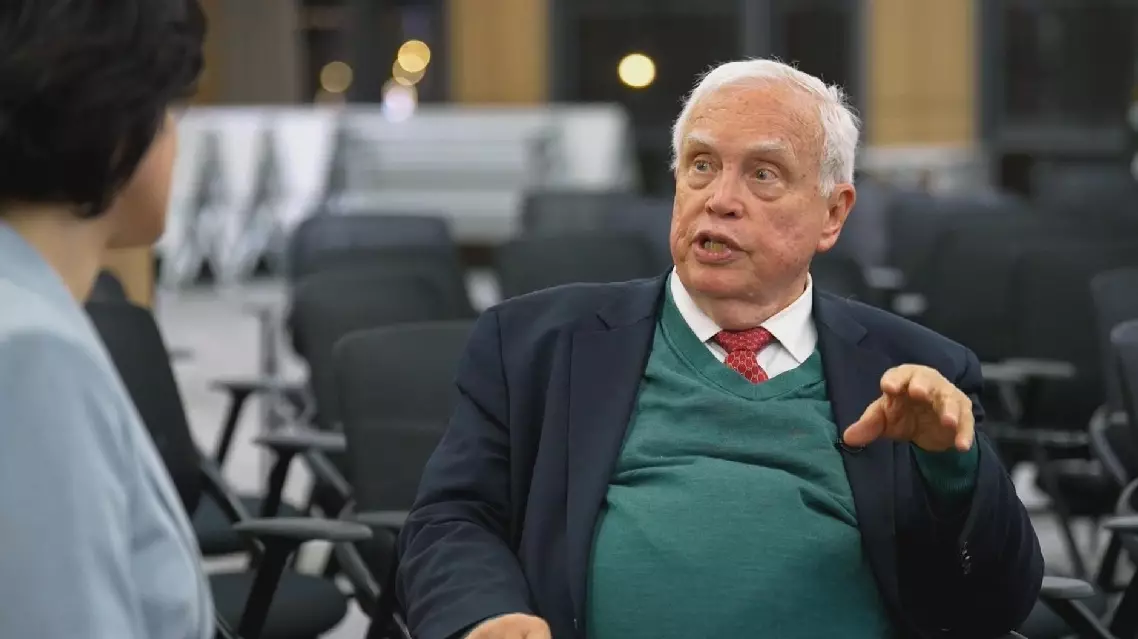
U.S. Nobel laureate optimistic about China's development