WASHINGTON (AP) — Republicans are encountering early headaches in Senate races viewed as pivotal to maintaining the party’s majority in next year's midterm elections, with recruitment failures, open primaries, infighting and a president who has been sitting on the sidelines.
Democrats still face an uphill battle. They needs to net four seats to retake the majority, and most of the 2026 contests are in states that Republican President Donald Trump easily won in November.
Click to Gallery
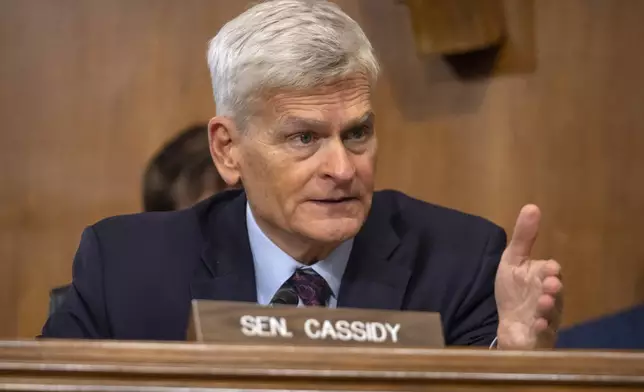
Sen. Bill Cassidy, R-La., speaks during a hearing of the Senate Committee on Energy and Natural Resources on Capitol Hill, Thursday, July 10, 2025, in Washington. (AP Photo/Mark Schiefelbein)
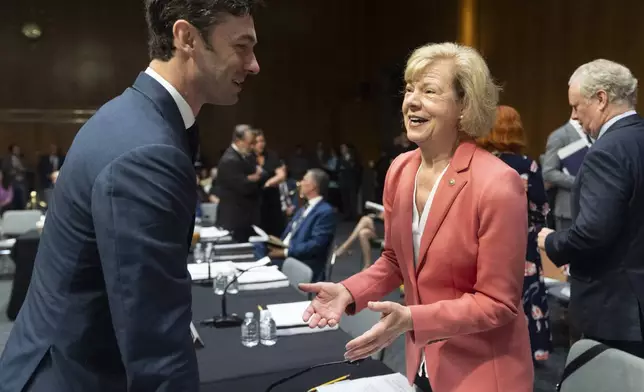
Sens. Jon Ossoff, D-Ga., left, and Sen. Tammy Baldwin, D-Wis., talk before the start of the Senate Appropriations full committee markup of commerce, justice, science, agriculture, rural development, FDA, the Legislative Branch Appropriations Acts and other bills on Capitol Hill in Washington, Thursday, July 10, 2025. (AP Photo/Manuel Balce Ceneta)
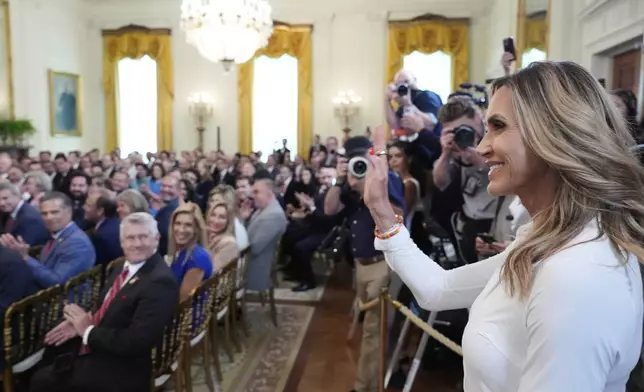
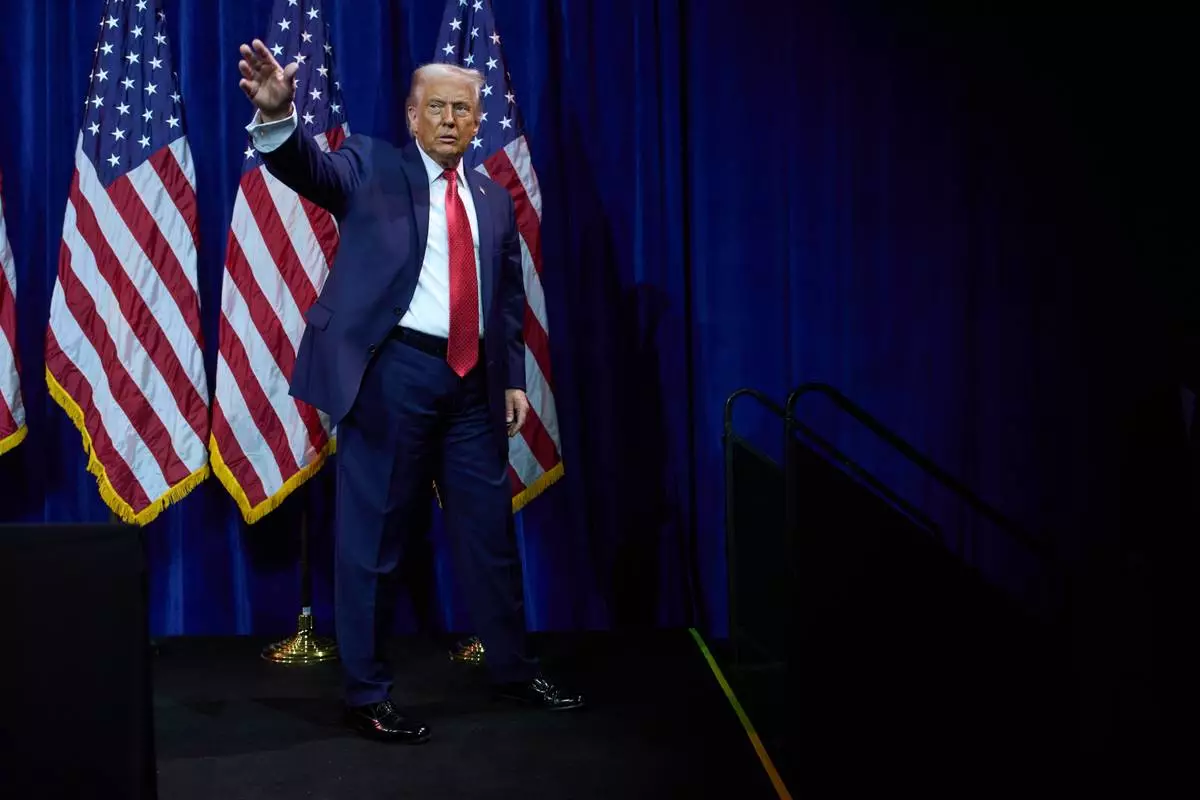
Lara Trump waves to the audience as President Donald Trump speaks at an event for the signing of the GENIUS Act, a bill that regulates stablecoins, a type of cryptocurrency, in the East Room of the White House, Friday, July 18, 2025, in Washington. (AP Photo/Alex Brandon)
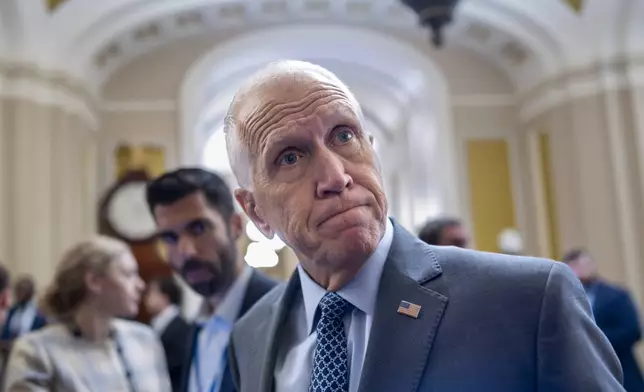
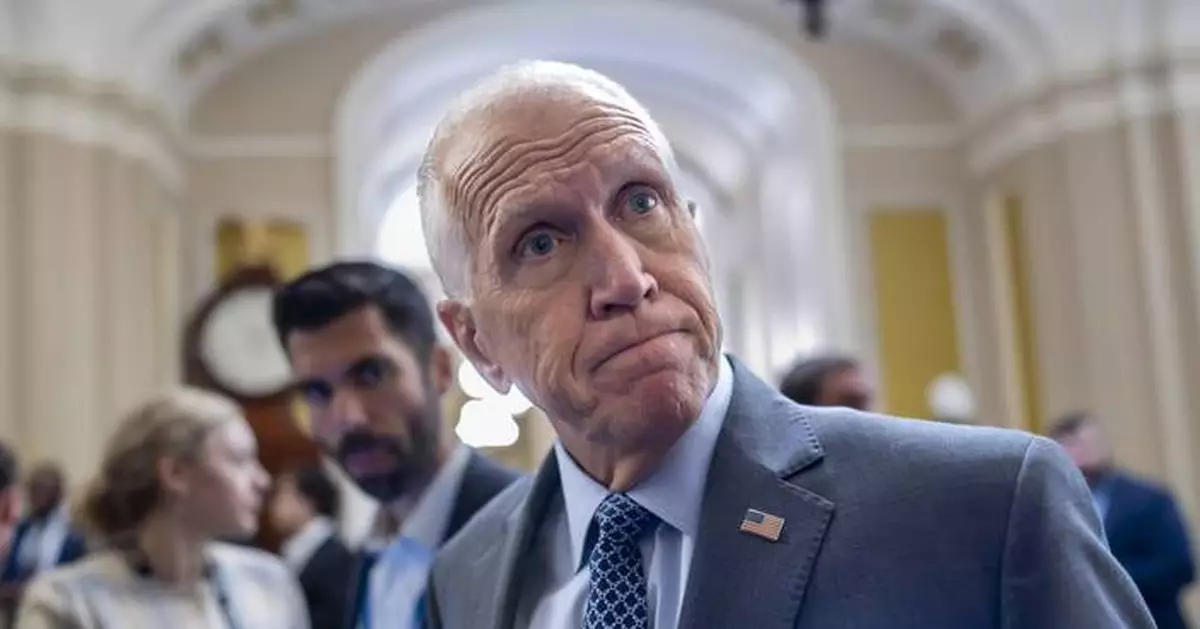
Sen. Thom Tillis, R-N.C., a member of the Senate Banking Committee, tells reporters that it would be a mistake for President Donald Trump to fire Federal Reserve Chair Jerome Powell, during a vote in the Senate, at the Capitol in Washington, Wednesday, July 16, 2025. (AP Photo/J. Scott Applewhite)
But Democrats see reasons for hope in Republicans’ challenges. They include a nasty primary in Texas that could jeopardize a seat Republicans have held for decades. In North Carolina and Georgia, the party lacks a clear field of candidates. Trump’s influence dials up the uncertainty in several states as he decides whether to flex his influential endorsement to stave off intraparty fights.
Republicans stress that it remains early in the cycle and say there is plenty of time left for candidates to establish themselves and Trump to wade in.
A look at what is happening in some key Senate races:
Democrats have long dreamed of winning statewide office in this ruby red state. Could a nasty GOP primary be their ticket?
National Republicans and Senate strategists are worried that state Attorney General Ken Paxton, who is facing a bevy of personal and ethical questions, could beat Sen. John Cornyn for the nomination.
They fear Paxton would be a disastrous general election candidate, forcing Republicans to invest tens of millions of dollars they would rather spend elsewhere.
But Cornyn has had a cool relationship with Trump over the years, while Paxton long has been a loyal Trump ally. And Paxton raised more than three times as much as Cornyn in the second quarter, $2.9 million compared with $804,000, according to Federal Elections Commission reports.
Rep. Wesley Hunt of Texas is also weighing a run.
Will Trump be persuaded to endorse or will he choose to steer clear?
The surprise retirement announcement by two-term Sen. Thom Tillis has set off a frenzied search for a replacement in a state widely seen as Democrats’ top pickup opportunity. He had repeatedly clashed with Trump, including over Medicaid changes in the tax cut bill, leading the president to threaten to back a primary challenger.
All eyes are now on Lara Trump, the president’s daughter-in-law, who is mulling whether to run in her home state as other potential candidates stand by.
Having a Trump on the ballot could boost a party that has struggled to motivate its most fervent base when Donald Trump is not running. But Lara Trump currently lives in Florida and has so far sounded muted on the prospect.
Others possible contenders include RNC chair Michael Whatley, who led North Carolina’s GOP before taking the national job, and first-term Reps. Pat Harrigan and Brad Knott.
Democrats are waiting on a decision from former two-term Gov. Roy Cooper, seen as a formidable candidate by both parties in a state Trump carried by just 3.2 percentage points last year.
Republicans see Georgia and the seat held by Democrat Jon Ossoff as one of their top pickup opportunities next year. But the party remains in search of a well-known challenger after failing to persuade term-limited Gov. Brian Kemp to run.
A growing potential field includes Reps. Buddy Carter, Mike Collins and Rich McCormick, Insurance Commissioner John King and Derek Dooley, a former University of Tennessee football coach.
Ossoff took in more than $10 million in the second quarter of the year, according to FEC filings, after raising $11 million from January through March. He ended June with more than $15.5 million cash on hand.
Republicans hope the retirement of Democratic Sen. Gary Peters and a crowded, expensive Democratic primary, will help them capture a seat that has eluded them for more than three decades. Here, too, all eyes are on Trump.
Republicans are rallying around former Rep. Mike Rogers, who came within 20,000 votes in 2024 of ending that losing streak. But other Republicans could complicate things. Rep. Bill Huizenga has said he is waiting for guidance from the president on whether he should run against Rogers.
Democrats have their own messy primary, with state Sen. Mallory McMorrow up against Rep. Haley Stevens, state Rep. Joe Tate, and former Wayne County Health Director Abdul El-Sayed.
They were pleased to see that, even without any declared challengers, Rogers’ main campaign account raised just $745,000 during the second fundraising quarter, lagging behind both Huizenga and several Democrats. (He brought in another nearly $779,000 through a separate joint fundraising committee.) McMorrow, by comparison, raised more than $2.1 million.
Republican Sen. Bill Cassidy has faced scrutiny from his party in Louisiana, in no small part for his 2021 vote to convict Trump after his second impeachment. Will Trump decide to seek retribution against the vulnerable two-term senator or ultimately back him?
Though Cassidy already faces two primary challengers, Louisiana is a reliably Republican state, which Trump won last year by 22 percentage points. Democrats are hoping a strong contender — potentially former Gov. John Bel Edwards, who has attracted Republican votes in the past — might mount a competitive challenge.
Republicans are awaiting word on whether Rep. Julia Letlow will run. In May, Gov. Jeff Landry and Trump privately discussed the two-term congresswoman entering the race.
Beaumont reported from Des Moines, Iowa.
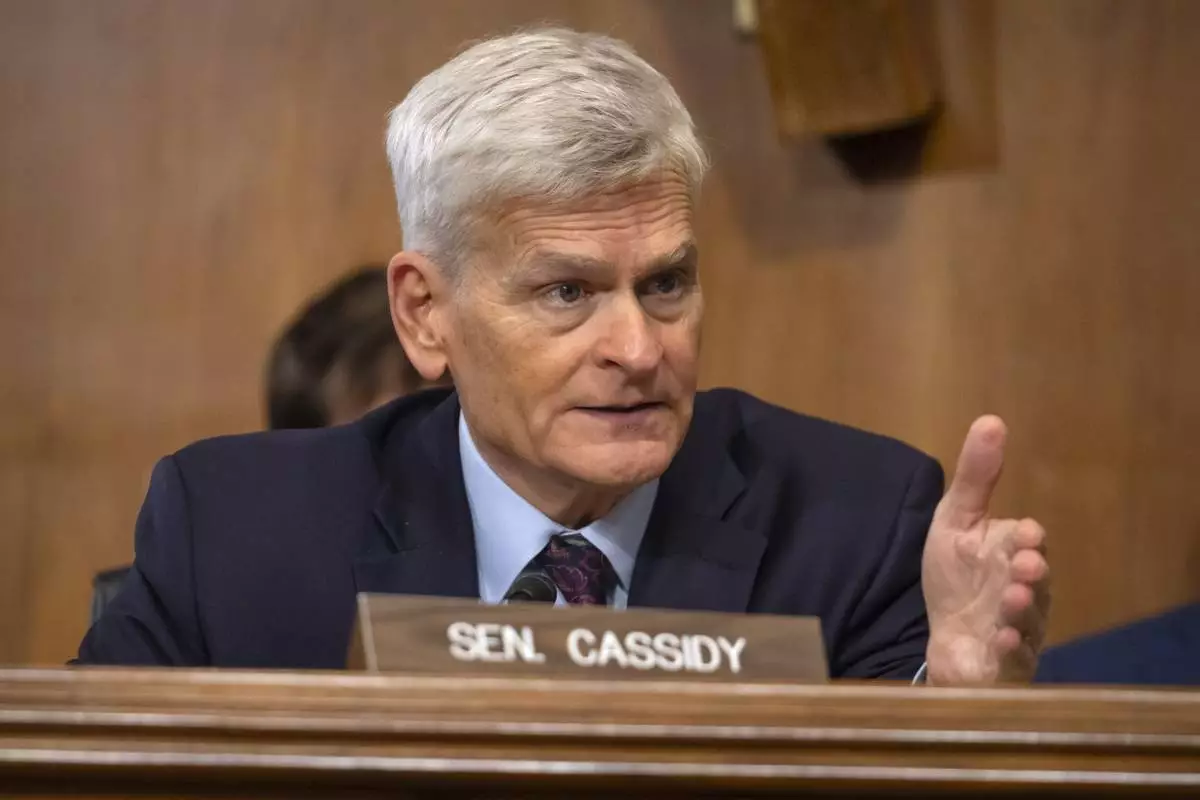
Sen. Bill Cassidy, R-La., speaks during a hearing of the Senate Committee on Energy and Natural Resources on Capitol Hill, Thursday, July 10, 2025, in Washington. (AP Photo/Mark Schiefelbein)
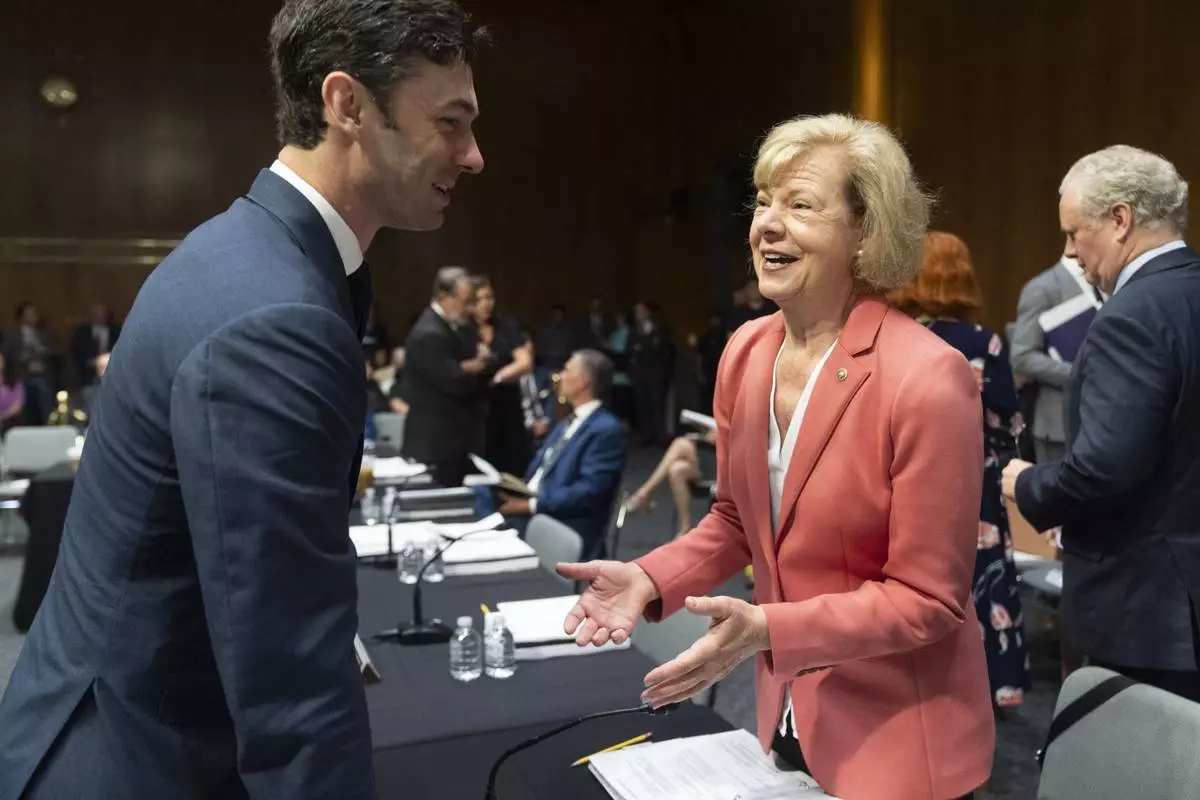
Sens. Jon Ossoff, D-Ga., left, and Sen. Tammy Baldwin, D-Wis., talk before the start of the Senate Appropriations full committee markup of commerce, justice, science, agriculture, rural development, FDA, the Legislative Branch Appropriations Acts and other bills on Capitol Hill in Washington, Thursday, July 10, 2025. (AP Photo/Manuel Balce Ceneta)

Lara Trump waves to the audience as President Donald Trump speaks at an event for the signing of the GENIUS Act, a bill that regulates stablecoins, a type of cryptocurrency, in the East Room of the White House, Friday, July 18, 2025, in Washington. (AP Photo/Alex Brandon)
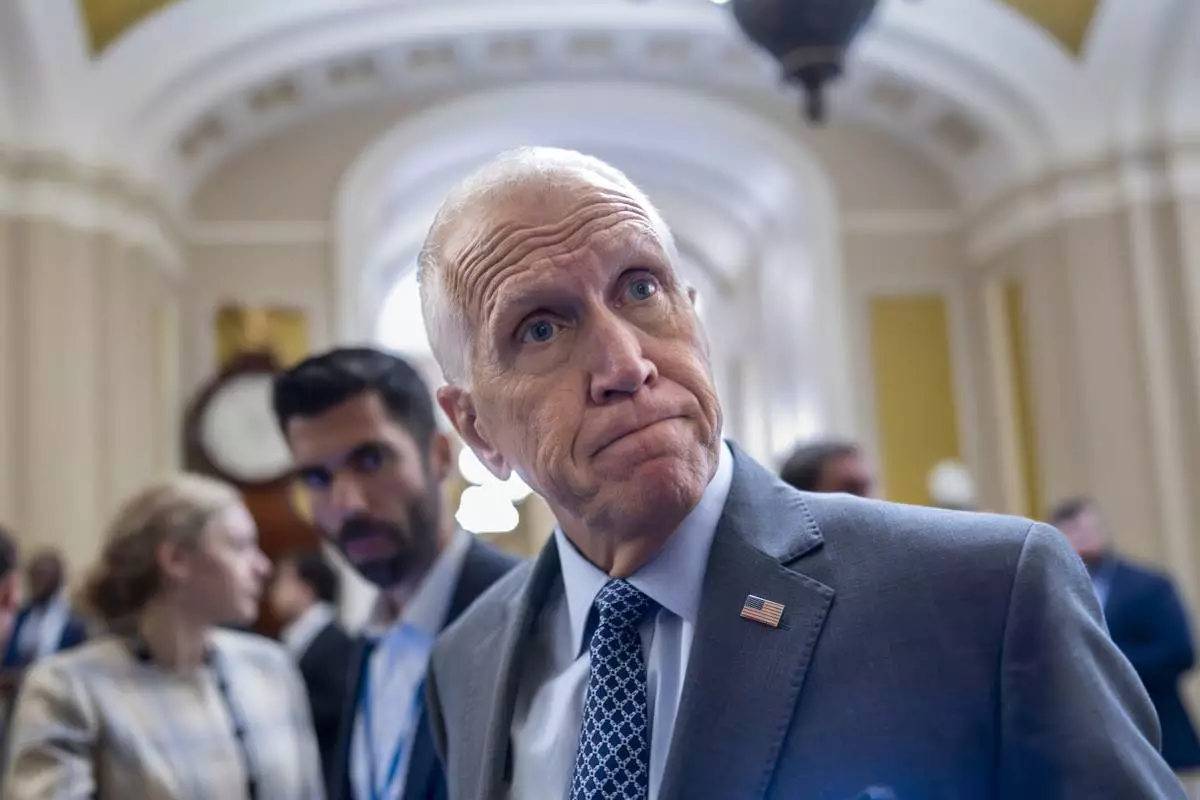
Sen. Thom Tillis, R-N.C., a member of the Senate Banking Committee, tells reporters that it would be a mistake for President Donald Trump to fire Federal Reserve Chair Jerome Powell, during a vote in the Senate, at the Capitol in Washington, Wednesday, July 16, 2025. (AP Photo/J. Scott Applewhite)