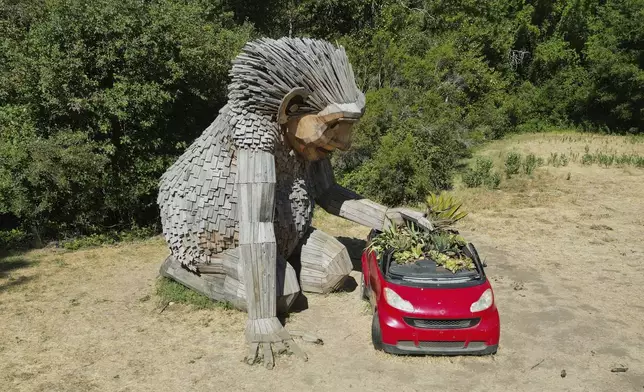
WOODSIDE, Calif. (AP) — Nestled in forests around the world, a gentle army of giant wooden trolls want to show humans how to live better without destroying the planet.
The Danish recycle artist Thomas Dambo and his team have created 170 troll sculptures from discarded materials such as wooden pallets, old furniture and wine barrels.
Click to Gallery
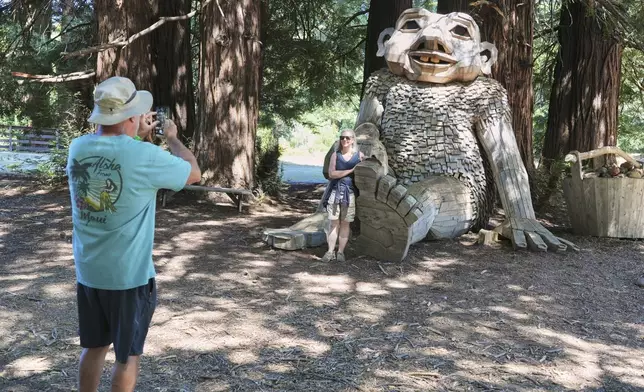
People take pictures alongside a giant troll sculpture created by the Danish recycle artist Thomas Dambo and his team that's part of an installation of six sculptures called "Trolls Save the Humans" on display at the historic estate Filoli, Saturday, July 5, 2025, in Woodside, Calif. (AP Photo/Terry Chea)
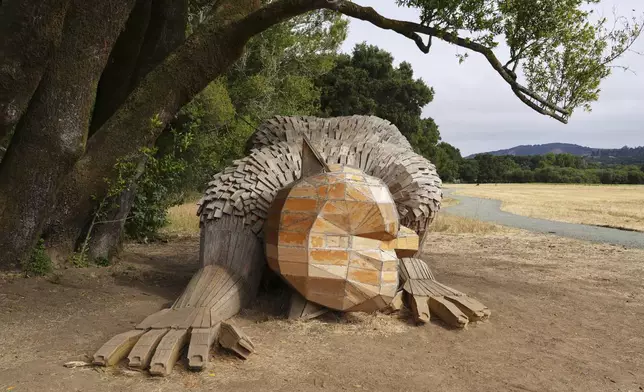
A giant troll sculpture created by the Danish recycle artist Thomas Dambo and his team that's part of an installation of six sculptures called "Trolls Save the Humans" is seen on display at the historic estate Filoli, Saturday, July 5, 2025, in Woodside, Calif. (AP Photo/Terry Chea)
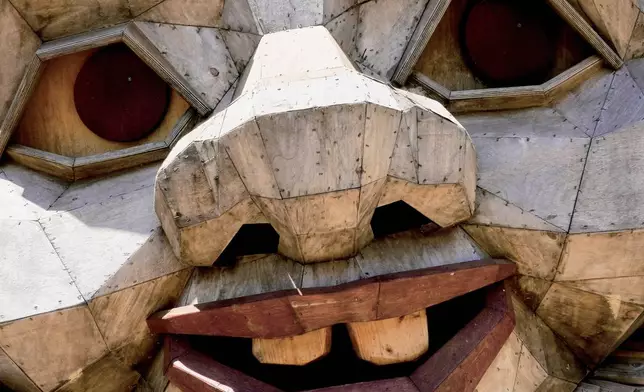
The face of a giant troll sculpture created by the Danish recycle artist Thomas Dambo and his team that's part of an installation of six sculptures called "Trolls Save the Humans" is seen on display at the historic estate Filoli, Saturday, July 5, 2025, in Woodside, Calif. (AP Photo/Terry Chea)
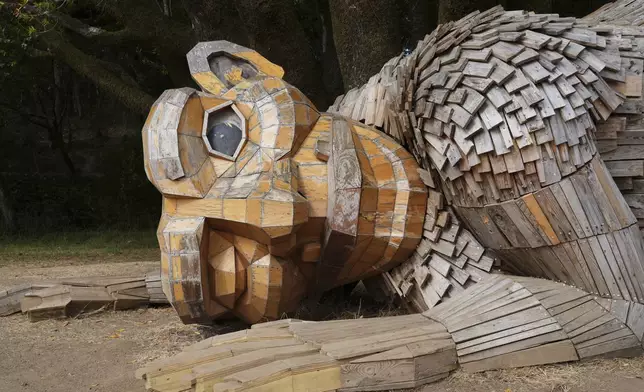
A giant troll sculpture created by the Danish recycle artist Thomas Dambo and his team that's part of an installation of six sculptures called "Trolls Save the Humans" is seen on display at the historic estate Filoli, Saturday, July 5, 2025, in Woodside, Calif. (AP Photo/Terry Chea)
A giant troll sculpture created by the Danish recycle artist Thomas Dambo and his team that's part of an installation of six sculptures called "Trolls Save the Humans" is seen on display at the historic estate Filoli, Saturday, July 5, 2025, in Woodside, Calif. (AP Photo/Terry Chea)
Twelve years after he started the “Trail of a Thousand Trolls” project, his sculptures can be found in more than 20 countries and 21 U.S. states. Each year Dambo and his team make about 25 new trolls, which stand up to 40 feet (12 meters) tall.
“I believe that we can make anything out of anything,” said Dambo, speaking from his farm outside Copenhagen. “We are drowning in trash. But we also know that one man’s trash is another man’s treasure.”
An installation of six sculptures called “Trolls Save the Humans” is on display at Filoli, a historic estate with 650 acres of forests and gardens in Woodside, California, about 30 miles (50 kilometers) south of San Francisco.
“They bring us back to be connected to the earth and to nature,” said Jeannette Weederman, who was visiting Filoli with her son in July.
Dambo’s trolls each have their own personality and story. At Filoli, the troll Ibbi Pip builds birdhouses, Rosa Sunfinger plants flowers and Kamma Can makes jewelry from people’s garbage.
“Each of them has a story to tell,” said Filoli CEO Kara Newport. “It inspires people to think of their own stories, what kind of creatures might live in their woods and make that connection to living beings in nature.”
Dambo’s trolls don’t like humans because they waste nature’s resources and pollute the planet. The mythical creatures have a long-term perspective because they live for thousands of years and have witnessed the destructive force of human civilizations.
But the six young trolls at Filoli have a more optimistic view of human nature. They believe they can teach people how to protect the environment.
“They want to save the humans. So they do this by teaching them how to be better humans — be humans that don’t destroy nature,” said Dambo, 45, a poet and former hip-hop artist. “They hope to save them from being eaten by the older trolls.”
Dambo's trolls are hidden in forests, mountains, jungles and grasslands throughout Europe and North America as well as countries such as Australia, Chile and South Korea. Most were built with local materials and assembled on-site by his team of craftsmen and artists with help from local volunteers.
“My exhibition now has four and a half million visitors a year globally, and it’s all made out of trash together with volunteers,” said Dambo. “That is such a huge proof of concept of why we should not throw things out, but why we should recycle it.”
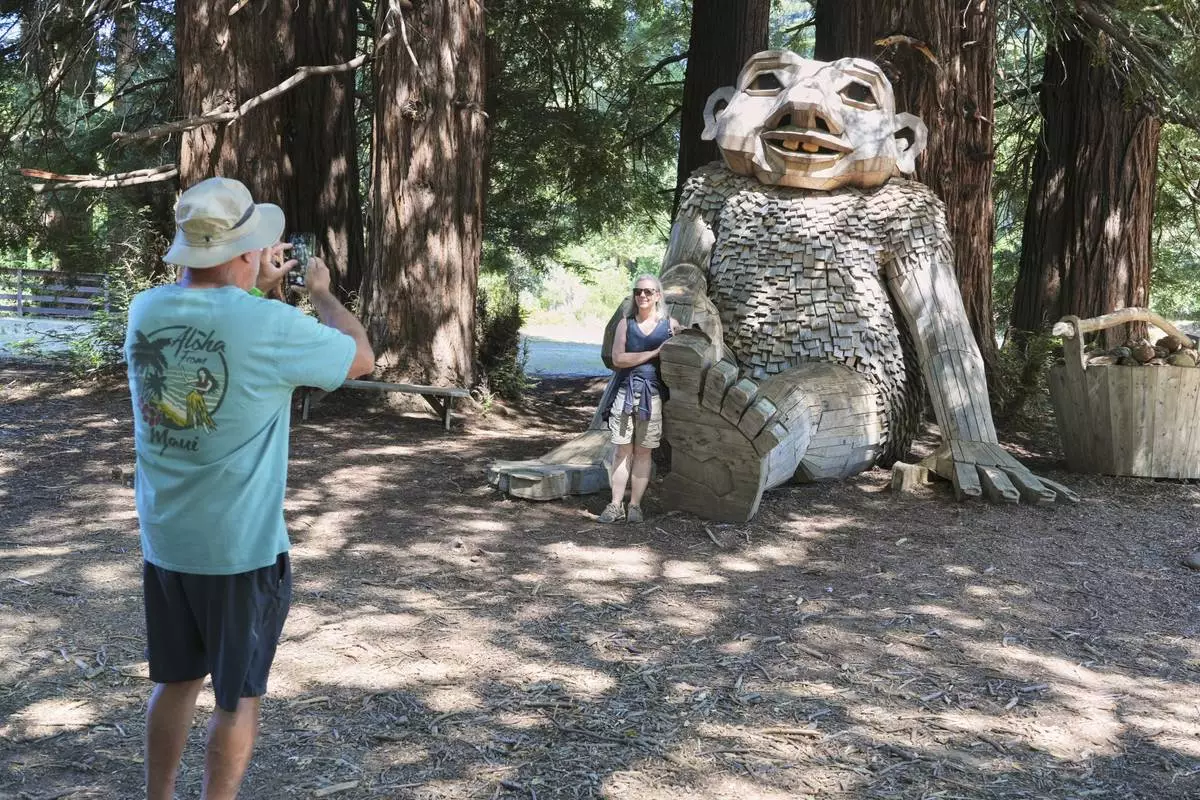
People take pictures alongside a giant troll sculpture created by the Danish recycle artist Thomas Dambo and his team that's part of an installation of six sculptures called "Trolls Save the Humans" on display at the historic estate Filoli, Saturday, July 5, 2025, in Woodside, Calif. (AP Photo/Terry Chea)
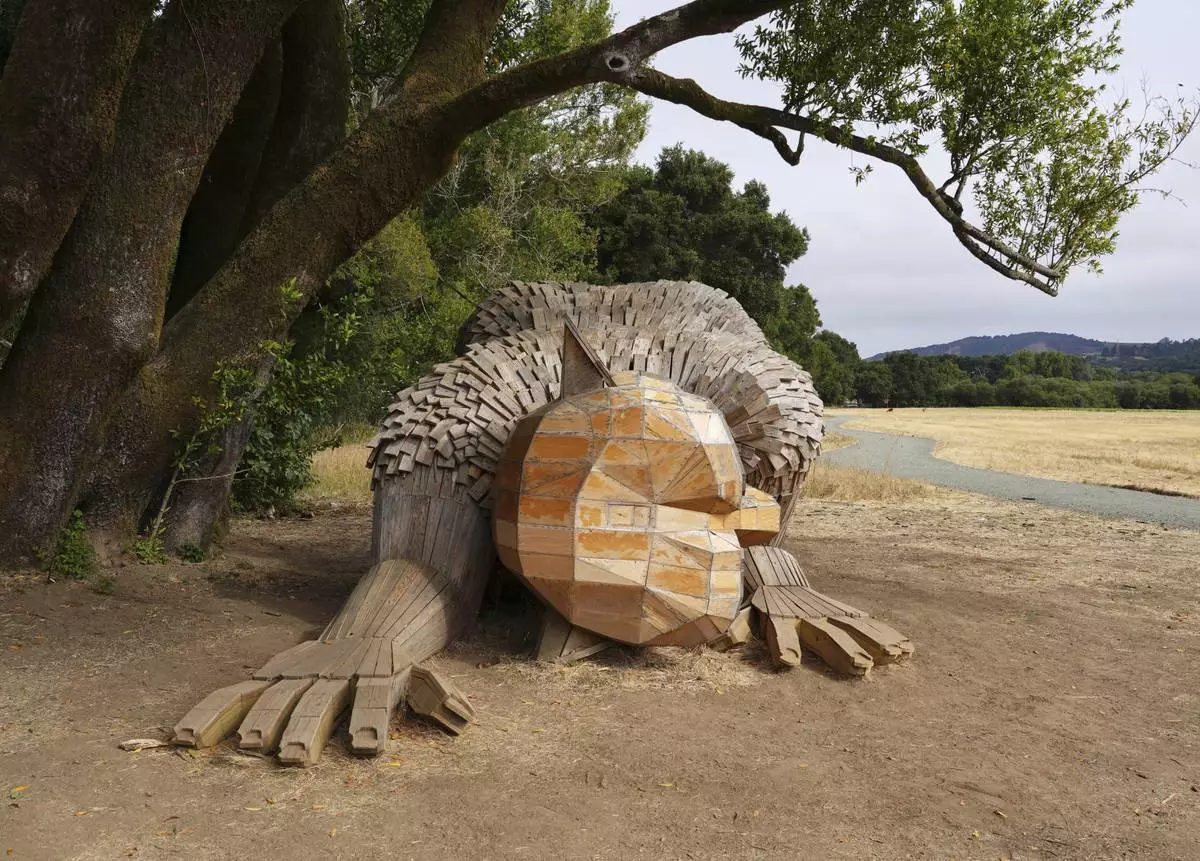
A giant troll sculpture created by the Danish recycle artist Thomas Dambo and his team that's part of an installation of six sculptures called "Trolls Save the Humans" is seen on display at the historic estate Filoli, Saturday, July 5, 2025, in Woodside, Calif. (AP Photo/Terry Chea)
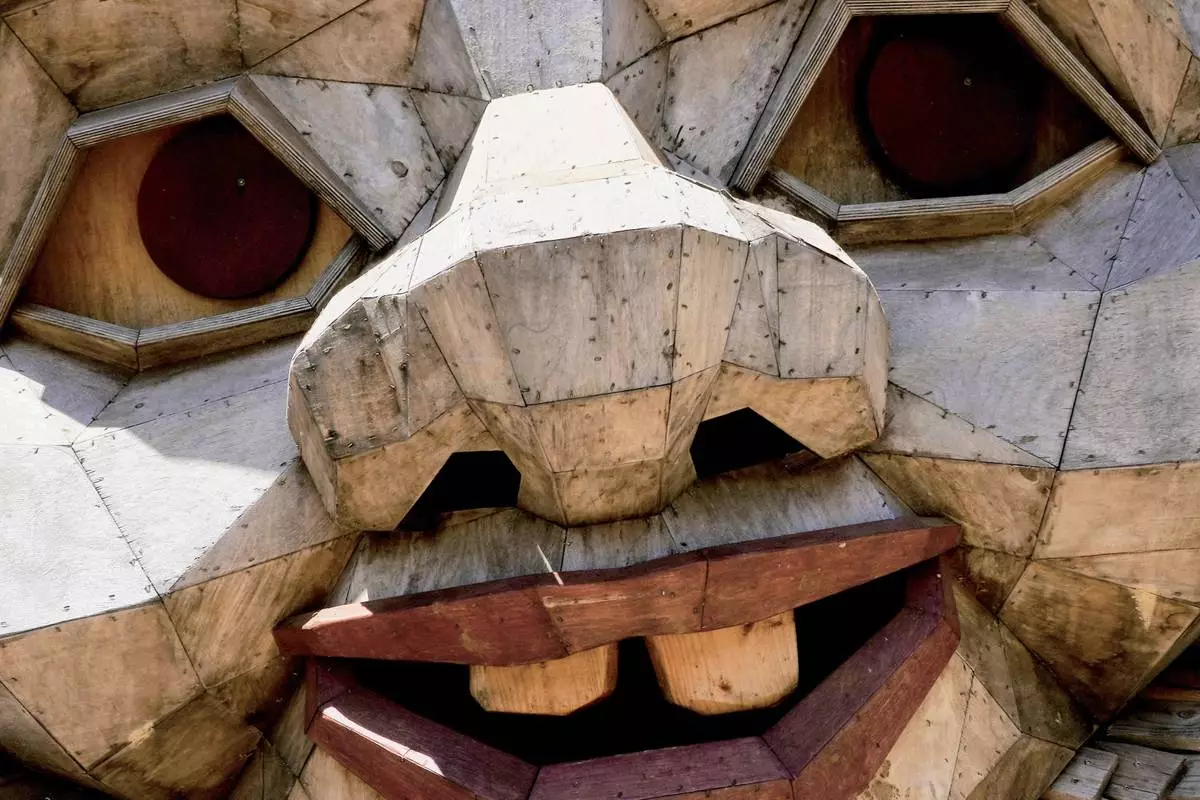
The face of a giant troll sculpture created by the Danish recycle artist Thomas Dambo and his team that's part of an installation of six sculptures called "Trolls Save the Humans" is seen on display at the historic estate Filoli, Saturday, July 5, 2025, in Woodside, Calif. (AP Photo/Terry Chea)
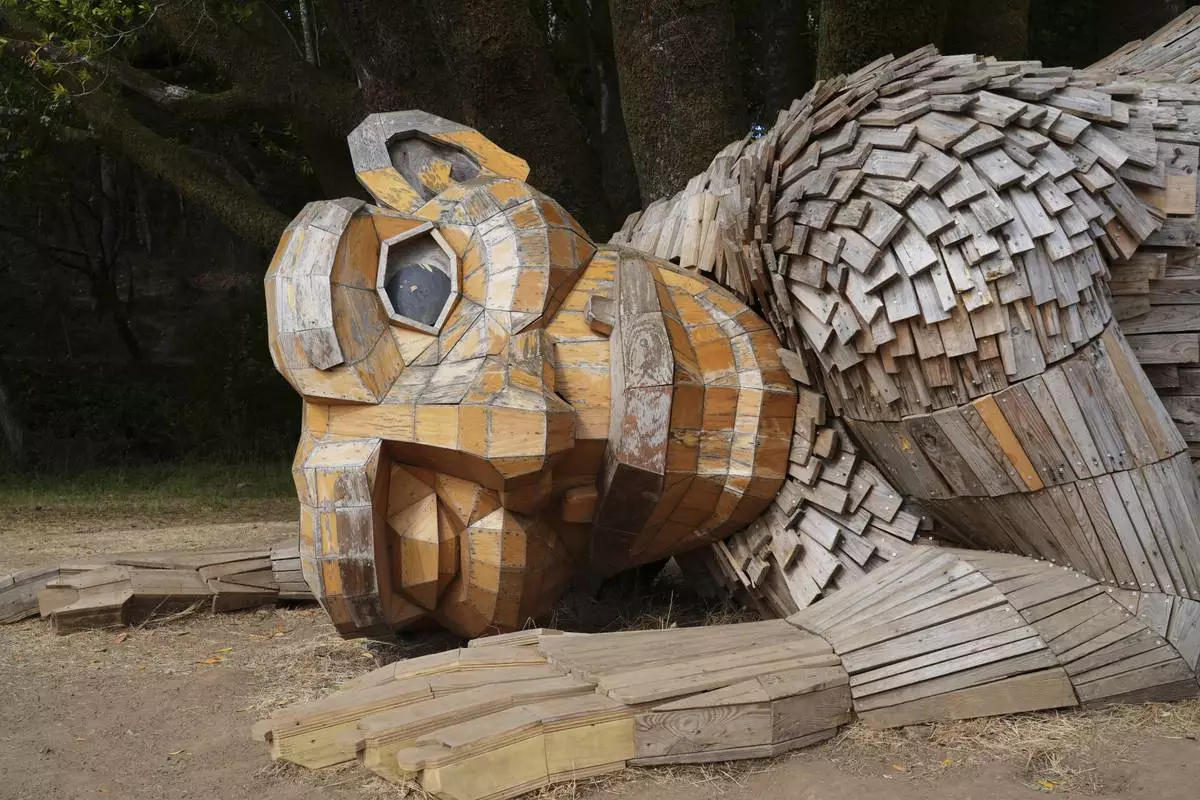
A giant troll sculpture created by the Danish recycle artist Thomas Dambo and his team that's part of an installation of six sculptures called "Trolls Save the Humans" is seen on display at the historic estate Filoli, Saturday, July 5, 2025, in Woodside, Calif. (AP Photo/Terry Chea)
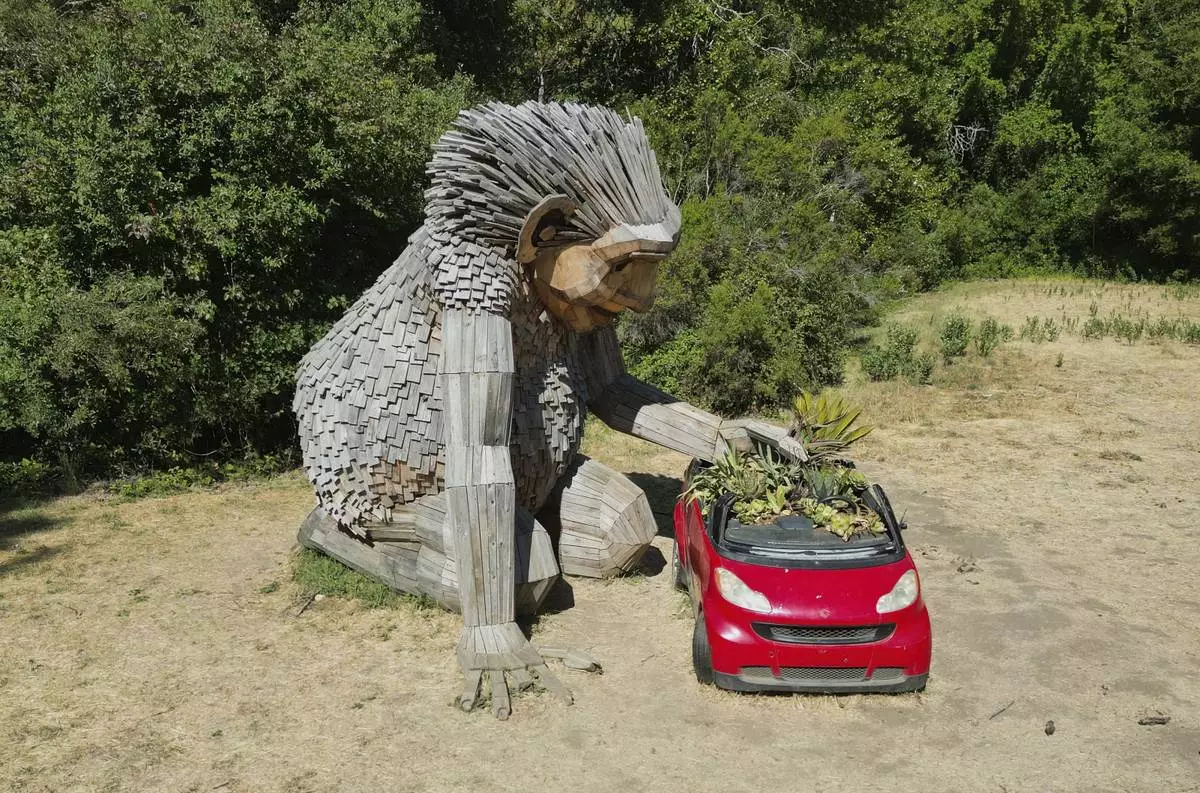
A giant troll sculpture created by the Danish recycle artist Thomas Dambo and his team that's part of an installation of six sculptures called "Trolls Save the Humans" is seen on display at the historic estate Filoli, Saturday, July 5, 2025, in Woodside, Calif. (AP Photo/Terry Chea)
WASHINGTON (AP) — President Donald Trump signed an executive order Thursday that could reclassify marijuana as a less dangerous drug and open new avenues for medical research, a major shift in federal drug policy that inches closer to what many states have done.
The switch would move marijuana away from its current classification as a Schedule I drug, alongside heroin and LSD. Cannabis would instead be a Schedule III substance, like ketamine and some anabolic steroids.
Reclassification by the Drug Enforcement Administration would not make it legal for recreational use by adults nationwide, but it could change how the drug is regulated and reduce a hefty tax burden on the cannabis industry.
The Republican president said he had received a deluge of phone calls supporting the move and its potential to help patients. “We have people begging for me to do this. People that are in great pain,” he said.
Similarly, the Justice Department under Trump’s Democratic predecessor, Joe Biden, proposed reclassifying marijuana to a Schedule III substance. Unlike Biden, Trump did not have open encouragement from across his party for the move. Some Republicans have spoken out in opposition to any changes and urged Trump to maintain current standards.
Such a switch typically requires an arduous process, including a public comment period that has drawn tens of thousands of reactions from across the U.S. The DEA was still in the review process when Trump took office in January. Trump’s order is expected to speed the process along, though it was not immediately clear how long it might take.
Medical marijuana is now allowed by 40 states and Washington, D.C., and many states have also legalized it for recreational use. But U.S. laws have remained stricter, potentially leaving people subject to federal prosecution.
Polling from Gallup shows more Americans back a less restrictive approach: Support for marijuana legalization has grown from just 36% in 2005 to 64% this year. Yet that’s down slightly from a couple of years ago, primarily because of declining support among Republicans, Gallup said.
Trump’s order also calls for expanded research and access to CBD, a legal and increasingly popular hemp-derived product whose benefits are debated by experts.
A new Medicare pilot program would allow older adults to access legal hemp-derived CBD at no cost, if recommended by a doctor, said Dr. Mehmet Oz, who heads the Centers for Medicare and Medicaid Services.
Still, the marijuana changes are not universally welcomed. More than 20 Republican senators, several of them staunch Trump allies, signed a letter this year urging the president to keep marijuana a Schedule I drug.
Led by North Carolina Sen. Ted Budd, the group argued that marijuana continues to be dangerous and that a shift would “undermine your strong efforts to Make America Great Again.” They argued, too, that marijuana negatively affects users' physical and mental health, as well as road and workplace safety.
“The only winners from rescheduling will be bad actors such as Communist China, while Americans will be left paying the bill,” the letter said, referring to China's place in the cannabis market.
Trump has not previously committed to another, bigger step: decriminalizing marijuana. He once said as a candidate that it should remain a state-by-state issue.
In the early days of the second Trump administration, the Justice Department showed little interest in discussing marijuana rescheduling, which had encountered strong resistance from inside the DEA under Biden, according to a former U.S. official who spoke on the condition of anonymity in an effort to avoid retaliation.
He has made his crusade against other drugs, especially fentanyl, a feature of his second term, ordering U.S. military attacks on Venezuelan and other boats the administration insists are ferrying drugs.
He signed another executive order declaring fentanyl a weapon of mass destruction.
Jack Riley, a former deputy administrator of the DEA, backed the focus on the drug war as a national security priority, but said marijuana rescheduling sends a conflicting message.
“He’s blowing up boats in Latin America that he says are full of fentanyl and cocaine but on the other hand loosening the restrictions that will allow wider exposure to a first-level drug,” said Riley, who was in the running to lead the DEA upon Trump’s return to the White House. “That is clearly a contradiction.”
Medical marijuana has become a part of the health care environment in many states.
Currently, 30,000 licensed health care practitioners are authorized to recommend its use for more than 6 million patients for at least 15 medical conditions, the U.S. Department of Health and Human Services found.
The Food and Drug Administration has found credible scientific support for its use to treat anorexia-related medical conditions, nausea, vomiting and pain. Older adults, in particular, are using it for chronic pain, which afflicts 1 in 3 from that age group.
Barrow reported from Atlanta. Associated Press writers Seung Min Kim, Laura Ungar in Louisville, Ky., and Josh Goodman in Miami contributed to this report.
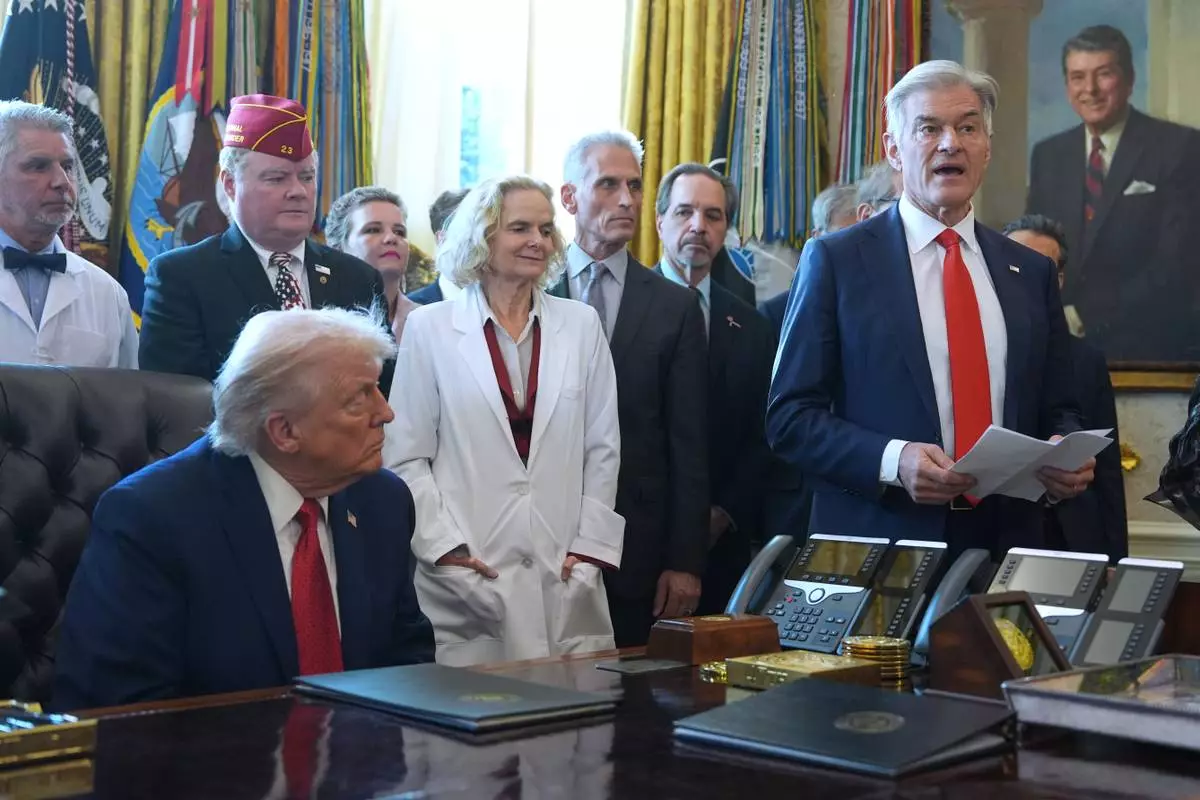
President Donald Trump listens as Centers for Medicare & Medicaid Services administrator Dr. Mehmet Oz speaks during an executive order signing in the Oval Office of the White House, Thursday, Dec. 18, 2025, in Washington. (AP Photo/Evan Vucci)
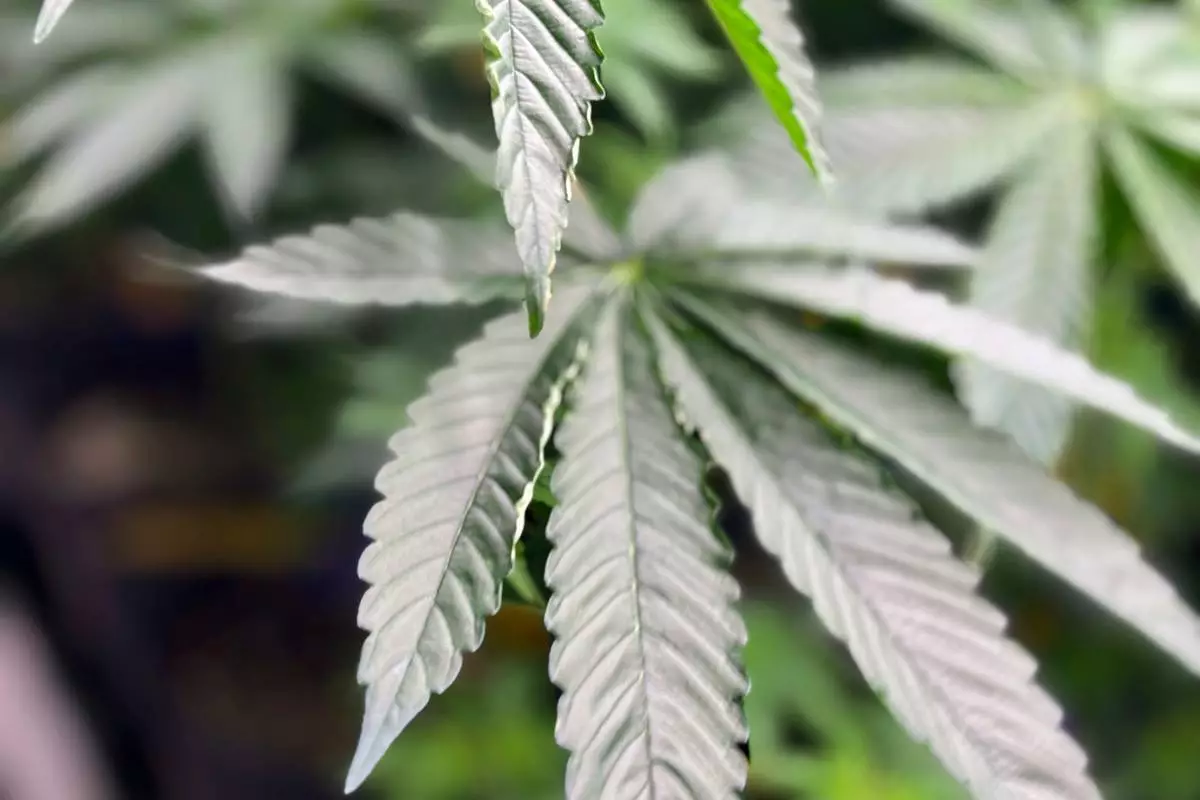
FILE - A medical marijuana plant grows at CRC on July 23, 2024, in Pike County, Ala. (AP Photo/Kim Chandler, File)
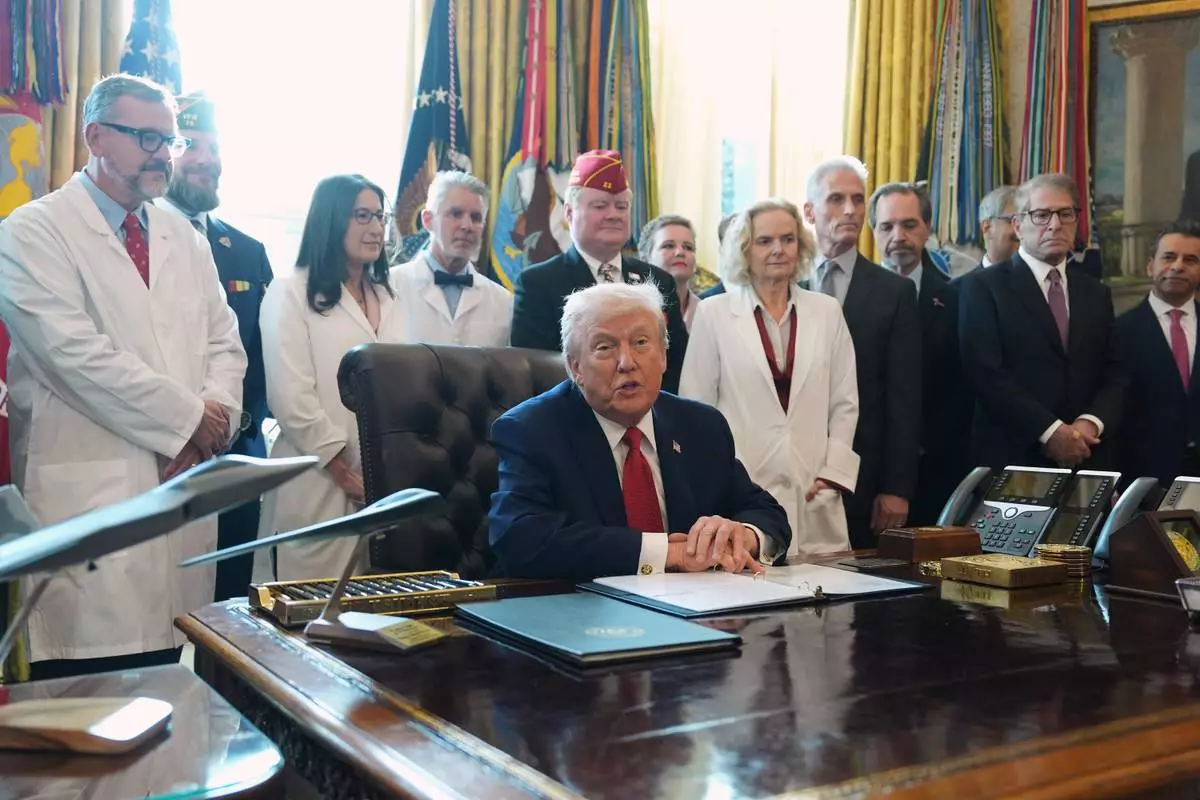
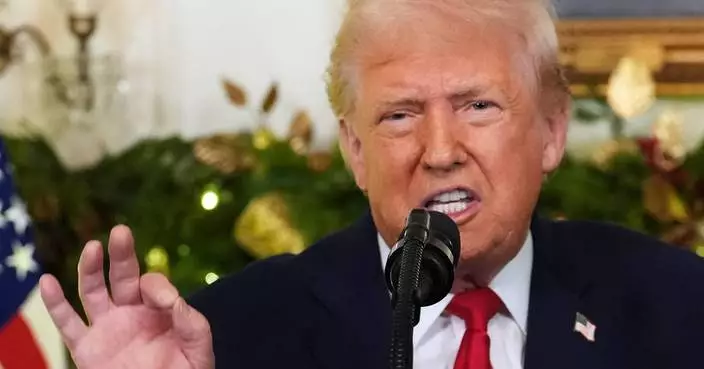
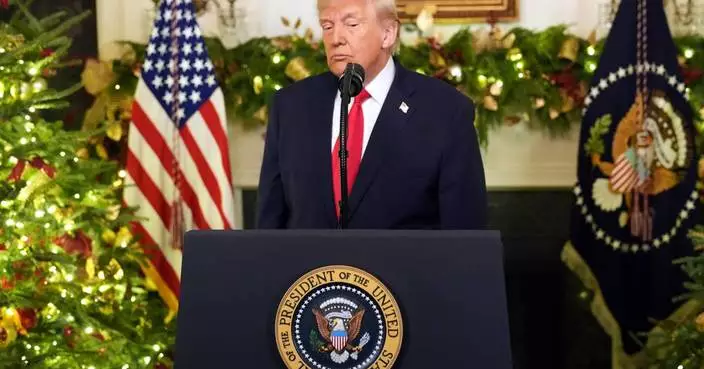
President Donald Trump speaks during an executive order signing in the Oval Office of the White House, Thursday, Dec. 18, 2025, in Washington. (AP Photo/Evan Vucci)
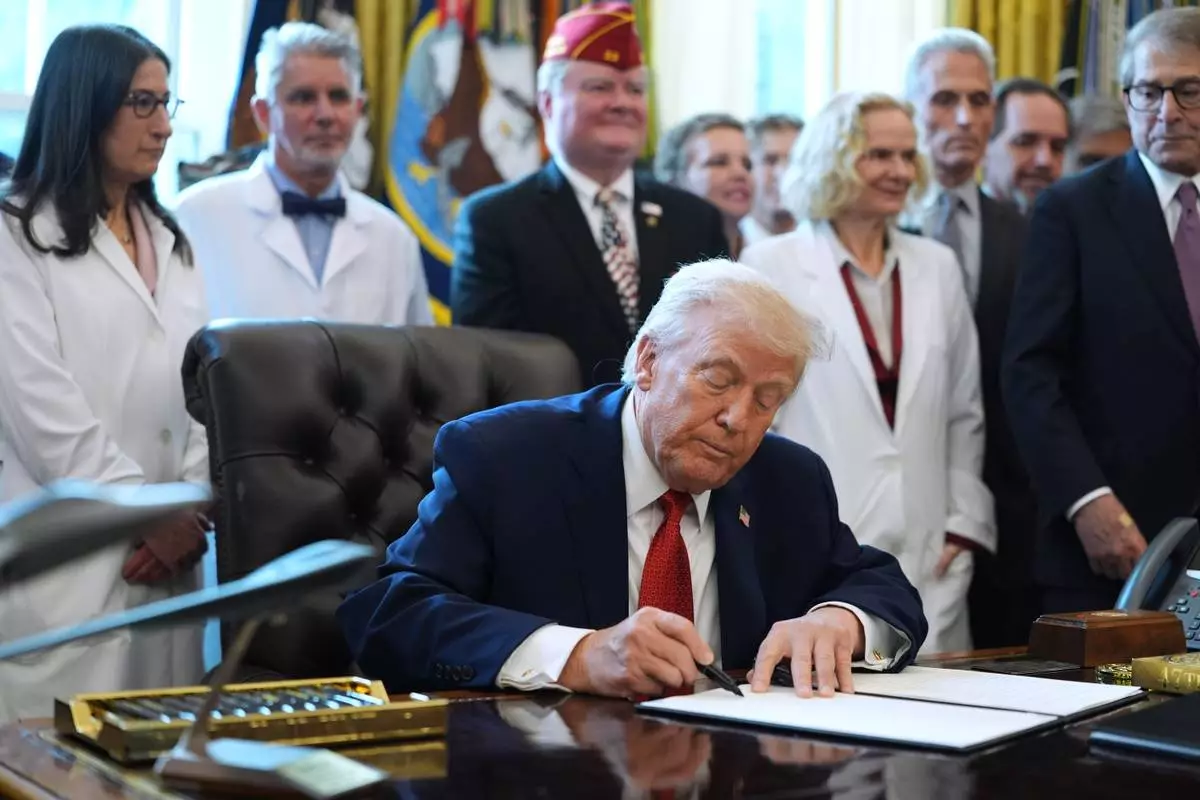
President Donald Trump signs an executive order reclassifying marijuana as a less dangerous drug in the Oval Office of the White House, Thursday, Dec. 18, 2025, in Washington. (AP Photo/Evan Vucci)
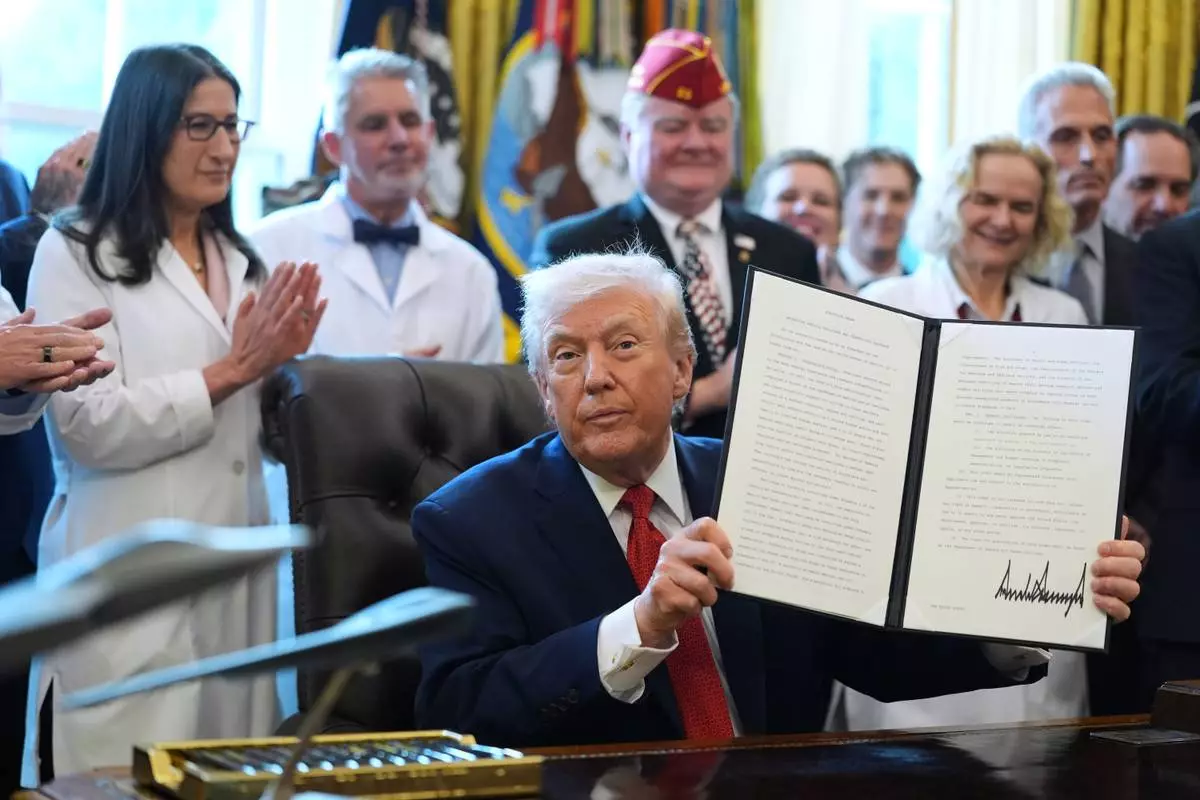
President Donald Trump displays an executive order reclassifying marijuana as a less dangerous drug in the Oval Office of the White House, Thursday, Dec. 18, 2025, in Washington. (AP Photo/Evan Vucci)