Skip to Content Facebook Feature Image

US automakers say Trump's 15% tariff deal with Japan puts them at a disadvantage

News

US automakers say Trump's 15% tariff deal with Japan puts them at a disadvantage
News

News

US automakers say Trump's 15% tariff deal with Japan puts them at a disadvantage

2025-07-24 11:02 Last Updated At:11:10

WASHINGTON (AP) — U.S. automakers worry that President Donald Trump's agreement to tariff Japanese vehicles at 15% would put them at a competitive disadvantage, saying they will face steeper import taxes on steel, aluminum and parts than their competitors.

“We need to review all the details of the agreement, but this is a deal that will charge lower tariffs on Japanese autos with no U.S. content,” said Matt Blunt, president of the American Automotive Policy Council, which represents the Big 3 American automakers, General Motors, Ford and Jeep-maker Stellantis.

Blunt said in an interview the U.S. companies and workers “definitely are at a disadvantage” because they face a 50% tariff on steel and aluminum and a 25% tariff on parts and finished vehicles, with some exceptions for products covered under the United States-Mexico-Canada Agreement that went into effect in 2020.

The domestic automaker reaction reveals the challenge of enforcing policies across the world economy, showing that for all of Trump’s promises there can be genuine tradeoffs from policy choices that risk serious blowback in politically important states such as Michigan and Wisconsin, where automaking is both a source of income and of identity.

The United Auto Workers said in a statement it was “deeply angered” by the deal. “A better deal would have held Japanese automakers to the same standards U.S. workers have fought for at GM, Ford, and Stellantis,” the UAW said.

“If this becomes the blueprint for trade with Europe or South Korea, it will be a major missed opportunity,” the union added. “We need trade deals that raise standards — not reward the race to the bottom. This deal does the opposite.”

Trump portrayed the trade framework as a major win after announcing it on Tuesday, saying it would add hundreds of thousands of jobs to the U.S. economy and open the Japanese economy in ways that could close a persistent trade imbalance. The agreement includes a 15% tariff that replaces the 25% import tax the Republican president had threatened to charge starting on Aug. 1. Japan would also put together $550 billion to invest in U.S. projects at the “direction” of the president, the White House said.

The framework with Japan will remove regulations that prevent American vehicles from being sold in that country, the White House has said, adding that it would be possible for vehicles built in Detroit to be shipped directly to Japan and ready to be sold.

But Blunt said that foreign auto producers, including the U.S., Europe and South Korea, have just a 6% share in Japan, raising skepticism that simply having the open market that the Trump administration says will exist in that country will be sufficient.

“Tough nut to crack, and I’d be very surprised if we see any meaningful market penetration in Japan,” Blunt said.

Asked at Wednesday's briefing about whether Trump's sectoral tariffs such as those on autos were now subject to possible change, White House press secretary Karoline Leavitt said that the issue had been going through the Commerce Department.

The framework with Japan was also an indication that some nations simply saw it as preferential to have a set tariff rate rather than be whipsawed by Trump's changes on import taxes since April. But for the moment, both Japan and the United Kingdom with its quotas on auto exports might enjoy a competitive edge in the U.S.

“With this agreement in place it provides Japan with a near-term operating cost advantage compared to other foreign automakers, and even some domestic U.S. product that uses a high degree of both foreign production and parts content,” said Karl Brauer, executive analyst at iSeeCars. "It will be interesting to see if this is the first domino to fall in a series of foreign countries that decide long-term stability is more important that short term disputes over specific tariff rates.”

Autos Drive America, an organization that represents major Japanese companies Toyota, Honda and Nissan and other international automakers, said in a statement that it is “encouraged” by the announced trade framework and noted its members have exceeded domestic automaker production for the past two years.

The statement urged "the Trump administration to swiftly reach similar agreements with other allies and partners, especially the European Union, South Korea, Canada and Mexico.”

The Japanese framework could give automakers and other countries grounds for pushing for changes in the Trump administration's tariffs regime. The president has previously said that he values flexibility in negotiating import taxes. The USMCA is up for review next year.

Ford, GM and Stellantis do “have every right to be upset,” said Sam Fiorani, vice president at consultancy AutoForecast Solutions. But “Honda, Toyota, and Nissan still import vehicles from Mexico and Canada, where the current levels of tariffs can be higher than those applied to Japanese imports. Most of the high-volume models from Japanese brands are already produced in North America.”

Fiorani noted that among the few exceptions are the Toyota 4Runner, the Mazda CX-5 and the Subaru Forester, but most of the other imports fill niches that are too small to warrant production in the U.S.

“There will be negotiations between the U.S. and Canada and Mexico, and it will probably result in tariffs no higher than 15%,” Fiorani added, “but nobody seems to be in a hurry to negotiate around the last Trump administration’s free trade agreement.”

St. John contributed from Detroit.
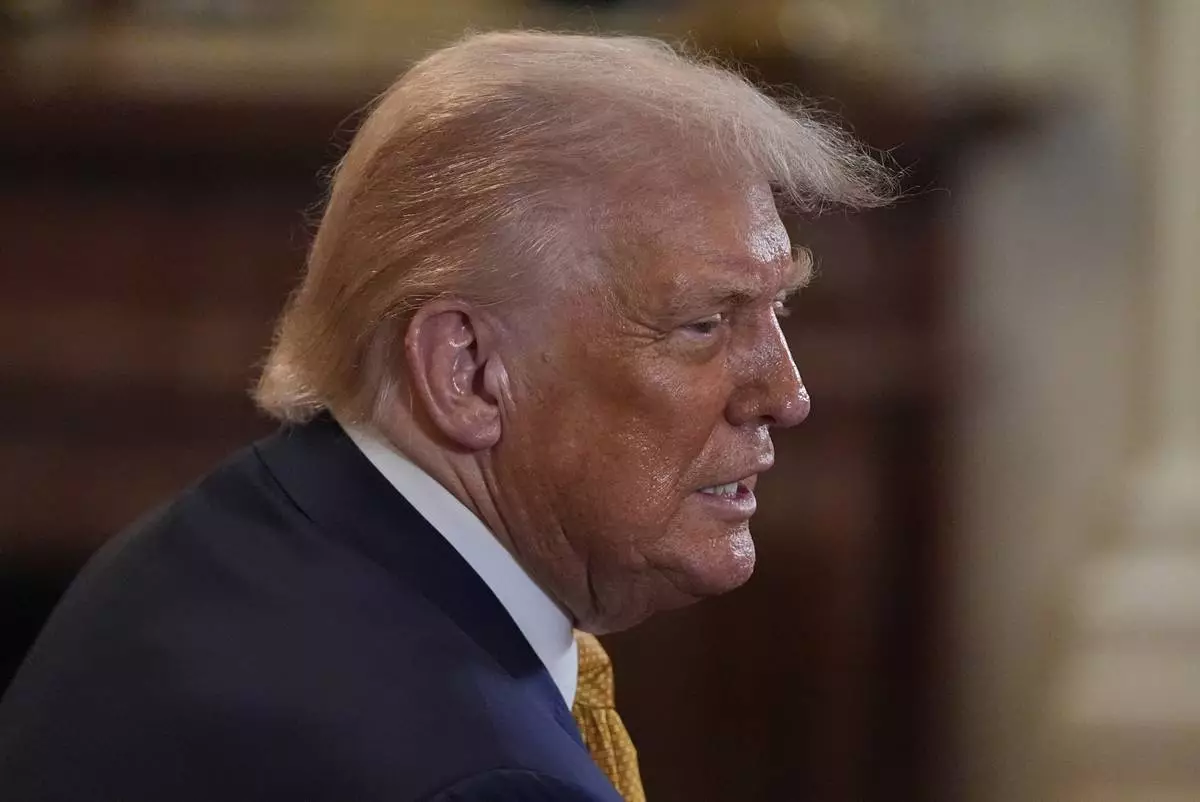
President Donald Trump greets people during a reception for Republican members of Congress in the East Room of the White House, Tuesday, July 22, 2025, in Washington. (AP Photo/Julia Demaree Nikhinson)
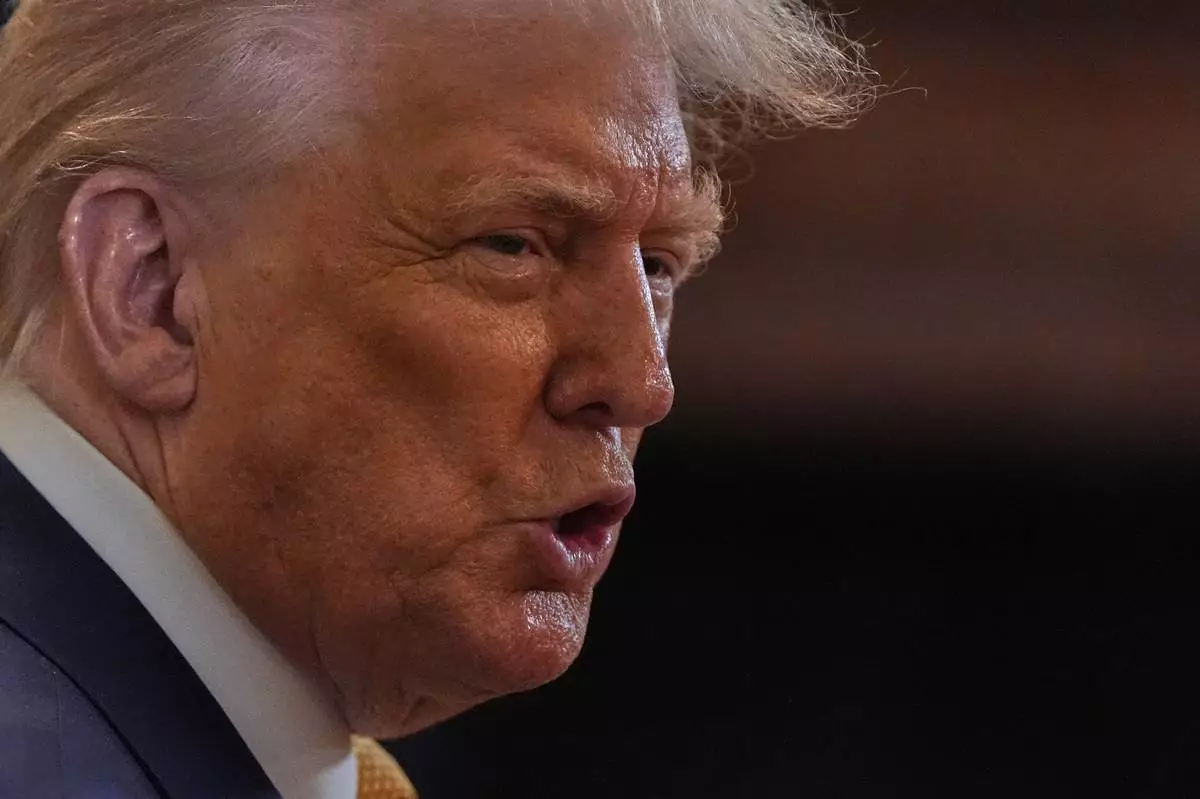
President Donald Trump greets people during a reception for Republican members of Congress in the East Room of the White House, Tuesday, July 22, 2025, in Washington. (AP Photo/Julia Demaree Nikhinson)
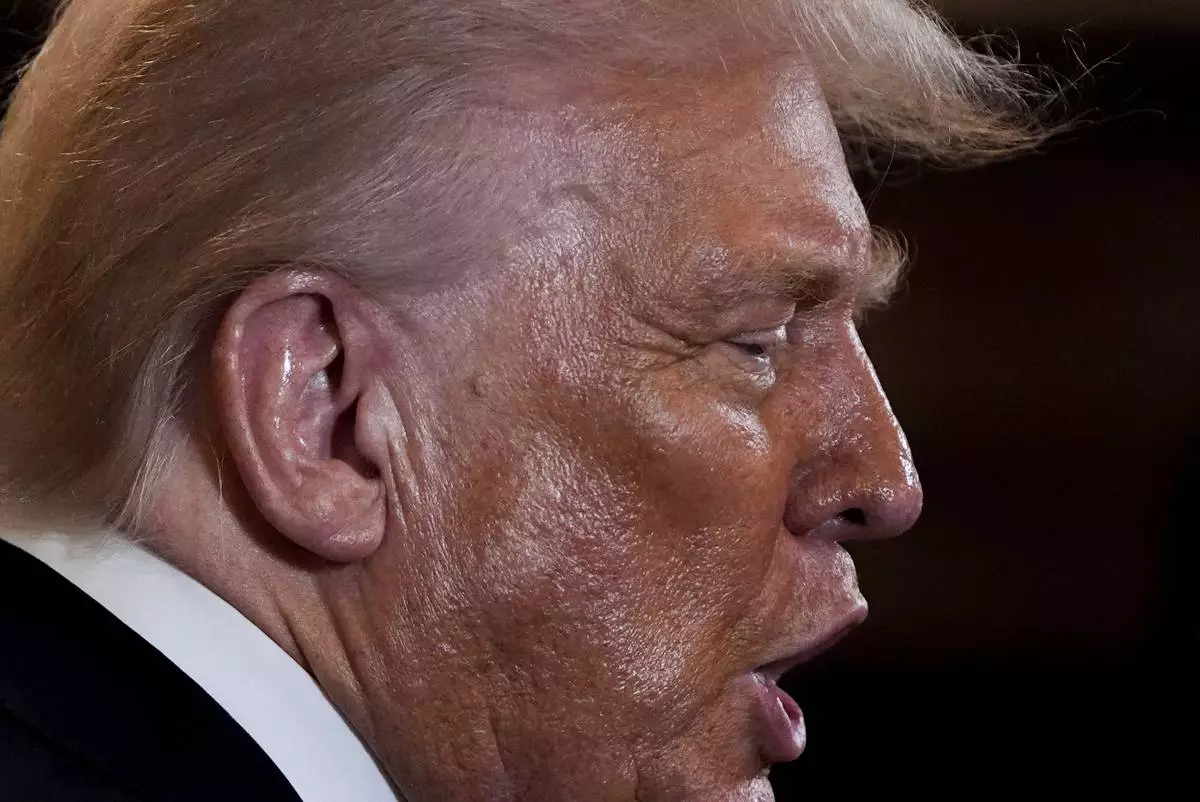
President Donald Trump speaks during a reception for Republican members of Congress in the East Room of the White House, Tuesday, July 22, 2025, in Washington. (AP Photo/Julia Demaree Nikhinson)

President Donald Trump speaks during a reception for Republican members of Congress in the East Room of the White House, Tuesday, July 22, 2025, in Washington. (AP Photo/Julia Demaree Nikhinson)
President Donald Trump greets people during a reception for Republican members of Congress in the East Room of the White House, Tuesday, July 22, 2025, in Washington. (AP Photo/Julia Demaree Nikhinson)
President Donald Trump greets people during a reception for Republican members of Congress in the East Room of the White House, Tuesday, July 22, 2025, in Washington. (AP Photo/Julia Demaree Nikhinson)
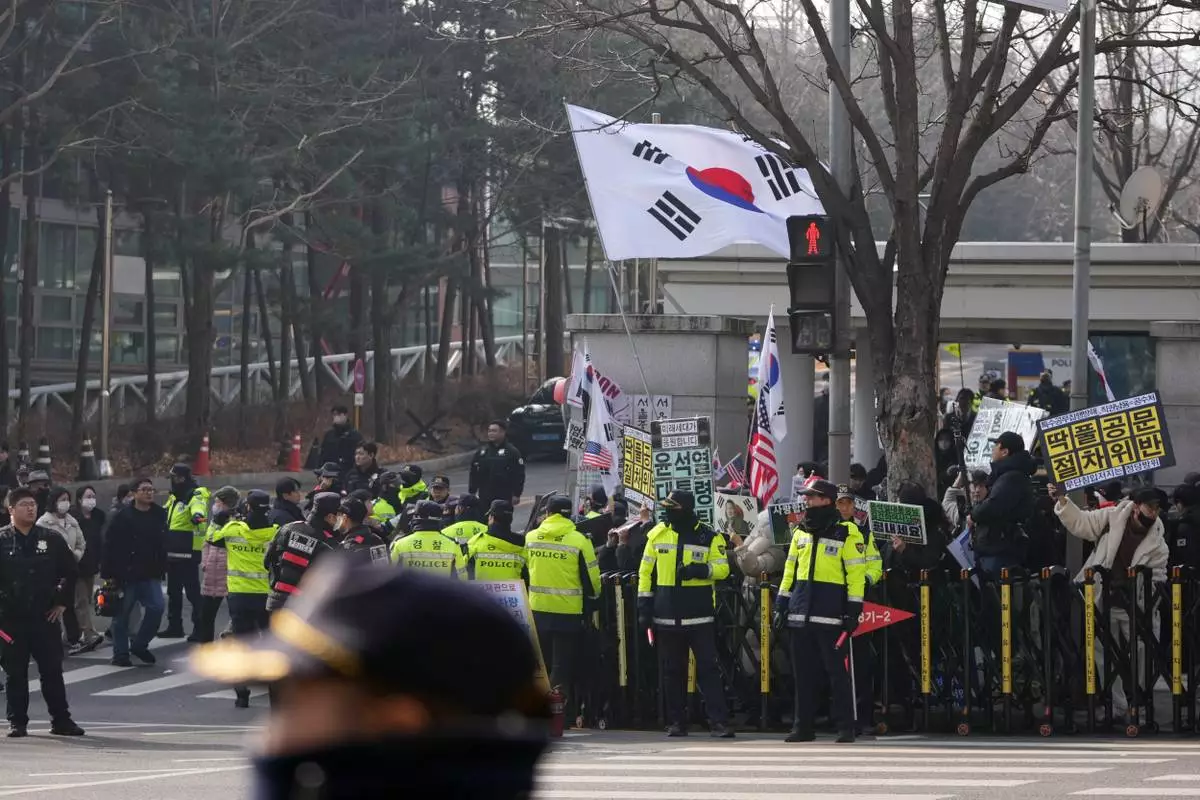
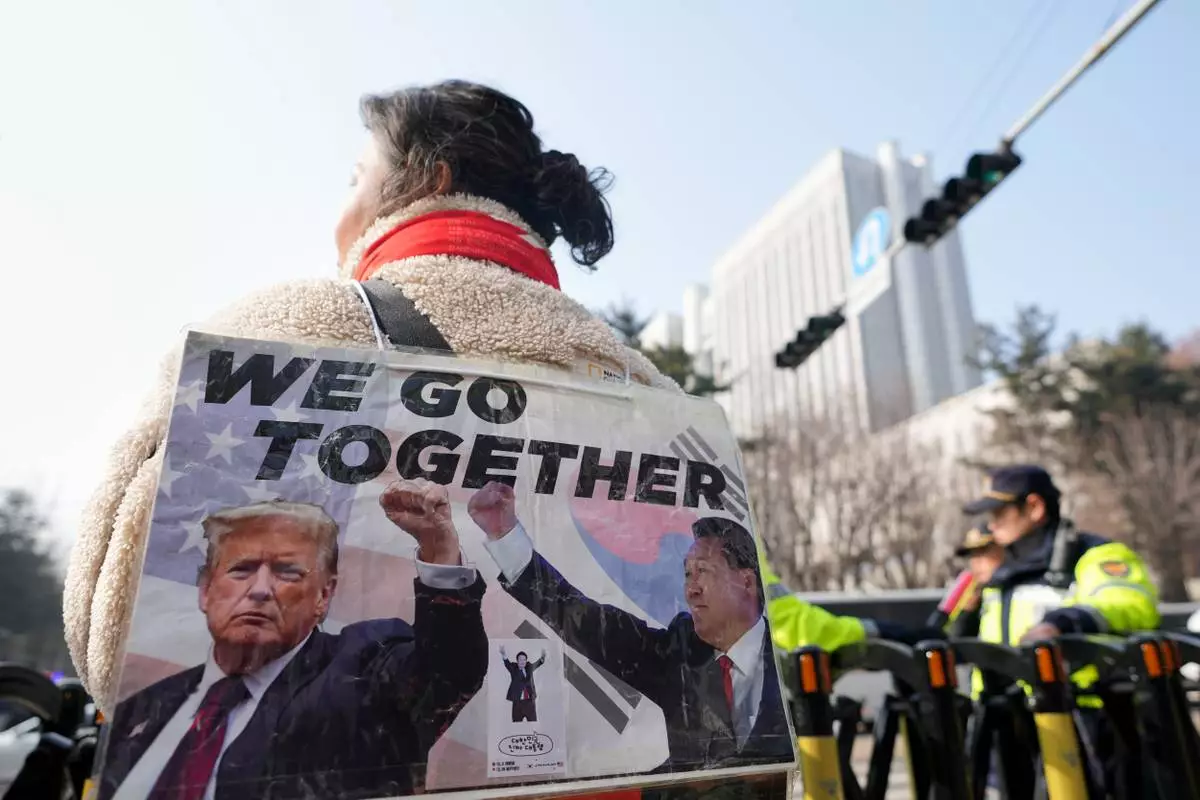
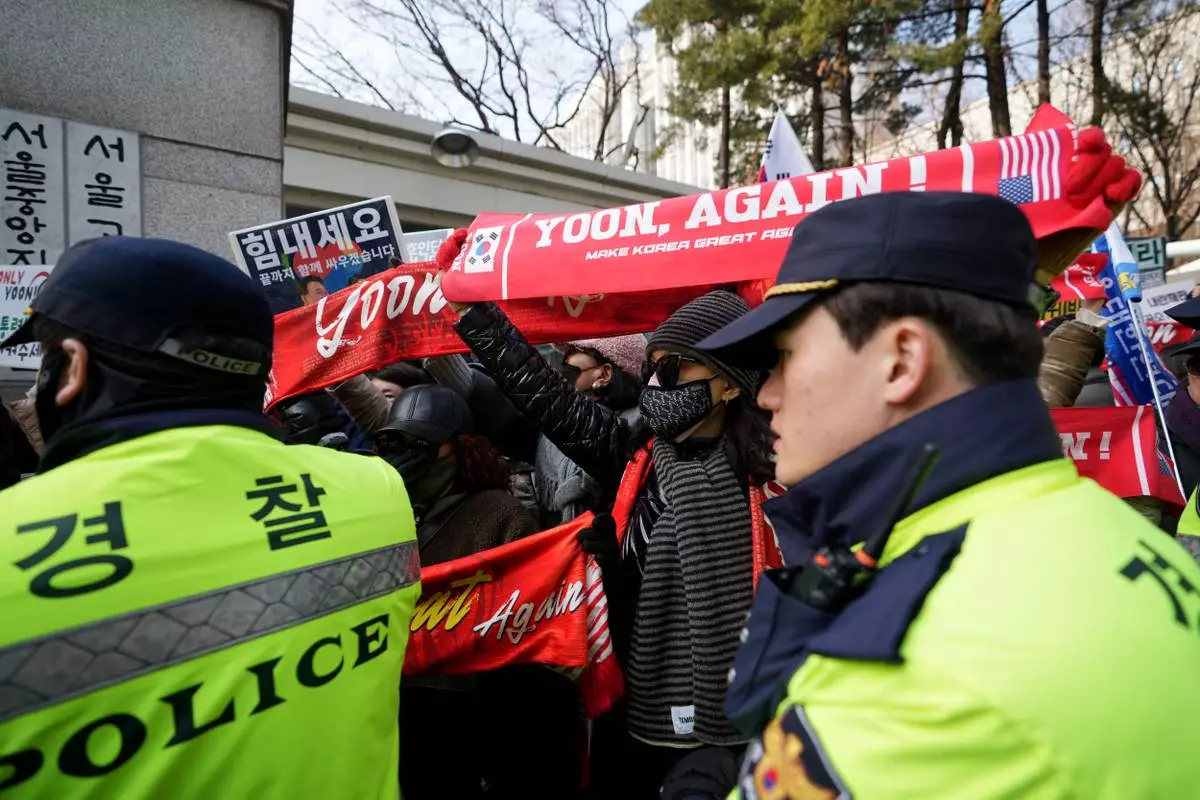
SEOUL, South Korea (AP) — A South Korean court sentenced former President Yoon Suk Yeol to five years in prison Friday in the first verdict from eight criminal trials over the martial law debacle that forced him out of office and other allegations.

Yoon was impeached, arrested and dismissed as president after his short-lived imposition of martial law in December 2024 triggered huge public protests calling for his ouster.

The most significant criminal charge against him alleges that his martial law enforcement amounted to a rebellion, and the independent counsel has requested the death sentence in the case that is to be decided in a ruling next month.

In Friday's case, the Seoul Central District Court sentenced Yoon for defying attempts to detain him, fabricating the martial law proclamation and sidestepping a legally mandated full Cabinet meeting.

Yoon has maintained he didn’t intend to place the country under military rule for an extended period, saying his decree was only meant to inform the people about the danger of the liberal-controlled parliament obstructing his agenda. But investigators have viewed Yoon’s decree as an attempt to bolster and prolong his rule, charging him with rebellion, abuse of power and other criminal offenses.

Judge Baek Dae-hyun said in the televised ruling that imposing “a grave punishment” was necessary because Yoon hasn’t shown remorse and has only repeated “hard-to-comprehend excuses.” The judge also restoring legal systems damaged by Yoon’s action was necessary.

Yoon, who can appeal the ruling, hasn’t immediately publicly responded to the ruling. But when the independent counsel demanded a 10-year prison term in the case, Yoon’s defense team accused them of being politically driven and lacking legal grounds to demand such “an excessive” sentence.

Prison sentences in the multiple, smaller trials Yoon faces would matter if he is spared the death penalty or life imprisonment at the rebellion trial.

Park SungBae, a lawyer who specializes in criminal law, said there is little chance the court would decide Yoon should face the death penalty in the rebellion case. He said the court will likely issue a life sentence or a sentence of 30 years or more in prison.

South Korea has maintained a de facto moratorium on executions since 1997 and courts rarely hand down death sentences. Park said the court would take into account that Yoon’s decree didn’t cause casualties and didn’t last long, although Yoon hasn’t shown genuine remorse for his action.

A supporter of former South Korean President Yoon Suk Yeol shouts slogans outside Seoul Central District Court, in Seoul, South Korea, Friday, Jan. 16, 2026. (AP Photo/Lee Jin-man)

A supporter of former South Korean President Yoon Suk Yeol shouts slogans outside Seoul Central District Court, in Seoul, South Korea, Friday, Jan. 16, 2026. (AP Photo/Lee Jin-man)

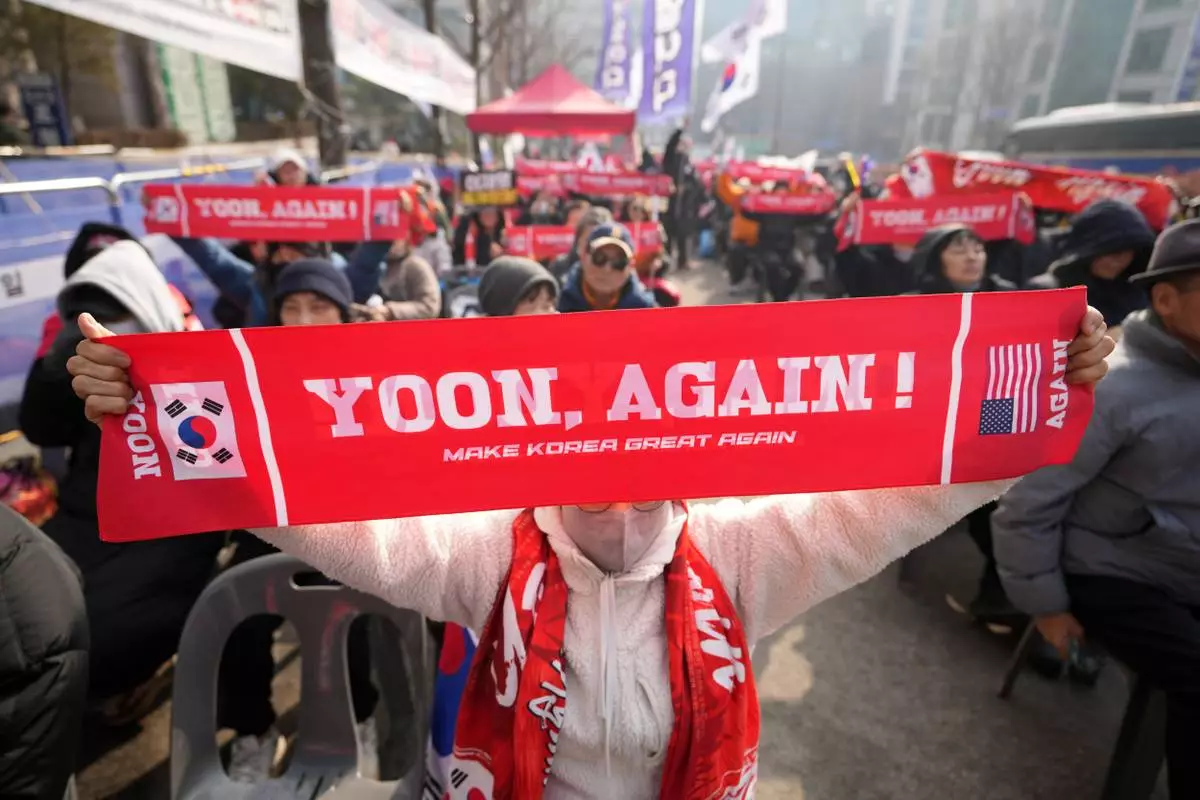
Supporters of former South Korean President Yoon Suk Yeol hold signs and flags outside Seoul Central District Court, in Seoul, South Korea, Friday, Jan. 16, 2026. (AP Photo/Lee Jin-man)

Supporters of former South Korean President Yoon Suk Yeol hold signs and flags outside Seoul Central District Court, in Seoul, South Korea, Friday, Jan. 16, 2026. (AP Photo/Lee Jin-man)

A supporter of former South Korean President Yoon Suk Yeol waits for a bus carrying former South Korean President Yoon Suk Yeol outside Seoul Central District Court, in Seoul, South Korea, Friday, Jan. 16, 2026. (AP Photo/Lee Jin-man)

A supporter of former South Korean President Yoon Suk Yeol waits for a bus carrying former South Korean President Yoon Suk Yeol outside Seoul Central District Court, in Seoul, South Korea, Friday, Jan. 16, 2026. (AP Photo/Lee Jin-man)

Supporters of former South Korean President Yoon Suk Yeol hold signs as police officers stand guard outside Seoul Central District Court, in Seoul, South Korea, Friday, Jan. 16, 2026. (AP Photo/Lee Jin-man)

Supporters of former South Korean President Yoon Suk Yeol hold signs as police officers stand guard outside Seoul Central District Court, in Seoul, South Korea, Friday, Jan. 16, 2026. (AP Photo/Lee Jin-man)

Supporters of former South Korean President Yoon Suk Yeol hold signs and flags outside Seoul Central District Court, in Seoul, South Korea, Friday, Jan. 16, 2026. (AP Photo/Lee Jin-man)

Supporters of former South Korean President Yoon Suk Yeol hold signs and flags outside Seoul Central District Court, in Seoul, South Korea, Friday, Jan. 16, 2026. (AP Photo/Lee Jin-man)

Supporters of former South Korean President Yoon Suk Yeol hold signs outside Seoul Central District Court, in Seoul, South Korea, Friday, Jan. 16, 2026. (AP Photo/Lee Jin-man)

Supporters of former South Korean President Yoon Suk Yeol hold signs outside Seoul Central District Court, in Seoul, South Korea, Friday, Jan. 16, 2026. (AP Photo/Lee Jin-man)

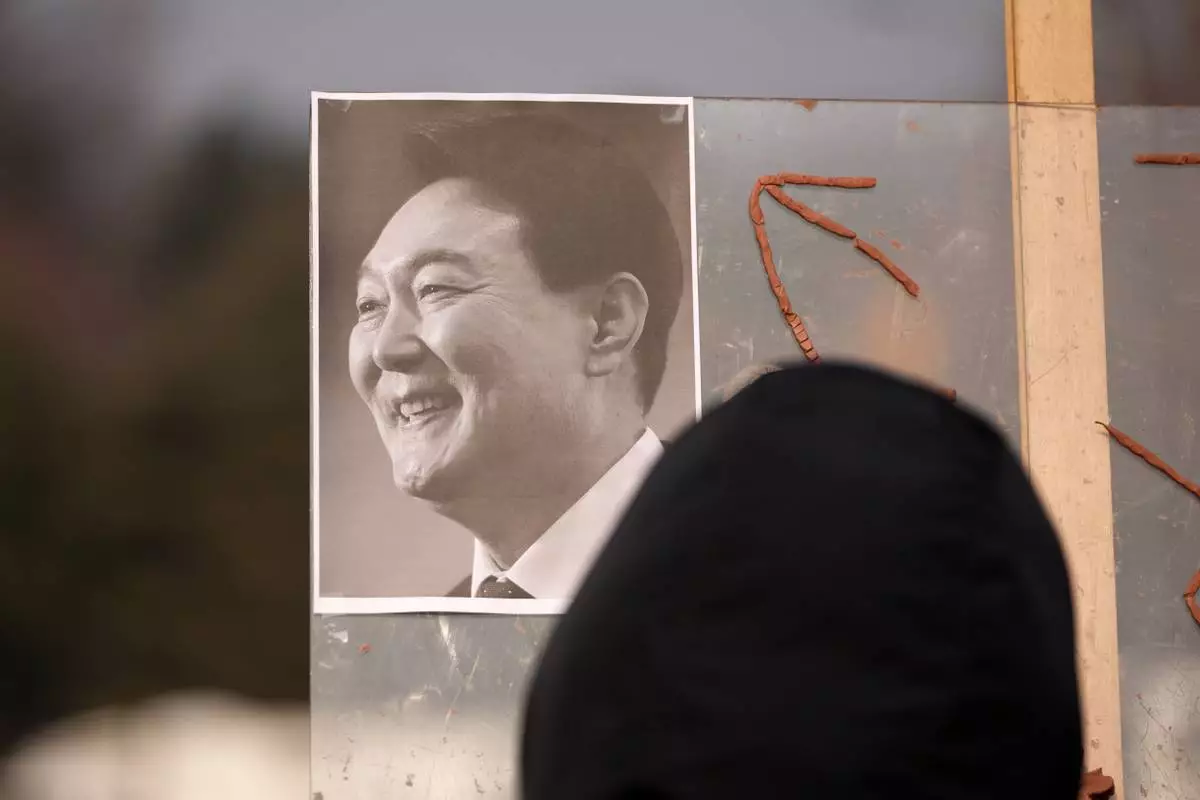
A picture of former South Korean President Yoon Suk Yeol is placed on a board as supporters gather outside Seoul Central District Court, in Seoul, South Korea, Friday, Jan. 16, 2026. (AP Photo/Lee Jin-man)

A picture of former South Korean President Yoon Suk Yeol is placed on a board as supporters gather outside Seoul Central District Court, in Seoul, South Korea, Friday, Jan. 16, 2026. (AP Photo/Lee Jin-man)

Recommended Articles